
 paulius.mikoliunas1
| Common Name | Chinese Redbud |
| Family | Fabaceae or Leguminosae |
| USDA hardiness | 6-8 |
| Known Hazards | None known |
| Habitats | Woodland and clearings, 600 – 1200 metres in W. Hupeh. |
| Range | E. Asia – China |
| Edibility Rating |   (1 of 5) (1 of 5) |
| Other Uses |  (0 of 5) (0 of 5) |
| Weed Potential | No |
| Medicinal Rating |   (2 of 5) (2 of 5) |
| Care (info) |    |


Chinese Redbud (Cercis chinensis): A Complete Guide to Growing, Propagating, Varieties, Uses & Harvesting
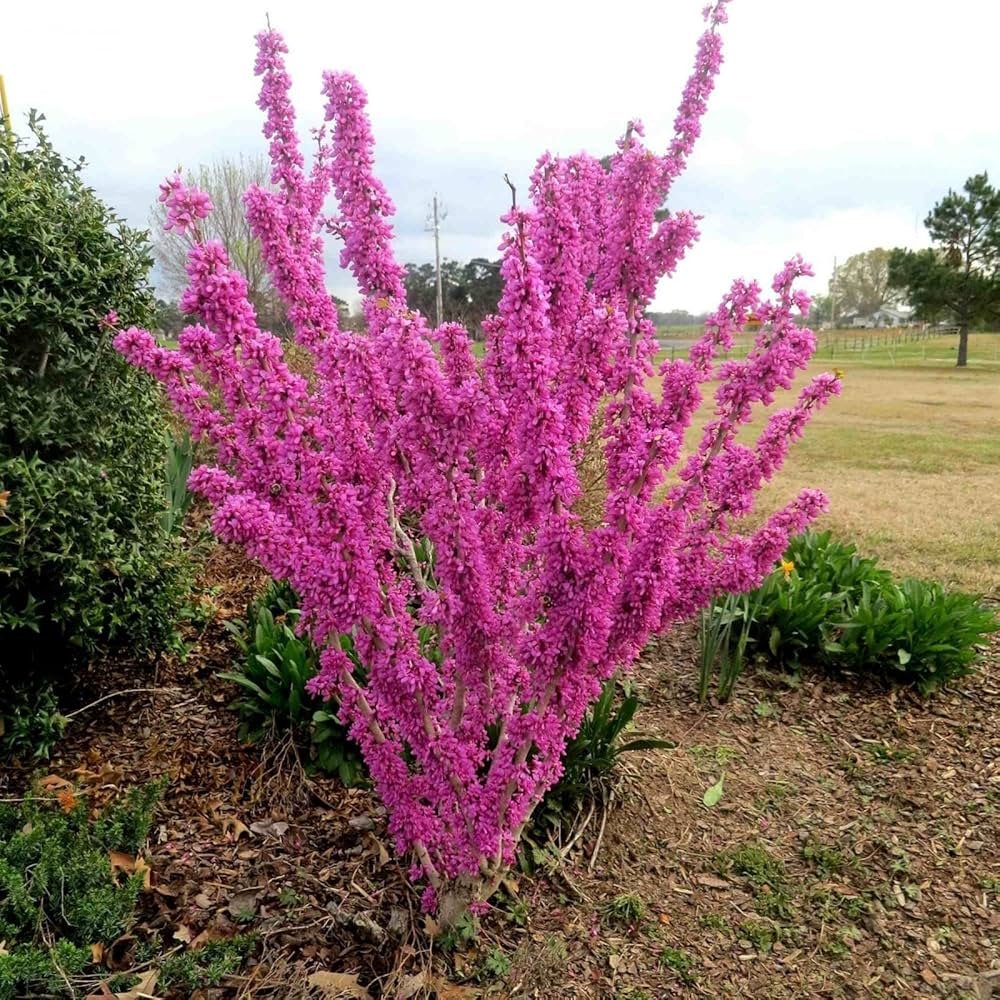
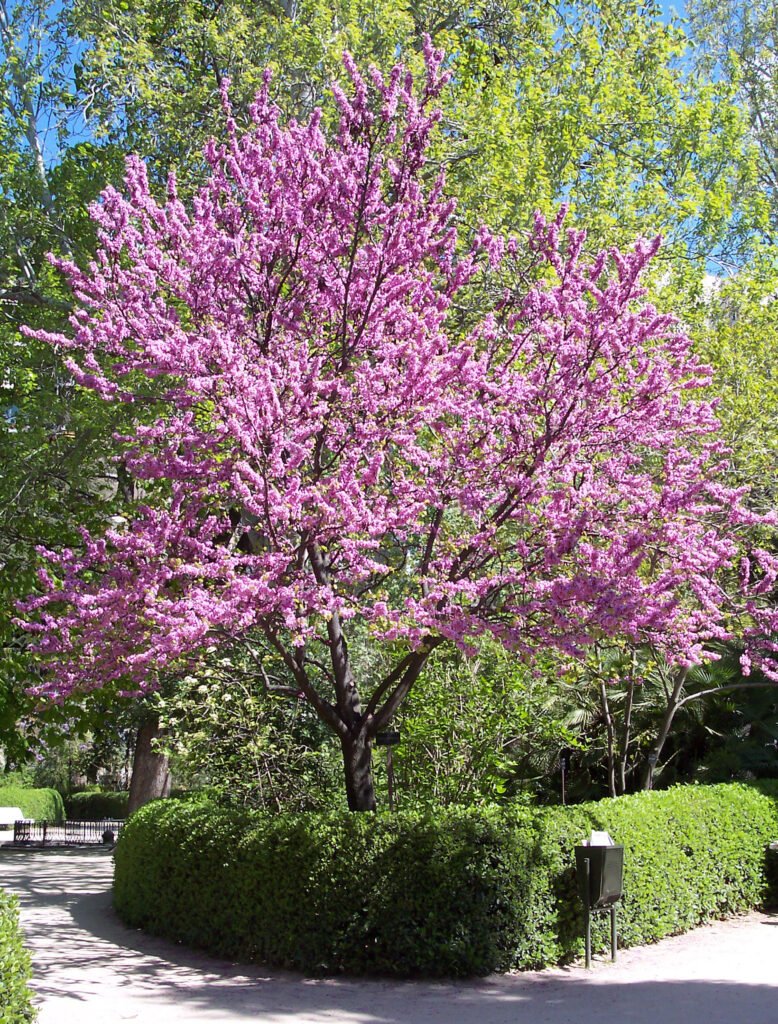
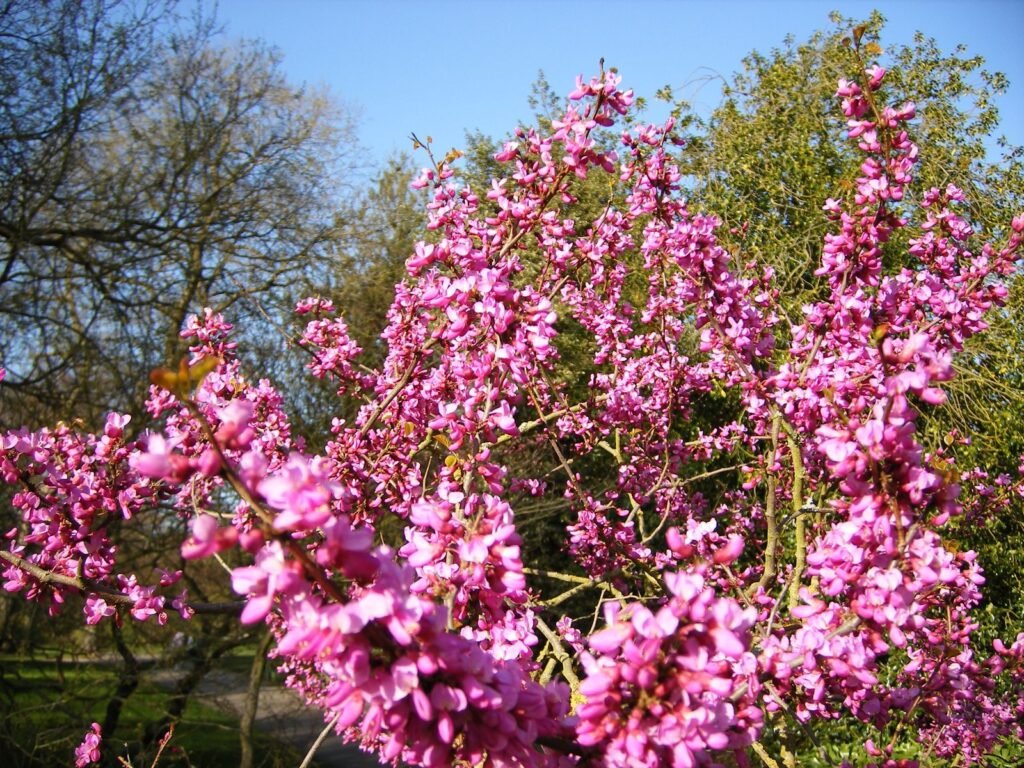
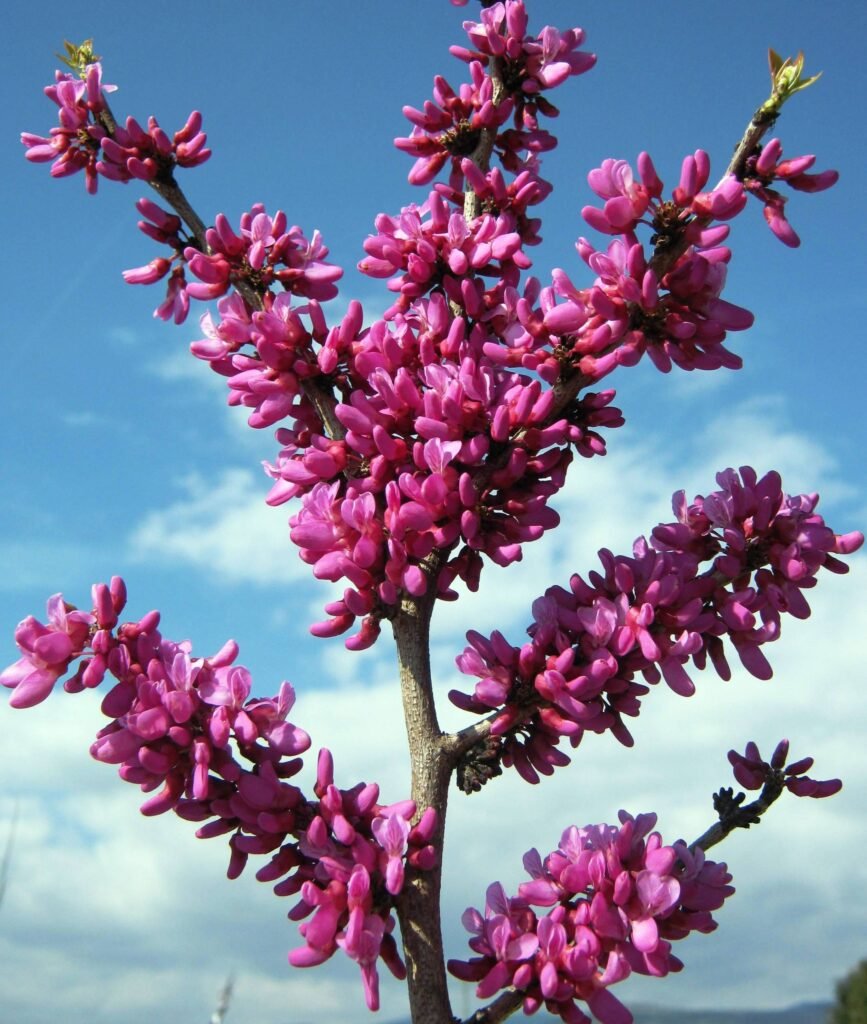
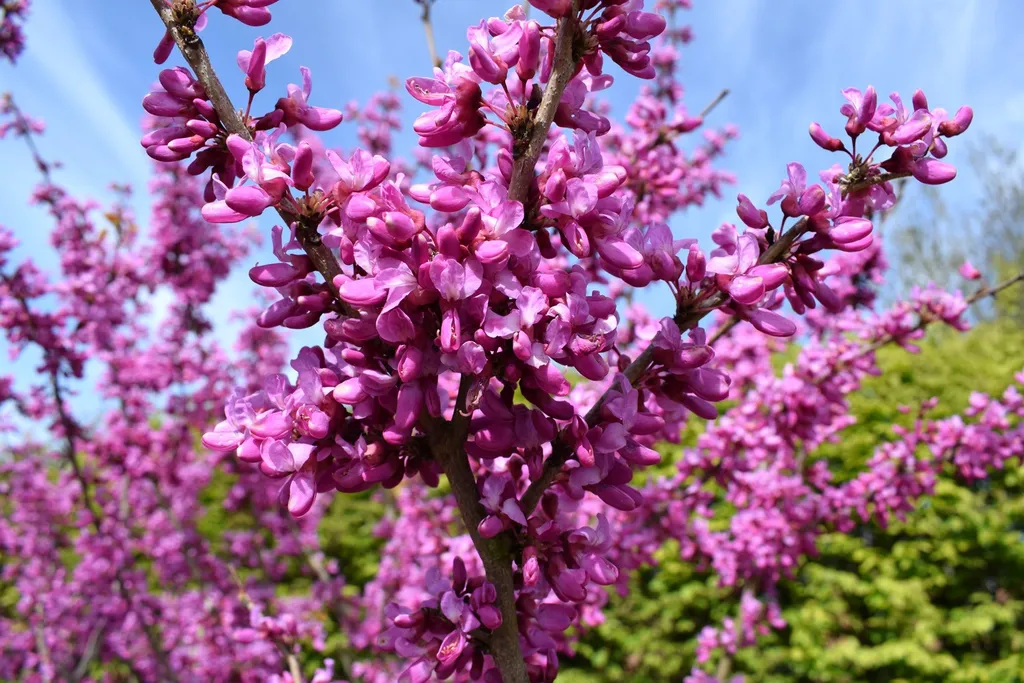
The Chinese Redbud (Cercis chinensis) is one of the most elegant small ornamental trees for home gardens and landscapes. Beloved for its brilliant clusters of rose-pink blooms that appear on bare branches in early spring, this remarkable species adds instant drama and color long before most plants awaken for the season. Whether you’re looking to enrich a backyard with spring interest or cultivate a compact tree for a patio landscape, the Chinese Redbud is a rewarding choice for gardeners of all levels.
Below you’ll find a complete guide covering how to grow, propagate, identify key varieties, use the plant, and harvest its edible and ornamental parts.
What Makes the Chinese Redbud Special?
Native to China, Korea, and parts of East Asia, Cercis chinensis is valued for:
- Early spring blooms in vivid rose, pink, or purple
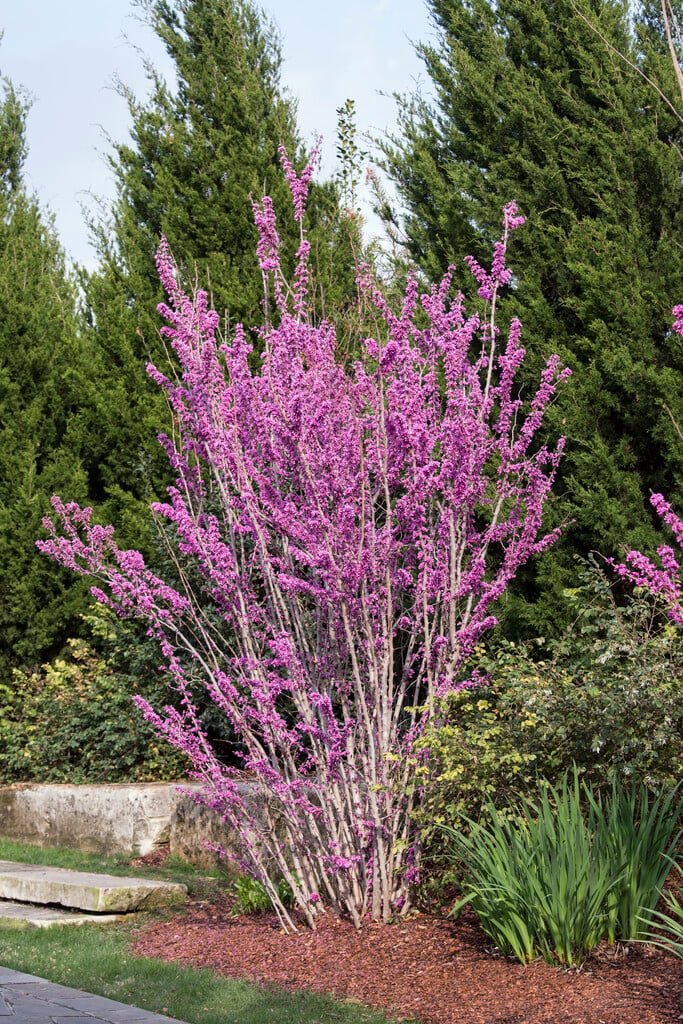
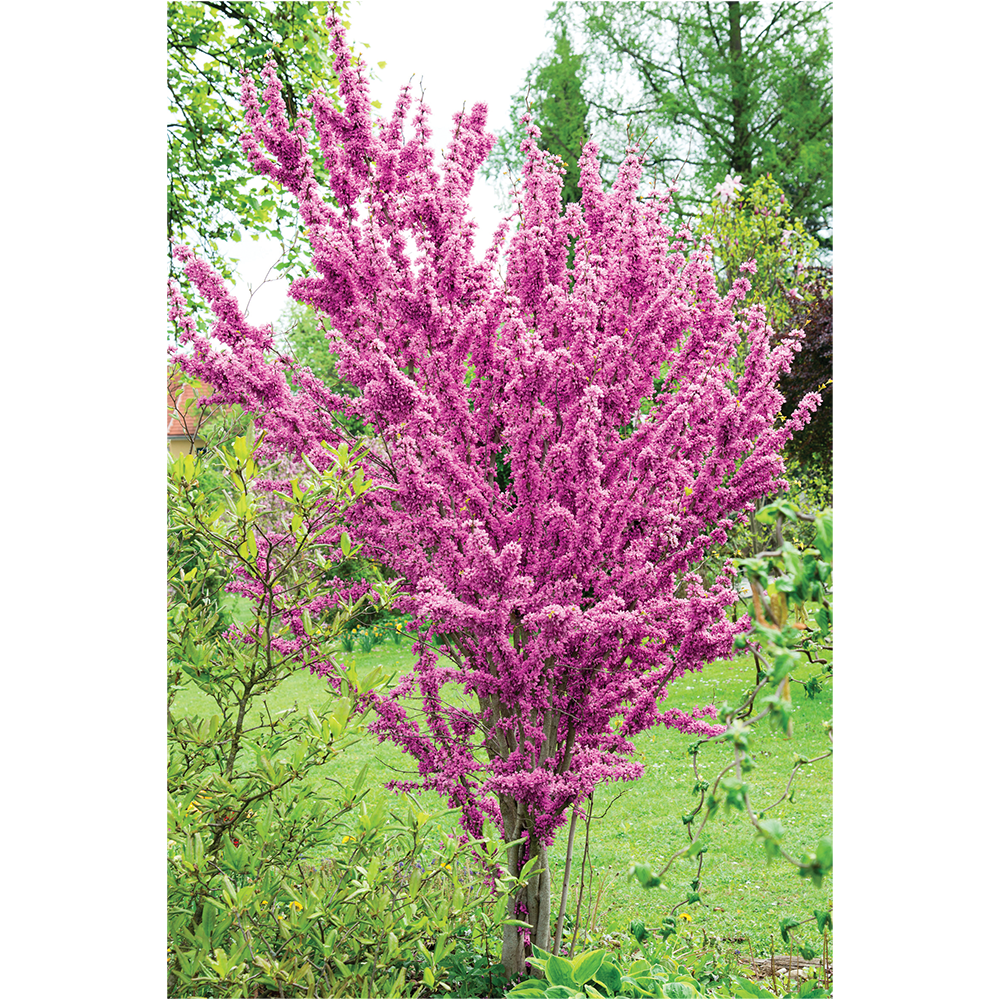
- A compact growth habit ideal for small spaces
- Heart-shaped foliage that transitions from bright green to golden-yellow in fall
- Tolerance for heat and variable soils
- Edible flowers and interesting ornamental seedpods
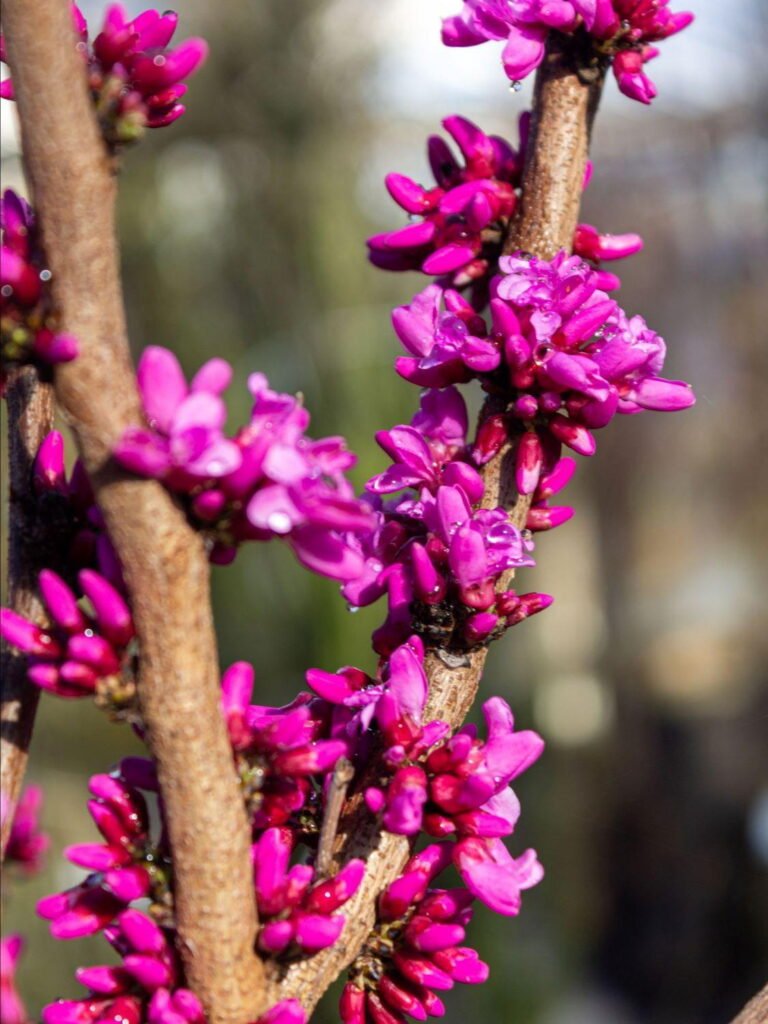
Unlike its North American cousin (Cercis canadensis), the Chinese Redbud tends to bloom more densely along the trunk and branches, creating a dramatic “cauliflory” effect.
How to Grow Chinese Redbud (Cercis chinensis)
Growing a Chinese Redbud successfully starts with the right location and care.
1. Choosing the Right Site
Sunlight
- Prefers full sun to partial shade.
- Full sun produces more abundant blooms.
Soil
- Well-draining soil is essential.
- Tolerates clay, loam, and sandy soils but dislikes waterlogged conditions.
- Slightly acidic to neutral pH is ideal.
Climate
- Hardy in USDA Zones 6–9.
- Protected, sheltered areas encourage stronger spring blooming.
2. Planting Instructions
- Dig a hole twice as wide as the root ball but no deeper.
- Place the tree so the root flare sits level with the soil line.
- Backfill with native soil — no need for heavy amendments.
- Water thoroughly to settle the roots.
- Add a 2–3 inch layer of mulch around (but not touching) the trunk.
3. Watering & Care
Watering
- Keep soil consistently moist during the first growing season.
- Once established, Chinese Redbuds are moderately drought-tolerant.
Fertilizing
- Apply a balanced slow-release fertilizer in early spring, but only if soil is nutrient poor.
- Over-fertilizing can reduce flower production.
Pruning
- Prune right after flowering, if needed.
- Remove crossing branches and any winter dieback during late winter.
- Avoid heavy pruning; this species prefers minimal shaping.
Propagation of Chinese Redbud
Chinese Redbud can be propagated through seeds, cuttings, and grafting, with each method offering unique advantages.
1. Growing from Seeds
Seed propagation is possible but requires preparation.
Steps
- Collect matured seedpods in late summer or fall.
- Allow seeds to dry indoors.
- Scarify seeds by gently nicking the coat or soaking them briefly in hot water (not boiling).
- Stratify seeds in moist sand or peat in the refrigerator for 6–8 weeks.
- Sow in well-draining soil at a shallow depth.
Pros / Cons
- Pros: Cost-effective, good for mass planting.
- Cons: May not grow true to parent variety.
2. Propagating by Cuttings
Semi-hardwood cuttings provide faster results and preserve varietal traits.
Steps
- Take 6–8 inch semi-hardwood cuttings in mid-summer.
- Remove lower leaves and dip base in rooting hormone.
- Plant in a sterile, well-drained medium (peat-perlite mix).
- Keep humid and warm until roots develop (4–8 weeks).
3. Grafting
Often used for specialty cultivars.
- Typically grafted onto Cercis rootstock.
- Ensures genetic consistency and stronger disease resistance.
Popular Varieties of Chinese Redbud (Cercis chinensis)
There are several stunning cultivars worth considering:
1. ‘Don Egolf’
- One of the most famous seedless, sterile cultivars.
- Compact, rounded form ideal for small gardens.
- Exceptionally heavy blooming.
2. ‘Avondale’
- Profusely blooming early in the season.
- Dense clusters of magenta-pink flowers along branches.
3. ‘Kay’s Early Hope’
- Earlier blooming than many cultivars.
- Larger flower clusters and vigorous growth.
4. ‘Shibamichi Red’
- Known for striking red-tinted young foliage.
- Eye-catching color contrast through spring.
Uses of Chinese Redbud
1. Ornamental Landscaping
- Ideal as a specimen tree or a small ornamental grouping.
- Works well near patios, walkways, or courtyards.
- Perfect for creating early-season focal points.
2. Wildlife Support
- Flowers provide nectar for early pollinators.
- Seedpods attract birds later in the season.
3. Edible Uses
The flowers of Cercis chinensis are edible.
- Mild, slightly tangy flavor.
- Can be added to salads, desserts, and garnishes.
- Also used traditionally in teas and pickled preparations.
4. Craft & Decorative Uses
- Dried seedpods make beautiful natural decorations.
- Flowers can be used in pressed botanical art.
Harvesting Flowers & Seedpods
Harvesting Flowers
- Best collected in early spring just after opening.
- Rinse gently, as blooms bruise easily.
- Use immediately for culinary purposes or press for crafts.
Harvesting Seedpods
- Mature in late summer to fall.
- Pick once they turn brown and dry.
- Store seeds in a cool, dry container for propagation.
Common Issues & Solutions
1. Leaf Spot
- Often caused by wet foliage.
- Improve airflow and water at the base.
2. Canker
- Remove affected branches promptly.
- Ensure proper spacing to reduce stress.
3. Insect Pests
- Generally low-maintenance, but may attract caterpillars or leafhoppers.
- Use gentle insecticidal soap if needed.
Final Thoughts
The Chinese Redbud (Cercis chinensis) remains one of the most rewarding small ornamental trees you can grow. From its electrifying spring blossoms to its edible flowers and compact growth habit, it offers beauty and practicality all year long. Whether you’re a seasoned gardener or a beginner seeking a reliable showstopper, the Chinese Redbud is an excellent addition to any landscape.




&media=https://food-foresting.com/wp-content/uploads/2025/11/cercis-avondale2.webp)