
 paulius.mikoliunas1
| Common Name | Corkscrew willow, Hankow Willow, Peking Willow, Corkscrew Willow |
| Family | Salicaceae |
| USDA hardiness | 4-8 |
| Known Hazards | None known |
| Habitats | Banks of rivers. |
| Range | E. Asia – northern and western China. |
| Edibility Rating |   (1 of 5) (1 of 5) |
| Other Uses |   (3 of 5) (3 of 5) |
| Weed Potential | No |
| Medicinal Rating |   (2 of 5) (2 of 5) |
| Care (info) |    |

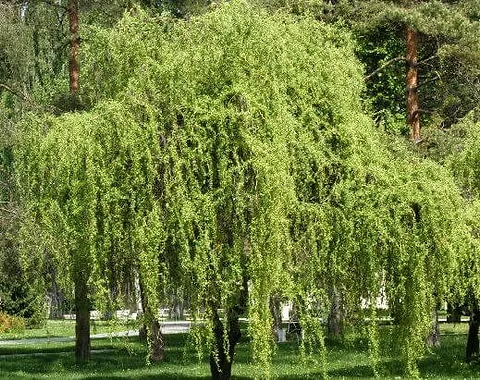

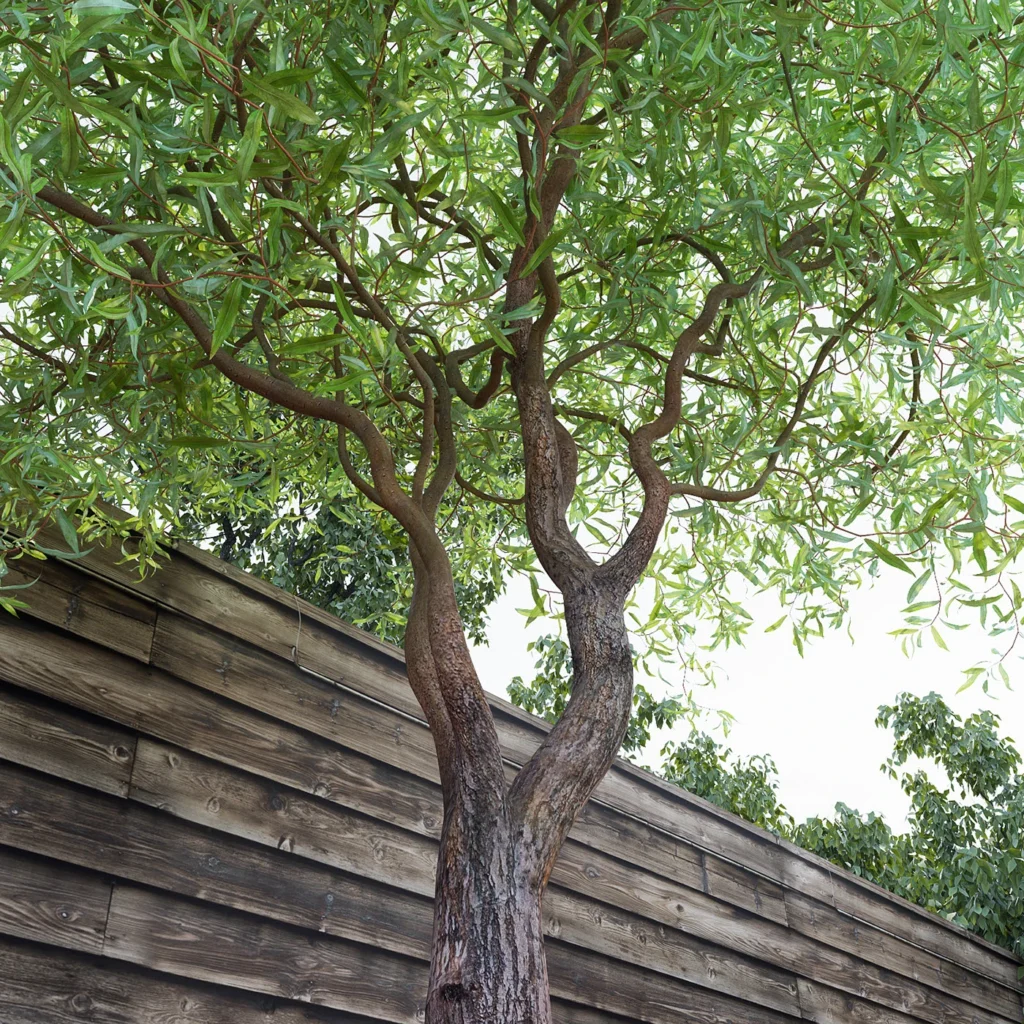






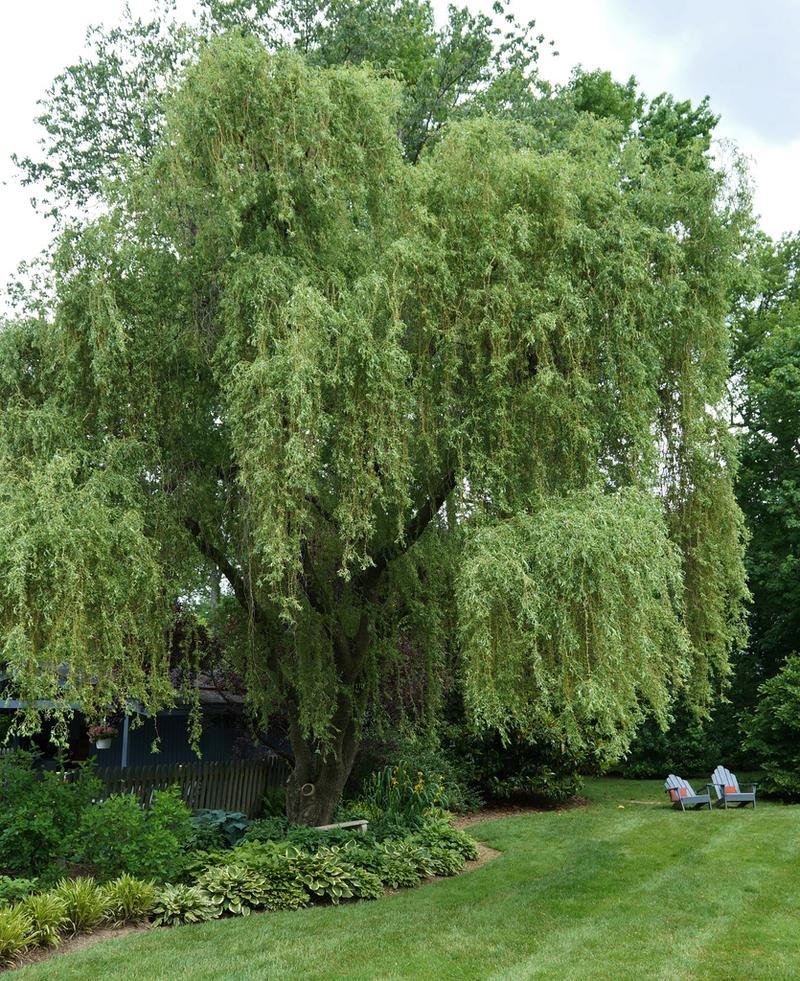
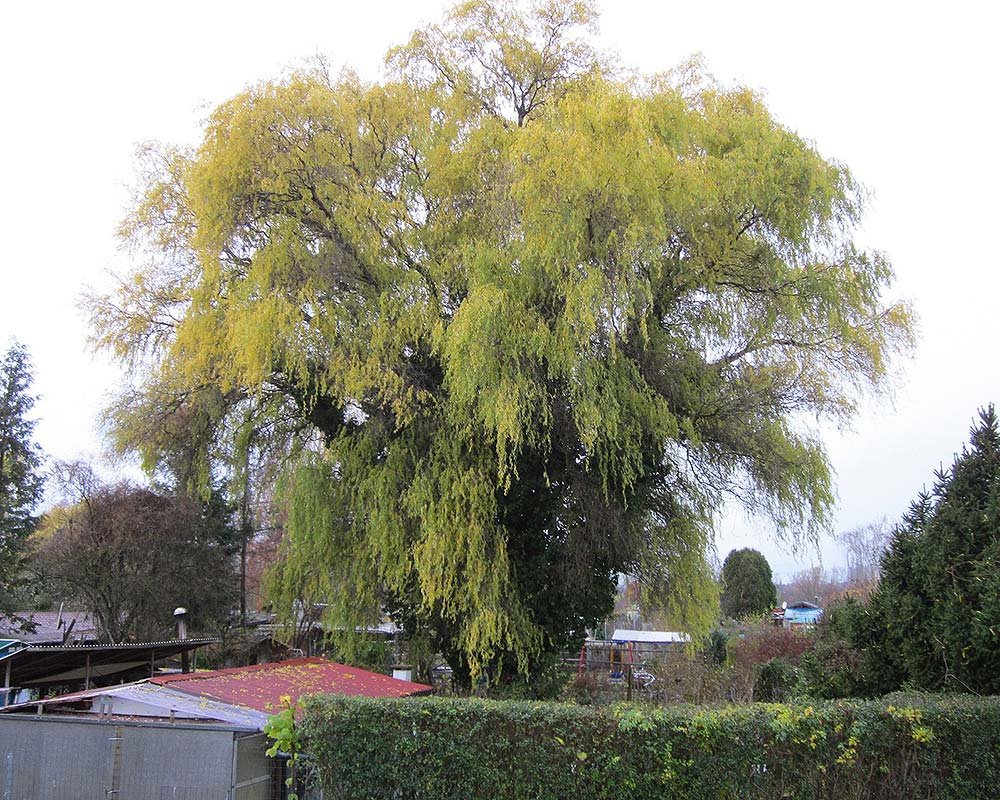


How to Grow, Propagate, Varieties, and Harvest Corkscrew Willow (Salix matsudana): The Complete Guide
The Corkscrew Willow (Salix matsudana ‘Tortuosa’) is one of the most visually striking ornamental trees you can grow. Known for its twisted, spiraling branches and contorted foliage, this fast-growing willow is loved by gardeners, floral designers, and landscapers alike. If you’re looking for a dramatic specimen tree, a reliable source of decorative branches, or a plant that adds movement and structure to your garden year-round, the corkscrew willow delivers.
This guide covers everything you need to know: growing conditions, propagation, pruning, varieties, harvesting branches, and common issues—optimized for search visibility and written for real gardeners.
What Is the Corkscrew Willow?
The corkscrew willow is a deciduous tree native to East Asia and a twisted cultivar of the Chinese willow. It’s famous for:
- Curly, spiraling branches that are stunning in winter landscapes
- Fast growth—up to 2–3 feet per year
- Extreme ease of rooting and propagation
- Golden fall color
- Decorative cut branches that are prized in floral arrangements
Mature trees typically reach 20–30 feet tall with a spread of 10–15 feet, making it a great mid-sized specimen tree.
How to Grow Corkscrew Willow (Salix matsudana)
1. Light Requirements
Corkscrew willow thrives in full sun, ideally 6–8 hours per day.
It will tolerate partial shade but may grow less vigorously and develop fewer decorative twists.
2. Soil Needs
These trees aren’t picky, but they appreciate:
- Moist, well-draining soil
- Slightly acidic to neutral pH
- Organic matter
They tolerate clay, sandy soils, and even temporary flooding, much like other willow species.
3. Watering
Willows love moisture.
For young trees:
- Keep the soil consistently moist for the first 1–2 years.
- Water deeply 2–3 times per week during hot weather.
For established trees:
- Deep-rooted and drought-tolerant, but they grow best with occasional deep watering.
If you live in a hot, dry climate, mulching around the base helps retain soil moisture.
4. Fertilizing
Willows grow quickly and generally don’t require fertilizer.
However, for maximum branch production:
- Apply a balanced slow-release fertilizer (10-10-10 or similar) once in early spring.
- Avoid high-nitrogen lawn fertilizers nearby, which can overstimulate weak, rapid growth.
5. Planting Tips
When planting a corkscrew willow:
- Dig a hole twice as wide as the root ball.
- Loosen the soil and incorporate compost.
- Plant at the same depth as it was in the container.
- Water deeply and mulch with 2–3 inches of organic material.
Because corkscrew willows have vigorous roots, avoid planting:
- Near septic systems
- Close to sidewalks or driveways
- Within 15–25 feet of home foundations
Pruning Corkscrew Willow
Pruning is essential to maintain shape and encourage strong branch structure.
Best time to prune
- Late winter to early spring, while the tree is dormant.
How to prune
- Remove dead, crossing, or weak branches.
- Prune storm-damaged wood immediately.
- Thin the canopy slightly to allow airflow.
- For decorative branch harvesting, prune selectively throughout the year.
Willows are prone to breakage, so annual pruning keeps them healthy and attractive.
Corkscrew Willow Varieties
1. Salix matsudana ‘Tortuosa’
- Classic curled branches
- Upright, spreading habit
2. Golden Curls Willow (Salix matsudana ‘Golden Curls’)
- Twisted golden-yellow young stems
- Especially stunning in winter
- Slightly smaller, excellent for small landscapes
3. Scarlet Curls Willow
- New growth emerges red or orange
- Vibrant winter color
- Popular for decorative branch harvesting
4. Prairie Cascade Willow
- Semi-weeping form with gentle corkscrew growth
- Stronger branch structure
- Good for windy regions
These cultivars vary in color, shape, and ornamental value, offering something for every garden design.
Propagating Corkscrew Willow
One of the greatest advantages of corkscrew willow is how easy it is to propagate. In fact, they’re among the easiest trees in the world to root.
1. Propagation from Stem Cuttings
This is the most common and nearly foolproof method.
How to do it:
- Take a 12–18 inch cutting from a healthy, current-season branch.
- Remove leaves on the bottom half.
- Place the stem in a jar of water OR stick it directly into moist soil.
- Keep in bright, indirect light.
- Roots develop in 1–3 weeks.
- Plant outdoors after roots are established and frost danger has passed.
You can propagate dozens of new trees quickly, making this a cost-effective landscaping plant.
2. Propagation from Hardwood Cuttings
Take cuttings during winter dormancy:
- Use 1–2 ft cuttings from thick stems.
- Insert directly into the ground or a pot.
- Keep soil moist.
Hardwood cuttings take longer but produce sturdier young trees.
3. Propagation by Branch Staking
Gardeners sometimes “plant” a willow branch directly into the ground, where it quickly roots.
This method works especially well in moist or creekside areas.
How to Harvest Corkscrew Willow Branches
Corkscrew willow branches are highly valued in:
- Floral arrangements
- Wreaths
- Holiday decorations
- Dried ornamental bundles
Here’s how to harvest them correctly.
When to Harvest
- Late winter: Best for dormant branches used in interior décor.
- Early spring: Young shoots have the tightest spirals.
- Summer: Fresh green stems for floral design.
How to Harvest
- Select long, unbranched shoots.
- Use clean, sharp pruning shears.
- Cut at a slight angle.
- Allow the branch to dry indoors if you want long-lasting decorations.
Proper harvesting doubles as pruning, encouraging new twisted growth for the next season.
Common Problems and Solutions
1. Branch Breakage
Willows grow fast but have weak wood.
Solution: Regular pruning and avoiding windy planting sites.
2. Aphids and Caterpillars
Common on young foliage.
Solution: Spray with water, horticultural oil, or use beneficial insects.
3. Fungal Diseases
Leaf spot and blight can appear in humid conditions.
Solution: Improve airflow through pruning; water at soil level.
4. Root Invasiveness
Willows seek water aggressively.
Solution: Plant far from pipes, foundations, and septic lines.
Benefits of Corkscrew Willows
- Fast privacy and shade
- Exceptional winter interest
- Great for cutting gardens
- Easy propagation
- Supports pollinators in spring
Their dramatic form makes them one of the most versatile ornamental trees for home landscapes.
Final Thoughts
The Corkscrew Willow is an extraordinary tree that brings movement, structure, and beauty to any garden. From its spiraling branches to its fast growth and effortless propagation, it’s an excellent choice for gardeners who want maximum visual impact with minimal fuss. Whether you grow it as a specimen, use it for cut branches, or propagate new trees for your landscape, the corkscrew willow offers endless rewards.




&media=https://food-foresting.com/wp-content/uploads/2025/11/26661b_e7782cabf8ef443d8822f46695ed6952mv2.avif)