
 paulius.mikoliunas1
| Common Name | Creeping Willow |
| Family | Salicaceae |
| USDA hardiness | 4-8 |
| Known Hazards | None known |
| Habitats | Wet heaths and moorlands. |
| Range | Europe, including Britain, from Scandanavia south and east to Spain, Siberia, W. and C. Asia. |
| Edibility Rating |   (1 of 5) (1 of 5) |
| Other Uses |   (3 of 5) (3 of 5) |
| Weed Potential | No |
| Medicinal Rating |   (2 of 5) (2 of 5) |
| Care (info) |     |

How to Grow, Propagate, Varieties, and Harvest Creeping Willow (Salix repens): A Complete Guide
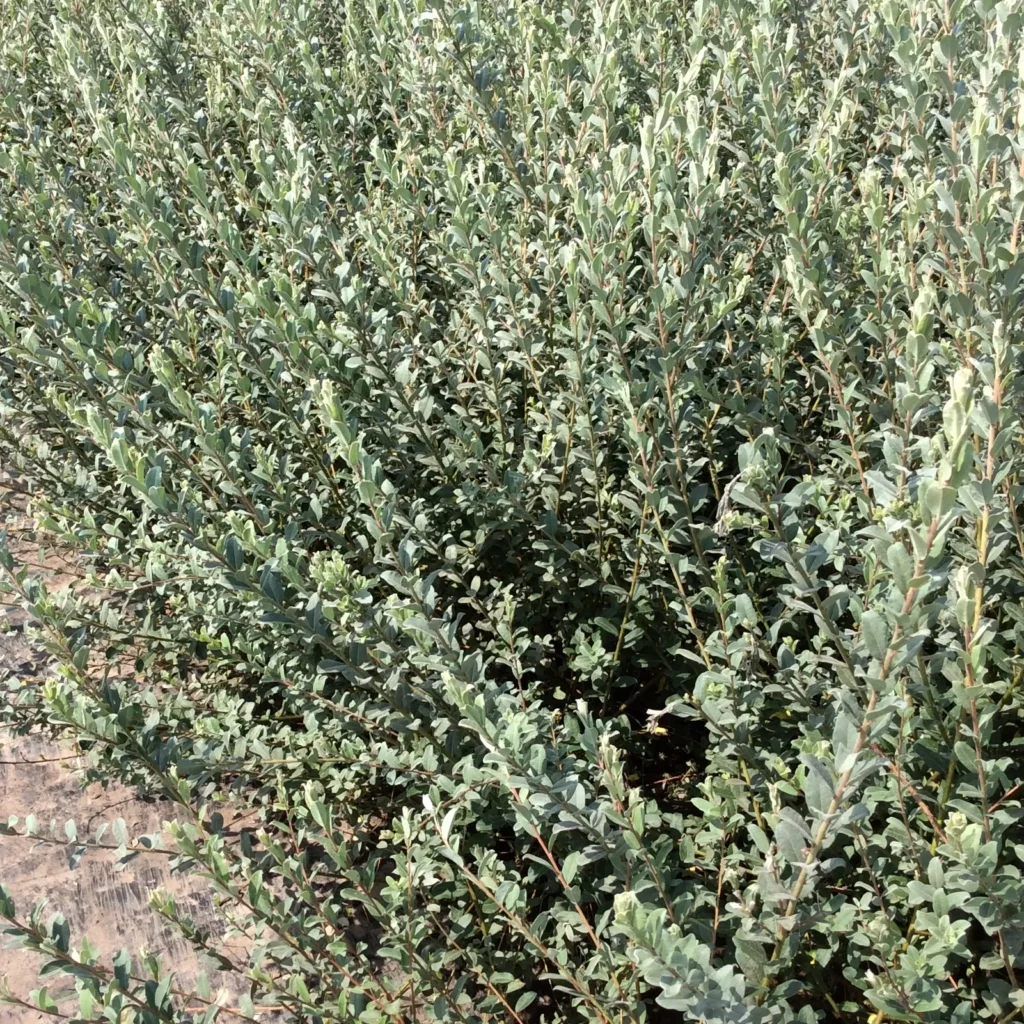
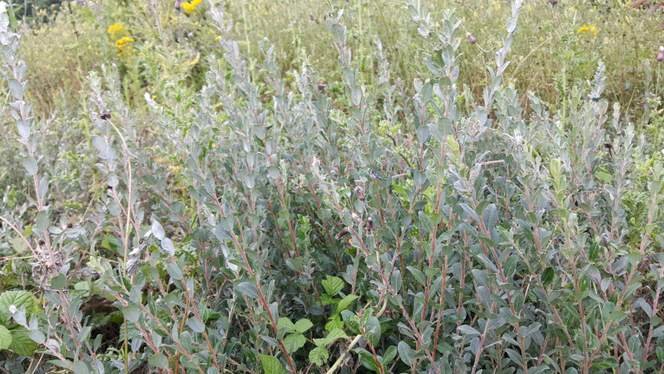
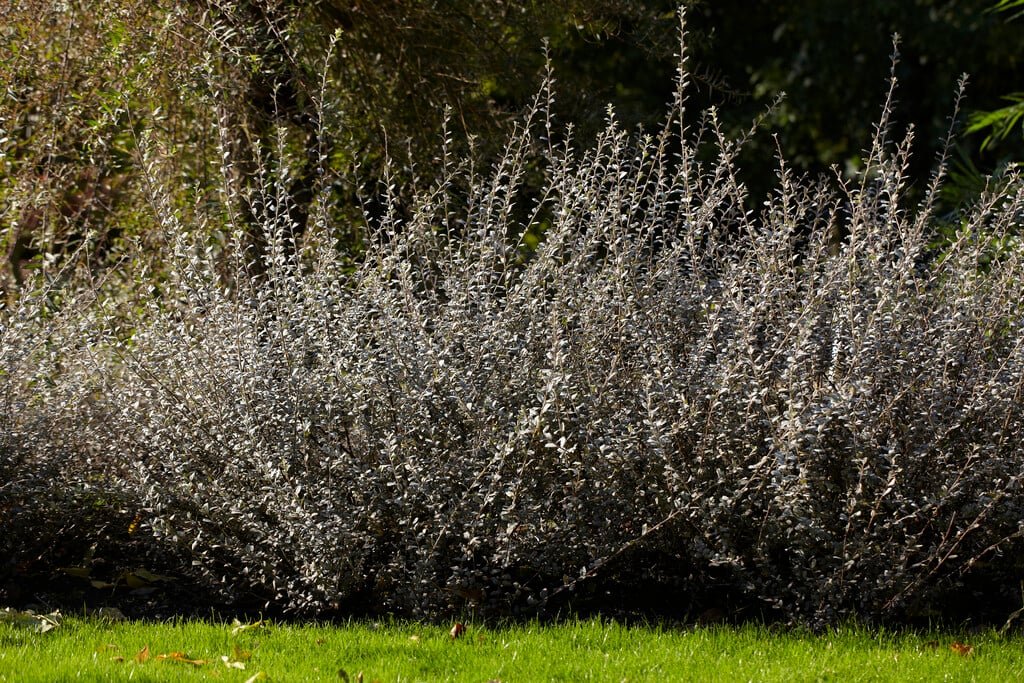
Creeping Willow (Salix repens) is one of the most charming low-growing willows you can add to a garden. With its silver-green foliage, ground-hugging habit, and incredible adaptability, this small deciduous shrub thrives in a wide range of settings—from coastal dunes to boggy woodland edges. Whether you’re a gardener aiming to stabilize soil, enhance biodiversity, or simply enjoy an ornamental shrub with year-round appeal, Creeping Willow is a plant worth knowing deeply.
In this comprehensive guide, you’ll learn how to grow, care for, propagate, identify different varieties, and even harvest from Creeping Willow for gardening or craft use.
What Is Creeping Willow (Salix repens)?
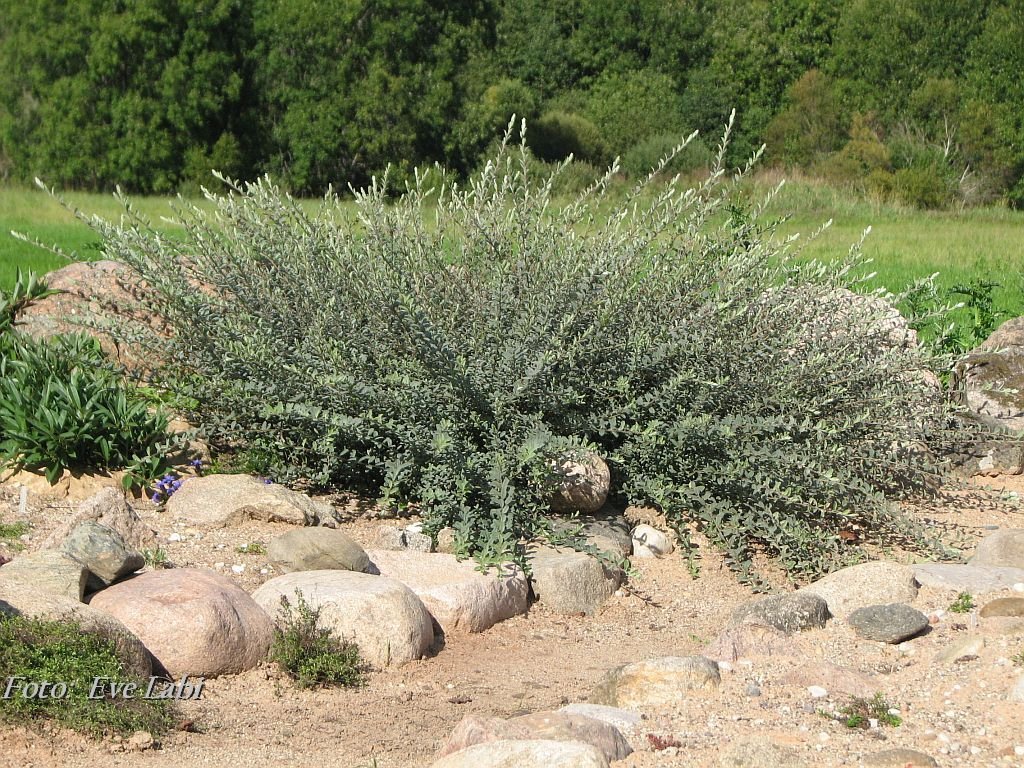
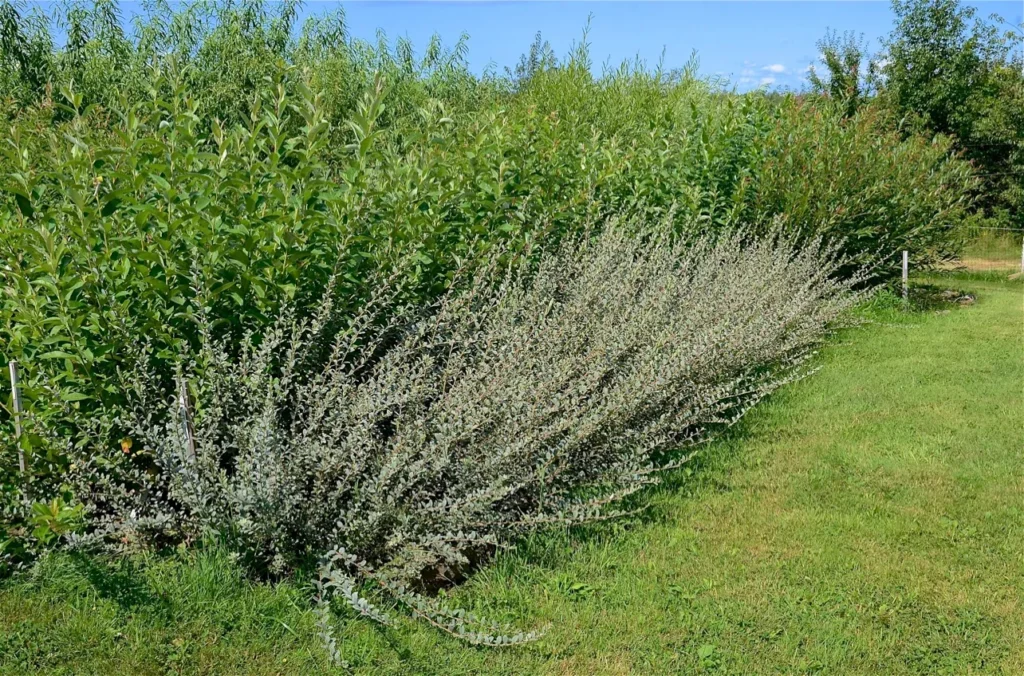
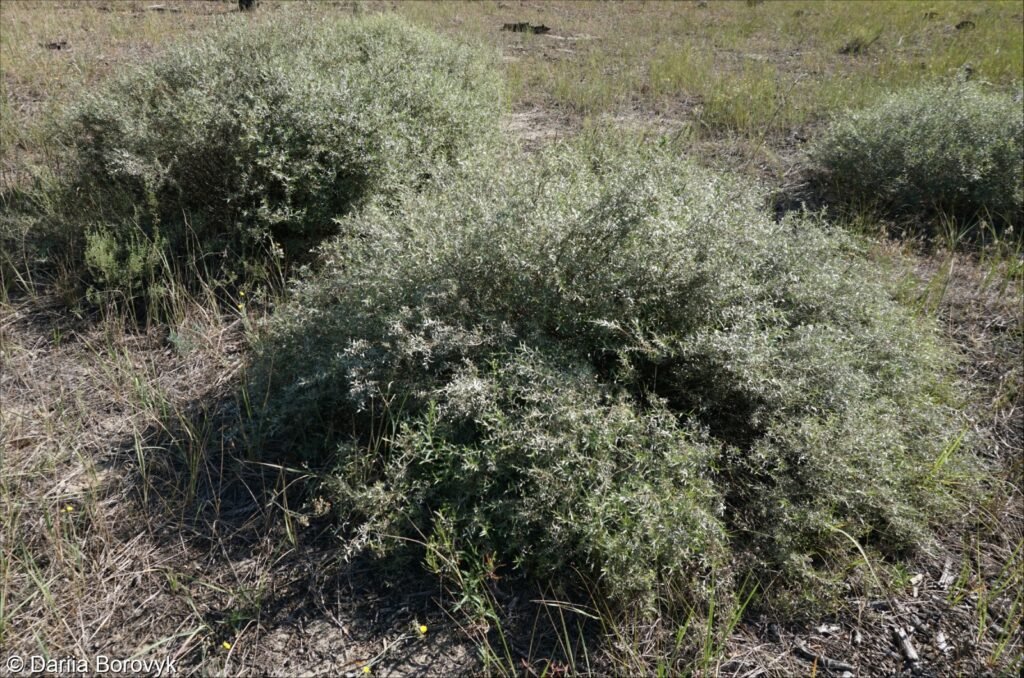
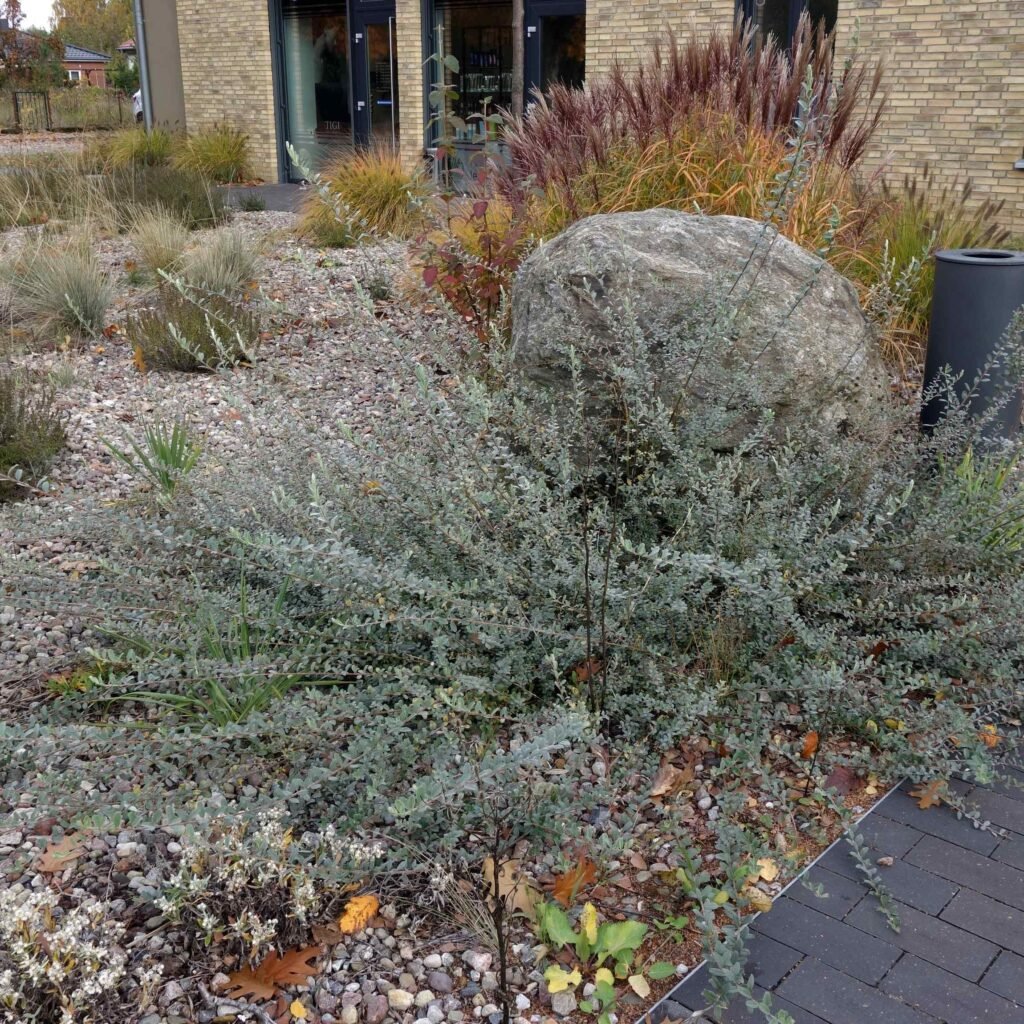
Creeping Willow is a dwarf willow species native to Europe, known for its prostrate branches that form dense mats. The plant typically grows 20–60 cm tall but can spread widely, making it excellent for:
- Wildlife gardens
- Erosion control
- Damp meadow landscapes
- Coastal areas
- Ornamental groundcover
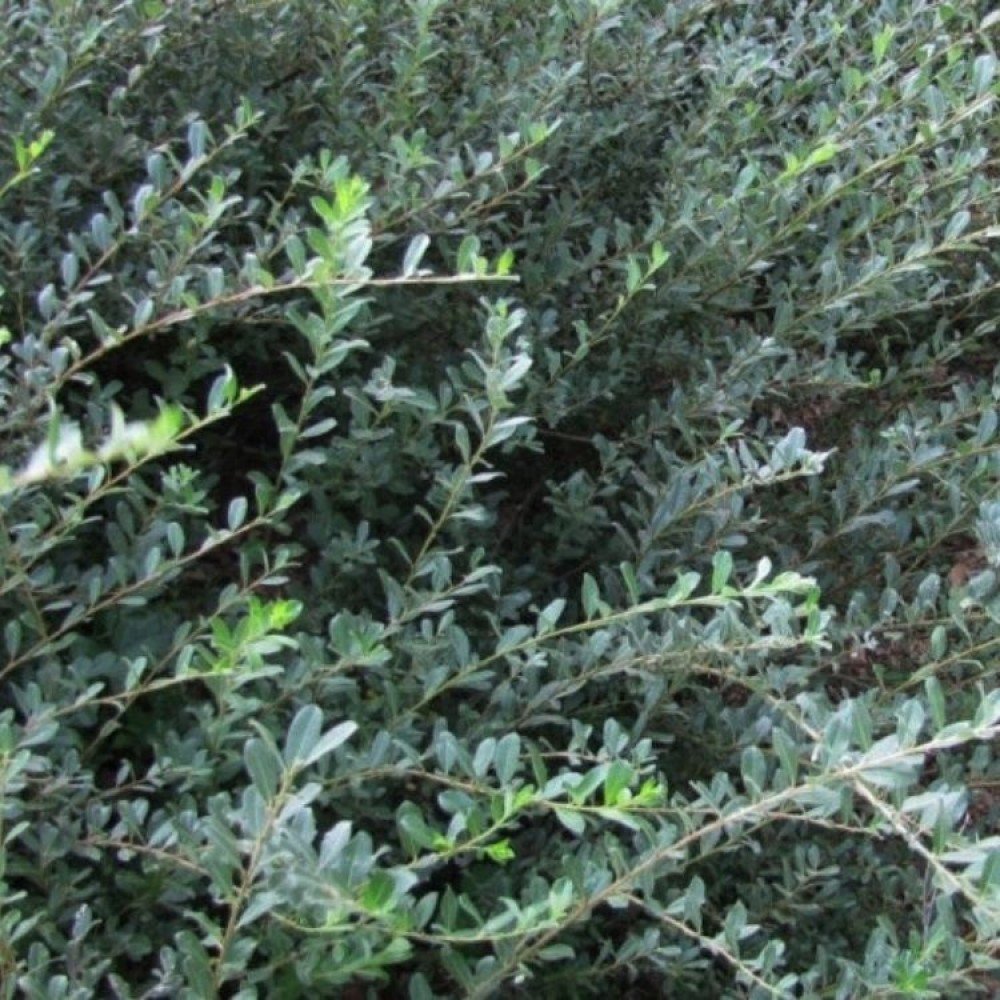
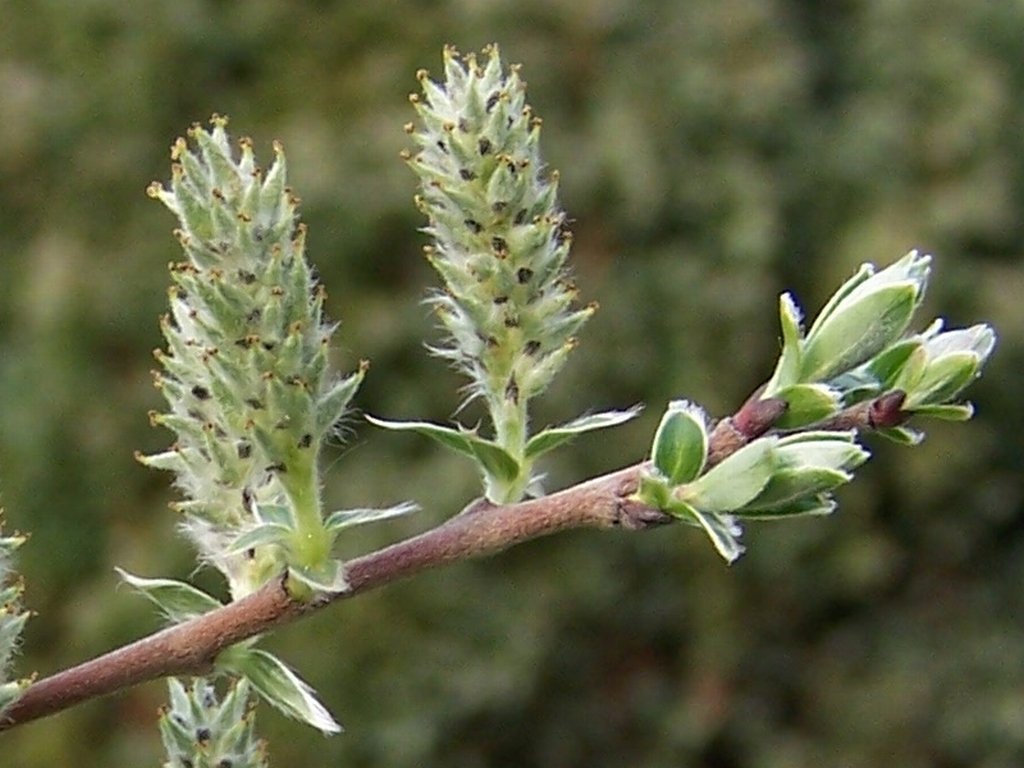
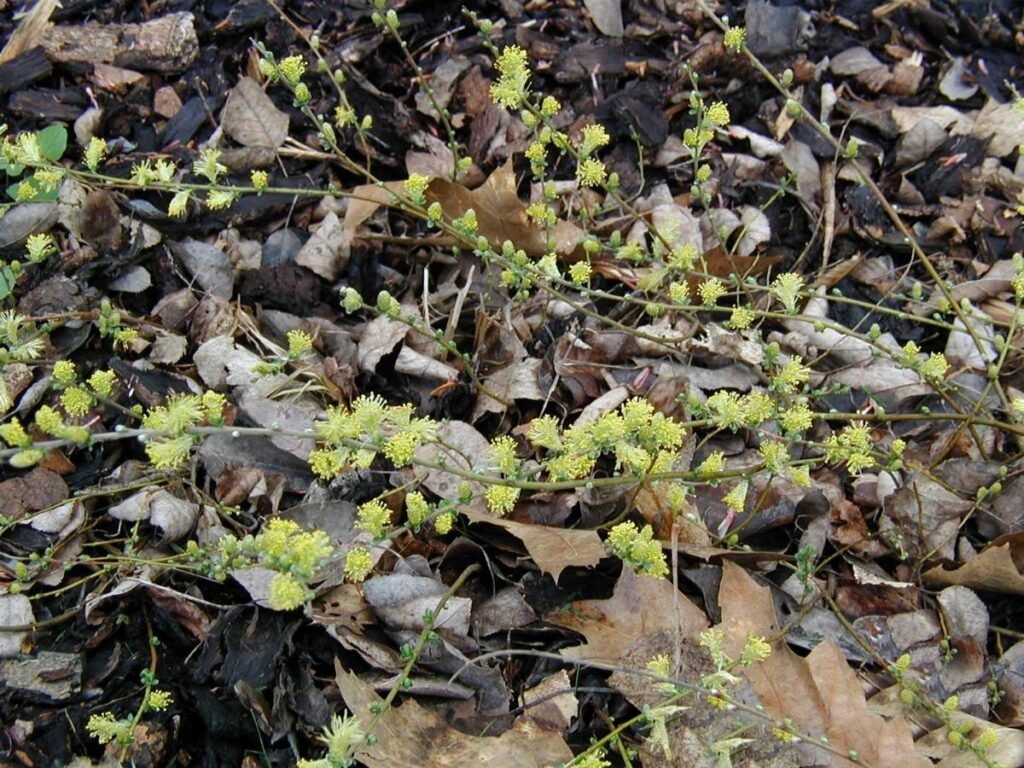
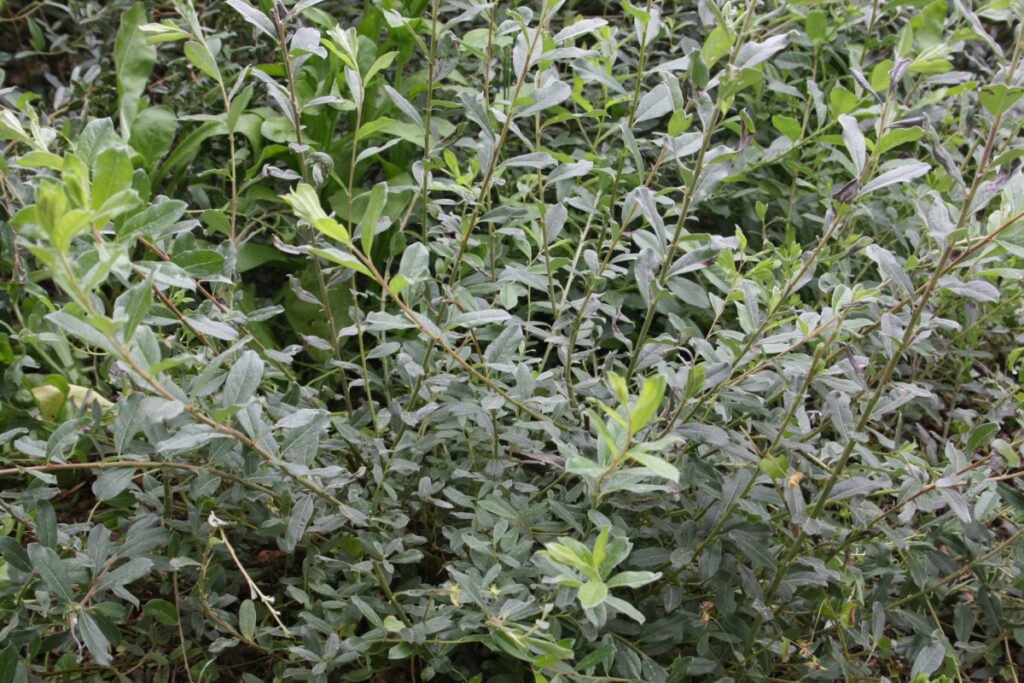
Its silver undersides and narrow leaves give it a distinctive, soft appearance, while the early spring catkins provide valuable pollen for bees emerging from winter.
How to Grow Creeping Willow (Salix repens)
1. Ideal Growing Conditions
Soil Requirements
Creeping Willow is highly adaptable but thrives best in:
- Moist, sandy soil
- Peaty or acidic soil
- Well-drained but not dry conditions
It is one of the few shrubs that tolerates nutrient-poor soils exceptionally well.
Sunlight
- Full sun to partial shade
- In hotter climates, light afternoon shade prevents leaf scorch.
Watering
- Prefers constant moisture.
- Newly planted specimens need regular watering.
- Once established, Creeping Willow is moderately drought tolerant but performs best with steady moisture.
Climate
- Hardy in USDA Zones 2–7.
- Tolerates cold, wind, and coastal salt exposure.
2. Planting Creeping Willow
Planting Time
- Early spring or early autumn for best root establishment.
Steps
- Dig a hole twice the width of the plant’s root ball.
- Mix native soil with organic matter (optional—this species doesn’t require rich soil).
- Place the willow at the same depth it was growing in its container.
- Backfill, firm the soil, and water deeply.
- Apply mulch to retain moisture.
Spacing
- Space plants 1–1.5 meters apart for groundcover.
- Closer spacing will create a dense carpet faster.
Care and Maintenance
Pruning
Creeping Willow naturally forms a neat, spreading mound, but prune if needed to:
- Control shape
- Remove damaged branches
- Encourage denser growth
The best time to prune is late winter before new growth emerges.
Fertilizing
Generally unnecessary. If soil is extremely poor, apply a light compost dressing in spring.
Pests and Diseases
This willow is resistant to most problems but occasionally affected by:
- Willow leaf beetle
- Mildew in stagnant air/moisture
- Aphids (rare but possible)
Encourage airflow and routine pruning to minimize issues.
How to Propagate Creeping Willow (Salix repens)
Creeping Willow is one of the easiest shrubs to propagate, making it perfect for gardeners who want inexpensive, rapid expansion.
1. Propagation by Cuttings (Most Common)
Softwood Cuttings (Late Spring–Early Summer)
- Cut a 10–15 cm piece of young, flexible new growth.
- Remove the lower leaves.
- Dip in rooting hormone (optional).
- Insert into a pot of sand, peat, or a similar well-draining medium.
- Keep moist and partially shaded.
- Rooting typically occurs within 2–5 weeks.
Hardwood Cuttings (Late Autumn–Winter)
- Take a 20–30 cm cutting from a mature dormant stem.
- Insert the cutting halfway into moist soil outdoors.
- Leave it to root naturally over winter.
Both methods have extremely high success rates—often over 80%.
2. Propagation by Layering
Creeping Willow’s naturally ground-hugging form makes it ideal for layering:
- Bend a low branch to the soil.
- Pin it down with a stone or wire.
- Cover the pinned section with soil.
- Roots will form in a few months.
- Sever the new plant from the mother plant and transplant.
This method mirrors how the shrub spreads in the wild.
Varieties of Creeping Willow (Salix repens)
There are several interesting forms, cultivars, and subspecies:
1. Salix repens var. repens
- The typical form
- Slender leaves with silvery undersides
- Low, spreading habit
2. Salix repens var. argentea
- More silvery foliage
- Compact growth
- Highly ornamental
3. Salix repens ‘Boydii’
- A dwarf cultivar with tight, rounded leaves
- Slow-growing, rare, and prized in rock gardens
- Dense, sculptural appearance
4. Salix repens subsp. rosmarinifolia
- Narrow, rosemary-like leaves
- Upright stems but still low overall
- Great for sandy coastal soils
How to Harvest Creeping Willow
While Creeping Willow isn’t commonly used for large-scale basketry due to its small size, it is excellent for:
- Miniature craft weaving
- Bonsai-style shaping
- Biodiversity projects
- Live staking for erosion control
- Garden designing and layering
Harvesting Tips
- Harvest young, flexible stems in late winter to early spring before catkins open.
- Select straight shoots if using for weaving or training.
- For garden use (stems for propagation), harvest during dormancy.
Handling Harvested Stems
- Keep stems slightly moist if using for propagation.
- For craft use, allow stems to dry, then soak them before weaving.
Common Uses of Creeping Willow in the Garden
✔ Erosion Control
Its spreading root system stabilizes soil in dunes, embankments, and wetlands.
✔ Wildlife Value
- Catkins feed early pollinators.
- Dense branches shelter small birds and insects.
✔ Ornamental Appeal
- Low maintenance
- Silvery foliage
- Attractive branching form
✔ Naturalistic Landscapes
Perfect for meadow gardens, bog gardens, and rewilding projects.
Final Tips for Growing a Healthy Creeping Willow
- Keep soil consistently moist but not soggy.
- Prune annually to maintain shape and airflow.
- Use mulch to regulate moisture.
- If propagating, take cuttings generously—success rates are high.
- Choose varieties based on the visual effect you want: silver foliage, tiny dwarf habit, or loose spreading form.




&media=https://food-foresting.com/wp-content/uploads/2025/11/2014-2-2liivpaju-3Foto-Eve-Labi.jpg)