
 paulius.mikoliunas1
| Common Name | Rosebud Cherry, Higan Cherry, Winter-flowering cherry |
| Family | Rosaceae |
| USDA hardiness | 5-8 |
| Known Hazards |  Although no specific mention has been seen for this species, it belongs to a genus where most, if not all members of the genus produce hydrogen cyanide, a poison that gives almonds their characteristic flavour. This toxin is found mainly in the leaves and seed and is readily detected by its bitter taste. It is usually present in too small a quantity to do any harm but any very bitter seed or fruit should not be eaten. In small quantities, hydrogen cyanide has been shown to stimulate respiration and improve digestion, it is also claimed to be of benefit in the treatment of cancer. In excess, however, it can cause respiratory failure and even death. Although no specific mention has been seen for this species, it belongs to a genus where most, if not all members of the genus produce hydrogen cyanide, a poison that gives almonds their characteristic flavour. This toxin is found mainly in the leaves and seed and is readily detected by its bitter taste. It is usually present in too small a quantity to do any harm but any very bitter seed or fruit should not be eaten. In small quantities, hydrogen cyanide has been shown to stimulate respiration and improve digestion, it is also claimed to be of benefit in the treatment of cancer. In excess, however, it can cause respiratory failure and even death. |
| Habitats | Not known in a truly wild situation, it is possibly a hybrid P. incisa x P pendula. |
| Range | E. Asia – C. Japan. |
| Edibility Rating |   (2 of 5) (2 of 5) |
| Other Uses |   (1 of 5) (1 of 5) |
| Weed Potential | No |
| Medicinal Rating |   (1 of 5) (1 of 5) |
| Care (info) |    |




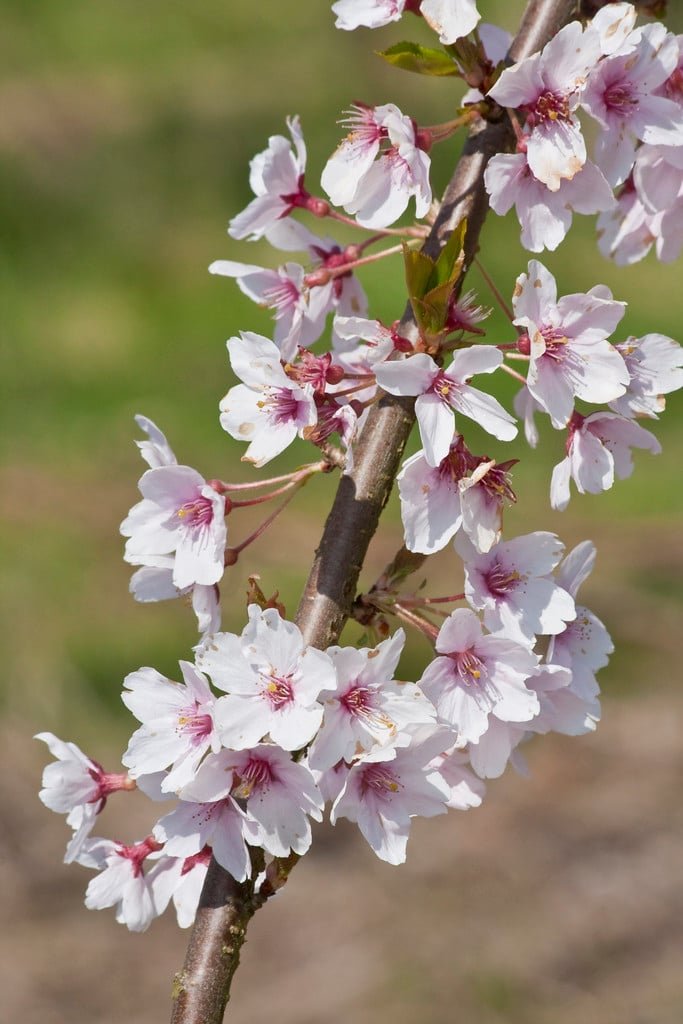
How to Grow, Propagate, Use, and Harvest Rosebud Cherry (Prunus subhirtella): The Complete Guide
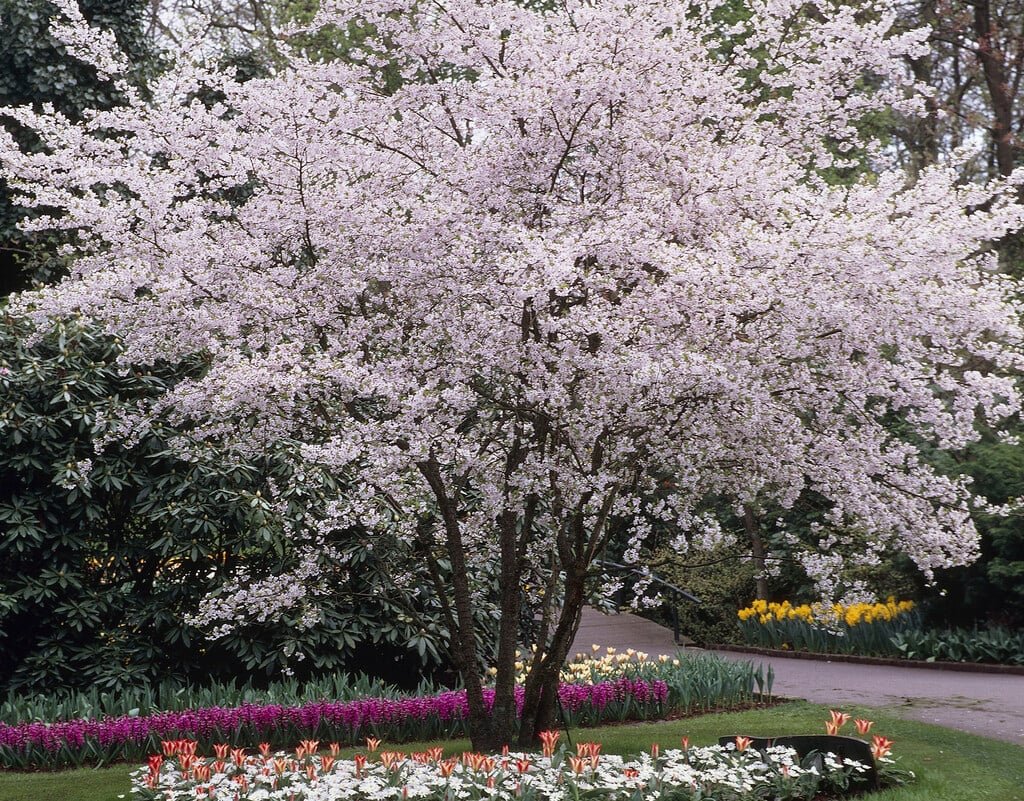
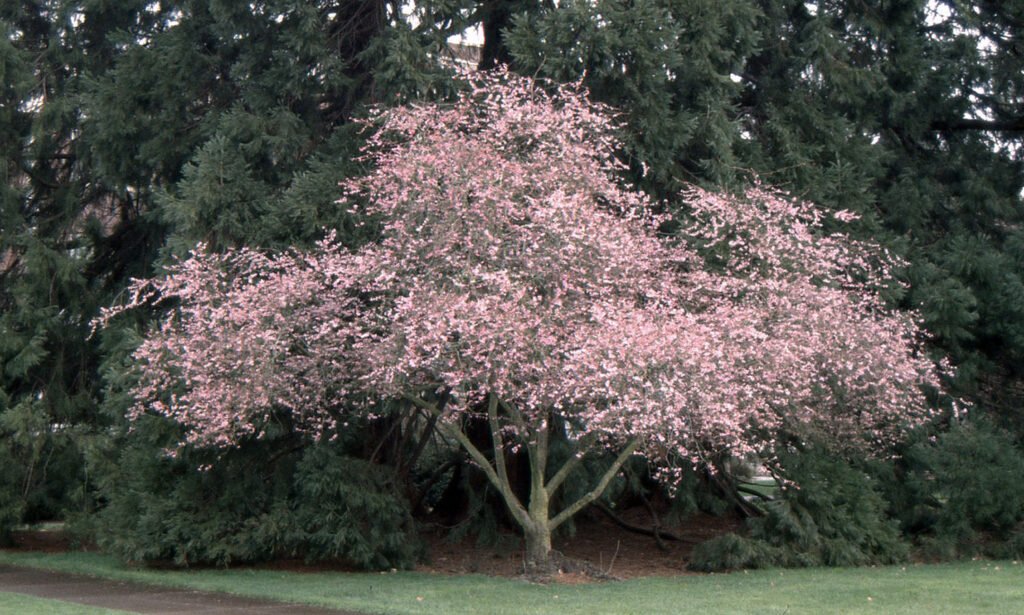
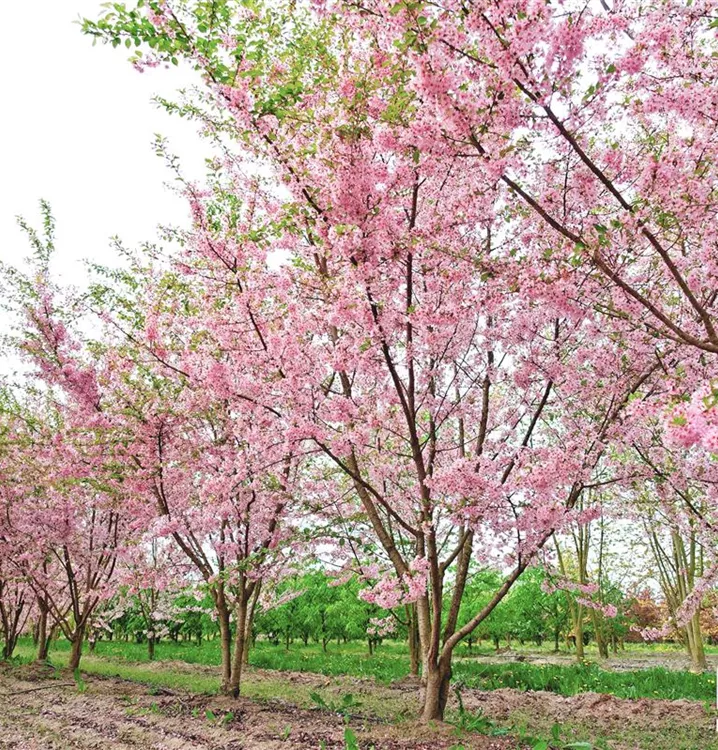
Rosebud Cherry (Prunus subhirtella), often called the Higan Cherry, is one of the most elegant ornamental cherry trees for home landscapes. Known for its graceful branching, cold-hardiness, and abundant early-spring blossoms, this tree brings year-round beauty and practical value. Whether you’re looking to grow a show-stopping specimen tree, explore edible and medicinal uses, or expand your collection through propagation, this guide covers every essential aspect.
What Makes Rosebud Cherry Special?
Rosebud Cherry is widely celebrated for:
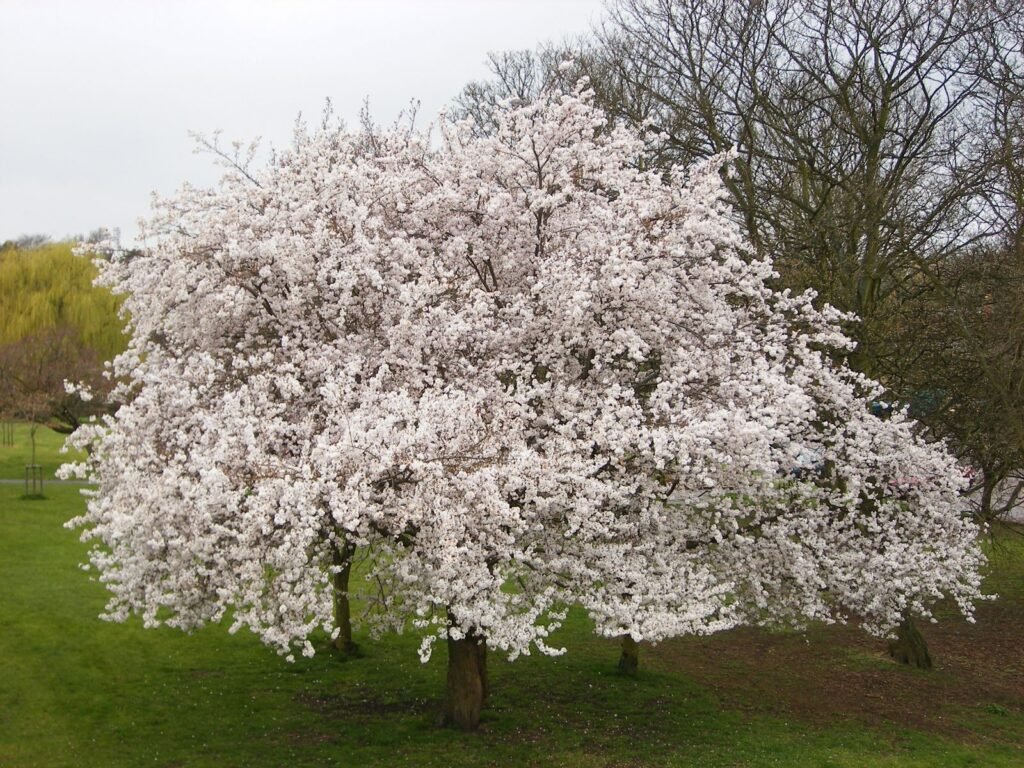
- Delicate pink-to-white flowers that bloom in early spring—and sometimes again in fall.
- Long blooming period compared to other ornamental cherries.
- Exceptional cold tolerance, thriving in Zones 4–8.
- Graceful, arching habit that enhances any garden design.
- Small ornamental cherries loved by birds and sometimes used in culinary applications.
This stunning tree is more than just landscape value—it can contribute to biodiversity, home for pollinators, and even small-batch kitchen creations.
How to Grow Rosebud Cherry (Prunus subhirtella)
Growing Rosebud Cherry is relatively easy with the right conditions. Below is everything you need for long-term success.
Ideal Growing Conditions
1. Sunlight
- Thrives best in full sun (6–8 hours daily).
- Tolerates partial shade but may bloom less vigorously.
2. Soil
- Prefers moist, well-drained loam.
- Tolerates clay if amended with compost.
- Soil pH: Slightly acidic to neutral.
3. Watering
- Establishment phase: Regular, deep watering for 1–2 years.
- Mature trees: Drought-tolerant but benefit from periodic watering in dry spells.
4. Spacing
- Standard trees: 20–30 feet wide, so give adequate room.
- Great as specimen trees, driveway accents, or mini-orchard rows.
5. Fertilization
- Apply a balanced slow-release fertilizer in early spring.
- Avoid late-summer feeding to prevent frost-damaged new growth.
6. Pruning
- Best done in late winter to prevent disease.
- Remove:
- Dead or crossing branches
- Weak growth
- Branches growing toward the trunk
Pruning helps maintain airflow, shape, and flowering potential.
Propagation Methods for Rosebud Cherry
Propagating Prunus subhirtella can be rewarding and cost-effective. Here are the most reliable techniques.
1. Propagation from Seeds
- Remove flesh from ripe cherries.
- Cold-stratify seeds in moist sand for 90–120 days.
- Sow in well-draining soil in spring.
Note: Seed propagation may produce variable offspring—great for experimentation.
2. Softwood Cuttings (Most Reliable for Home Gardeners)
- Take 4–6 inch cuttings from new growth in early summer.
- Dip in rooting hormone.
- Place in a humidity dome or covered tray.
- Rooting time: 4–8 weeks.
Cuttings produce clones identical to the parent tree.
3. Grafting and Budding
Common in professional nurseries.
- Graft scions onto hardy rootstock in late winter.
- Budding (T-budding) is done in mid-summer when bark slips easily.
This method ensures predictable size, disease resistance, and bloom quality.
Popular Varieties of Rosebud Cherry (Prunus subhirtella)
1. ‘Autumnalis’
- Semi-double pink flowers.
- Known for rare fall reblooming.
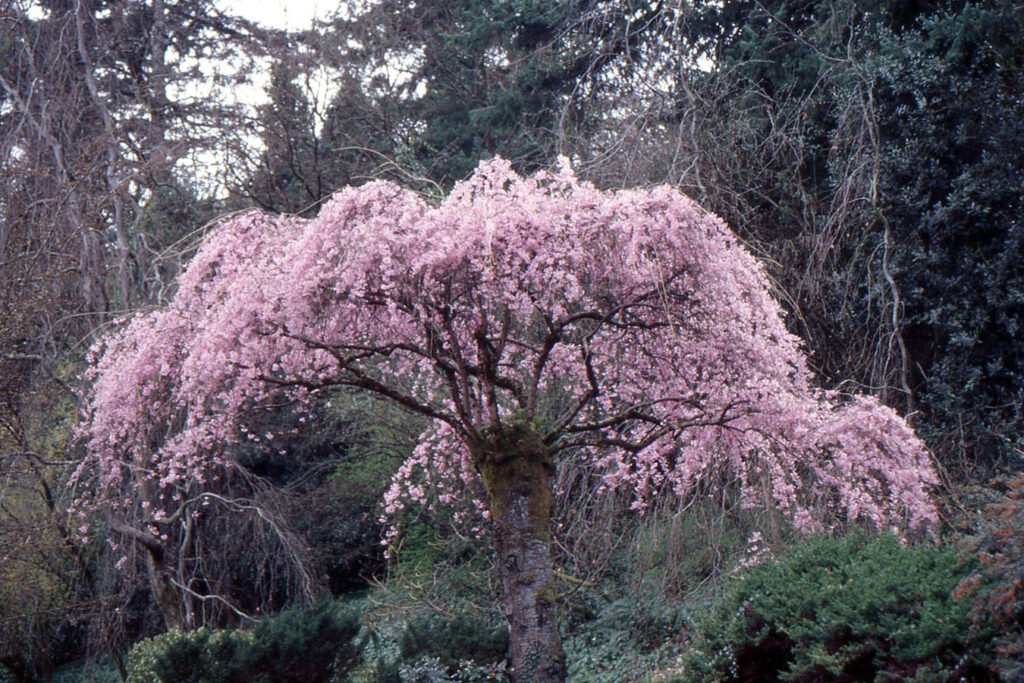
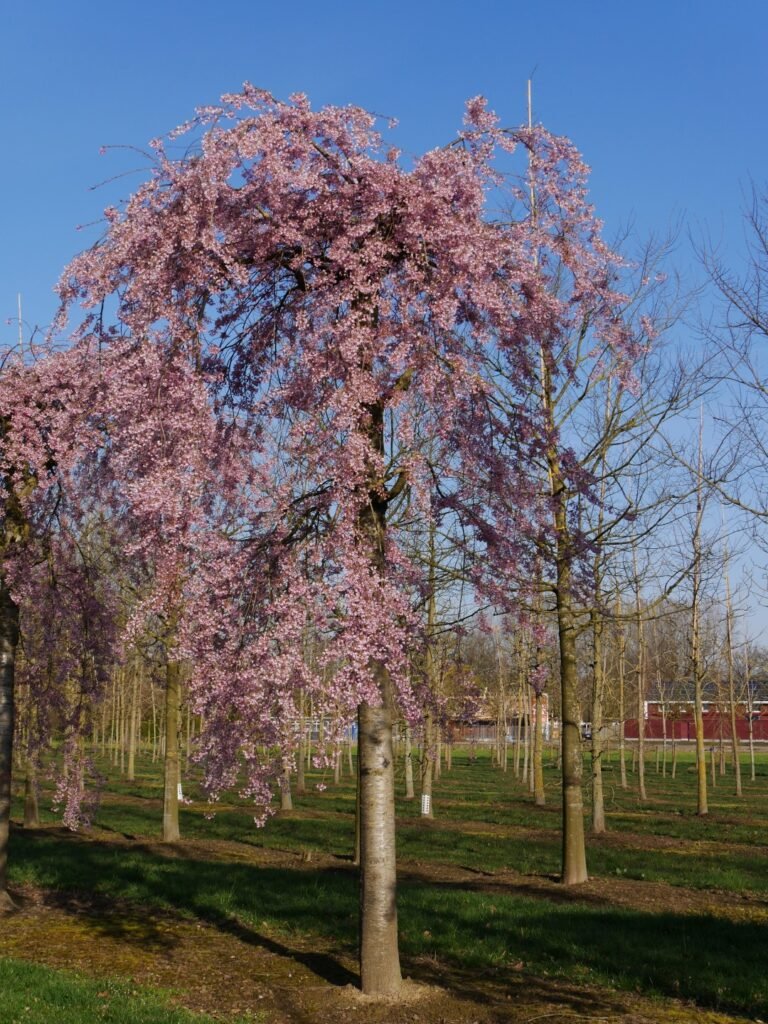
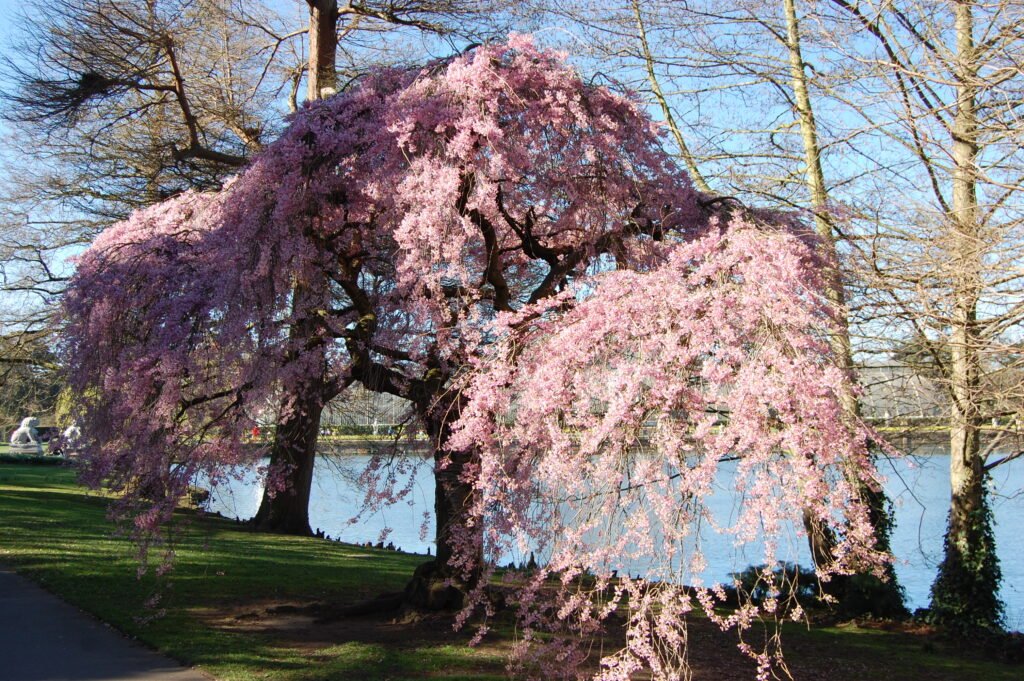
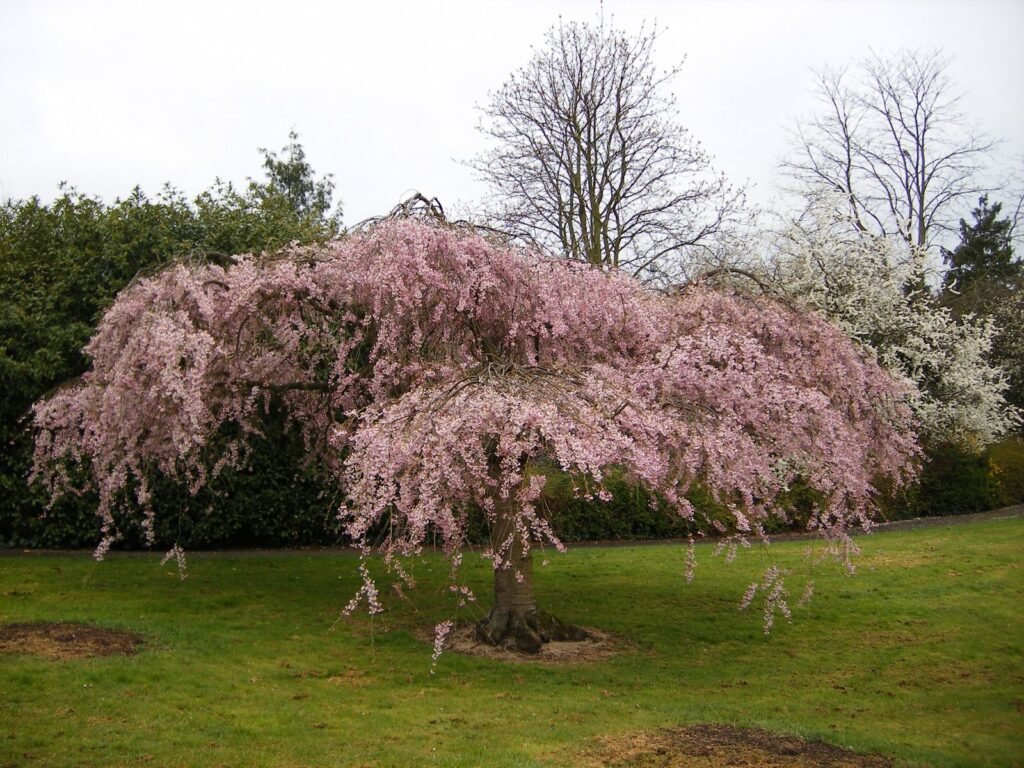
2. ‘Pendula’ (Weeping Higan Cherry)
- Long, sweeping branches.
- Dramatic winter silhouette.
3. ‘Autumnalis Rosea’
- Pinker flowers than standard ‘Autumnalis’.
- Excellent for four-season interest.
4. ‘Snow Fountains’
- Compact, weeping habit.
- Pure white flowers.
5. ‘Whitcomb’
- Early bloomer with bright pink blossoms.
- One of the first cherries to flower each spring.
Uses of Rosebud Cherry
Though primarily ornamental, this tree offers several practical uses.
1. Landscape & Aesthetic Use
- Perfect specimen tree for yards and gardens.
- Stunning spring bloom attracts pollinators.
- Soft fall color ranging from yellow to copper.
2. Wildlife Support
- Birds love the small cherries.
- Early blossoms support bees emerging from winter dormancy.
3. Wood Use
- Rosebud Cherry wood is not commonly harvested commercially.
- Small branches can be used in handcraft, bonsai, and decorative art.
Are Rosebud Cherries Edible? Food and Culinary Options
Rosebud Cherry is not grown for large edible fruit, but the small cherries are technically edible—tart, astringent, and best used in processed forms. Always ensure they are fully ripe and consumed in moderation.
Culinary Ideas:
- Jelly or jam made by combining the cherries with sweeter fruits.
- Syrups and infused vinegars for cocktails or salad dressings.
- Cherry blossom tea (buds and flowers are traditionally pickled or dried in some cultures).
- Flower-infused desserts such as floral sugar, syrups, or panna cotta.
Important Note
- The pits and leaves contain cyanogenic compounds, as do many stone fruits.
Avoid consuming seeds and large quantities of raw plant material.
How to Harvest Rosebud Cherries
When to Harvest
- Fruit appears late summer to early fall.
- Harvest when cherries turn dark red to black and pull easily from stems.
How to Harvest
- Gently twist ripe cherries off in clusters.
- Use a small basket or colander to prevent bruising.
- Process or freeze immediately.
Yield
- A single mature tree can produce small but numerous clusters, more than enough for seasonal kitchen experiments or wildlife feeding.
Common Pests & How to Manage Them
Pests
- Aphids
- Japanese beetles
- Scale insects
- Cherry leaf spot (fungal)
- Powdery mildew
Management Tips
- Encourage natural predators like ladybugs.
- Apply organic neem oil in early spring.
- Ensure proper airflow through pruning.
- Remove leaf litter in fall to reduce fungal overwintering.
Final Tips for Growing Rosebud Cherry Successfully
- Plant during fall or early spring for best root establishment.
- Mulch the base to regulate moisture and temperature.
- Water deeply during dry spells—especially in the first few years.
- Train shape early for a strong, beautiful structure.
Conclusion
Rosebud Cherry (Prunus subhirtella) is a timeless ornamental tree offering breathtaking blooms, wildlife value, and surprising culinary potential. With proper care, propagation techniques, and harvesting know-how, you can enjoy this charming cherry for decades. Whether you’re designing a Japanese-inspired garden or simply want a hardy flowering tree with year-round appeal, Rosebud Cherry is one of the most rewarding choices for home gardeners.


&media=https://food-foresting.com/wp-content/uploads/2025/12/prunus-subhirtella-var-pendula.jpg)