
 paulius.mikoliunas1
| Common Name | Golden Willow |
| Family | Salicaceae |
| USDA hardiness | 4-9 |
| Known Hazards |  Gastrointestinal bleeding & kidney damage possible. Avoid concurrent administration with other aspirin-like drugs. Avoid during pregnancy. Drug interactions associated with salicylates applicable. Gastrointestinal bleeding & kidney damage possible. Avoid concurrent administration with other aspirin-like drugs. Avoid during pregnancy. Drug interactions associated with salicylates applicable. |
| Habitats | Low lying or hilly ground, usually on wet soils. |
| Range | Britain. |
| Edibility Rating |   (1 of 5) (1 of 5) |
| Other Uses |   (3 of 5) (3 of 5) |
| Weed Potential | No |
| Medicinal Rating |   (3 of 5) (3 of 5) |
| Care (info) |     |

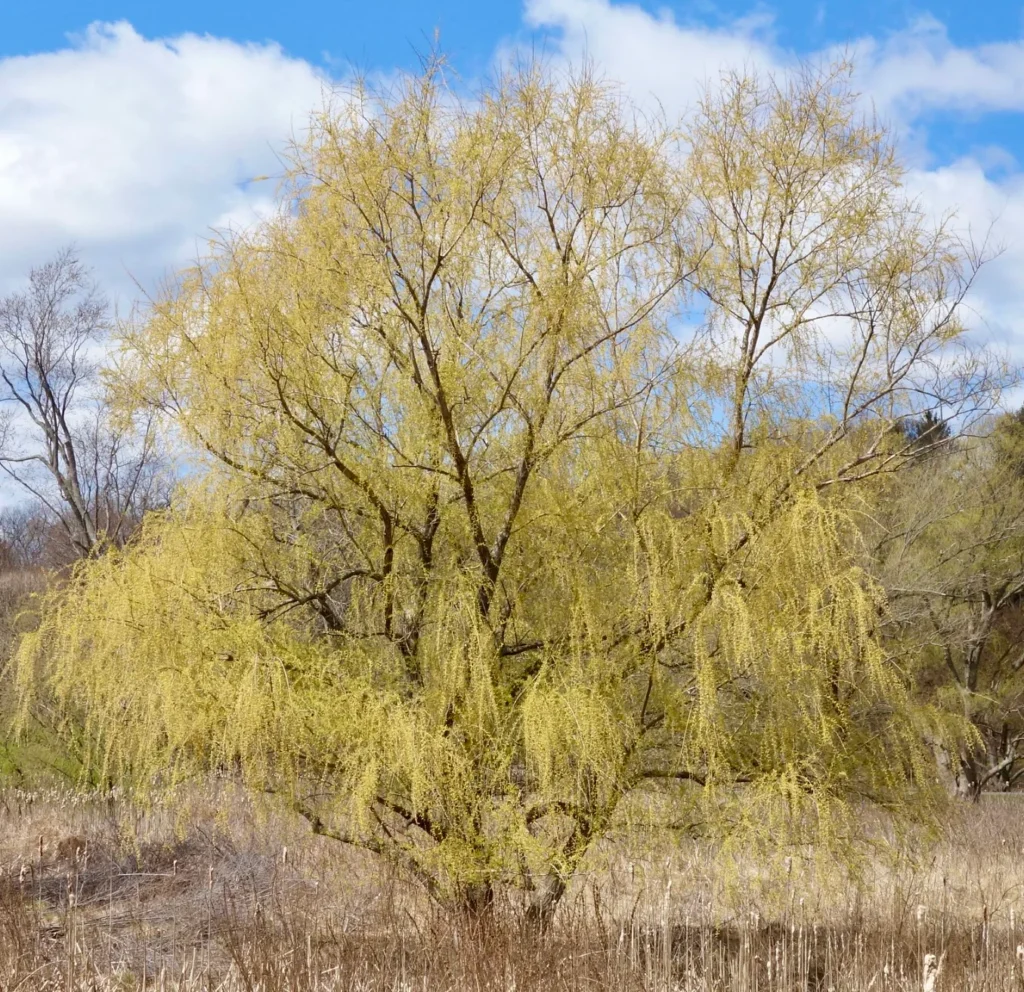


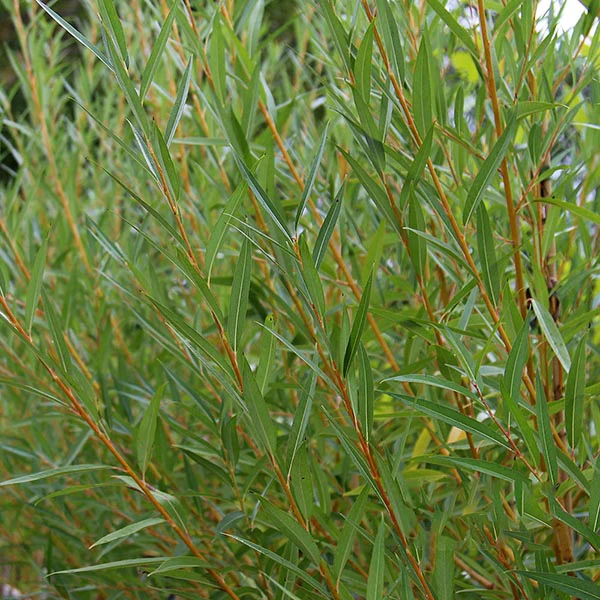
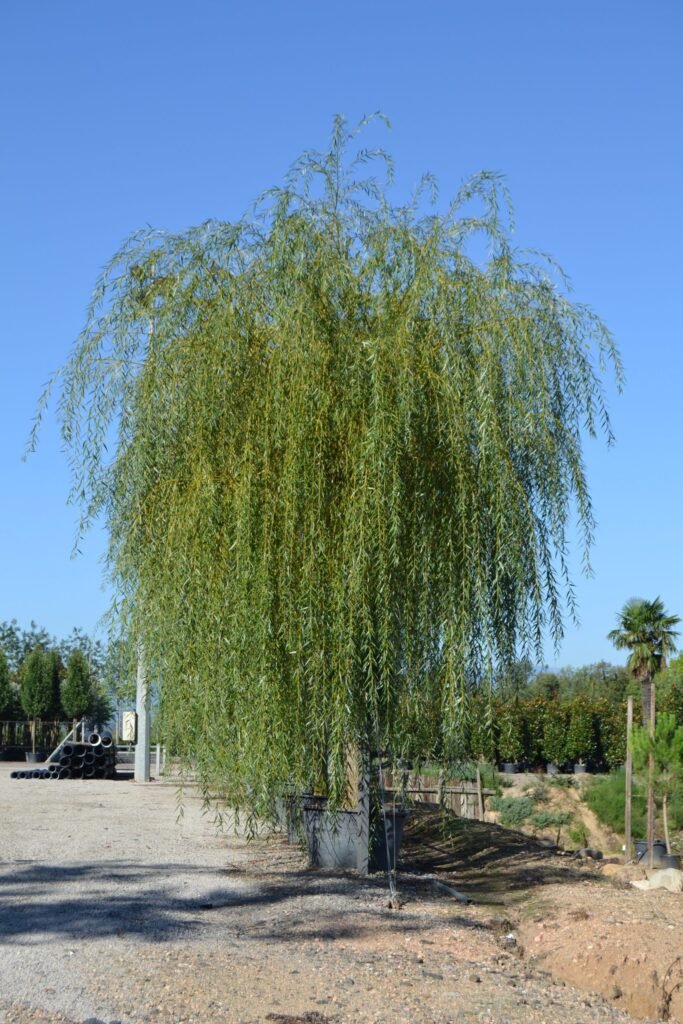


How to Grow, Propagate, Varieties, and Harvest Golden Willow (Salix alba ‘Vitellina’): The Complete Guide
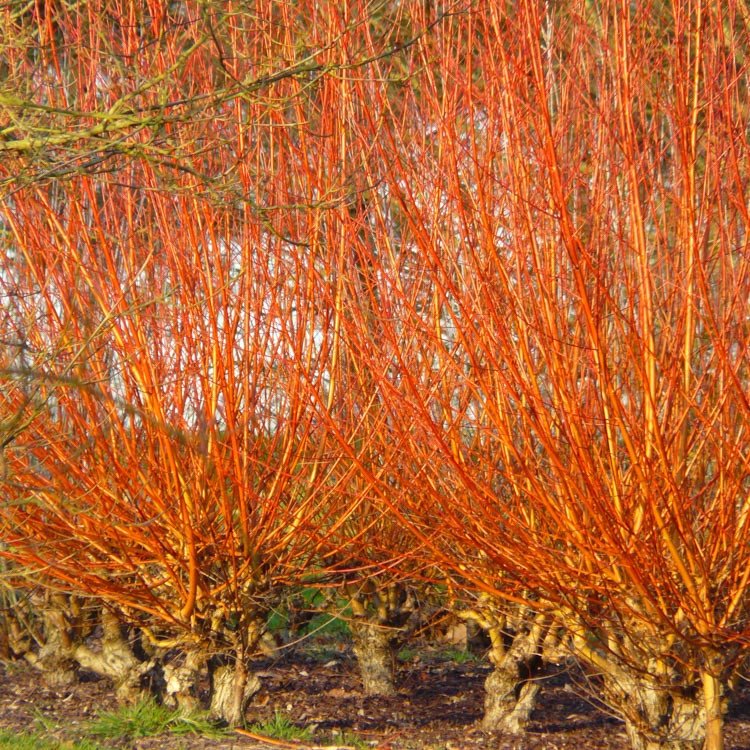
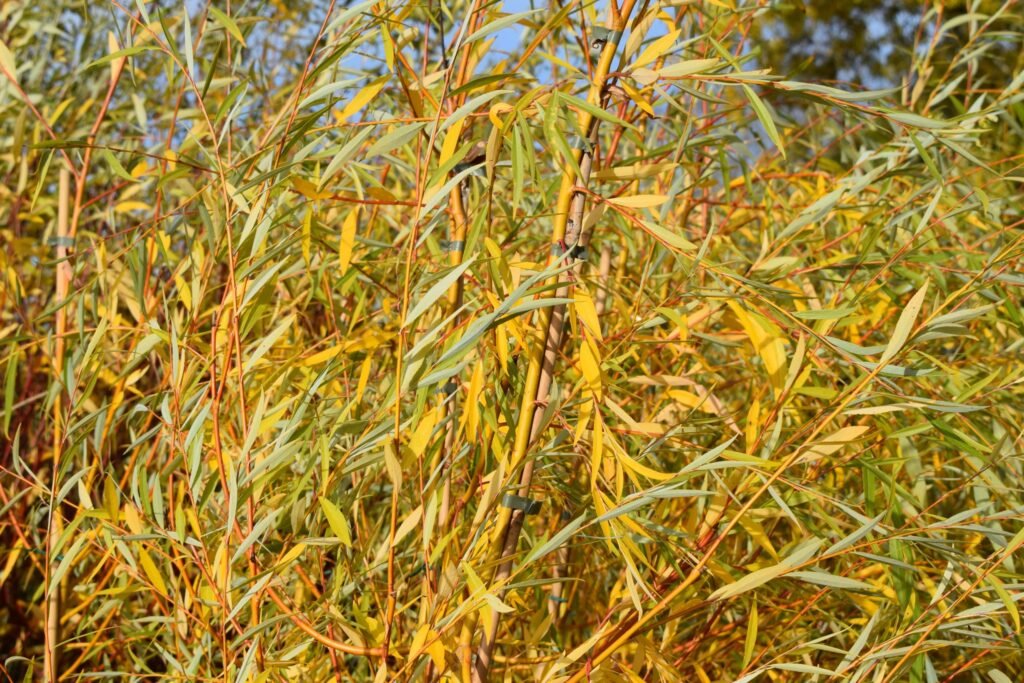
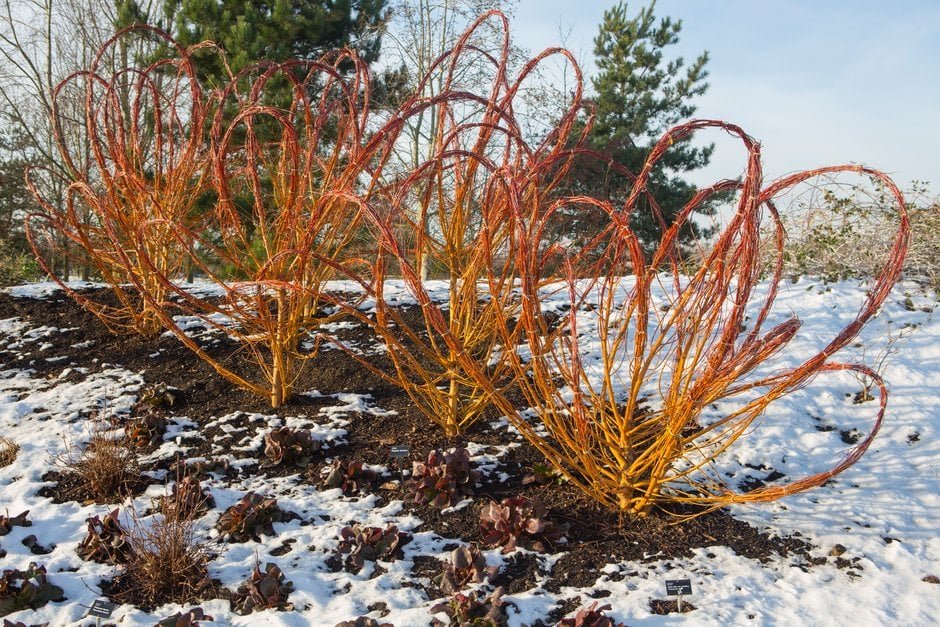
Golden Willow, known botanically as Salix alba ‘Vitellina’, is one of the most striking ornamental willows you can grow. Famous for its vivid golden-yellow winter stems, its elegant form, and its vigorous growth habit, this tree offers year-round interest and practical uses—from landscape design to basketry and ecological restoration.
This comprehensive guide covers everything you need to know: how to grow Golden Willow successfully, propagation techniques, notable varieties, annual care routines, and the best ways to harvest and use its iconic stems.
What Is Golden Willow?
Golden Willow is a cultivar of the white willow (Salix alba), prized for its bright yellow-orange bark that glows in winter light. It is a fast-growing, cold-tolerant deciduous tree and thrives near water or in consistently moist soils. A mature Golden Willow can reach 50–80 feet tall, making it ideal for large landscapes, windbreaks, and erosion control.
Its stunning color and pliable stems also make it popular in basket weaving, living structures, and winter gardens.
How to Grow Golden Willow
1. Site Selection
Golden Willow grows best when the right location is chosen from the start.
Soil
- Prefers moist, well-drained soil but tolerates clay and occasional flooding.
- Thrives in neutral to slightly alkaline soil.
- Avoid drought-prone sandy soils unless irrigation is available.
Sunlight
- Requires full sun for optimal color and vigorous growth.
- Partial shade is tolerated but reduces winter stem brightness.
Water
- Golden Willow loves water.
- Ideal near ponds, streams, drainage swales, or wetlands.
- In dry climates, schedule deep weekly watering during the first 2–3 years.
Spacing
- Plant at least 20–30 feet from structures due to strong, extensive roots.
- Avoid planting near underground plumbing or septic systems.
2. Planting Golden Willow
Best Time to Plant
- Early spring before bud break.
- Late fall after leaf drop.
Steps
- Dig a hole twice as wide as the root ball and equally deep.
- Loosen surrounding soil to encourage root expansion.
- Place the tree at the same depth it grew in the nursery.
- Backfill with native soil—no need for special amendments unless soil is extremely poor.
- Water thoroughly and apply a 3–4 inch mulch layer around the base (not touching the trunk).
3. Watering & Fertilization
Watering
- First year: Keep consistently moist—willows establish rapidly with reliable moisture.
- Mature trees: May only need watering during prolonged drought.
Fertilizer
Golden Willow rarely needs fertilizer. If growth appears weak:
- Apply a balanced slow-release 10-10-10 in early spring.
- For organic gardeners, compost or aged manure around the drip line works well.
4. Pruning for Color and Shape
Pruning is essential for Golden Willow if you want the brightest winter stems.
Why Prune?
Younger stems provide the best color. Old branches dull over time.
Techniques
Option A: Coppicing (for maximum color)
- Cut all stems to 6–12 inches above ground each late winter.
- Produces long, straight, brilliantly colored shoots.
Option B: Pollarding (for controlled height)
- Once established, cut back to the same trunk points every year.
- Produces a rounded “head” of colorful new shoots.
Option C: Standard Structural Pruning
- For shade-tree growth, only prune dead or crossing branches.
- Accept slightly duller winter color.
How to Propagate Golden Willow
Willows are among the easiest plants on earth to propagate.
1. Stem Cuttings (Most Popular)
When to Take Cuttings
- Late winter or very early spring, while dormant.
- Softwood cuttings also work in early summer.
How to Take Hardwood Cuttings
- Select 1-year-old golden stems.
- Cut sections 8–12 inches long and about 1/2-inch thick.
- Make a straight cut at the top and a slanted cut at the bottom to avoid confusion.
- Insert the lower 2–3 inches into waterlogged soil or a pot of damp sand/compost mix.
- Keep consistently moist.
Willows naturally contain rooting hormones—most cuttings root in 2–6 weeks.
2. Live Staking
A common practice in permaculture and erosion control.
Process
- Use 2–4 foot long cuttings.
- Drive stakes directly into moist ground along stream banks or wetlands.
- Rooting occurs naturally as long as soil remains damp.
3. From Seed (Rarely Necessary)
- Viability lasts only days.
- Requires immediate sowing on moist media.
- Growth is unpredictable compared to cuttings.
Propagation by seed is mostly used by professional breeders, not home gardeners.
Golden Willow Varieties & Related Cultivars
While Vitellina is the classic Golden Willow, several related willows offer unique colors and growth habits. These are popular alternatives or companions:
1. Salix alba ‘Britzensis’ (Scarlet Willow)
- Stunning red-orange stems.
- Excellent winter ornamental choice.
2. Salix alba ‘Golden Ness’
- Compact form with bright yellow bark.
- Good for smaller gardens.
3. Salix × sepulcralis ‘Chrysocoma’ (Golden Weeping Willow)
- Classic weeping willow with golden stems.
- Dramatic fountain-like canopy.
4. Salix alba ‘Sericea’
- Silvery foliage and upright growth.
- Less colorful stems but great as a shade tree.
Each variety maintains willow vigor while offering different colors, sizes, or textures.
Harvesting Golden Willow
Harvesting is typically done for:
- Basketry
- Crafts
- Living structures (fences, arbors)
- Colorful winter decorations
When to Harvest
- Late winter to early spring while dormant (best flexibility)
- For bright craft stems: harvest immediately after mid-winter cold for maximum color intensity.
How to Harvest
- Use sharp pruners to cut young, straight, 1-year-old stems.
- Choose stems free from branching and blemishes.
- For basketry, aim for stems 3–6 feet long.
- Bundle and store in a cool, dry area.
Post-Harvest Curing
- Allow stems to dry for 2–4 weeks depending on climate.
- Re-soak dried stems before weaving to restore flexibility.
Common Pests & Problems
1. Aphids
- Common but rarely serious.
- Blast with water or introduce ladybugs.
2. Willow Leaf Beetle
- Causes defoliation but trees usually recover.
- Remove larvae manually or prune affected branches.
3. Cankers
- Result from stress or wounding.
- Improve airflow, prune infected wood, avoid trunk injuries.
4. Root Issues
- Avoid planting too close to plumbing or unstable foundations.
- Ensure soil drains well enough to prevent prolonged anaerobic conditions.
Golden Willow Uses in Landscaping
Golden Willow is valued not only for beauty but for ecological function.
1. Landscape Focal Point
A glowing winter tree that draws attention even under snow.
2. Privacy Screens & Windbreaks
Rapid growth makes it an excellent natural barrier.
3. Erosion Control
Roots stabilize shorelines and waterway edges.
4. Living Architecture
Perfect for:
- Living fences
- Woven domes
- Arbors
- Garden tunnels
5. Wildlife Habitat
Provides shelter for birds, beneficial insects, and small animals.
Final Tips for Success
- Keep soil consistently moist, especially the first two years.
- Prune annually for the most intense stem color.
- Give the roots plenty of space.
- Collect cuttings every winter to expand your willow collection at no cost.
- Consider coppicing if you want the brightest golden stems every year.
More information: https://pfaf.org/user/Plant.aspx?LatinName=Salix+alba+vitellina#:~:text=Salix%20alba%20vitellina%20is%20a,the%20seeds%20ripen%20in%20June.




&media=https://food-foresting.com/wp-content/uploads/2025/11/shutterstock_1075215089Optimized-800x533-1.webp)