
 paulius.mikoliunas1
| Common Name | Norway Maple, Harlequin Maple |
| Family | Aceraceae |
| USDA hardiness | 3-7 |
| Known Hazards | None known |
| Habitats | Grows on all but very poor soils in Britain[17]. |
| Range | Europe, from Scandanavia to the Urals and the Mediterranean, east to W.Asia. Naturalized in Britain. |
| Edibility Rating |   (2 of 5) (2 of 5) |
| Other Uses |   (3 of 5) (3 of 5) |
| Weed Potential | Yes |
| Medicinal Rating |  (0 of 5) (0 of 5) |
| Care (info) |     |
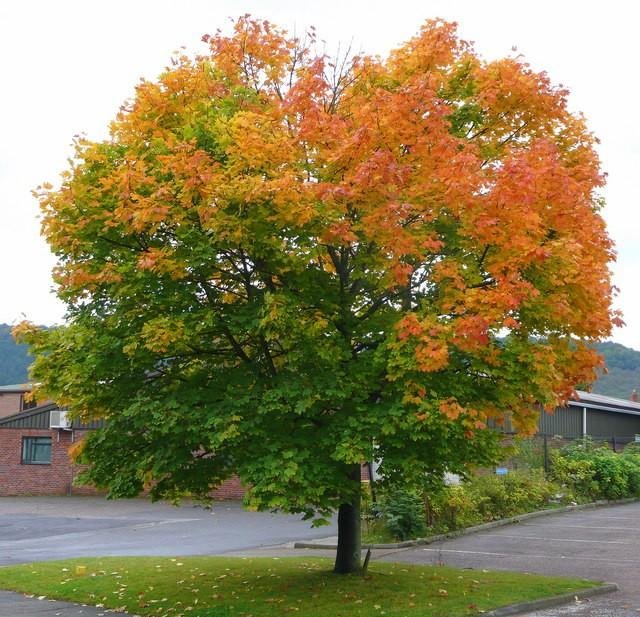

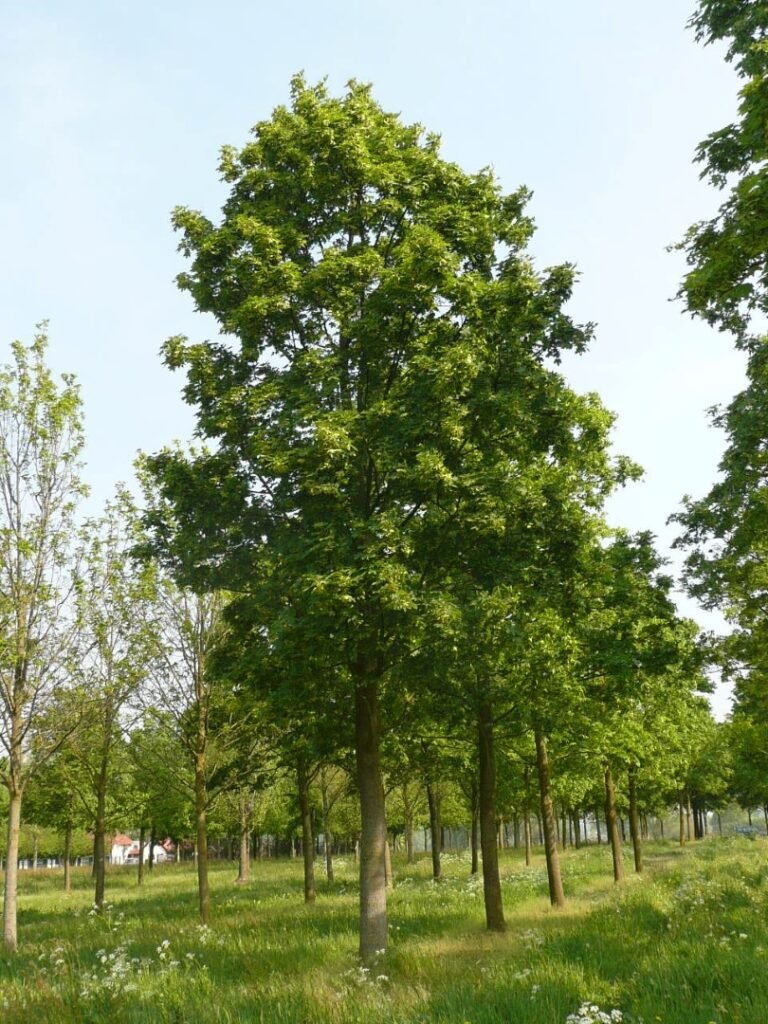
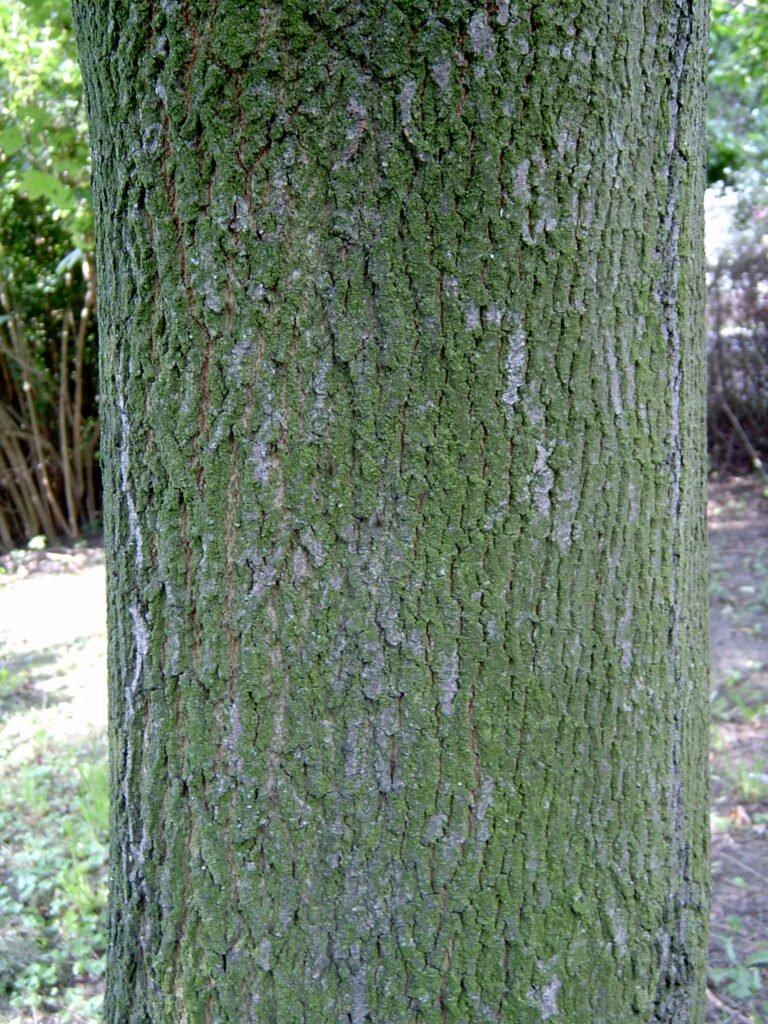
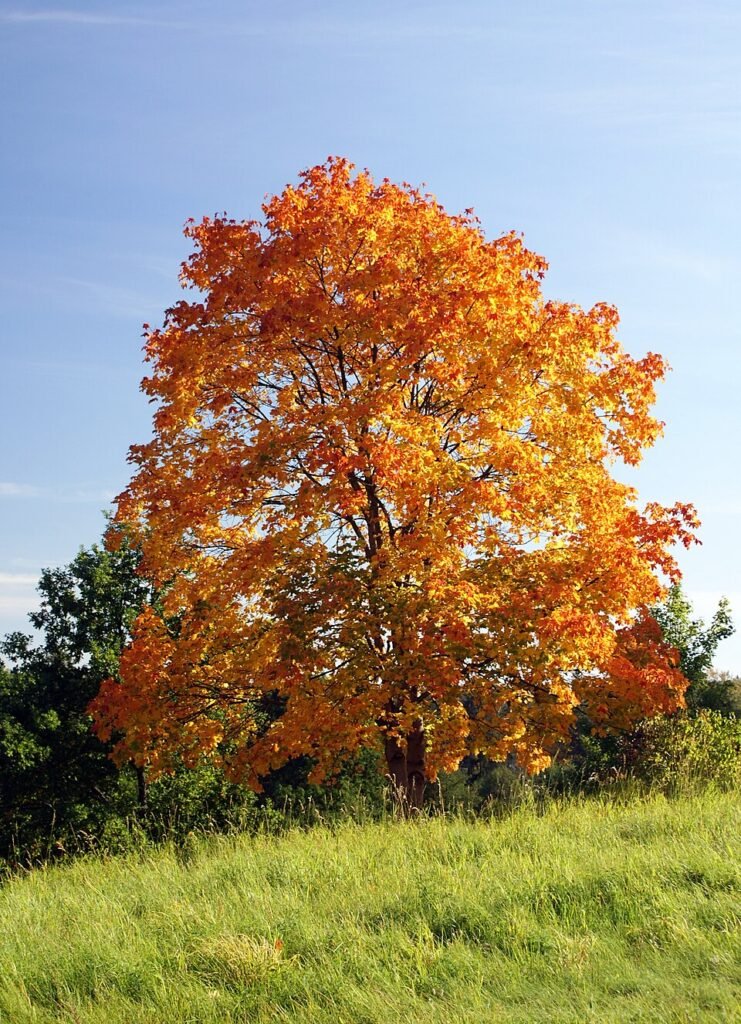



How to Grow, Propagate, Identify Varieties, Use, and Harvest the Norway Maple (Acer platanoides)
Complete Guide for Gardeners, Foragers, and Tree Enthusiasts
The Norway Maple (Acer platanoides) is one of the most widely recognized maple species across Europe and North America. Known for its broad canopy, urban tolerance, and distinctive samaras (winged seeds), this tree can be both an asset and a challenge depending on where it is grown. Whether you’re planting it for shade, exploring its edible parts, or managing existing trees, this guide covers everything you need to know.
What Is the Norway Maple?
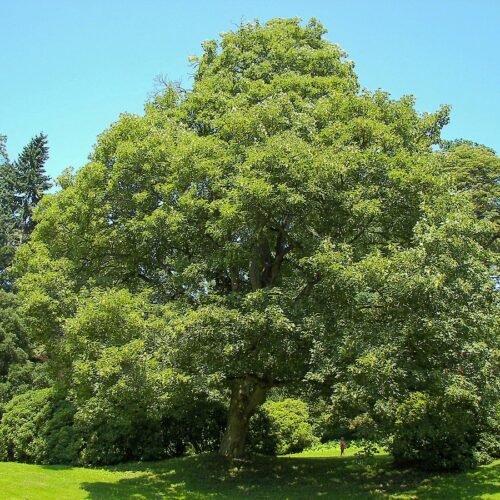
The Norway Maple is a fast-growing, deciduous tree native to Europe and western Asia. It has become naturalized—and in many regions, invasive—across North America due to its adaptability and prolific seed production. Despite its invasiveness in certain areas, it is still cultivated in urban settings for its hardiness, pollution tolerance, and impressive foliage.
Key features:
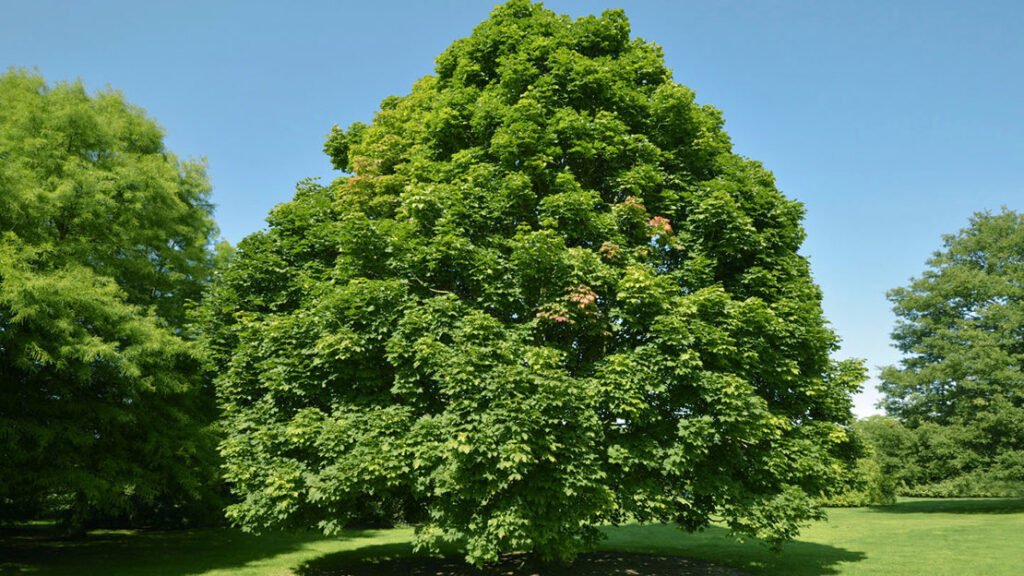
- Height: 40–70 ft (12–21 m)
- Spread: 30–50 ft (9–15 m)
- Growth rate: Fast (13–24 inches per year)
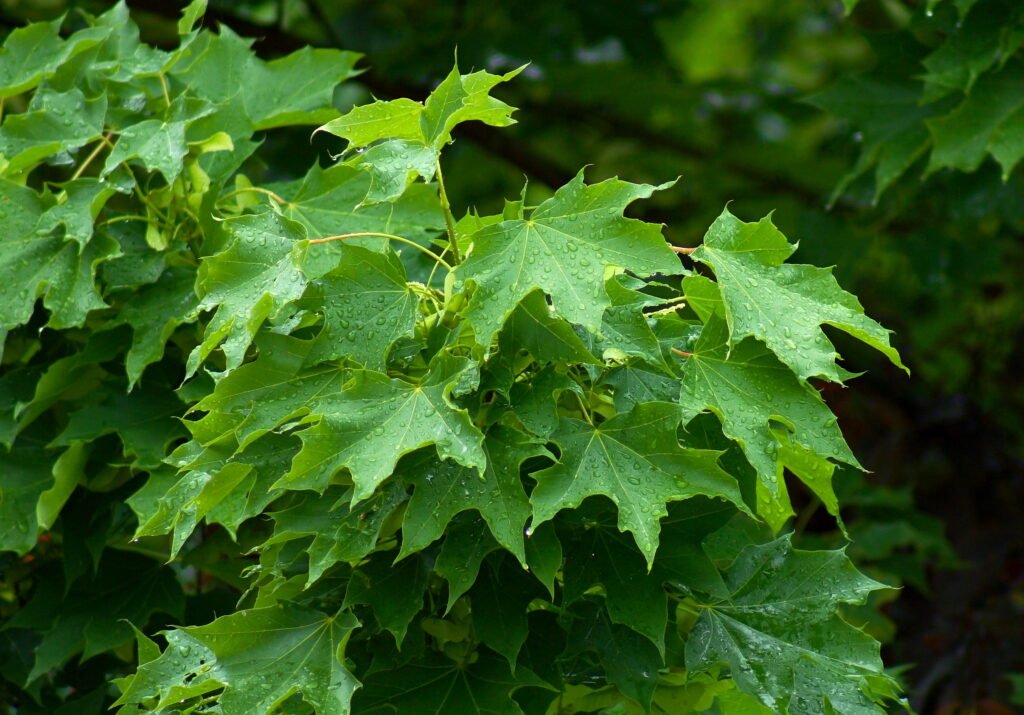
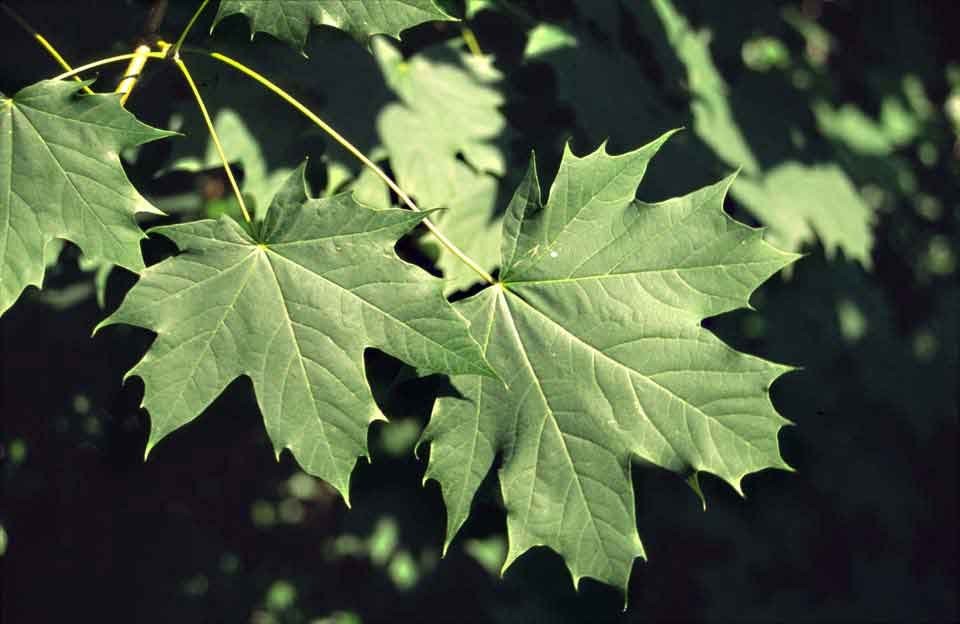
- Leaves: 5–7 lobes, milky sap from broken leaf stems (a distinctive ID tip)
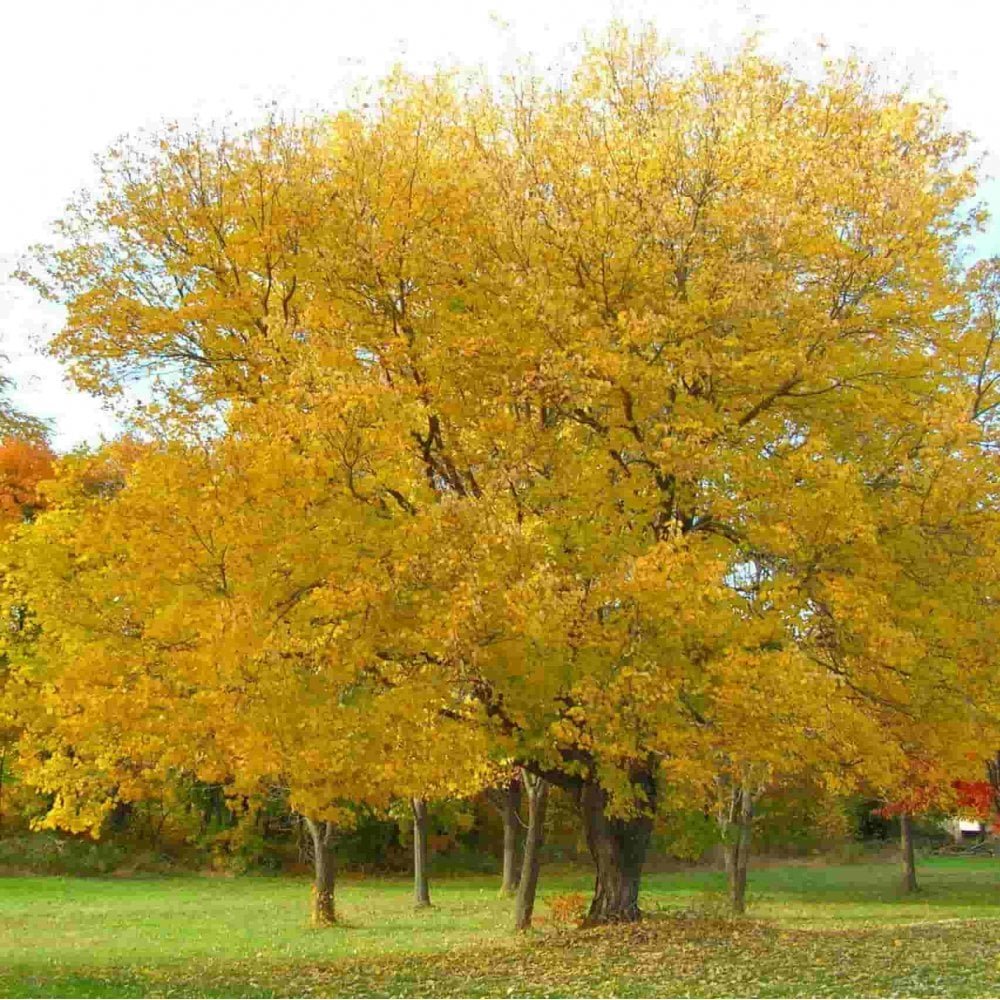
- Fall color: Yellow (rarely the vibrant reds of sugar maples)
How to Grow Norway Maple
1. Site Selection
Norway Maples thrive in many environments but perform best when given:
- Full sun to partial shade
- Moist, well-drained soil
- Flexibility: tolerates clay, pollution, salt, compacted soil, and drought
Because they cast deep shade and have shallow roots, they outcompete many understory plants. Plant them where competition is not a concern.
2. Planting
Best time: Early spring or early fall
Steps:
- Dig a planting hole 2–3 times wider than the root ball.
- Set the tree at the same depth it grew in the nursery.
- Backfill with native soil; avoid heavy amendments.
- Water thoroughly to eliminate air pockets.
- Mulch 2–4 inches around the base, but keep mulch away from the trunk.
3. Care and Maintenance
- Watering:
Young trees need consistent watering for the first 2–3 years. Mature Norway Maples tolerate drought extremely well. - Pruning:
Prune in late winter before sap flow begins. Remove crossing branches and maintain a strong central leader. - Fertilizing:
Typically not required, but a balanced slow-release fertilizer can be applied in early spring.
How to Propagate Norway Maple
Norway Maples propagate easily—almost too easily. Here are the most common methods:
1. Propagation by Seed (Most Common)
Norway Maples produce abundant samaras (paired winged seeds) each spring.
Steps:
- Collect samaras when they turn brown and begin to fall.
- Store seeds dry for several weeks.
- Stratify by refrigerating for 90–120 days in moist sand or peat.
- Sow in pots or directly outdoors in early spring.
- Keep soil moist until germination (typically 2–4 weeks).
2. Propagation by Cuttings
Softwood cuttings can be rooted, though less commonly used.
Steps:
- Take 6–8 inch softwood cuttings in early summer.
- Dip the cut end in rooting hormone.
- Place in a well-draining medium such as perlite-peat mix.
- Keep under high humidity until roots develop (6–8 weeks).
3. Propagation by Grafting
Used for ornamental cultivars to maintain true-to-type characteristics.
Varieties and Cultivars of Norway Maple
Many Norway Maple varieties have been bred for leaf color, shape, or growth habit. Popular cultivars include:
1. Crimson King
- Deep burgundy-purple leaves
- Popular ornamental choice
2. Crimson Sentry
- Narrow, columnar growth habit
- Ideal for small urban spaces
3. Globosum (Globe Norway Maple)
- Naturally rounded, compact crown
- Often grafted onto a standard trunk
4. Drummondii
- Leaves with creamy-white variegated edges
- Striking appearance but more prone to scorch
5. Faassen’s Black
- Dark purplish foliage similar to Crimson King but slightly smaller
Uses of Norway Maple
1. Landscaping and Urban Planting
- Tolerates pollution, poor soil, and compacted urban environments
- Provides broad shade
- Often used as a street tree
2. Firewood
- Burns hot with good coaling
- Similar to other hardwood maples
3. Timber
- Sometimes used for furniture, flooring, and turning
- Less valued than Sugar Maple but workable
4. Ecological Considerations
- In some areas, it displaces native understory plants
- May hybridize poorly with native maples
- Removing seedlings can help manage spread
Edible and Food Uses of Norway Maple
Yes—parts of the Norway Maple are edible. While not as prized as the Sugar Maple, it offers several food options:
1. Maple Sap for Syrup
Norway Maples can be tapped in late winter.
Pros:
- Good sap flow
- High yield per tree
Cons:
- Sap has higher mucilage content than Sugar Maple
- Syrup may taste slightly different—often described as more neutral or plant-like
Tapping tips:
- Tap when days are above freezing and nights are below freezing
- Expect about 40–60 gallons of sap per gallon of syrup (more than Sugar Maple)
2. Edible Seeds (Samaras)
Young, green samaras can be eaten before the seed fully hardens.
Preparation ideas:
- Boil briefly and sauté
- Add to stir-fries
- Pickle when young
- Roast mature seeds and grind into flour (requires significant processing)
3. Edible Flowers
In early spring, Norway Maple flowers are:
- Mildly sweet
- High in pollen
- Edible raw or cooked
Use them in:
- Fritters
- Salads
- Garnishes
- Infused syrups
4. Edible Leaves
Young tender leaves are technically edible, though bitter. Used occasionally in survival situations or as fermentation wrappers (like grape leaves).
How to Harvest Norway Maple
Sap Harvesting
- Tap in late winter (February–March depending on region)
- Use 5/16″ taps to minimize damage
- Collect sap daily and boil or refrigerate immediately
Seed Harvesting
- Collect samaras in late summer to early fall
- For food use: pick when still green and pliable
- For planting: wait until they naturally dry and fall
Leaf Harvesting
- Young spring leaves for edible uses
- Fully mature leaves for mulch or compost (though they break down slowly)
Common Problems and Tips
1. Invasiveness
Check regional guidelines; some areas restrict planting due to ecological impact.
2. Shallow Roots
Avoid planting near sidewalks, driveways, or foundations where roots may cause heaving.
3. Tar Spot Fungus (Rhytisma acerinum)
Cosmetic issue; rarely harmful.
4. Verticillium Wilt
Can be deadly; avoid planting in affected soils.
Final Thoughts: Should You Grow Norway Maple?
The Norway Maple is:
- Easy to grow
- Highly adaptable
- Useful for shade, timber, and even syrup production
However, in regions where it is invasive, consider native alternatives like:
- Sugar Maple
- Red Maple
- Black Maple
If you already have Norway Maples or choose to cultivate them responsibly, they can offer beauty, shade, and surprising edible opportunities.


&media=https://food-foresting.com/wp-content/uploads/2025/12/norway-maple-tree-wtml-1043257-nature-photographers-ltd.jpg)