
 paulius.mikoliunas1
| Common Name | Portugal Laurel |
| Family | Rosaceae |
| USDA hardiness | 6-9 |
| Known Hazards |  Although no specific mention has been seen for this species, it belongs to a genus where most, if not all members of the genus produce hydrogen cyanide, a poison that gives almonds their characteristic flavour. This toxin is found mainly in the leaves and seed and is readily detected by its bitter taste. It is usually present in too small a quantity to do any harm but any very bitter seed or fruit should not be eaten. In small quantities, hydrogen cyanide has been shown to stimulate respiration and improve digestion, it is also claimed to be of benefit in the treatment of cancer. In excess, however, it can cause respiratory failure and even death. Although no specific mention has been seen for this species, it belongs to a genus where most, if not all members of the genus produce hydrogen cyanide, a poison that gives almonds their characteristic flavour. This toxin is found mainly in the leaves and seed and is readily detected by its bitter taste. It is usually present in too small a quantity to do any harm but any very bitter seed or fruit should not be eaten. In small quantities, hydrogen cyanide has been shown to stimulate respiration and improve digestion, it is also claimed to be of benefit in the treatment of cancer. In excess, however, it can cause respiratory failure and even death. |
| Habitats | Forests in the mountains of the Iberian peninsula. |
| Range | W. Europe – S.W. France, Spain and Portugal. Occasionally naturalized in Britain. |
| Edibility Rating |   (3 of 5) (3 of 5) |
| Other Uses |  (5 of 5) (5 of 5) |
| Weed Potential | No |
| Medicinal Rating |   (1 of 5) (1 of 5) |
| Care (info) |     |



Portugal Laurel (Prunus lusitanica): Complete Guide to Growing, Propagating, Varieties, Uses, and Harvesting
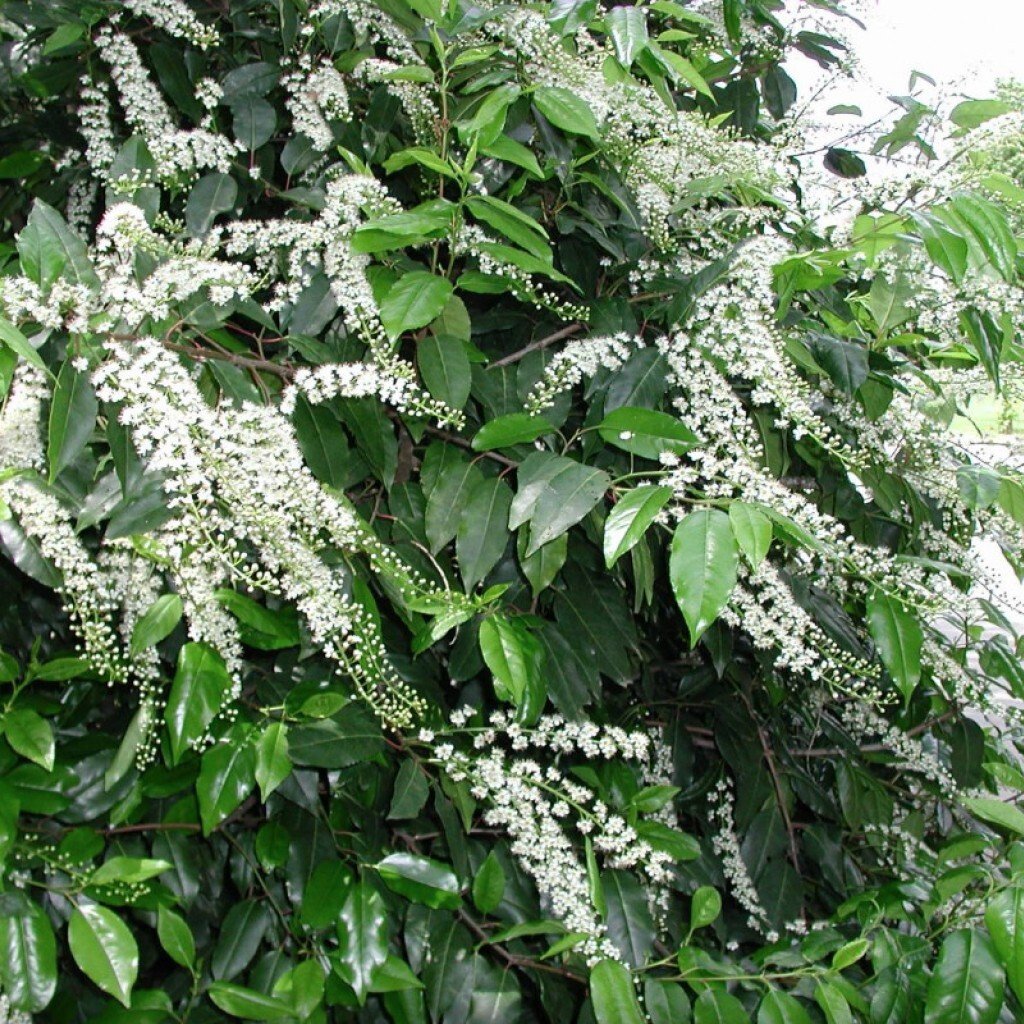
Portugal Laurel, scientifically known as Prunus lusitanica, is a refined evergreen shrub or small tree prized for its glossy foliage, fragrant flowers, and exceptional versatility in landscape design. Native to the Iberian Peninsula and parts of western Europe, this elegant plant has become a favorite for hedging, screening, and ornamental gardening in temperate regions.
This in-depth guide explores how to grow Portugal Laurel successfully, methods of propagation, popular varieties, practical uses, important food and toxicity considerations, and best practices for harvesting and maintenance.
What Is Portugal Laurel (Prunus lusitanica)?
Portugal Laurel is an evergreen member of the rose family (Rosaceae). It is often confused with Cherry Laurel, but it is more refined, slower growing, and better suited for formal gardens.
Key Characteristics
- Evergreen shrub or small tree
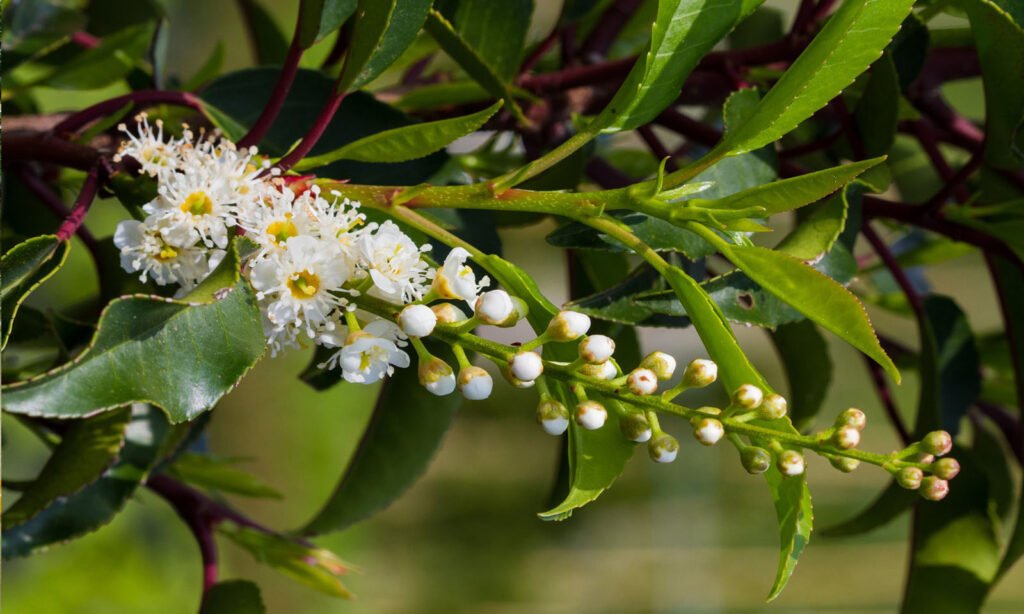
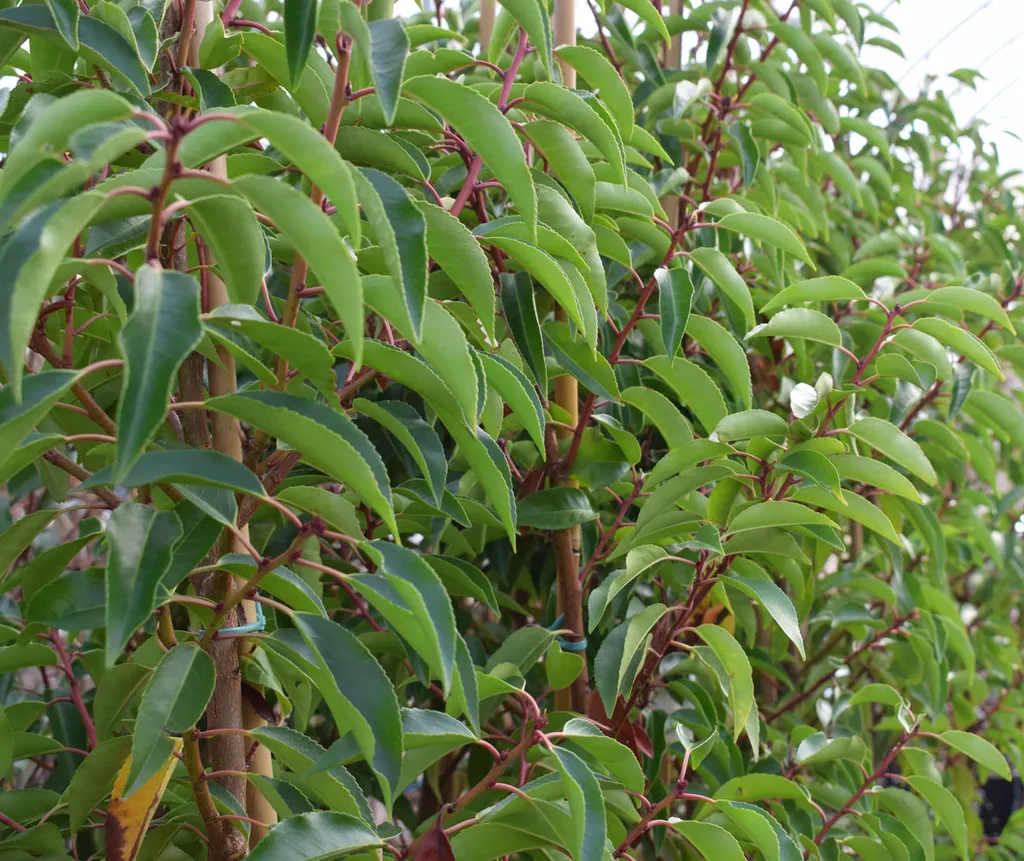
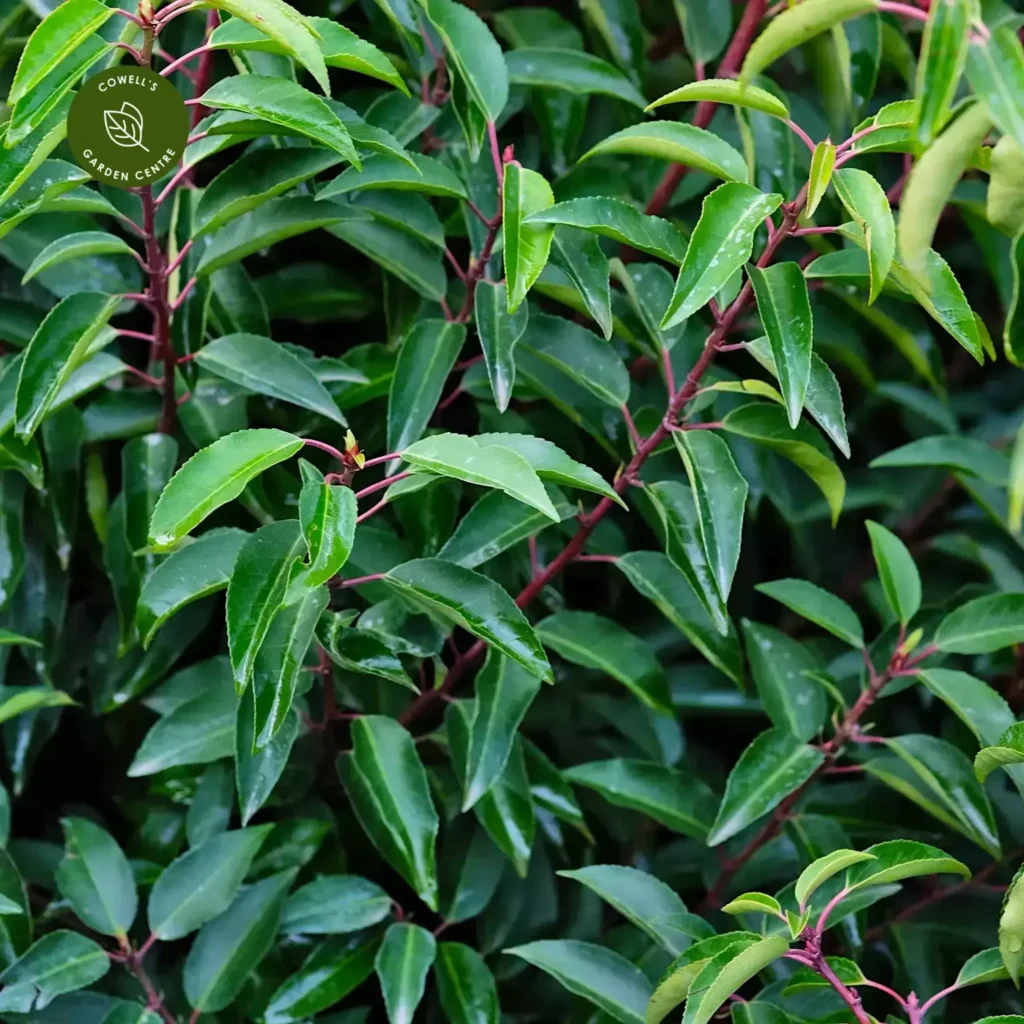
- Dark green, glossy leaves with reddish stems
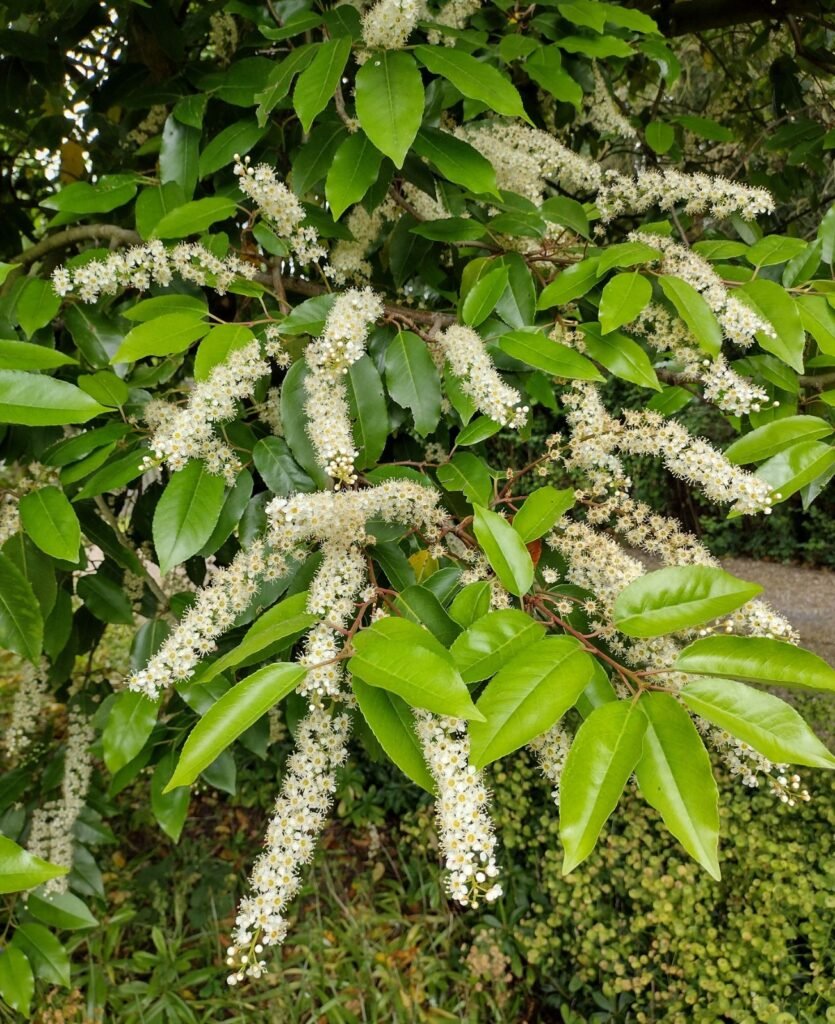
- Fragrant white flowers in late spring
- Small dark berries in autumn
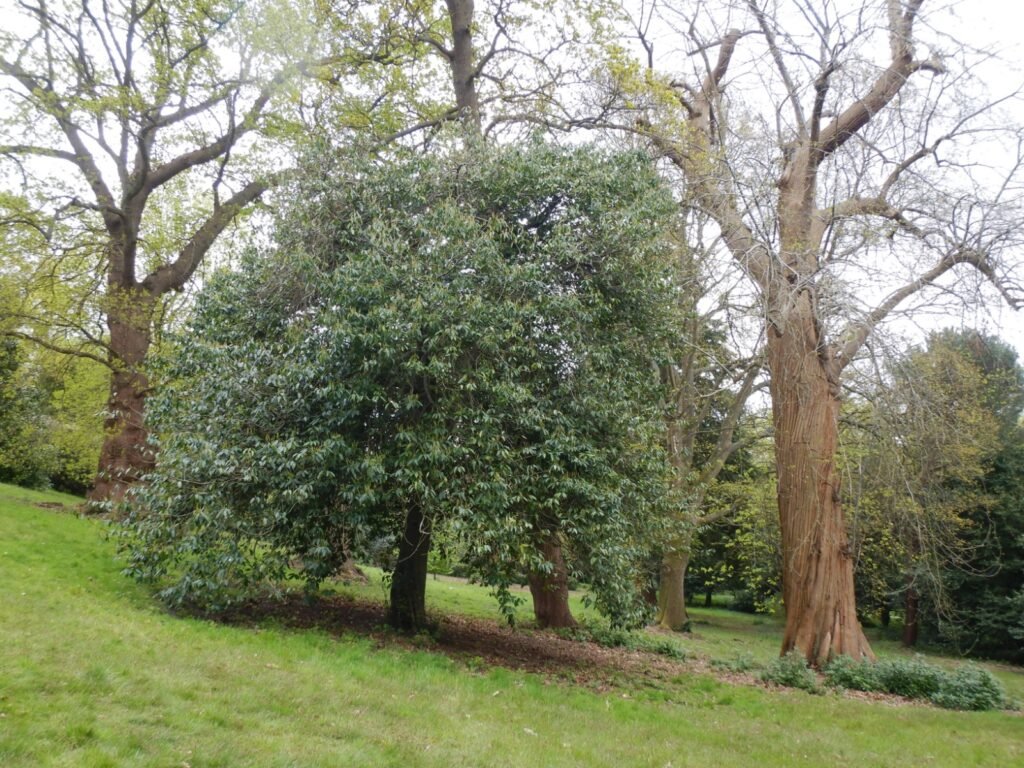
- Dense, upright growth habit
How to Grow Portugal Laurel Successfully
Ideal Climate and Hardiness
Portugal Laurel thrives in mild to warm temperate climates and is hardy in USDA zones 7–10. It tolerates coastal conditions and urban pollution better than many evergreen hedging plants.
Soil Requirements
- Well-drained soil is essential
- Prefers loamy or sandy soil
- Tolerates slightly acidic to neutral pH
- Avoid waterlogged or heavy clay soils
Light Conditions
- Best grown in full sun to partial shade
- Full sun encourages dense growth and glossy foliage
- Partial shade is suitable in hotter regions
Watering Needs
- Water regularly during establishment
- Once established, it is moderately drought tolerant
- Avoid overwatering to prevent root rot
Fertilizing
- Feed in early spring with a balanced slow-release fertilizer
- Organic compost improves long-term soil health
- Avoid excessive nitrogen, which can cause soft growth
Propagation of Portugal Laurel
Propagation by Cuttings (Most Reliable Method)
Portugal Laurel is most commonly propagated through semi-hardwood cuttings.
Steps:
- Take cuttings in late summer or early autumn
- Use healthy, non-flowering shoots
- Remove lower leaves and dip in rooting hormone
- Plant in free-draining propagation mix
- Keep moist and sheltered until rooted
Rooting typically takes 6–10 weeks.
Propagation by Seeds
- Seeds require cold stratification
- Germination is slow and unpredictable
- Mainly used for botanical or breeding purposes
Popular Varieties of Portugal Laurel
Prunus lusitanica ‘Angustifolia’
- Most popular cultivated form
- Narrower leaves and compact habit
- Ideal for formal hedges and screens
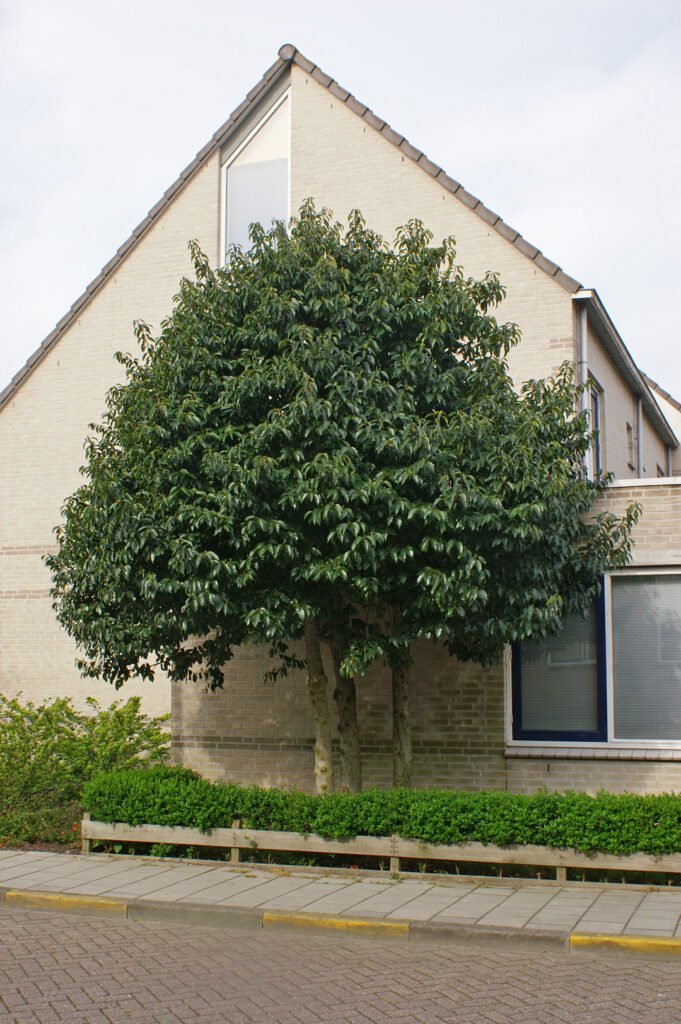
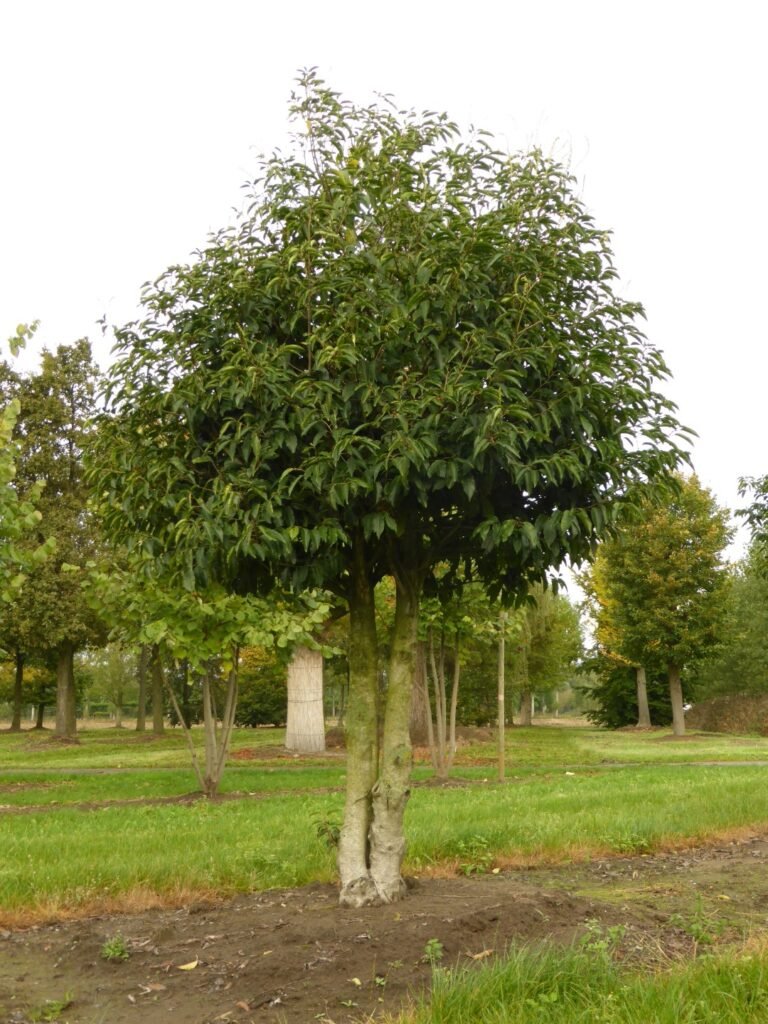
Standard Portugal Laurel
- Grown as small ornamental trees
- Elegant branching structure
- Suitable for avenues and specimen planting
Compact and Dwarf Forms
- Slower growth rate
- Ideal for smaller gardens or containers
Uses of Portugal Laurel
Landscape and Garden Uses
- Formal hedging and privacy screens
- Evergreen windbreaks
- Topiary and shaped specimens
- Woodland and mixed borders
Its dense foliage provides excellent year-round structure.
Wildlife Value
- Flowers attract bees and pollinators
- Berries provide food for birds
- Dense growth offers shelter for nesting
Traditional and Cultural Uses
Historically, Portugal Laurel was planted in aristocratic gardens for its refined appearance and manageable growth habit.
Food Options and Toxicity Considerations
Is Portugal Laurel Edible?
Portugal Laurel is not considered an edible plant for humans.
- Leaves, seeds, and stems contain cyanogenic compounds
- These substances can release cyanide if ingested
- Consumption can be dangerous
Berries and Wildlife
- Birds can safely consume the berries
- Seeds are toxic to humans and pets
- Never use berries for food preparation
Laurel Leaves in Cooking
Portugal Laurel must not be confused with culinary bay leaf (Laurus nobilis).
Portugal Laurel leaves are not suitable for cooking.
Pruning and Harvesting Portugal Laurel
When to Prune
- Light pruning: late spring after flowering
- Major shaping: mid-summer
- Avoid pruning in late autumn to prevent frost damage
How to Harvest for Garden Use
- Harvest young shoots for shaping hedges
- Cut cleanly using sharp tools
- Avoid excessive cutting during flowering season
Maintenance Tips
- Remove dead or diseased branches promptly
- Mulch annually to retain moisture
- Clean tools to prevent disease spread
Common Problems and Solutions
Yellowing Leaves
- Often caused by poor drainage or overwatering
- Improve soil structure and reduce watering
Leaf Spot or Fungal Issues
- Improve air circulation
- Avoid overhead watering
- Prune affected areas
Pests
- Generally pest-resistant
- Occasionally affected by aphids or scale insects
Frequently Asked Questions About Portugal Laurel
How fast does Portugal Laurel grow?
It has a moderate growth rate, averaging 20–40 cm per year.
Can Portugal Laurel grow in containers?
Yes, especially compact varieties, with proper drainage and regular feeding.
Is Portugal Laurel deer resistant?
Yes, it is generally resistant to deer browsing.
Final Thoughts
Portugal Laurel (Prunus lusitanica) is an outstanding evergreen plant that combines beauty, resilience, and versatility. Whether used as a formal hedge, ornamental tree, or wildlife-friendly feature, it offers long-term value with relatively low maintenance. While it is not suitable for culinary use, its ornamental qualities and adaptability make it a premium choice for gardeners seeking elegance and structure.
With the right care, propagation methods, and pruning practices, Portugal Laurel can thrive for decades, enhancing gardens with year-round greenery and refined character.


&media=https://food-foresting.com/wp-content/uploads/2026/01/22594-4.jpg)