
 paulius.mikoliunas1
| Common Name | Creeping Dogwood, Bunchberry dogwood, Bunchberry |
| Family | Cornaceae |
| USDA hardiness | 2-7 |
| Known Hazards | None known |
| Habitats | Coniferous woods, thickets and damp clearings in peaty soils. |
| Range | N. America – Newfoundland to Alaska, south to Virginia and California. |
| Edibility Rating |   (4 of 5) (4 of 5) |
| Other Uses |   (2 of 5) (2 of 5) |
| Weed Potential | No |
| Medicinal Rating |   (2 of 5) (2 of 5) |
| Care (info) |     |
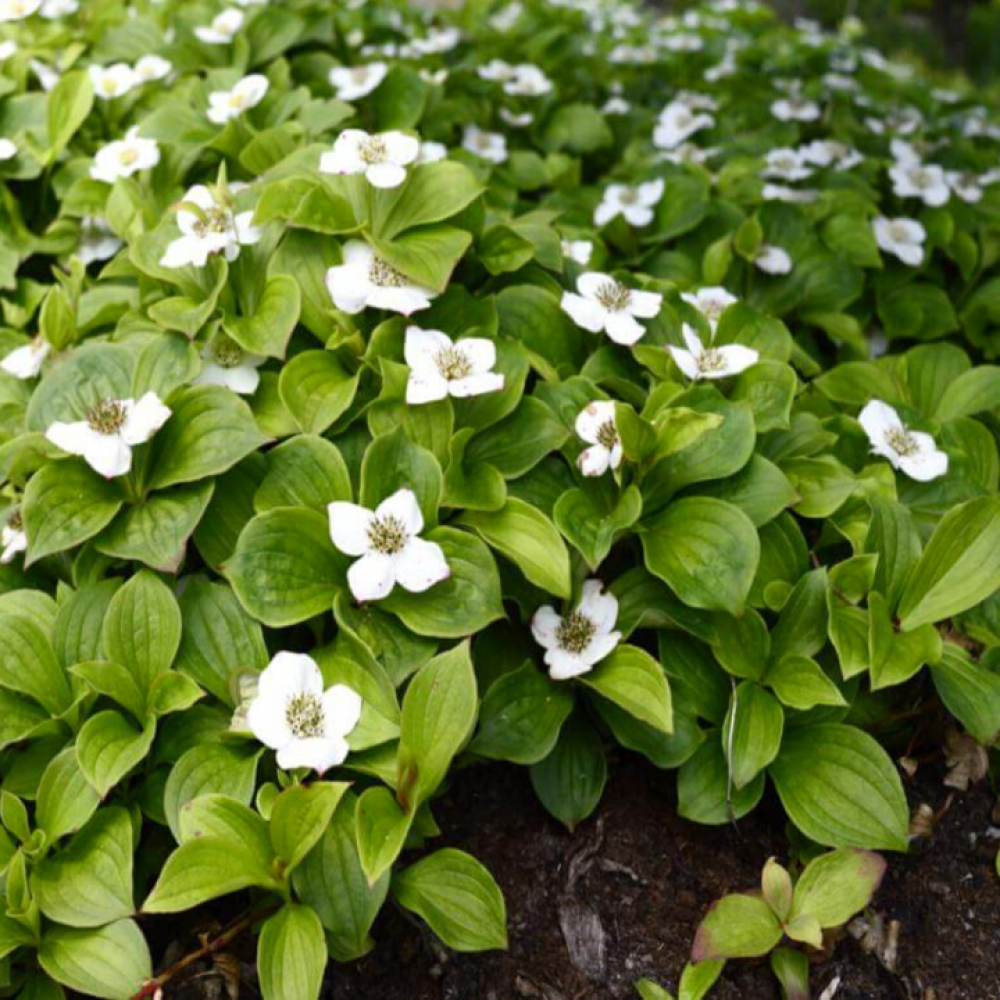
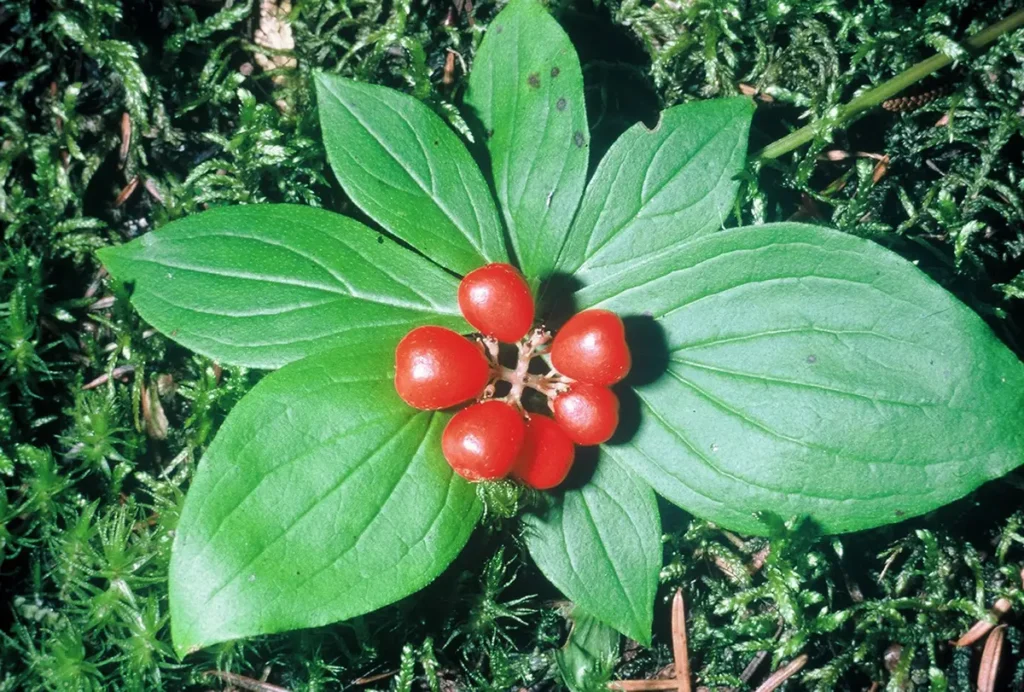
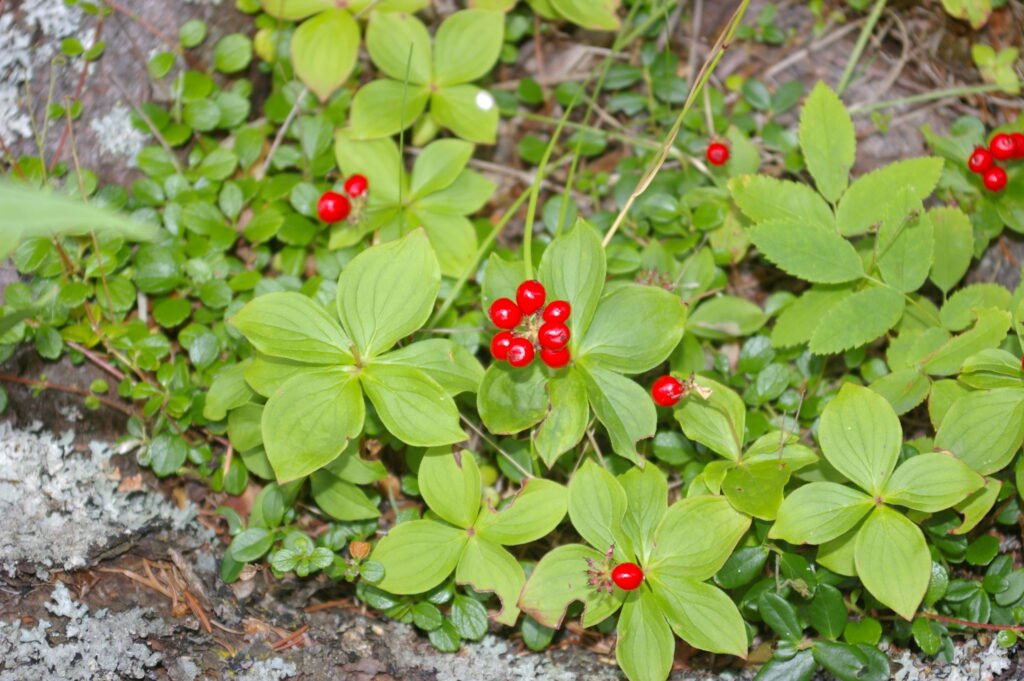
Creeping Dogwood (Cornus canadensis): How to Grow, Propagate, Harvest, and Use This Hardy Woodland Groundcover
Creeping Dogwood, botanically known as Cornus canadensis, is a low-growing, shade-loving perennial prized for its elegant foliage, spring flowers, and edible berries. Native to North America, this woodland groundcover is increasingly popular in natural gardens, forest landscapes, and native plant designs. This complete guide explores how to grow Creeping Dogwood successfully, its propagation methods, varieties, uses, culinary potential, and harvesting tips.
What Is Creeping Dogwood?
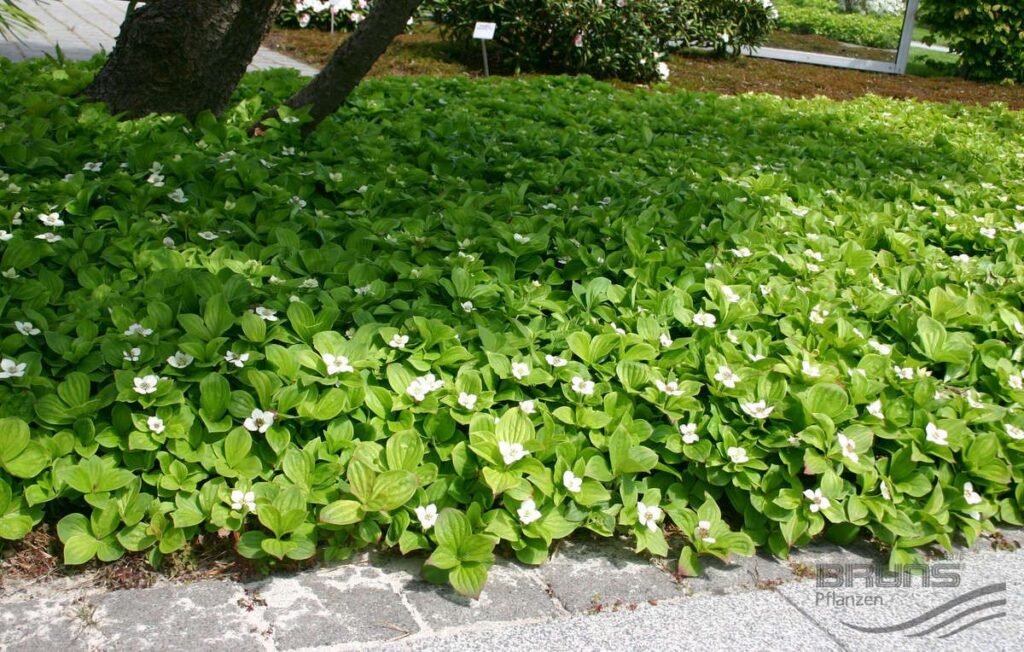
Creeping Dogwood is a rhizomatous perennial groundcover belonging to the dogwood family. Unlike tree-forming dogwoods, it grows only 4–8 inches tall, spreading slowly across the forest floor.
Key Characteristics
- Native woodland plant
- Spreads via underground rhizomes
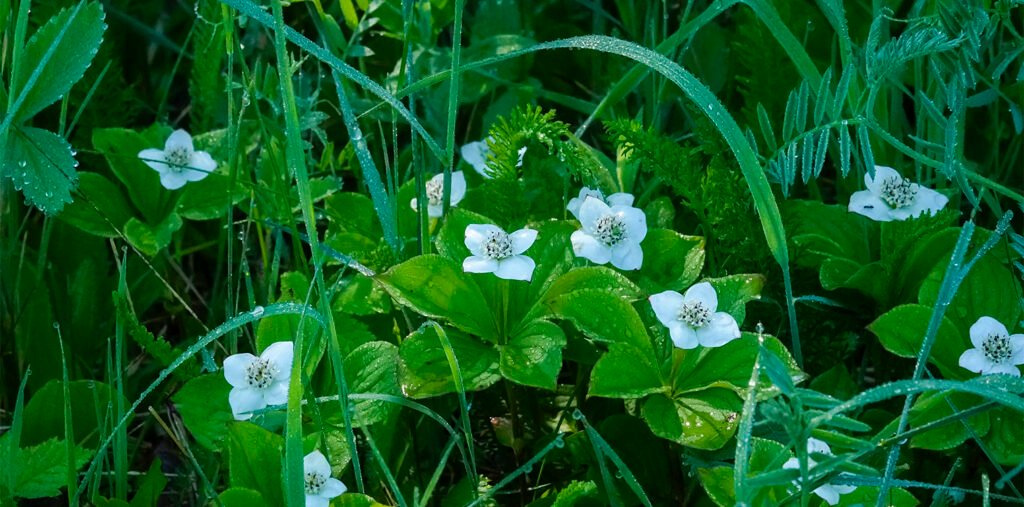
- White spring bracts that resemble flowers
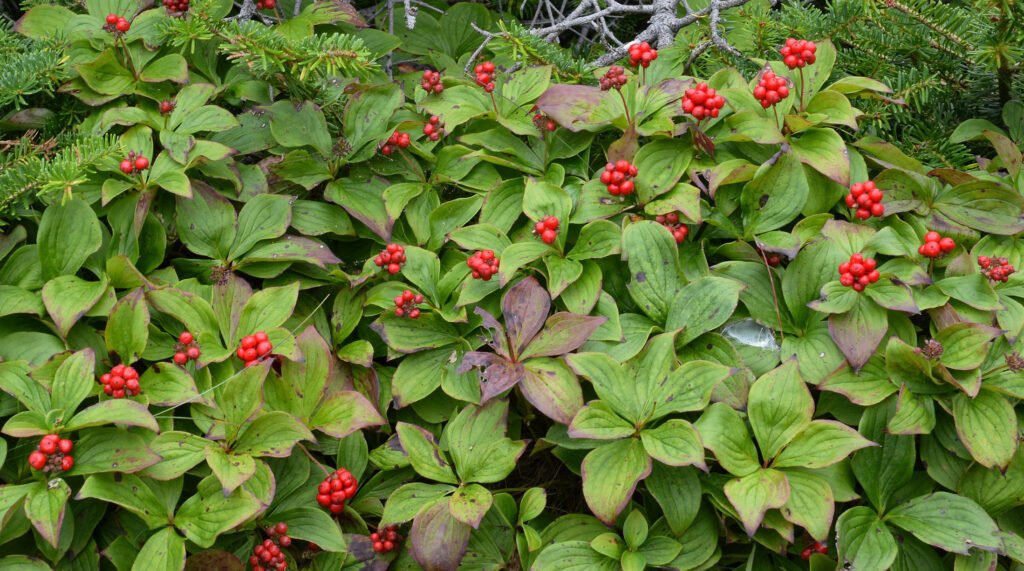
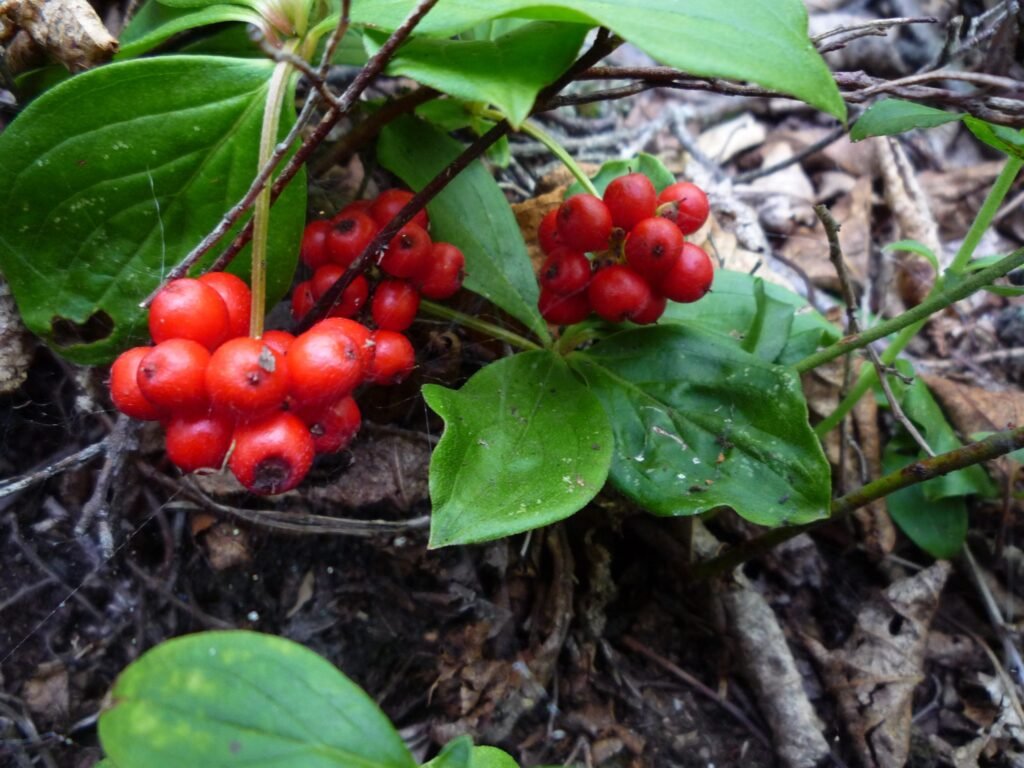
- Bright red berries in late summer
- Excellent cold hardiness
How to Grow Creeping Dogwood Successfully
Ideal Growing Conditions
To thrive, Creeping Dogwood needs conditions similar to its native forest habitat.
Light Requirements
- Partial shade to full shade
- Avoid intense direct sunlight
Soil Preferences
- Moist, well-draining soil
- Rich in organic matter
- Slightly acidic to neutral pH
Climate & Hardiness
- Suitable for cooler climates
- Thrives in USDA hardiness zones 2–6
- Tolerates frost and snow well
Planting Creeping Dogwood
- Prepare soil with compost or leaf mold
- Plant rhizomes or nursery starts in spring or early fall
- Space plants 12–18 inches apart
- Water deeply after planting
- Mulch lightly to retain moisture
Watering & Maintenance
- Keep soil consistently moist
- Avoid waterlogging
- Minimal pruning required
- Remove dead foliage in early spring
- Avoid disturbing roots once established
How to Propagate Creeping Dogwood
Propagation is relatively easy using vegetative methods.
Rhizome Division (Best Method)
- Divide mature plants in early spring
- Cut sections with visible nodes
- Replant immediately
Seed Propagation
- Harvest ripe berries in late summer
- Clean and cold-stratify seeds
- Germination may take several months
- Seed-grown plants mature slowly
Popular Varieties of Creeping Dogwood
Although Cornus canadensis is the primary species, subtle variations exist:
- Wild Native Type – Most common, hardy, and vigorous
- Compact Woodland Forms – Slightly denser foliage
- Improved Berry Selection – Selected for heavier fruiting
Cultivars are rare, as the natural form performs exceptionally well.
Uses of Creeping Dogwood
Landscape Uses
- Woodland gardens
- Shade groundcover
- Native plant gardens
- Understory planting beneath trees
- Erosion control in moist areas
Ecological Benefits
- Supports pollinators
- Provides food for birds and wildlife
- Enhances forest biodiversity
- Excellent companion plant for ferns and mosses
Creeping Dogwood as a Food Source
Are the Berries Edible?
Yes. Creeping Dogwood berries are edible, though mild in flavor.
Flavor Profile
- Mildly sweet
- Soft, mealy texture
- Similar to berries in the dogwood family
Culinary Uses
The berries are best used in combination with other fruits or processed forms:
- Jams and preserves
- Fruit leather
- Syrups
- Mixed berry sauces
- Traditional Indigenous foods
Leaves and stems are not recommended for consumption.
When and How to Harvest Creeping Dogwood
Harvest Timing
- Late summer to early fall
- Berries should be fully red and soft
Harvesting Tips
- Hand-pick gently
- Harvest in small amounts
- Leave berries for wildlife when possible
- Rinse before use
Because the plant spreads slowly, harvesting should always be light and sustainable.
Common Problems and Solutions
Poor Flowering
- Usually caused by too much sun or dry soil
Yellowing Leaves
- Often due to alkaline soil or poor drainage
Slow Growth
- Normal for this species
- Improves with rich organic soil
Creeping Dogwood is generally pest-resistant and disease-free.
Why Choose Creeping Dogwood for Your Garden?
- Low maintenance
- Native and eco-friendly
- Cold-hardy perennial
- Beautiful seasonal interest
- Edible berries
- Ideal for shaded spaces
Final Thoughts
Creeping Dogwood (Cornus canadensis) is a hidden gem among native groundcovers. With its delicate spring blooms, striking red berries, and excellent adaptability to shaded landscapes, it offers both ornamental beauty and practical benefits. Whether you are building a woodland garden, restoring native habitats, or experimenting with edible landscaping, Creeping Dogwood is a rewarding plant worth growing.


&media=https://food-foresting.com/wp-content/uploads/2026/01/2975a.jpg)