
 paulius.mikoliunas1
| Common Name | Lily Of The Valley Bush, Japanese pieris, Japanese Andromeda, Lily of the Valley Shrub, Japanese Pie |
| Family | Ericaceae |
| USDA hardiness | 4-7 |
| Known Hazards |  The plant is poisonous. The plant is poisonous. |
| Habitats | Open forests in mountains. Thickets at elevations of 800 – 1200, occasionally to 1900 metres. |
| Range | E. Asia – E. China, Japan. |
| Edibility Rating |  (0 of 5) (0 of 5) |
| Other Uses |   (2 of 5) (2 of 5) |
| Weed Potential | No |
| Medicinal Rating |  (0 of 5) (0 of 5) |
| Care (info) |      |
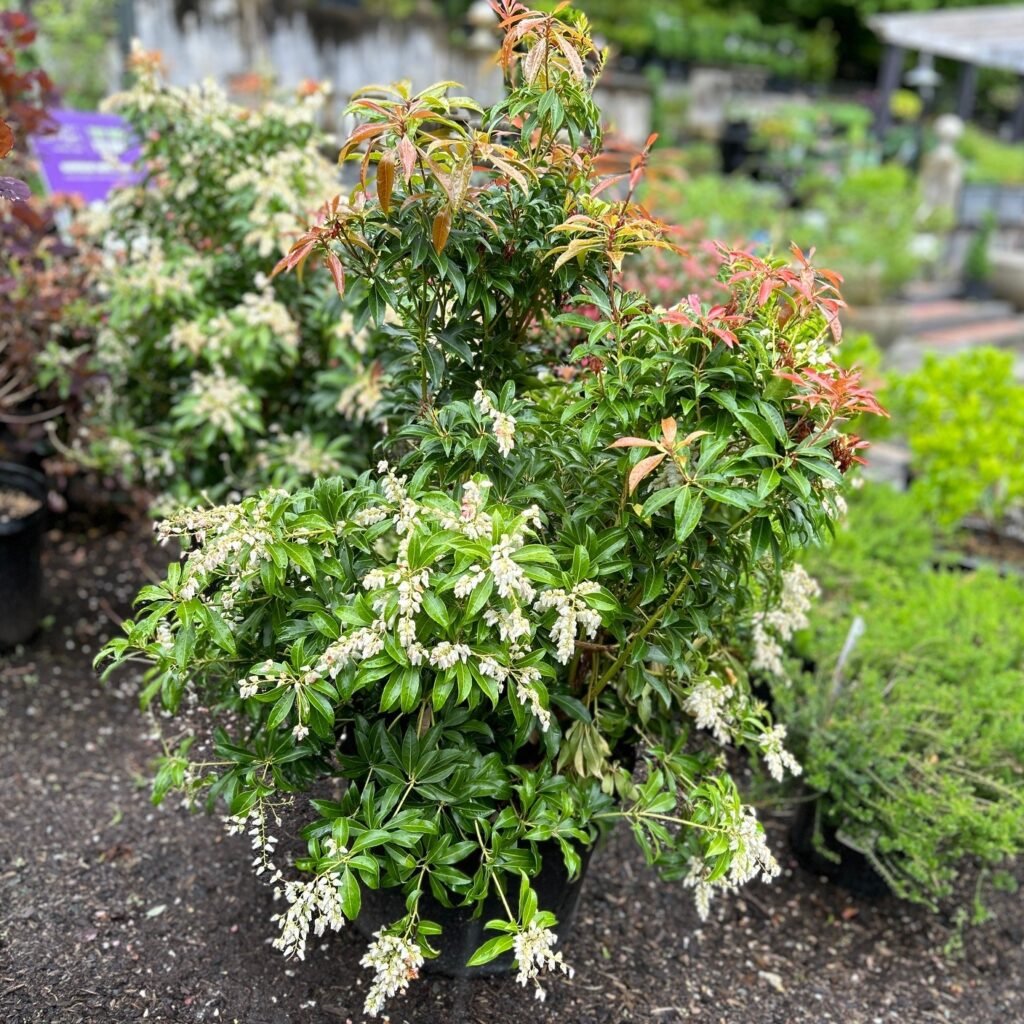
Japanese Andromeda (Pieris japonica): Complete Guide to Growing, Propagation, Varieties, Uses, and Harvesting
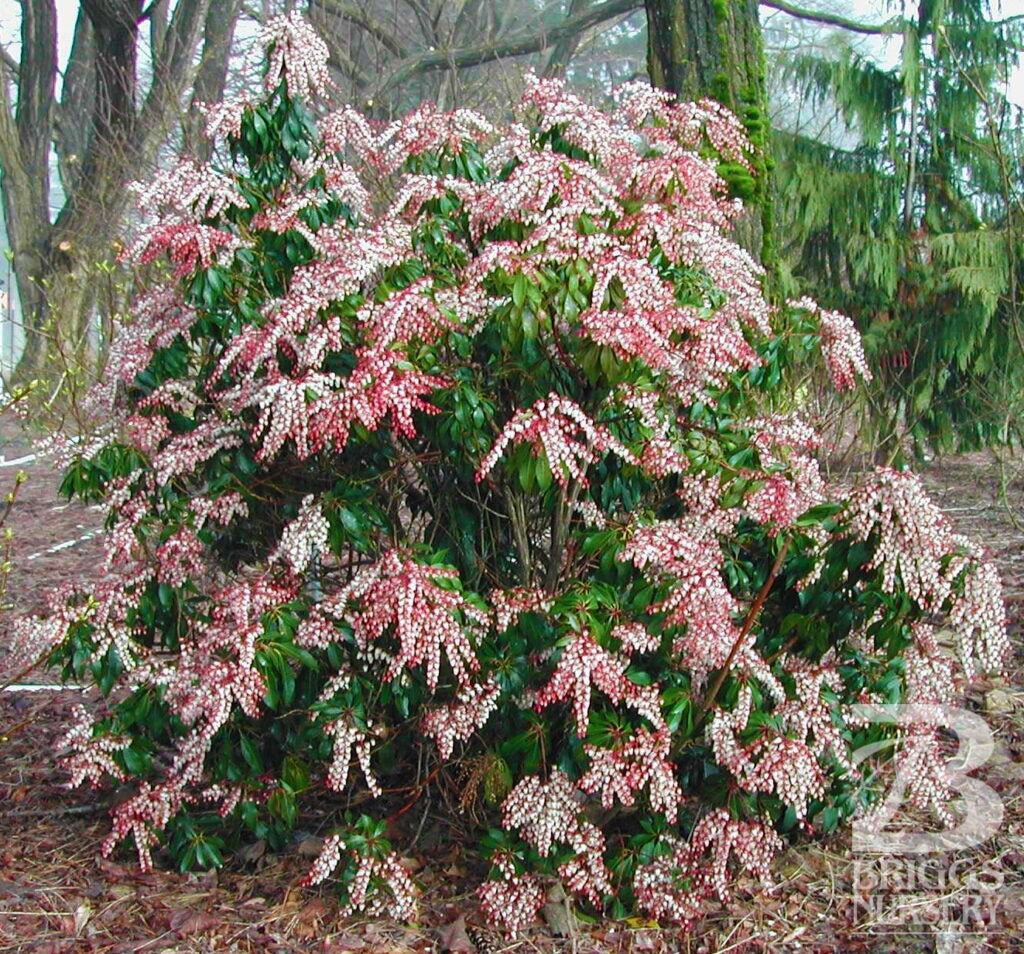
Japanese Andromeda, botanically known as Pieris japonica, is a stunning evergreen shrub prized for its cascading spring flowers, colorful new foliage, and year-round garden interest. Native to Japan, Taiwan, and eastern China, this ornamental plant has become a favorite in temperate landscapes due to its elegant appearance and relatively low maintenance needs.
This in-depth guide explores how to grow Japanese Andromeda successfully, methods of propagation, popular varieties, landscape and practical uses, food-related considerations, and harvesting best practices.
What Is Japanese Andromeda (Pieris japonica)?
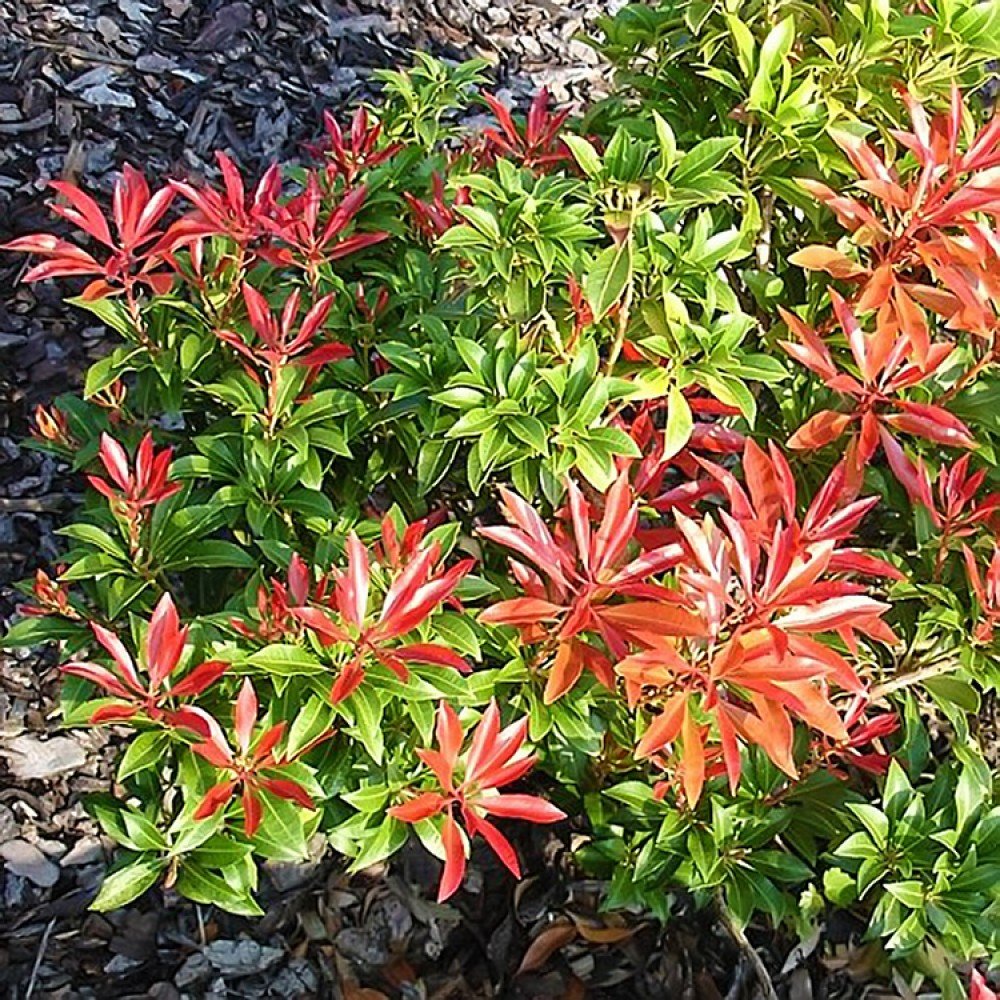
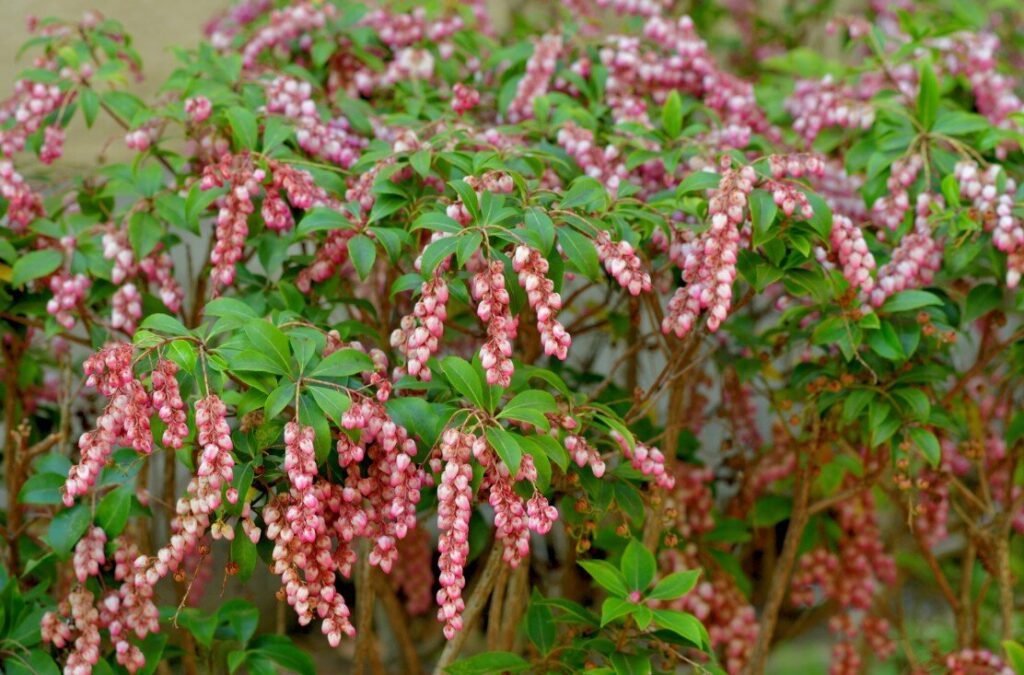
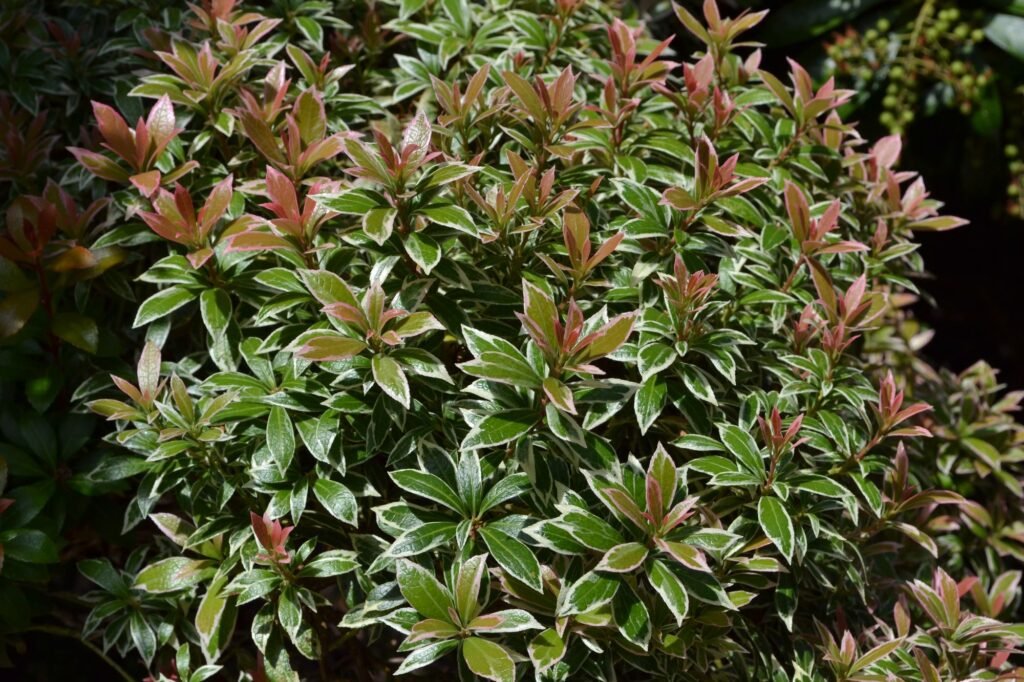
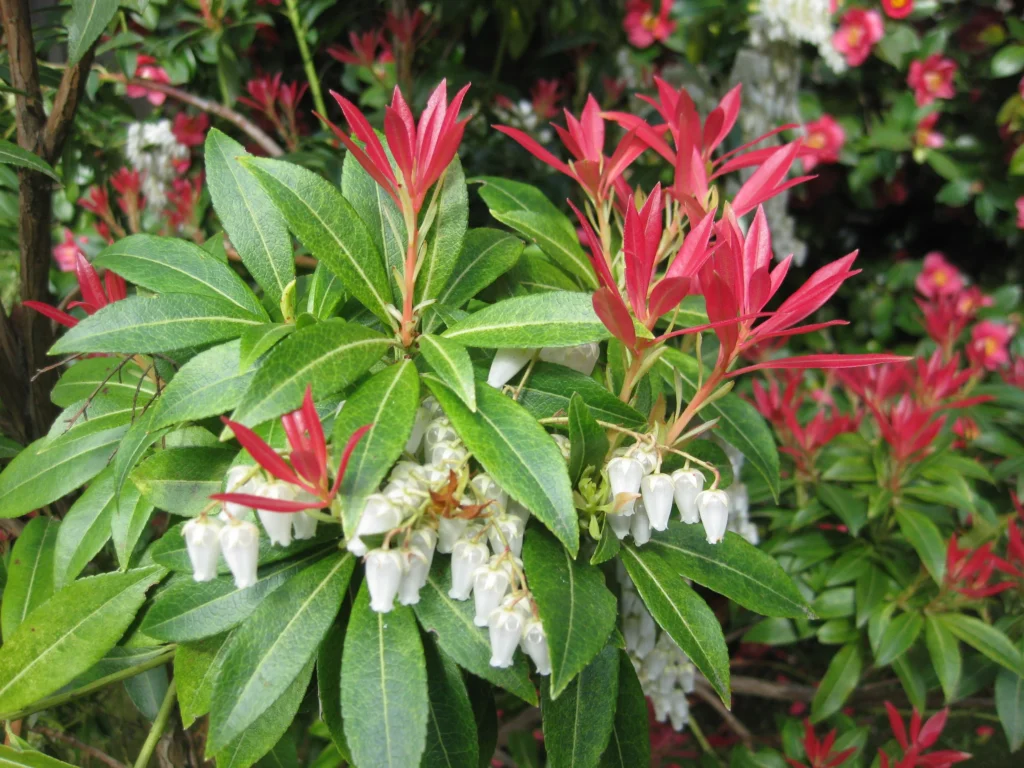
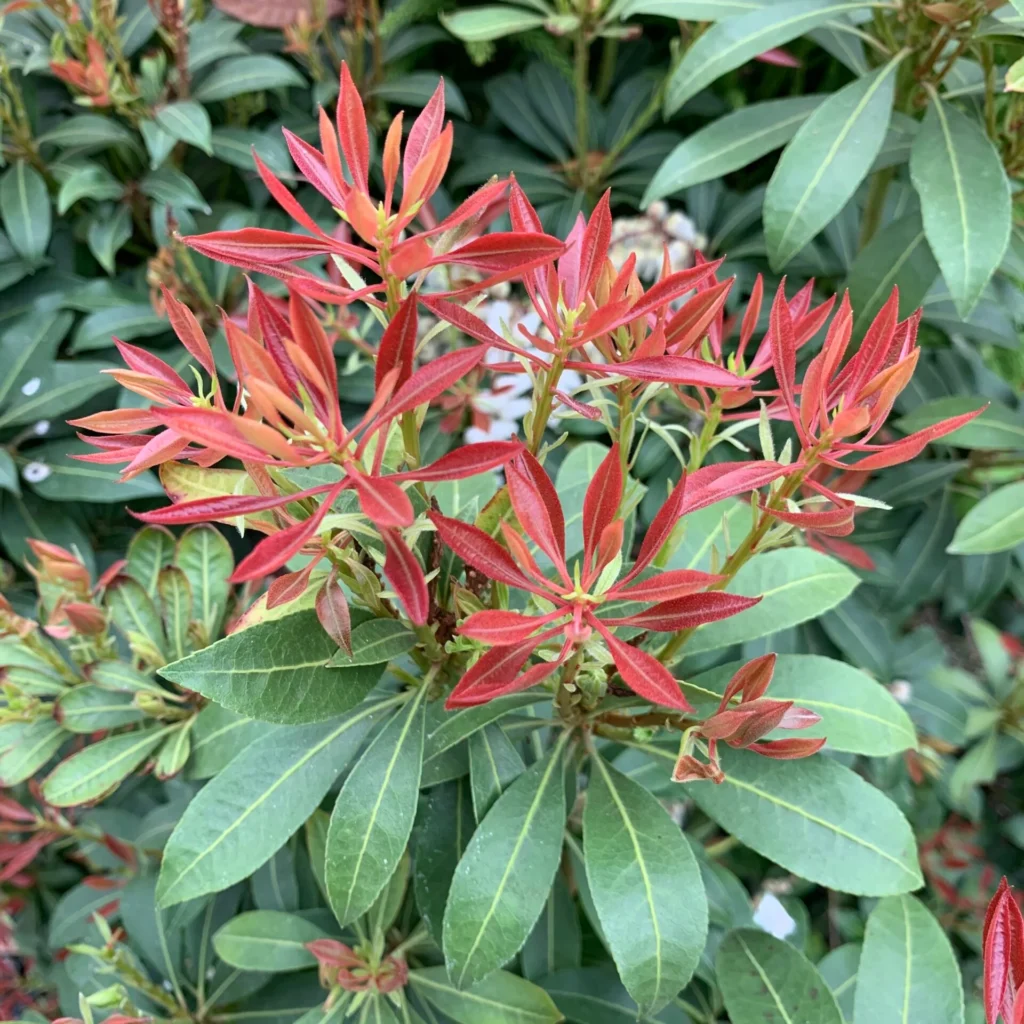
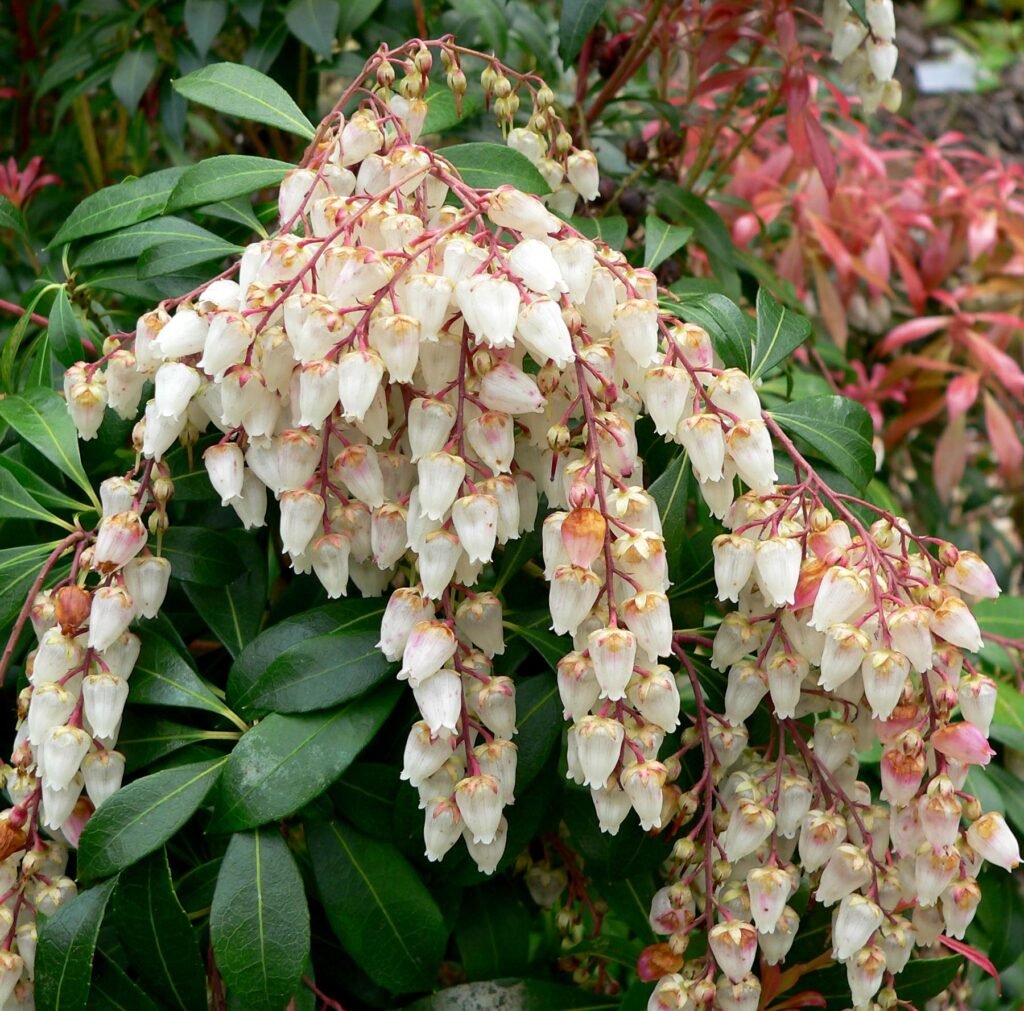
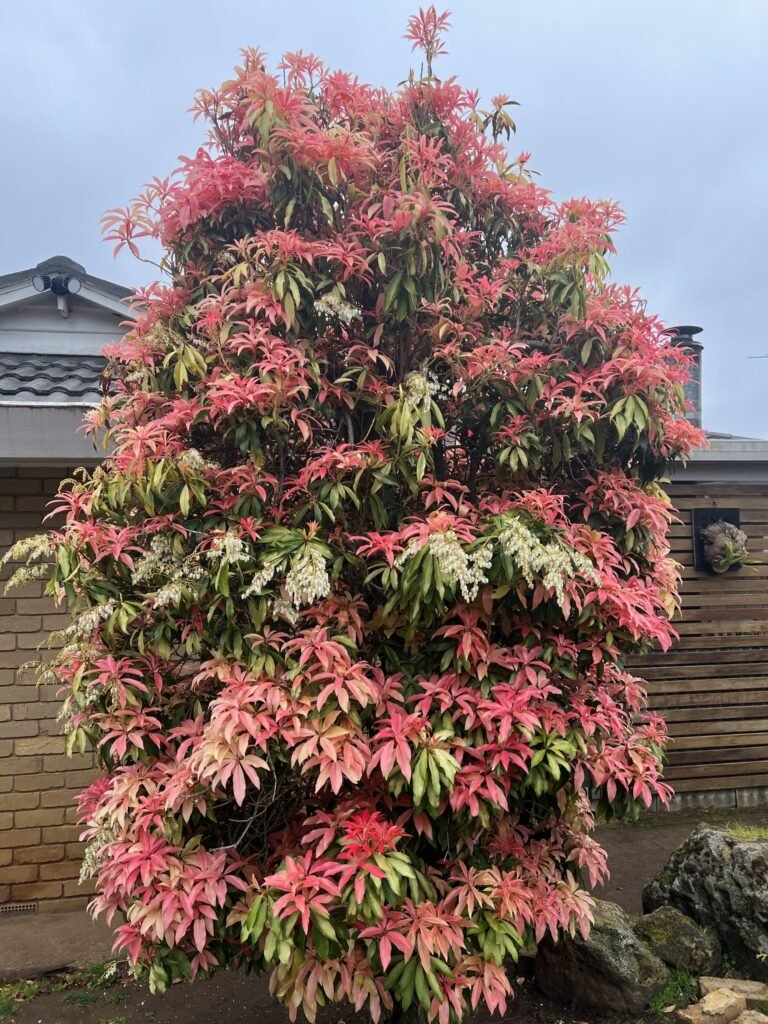
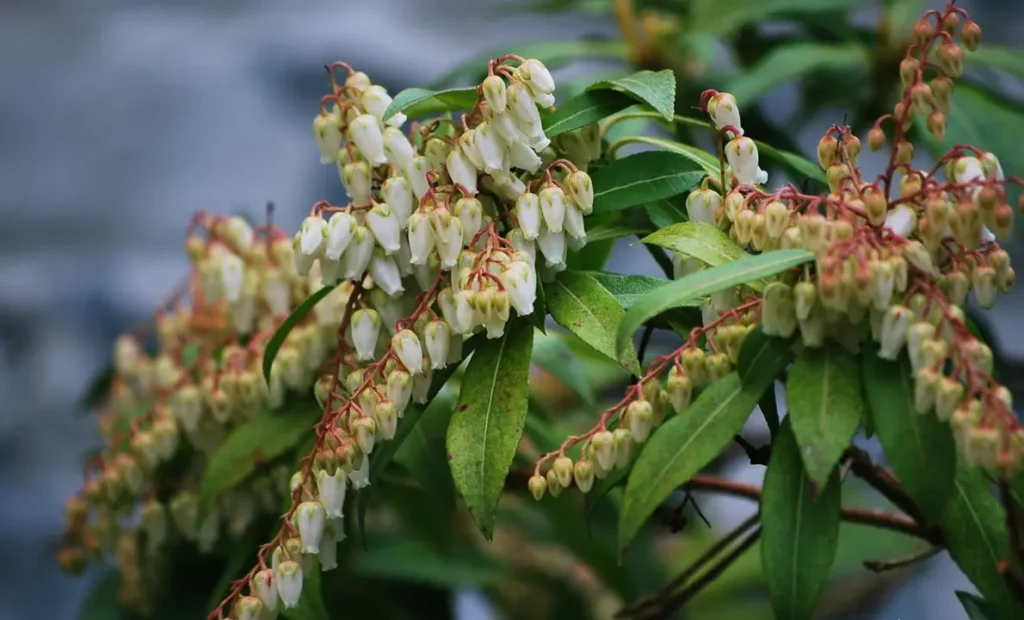
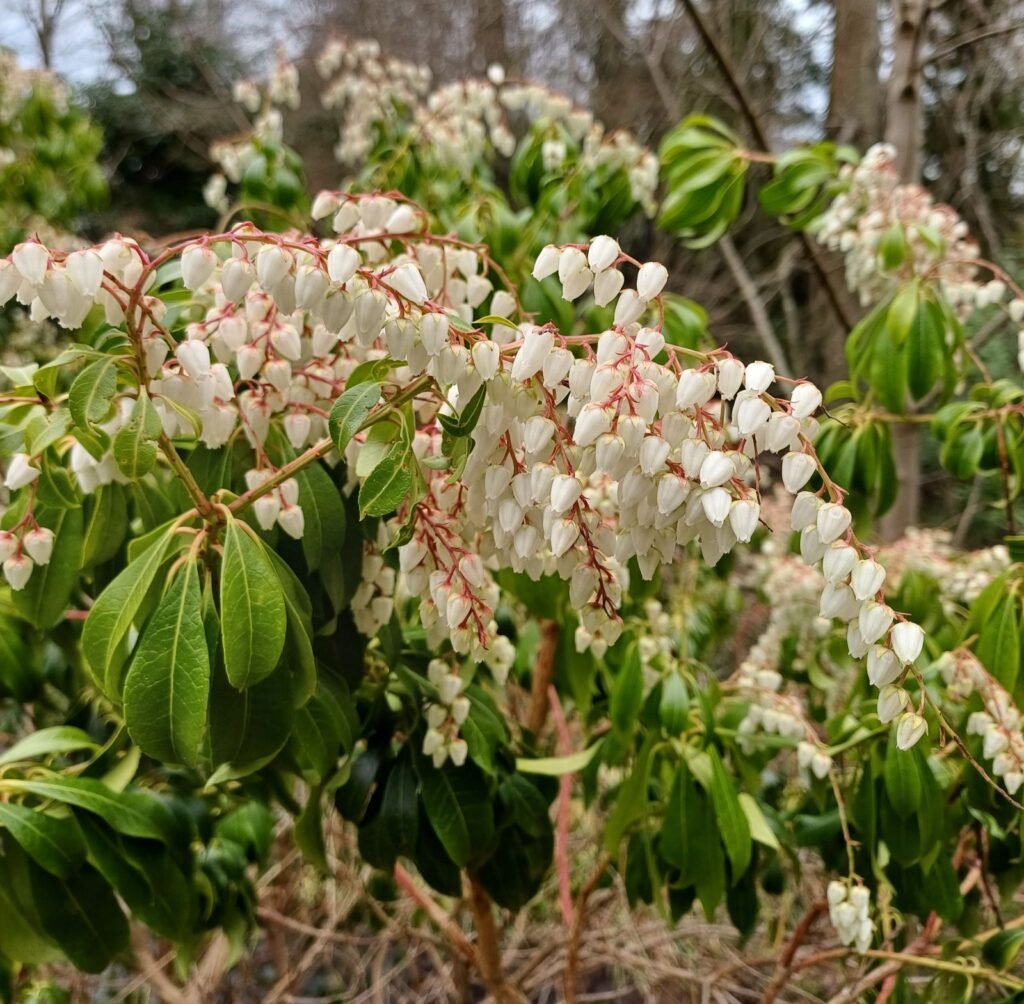
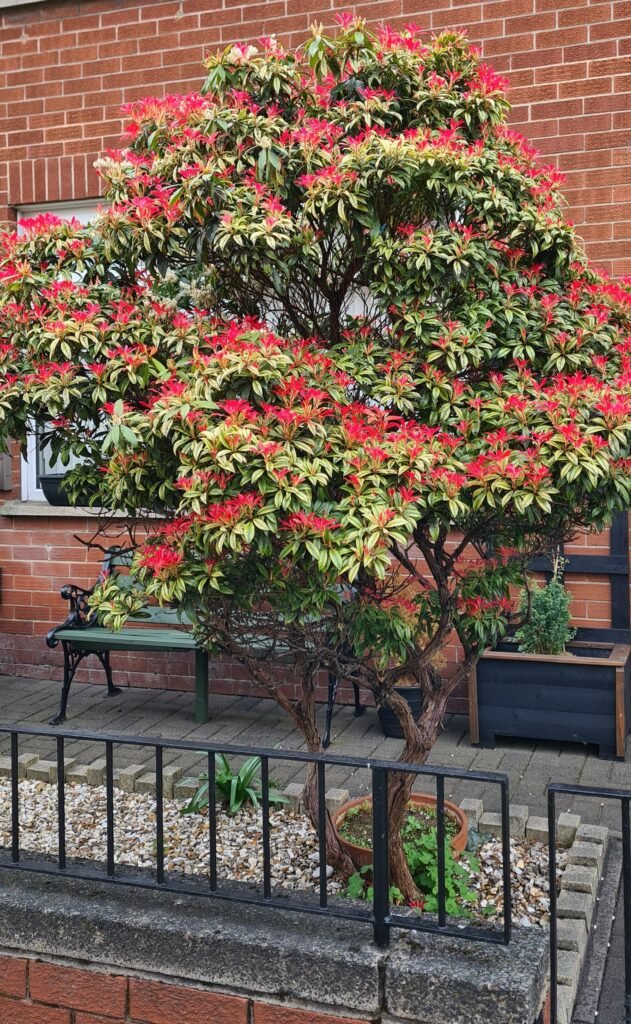
Japanese Andromeda is an evergreen flowering shrub in the heath family (Ericaceae), closely related to azaleas and rhododendrons. It produces drooping clusters of bell-shaped flowers in early spring, often white, pink, or red, followed by glossy green foliage that frequently emerges in vibrant shades of bronze, copper, or red.
Key characteristics:
- Evergreen shrub
- Slow to moderate growth rate
- Spring-blooming flowers
- Attractive foliage year-round
- Shade-loving and acid-soil tolerant
How to Grow Japanese Andromeda Successfully
Ideal Climate and Hardiness
Japanese Andromeda thrives in USDA hardiness zones 4–8, making it suitable for many temperate regions. It prefers cool summers and protection from harsh winter winds.
Light Requirements
- Partial shade is ideal
- Morning sun with afternoon shade works best
- Too much direct sun may scorch leaves
Soil Requirements
- Acidic soil (pH 4.5–6.0)
- Well-draining, rich in organic matter
- Similar soil conditions to blueberries and azaleas
Amending soil with pine bark, peat moss, or composted leaf mold improves performance.
Watering Needs
- Consistent moisture is essential
- Avoid waterlogged soil
- Mulching helps retain moisture and regulate soil temperature
Fertilization
- Use acid-loving plant fertilizers
- Apply in early spring after flowering
- Avoid over-fertilizing, which can cause root damage
Pruning and Maintenance
- Prune immediately after flowering
- Remove dead or damaged branches
- Minimal shaping required due to natural form
How to Propagate Japanese Andromeda
Propagation by Cuttings (Most Reliable Method)
- Take semi-hardwood cuttings in late summer
- Remove lower leaves
- Dip in rooting hormone
- Plant in moist, acidic growing medium
- Maintain humidity until rooted
Rooting may take several weeks but produces plants identical to the parent.
Propagation by Seeds
- Collect seeds after flowering
- Requires cold stratification
- Germination is slow and variable
- Less common for home gardeners
Popular Varieties of Japanese Andromeda
‘Mountain Fire’
- Bright red new growth
- White spring flowers
- Compact and upright
‘Valley Valentine’
- Deep pink to red flowers
- Strong winter color
- Excellent focal shrub
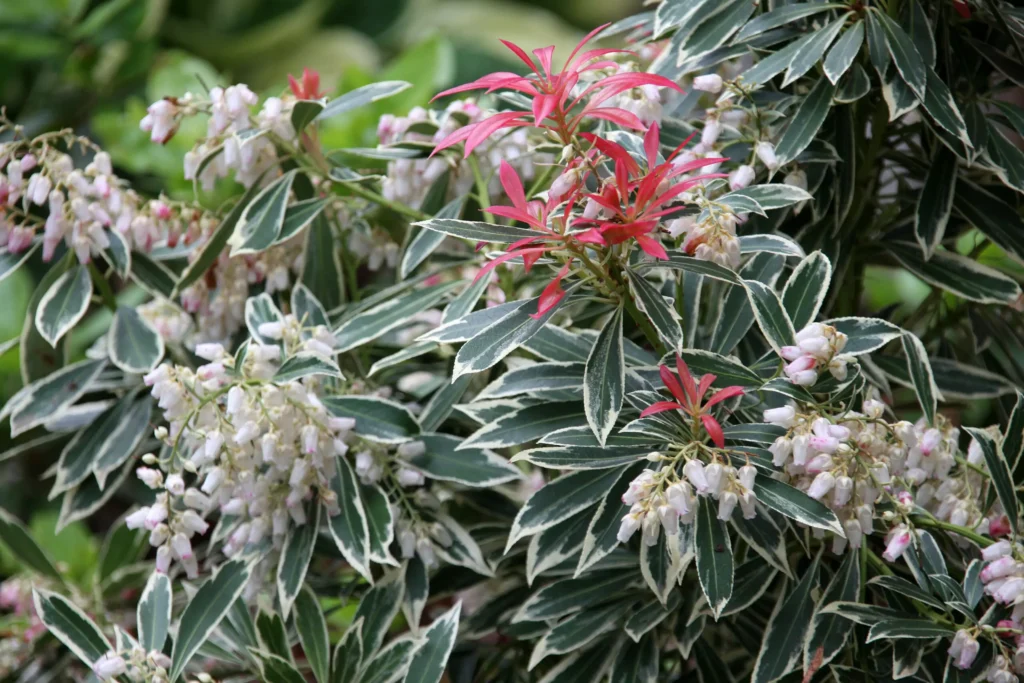
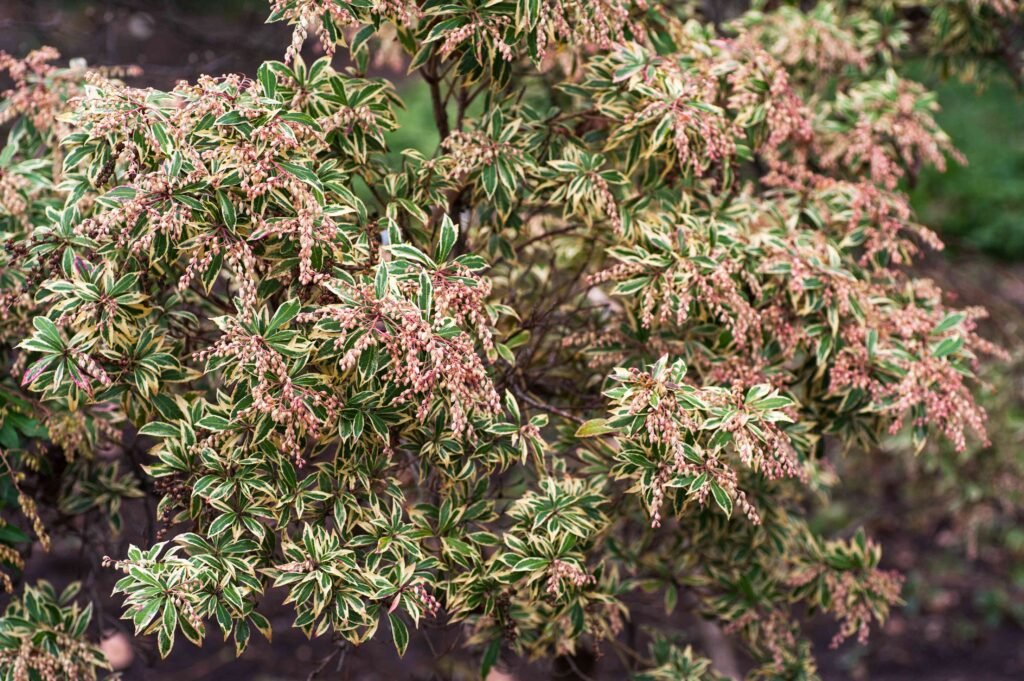
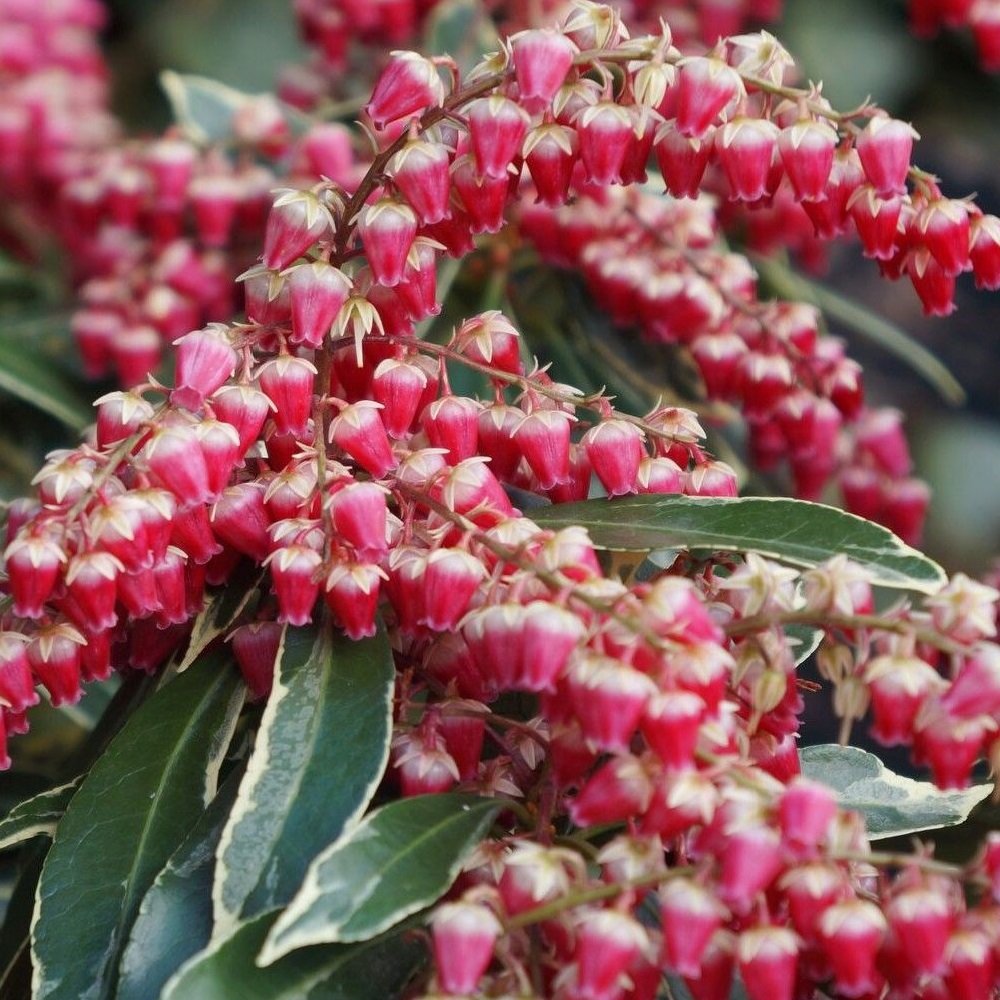
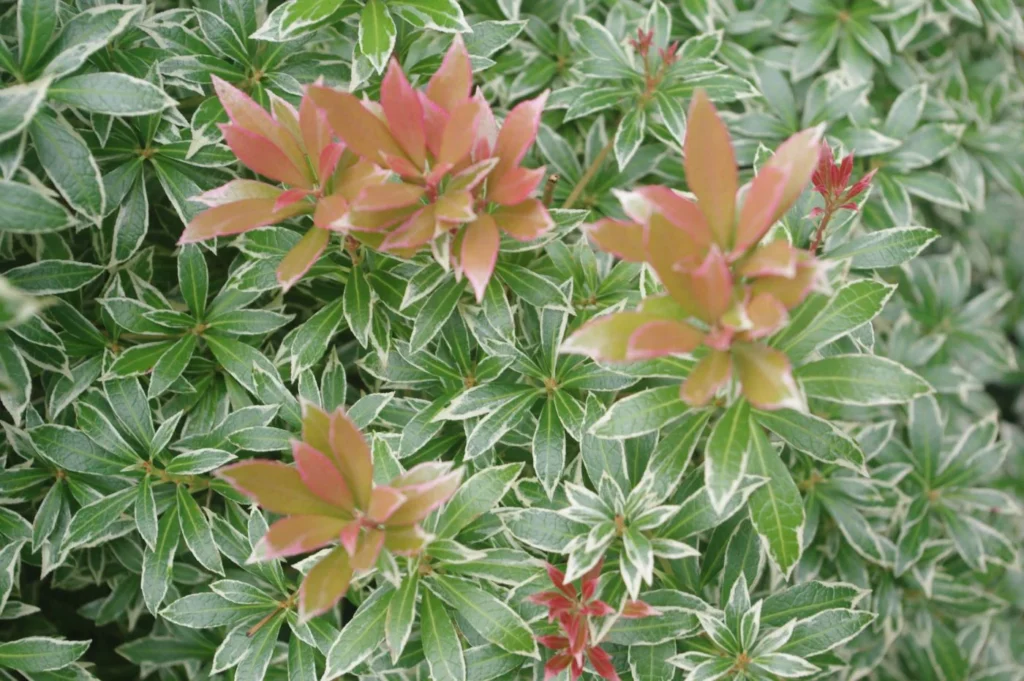
‘Flaming Silver’
- Variegated foliage
- Creamy white leaf margins
- High ornamental value
‘Cavatine’
- Dwarf variety
- Ideal for containers and small gardens
- Dense flower clusters
‘Katsura’
- Copper-red new leaves
- Broad, spreading habit
- Great for woodland gardens
Uses of Japanese Andromeda in Landscaping
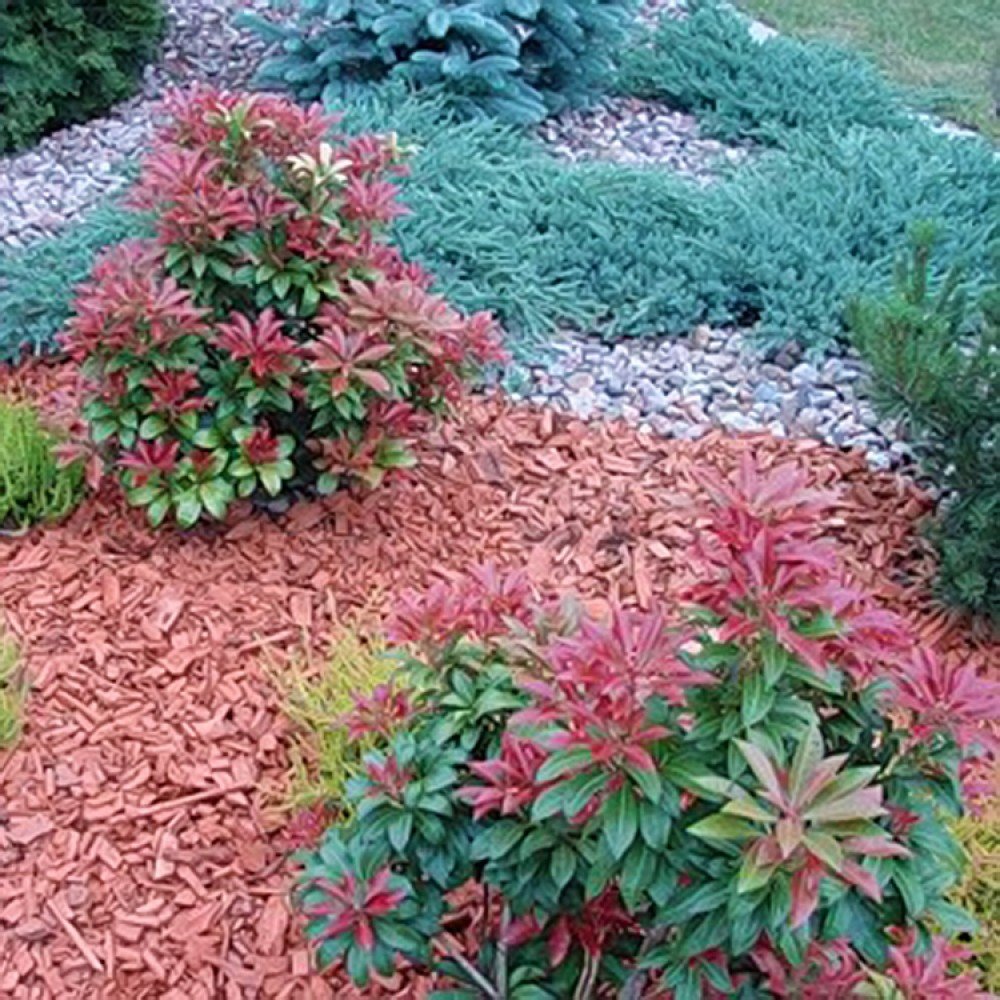
Ornamental Landscaping
- Foundation plantings
- Woodland gardens
- Mixed shrub borders
- Evergreen hedging (informal)
Container Gardening
- Dwarf varieties perform well in large pots
- Excellent for patios and shaded balconies
Wildlife Value
- Early spring flowers attract pollinators
- Dense foliage offers shelter for birds
Food Options and Toxicity Considerations
Is Japanese Andromeda Edible?
No. Japanese Andromeda is not edible.
All parts of Pieris japonica contain grayanotoxins, which are toxic to humans and animals if ingested. This includes leaves, flowers, nectar, and stems.
Important Safety Notes
- Do not use in edible landscapes
- Keep away from livestock and pets
- Avoid planting near vegetable gardens if pets roam freely
Alternative Food-Friendly Plants
If you want ornamental shrubs with edible benefits, consider:
- Blueberries
- Currants
- Elderberries
- Camellia sinensis (tea plant)
These thrive in similar acidic soil conditions.
Harvesting Japanese Andromeda: What You Should Know
While Japanese Andromeda is not harvested for food, selective harvesting is still useful for maintenance and decorative purposes.
What Can Be Harvested?
- Spent flower clusters (deadheading)
- Branches for floral arrangements
- Cuttings for propagation
When to Harvest
- After flowering in late spring
- Early morning for cuttings
- Avoid heavy pruning in fall
How to Harvest Safely
- Use clean, sharp pruning tools
- Wear gloves to avoid skin irritation
- Dispose of clippings responsibly
Common Problems and Solutions
Leaf Yellowing
- Often caused by alkaline soil
- Correct with soil acidifiers
Root Rot
- Result of poor drainage
- Improve soil structure and avoid overwatering
Lace Bugs
- Cause stippling on leaves
- Treat with horticultural oils or neem-based solutions
Final Thoughts: Is Japanese Andromeda Right for Your Garden?
Japanese Andromeda (Pieris japonica) is an exceptional evergreen shrub for gardeners seeking four-season beauty, elegant spring flowers, and minimal maintenance. While it is not suitable for food production, its ornamental value, shade tolerance, and compatibility with acid-loving landscapes make it a standout choice.
With proper soil, moisture, and light, this plant can thrive for decades—adding structure, color, and refinement to gardens large and small.


&media=https://food-foresting.com/wp-content/uploads/2026/01/Bereinutis.jpg)