
 paulius.mikoliunas1
| Common Name | Camellia |
| Family | Theaceae |
| USDA hardiness | 7-9 |
| Known Hazards | None known |
| Habitats | Luxuriant woods and thickets at elevations of 500 – 1800 metres. |
| Range | E. Asia – Japan, Taiwan. |
| Edibility Rating |   (2 of 5) (2 of 5) |
| Other Uses |  (0 of 5) (0 of 5) |
| Weed Potential | No |
| Medicinal Rating |  (0 of 5) (0 of 5) |
| Care (info) |    |

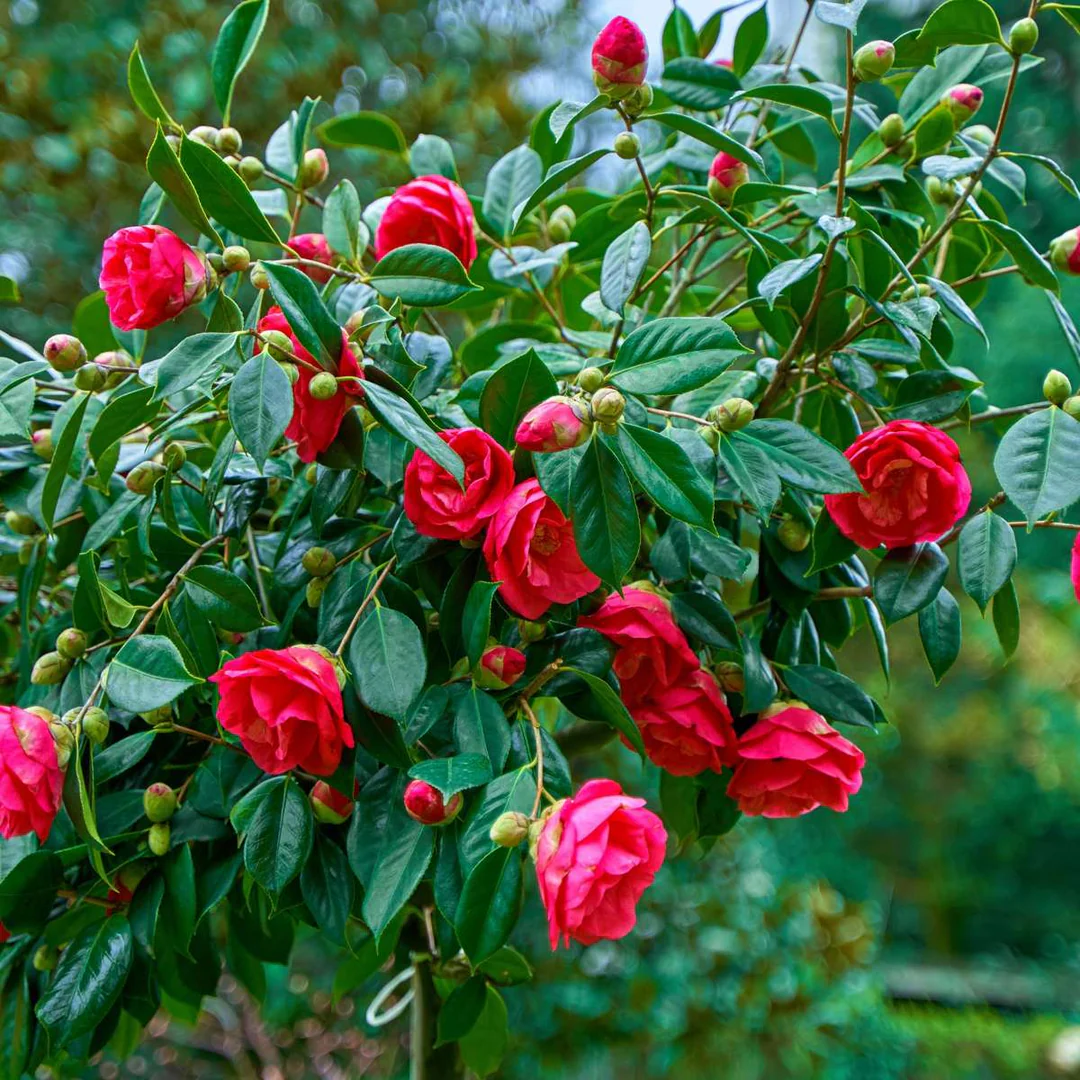
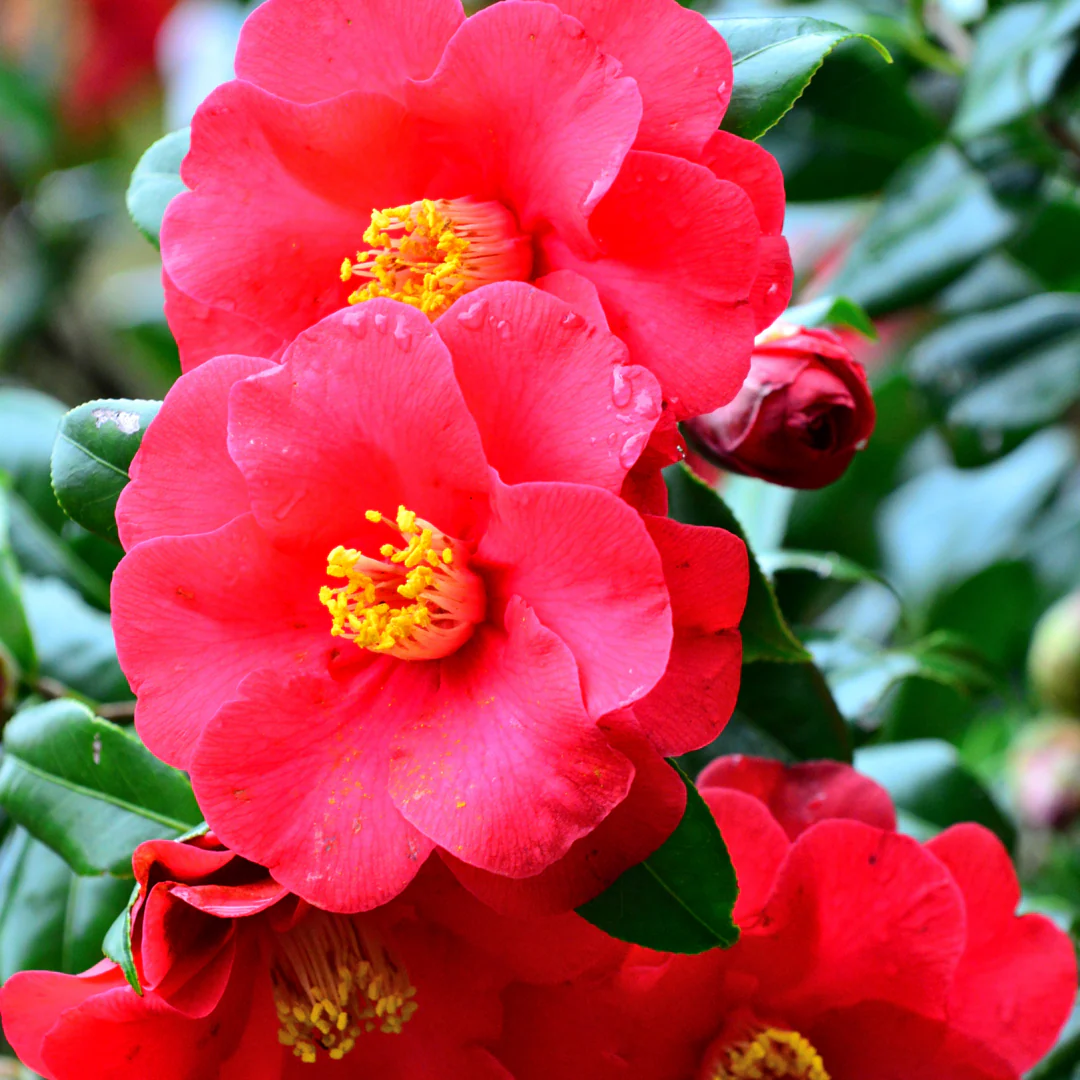


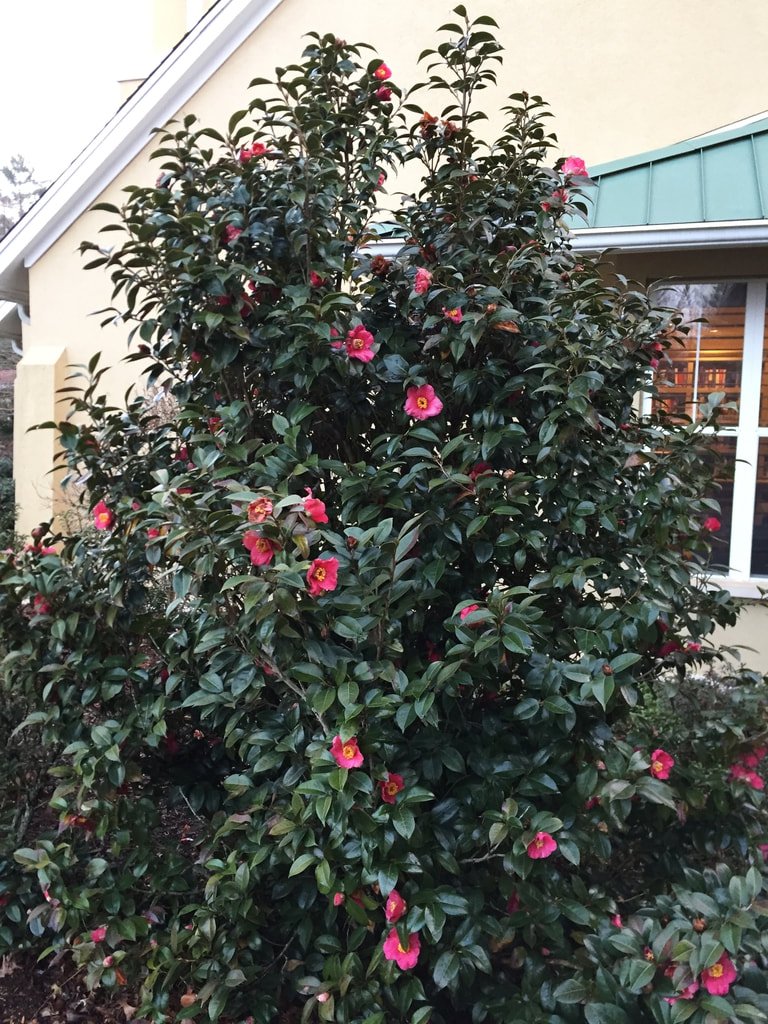
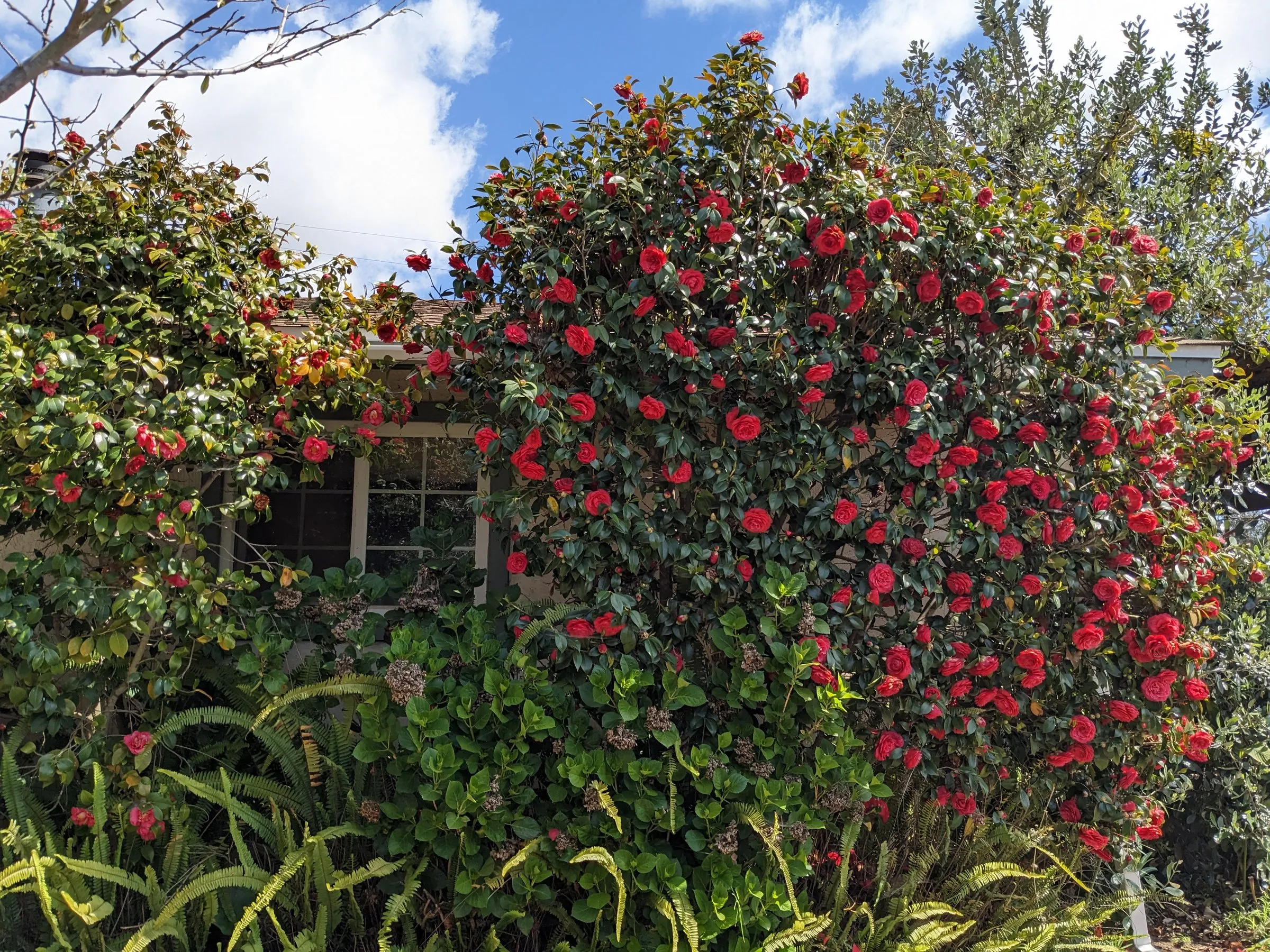


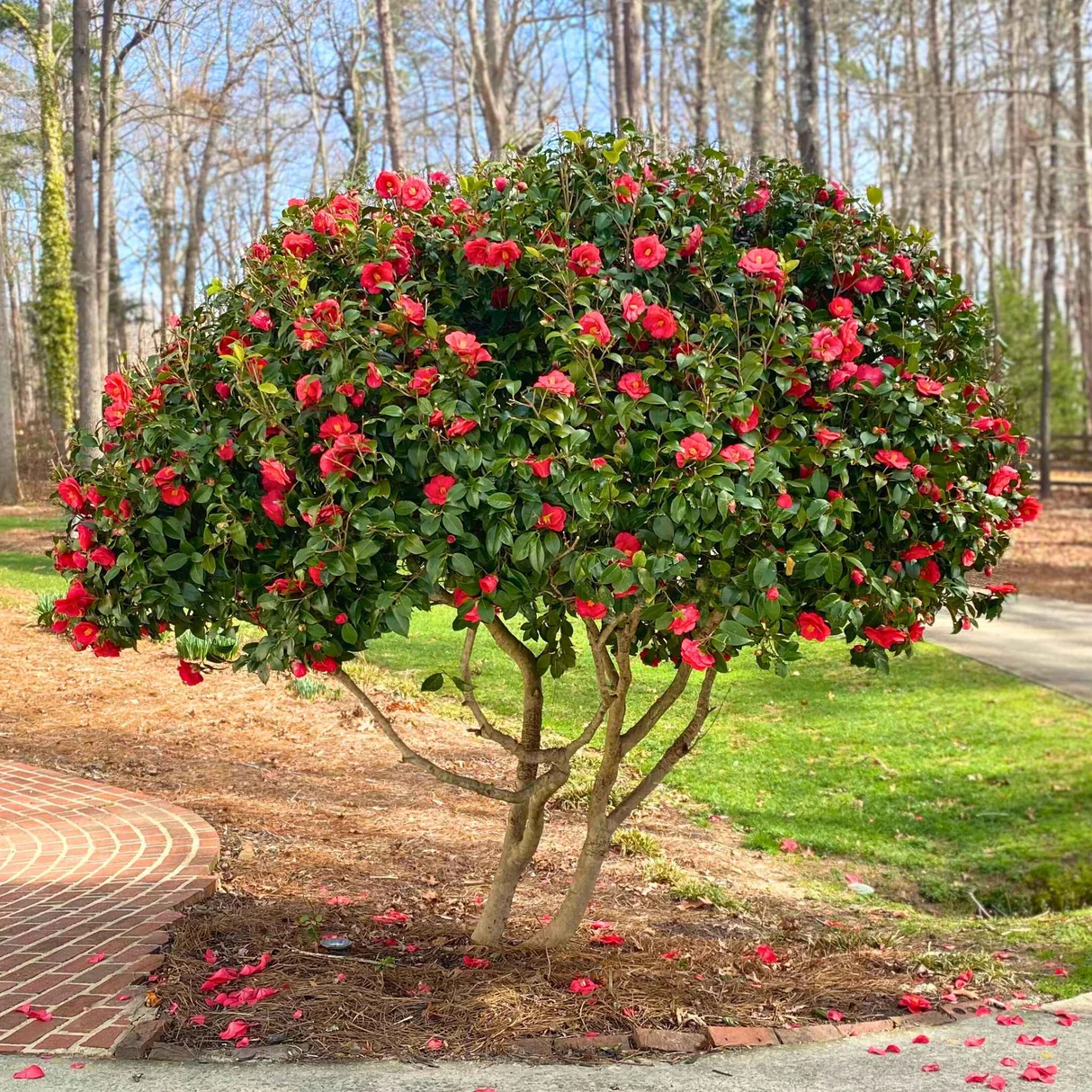
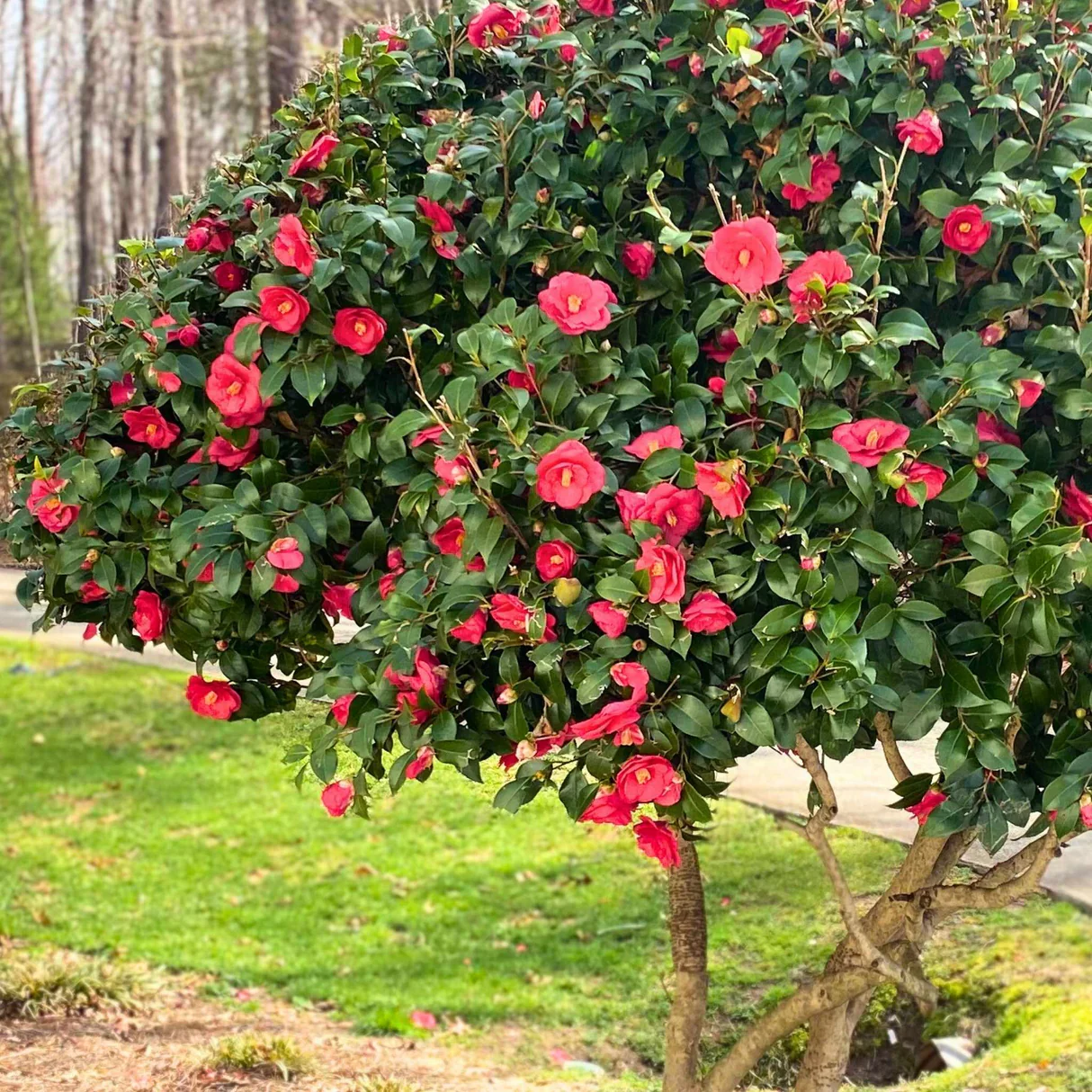
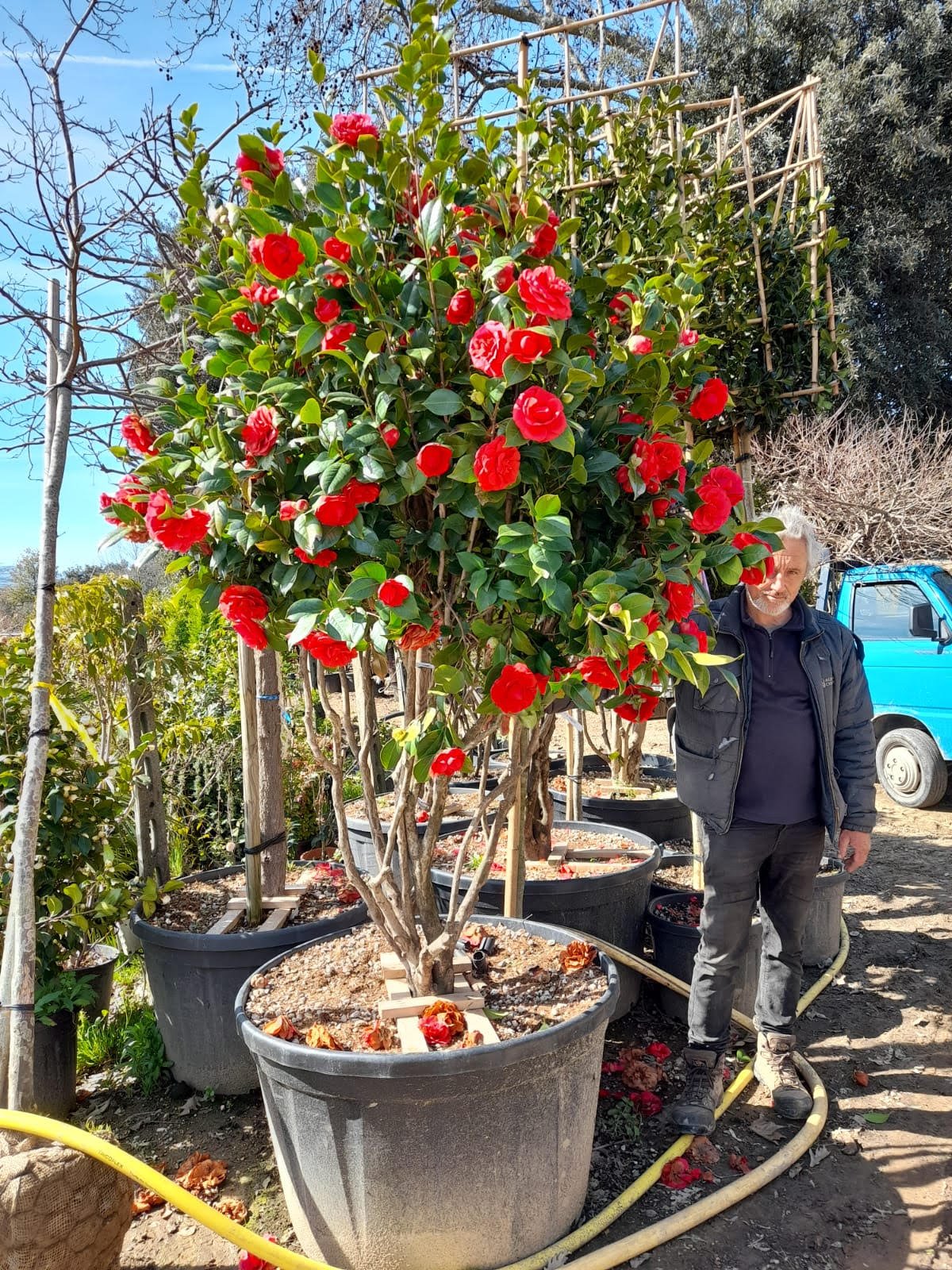
How to Grow, Propagate, Harvest, and Use Camellia: A Complete Guide
Camellias (Camellia spp.) are iconic evergreen shrubs treasured for their glossy foliage, elegant blooms, and surprisingly diverse uses. While often grown for ornamental beauty, some species (notably Camellia sinensis) offer culinary and medicinal benefits—including tea production. Whether you’re cultivating camellias for the garden, kitchen, or landscape, this guide uncovers everything you need to know about growth, propagation, varieties, harvesting, and usage.
What Makes Camellias Special?
Camellias combine aesthetic charm with resilience. Fragrant or non-fragrant species bloom in winter or early spring when most plants are dormant, providing crucial garden color. Some species even offer edible leaves or seeds used in oil production.
Gardeners love camellias because they are:
- Long-lived (often over 50+ years)
- Evergreen and attractive year-round
- Cold-tolerant depending on the cultivar
- Relatively low-maintenance once established
Ideal Growing Conditions for Camellia
Camellias thrive when their environment mimics woodland understory conditions.
Soil Requirements
- Slightly acidic (pH 5.5–6.5)
- Moist but well-draining
- Rich in organic matter
Avoid heavy clay or alkaline soils unless amended.
Light Exposure
- Partial shade to dappled light
- Morning sun and afternoon shade ideal
- Avoid intense afternoon sun in hot climates
Temperature & Climate
- Hardy in USDA Zones 7–10 (varies by species)
- Protect from drying winter winds
Camellias appreciate humidity and mild winters but adapt to many microclimates.
Planting Camellia Step-by-Step
- Choose a sheltered site with filtered light.
- Dig a wide, shallow hole (camellias prefer being slightly elevated).
- Backfill with compost and acidic organic matter (pine bark, peat, leaf mold).
- Water deeply and mulch with pine needles or bark.
- Keep roots cool and moist but never soggy.
Watering & Fertilization Tips
Water consistently during establishment—especially in summer. Mature plants tolerate brief drought but bloom better with regular moisture.
Feed with:
- Azalea/camellia-specific fertilizer
- Slow-release acidic formulas in spring
- Avoid late-summer fertilization to prevent frost-sensitive growth
Pruning Camellias
Minimal pruning is needed. Prune immediately after flowering to shape and remove deadwood. Avoid heavy pruning in fall—buds form early and may be lost.
Propagation Methods for Camellia
Camellias propagate well through several techniques:
1. Cuttings (Most Common)
- Semi-hardwood cuttings taken in mid-summer
- Rooting hormone increases success
- Requires humidity and bottom heat for faster rooting
2. Air Layering
Excellent for difficult cultivars or larger plant division.
3. Seeds
Seed-grown camellias offer genetic variation but slower maturity—best for breeders or enthusiasts.
4. Grafting
Used commercially for specialty cultivars and uniformity.
Popular Camellia Varieties & Species
There are over 250 camellia species and thousands of cultivars. Most fall into three horticultural categories:
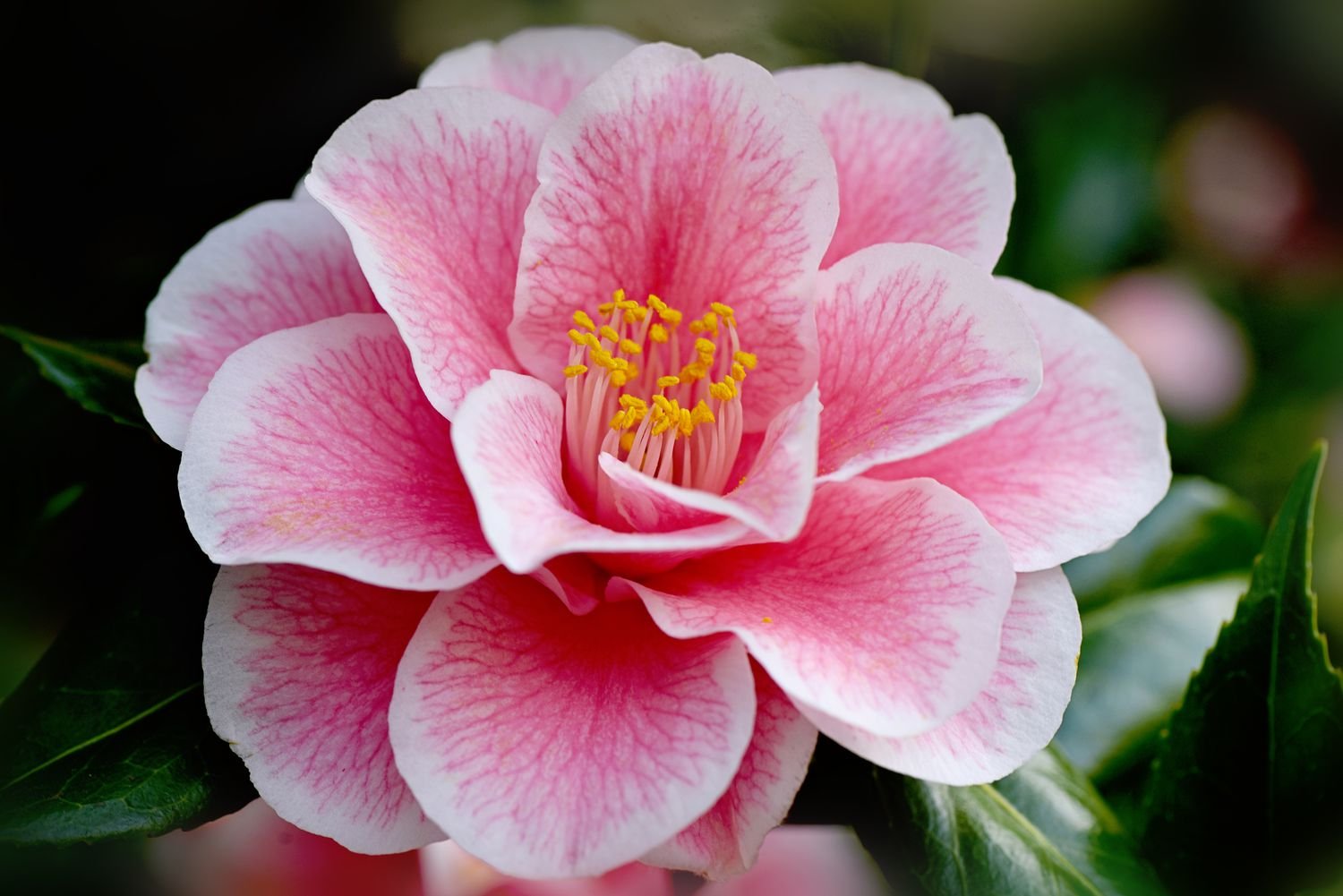
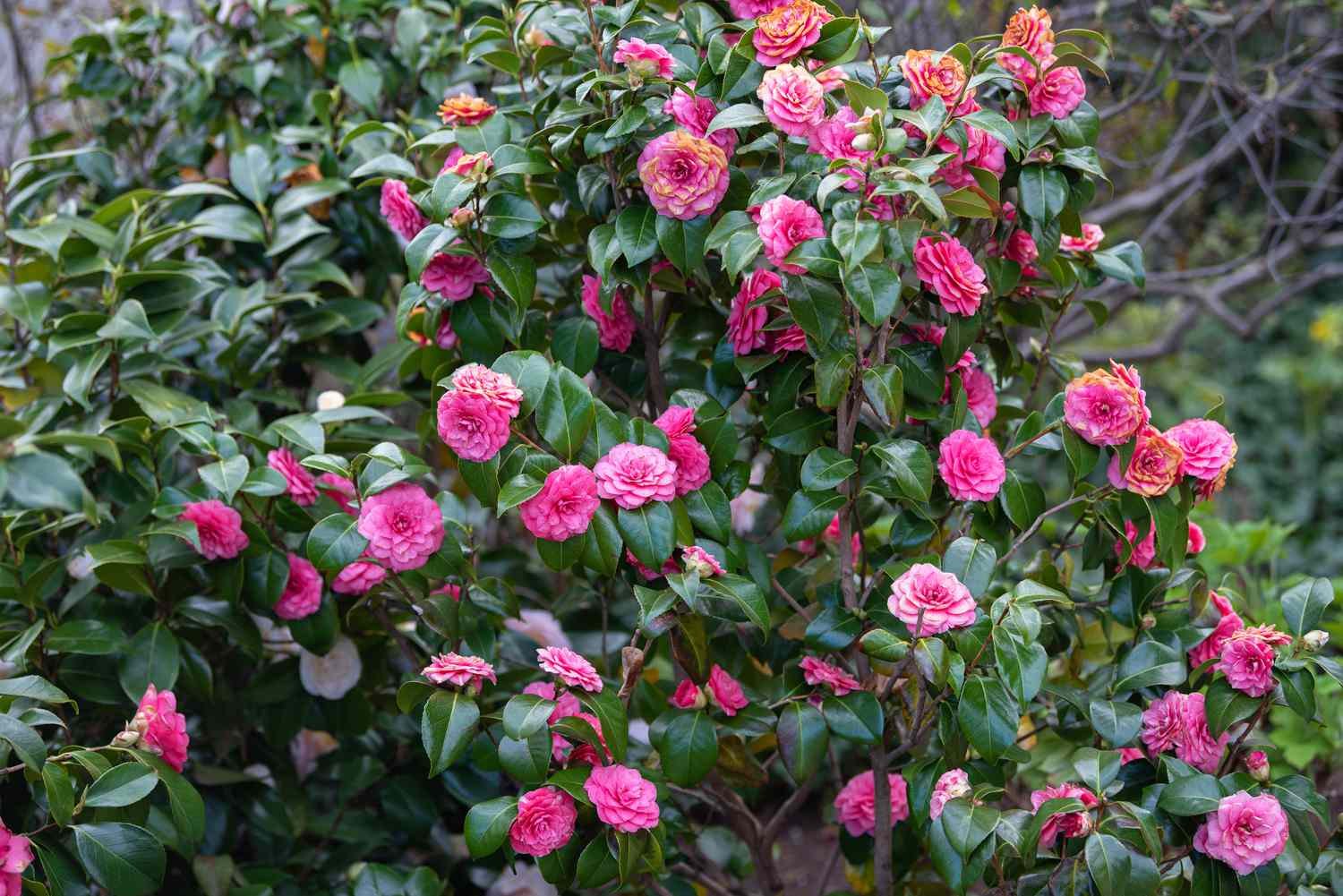
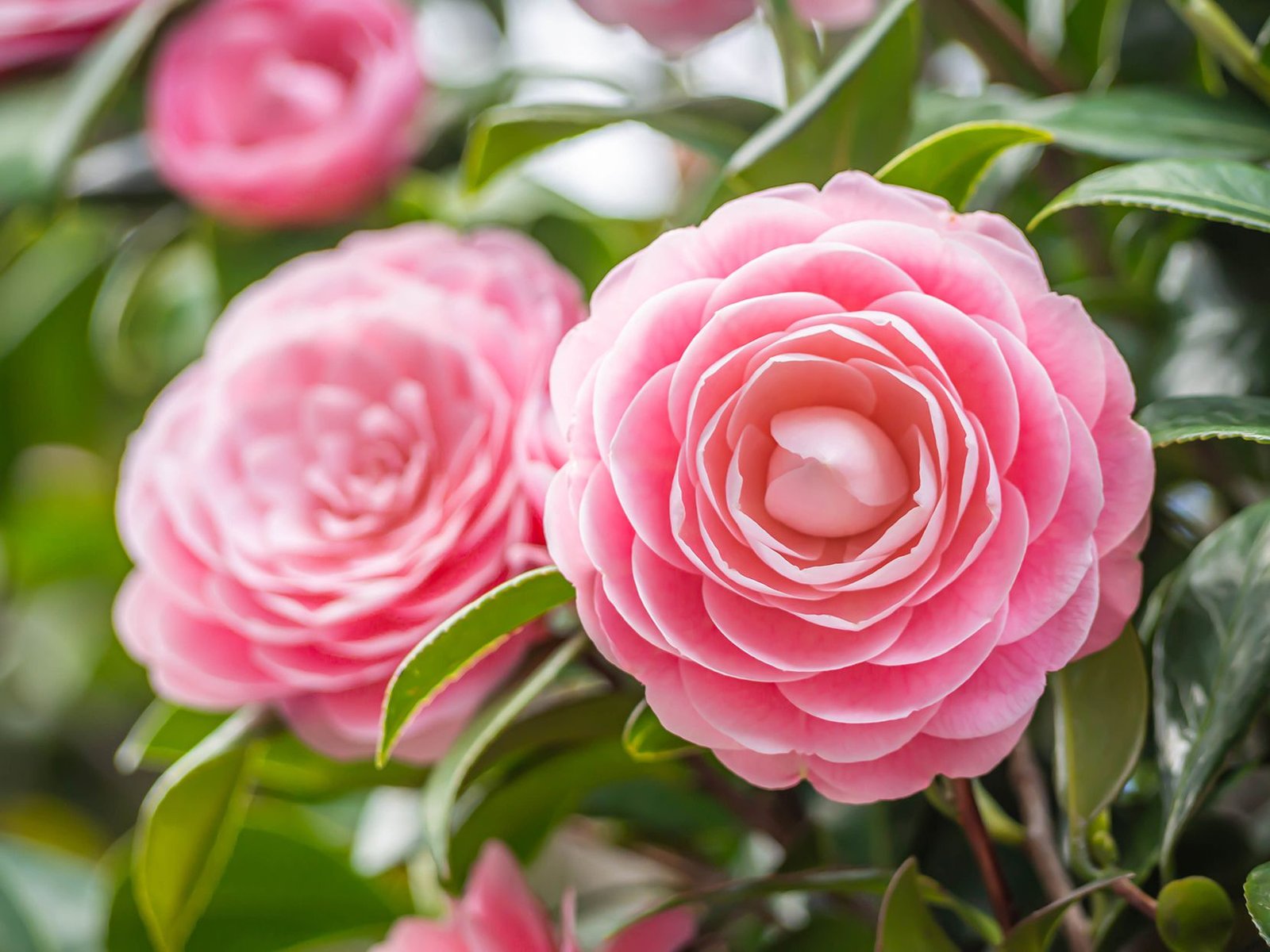
Camellia japonica
- Large iconic blooms
- Late winter to spring flowering
- Shade loving
Camellia sasanqua
- Smaller blooms, early flowering
- More sun-tolerant
- Excellent hedge or espalier plant
Camellia sinensis (Tea Camellia)
- Source of green, black, white, and oolong teas
- Edible leaves
- Robust and productive shrub
Additional notable types include:
- Camellia reticulata (huge flowers)
- Camellia oleifera (tea seed oil)
Uses for Camellia Beyond Ornamental Beauty
Camellias offer more uses than most gardeners realize.
1. Tea Production
Camellia sinensis is processed into:
- Green tea (steamed or pan-fired)
- White tea (minimally processed buds)
- Oolong tea (semi-oxidized)
- Black tea (fully oxidized)
Each tea type uses the same species—processing defines flavor and chemistry.
2. Oil from Seeds
Camellia oleifera and others produce a culinary and cosmetic oil rich in antioxidants.
Uses include:
- Stir frying
- Cold dressings
- Skincare and hair oils
- Soap and cosmetics
3. Landscaping & Garden Design
Camellias shine in:
- Woodland gardens
- Shade gardens
- Foundation plantings
- Espalier and hedging
Their winter blooms create habitat for pollinators during lean months.
Camellia as Food: Edible and Culinary Options
While camellias are primarily ornamental, certain species contribute to food culture.
Edible Leaves
Young tender leaves of C. sinensis are the basis of teas.
Edible Oil
Tea seed oil is prized for neutral flavor and high smoke point.
Flower Petals
Generally not toxic but rarely eaten—sometimes used in fermented teas or decorative cuisine.
How to Harvest Camellia Leaves & Seeds
Leaf Harvesting for Tea
- Pick young leaves (one bud + two leaves)
- Harvest in flushes (spring to late summer)
- Process depending on tea type
Seed Harvesting for Oil
- Collect capsules when brown and splitting
- Dry and extract seeds
- Cold-press or mill for oil
Common Problems & How to Solve Them
Camellias are tough but may encounter:
- Yellowing leaves (iron deficiency or pH imbalance)
- Bud drop (frost or inconsistent watering)
- Scale insects (treat with horticultural oils)
- Root rot (poor drainage)
Mulch and soil management prevent most issues.
Camellia Care Throughout the Year
| Season | Task |
|---|---|
| Winter | Flowering, minimal pruning |
| Spring | Fertilize, light shaping |
| Summer | Propagate from cuttings, water deeply |
| Fall | Bud formation, protect from heat stress |
Final Thoughts: Why Camellias Belong in Every Garden
Camellias are elegant, versatile, and rewarding. Whether you plant them for winter color, tea leaves, or aromatic oils, these shrubs deliver value for decades. Their evergreen nature, diverse varieties, and unexpected culinary and cultural roles make them a treasure for both novice and expert growers.
If you’re seeking a plant that blends beauty with utility, camellias are an outstanding choice.


&media=https://food-foresting.com/wp-content/uploads/2026/01/pink-camellias-5702caae6a6e4e1d8dc86bcd8e949be2.jpg)