
 paulius.mikoliunas1
| Common Name | Star Magnolia |
| Family | Magnoliaceae |
| USDA hardiness | 4-8 |
| Known Hazards | None known |
| Habitats | Woods in mountains. Found only in the mountains to the north-east of Nagoya. |
| Range | E. Asia – Japan. |
| Edibility Rating |   (1 of 5) (1 of 5) |
| Other Uses |  (0 of 5) (0 of 5) |
| Weed Potential | No |
| Medicinal Rating |  (0 of 5) (0 of 5) |
| Care (info) |     |


🌸 Star Magnolia (Magnolia stellata): How to Grow, Propagate, Use & Enjoy This Early-Blooming Gem
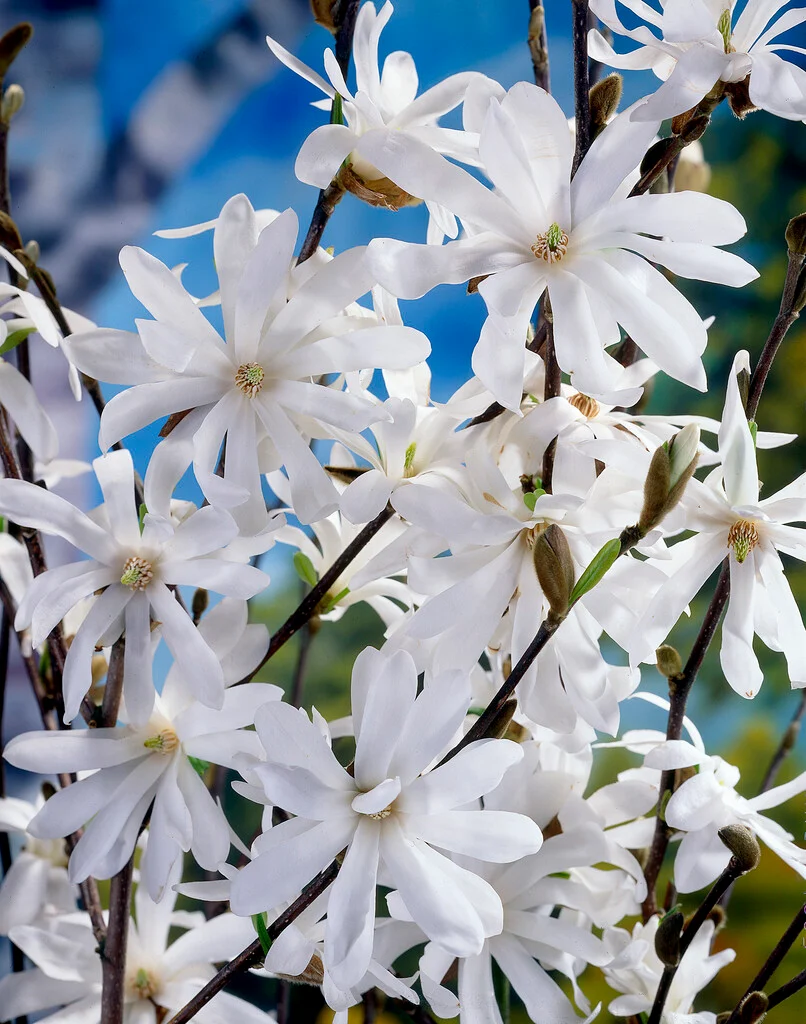
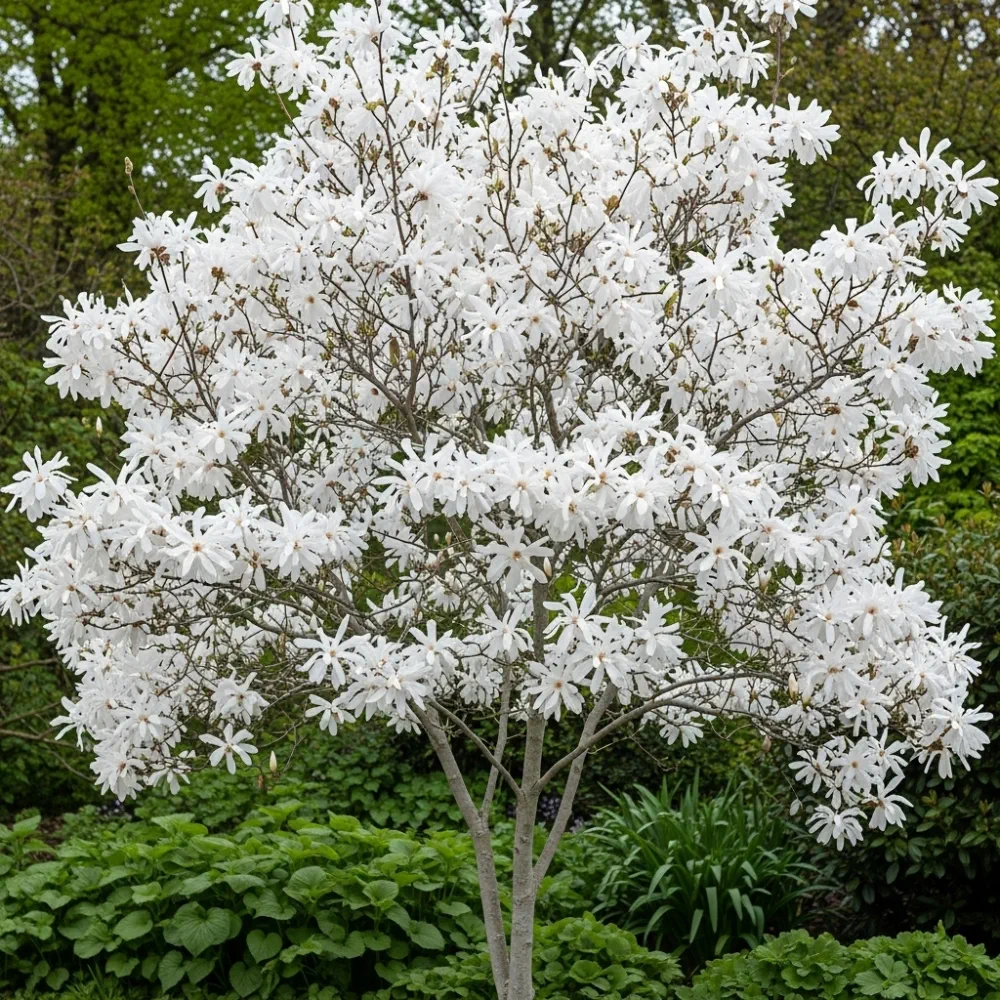
The Star Magnolia (Magnolia stellata) is one of spring’s earliest and most enchanting bloomers. Renowned for its crisp, star-shaped white or pink blossoms, this compact magnolia species brings instant architectural and ornamental value to gardens. Beyond aesthetics, it also offers surprising culinary and herbal uses, making it a versatile plant for gardeners and plant enthusiasts.
This guide explores everything you need to know about growing, caring for, propagating, harvesting, and using Star Magnolia, including food-related options and cultivar choices.
🌿 Botanical Overview
- Common name: Star Magnolia
- Scientific name: Magnolia stellata
- Plant type: Deciduous shrub or small tree
- Hardiness: USDA Zones 4–9
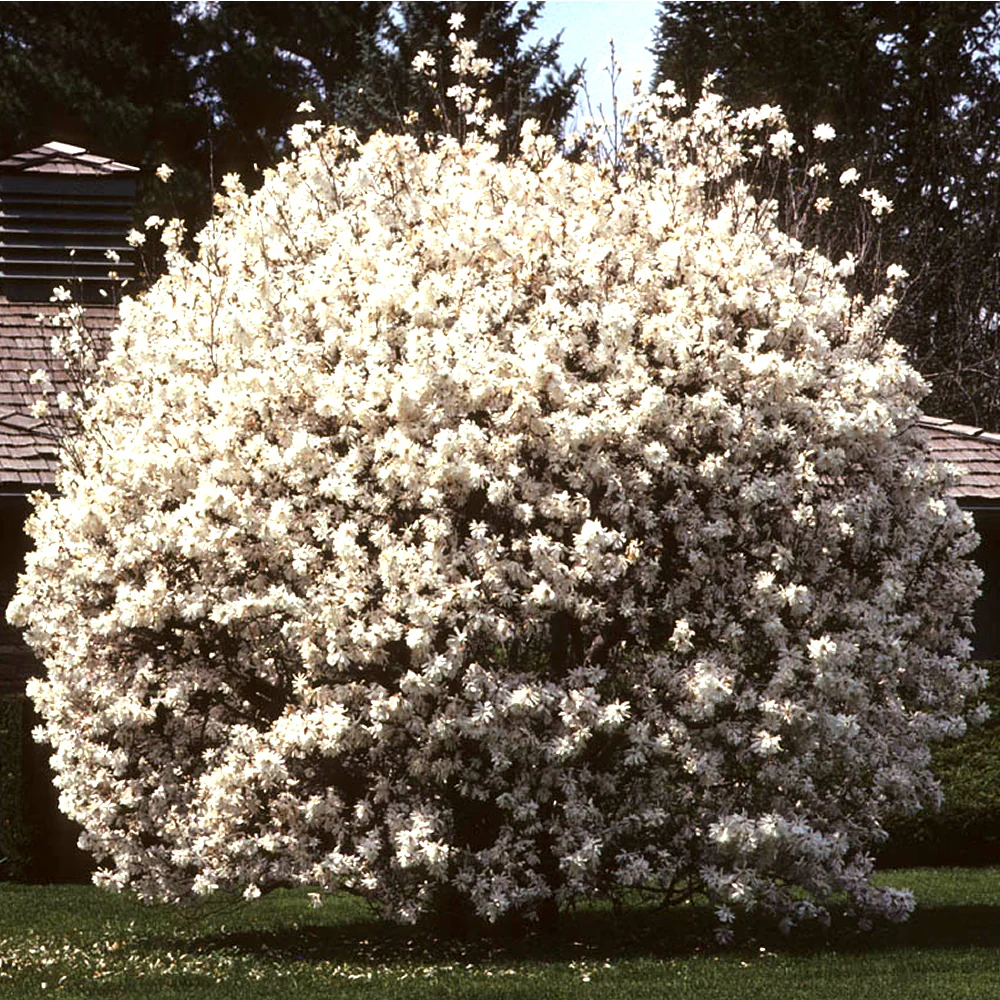
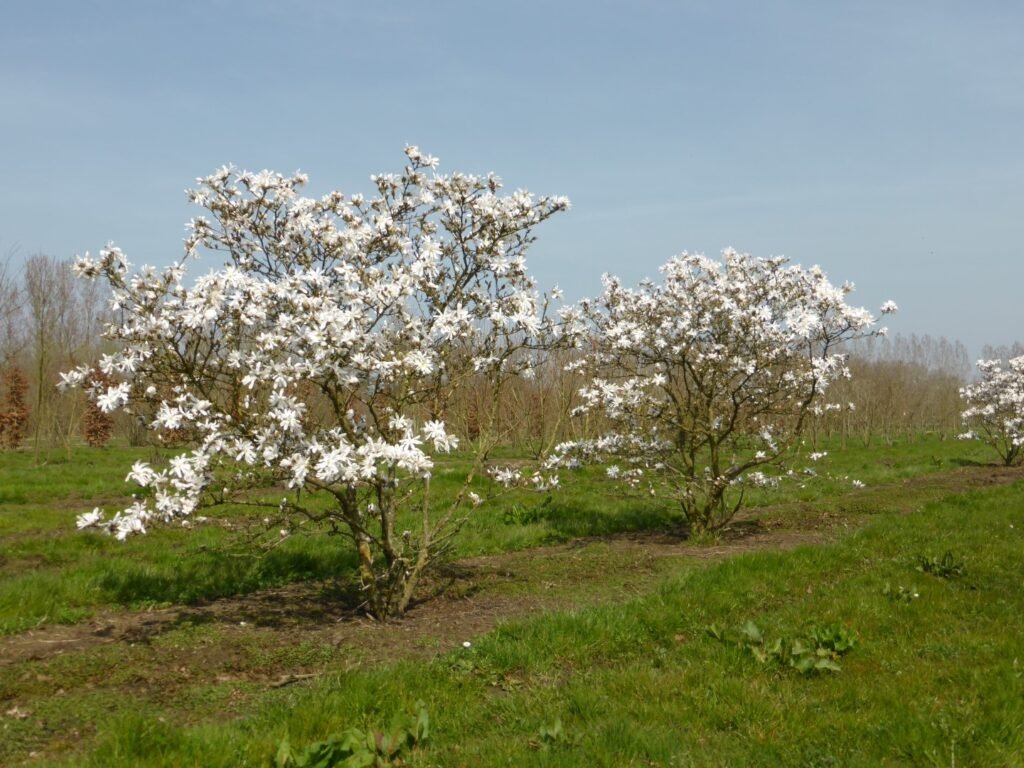
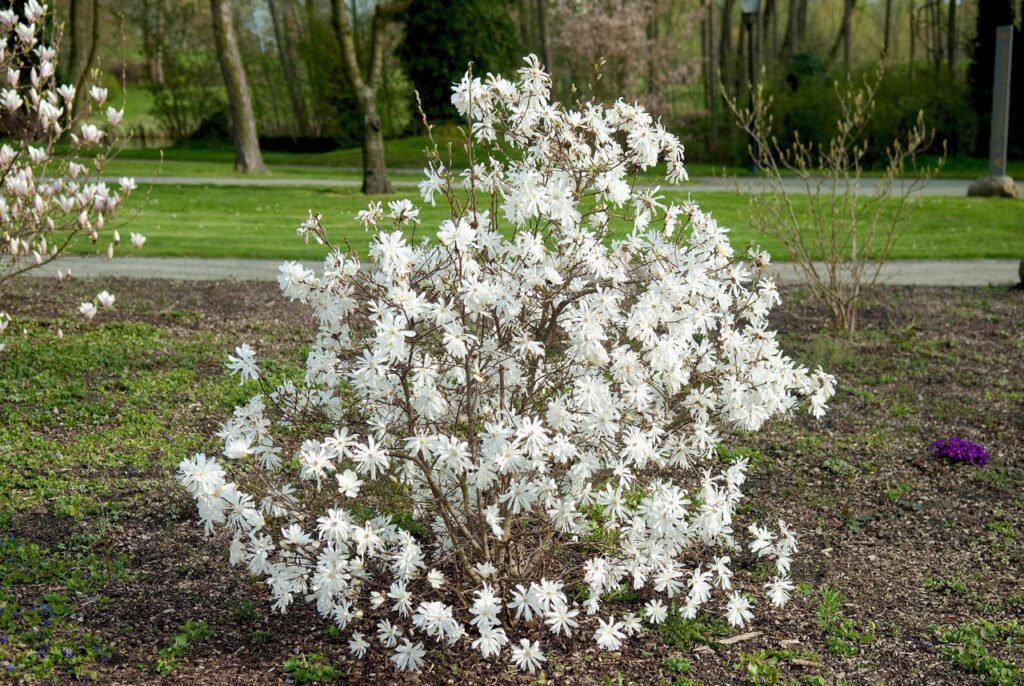
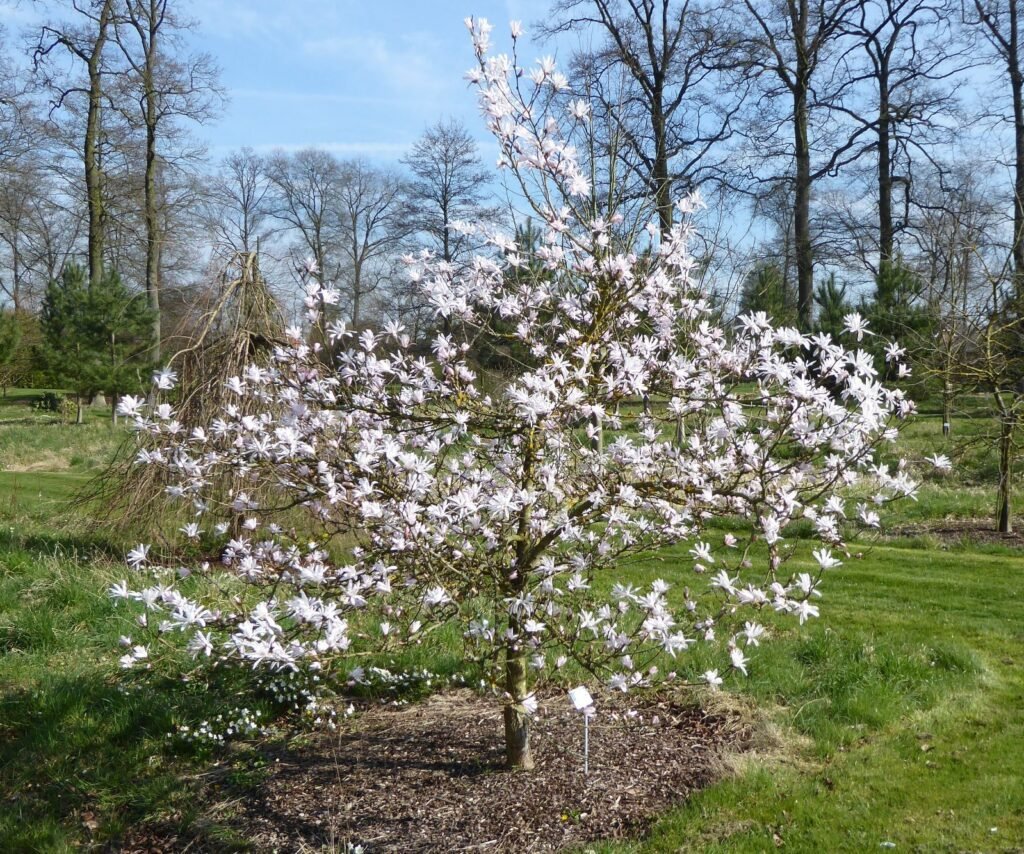
- Height/Spread: 8–20 ft tall, 10–15 ft spread (depending on cultivar)
- Bloom period: Late winter to early spring
Unlike many magnolias, the star magnolia thrives even in colder climates and tolerates compact landscapes, making it ideal for urban gardens and smaller yards.
🌱 How to Grow Star Magnolia
1. Site & Soil Requirements
Star magnolias prefer:
- Full sun to partial shade
- Moist, humus-rich, well-draining soils
- Slightly acidic pH (5.0–6.5)
Avoid heavy clay or waterlogged soils, as they increase susceptibility to root rot.
2. Planting
Best planting times:
- Fall for warm climates
- Spring for colder climates
Dig a hole twice the width of the root ball and water deeply after planting. Mulching is essential to retain moisture and regulate temperature.
3. Watering & Fertilizing
- Water consistently during the first two years
- Once established, magnolias become moderately drought tolerant
- Fertilize in early spring with an acidic plant fertilizer or slow-release balanced feed
4. Pruning
Minimal pruning is required. Prune only to:
- Remove dead wood
- Shape lightly
- Improve airflow
Prune after flowering to avoid cutting off next year’s buds.
🌸 Blossoms: Early Spring Brilliance
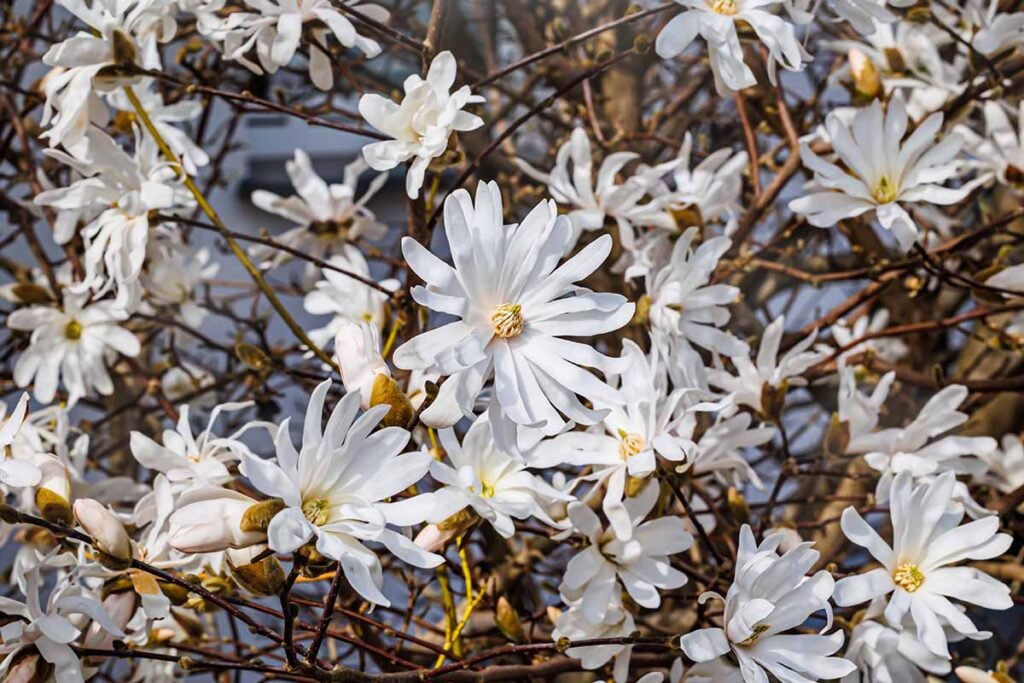
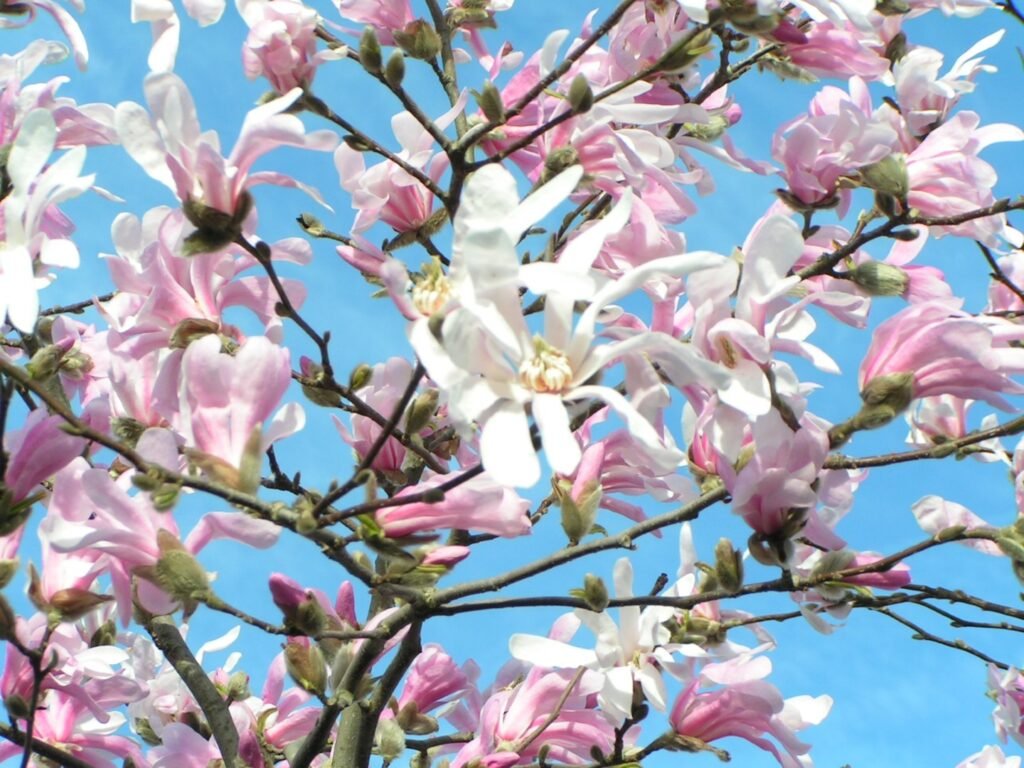
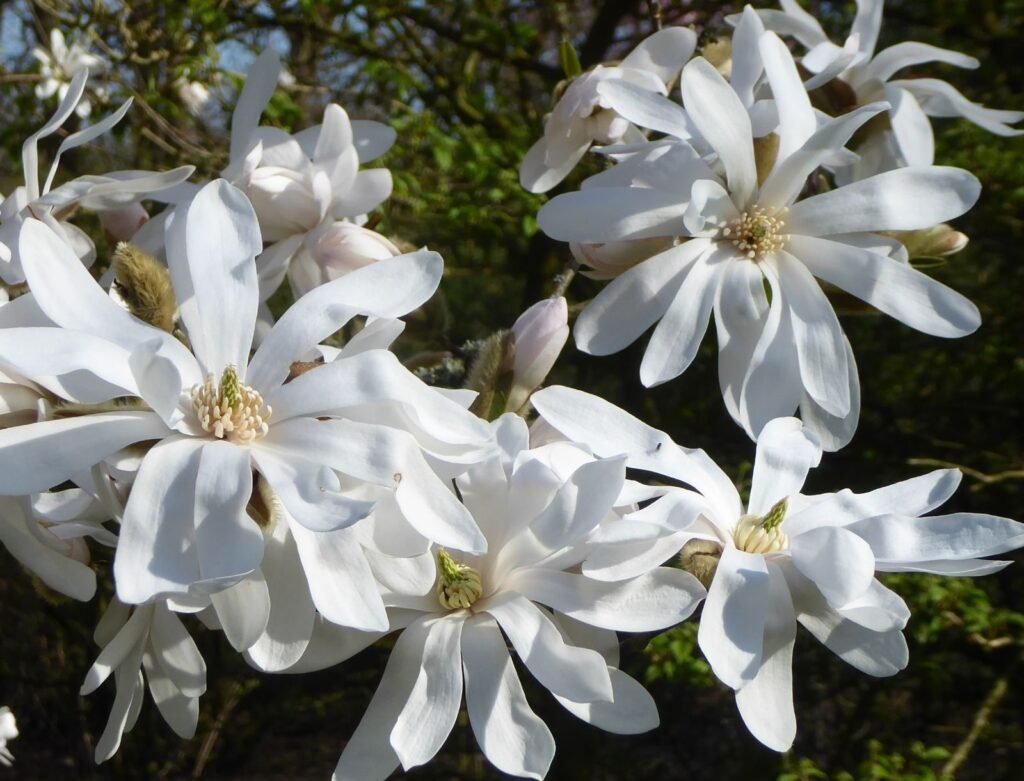
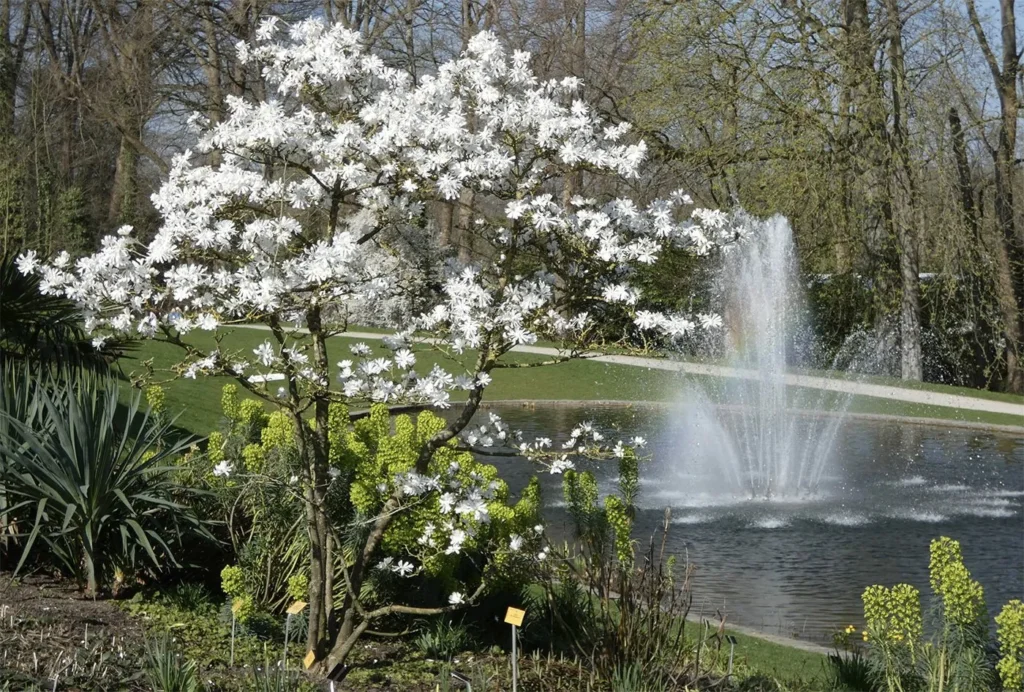
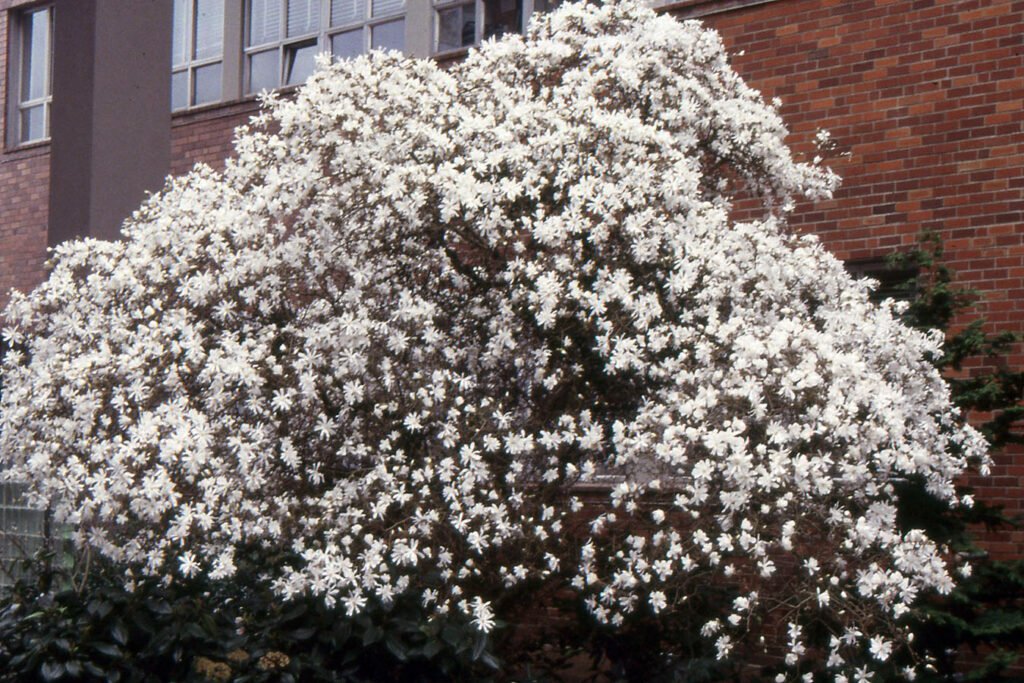
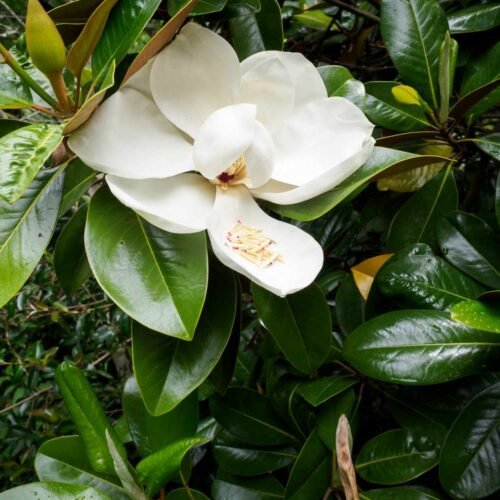
Star magnolia’s flowers can appear before leaves unfurl, often heralding spring while snow still lingers in colder zones. Their delicate, fragrant petals range from pure white to soft blush and even deeper pink in select cultivars.
An unexpected benefit? The flowers feed early pollinators—particularly bees—at a critical time of year.
🌱 Propagation Methods
Star magnolia can be propagated using:
1. Softwood Cuttings
- Best taken late spring to early summer
- Rooting hormone increases success rate
- Faster than seed propagation
2. Layering
Air or ground layering works well due to flexible stems. This is ideal for collectors seeking clone-true specimens.
3. Seeds
Seed propagation is slow and may not stay true to cultivar, but it’s rewarding for enthusiasts. Seeds require cold stratification for proper germination.
🌸 Popular Star Magnolia Varieties
Several cultivars offer diverse blooms and sizes:
‘Royal Star’
- Larger flowers
- Robust growth habit
- Pure white petals
‘Waterlily’
- Slightly pink tint
- Long, narrow petals
‘Centennial’
- Compact and bushy
- Great for small gardens
‘Jane Platt’
- Deep pink blooms
- Highly fragrant
Gardeners in smaller spaces often choose Royal Star or Centennial for structure without overcrowding.
🥗 Culinary & Herbal Uses
Few realize that magnolia blossoms, including Magnolia stellata, have culinary value. While not as commonly eaten as Magnolia denudata or Magnolia obovata in East Asian cuisine, the edible petals offer:
✔ Mild ginger-like, floral flavor
✔ Pleasant fragrance
✔ Tender texture when young
Edible Options Include:
- Pickled petals (traditional in Japan with other magnolia species)
- Decorative culinary garnishes
- Flower petal teas and infusions
- Fermented flower condiments
- Magnolia-petal syrups for cocktails and desserts
Important Note: Always harvest flowers that are pesticide-free and consume in moderation when experimenting with ornamental edibles.
🌿 Non-Culinary Uses
Star magnolia has several practical uses beyond the plate:
- Fragrance for perfume crafting
- Mood-boosting ornamental for spring landscapes
- Pollinator support
- Cut flowers for minimalist spring arrangements
- Herbal floral infusions for relaxation
While magnolia bark is used in traditional herbal medicine, culinary bark use is not typical for M. stellata.
🍂 Harvesting Flowers & Pods
Harvest Timing:
- Flowers: Harvest just before full bloom for best flavor and fragrance
- Seed pods: Autumn, when follicles split open
Harvest Tips:
- Use clean shears
- Select fresh, unblemished blooms
- Leave enough blossoms for pollinators and tree health
Seeds can be saved for propagation or dried for ornamental crafts.
🧩 Pests & Common Issues
Star magnolias are fairly resistant, but issues may include:
- Scale insects
- Aphids
- Frost-damaged buds
- Leaf scorch during extreme drought
Mulching and proper siting prevent most problems.
🏡 Landscape Design Uses
Great for:
- Front yard focal points
- Cottage gardens
- Urban courtyards
- Asian-inspired gardens
- Pollinator-friendly plantings
Pair beautifully with:
- Hellebores
- Snowdrops
- Witch hazel
- Japanese maple
These combinations extend visual interest from late winter through autumn.
🌳 Why Grow Star Magnolia? (Benefits Summary)
✔ Early spring bloom
✔ Compact growth habit
✔ Fragrant flowers
✔ Edible & craft uses
✔ Cold-hardy
✔ Pollinator-friendly
✔ Low maintenance
The star magnolia is a small tree that punches above its weight class in beauty and versatility.
⭐ Final Thoughts
Whether you’re a home gardener, culinary experimenter, or small-space landscaper, Star Magnolia (Magnolia stellata) offers both ornamental rewards and unique edible possibilities. With minimal care and thoughtful harvesting, it becomes a beloved fixture that returns each spring with star-like brilliance.


&media=https://food-foresting.com/wp-content/uploads/2026/01/magnolia-stellata.jpg)