
 paulius.mikoliunas1
| Common Name | Southern Magnolia, Bull Bay, Large-flowered Magnolia, Southern Magnolia |
| Family | Magnoliaceae |
| USDA hardiness | 6-10 |
| Known Hazards | None known |
| Habitats | Hammocks, sand dunes, buffs and sandy bottoms. Rich moist soils. Always found in lowland areas, never above 105 metres altitude |
| Range | South-eastern N. America – North Carolina to Florida and Texas. |
| Edibility Rating |   (2 of 5) (2 of 5) |
| Other Uses |   (3 of 5) (3 of 5) |
| Weed Potential | No |
| Medicinal Rating |   (2 of 5) (2 of 5) |
| Care (info) |     |




Southern Magnolia (Magnolia grandiflora): Growing, Propagating, Harvesting & Using an Iconic Evergreen
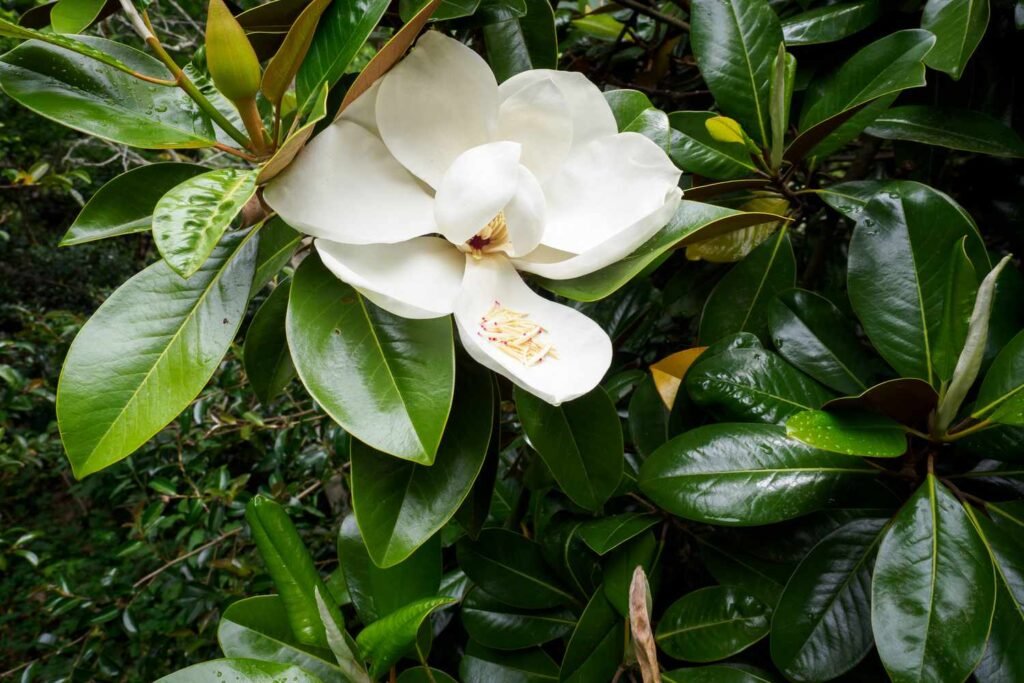
The Southern Magnolia (Magnolia grandiflora) is one of the most beloved trees in the American Southeast. Known for its glossy evergreen leaves and enormous fragrant white blossoms, it’s both a landscape centerpiece and a low-maintenance perennial performer. Beyond beauty, Southern Magnolia offers surprising uses—from craft to culinary—and can be grown successfully outside its native region with the right care.
Botanical Snapshot
- Common Name: Southern Magnolia
- Scientific Name: Magnolia grandiflora
- Plant Type: Evergreen broadleaf tree
- Hardiness Zones: USDA 6–10 (varies by cultivar)
- Growth Rate: Moderate
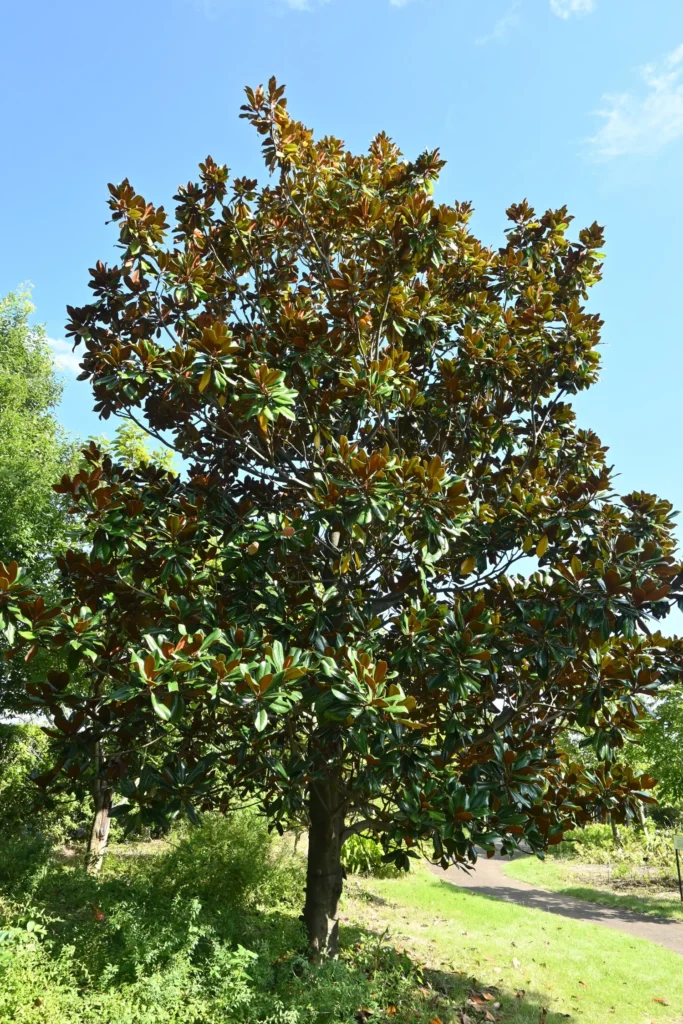
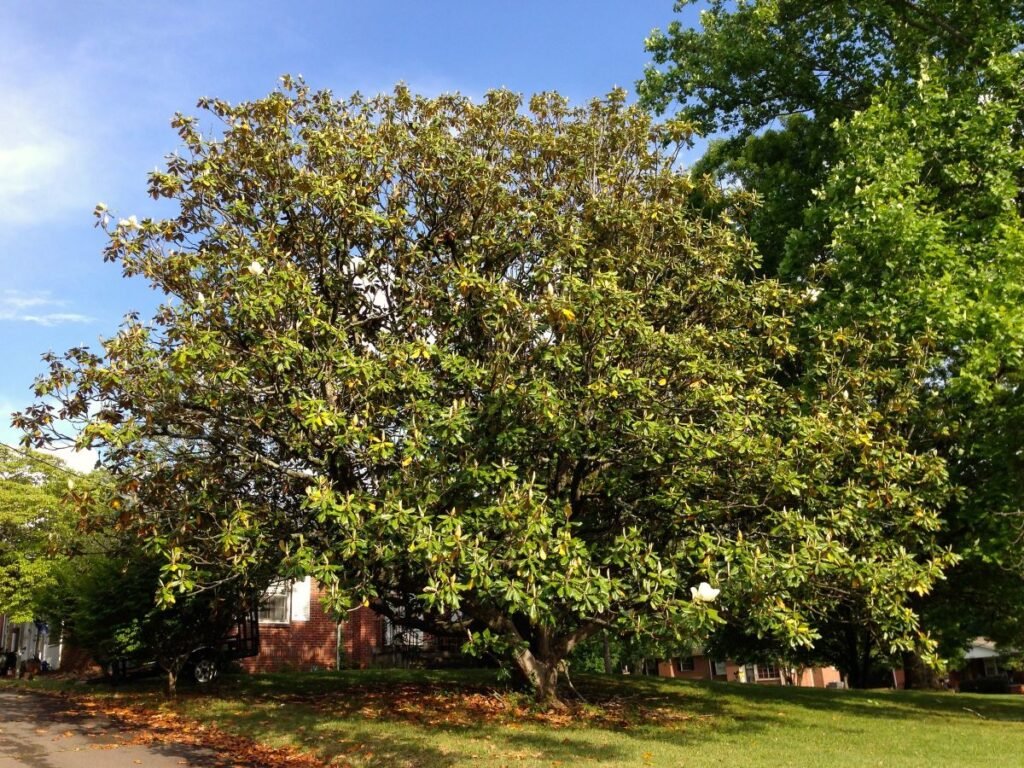
- Mature Height: 20–80 ft depending on variety
- Flowering Period: Late spring through midsummer
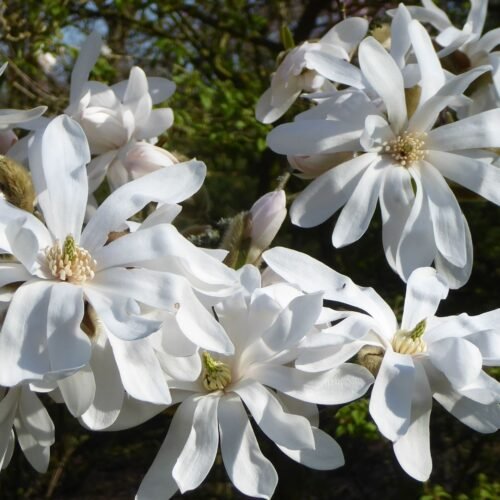
- Bloom Features: Large (6–12 in.) white lemon-scented blossoms
Growing Southern Magnolia: Site, Soil & Requirements
Southern Magnolia thrives when its native conditions are honored:
1. Sun Exposure
- Prefers full sun to partial shade
- Strong sunlight encourages more prolific flowering
2. Soil
- Performs best in slightly acidic, well-draining soils
- Tolerates clay if drainage is moderate
- Soil amendment with compost improves vigor and moisture retention
3. Watering
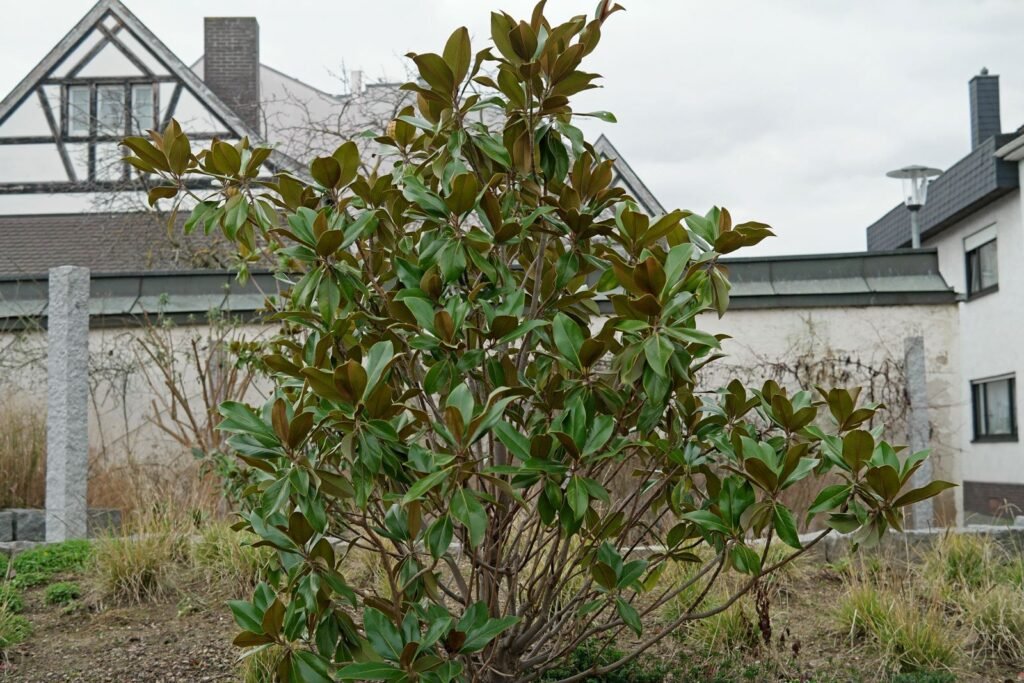
- Young magnolias require consistent moisture for the first 2–3 years
- Established trees become drought tolerant, especially dwarf and compact cultivars
4. Mulching
- A wide mulch ring protects surface roots and helps retain moisture
- Avoid mulch piles directly against the trunk
5. Climate Tolerance
- Native to the Southeast’s humid climate
- Modern cultivars expand range into colder zones
Propagation Methods: Seed, Cuttings & Grafting
Southern Magnolia can be propagated three primary ways—each with benefits and drawbacks:
1. Seed Propagation
- Collected from cone-like fruit heads in late summer
- Seeds require stratification to break dormancy
- Slower method, producing genetic variation (useful for breeding)
2. Semi-hardwood Cuttings
- Best taken in mid to late summer
- Requires rooting hormone and consistent humidity
- Produces true-to-type clones, ideal for specific cultivars
3. Grafting
- Common in commercial nursery production
- Offers higher success rate and quicker establishment
- Used especially for dwarf and ornamental selections
Popular Southern Magnolia Varieties & Cultivars
Modern breeding has produced smaller, denser, and more cold-tolerant magnolias.
Dwarf & Compact Selections
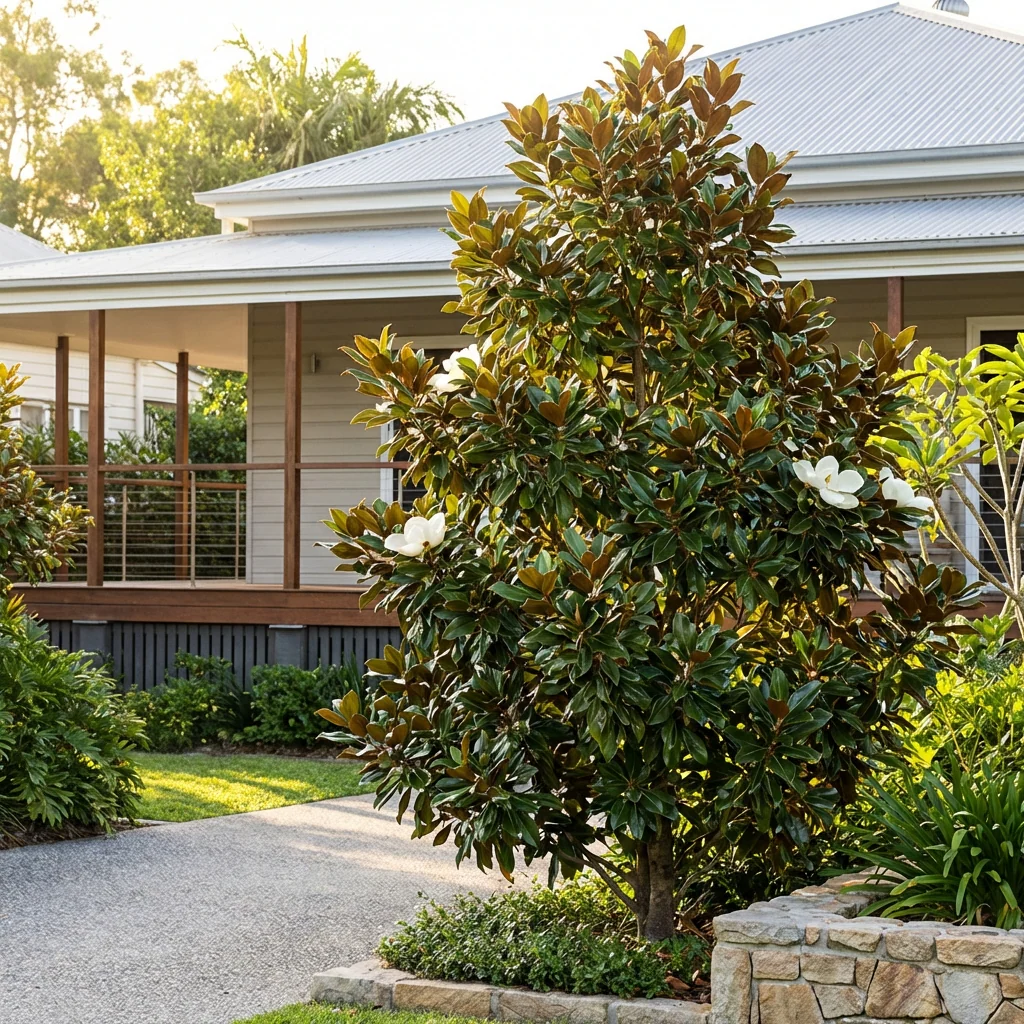
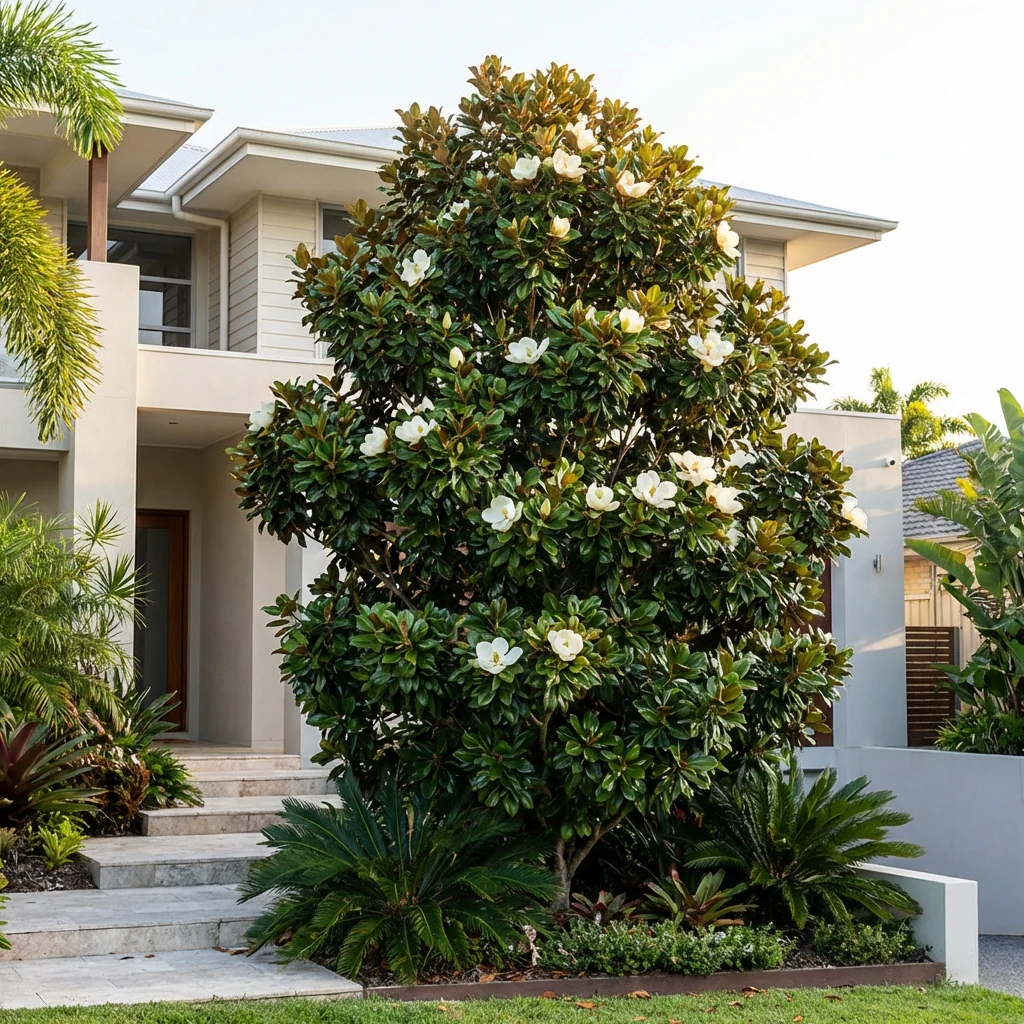
- ‘Little Gem’ — compact form, early bloomer, excellent for urban spaces
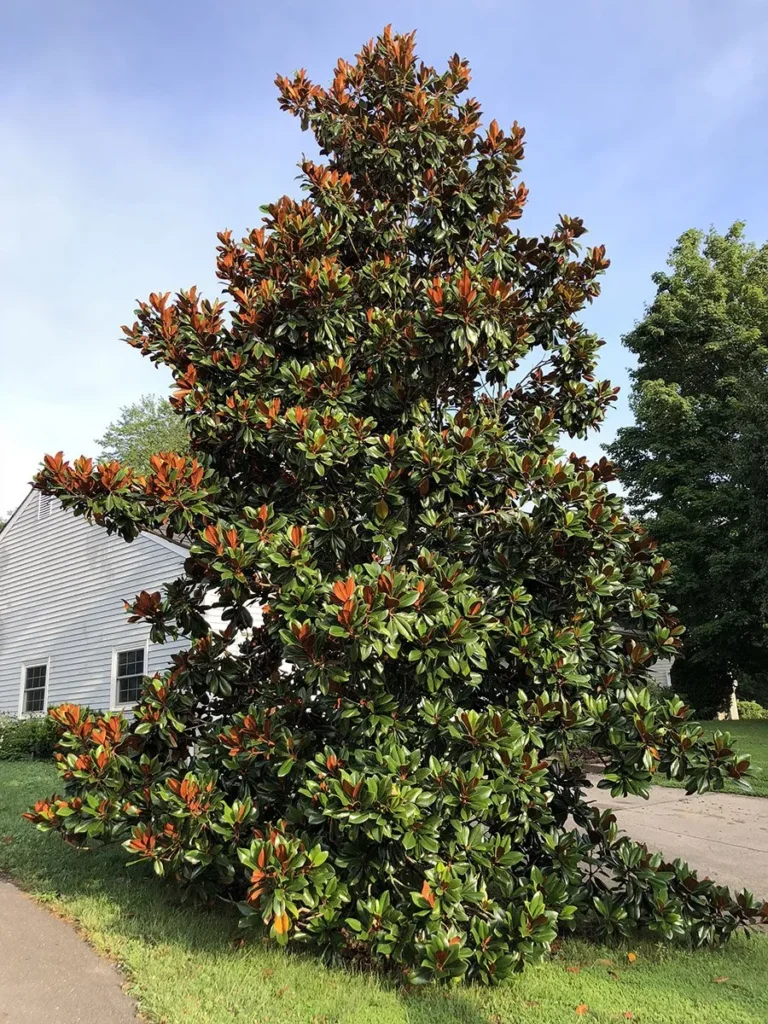
- ‘Teddy Bear’ — upright conical form, plush bronze leaf undersides
- ‘Kay Parris’ — fast growing, cold hardy, long blooming
Cold-Hardy Selections
- ‘Edith Bogue’ — among the most hardy, thriving into USDA Zone 6
- ‘Bracken’s Brown Beauty’ — hardy with dense branching & copper leaf fuzz
Classic Tall Forms
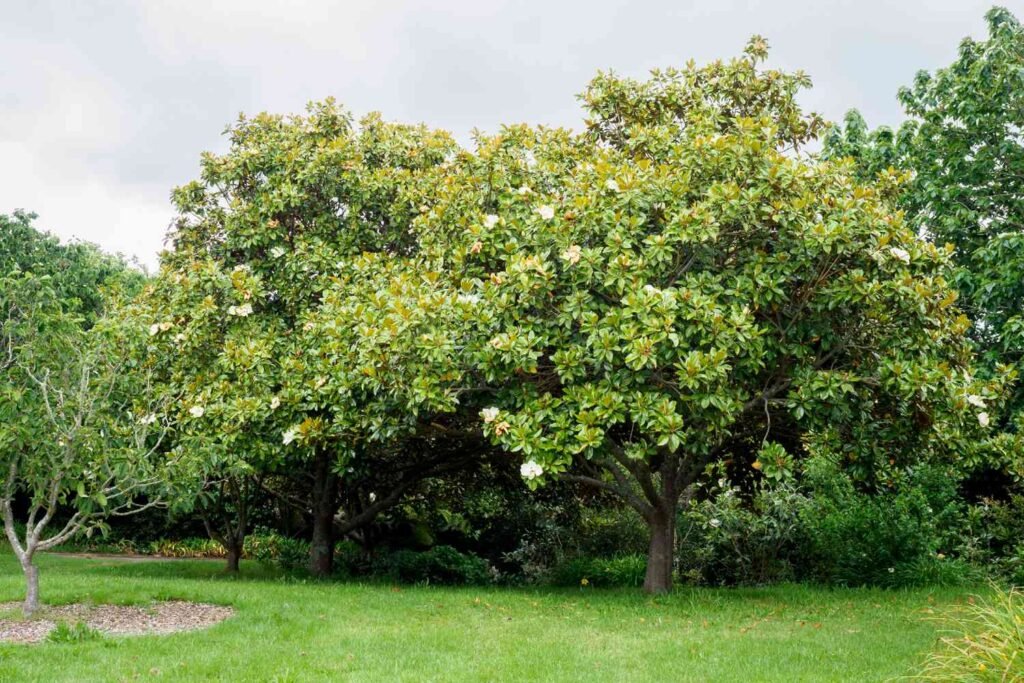
- ‘Majestic Beauty’ — large tree for estates and parks
- ‘D.D. Blanchard’ — upright structure, notable for bronzy foliage
Uses of Southern Magnolia Beyond Landscaping
Southern Magnolia isn’t just a garden beauty—its materials are surprisingly versatile:
1. Craft & Decorative
- Blooms and foliage used in wreaths, holiday arrangements, and centerpieces
- Evergreen leaves retain glossiness even when dried
2. Woodworking
- Magnolia wood is:
- Fine textured
- Easy to plane and finish
- Suitable for furniture, paneling, and carving
3. Shade & Wildlife Habitat
- Large canopy provides:
- Summer shade
- Nesting habitat for birds
- Nectar for pollinators during bloom season
Food & Edible Uses: Flowers, Leaves & Flavoring
While not widely known in modern cuisine, Southern Magnolia has traditional edible uses:
Magnolia Blossoms
- Petals can be:
- Pickled (similar to pickled ginger)
- Used as aromatic garnish
- Infused for flavoring syrups or teas
Flavor Profile
- Floral, citrusy, and lightly spicy with a ginger-clove edge
Folk & Regional Practices
- Historic culinary traditions used whole blossoms for aromatic beverages
- Young flower buds are most palatable before full bloom
Safety Note
- Always identify trees properly and harvest from unsprayed, clean areas
Harvesting Southern Magnolia: Flowers & Seeds
Flower Harvest
- Harvest blossoms early in the morning when fully open
- Flowers bruise easily—handle gently
Seed Cone Harvest
- Collect cone-like fruit heads in late summer to early fall
- Seeds encased in red arils—attractive to wildlife
Leaf Harvest for Crafts
- Best collected in late summer for longest durability in decor
Maintenance & Seasonal Care Tips
| Task | Timing | Notes |
|---|---|---|
| Pruning | Late winter | Minimal—avoid heavy shaping |
| Fertilizing | Early spring | Use balanced slow-release |
| Mulching | Spring & fall | Protects shallow roots |
| Watering | Summer | Especially crucial for young trees |
Southern Magnolia rarely suffers from serious pests—its thick leaves discourage most chewing insects. Improper drainage remains the most common issue for home gardeners.
Landscape Design Ideas
Southern Magnolia works especially well as:
- Specimen tree near formal entries
- Screening hedge using dwarf varieties
- Urban tree for courtyard or patio spaces
- Evergreen backbone in mixed perennial borders
Its evergreen nature ensures year-round structure—something few ornamental trees provide.
Final Thoughts: Why Southern Magnolia Deserves a Spot in Your Garden
Few trees combine year-round foliage, intoxicating fragrance, grand architectural structure, and cultural heritage like Magnolia grandiflora. Whether chosen for compact modern landscaping or sprawling traditional gardens, it rewards growers with decades—sometimes centuries—of beauty and utility.


&media=https://food-foresting.com/wp-content/uploads/2026/01/magnolia-grandiflora-growing-guide-5200996-hero-65ba587077754209bb926f063d2fe6fa.jpg)