 paulius.mikoliunas1
| Common Name | Tartarian Dogwood |
| Family | Cornaceae |
| USDA hardiness | 3-7 |
| Known Hazards | None known |
| Habitats | Mixed broad-leaved and coniferous forests, mixed thickets by streams at elevations of 600 – 1700, occasionally to 2700 metres in China. |
| Range | E. Asia – Siberia to northern China and Korea. |
| Edibility Rating |  (0 of 5) (0 of 5) |
| Other Uses |   (1 of 5) (1 of 5) |
| Weed Potential | No |
| Medicinal Rating |  (0 of 5) (0 of 5) |
| Care (info) |     |
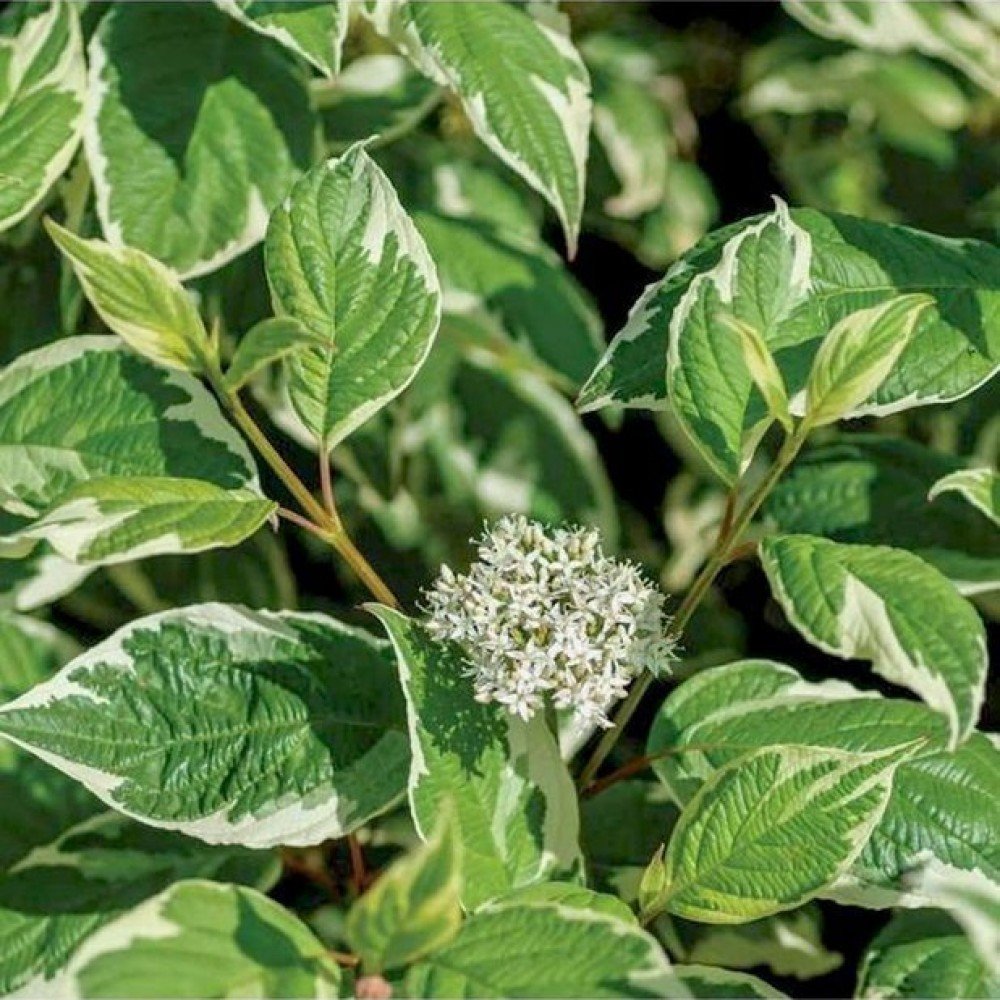
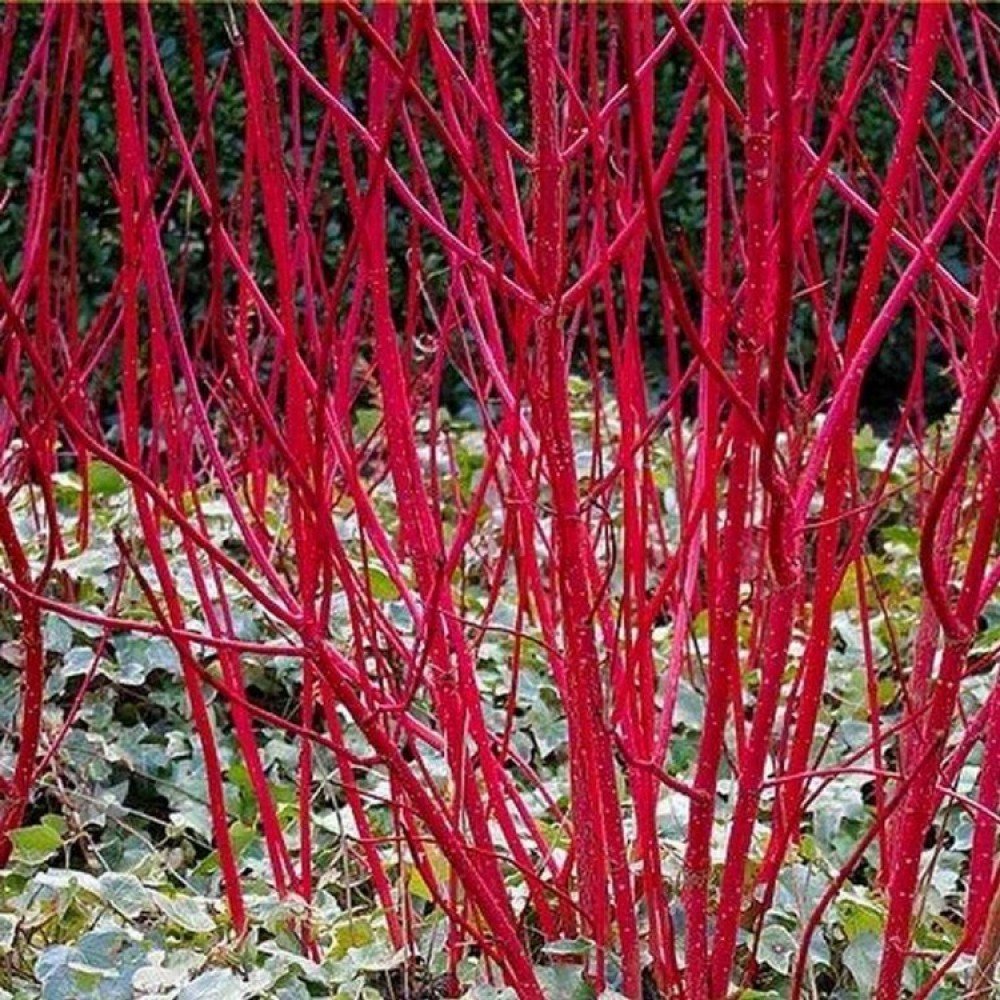

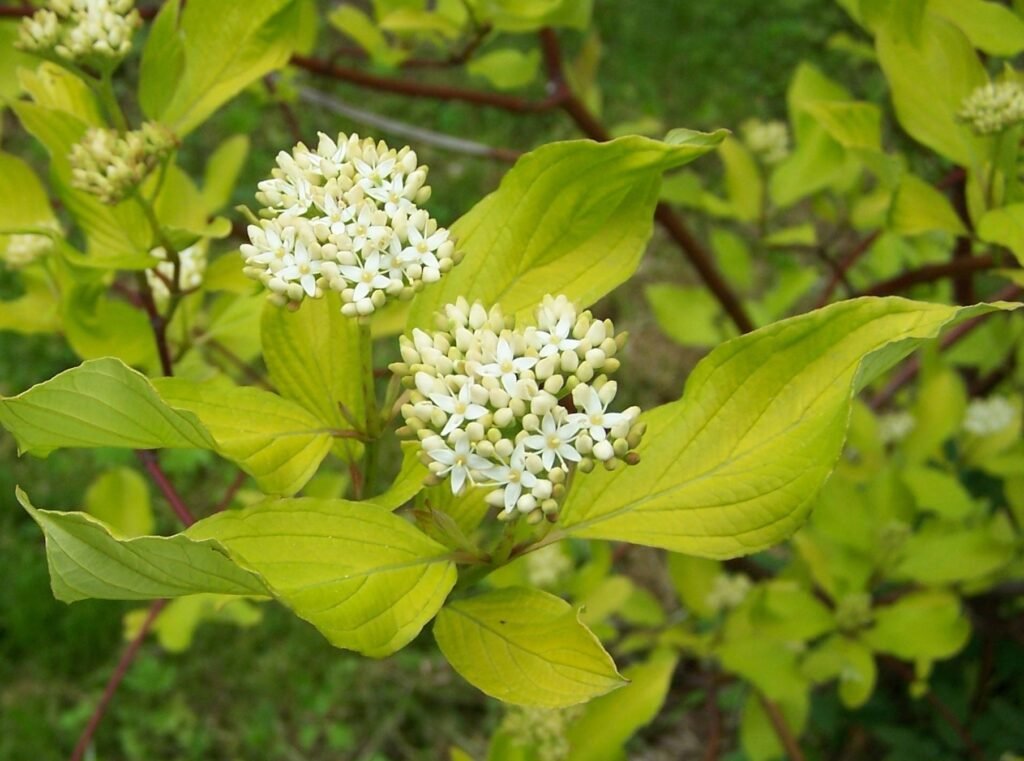
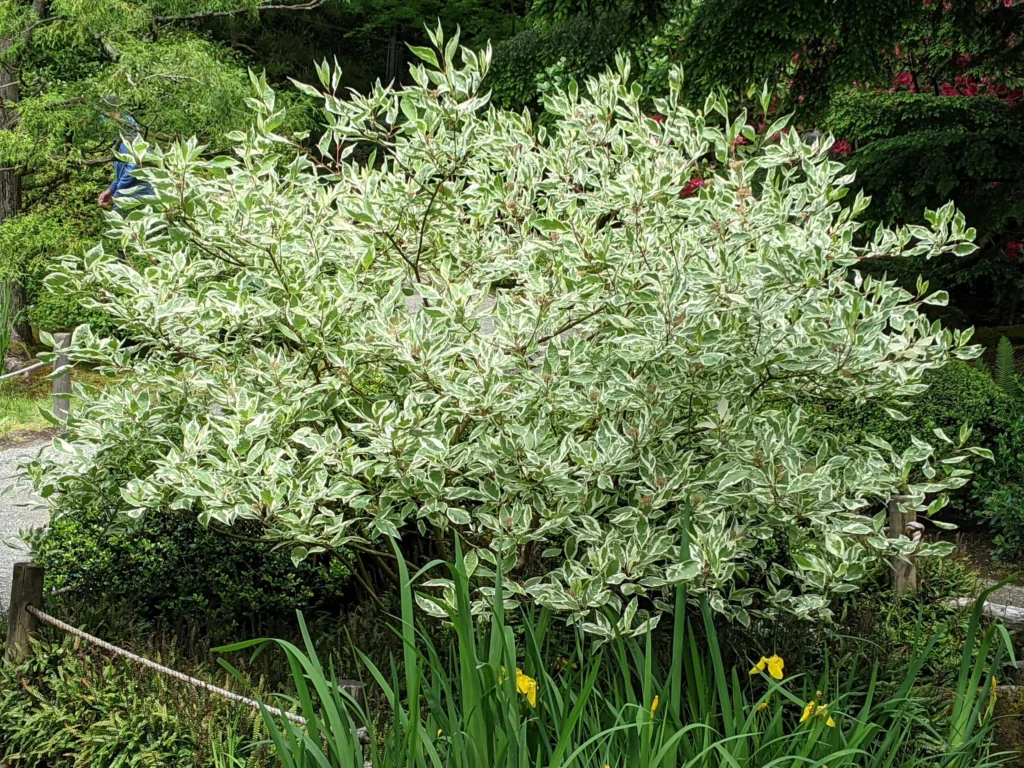
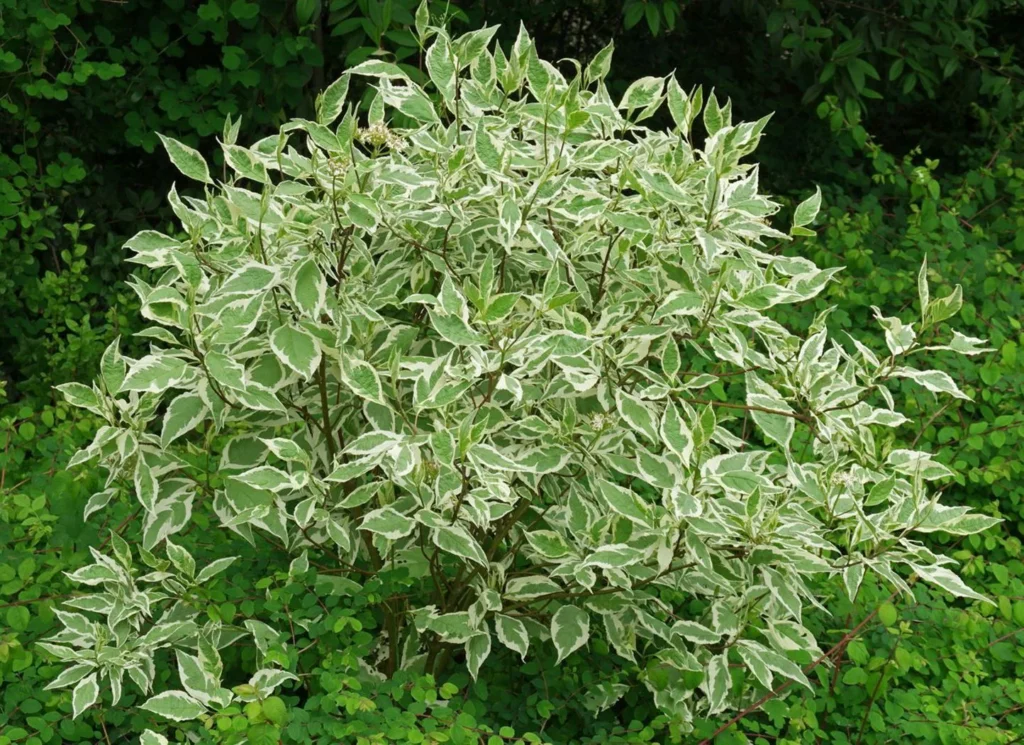

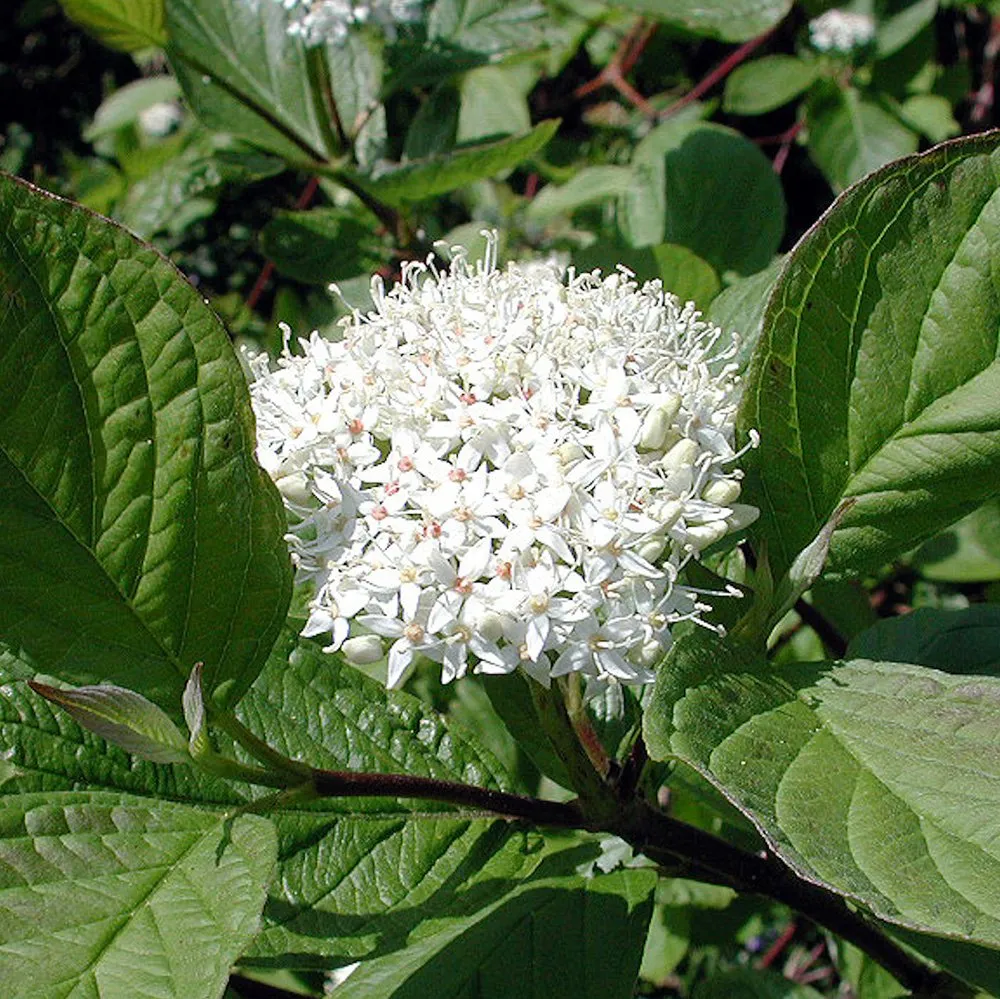
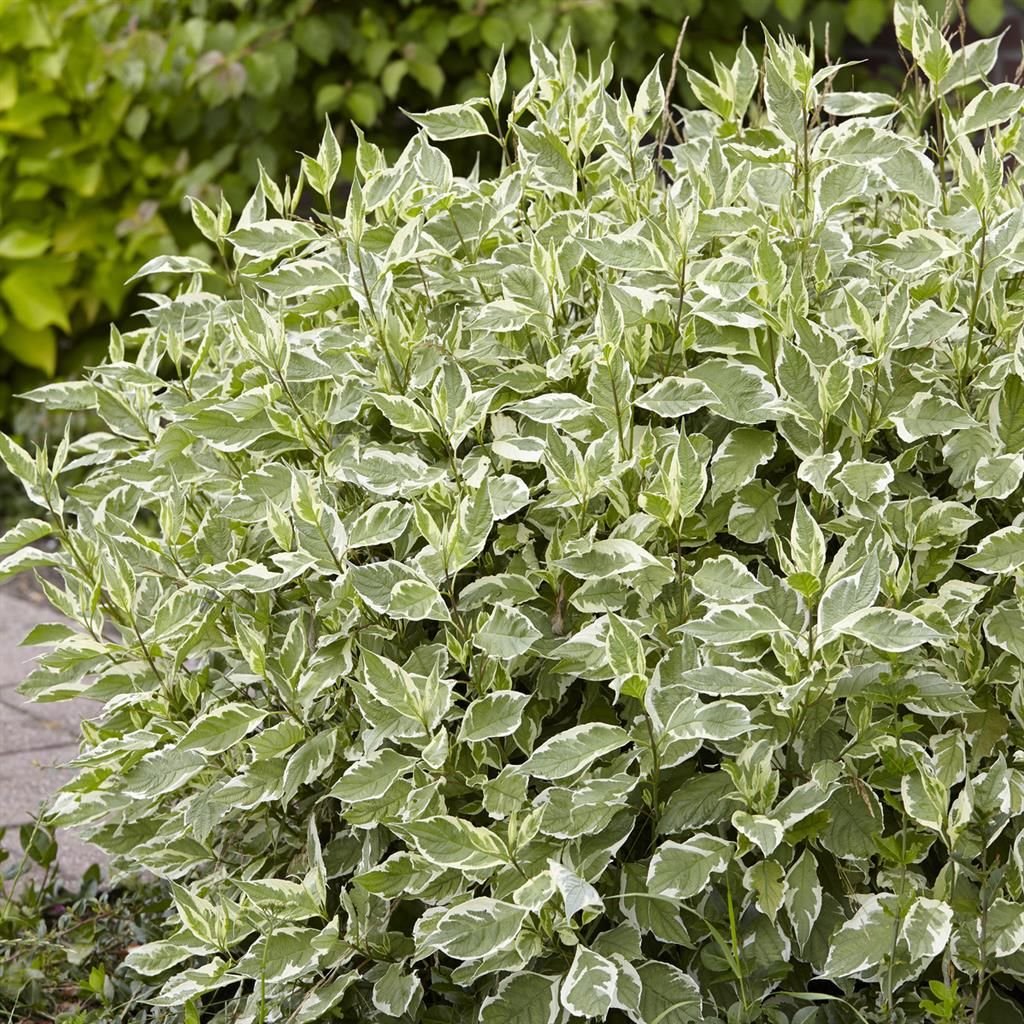
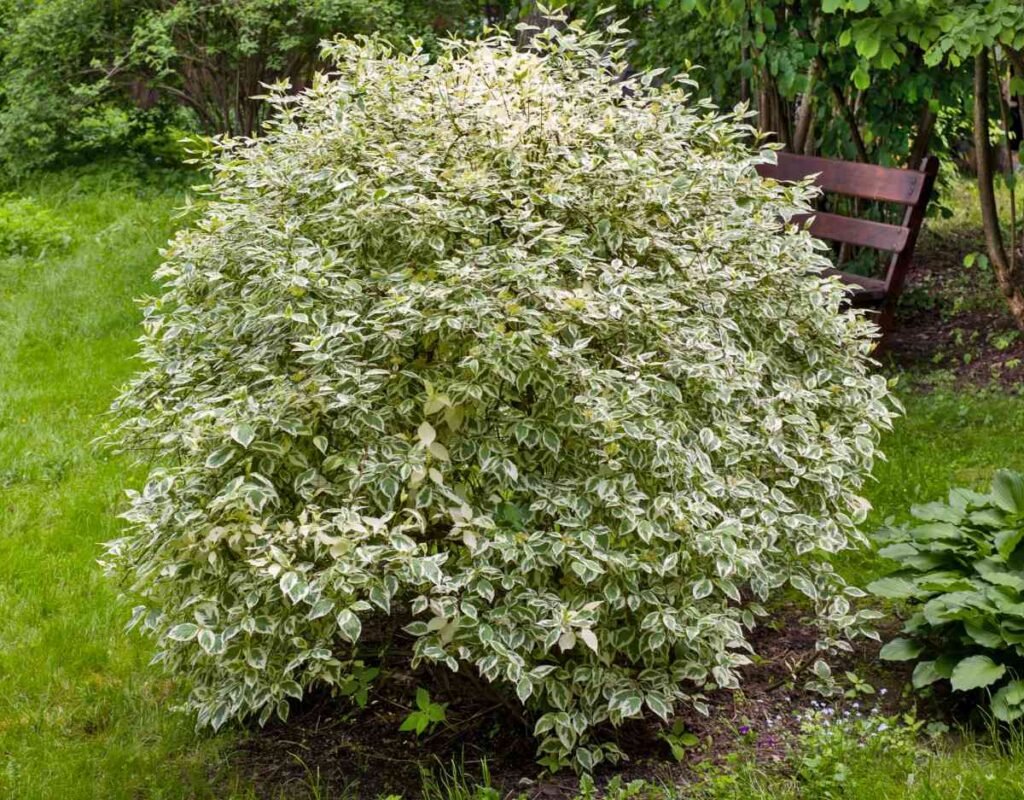
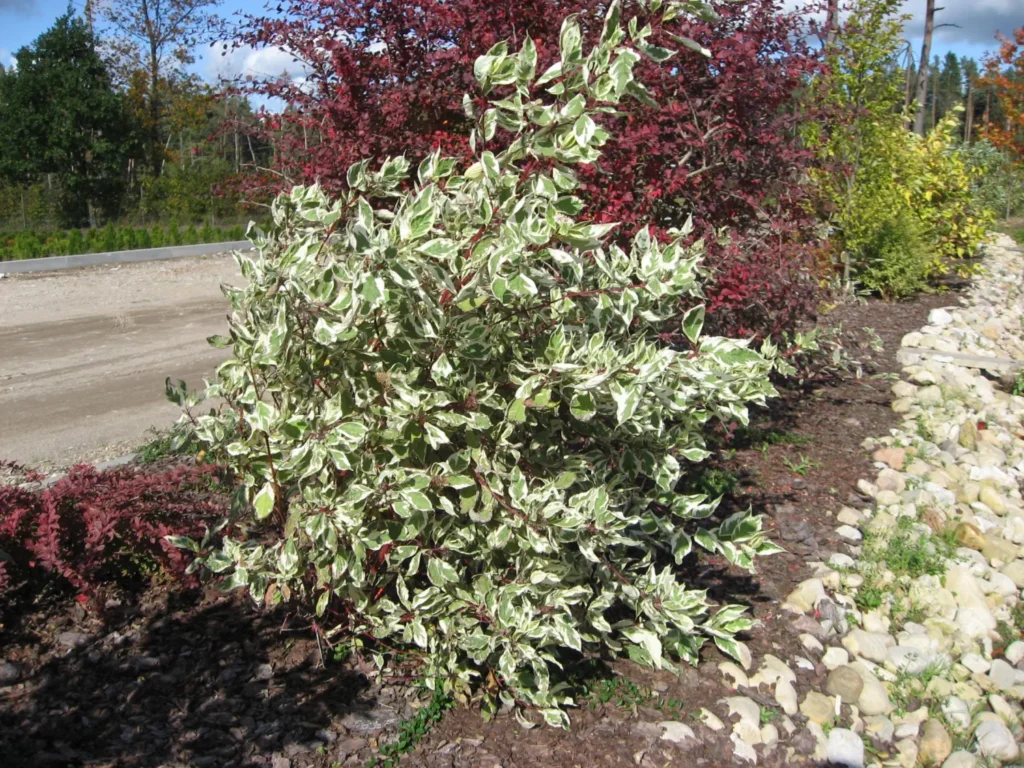
Tartarian Dogwood (Cornus alba): Growing, Propagating, Varieties, Uses, Food Options & Harvest Guide
Tartarian Dogwood (Cornus alba) — also known as Red-Barked Dogwood, Siberian Dogwood, and White Dogwood — is a hardy deciduous shrub cherished for its striking winter stems, colorful foliage, and ecological benefits. Native to Siberia, northern China, and Korea, this plant has transitioned from wild landscapes into garden ecosystems around the world thanks to its ornamental beauty and low-maintenance nature.
Below is a comprehensive guide on how to successfully grow, propagate, select varieties, utilize its berries and stems, and harvest what it offers.
Botanical Overview
- Scientific Name: Cornus alba
- Common Names: Tartarian Dogwood, Siberian Dogwood, White Dogwood
- Family: Cornaceae
- Plant Type: Deciduous shrub
- Zones: USDA 3–7
- Mature Height: 6–10 ft (1.8–3 m)
- Spread: 6–10 ft (1.8–3 m)
- Seasonal Interest: Winter stems, variegated foliage, white berries
Growing Tartarian Dogwood
Climate & Hardiness
Tartarian Dogwood thrives in cool to temperate climates. It tolerates harsh winters and fluctuating temperatures, making it ideal for northern gardeners.
Key Hardiness Traits:
- Survives subzero winters
- Tolerates wet soils
- Wind resistant
- Performs well in full sun to partial shade
Soil Requirements
While adaptable, Cornus alba prefers:
- Moist, well-drained soils
- Slightly acidic to neutral pH
- Organic-rich substrate
It tolerates clay and periodically flooded sites, making it suitable for rain gardens and erosion control.
Planting & Spacing
- Plant in early spring or fall for best establishment.
- Space plants 6–10 ft apart to accommodate full spread.
- Mulch around the root zone to retain moisture and suppress weeds.
Watering & Feeding
Watering
- Maintain consistent moisture during establishment (first 1–2 years).
- Mature shrubs tolerate periodic drought but prefer moist conditions.
Fertilization
A yearly application of compost or organic fertilizer in spring promotes strong stem color and foliage.
Pruning for Color & Form
The vivid red stems are most intense on young growth, so rejuvenation pruning improves winter display:
- Technique: Remove 1/3–1/2 of the oldest stems to ground level
- Timing: Late winter to early spring
- Goal: Encourage vigorous red shoots
For severely overgrown shrubs, complete coppicing (cutting back to 6–12 inches) every 2–3 years revitalizes structure.
Propagation Methods
Tartarian Dogwood is easy to propagate, making it popular among native plant enthusiasts and landscapers.
1. Hardwood Cuttings
- When: Late fall to winter
- Method: Cut 8–10 inch dormant stems; plant in sand/peat mix
- Rooting Success: High under cool, moist conditions
2. Softwood Cuttings
- When: Early summer
- Method: Root in humid, partially shaded environment
3. Division
- Mature clumps can be split in early spring.
4. Seed
- Seeds require cold stratification, making this the slowest method.
Popular Varieties & Cultivars
Over years, breeders have developed many ornamental selections prized for stem color and foliage patterns.
Variegated Varieties
- ‘Elegantissima’ – Silver and green leaves, red stems
- ‘Sibirica Variegata’ – Creamy variegation, upright growth
Colored Stem Varieties
- ‘Sibirica’ – Bright red stems, classic winter interest
- ‘Westonbirt’ – Deep crimson winter color
Compact Forms
- ‘Ivory Halo’ – Dwarf form suitable for small gardens
Uses of Tartarian Dogwood
1. Ornamental Landscape
- Winter garden color
- Contrast for conifers and evergreens
- Foundation and border plantings
- Naturalized hedgerows
2. Ecological Benefits
- Provides shelter for birds
- Berries support wildlife food chains
- Excellent for erosion control and soil stabilization
3. Hedging & Windbreaks
Dense branching structure makes Cornus alba suitable for privacy screening and farm windbreaks.
Food & Edible Uses
Though not widely consumed by humans, Tartarian Dogwood berries have historic and experimental culinary uses.
Edibility
- Fruits are not toxic but are astringent and mealy
- Flavor improves after frost
- Primarily used for wildlife rather than human diets
Culinary Concepts & Options
Some traditional and modern uses include:
- Jellies (with added sugar/pectin)
- Fermented beverages or flavored vinegar infusions
- Tart syrups for desserts or cocktails
- Wild-food experimentation alongside aronia or chokeberry
Nutritional Notes
Berries contain:
- Antioxidants
- Organic acids
- Modest vitamin C amounts
Safety
Always identify species accurately before consumption; berries of some dogwood species vary in taste and suitability.
Harvesting Tartarian Dogwood
Berry Harvest
- When: Late summer to early fall
- Indicators: Whitish berries turn slightly bluish and soften
- Method: Hand-pick clusters or shake onto cloth
Stem Harvest
For decorative craft or floristry:
- Cut bright red stems in winter
- Use in wreaths, bouquets, or seasonal arrangements
Pruning Harvest
Cuttings taken during pruning sessions can double as propagation material.
Pests & Diseases
Common issues are usually cosmetic rather than fatal:
- Leaf spot
- Dogwood borers
- Scale insects
- Powdery mildew
Healthy spacing and air circulation reduce disease pressure.
Companion Planting
Tartarian Dogwood pairs beautifully with:
- Evergreens: Spruce, juniper, cedar
- Grasses: Miscanthus, panicum
- Winter bloomers: Witch hazel, hellebore
- Spring bulbs: Crocus, daffodil, tulip
These combinations extend seasonal interest and pollinator value.
Sustainability & Ecological Value
Because it:
- Tolerates poor soils,
- Supports wildlife,
- Prevents erosion,
- And thrives without chemicals,
Tartarian Dogwood is a strong candidate for eco-friendly gardening and restoration projects.
Final Thoughts
Tartarian Dogwood (Cornus alba) offers rare year-round beauty — from spring foliage to summer berries to fiery winter stems. Its adaptability, ease of propagation, and ecological benefits make it valuable for home gardeners, landscape designers, and wildlife stewards alike. Whether used in hedgerows, rain gardens, ornamental displays, or experimental kitchens, this versatile shrub continues to prove its usefulness across seasons.

&media=https://food-foresting.com/wp-content/uploads/2026/01/Cornus_alba_plant.webp)