
 paulius.mikoliunas1
| Common Name | Shrubby Cinquefoil, Potentilla |
| Family | Rosaceae |
| USDA hardiness | 2-6 |
| Known Hazards | None known |
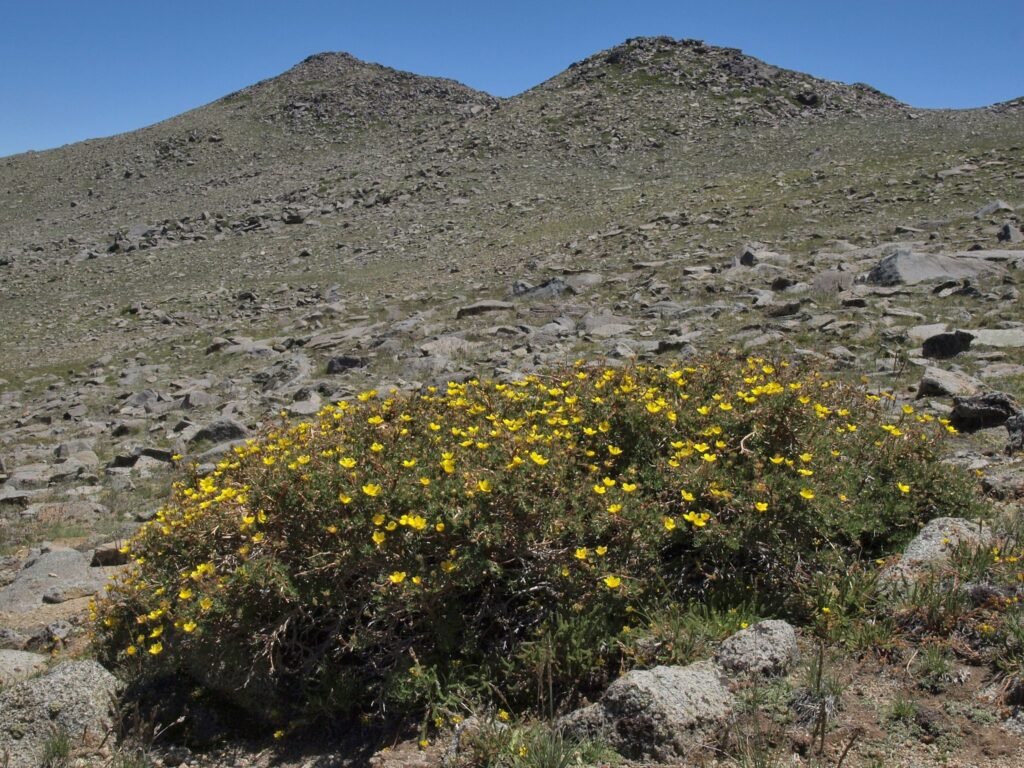
| Habitats | Damp rocky ground, usually on limestone. |
| Range | Europe, including Britain, from Sweden south and east to the Pyrenees, N. and C. Asia to Japan. |
| Edibility Rating |   (1 of 5) (1 of 5) |
| Other Uses |   (3 of 5) (3 of 5) |
| Weed Potential | No |
| Medicinal Rating |   (1 of 5) (1 of 5) |
| Care (info) |     |
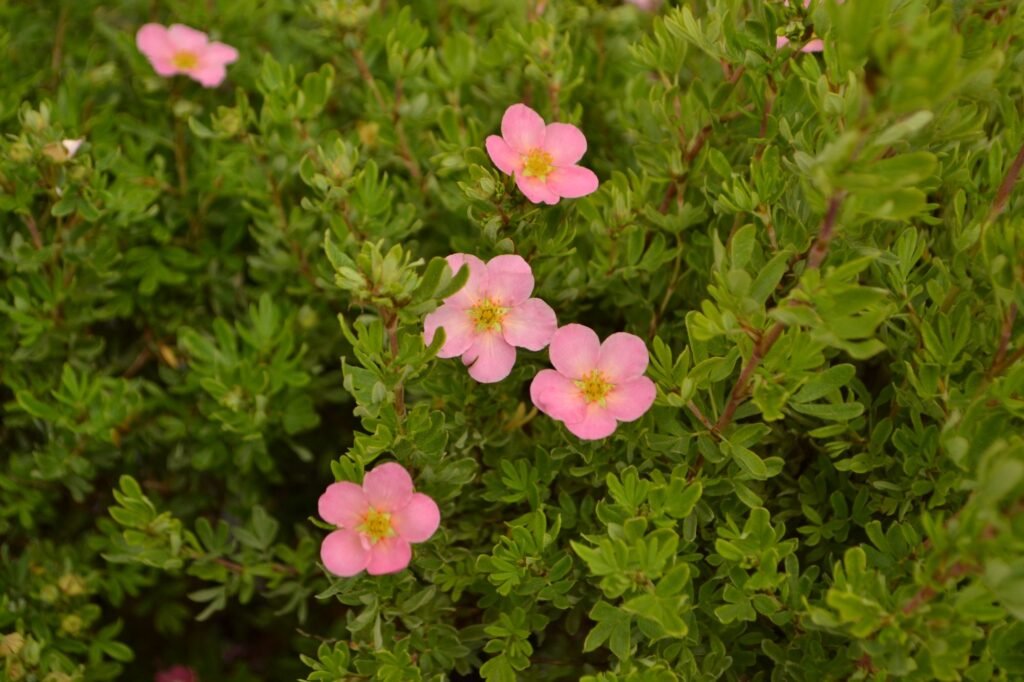
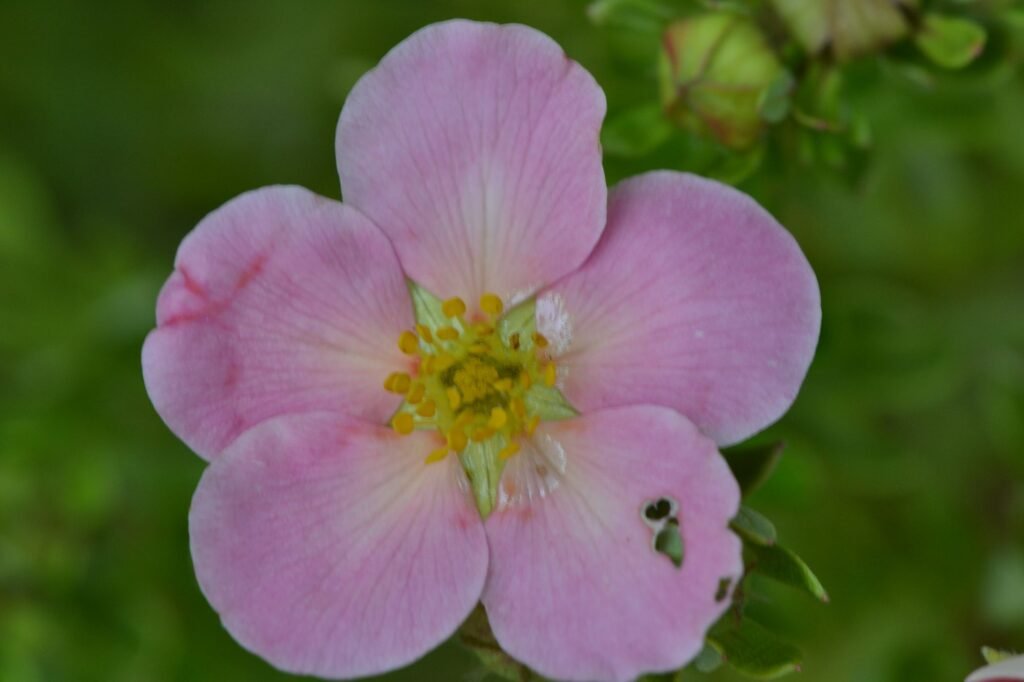
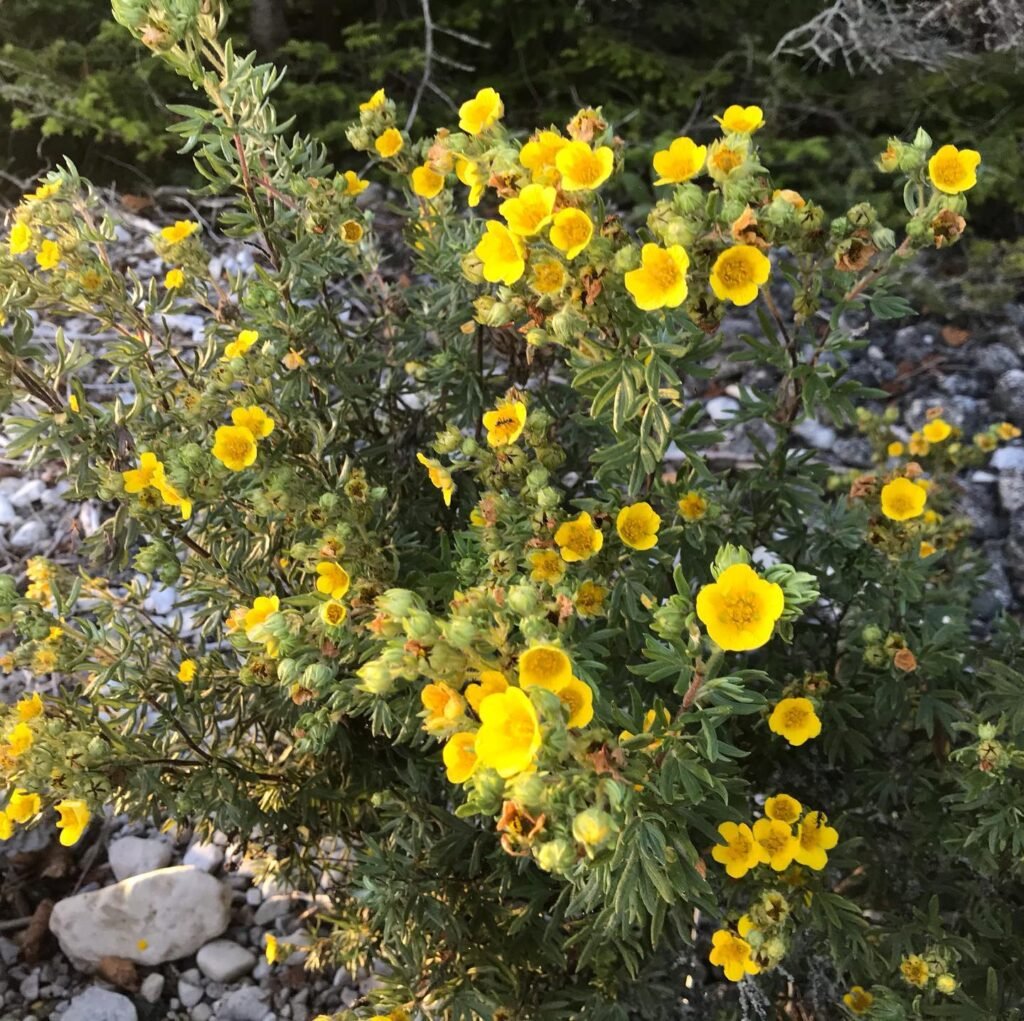
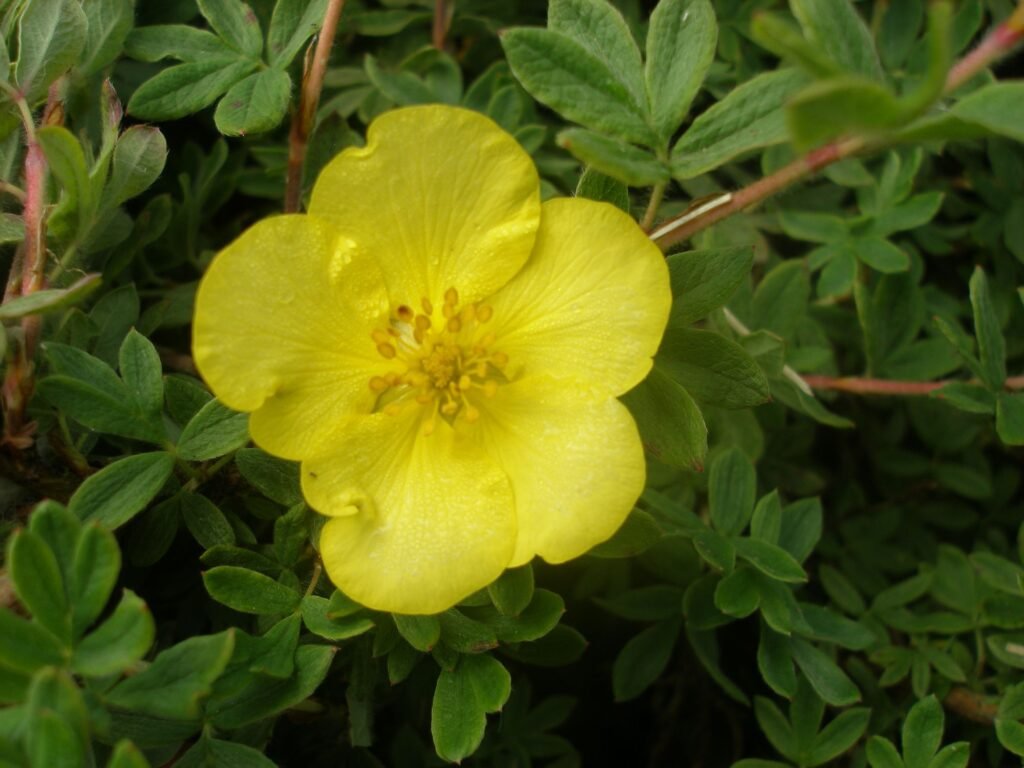
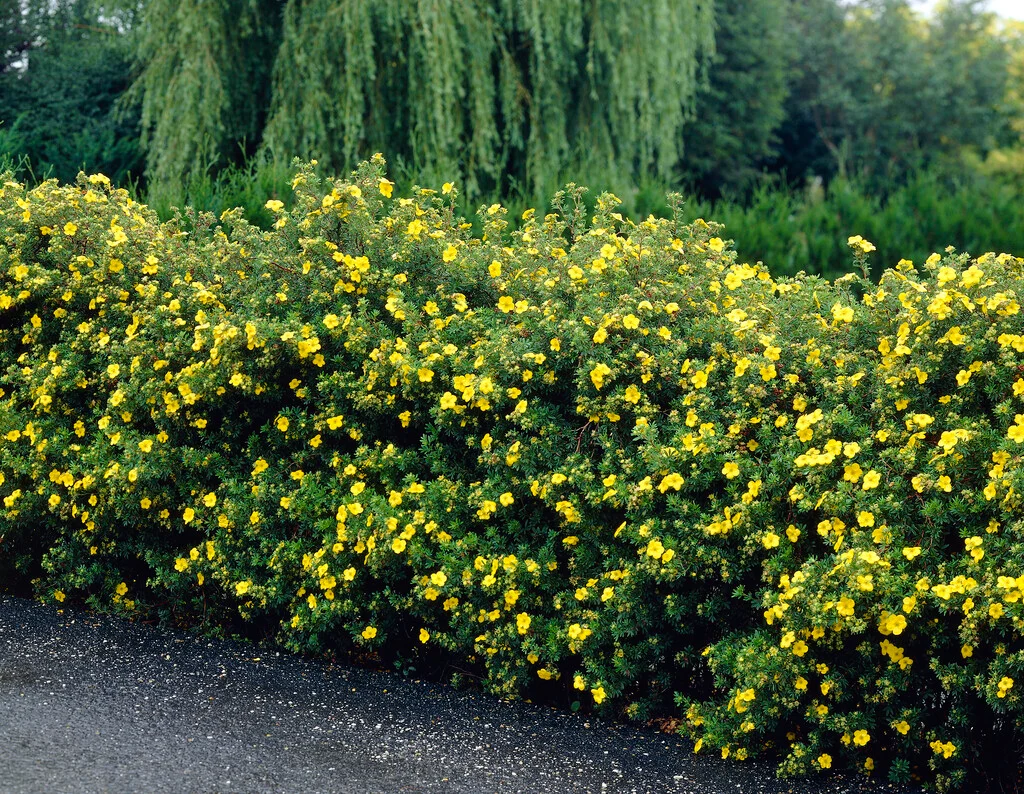
How to Grow, Propagate, Use, and Harvest Shrubby Cinquefoil (Dasiphora fruticosa): A Complete Guide
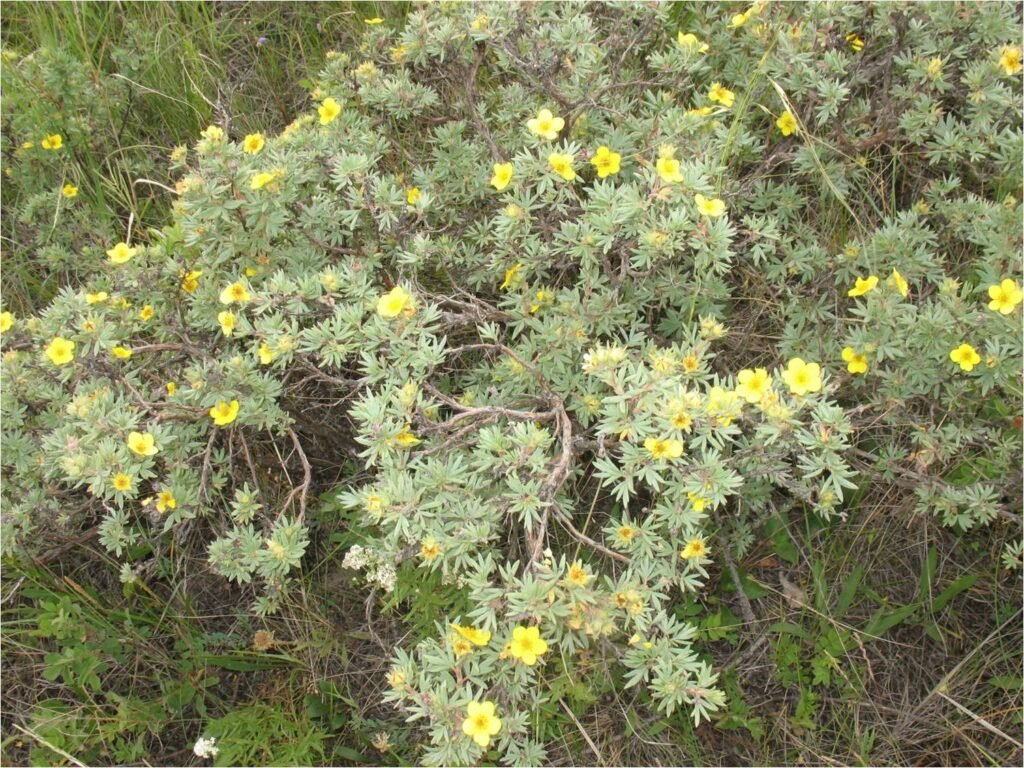
Shrubby cinquefoil, botanically known as Dasiphora fruticosa, is a highly adaptable and ornamental perennial shrub celebrated for its bright flowers, cold hardiness, and minimal maintenance requirements. Found naturally across the Northern Hemisphere, this hardy plant thrives in poor soils, withstands harsh winters, and attracts pollinators throughout the growing season. Beyond its landscaping appeal, shrubby cinquefoil has historical value in traditional medicine, dyeing, and—surprisingly—limited culinary potential.
Whether you’re seeking a drought-tolerant shrub for difficult sites or aiming to grow cinquefoil for herbal and aesthetic purposes, this guide covers everything you need to know.
What Makes Shrubby Cinquefoil Special?
Gardeners appreciate cinquefoil for several standout traits:
✔ Drought tolerant once established
✔ Long flowering season, from late spring through early fall
✔ Cold hardy to −40°C, depending on variety
✔ Attractive to bees, butterflies, and native pollinators
✔ Low maintenance and suitable for tough soils
✔ Compact growth habit ideal for edging and urban landscapes
These features make Dasiphora fruticosa one of the most resilient ornamental shrubs in cool-climate gardening.
How to Grow Shrubby Cinquefoil (Dasiphora fruticosa)
1. Site & Soil Requirements
Cinquefoil adapts to a wide range of soils, but performs best in:
- Full sun (6–8 hours daily)
- Well-drained, sandy or gravelly soil
- Neutral to slightly alkaline pH
Avoid heavy clay or waterlogged soils, which lead to root rot and reduced flowering.
2. Planting Guide
When to plant:
- Spring after soil workable
- Fall in mild climates
Steps:
- Dig hole twice the root-ball width
- Loosen soil for drainage
- Set plant level to soil surface
- Backfill and water deeply
- Mulch lightly (avoid crown contact)
3. Watering & Care
- Water weekly during first season
- Once established, reduce to occasional deep watering
- Avoid overwatering—cinquefoil prefers dryness
4. Fertilizing
Most cinquefoil shrubs need little to no fertilizer. If growth stagnates:
- Apply slow-release balanced fertilizer in early spring
- Alternatively, amend with compost or trace minerals
5. Pruning
Prune to maintain shape and encourage blooms:
- Late winter or early spring: remove dead wood
- Mid-summer: light shaping for compact form
Hard rejuvenation pruning (down to 6–8 inches) can revitalize old shrubs.
Propagation Methods
Cinquefoil can be propagated three primary ways:
1. Cuttings (Most Common)
- Take softwood cuttings in early summer or semi-hardwood late summer
- Use rooting hormone for best success
- Place in light, sandy substrate
- Keep humid until roots develop
2. Seeds
- Sow outdoors in fall or cold-stratify indoors
- Germination may be slow and variable
- Seed propagation maintains genetic diversity
3. Division
- Older shrubs with multiple crowns can be divided in spring or fall
Cuttings provide quicker, more predictable clones of cultivars.
Popular Varieties & Cultivars
Shrubby cinquefoil comes in numerous colors:
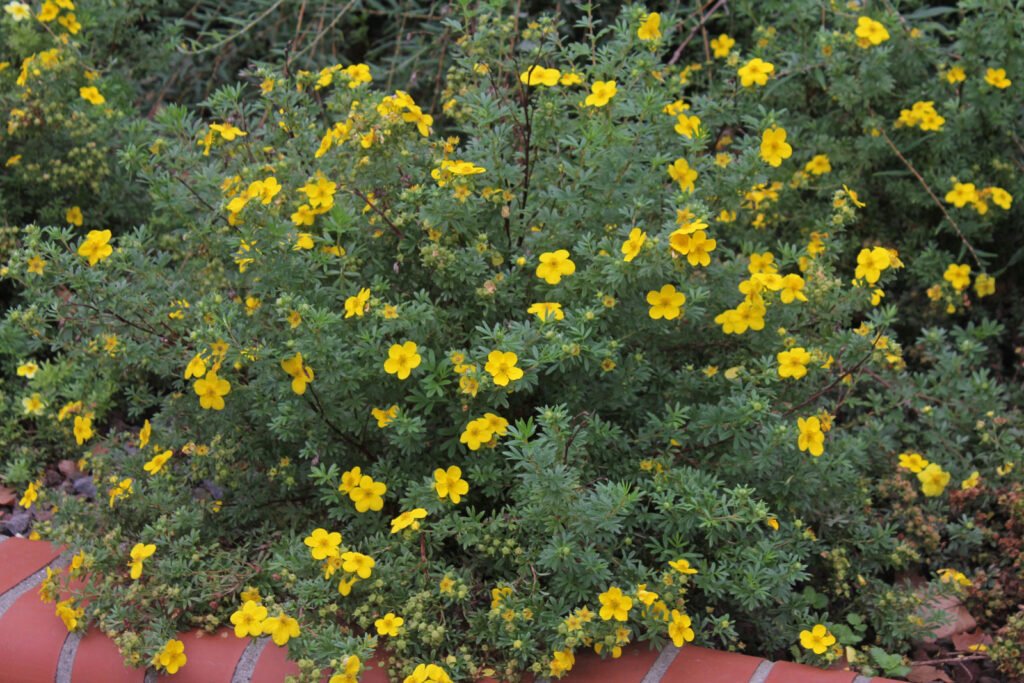
Yellow Flowering
- ‘Goldfinger’
- ‘Primrose Beauty’
- ‘Gold Drop’
White Flowering
- ‘Abbotswood’
- ‘Snowbird’
Orange/Red Tones
- ‘Red Ace’
- ‘Hoppy Orange’
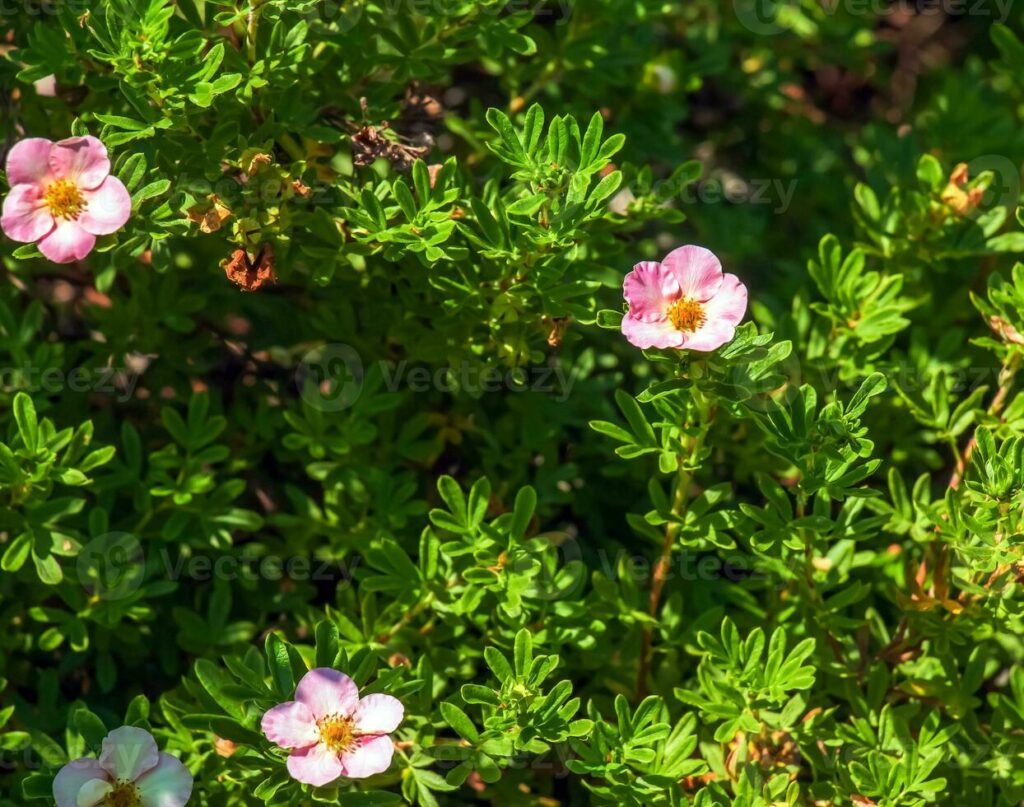
Pink Flowering
- ‘Pink Beauty’
- ‘Lovely Pink’
Color intensity may fade in heat, especially reds and oranges.
Landscape & Functional Uses
Cinquefoil is versatile far beyond ornamental planting:
1. Ornamental Garden Use
- Rock gardens
- Foundation plantings
- Borders and edges
- Mass plantings
- Wildlife gardens
2. Erosion Control
Shallow but dense root systems stabilize slopes and poor soils.
3. Pollinator Attractor
Long flowering windows support bees and butterflies.
4. Cultural & Ethnobotanical Uses
Historically cinquefoil has been used for:
- Herbal teas
- Astringent tinctures
- Wound applications
- Textile dyeing
Always research plant uses before consumption or topical application.
Can You Eat Shrubby Cinquefoil?
Cinquefoil is not commonly used as a culinary herb, but certain parts have been historically consumed or brewed:
Tea
Leaves and flowers may be dried for mild herbal tea with tannic, slightly bitter notes.
Folk Medicine
Traditionally applied for:
- diarrhea
- mouth inflammation
- minor wounds
There is no significant modern culinary usage, and it is not considered a food crop. Always exercise caution and moderation—plants contain tannins and other compounds that may cause irritation for sensitive individuals.
Harvesting & Storage
If growing cinquefoil for herbal or ornamental purposes:
1. When to Harvest
- Leaves: late spring–early summer before peak bloom
- Flowers: mid–summer during full bloom
- Stems/roots: fall for traditional medicinal extraction
2. Drying & Storage
- Air dry in shaded, well-ventilated area
- Store in airtight containers away from light
- Shelf life ~1 year for most herbal uses
Common Problems & Pests
Cinquefoil is relatively trouble-free, but issues may include:
- Powdery mildew (humid shade)
- Rust
- Aphids
- Spider mites (hot dry conditions)
- Dieback from poor drainage
Proactive soil drainage and pruning reduce disease pressures.
Final Thoughts
Shrubby cinquefoil (Dasiphora fruticosa) is a resilient, pollinator-friendly, and visually appealing shrub well suited for cold climates and difficult landscapes. Its adaptability, long flowering season, and low maintenance make it a favorite among gardeners and landscape designers. While its culinary uses are limited today, cinquefoil still holds value for herbalists and enthusiasts of traditional plants.
Whether grown for beauty, ecosystem benefit, or heritage, cinquefoil remains a rewarding and easy plant to cultivate in temperate regions.



&media=https://food-foresting.com/wp-content/uploads/2026/01/Dasiphora-fruticosa-1.jpg)