
 paulius.mikoliunas1
Catawba Rosebay (Rhododendron catawbiense): Growing, Propagating, Varieties, Uses, Food Safety & Harvest Guide
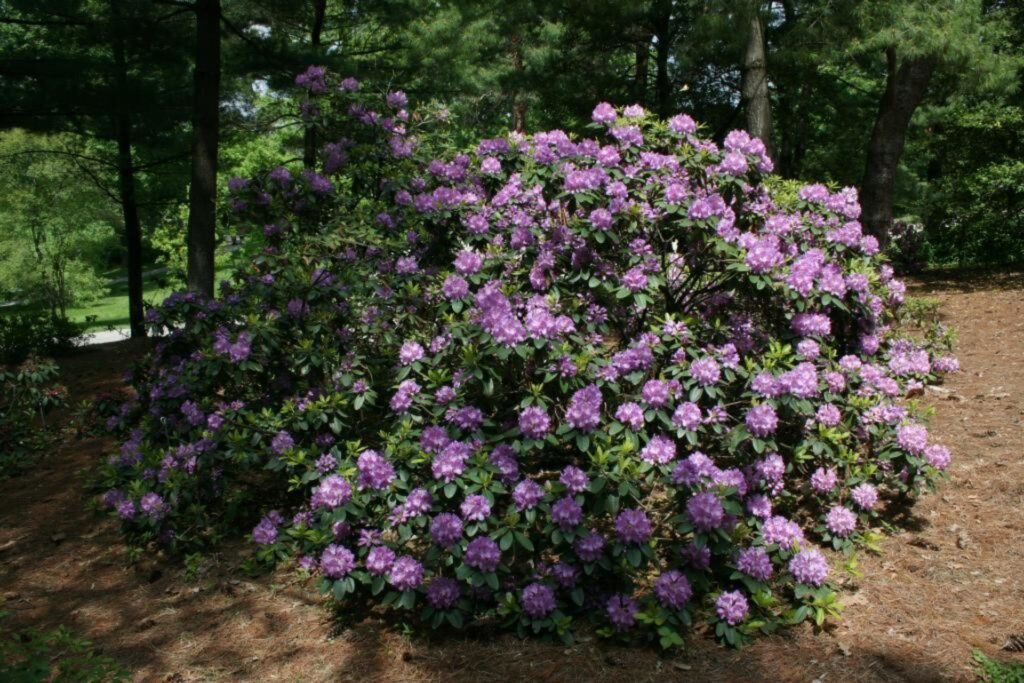
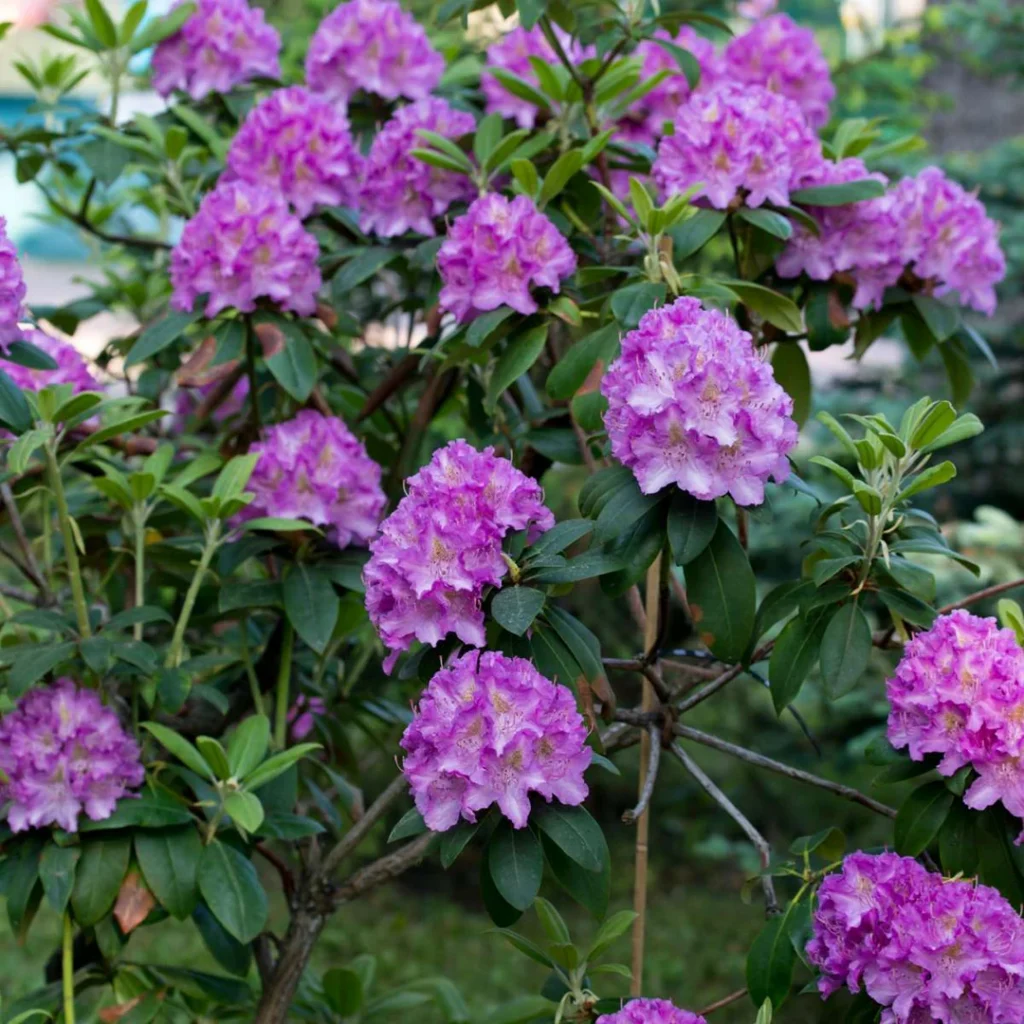
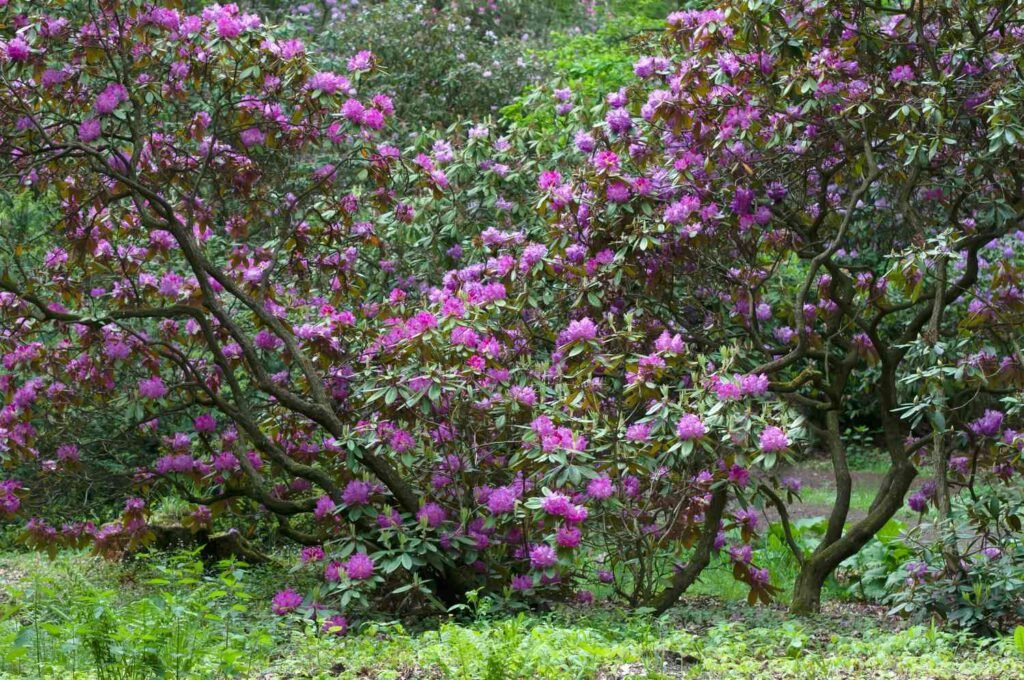
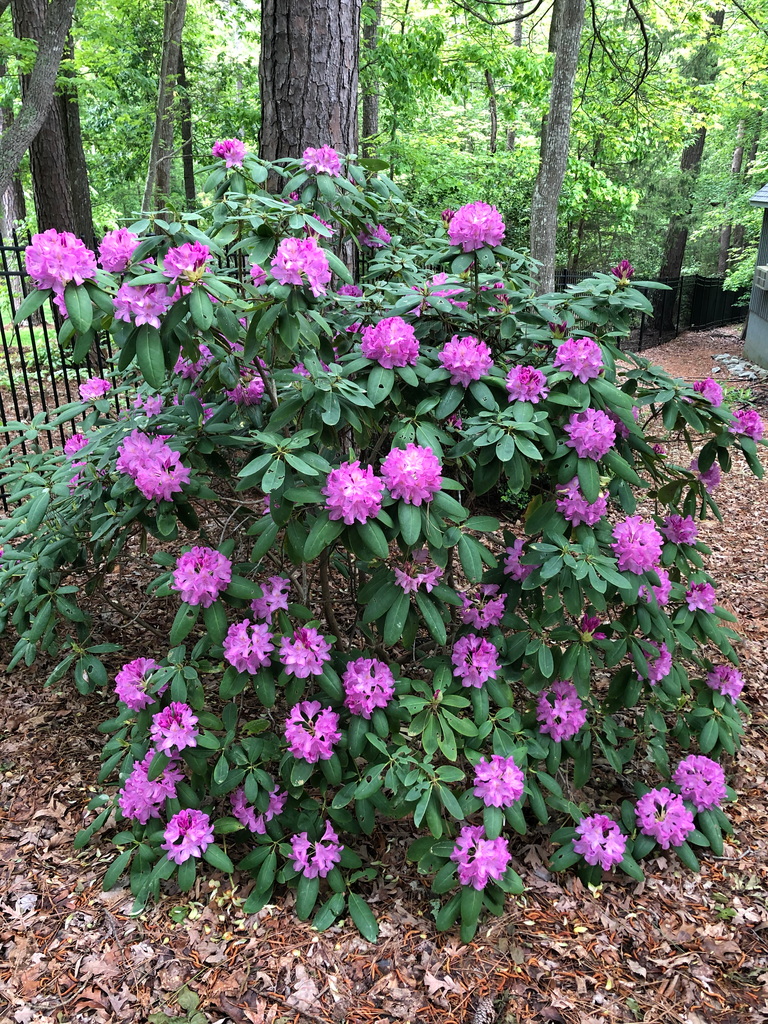
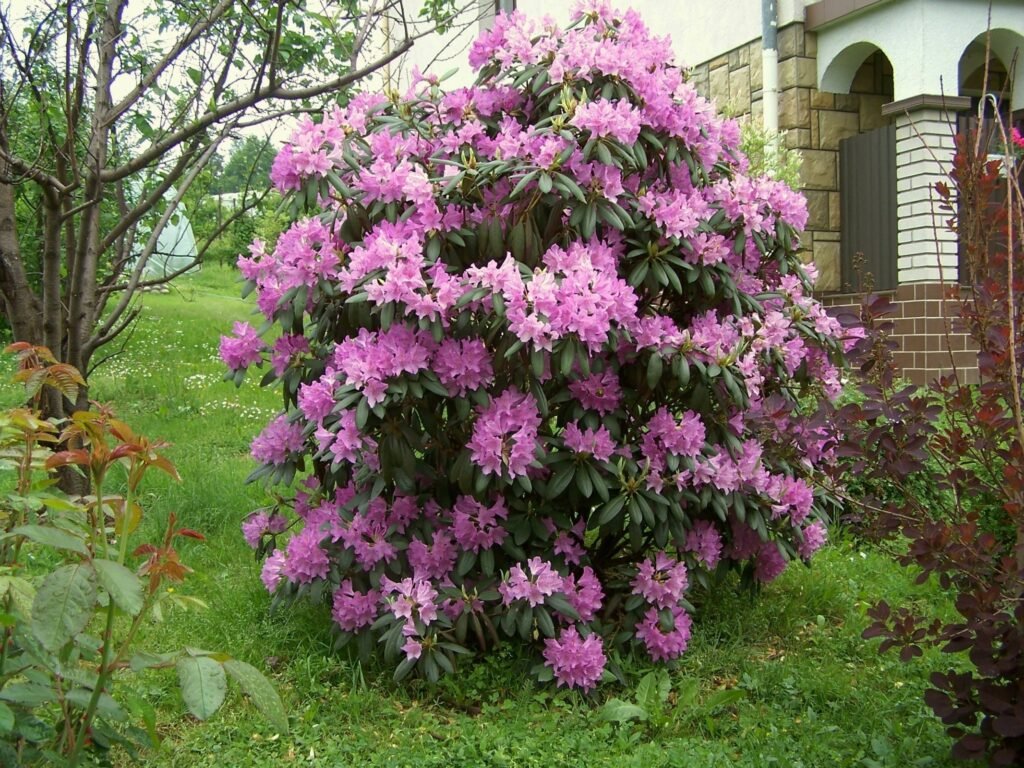
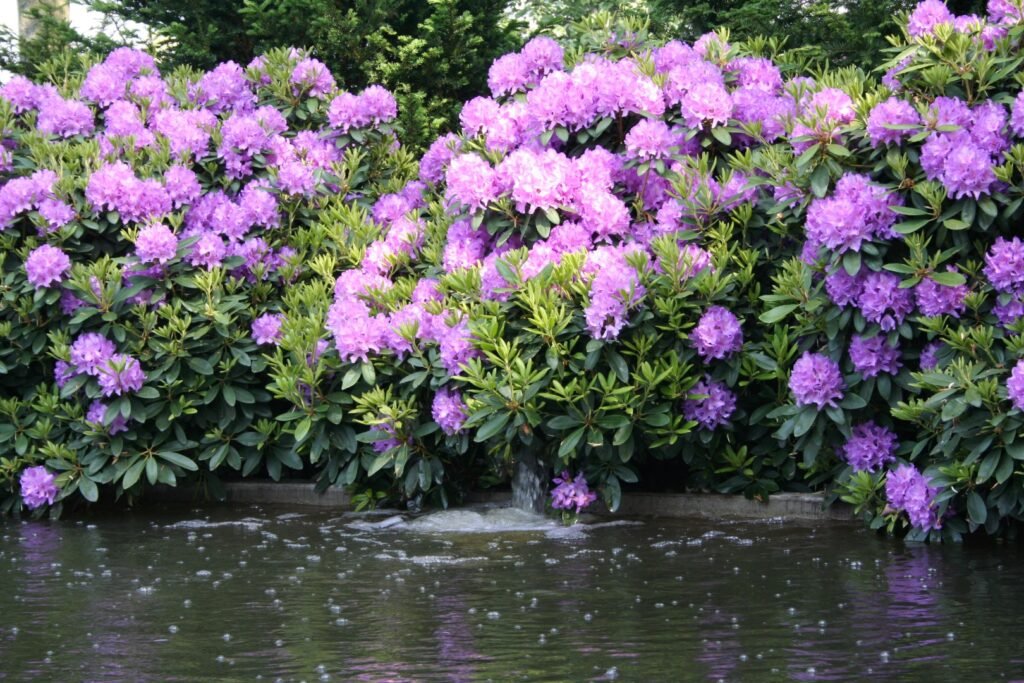
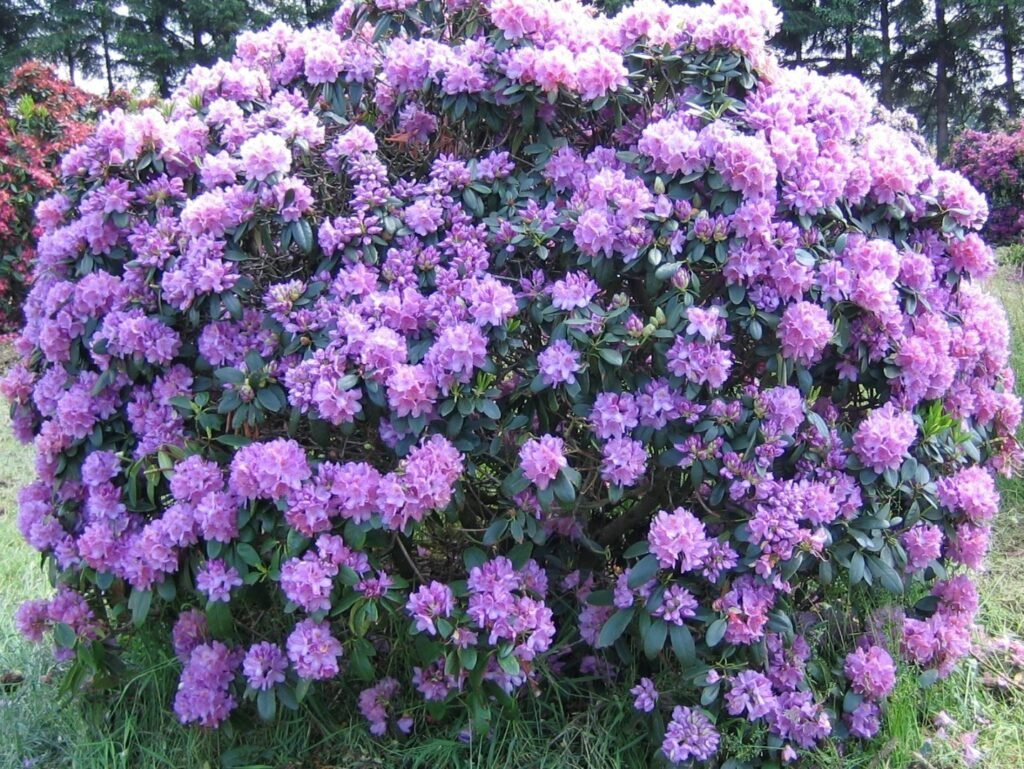
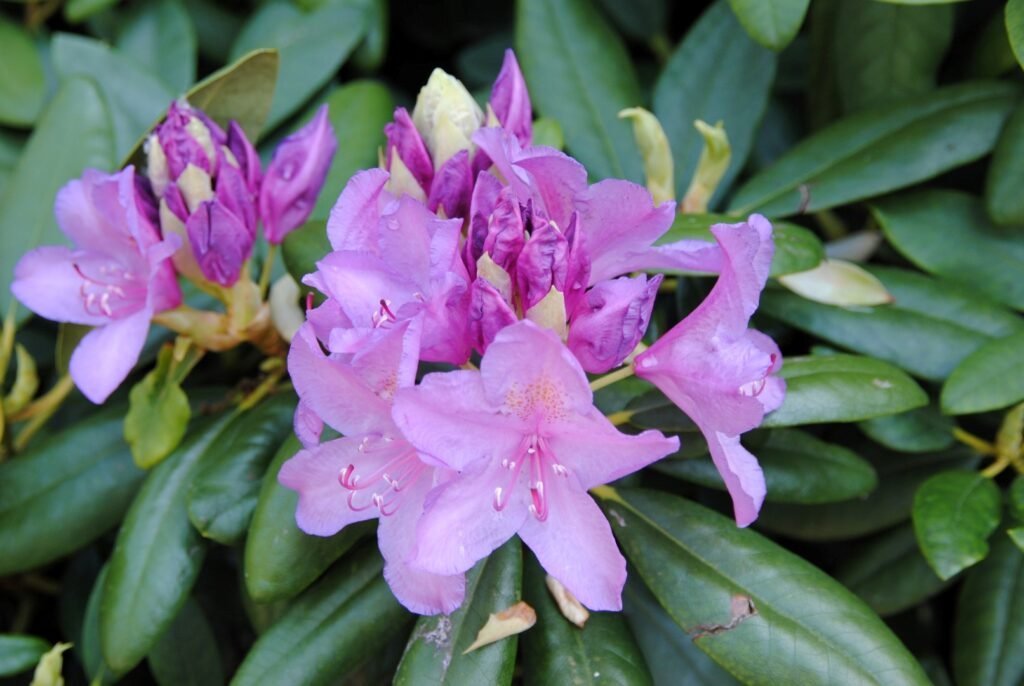
Catawba rosebay (Rhododendron catawbiense) is a classic evergreen shrub native to the Appalachian Mountains, valued for its dense foliage, show-stopping blooms, and adaptability to cool woodland landscapes. Often grouped with other rhododendrons, Catawba rosebay is exceptionally hardy, making it a favorite in ornamental gardens across temperate regions.
Below is a complete guide covering everything from growing conditions and propagation to food safety, harvesting tips, and modern landscape uses.


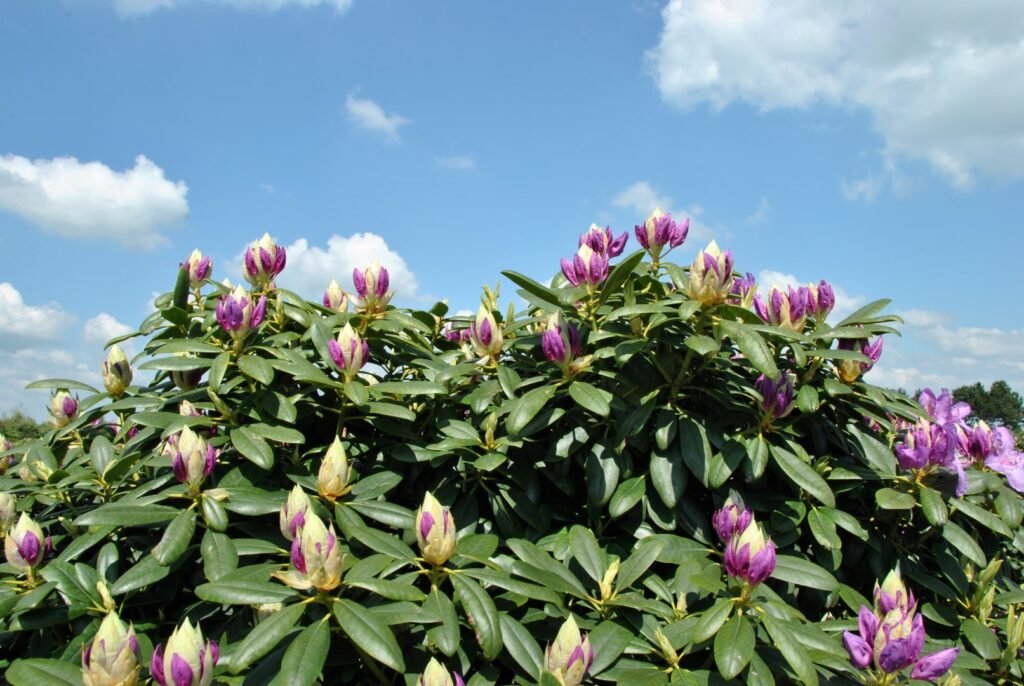
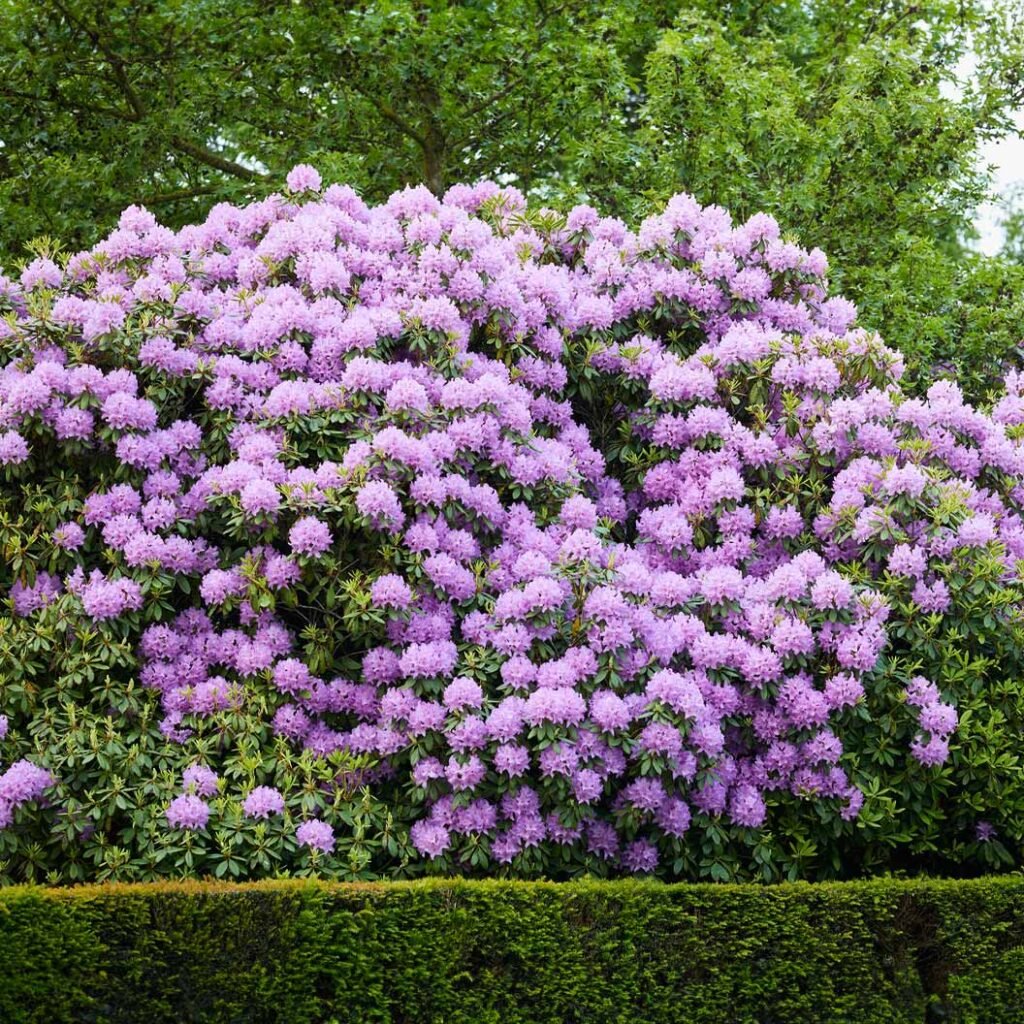
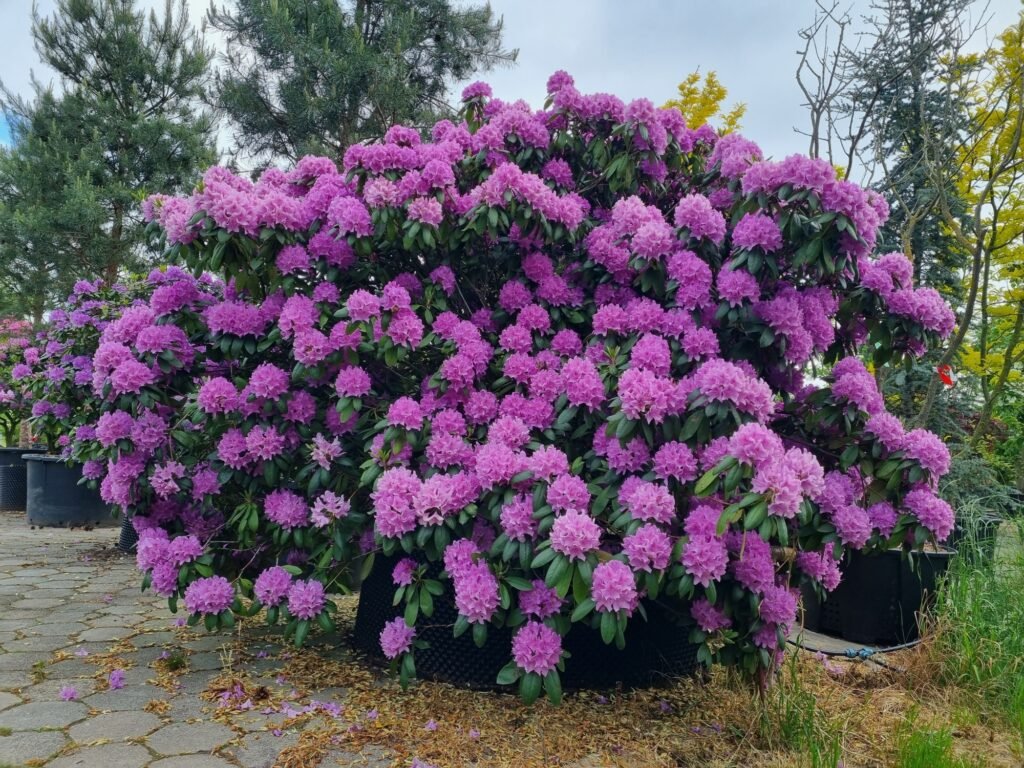


Botanical Overview
- Common Name: Catawba rosebay, Mountain rosebay
- Scientific Name: Rhododendron catawbiense
- Plant Type: Broadleaf evergreen shrub
- Family: Ericaceae
- Height & Spread: 6–12 ft tall, up to 8 ft wide
- Bloom Time: Late spring to early summer
- Flower Colors: Purple, lavender, pink, white (depending on cultivar)
- Hardiness Zones: Typically Zones 4–8
How to Grow Catawba Rosebay Successfully
Ideal Climate & Light
Catawba rosebay thrives in cool, humid, woodland conditions where soils stay consistently moist. It prefers:
- Partial shade to filtered sun
- Protection from harsh winter winds
- Cool root zones throughout the growing season
Full sun is tolerated in cooler zones but leads to leaf scorch in warmer, drier climates.
Soil Requirements
Catawba rosebay is part of the acid-loving Ericaceae family, so soil preparation is critical.
Preferred soil conditions:
- pH: 4.5–6.0 (acidic)
- Texture: Moist, well-draining, rich in organic matter
- Amendments: Leaf mold, pine bark, peat moss, or composted conifer needles
Avoid heavy clay or alkaline soil, which leads to nutrient lockout and chlorosis.
Watering & Moisture Control
Consistent moisture is key, especially during summer. Water deeply once or twice weekly but avoid waterlogging, which causes root rot.
Mulching with:
- pine bark
- shredded leaves
- aged sawdust
helps maintain cool, acidic soils and prevent moisture loss.
Fertilization Tips
Feed lightly with slow-release fertilizers formulated for acid-loving shrubs.
Apply once in:
- early spring before growth
- mid-summer if needed (avoid late-season nitrogen)
Propagation Methods
Catawba rosebay can be propagated through several approaches, each suited to different timeframes and skill levels.
1. Semi-Hardwood Cuttings
One of the most reliable options for home gardeners.
- Take summer cuttings
- Use rooting hormone
- Maintain humidity in shaded propagation setup
Rooting takes 6–12 weeks under optimal moisture and temperature.
2. Layering
Air or ground layering works well for shrubs with low branches.
- Bend branch to soil
- Wound bark lightly
- Cover with soil & stake
Roots develop over several months; plant detaches naturally by the next season.
3. Seed Propagation
Most used for breeding new cultivars rather than cloning.
- Seeds require cold stratification
- Sow in sterile acidic medium
- Keep moisture consistent
Germination can take months and plants several years to mature.
Popular Cultivars & Varieties
Breeders have produced numerous hybrids, valued for stronger blooms and improved cold hardiness.
Notable cultivars include:
- ‘Grandiflorum’ — classic lavender-purple blooms
- ‘Album’ — elegant white flowers
- ‘Roseum Elegans’ — popular landscape choice, vigorous & cold-tolerant
- ‘Nova Zembla’ — bold red to pink tones, heat adaptable
- ‘English Roseum’ — reliable in cold climates
- Wild Type (Species Form) — more subtle flower color, native vigor
Selecting varieties based on climate ensures longevity and better flowering.
Uses & Benefits of Catawba Rosebay
1. Ornamental Landscaping
The dominant use of Catawba rosebay is as a foundation shrub, hedge, or woodland accent. Its evergreen foliage provides year-round structure, while blooms deliver spring impact.
Ideal for:
- shade gardens
- woodland landscapes
- native plantings
- naturalistic designs
- privacy screens
2. Wildlife & Ecological Value
While nectar is toxic to humans, pollinators such as bumblebees still visit the flowers. Dense evergreen foliage offers shelter for birds and small woodland mammals.
3. Cultural & Historical Usage
Indigenous groups historically used rhododendron wood ornamentally and structurally, though medicinal and edible uses were avoided due to toxicity.
Food & Edibility Considerations (Important)
Unlike some edible wild shrubs, Catawba rosebay is NOT food-safe.
Parts of the plant, especially leaves, nectar, and flowers, contain grayanotoxins, which can cause:
- gastrointestinal distress
- dizziness
- nausea
- cardiac complications (in severe cases)
Historic accounts of “mad honey” poisoning stem from rhododendron nectar contamination.
Therefore:
✔ Do enjoy Catawba rosebay visually
✘ Do NOT harvest for culinary uses
Harvesting: What Can Be Harvested?
Since the plant is toxic, traditional food harvest doesn’t apply. However, gardeners sometimes harvest:
1. Cut Flowers
Use for indoor arrangements:
- Cut early morning
- Place stems in cool water
- Display away from pets & children
2. Seeds & Cuttings
Collected for propagation and breeding purposes rather than consumption.
3. Decorative Greens
Evergreen foliage sometimes used in seasonal decor.
Always exercise caution and label arrangements to avoid accidental ingestion by pets or humans.
Common Pests & Diseases
Catawba rosebay is generally resilient, though it may suffer from:
- Lacebugs
- Aphids
- Root rot (in poorly drained soils)
- Leaf spot fungi
- Powdery mildew
Good airflow, proper soil pH, and mulching greatly improve plant health.
Tips for Better Blooming
Maximize flowering by:
- Avoiding excessive shade
- Increasing soil acidity
- Watering consistently through droughts
- Pruning immediately after bloom (not late season)
- Protecting from late frost
Is Catawba Rosebay Invasive?
In most regions it is not considered invasive, especially compared to other ornamentals. Its native range and ecological compatibility make it an appropriate species for many natural gardens.
Final Thoughts
Catawba rosebay is one of the most impressive evergreen shrubs for shade and woodland gardens. While not edible and mildly toxic, it excels in ornamental landscaping thanks to its dramatic blooms, cold tolerance, and evergreen structure. With proper soil preparation and moisture management, it rewards gardeners for decades.



&media=https://food-foresting.com/wp-content/uploads/2026/01/rhododendron-catawbiense-grandiflorum-referenz.webp)