
 paulius.mikoliunas1
| Common Name | Coastal Doghobble |
| Family | Ericaceae |
| USDA hardiness | 5-9 |
| Known Hazards |  Although no records of toxicity have been seen for this species, at least one other member of this genus is said to have poisonous fruits. Although no records of toxicity have been seen for this species, at least one other member of this genus is said to have poisonous fruits. |
| Habitats | Moist woods near the coast. |
| Range | South-eastern N. America – Virginia to Florida and Alabama. |
| Edibility Rating |  (0 of 5) (0 of 5) |
| Other Uses |  (0 of 5) (0 of 5) |
| Weed Potential | No |
| Medicinal Rating |   (1 of 5) (1 of 5) |
| Care (info) |    |
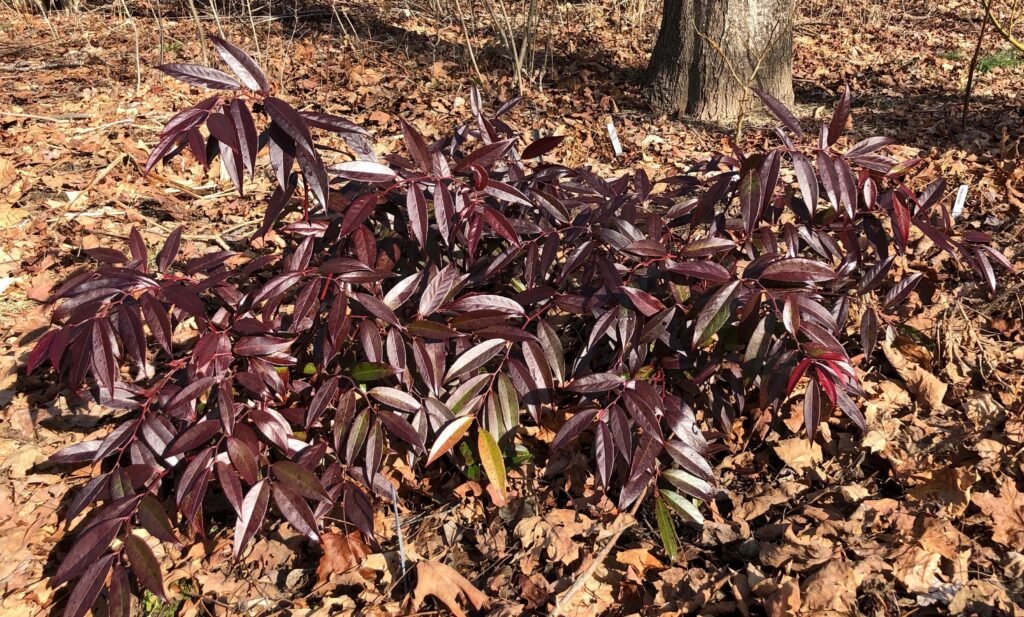
Coastal Doghobble (Leucothoe axillaris): The Ultimate Guide to Growing, Propagating, Using & Harvesting This Native Evergreen
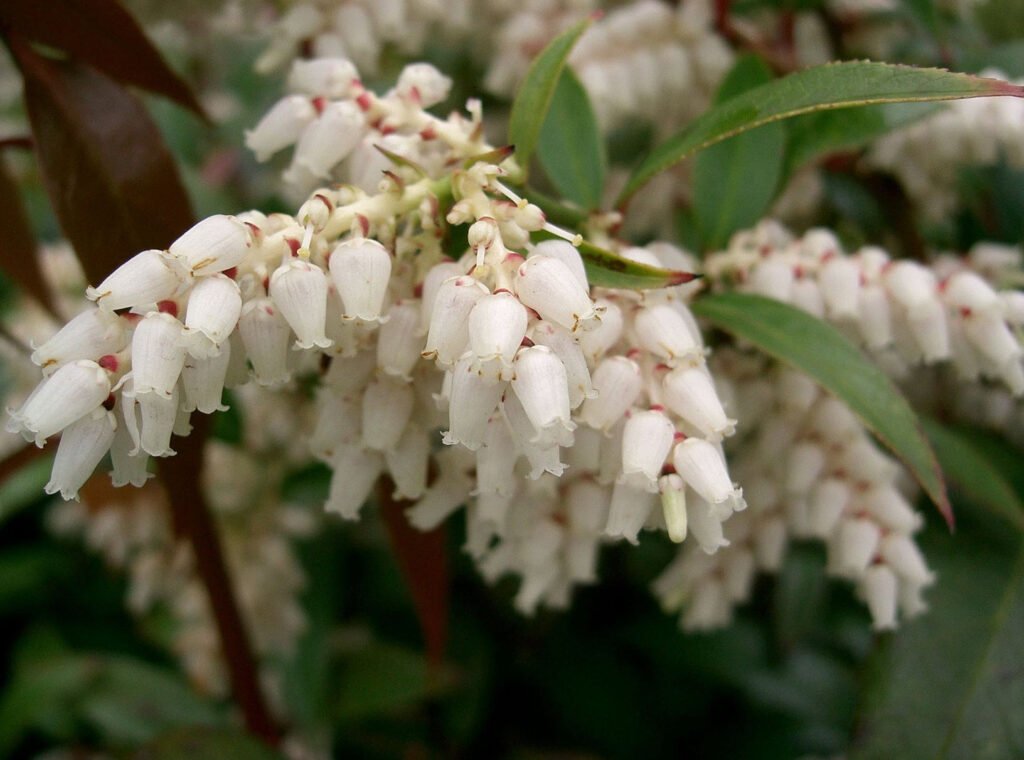
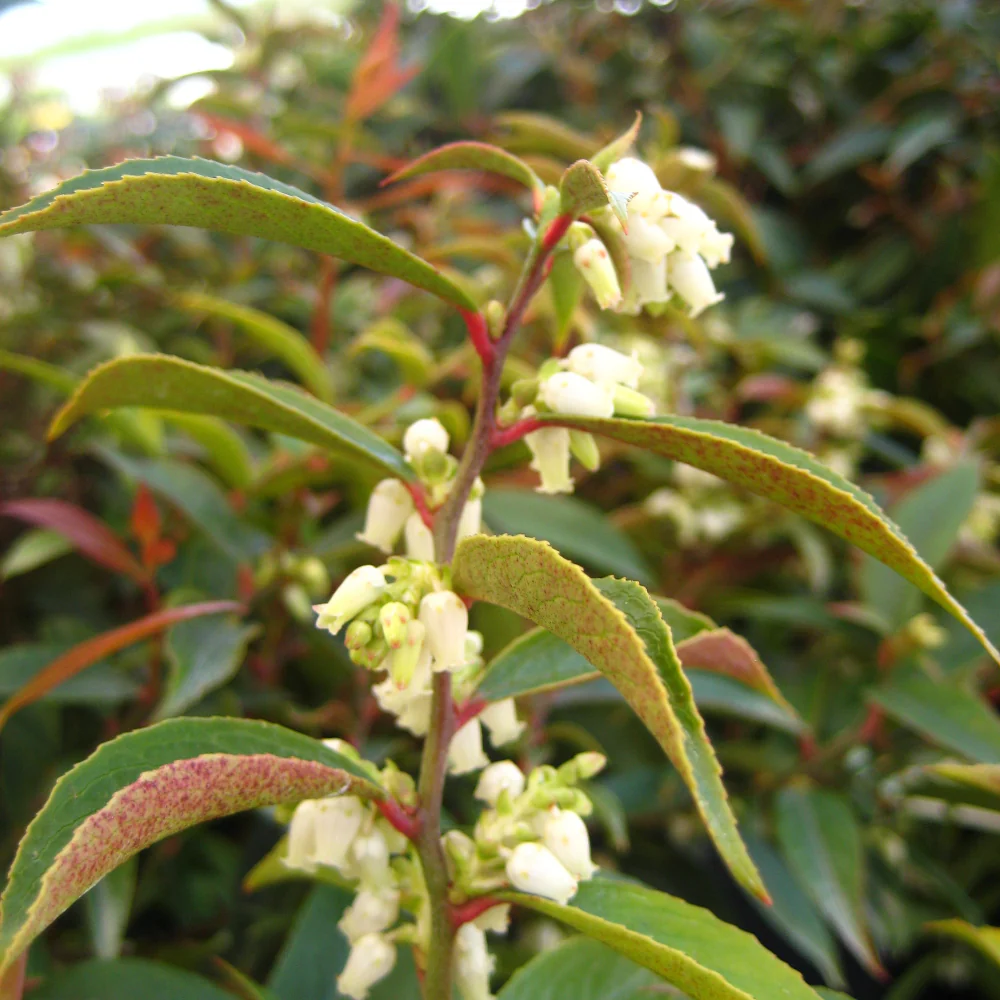
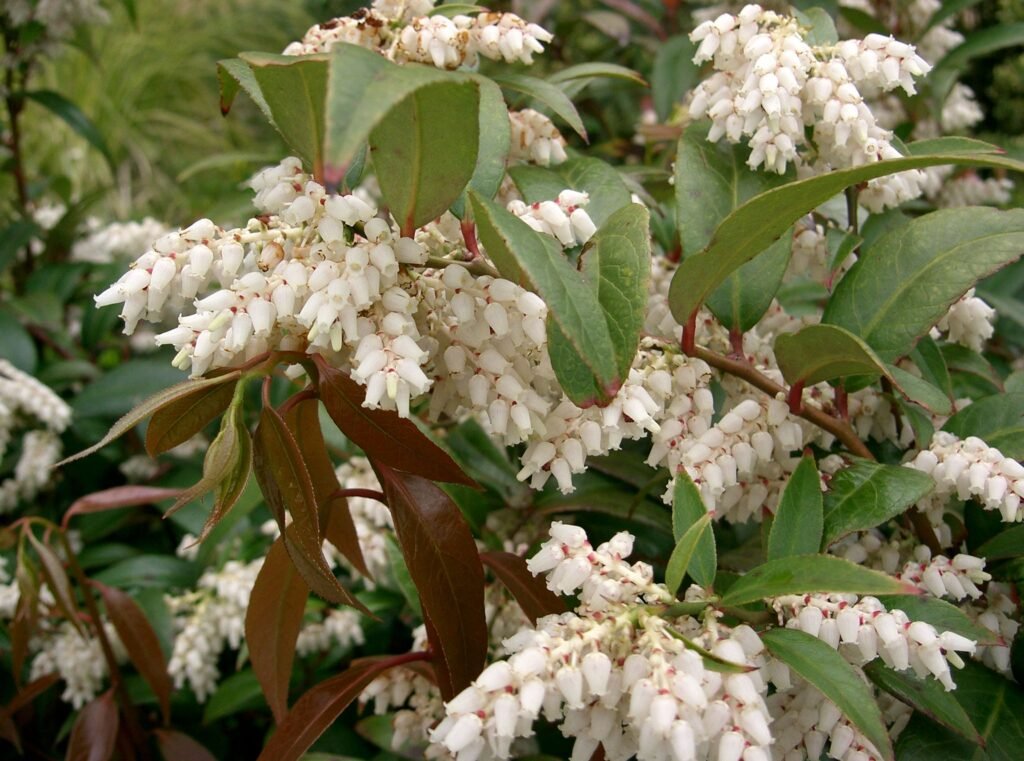
Coastal Doghobble (Leucothoe axillaris) is one of those quietly spectacular native shrubs—an evergreen woodland plant known for its graceful arching stems, glossy foliage, and clusters of delicate bell-like flowers. Often overlooked in favor of showier ornamentals, it deserves far more attention for its landscape versatility, ecological benefits, and low-maintenance growth habits.
If you’re interested in native plant landscaping, rain gardens, erosion control, wildlife support or natural woodland aesthetics, Leucothoe axillaris should be on your radar. Below, we’ll break down everything from growth and propagation to varieties, harvesting, and practical uses.
Plant Overview
- Botanical Name: Leucothoe axillaris
- Common Name: Coastal Doghobble
- Family: Ericaceae (Heath family)
- Origin: Southeastern United States (coastal wetlands & woodlands)
- Type: Evergreen shrub
- Height: 2–4 ft, occasionally taller
- Spread: 4–6 ft
- Growth Rate: Moderate
- Hardiness: USDA Zones 6–9
How to Grow Coastal Doghobble
Ideal Site Conditions
Coastal Doghobble thrives in:
✔ Moist, acidic soils
✔ Partial to full shade
✔ Woodland or riparian environments
While it prefers consistent moisture, it tolerates brief dry periods once established. Its natural habitats include swamp margins, streambanks, and maritime forests—so drainage with organic content is ideal.
Soil Requirements
- Soil pH: 5.0–6.5
- Texture: loamy, sandy, or humus-rich
- Nutrients: thrives in soils rich in leaf litter & organic material
Amending with composted pine bark or leaf mold improves performance in gardens.
Light Requirements
- Best: Dappled shade
- Tolerates: Deep shade
- Avoid: long hours of harsh afternoon sun (can scorch leaves)
Watering & Care
Newly planted shrubs require consistent moisture. Mature plants tolerate occasional dryness but perform best with mulch.
Mulching Benefits:
- preserves moisture
- suppresses weeds
- mimics woodland duff
- maintains acidic pH
Organic mulches—pine needles, shredded bark, and leaf litter—work exceptionally well.
Fertilization
Doghobble is not a heavy feeder. In fact, over-fertilization can damage its fine roots.
Recommended feeding:
- early spring: light application of acidic plant fertilizer OR
- top-dress with organic compost
Varieties & Related Species Worth Knowing
While Leucothoe axillaris is the focus, several species and cultivars enhance landscaping choices:
Leucothoe fontanesiana (Highland Doghobble)
- Larger, taller form (up to 6 ft)
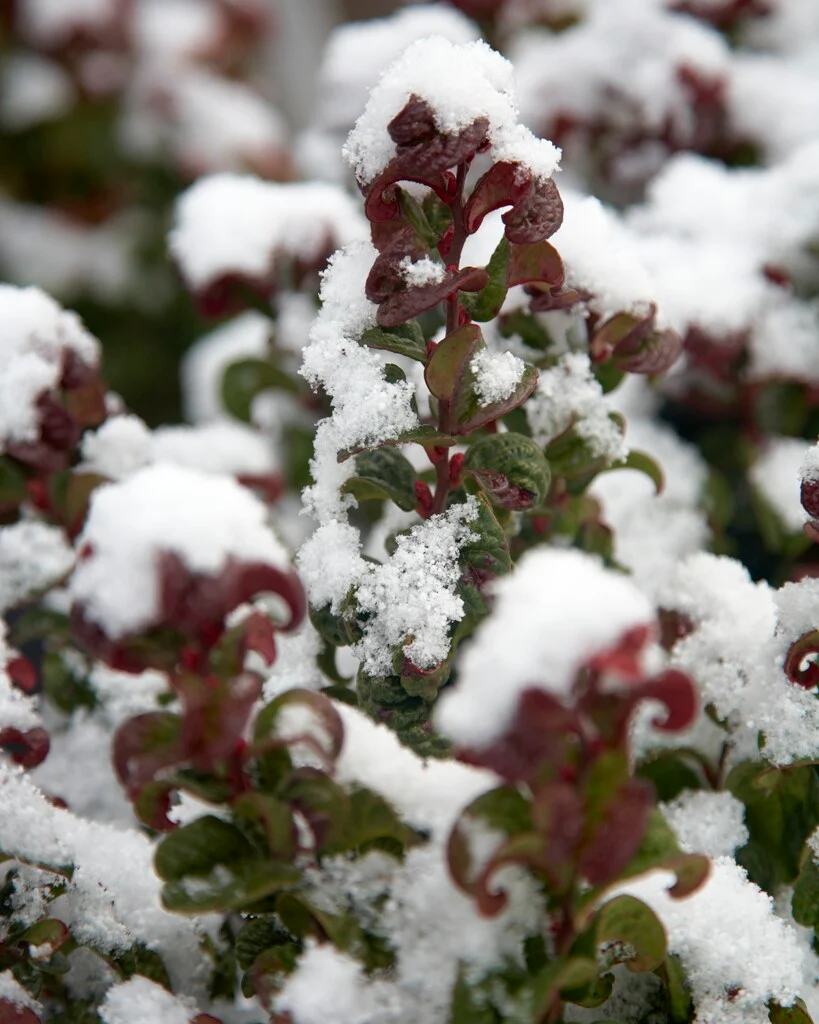
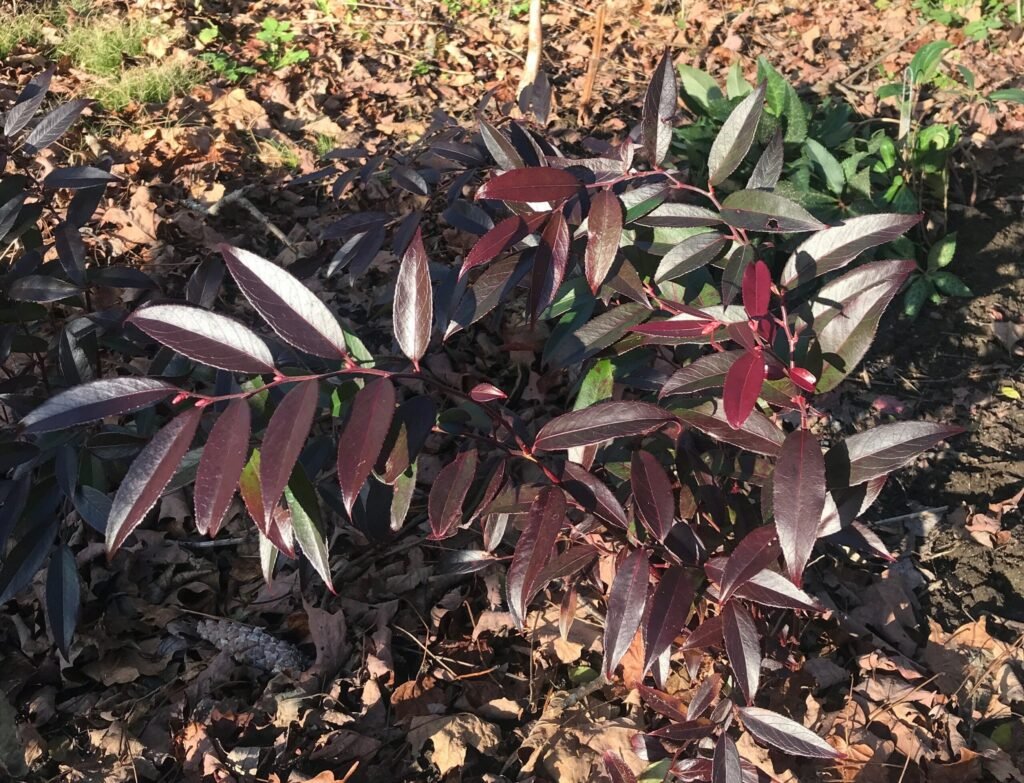
- Bronze-red new growth
- Excellent for shade gardens in cooler zones
Leucothoe keiskei
- Compact habit
- Great for small shade beds
Notable Cultivars
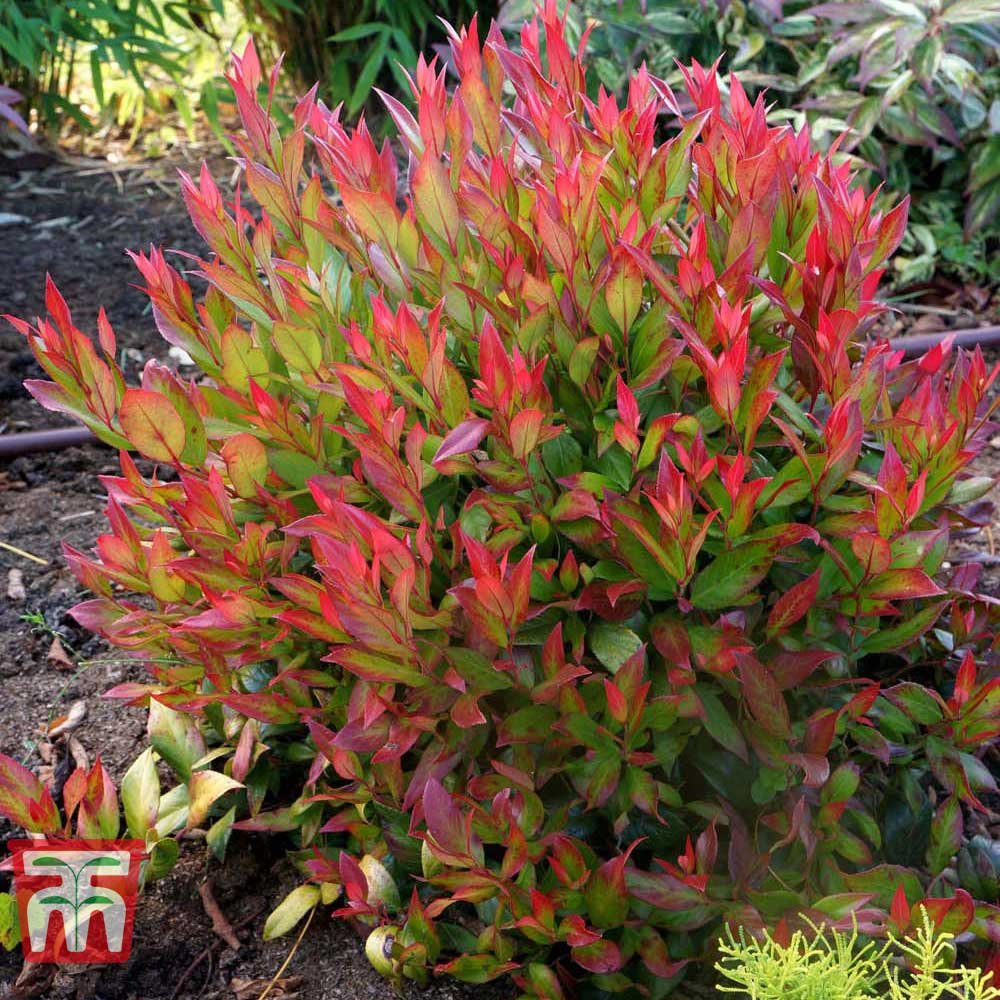
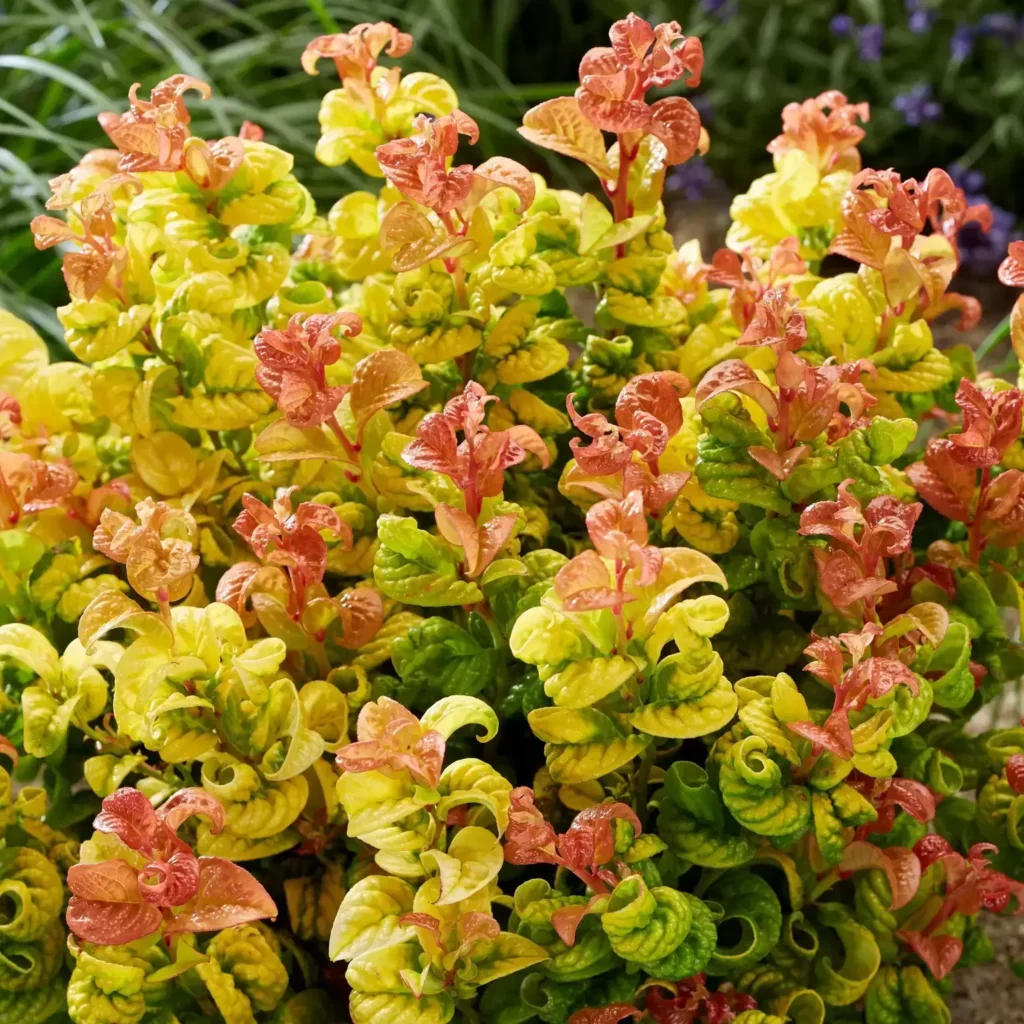
- ‘Zeblid’ / Scarletta® — known for fiery red new foliage
- ‘Girard’s Rainbow’ — variegated cream, pink & green leaves
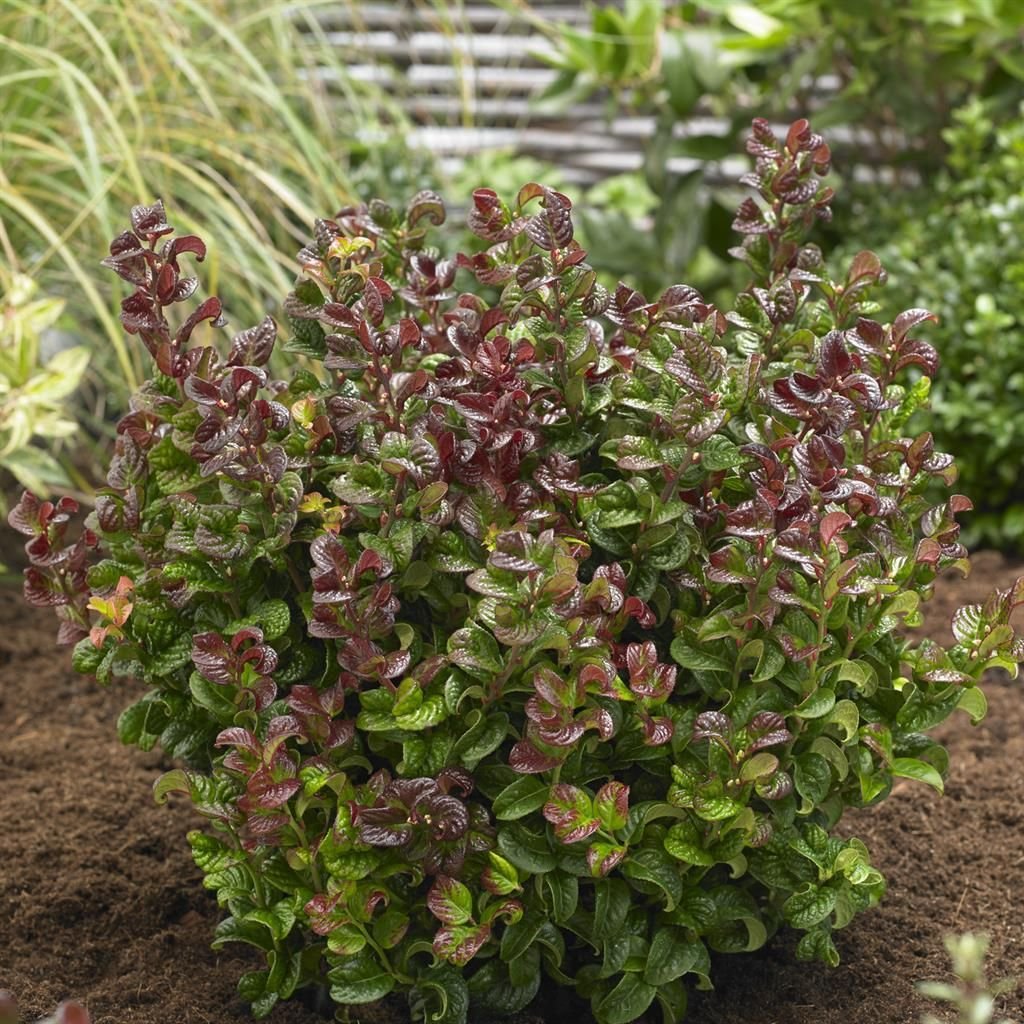
- ‘ReJoyce’ — compact, colorful, evergreen
These add ornamental flair while maintaining low-maintenance woodland characteristics.
How to Propagate Coastal Doghobble
Propagation is straightforward and reliable through cuttings, division, or layering.
1. Semi-Hardwood Cuttings (Most Common)
- Take cuttings midsummer
- Use 3–5 inch stems
- Remove lower leaves
- Dip in rooting hormone (optional but helpful)
- Root in humid, shaded medium
Rooting typically occurs in 6–10 weeks.
2. Division
- Best for mature clumps
- Perform in early spring or fall
- Replant immediately & water well
3. Natural Layering
Doghobble naturally layers where stems arch and touch soil.
To encourage:
- Pin down stems
- Cover with leaf litter & soil
- Sever once rooted
Landscape & Ecological Uses
Coastal Doghobble provides multiple functional benefits:
✔ Erosion control — along bogs, slopes, and streambanks
✔ Rain gardens & bioswales — tolerates periodic flooding
✔ Shade gardens — thrives where many shrubs struggle
✔ Native wildlife value — supports pollinators & shelter for fauna
✔ Evergreen structural interest — year-round color
Butterflies and bees visit the spring flowers, while the arching form provides shelter for frogs, lizards, and small mammals in moist woodland habitats.
Edibility & Food Uses
This plant is not considered a food crop, and Coastal Doghobble is NOT edible for humans. Members of the heath family may contain compounds unsuitable for ingestion, and it has no culinary tradition.
Important Note:
Do not experiment with consuming any plant parts.
Harvesting Coastal Doghobble (Non-Food)
While it isn’t harvested for food, gardeners and florists utilize doghobble for:
✔ Evergreen foliage for arrangements
✔ Cut stems for wreaths & holiday decor
✔ Landscape cuttings for shaping
Harvest Time
- Best during cooler months
- Cut early morning for maximum turgor
- Avoid heavy pruning during drought
Pruning & Maintenance
Minimal pruning is needed. The shrub has a naturally arching elegance.
Light pruning improves:
- structure
- air circulation
- shape control
Timing:
- right after flowering (late spring to early summer)
Common Problems & Solutions
Doghobble is generally pest & disease resistant.
Potential Issues:
- leaf scorch from hot sun
- chlorosis from alkaline soils
- drought stress in young plants
Corrective steps focus on shade, moisture, organic matter, and pH balance.
Frequently Asked Questions
Is Coastal Doghobble invasive?
No — it spreads slowly and is native to the southeastern US.
Can I grow it in containers?
Yes, provided consistent moisture and acidic soil mix.
Does it tolerate salt?
Somewhat — suitable for coastal landscapes.
Final Thoughts: Why Coastal Doghobble Belongs in Modern Gardens
Coastal Doghobble blends the qualities gardeners crave today: low-maintenance, native, wildlife-supporting, evergreen, and shade-tolerant. Whether used for woodland gardens, natural landscapes, erosion control, or as an ornamental backdrop, Leucothoe axillaris proves itself a valuable addition.
Its understated elegance suits both traditional and ecological designs, supporting biodiversity without demanding constant attention.
If you’re looking to diversify shade plantings or build resilient native landscapes, Coastal Doghobble is a winning choice.



&media=https://food-foresting.com/wp-content/uploads/2026/01/Leucothoe_axillaris2.jpg)