 paulius.mikoliunas1
How to Grow, Propagate, Use, Harvest & Enjoy David Viburnum (Viburnum davidii)
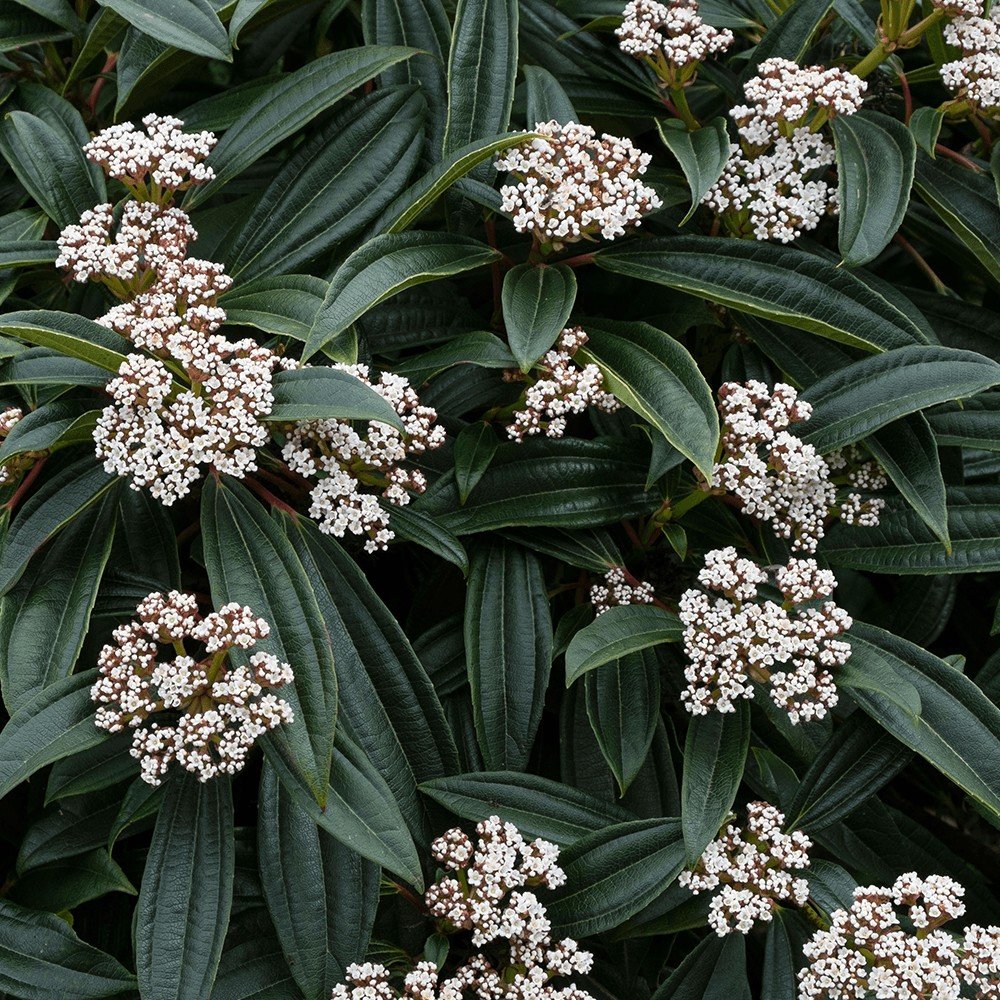
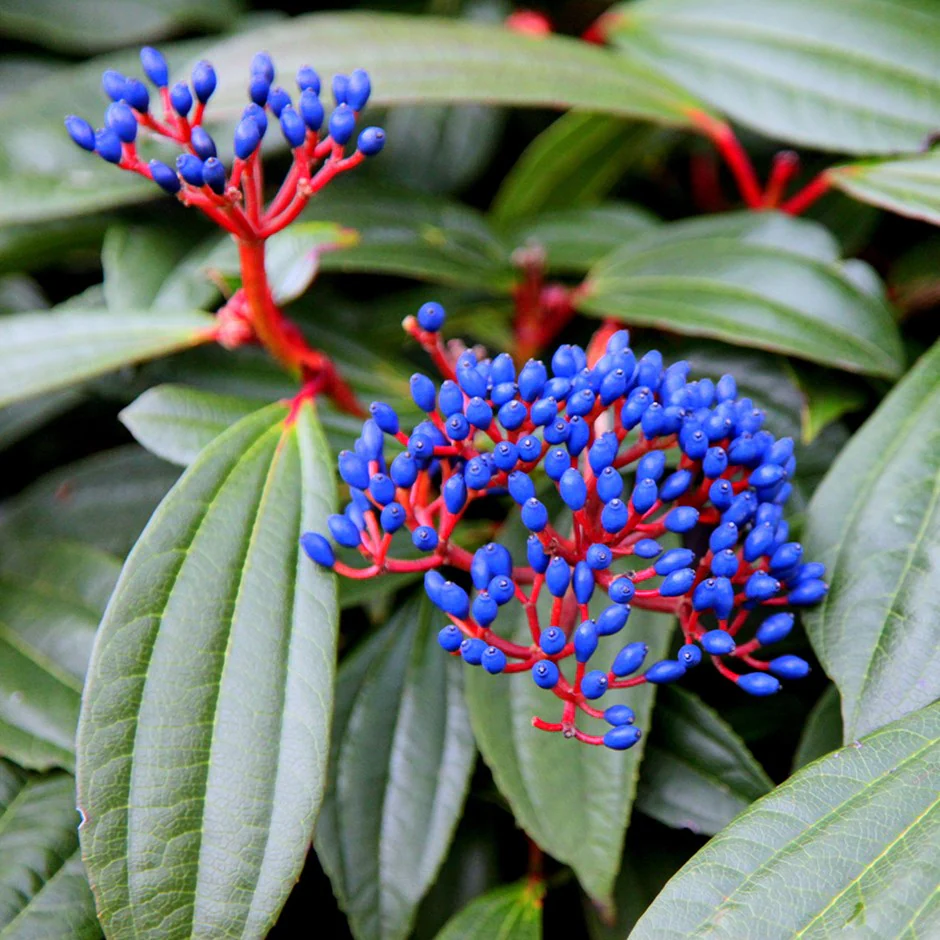
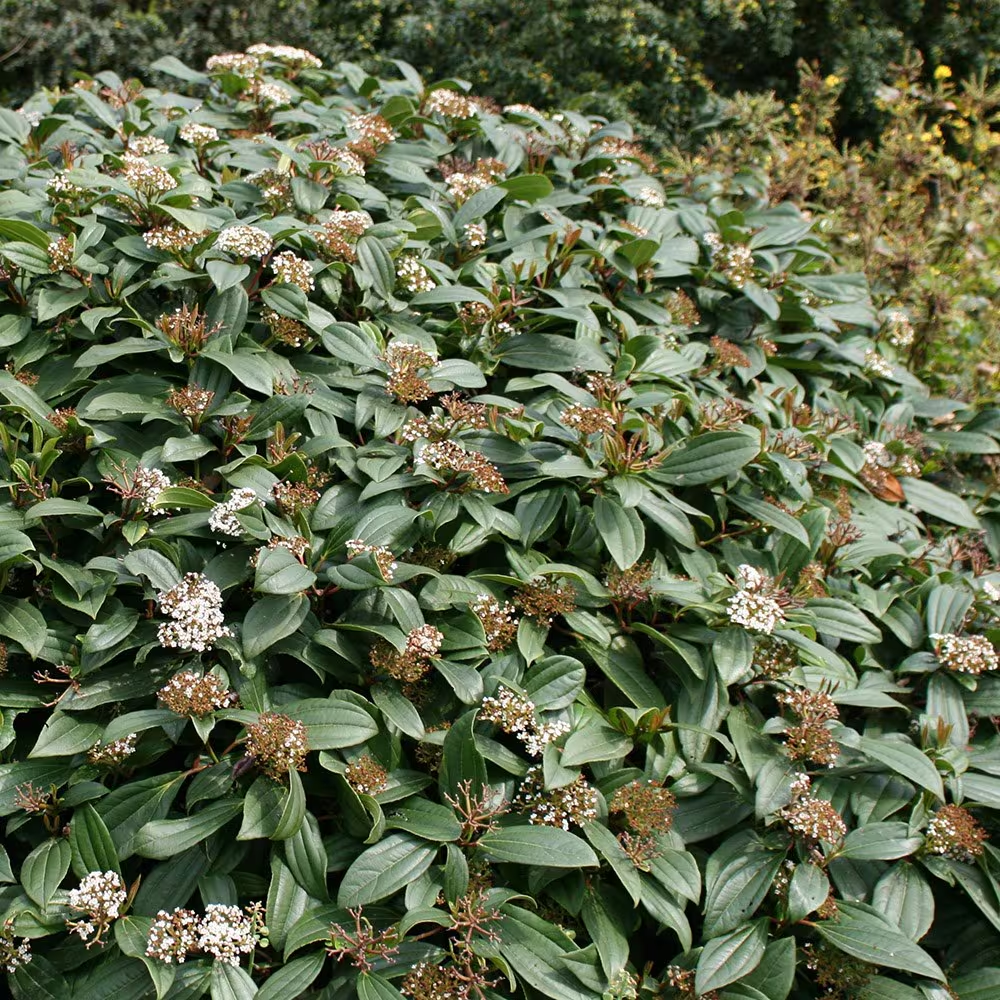
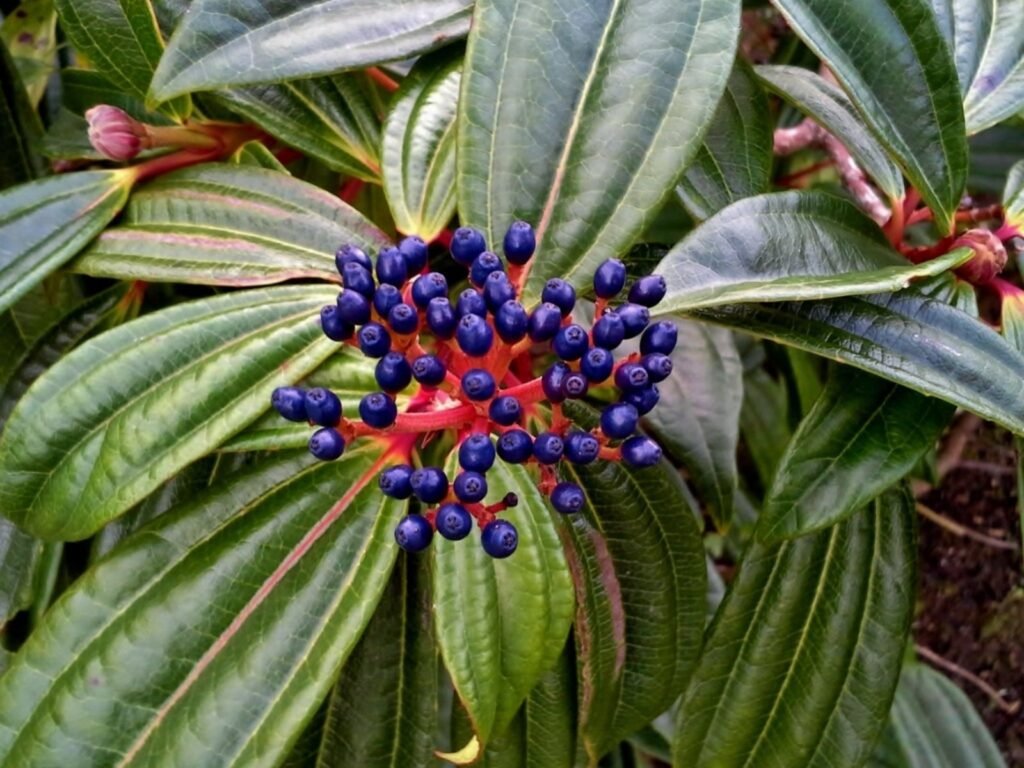
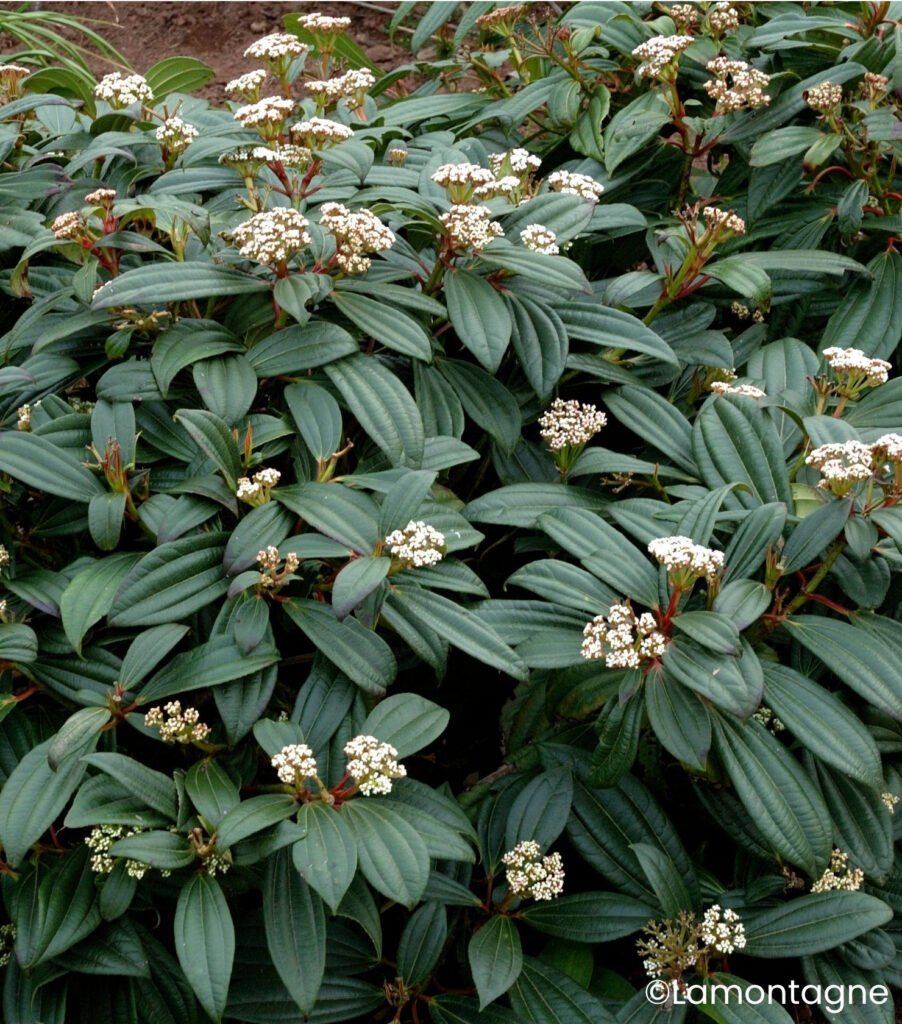
Viburnum davidii, commonly known as David viburnum, is an evergreen shrub admired for its glossy leather-green leaves, tidy mounded form, and metallic turquoise berries. This low-maintenance plant deserves more attention in ornamental gardens thanks to its structure, resilience, and subtle versatility.
Below is your comprehensive guide to cultivation, propagation, varieties, culinary potential, landscape use, and harvest considerations — optimized for both growers and landscapers.



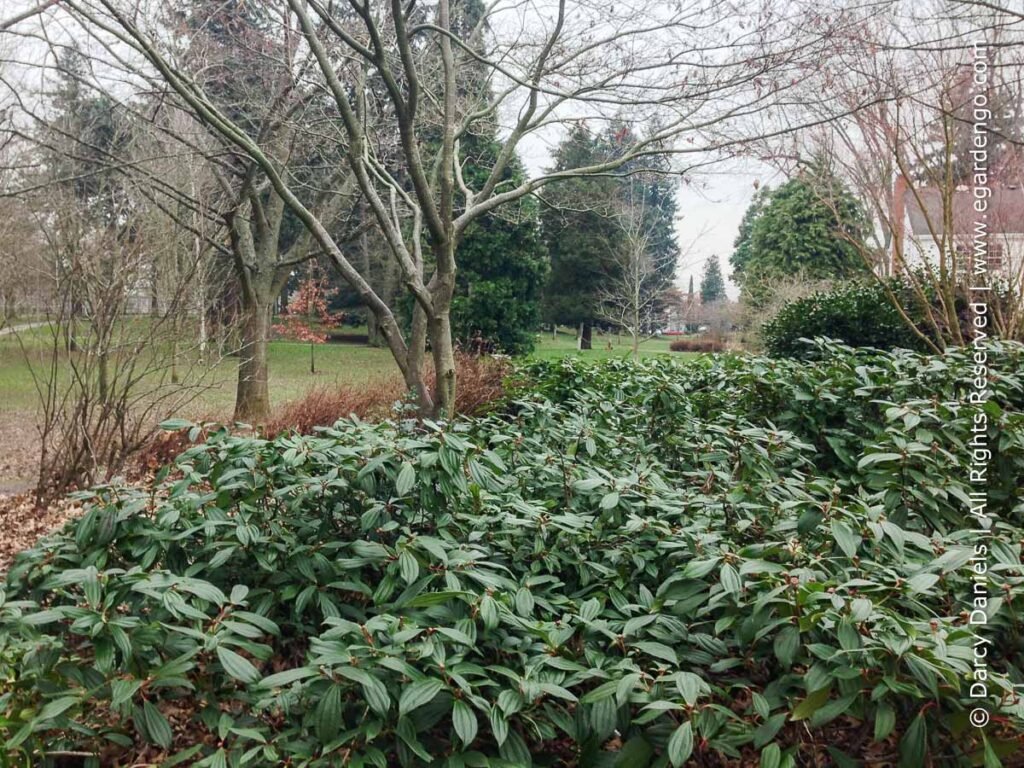

What Makes David Viburnum Special?
David viburnum brings year-round appeal:
✔ Evergreen foliage
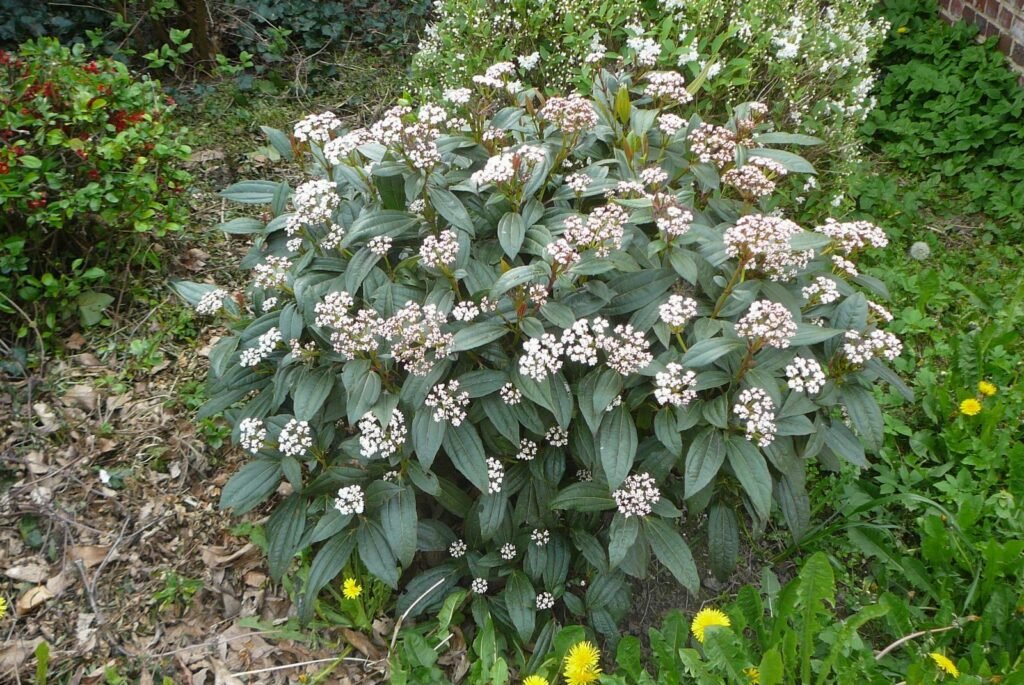
✔ Low compact form (3–5 ft)
✔ Dramatic berry clusters
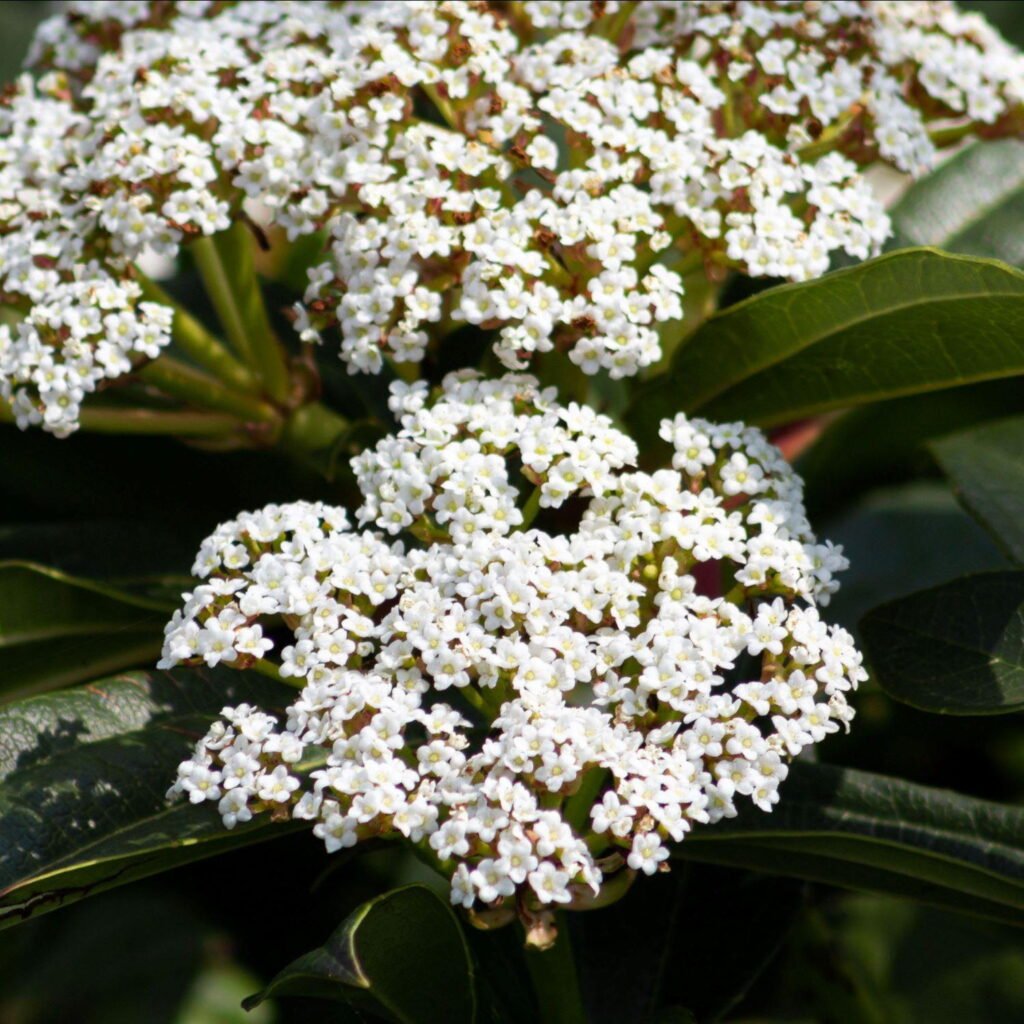
✔ Pollinator-friendly blooms
✔ Adaptable to varied design styles
It works exceptionally well in:
– Mixed borders
– Woodland edges
– Foundation plantings
– Courtyard or patio landscapes
– Mass plantings for structure
Ideal Growing Conditions
Climate & Hardiness
- Best in USDA zones 7–9
- Handles light frost but dislikes extreme heat or subzero cold
- Thrives in maritime and mild-temperate regions
Soil Requirements
- Prefers moist, well-draining soil
- Slightly acidic to neutral pH
- Organic matter encourages deeper color and better berry set
Light Exposure
- Partial shade is ideal
- Will grow in full sun in cooler climates
- Too much shade reduces flowering and berries
Watering & Maintenance
- Young plants need consistent moisture
- Once established, moderately drought tolerant
- Benefits from:
- Mulching
- Seasonal top dressing of compost
- Minimal pruning (late winter if needed)
How to Propagate Viburnum davidii
Propagation is most successful by:
✓ Semi-Ripe Cuttings (Most Reliable)
- Take cuttings in mid-late summer
- Use 4–6 inch shoots
- Remove lower leaves & use rooting hormone
- Root in humid, warm, indirect light
- Rooting time: ~8–12 weeks
✓ Seeds (Less Common)
- Seeds require cold stratification
- Slow to germinate
- Not ideal for home gardens
✓ Division (Rare)
- Only works on older clumping specimens
- Typically yields fewer plants
Varieties & Similar Species
While Viburnum davidii has few formal named cultivars, it is frequently grouped with similar evergreen viburnums including:
- Viburnum tinus (similar evergreen structure; more berries; taller)
- Viburnum × burkwoodii (more fragrant blooms; semi-evergreen)
- Viburnum cinnamomifolium (broader leaves; larger stature; bold texture)
- Viburnum × davidii hybrids (rare but bred for disease resistance & berry display)
Growers often use two or more David viburnums for cross-pollination to maximize berry yield.
Landscape & Functional Uses
David viburnum fits a variety of functional landscape applications:
1. Wildlife Gardening
- Flowers attract bees and beneficial insects
- Berries feed birds in late winter
2. Ornamental Structure
- Evergreen form gives winter backbone
- Works well as a low hedge or mass planting
3. Foundation & Screening
- Compactness prevents blocking windows
- Provides year-round privacy in rows
4. Low-Maintenance Designs
- Excellent for xeric & shade gardens (once established)
Culinary & Food Uses — Are the Berries Edible?
Many species in the viburnum genus have culinary traditions, including viburnum fruits used in preserves or sauces. However:
- David viburnum berries are generally considered ornamental
- Not known for exceptional flavor
- Not widely cultivated as food
Some gardeners report mild edibility (after cooking) while most sources advise treating them as for wildlife first.
Important: If foraging, do so with experience — and cook berries before testing any usage.
Harvesting Berries & Blooms
While not a conventional edible harvest shrub, Viburnum davidii offers valuable harvest opportunities for floral arts and wildlife management:
✔ For Floral Design
- Stems with turquoise berries are prized for arrangements
- Cut during late summer–winter
- Condition stems in cool water for longevity
✔ For Garden Management
- Harvest berries to prevent reseeding
- Leave berries for wildlife feeding if desired
✔ Timing
- Flowers: late spring
- Berries: color up early summer; hold into winter
Common Problems & Solutions
Lack of Berries
Causes:
- Absence of male & female plants (needs cross-pollination)
- Shade reduction of bloom
- Heat stress
Solution:
- Plant at least two genetically distinct shrubs
- Improve light & moisture
Leaf Chlorosis
- Indicates alkaline soil or nutrient deficiency
- Address with sulfur or organic acidifiers
Root Rot
- Caused by poorly draining soil
- Fix with raised bed or amended soil
Tips for Designing with Viburnum davidii
For strong visual impact, pair with contrasting textures such as:
- Ferns
- Heuchera
- Hellebore
- Carex
- Hydrangea
- Japanese forest grass
- Conifers (dwarf forms)
Metallic berries add unexpected color against cool foliage and muted winter palettes.
Final Thoughts
David viburnum is an underrated evergreen shrub that delivers structure, wildlife support, and seasonal interest with almost no fuss. Whether you’re designing a serene woodland edge or a contemporary evergreen border, this plant offers dependable versatility.
Its modest culinary potential distinguishes it from other fruiting viburnums, but its ornamental berries and floral value easily justify a place in the modern garden.

&media=https://food-foresting.com/wp-content/uploads/2026/01/7306.jpg)