
 paulius.mikoliunas1
| Common Name | Flowering Dogwood |
| Family | Cornaceae |
| USDA hardiness | 5-9 |
| Known Hazards |  There is a report that the fruit is poisonous for humans. There is a report that the fruit is poisonous for humans. |
| Habitats | Rich well-drained soils in acidic woods to 1500 metres. An understorey tree in dry deciduous woods. |
| Range | Eastern N. America – Maine to Florida, east to Kansas and Texas. |
| Edibility Rating |   (2 of 5) (2 of 5) |
| Other Uses |   (3 of 5) (3 of 5) |
| Weed Potential | No |
| Medicinal Rating |   (2 of 5) (2 of 5) |
| Care (info) |     |





The Complete Guide to Growing, Propagating, and Using Flowering Dogwood (Cornus florida)
Flowering Dogwood (Cornus florida) is a beloved ornamental tree known for its stunning spring blooms, vibrant fall foliage, and elegant structure. Native to eastern North America, this tree is a favorite in gardens, landscapes, and even urban settings due to its adaptability and seasonal appeal. In this guide, we will explore everything you need to know about growing, propagating, and using Flowering Dogwood, as well as its varieties, culinary uses, and harvesting tips.
Understanding Flowering Dogwood (Cornus florida)
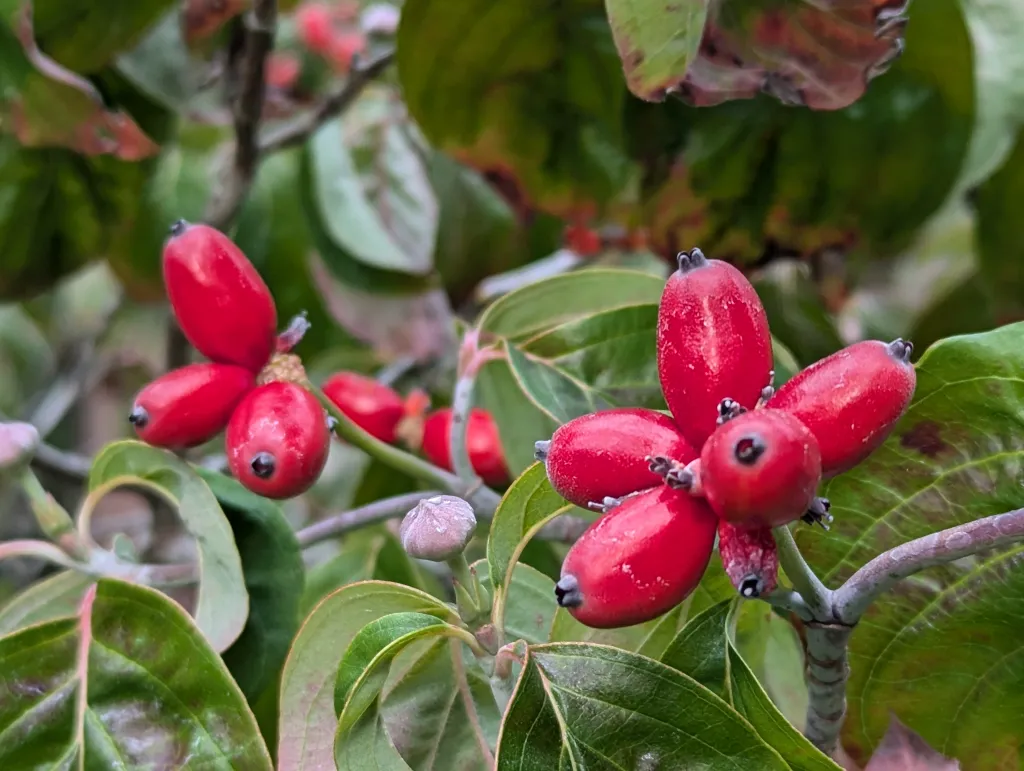
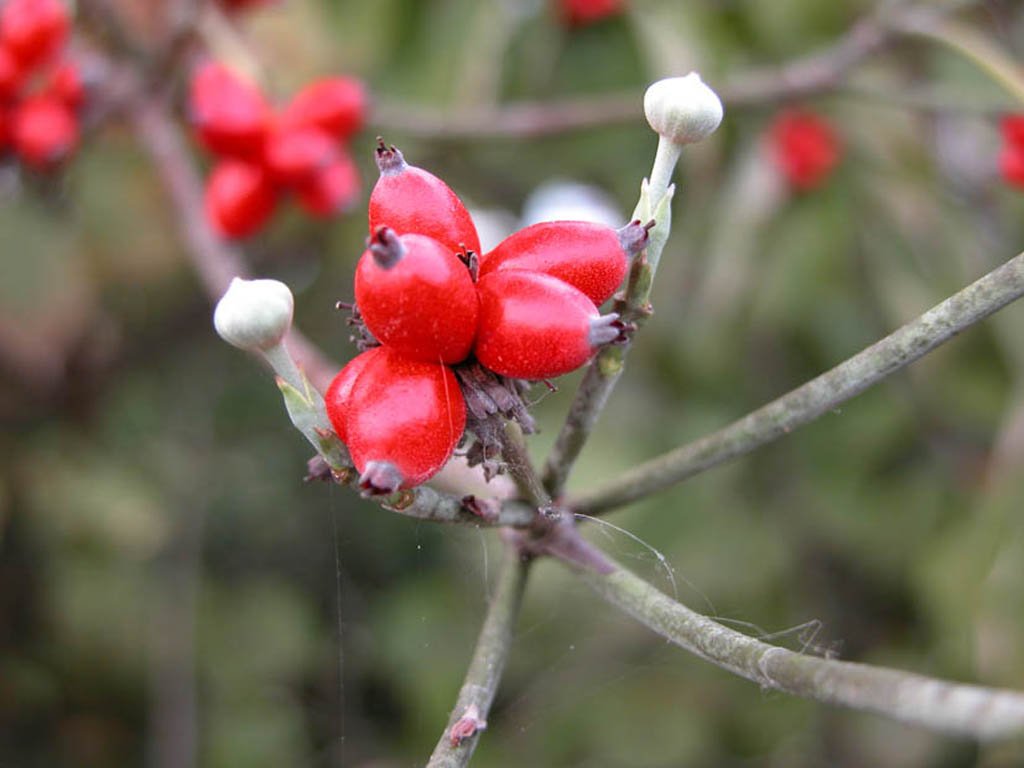
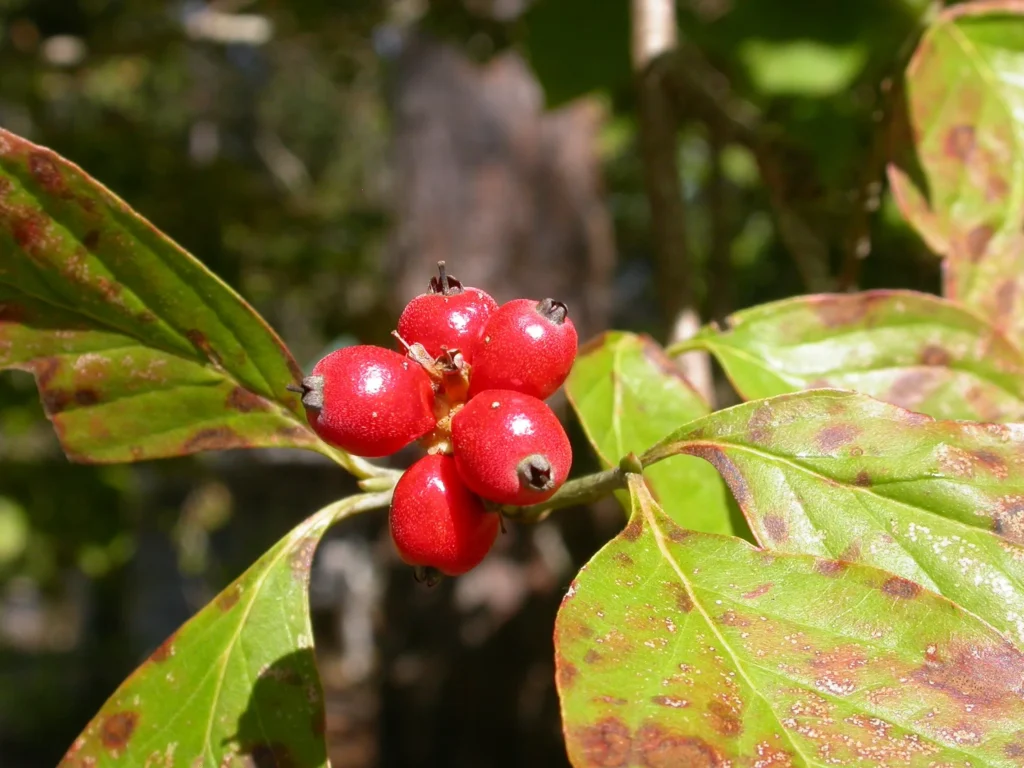
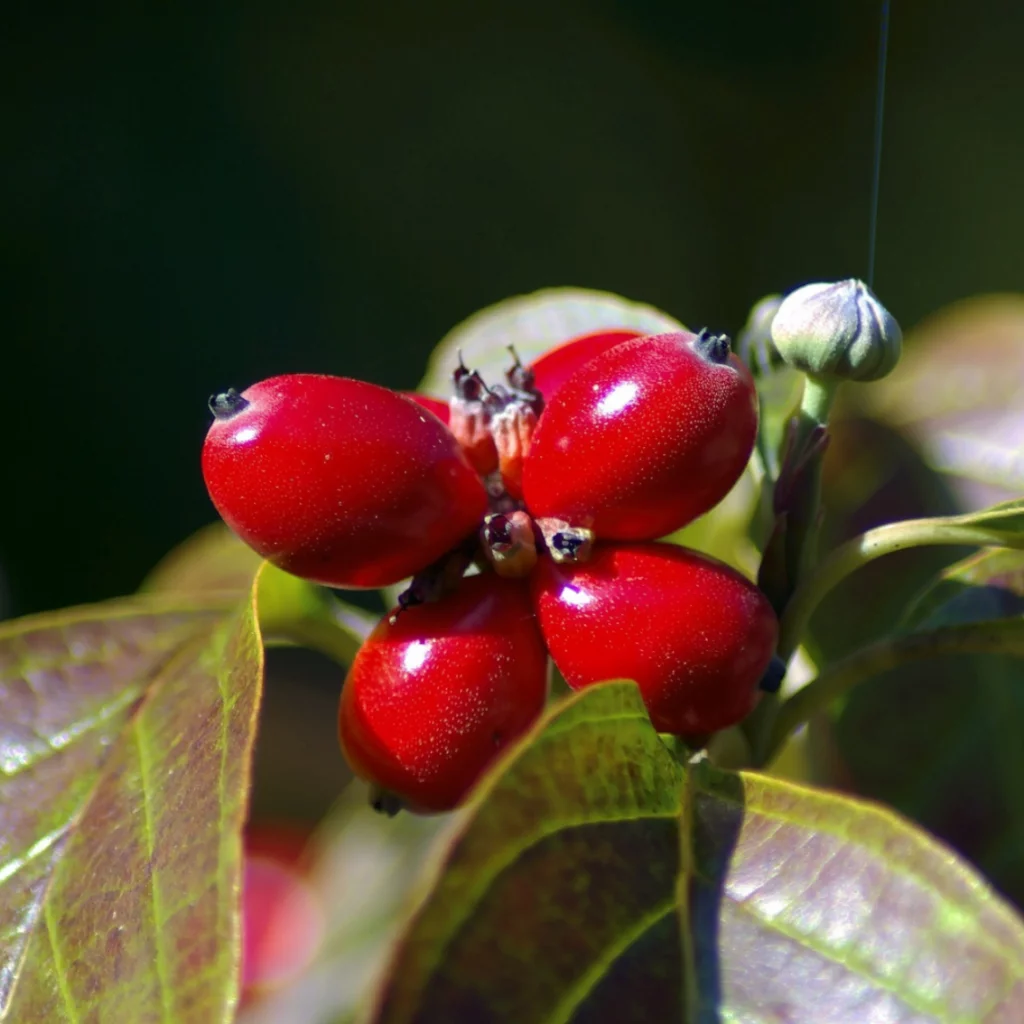
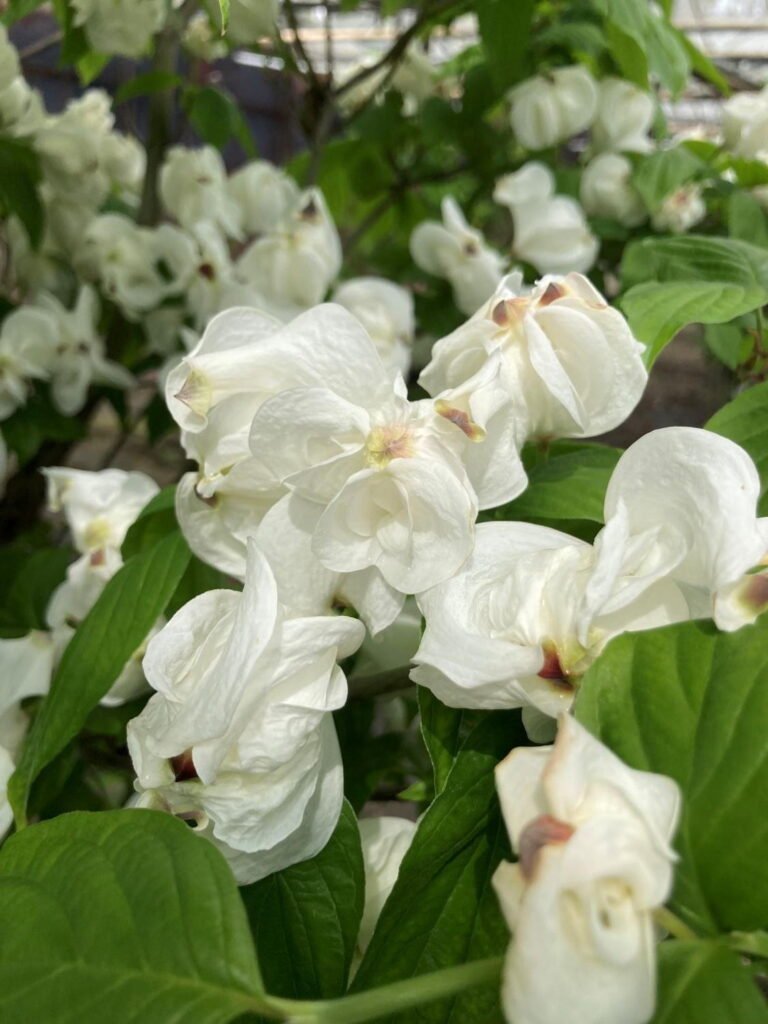
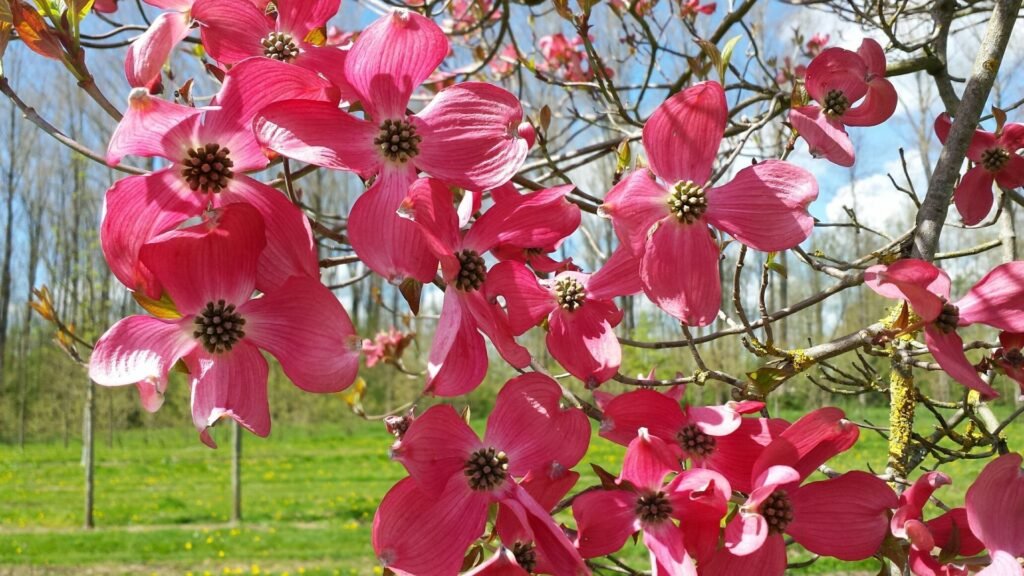
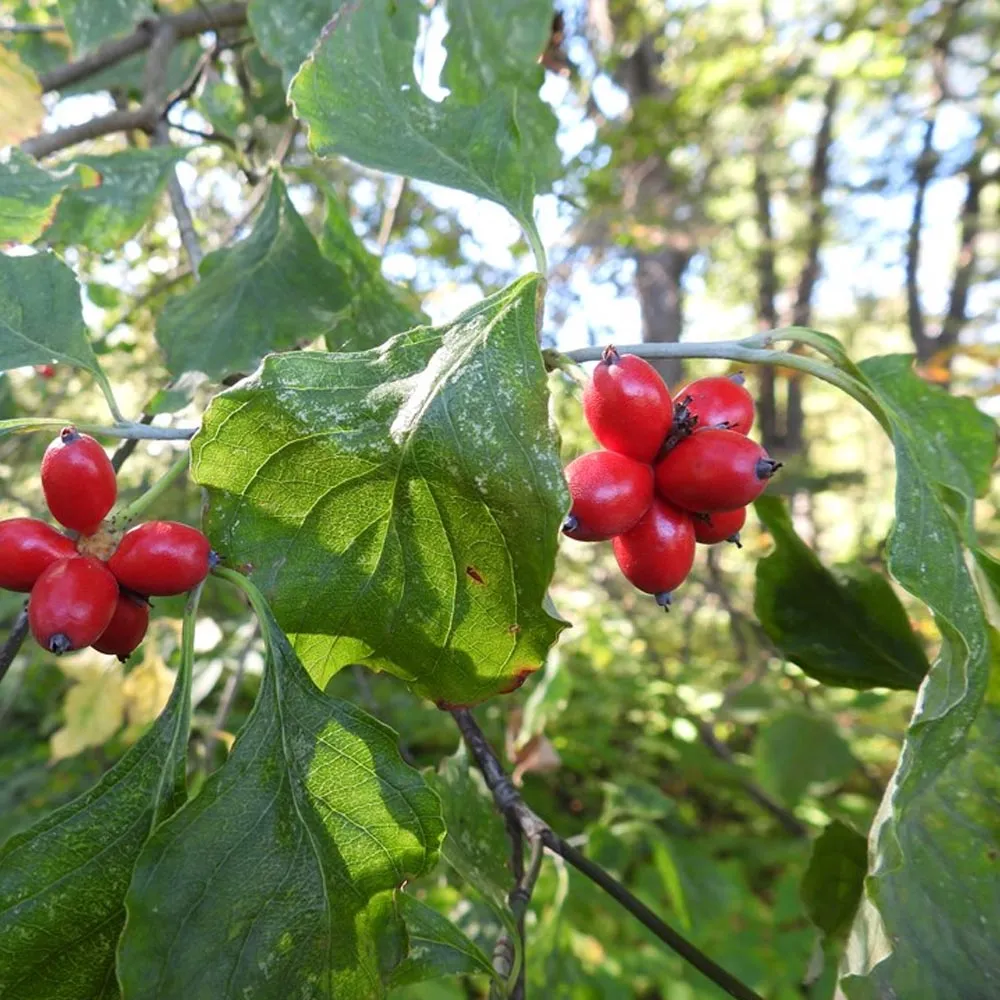
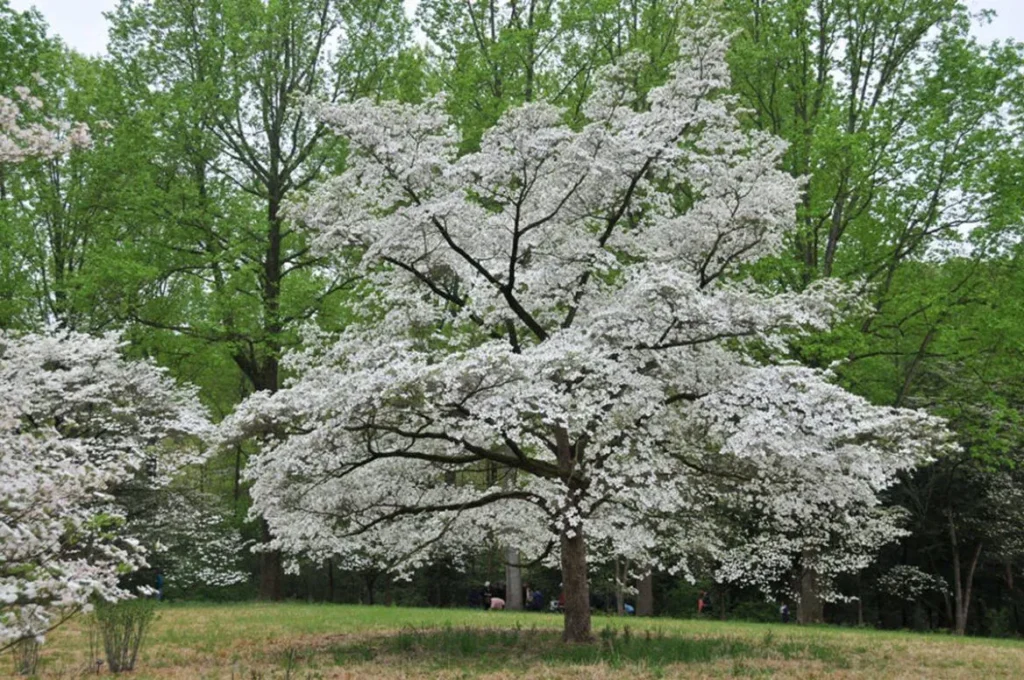
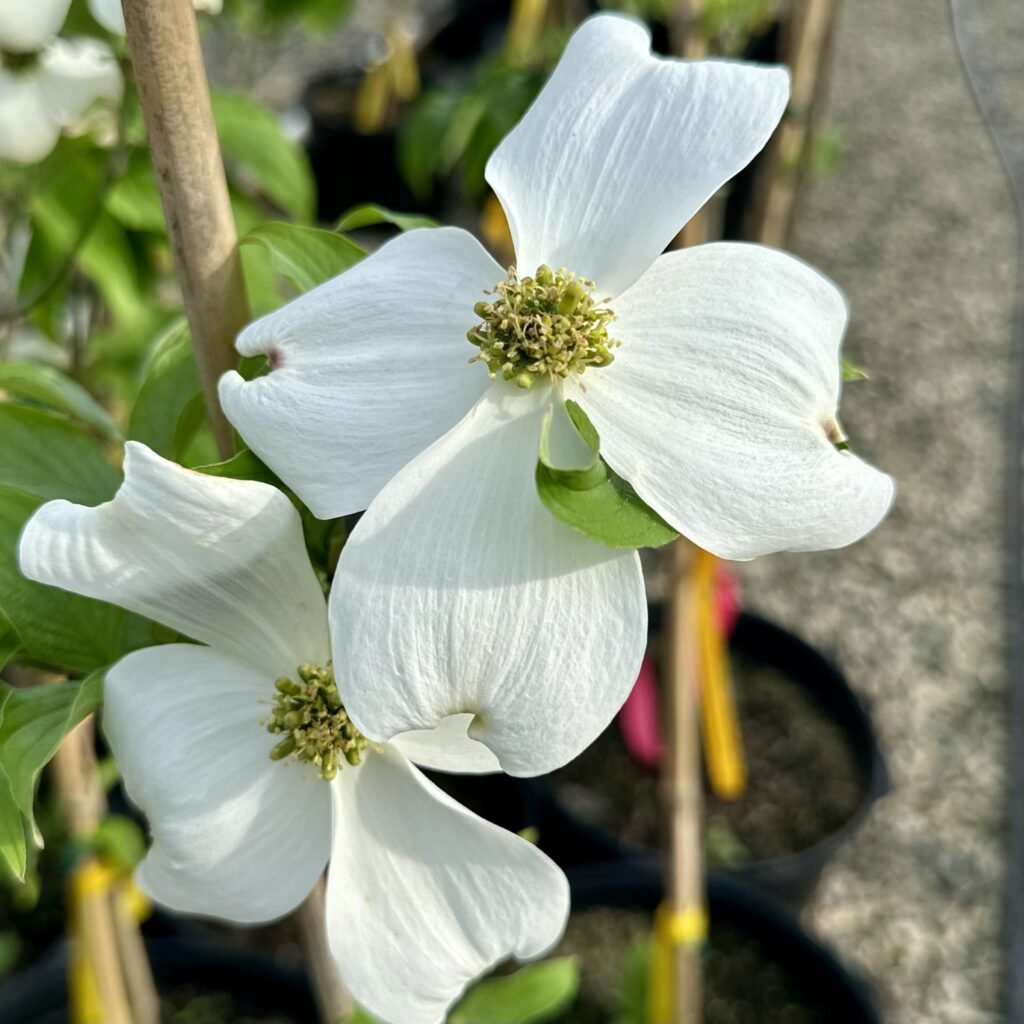
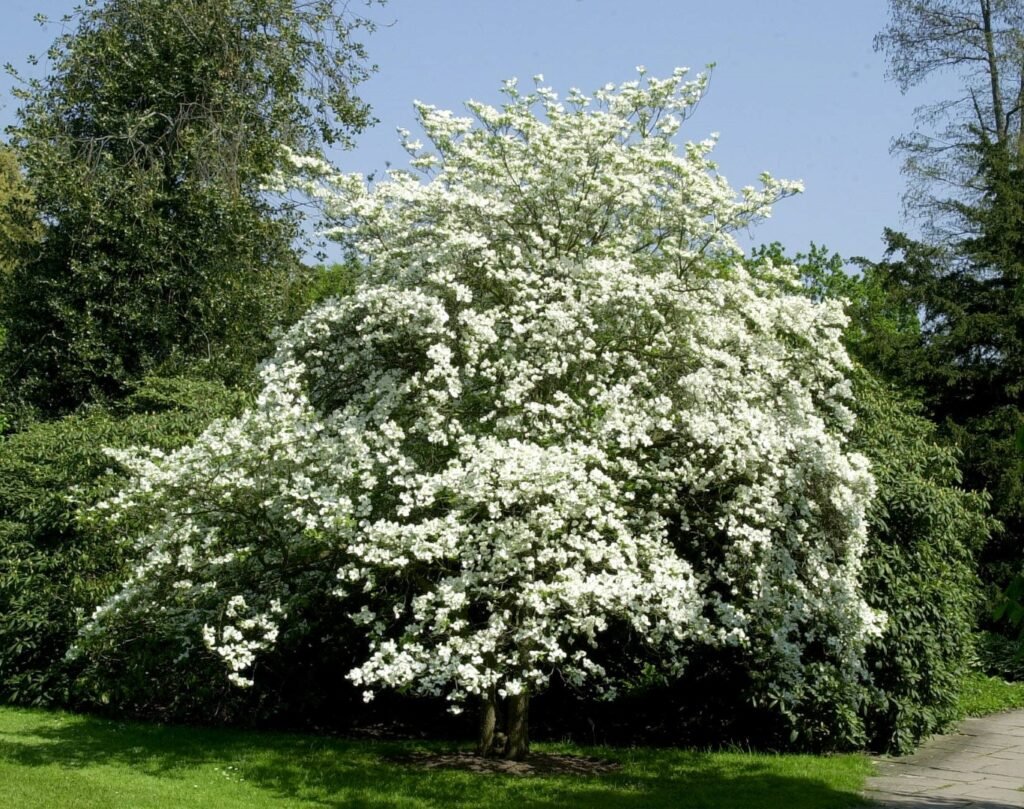
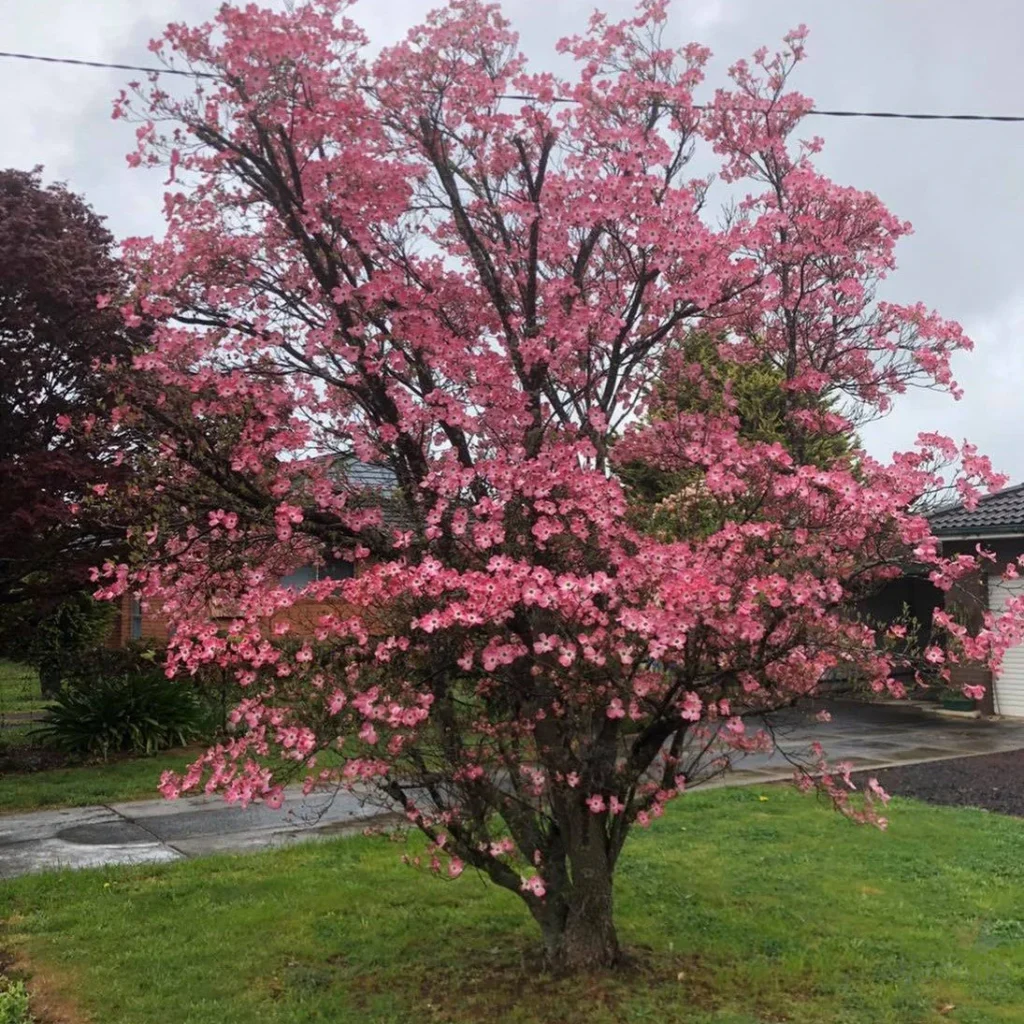
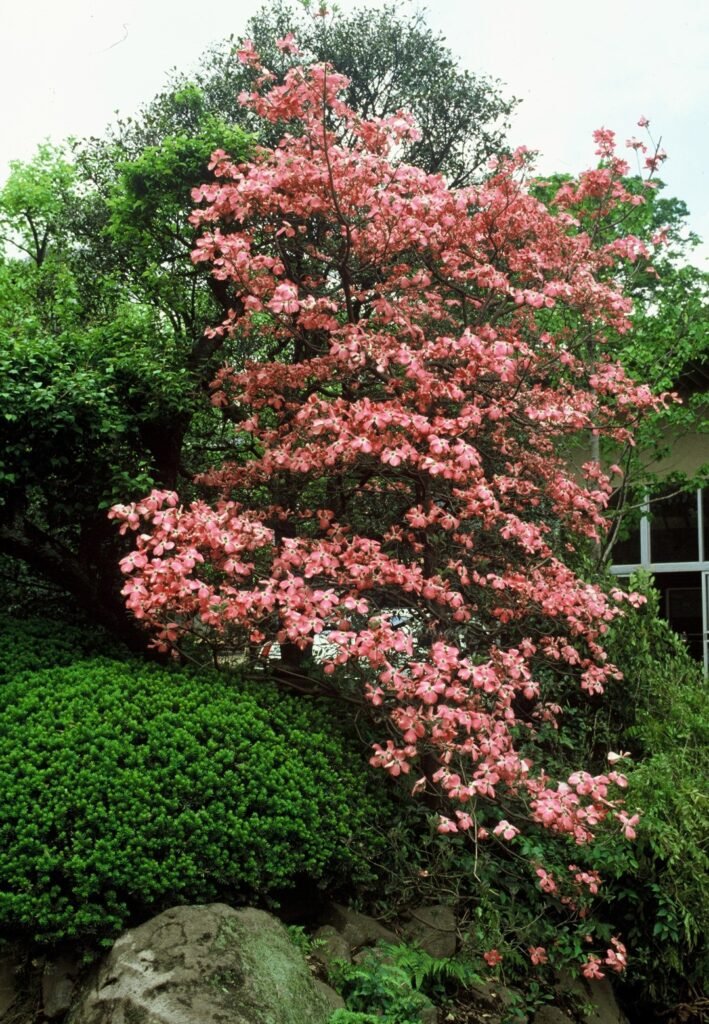
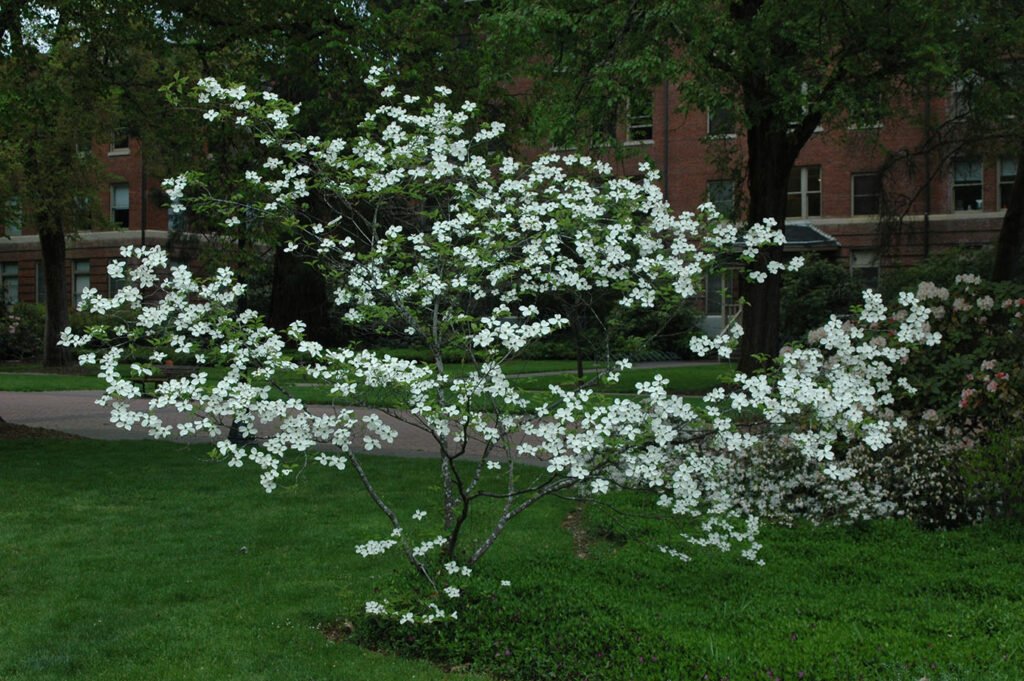
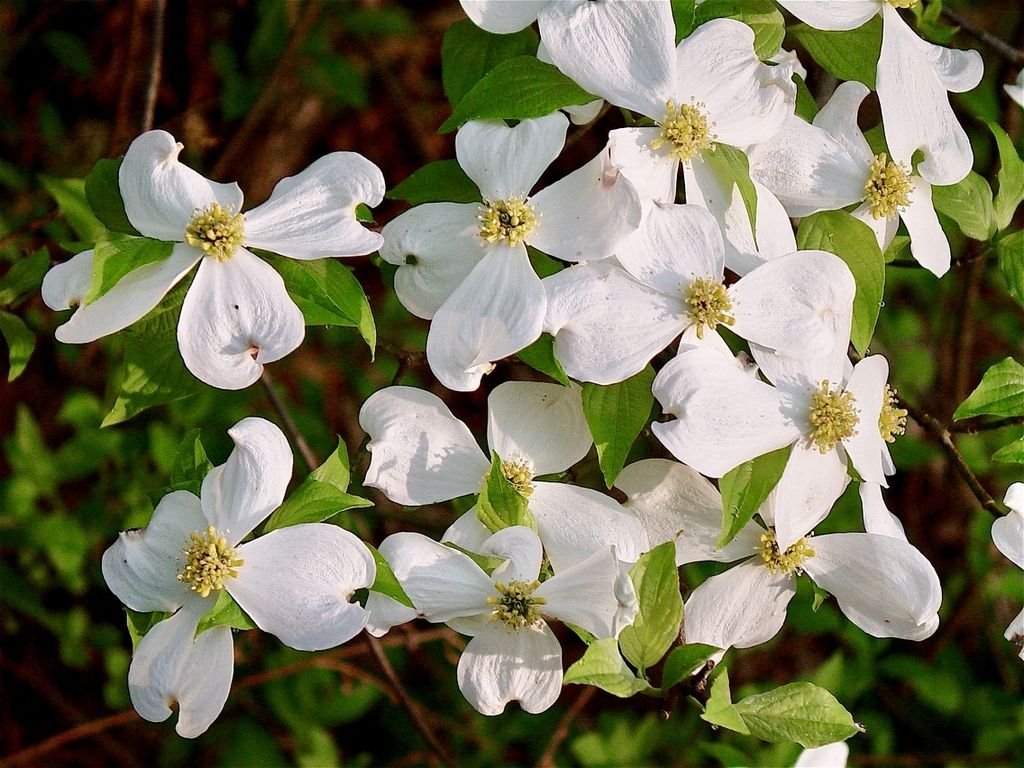
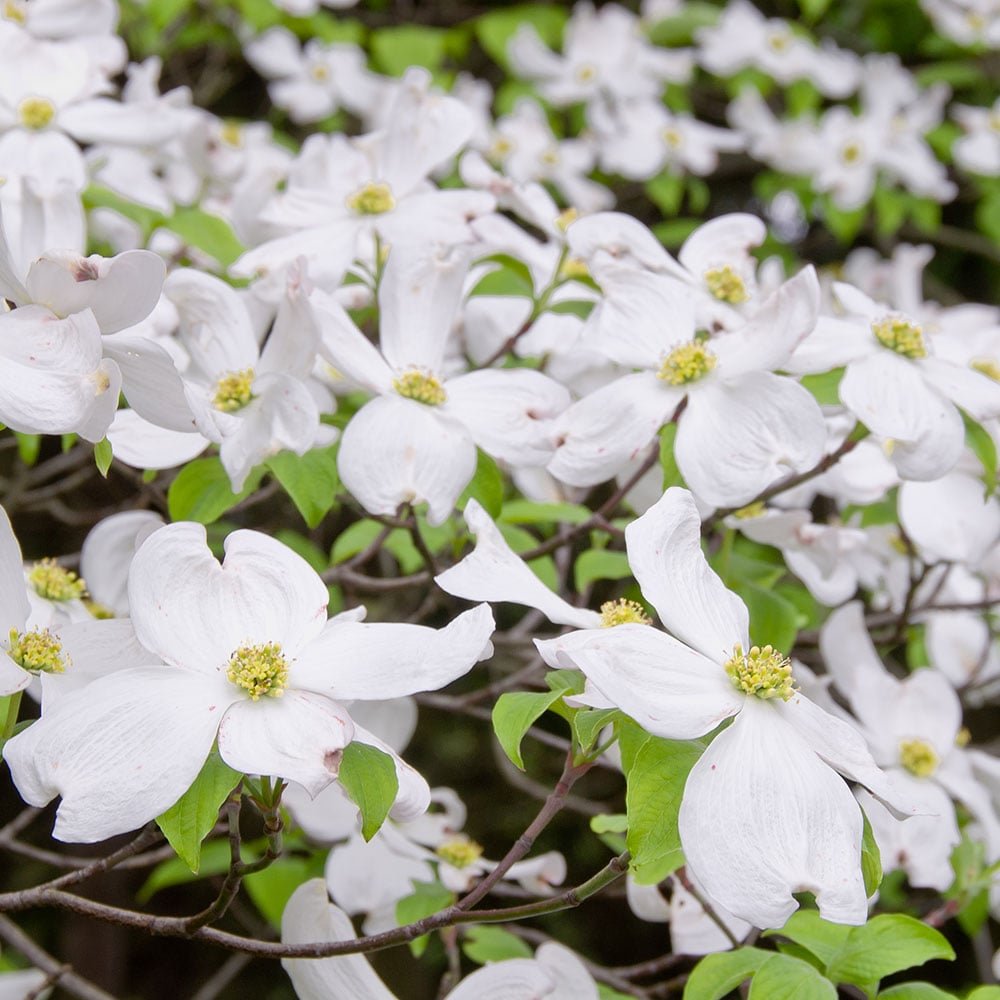
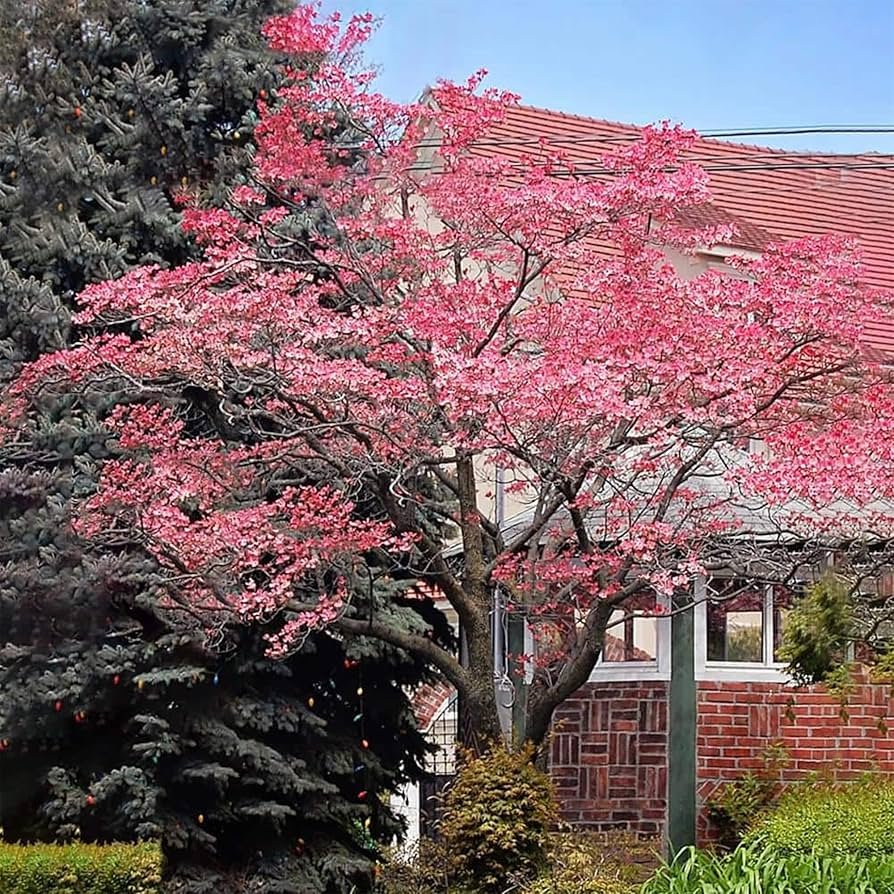
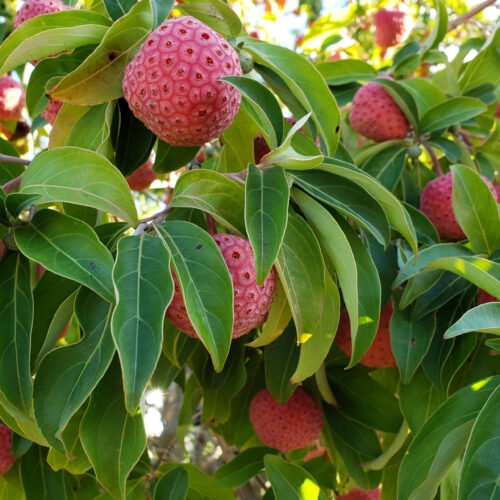
Flowering Dogwood is a deciduous tree that can reach 15–30 feet in height and 20–30 feet in spread. Its signature feature is the large, petal-like bracts that surround its tiny flowers, creating the illusion of a massive bloom. These bracts typically appear in shades of white, pink, or red during spring, making the tree a standout in any garden. Beyond its flowers, the tree produces small, red berries in late summer to fall, which are an important food source for birds and wildlife.
Flowering Dogwood prefers well-drained, slightly acidic soil and thrives in partial shade to full sun. With proper care, it can live for decades, enhancing the beauty of your outdoor space year-round.
How to Grow Flowering Dogwood
Growing Flowering Dogwood requires attention to soil, sunlight, watering, and protection from pests and diseases.
1. Soil and Location
- Soil: Well-drained, loamy, slightly acidic soil (pH 5.5–6.5) is ideal. Avoid heavy clay or overly wet soils.
- Sunlight: Partial shade is preferred in hotter regions, while full sun is suitable in cooler climates.
- Spacing: Plant trees 15–25 feet apart to allow for their mature spread.
2. Planting Tips
- Plant in early spring or fall for best results.
- Dig a hole twice as wide and as deep as the root ball.
- Mix organic compost into the soil to improve fertility and drainage.
- Mulch around the base to retain moisture and regulate soil temperature.
3. Watering
- Young trees require regular watering—about 1 inch per week.
- Mature trees are more drought-tolerant but benefit from occasional deep watering.
4. Fertilization
- Use a slow-release, balanced fertilizer in early spring.
- Avoid excessive nitrogen, which encourages leaf growth at the expense of flowers.
5. Pruning
- Prune dead or diseased branches in late winter.
- Shape lightly after flowering to maintain the tree’s natural form.
- Avoid heavy pruning, which can stress the tree.
Propagation of Flowering Dogwood
Flowering Dogwood can be propagated through seeds, cuttings, or grafting.
1. Seed Propagation
- Collect ripe berries in late summer or fall.
- Clean the seeds and cold-stratify them in a moist medium for 60–90 days.
- Sow seeds in spring in a well-draining potting mix.
- Germination may take several months, so patience is required.
2. Cutting Propagation
- Take softwood cuttings in late spring or early summer.
- Treat the cuttings with rooting hormone and plant in a moist, well-draining medium.
- Keep cuttings in indirect light and maintain high humidity until roots develop.
3. Grafting
- Often used by nurseries to propagate specific cultivars.
- Grafting ensures that desirable traits such as flower color or growth habit are preserved.
Popular Varieties of Flowering Dogwood
There are several varieties of Flowering Dogwood, each with unique characteristics:
- Cornus florida ‘Cloud 9’ – White bracts, large blooms, upright growth habit.
- Cornus florida ‘Cherokee Chief’ – Deep red bracts, smaller tree size.
- Cornus florida ‘Rubra’ – Pink to red blooms, compact form, excellent for small gardens.
- Cornus florida ‘Appalachian Spring’ – White blooms, disease-resistant, strong growth.
- Cornus florida ‘Stellar Pink’ – Vibrant pink flowers, prolific bloomer.
Selecting the right variety depends on your climate, garden size, and preferred bloom color.
Uses of Flowering Dogwood
Flowering Dogwood is versatile and can enhance gardens and landscapes in multiple ways:
- Ornamental Tree: Its spring blooms and fall foliage make it a focal point.
- Shade Tree: Provides dappled shade in smaller gardens.
- Wildlife Habitat: The berries attract birds like robins, cardinals, and cedar waxwings.
- Erosion Control: Its shallow but wide-spreading roots help stabilize soil on slopes.
Culinary and Food Uses
While Flowering Dogwood is primarily ornamental, its berries have some culinary uses:
- Cornelian Cherry Type Dishes: The red berries are mildly astringent but edible when cooked.
- Jams and Jellies: Cooked berries can be used in preserves, sauces, or syrups.
- Wildlife Feed: Even if humans don’t commonly eat them, the berries are a natural food source for birds and mammals.
Important: Raw berries may cause stomach upset if eaten in large quantities, so always cook them before consumption.
Harvesting Flowering Dogwood
Harvesting Flowering Dogwood mainly involves berries and ornamental blooms:
1. Flower Harvesting
- Flowers appear in early to mid-spring.
- Cut flowers for short-term indoor arrangements.
- Avoid cutting too many branches to preserve tree health.
2. Berry Harvesting
- Berries ripen in late summer to early fall.
- Pick when they are fully red and soft.
- Use immediately for cooking or store in the refrigerator for a few days.
3. Seed Collection
- Collect mature berries, extract seeds, and follow propagation steps for future planting.
Tips for Successful Dogwood Growth
- Avoid planting in areas prone to waterlogging or heavy shade.
- Watch for common pests such as dogwood borers and scale insects.
- Prevent diseases like powdery mildew or dogwood anthracnose with proper air circulation and clean pruning.
- Apply mulch but keep it a few inches away from the trunk to prevent rot.
Conclusion
Flowering Dogwood (Cornus florida) is more than just a pretty tree—it’s a versatile, wildlife-friendly, and culturally significant plant. With the right care, proper propagation, and knowledge of its varieties, you can enjoy its stunning flowers in spring, vibrant berries in fall, and graceful structure year-round. Whether used as a focal point in the garden, a food source for wildlife, or a source of edible berries, Flowering Dogwood is a rewarding addition to any landscape.
By following this guide, you can successfully grow, propagate, and make the most of this iconic tree, ensuring beauty and utility for years to come.


&media=https://food-foresting.com/wp-content/uploads/2026/01/cornus-florida-cherokee-chief.jpg)