
 paulius.mikoliunas1
| Common Name | Fuji Cherry |
| Family | Rosaceae |
| USDA hardiness | 5-7 |
| Known Hazards |  Although no specific mention has been seen for this species, it belongs to a genus where most, if not all members of the genus produce hydrogen cyanide, a poison that gives almonds their characteristic flavour. This toxin is found mainly in the leaves and seed and is readily detected by its bitter taste. It is usually present in too small a quantity to do any harm but any very bitter seed or fruit should not be eaten. In small quantities, hydrogen cyanide has been shown to stimulate respiration and improve digestion, it is also claimed to be of benefit in the treatment of cancer. In excess, however, it can cause respiratory failure and even death. Although no specific mention has been seen for this species, it belongs to a genus where most, if not all members of the genus produce hydrogen cyanide, a poison that gives almonds their characteristic flavour. This toxin is found mainly in the leaves and seed and is readily detected by its bitter taste. It is usually present in too small a quantity to do any harm but any very bitter seed or fruit should not be eaten. In small quantities, hydrogen cyanide has been shown to stimulate respiration and improve digestion, it is also claimed to be of benefit in the treatment of cancer. In excess, however, it can cause respiratory failure and even death. |
| Habitats | Woods in the mountains of C. Japan. |
| Range | E. Asia – Japan. |
| Edibility Rating |   (3 of 5) (3 of 5) |
| Other Uses |   (2 of 5) (2 of 5) |
| Weed Potential | No |
| Medicinal Rating |   (1 of 5) (1 of 5) |
| Care (info) |     |
Fuji Cherry (Prunus incisa): How to Grow, Propagate, Harvest & Use This Miniature Marvel
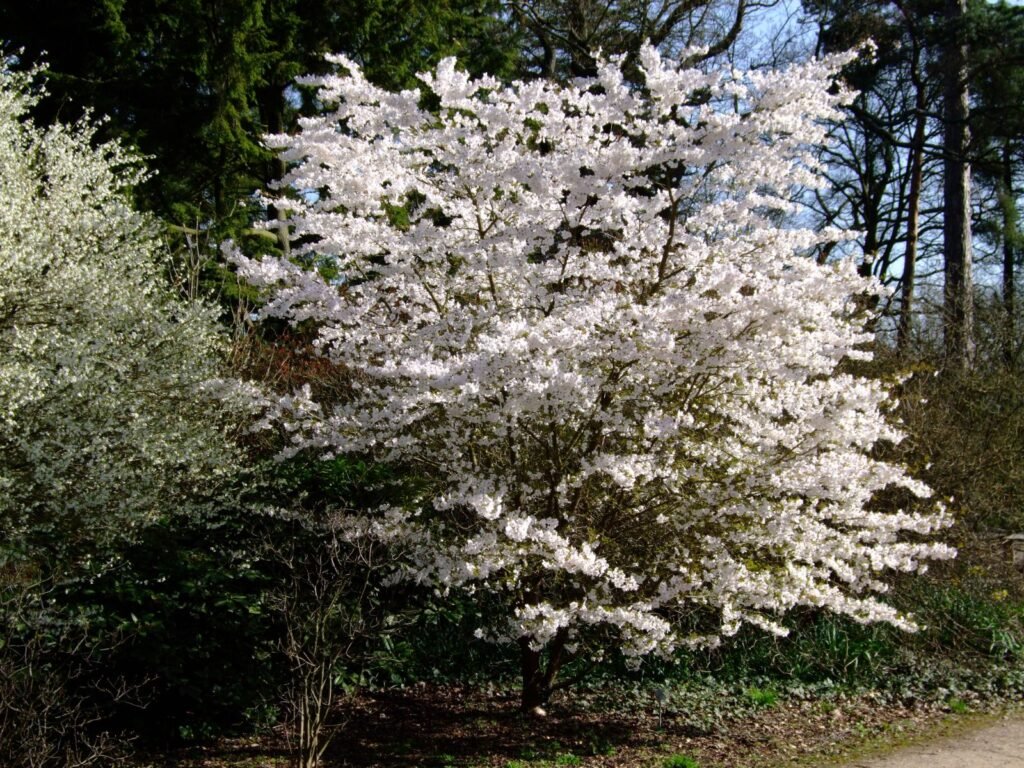
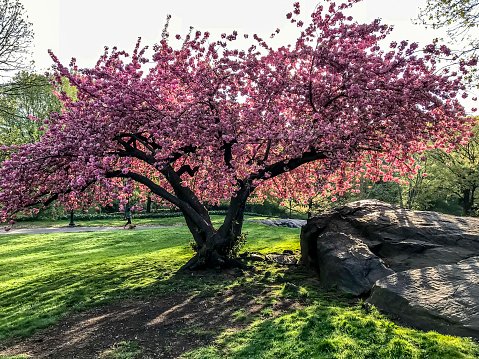
The Fuji Cherry (Prunus incisa), often called the Fuji Zakura, is a breathtaking ornamental cherry species native to Japan. Valued for its compact size, early blooms, and impressive hardiness, this tree has become a favorite for home gardeners looking for beauty without the space demands of full-sized cherry trees.
If you’re fascinated by spring blossoms, edible possibilities, landscaping options, and the potential to propagate and harvest your own fruit, this guide covers everything you need to know.
What Makes Fuji Cherry Special?
Fuji Cherry is not just another flowering cherry. It offers:
- Compact growth size (perfect for small gardens and containers)
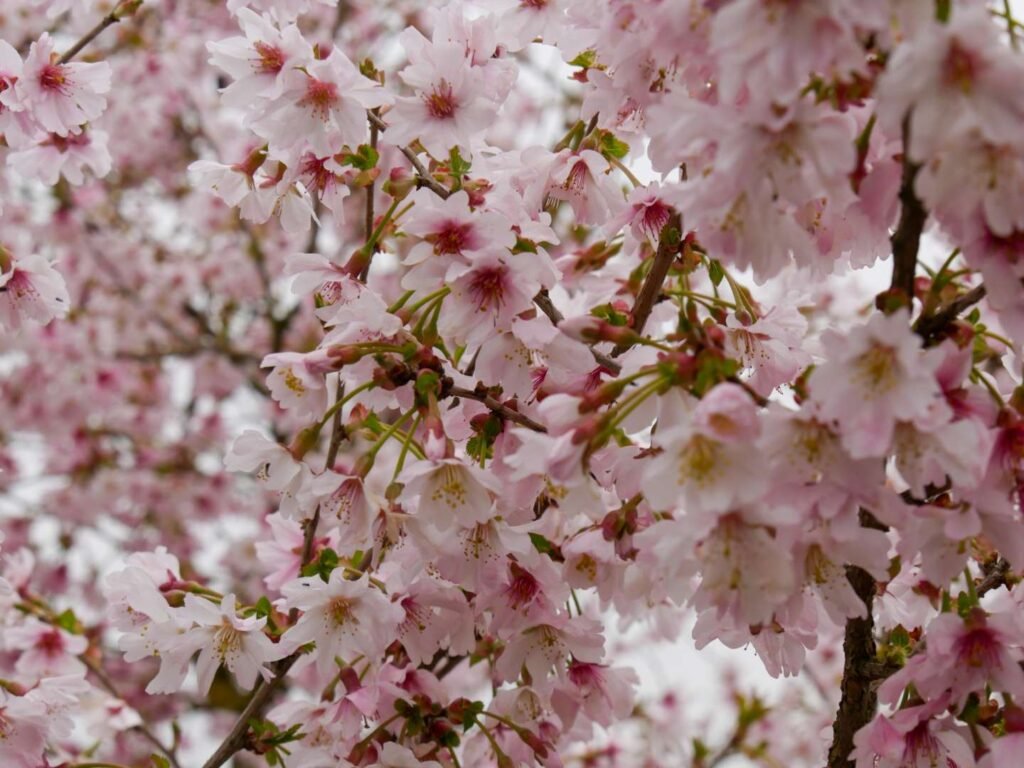
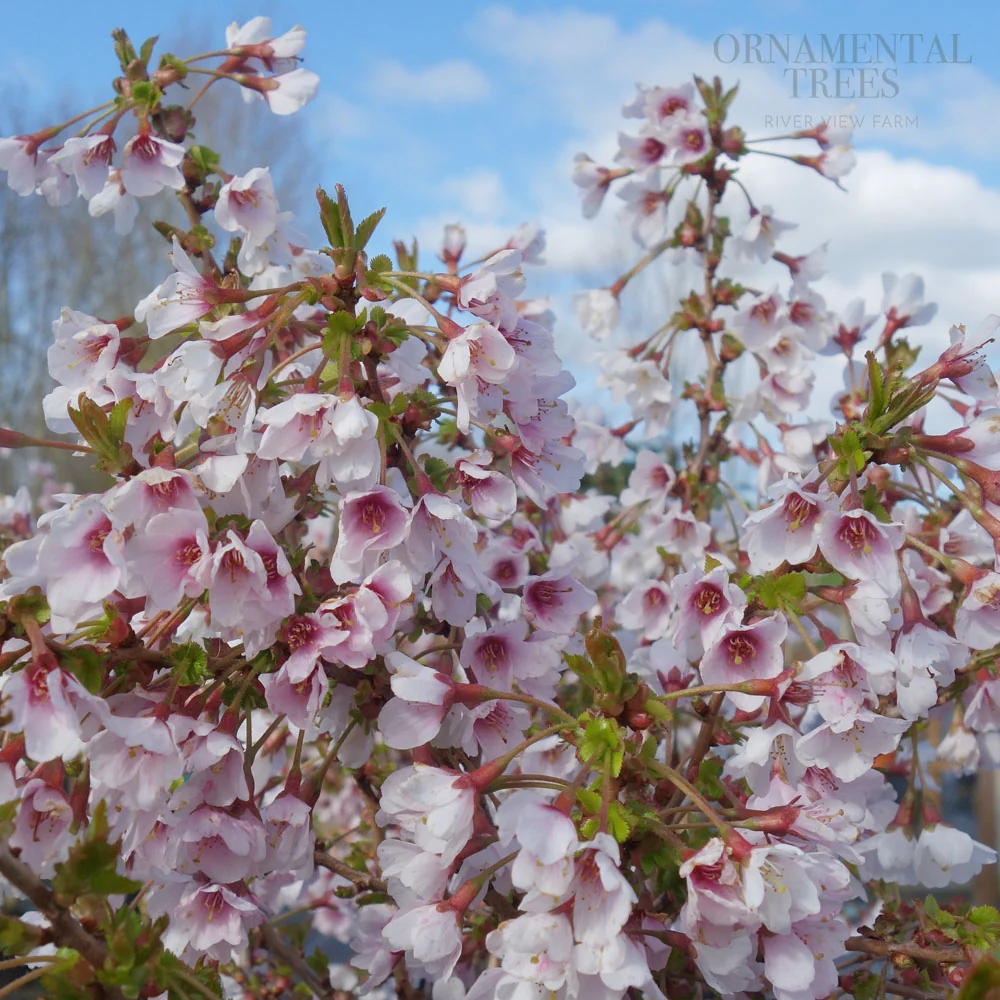
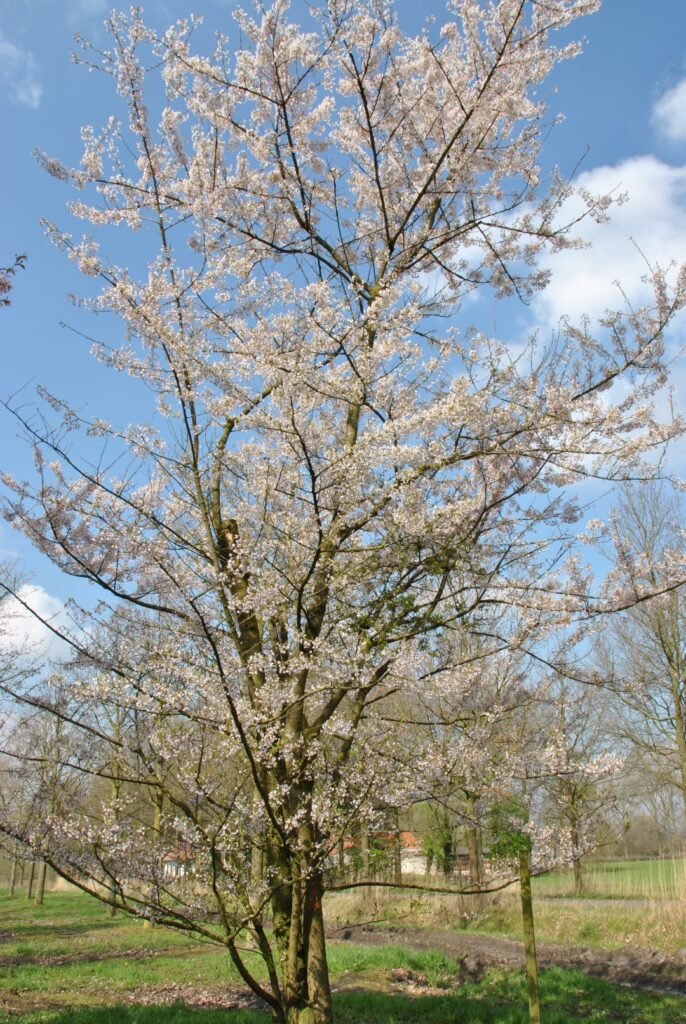
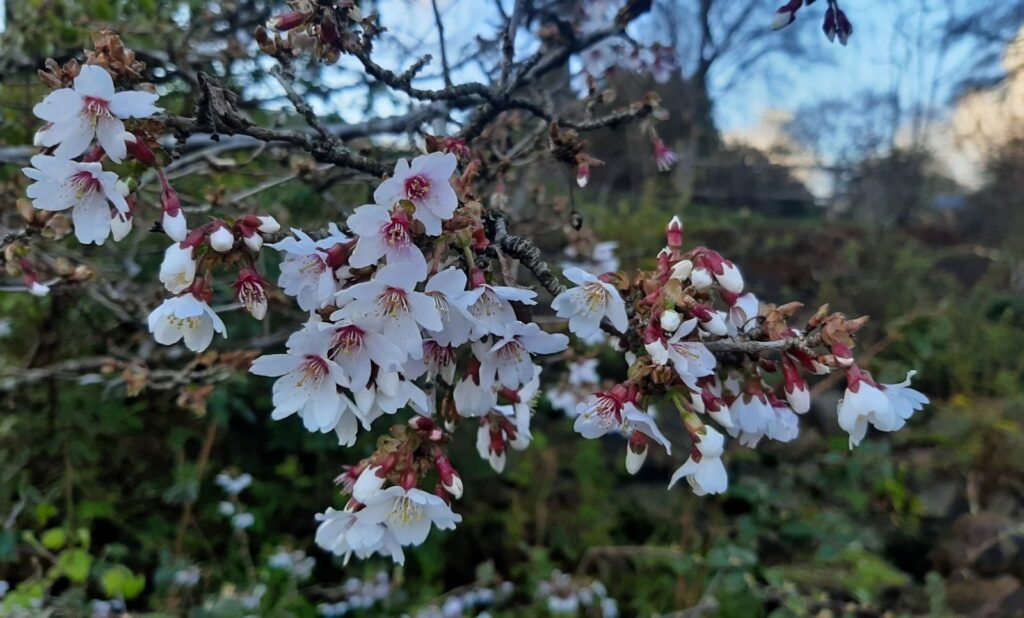
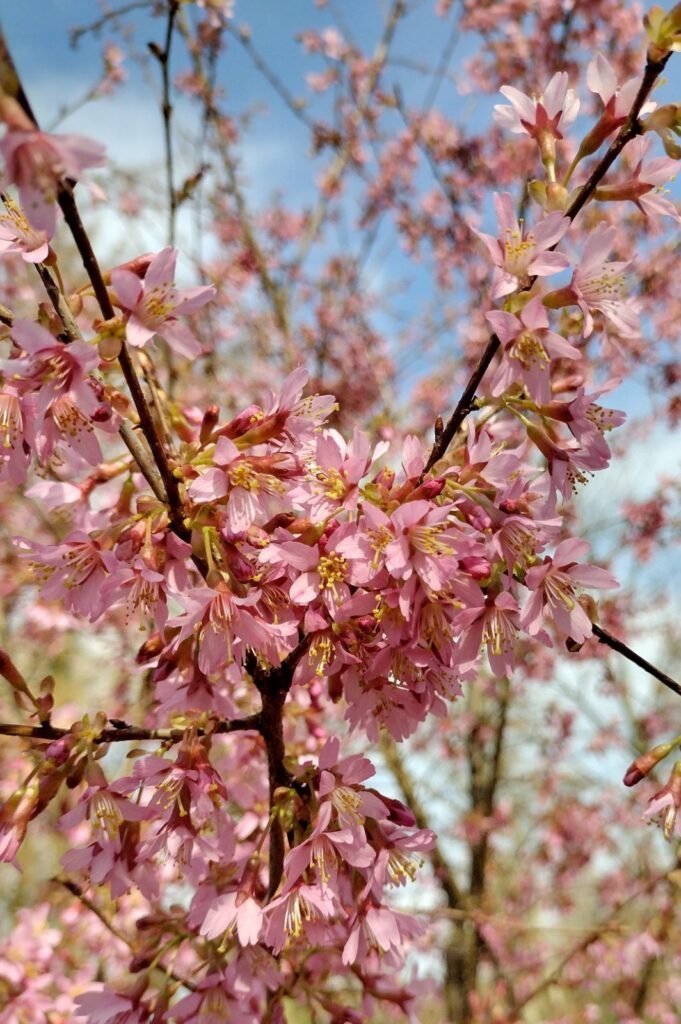
- Spectacular pink-white blossoms emerging before leaves
- Incredible cold tolerance
- Early spring bloom time
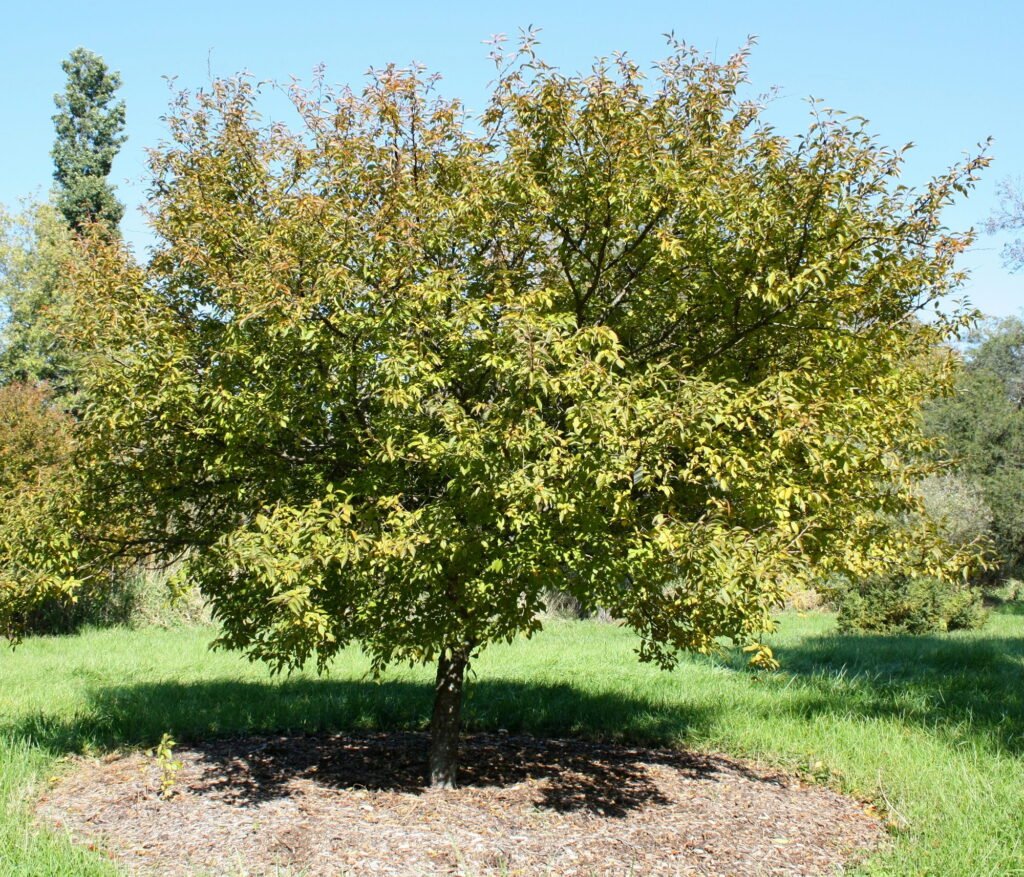
- Attractive bark and autumn foliage
Its versatility makes it suitable for beginners and seasoned gardeners alike.
🌱 How to Grow Fuji Cherry (Prunus incisa)
Growing Fuji Cherry successfully comes down to thoughtful planting and maintenance. Here’s what it needs:
Ideal Climate
Fuji Cherry thrives in:
- USDA zones 5–8
- Cool winters and mild summers
It can tolerate colder regions better than most cherry species.
Soil Requirements
Fuji Cherry prefers:
- Well-draining soil
- Slightly acidic to neutral pH (6.0–7.5)
- Moist yet aerated earth
Avoid waterlogging. Raised beds or mounded soil help prevent root rot.
Sunlight Needs
- Full sun: 6–8 hours daily
- Flowers more abundantly under direct light
- Partial shade is tolerated but reduces bloom quantity
Watering Schedule
- Water deeply during the first growing year
- After establishment, Fuji Cherry becomes fairly drought tolerant
Mulch around the base to retain moisture.
Feeding & Fertilizer
Use:
- Balanced slow-release fertilizer in early spring
- Organic compost in autumn
Avoid nitrogen overload, which encourages leaf growth over flowers.
Pruning Tips
Minimal pruning required:
- Remove dead, crossing, or rubbing branches
- Prune after flowering to shape
- Avoid winter pruning to protect buds
🌸 Fuji Cherry Varieties Worth Growing
Prunus incisa ‘Kojo-no-mai’
Compact zig-zag branches, small pink buds.
Great for bonsai or border edges.
Prunus incisa ‘Mikinori’
Profuse white blossoms, slightly larger habit.
Prunus incisa ‘Rosea’
Deeper pink flowers; excellent color intensity.
Hybrid: Prunus incisa × serrula
Stronger bark color and deeper autumn shades.
Dwarf Bonsai Selections
Prized for small leaf size and trunk character.
Each variety offers visual value, making Fuji Cherry an excellent ornamental collector plant.
🌱 Propagation Methods for Fuji Cherry
Fuji Cherry can be propagated successfully through several approaches:
1. Softwood Cuttings
- Take cuttings in early summer
- Dip in rooting hormone
- Plant in sterile potting mix
- Keep humid and warm until rooted
Rooting takes 8–10 weeks.
2. Semi-Hardwood Cuttings
Ideal for late summer to early autumn.
3. Grafting
Commonly used commercially:
- Graft onto Prunus avium or Prunus mahaleb rootstock
- Results in vigorous growth
4. Seeds
Seeds require:
- Stratification (cold treatment)
- One year dormancy cycle
Seed-grown trees vary slightly in flower color and shape.
5. Layering
A reliable beginner method:
- Bend a branch to the soil
- Cover with compost
- Rooting occurs within a growing season
🍒 Do Fuji Cherry Trees Produce Fruit?
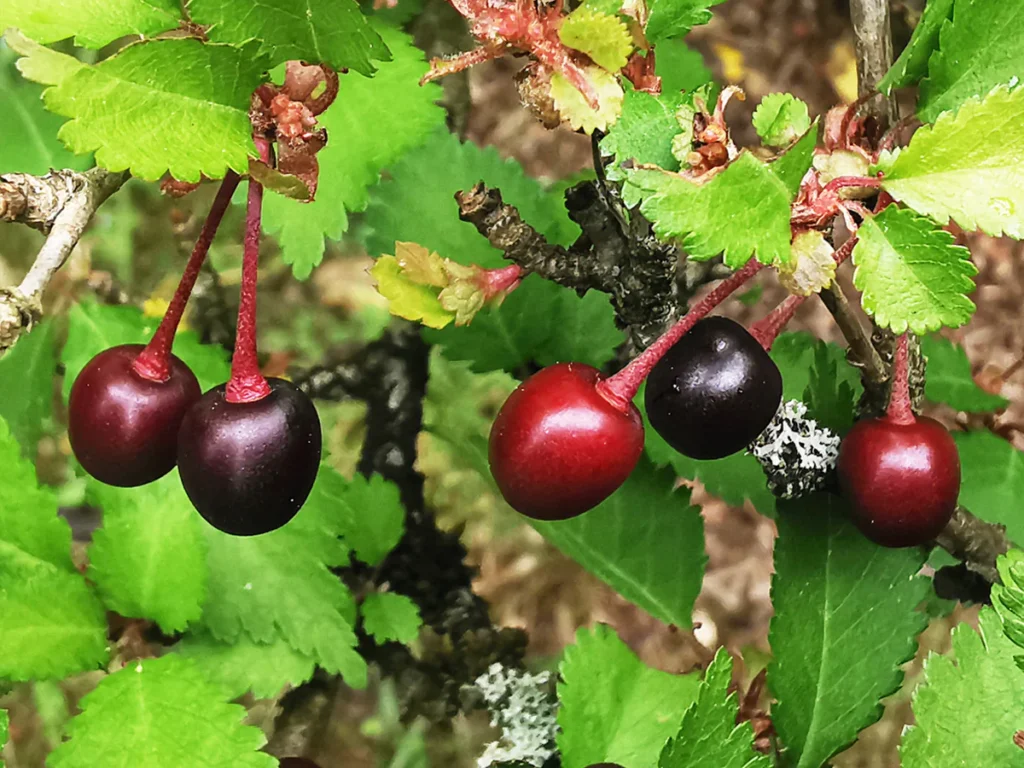
Yes! While the Fuji Cherry is primarily ornamental, the tree does produce small cherries.
Fruit Characteristics
- Small, dark purple-red cherries
- Tart flavor
- Fruiting begins 2–5 years after planting
- Best fruiting conditions: full sun + early spring pollinators
Though not widely commercialized, these cherries are edible and useful.
🍽️ Using Fuji Cherry Fruit: Food & Culinary Options
Fuji Cherry fruit is small and sour, making it perfect for:
Cherry Jam
Add sugar + pectin to create delicious preserves.
Fruit Syrups
Boil fruit to create a drizzle for:
- Desserts
- Cocktails
- Pancakes
Baked Goods
Blend fruit into:
- Muffins
- Bread
- Pastries
Fermentation
Fuji cherries can be:
- Turned into cherry wine
- Mixed into beer brewing
- Used for infused spirits
Fresh Eating
While tart, they’re refreshing off the tree for those who enjoy sour cherries.
🌿 Other Uses Beyond Food
Fuji Cherry isn’t only about fruit—it’s stunning year-round.
Landscape Uses
- Borders and pathways
- Front yard focal trees
- Courtyard accent
- Bonsai growing
- Patio containers
Wildlife Benefits
- Nectar attracts early bees
- Birds feed on fruit
- Branches shelter wildlife
Cultural Symbolism
Fuji Cherry represents renewal, beauty, and spring awakening.
⏰ When & How to Harvest Fuji Cherry Fruit
Fuji cherries ripen in:
- Early to mid-summer depending on climate
Signs of ripeness
- Skin turns deep purple or red
- Fruit softens slightly
- Stems release easily
Pick gently to avoid damaging delicate twigs.
🍁 Seasonal Care for Year-Round Health
Spring
- Feeding & mulching
- Pest inspection
Summer
- Deep watering during heat waves
Autumn
- Compost and leaf cleanup
- Fungal preventive spray
Winter
- Protect young trees with burlap wraps in harsh climates
Fuji Cherry is hardy, but young trees appreciate protection.
🐛 Common Pests & Problems
Fuji Cherry may encounter:
- Cherry leaf spot
- Aphids
- Scale
- Borers
- Powdery mildew
Organic solutions include neem oil and pruning for airflow.
🌸 Bonsai Growing With Fuji Cherry
Bonsai growers love Prunus incisa because of:
- Dense branching
- Miniature flowers
- Fast wound healing
- Dramatic seasonal change
Training styles include:
- Upright
- Cascade
- Multi-trunk
🧠 Final Thoughts
Growing Fuji Cherry (Prunus incisa) is one of the most rewarding experiences for gardeners who want dramatic beauty in a manageable size. Whether you plan to cultivate it in the ground, shape it into a bonsai, enjoy its fruit, or simply admire spring blossoms, this tree offers endless ornamental and culinary value.
If you want long-lasting blooms, strong growth, and a plant that turns heads every season, a Fuji Cherry is a garden investment that never disappoints.



&media=https://food-foresting.com/wp-content/uploads/2025/12/prunusincisa_2048x.webp)