
 paulius.mikoliunas1
| Common Name | Japanese Alpine Cherry |
| Family | Rosaceae |
| USDA hardiness | 6-8 |
| Known Hazards |  Although no specific mention has been seen for this species, it belongs to a genus where most, if not all members of the genus produce hydrogen cyanide, a poison that gives almonds their characteristic flavour. This toxin is found mainly in the leaves and seed and is readily detected by its bitter taste. It is usually present in too small a quantity to do any harm but any very bitter seed or fruit should not be eaten. In small quantities, hydrogen cyanide has been shown to stimulate respiration and improve digestion, it is also claimed to be of benefit in the treatment of cancer. In excess, however, it can cause respiratory failure and even death. Although no specific mention has been seen for this species, it belongs to a genus where most, if not all members of the genus produce hydrogen cyanide, a poison that gives almonds their characteristic flavour. This toxin is found mainly in the leaves and seed and is readily detected by its bitter taste. It is usually present in too small a quantity to do any harm but any very bitter seed or fruit should not be eaten. In small quantities, hydrogen cyanide has been shown to stimulate respiration and improve digestion, it is also claimed to be of benefit in the treatment of cancer. In excess, however, it can cause respiratory failure and even death. |
| Habitats | High mountains, C. and N. Japan. |
| Range | E. Asia – Japan. |
| Edibility Rating |   (2 of 5) (2 of 5) |
| Other Uses |   (1 of 5) (1 of 5) |
| Weed Potential | No |
| Medicinal Rating |   (1 of 5) (1 of 5) |
| Care (info) |     |
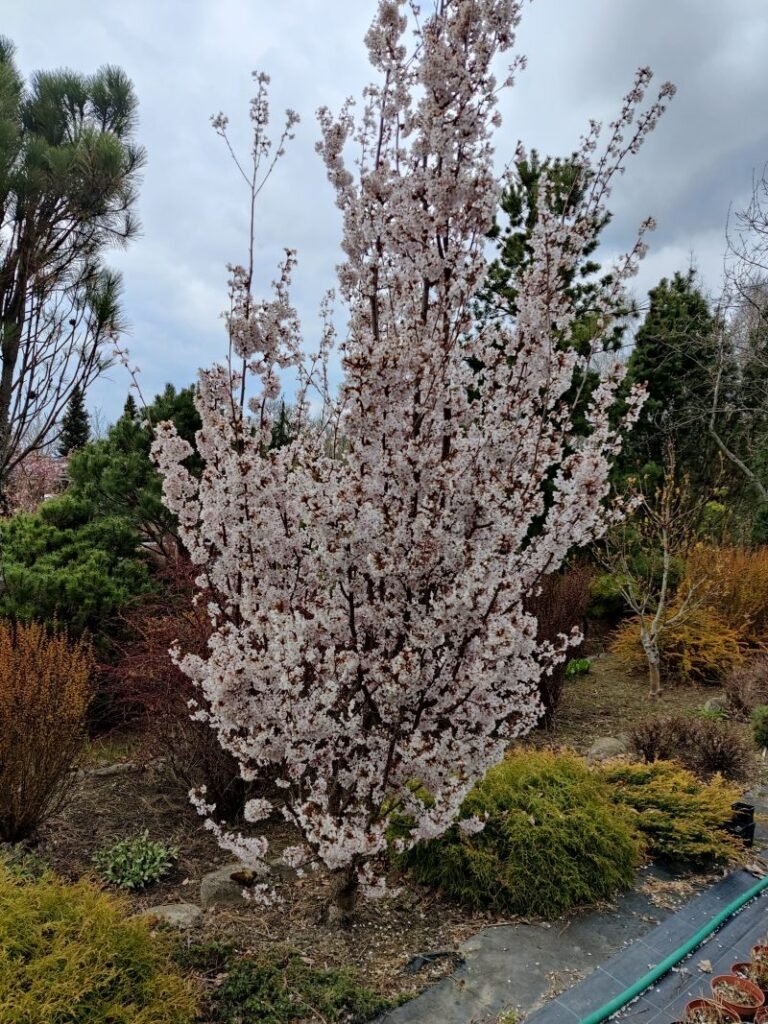
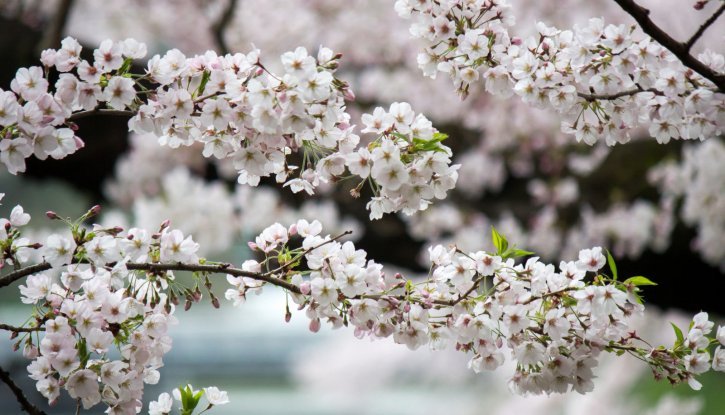
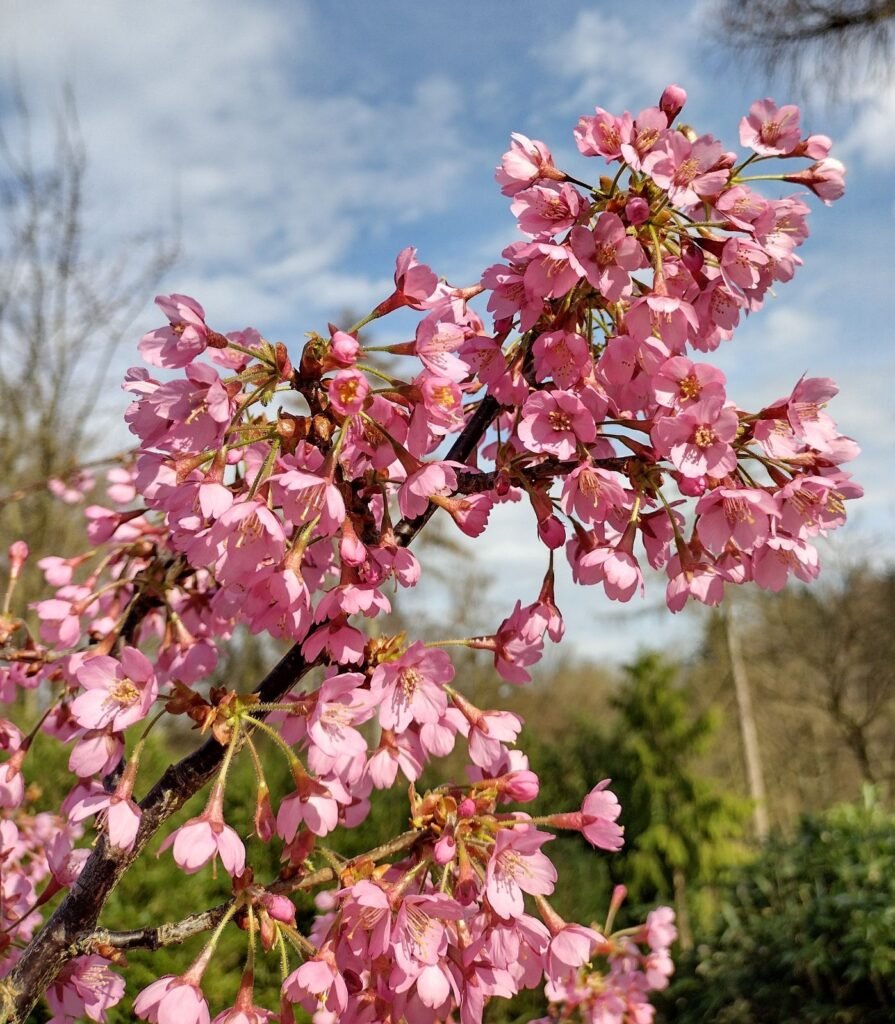
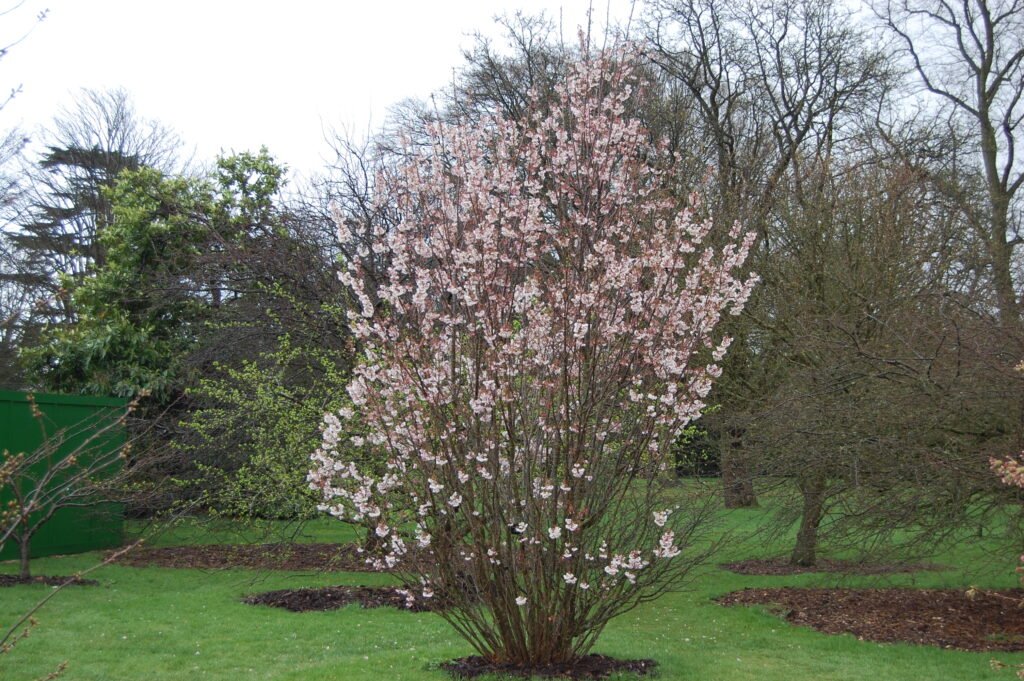
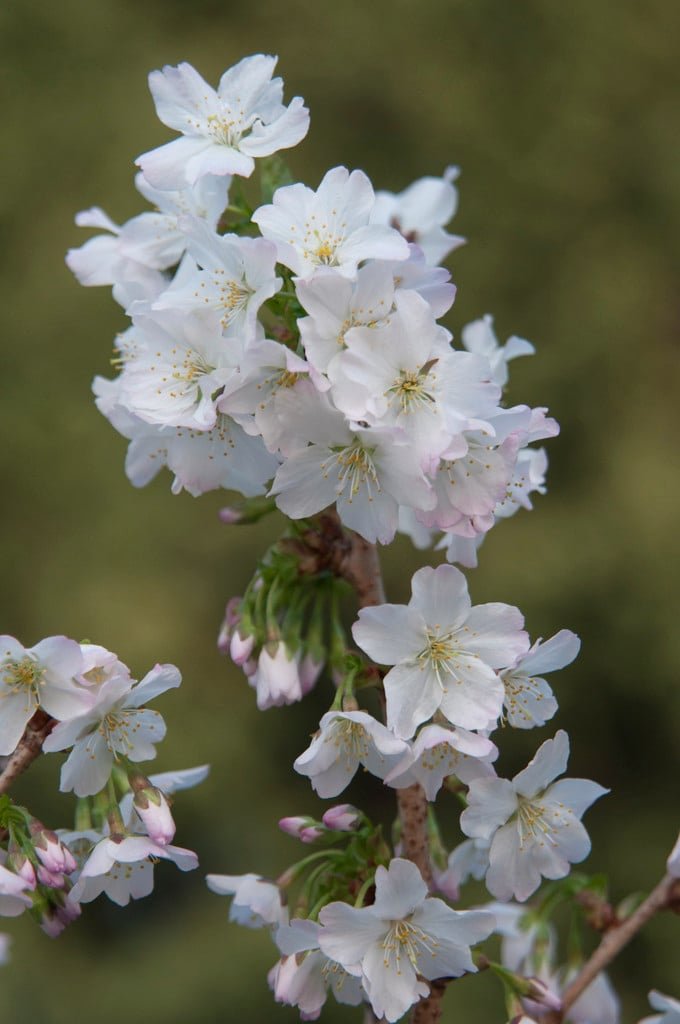
How to Grow & Enjoy Japanese Alpine Cherry (Prunus nipponica): A Complete Guide
The Japanese Alpine Cherry (Prunus nipponica) is one of the most breathtaking ornamental cherry tree species in the world. Known for its delicate blooms, compact growth habits, and cold-hardy nature, this mountain-native cherry is a perfect addition to gardens searching for elegance and subtle color.
Whether you dream of a backyard cherry blossom sanctuary, want to propagate rare cherry species, or are curious about edible and cultural uses, this guide offers everything you need to know.
⭐ Quick Overview
- Botanical Name: Prunus nipponica
- Growth Habit: Shrubby, multi-stemmed
- Mature Height: 6–15 ft (1.8–4.5 m)
- Hardiness: USDA Zones 4–7
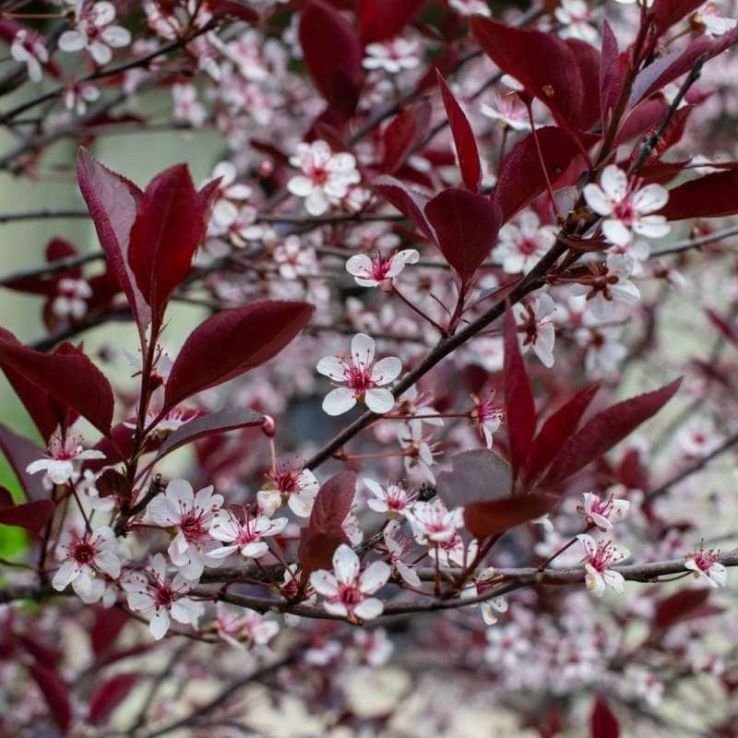
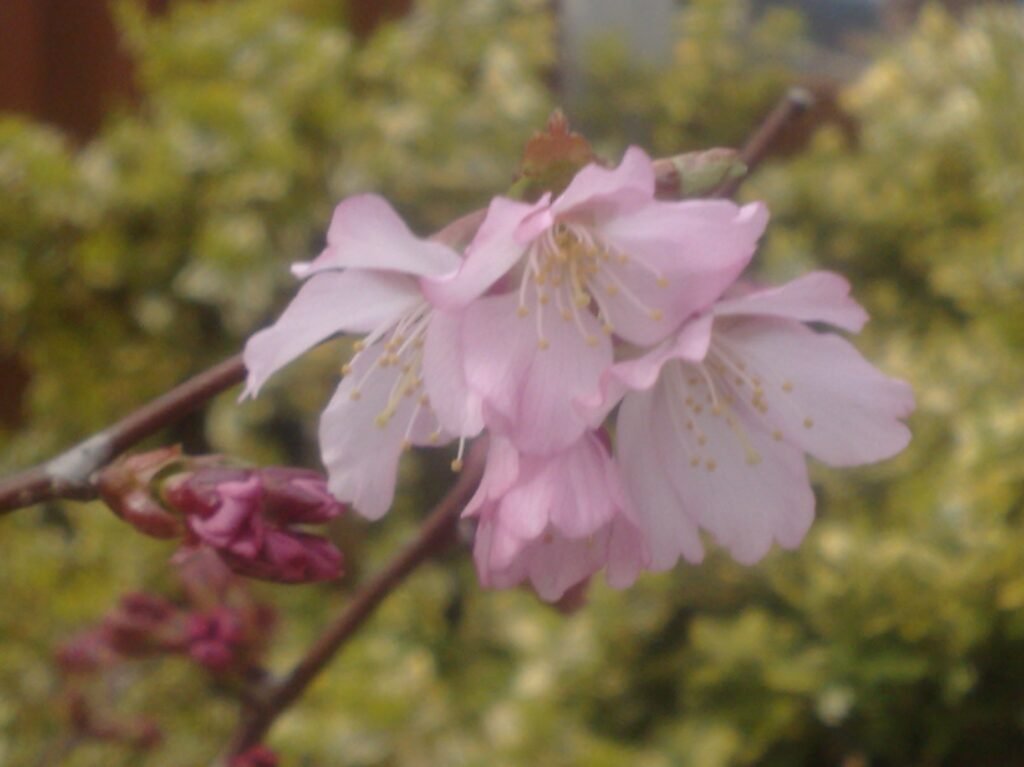
- Flowers: Pink to white, early spring
- Special Feature: High cold tolerance
Why Grow Japanese Alpine Cherry?
Prunus nipponica stands apart from many ornamental cherries because:
✔ Extremely Cold-Hardy
Thrives in mountainous regions where other cherry species struggle.
✔ Ideal for Small Gardens
Compact size fits courtyards, patios, and narrow garden spaces.
✔ Long Flowering Display
Blooms early and dramatically—a true spring showstopper.
✔ Wildlife Friendly
Provides nectar for early pollinators and fruits for birds.
Planting Japanese Alpine Cherry (Prunus nipponica)
🌱 Best Location
Choose a site with:
- Full sun (at least 6 hours daily)
- Good airflow
- Slightly acidic to neutral soil
- Moist but well-drained ground
🏡 Soil Preparation
Blend:
- garden loam
- compost
- gritty sand or perlite (to prevent waterlogging)
Avoid heavy clay unless amended.
🌿 Planting Steps
- Dig a hole twice as wide as the root ball.
- Place the tree so the root flare rests at soil level.
- Backfill using native soil and compost.
- Water deeply and mulch surface.
Spacing: 8–12 ft between trees for best flowering visibility.
How to Grow Japanese Alpine Cherry Successfully
🌤 Light Requirements
The tree prospers in full sun, especially for intense flowering.
💧 Watering Needs
- First year: steady moisture
- Established trees: drought-resistant
Avoid soggy soil—root rot is a risk.
🍂 Fertilization
Apply a slow-release fertilizer in early spring:
- NPK 10-10-10 or balanced organic plant feed
✂ Pruning Tips
Minimal pruning required.
Remove:
- Dead branches
- Crossing stems
- Broken limbs after flowering
Avoid heavy pruning—it reduces next year’s blossoms.
Propagation Techniques for Prunus nipponica
Propagating Japanese Alpine Cherry takes patience but is rewarding.
1️⃣ Seed Propagation
Requires:
- Seed collection from ripe fruit
- Seed cleaning
- Cold stratification (120–160 days)
- Germination indoors in early spring
Seeds produce genetically unique plants.
2️⃣ Softwood Cuttings
Best taken in late spring:
- 6–8 inch cuttings
- Remove bottom leaves
- Dip in rooting hormone
- Plant in moist perlite-peat mix
High humidity increases success.
3️⃣ Grafting
Used for:
- Maintaining cultivar traits
- Faster production
- Reliable flowering
Rootstock: Prunus serrulata or Prunus avium works well.
Popular Varieties of Japanese Alpine Cherry
Prunus nipponica includes several recognized cultivars worth growing:
🌸 ‘Brilliant’
- Intense pink blooms
- Compact growth habit
🌸 ‘Shirayukihime’
- Nearly white flowers
- Elegant arching branches
🌸 ‘Kirishima’
- Deep rose-colored petals
- Dense shrub form
🌸 ‘Windholm’ (hybrid influence)
- Extremely hardy
- Profuse flowering
Each offers distinct landscape value.
Flowering & Bloom Time Expectations
Prunus nipponica blooms:
- In early spring, before leaf emergence
- Depending on climate, March–April
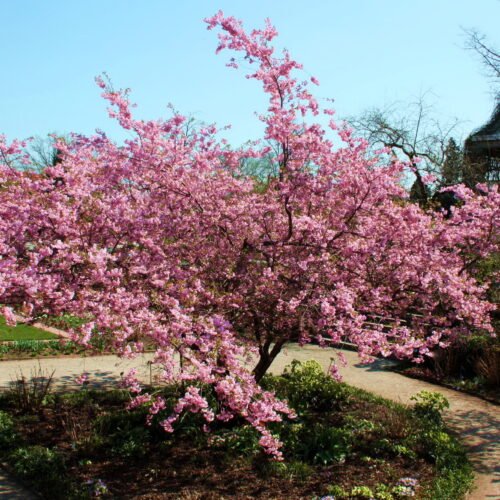
Flowers appear in clusters, creating a bright pastel canopy.
Fruit, Usage & Edibility
While recognized mainly as an ornamental tree, Japanese Alpine Cherry also offers noteworthy uses:
🌿 Culinary Use
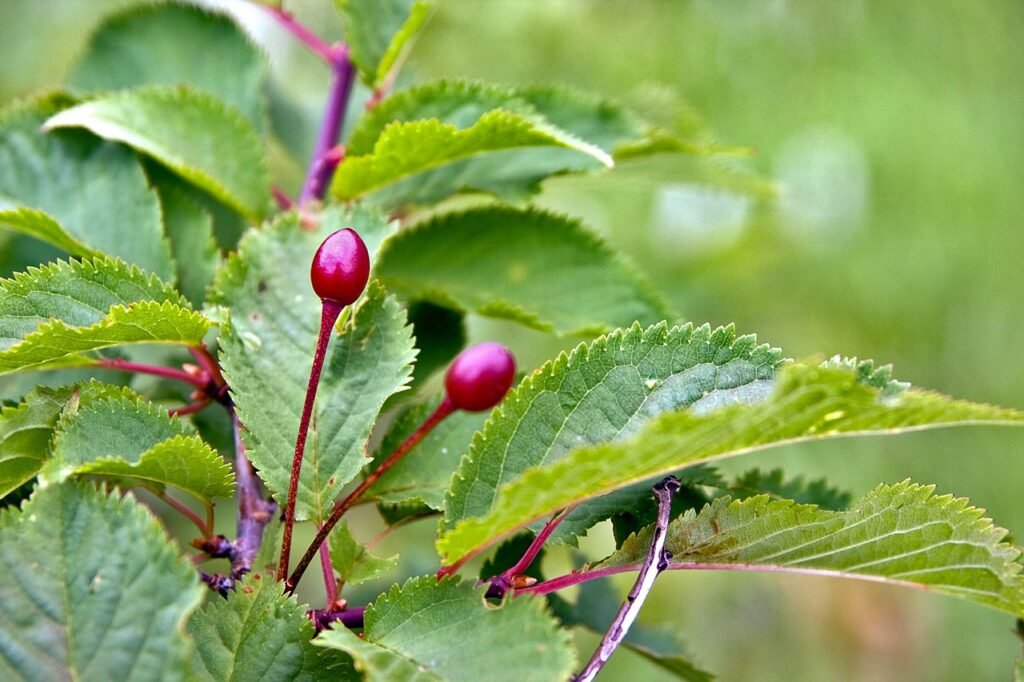
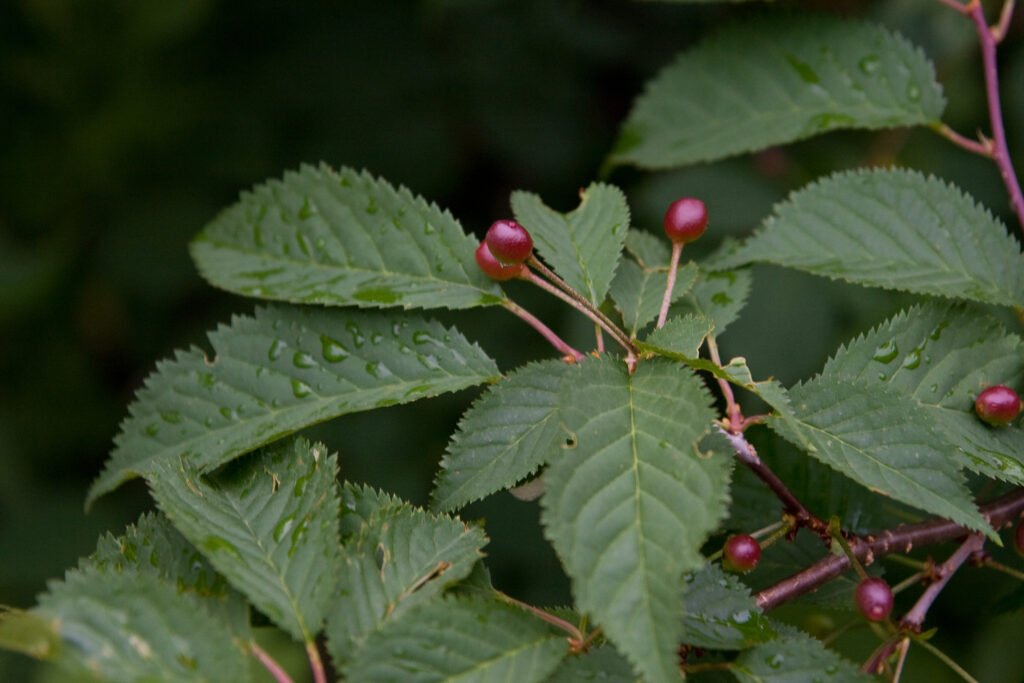
The cherries are:
- Small
- Sour to mildly bitter
- Edible when cooked
Popular ways to use the fruit:
- Jams
- Jellies
- Fruit syrups
- Fermented beverages
- Tart cherry sauces
🫖 Traditional Uses
Leaves have cultural uses similar to other Japanese cherries:
- Pickling
- Flavoring sweets
- Seasoned salt infusion
(Always confirm leaf variety for culinary purposes.)
Harvesting Japanese Alpine Cherry Fruits
🍒 When to Harvest
- Mid to late summer
- Fruits darken to reddish-black
- Slight softness indicates ripeness
🍒 Harvest Method
- Hand pick gently
- Avoid bruising
- Refrigerate quickly
Fruit yields are modest but useful for artisanal foods.
Landscape & Design Applications
Japanese Alpine Cherry works beautifully in:
- Rock gardens
- Hill landscapes
- Bonsai culture
- Japanese-style tea gardens
- Courtyard focus points
- Patio containers
- Wildlife gardens
Their manageable size avoids future crowding problems.
Pest & Disease Resistance
Generally tough, but watch for:
- Cherry leaf spot
- Aphids
- Powdery mildew
- Caterpillars
Preventive care:
- Proper spacing
- Air circulation
- Cleanup fallen leaves
Why Gardeners Love Prunus nipponica
This species is gaining popularity because it blends:
✨ Beauty
Exquisite flowers, graceful shape.
✨ Practicality
Easy care and cold tolerance.
✨ Heritage
Deep connection to Japanese mountain ecosystems.
Final Thoughts
If you want a cherry tree that:
- thrives in cool climates
- stays compact
- flowers early
- offers edible fruit
- brings ornamental charm
…then the Japanese Alpine Cherry (Prunus nipponica) is an inspiring choice.
With thoughtful planting, smart propagation techniques, and seasonal care, this underrated species can become a breathtaking highlight in any garden landscape.


&media=https://food-foresting.com/wp-content/uploads/2025/12/Prunus_nipponica_01.jpg)