
 paulius.mikoliunas1
| Common Name | Yamazakura, Japanese Flowering Cherry, Oriental Cherry |
| Family | Rosaceae |
| USDA hardiness | 5-8 |
| Known Hazards |  Although no specific mention has been seen for this species, it belongs to a genus where most, if not all members of the genus produce hydrogen cyanide, a poison that gives almonds their characteristic flavour. This toxin is found mainly in the leaves and seed and is readily detected by its bitter taste. It is usually present in too small a quantity to do any harm but any very bitter seed or fruit should not be eaten. In small quantities, hydrogen cyanide has been shown to stimulate respiration and improve digestion, it is also claimed to be of benefit in the treatment of cancer. In excess, however, it can cause respiratory failure and even death. Although no specific mention has been seen for this species, it belongs to a genus where most, if not all members of the genus produce hydrogen cyanide, a poison that gives almonds their characteristic flavour. This toxin is found mainly in the leaves and seed and is readily detected by its bitter taste. It is usually present in too small a quantity to do any harm but any very bitter seed or fruit should not be eaten. In small quantities, hydrogen cyanide has been shown to stimulate respiration and improve digestion, it is also claimed to be of benefit in the treatment of cancer. In excess, however, it can cause respiratory failure and even death. |
| Habitats | Forest in ravines, forests on mountain slopes at elevations of 400 – 1500 metres. |
| Range | E. Asia – China, Japan, Korea. |
| Edibility Rating |   (2 of 5) (2 of 5) |
| Other Uses |   (1 of 5) (1 of 5) |
| Weed Potential | No |
| Medicinal Rating |   (1 of 5) (1 of 5) |
| Care (info) |     |





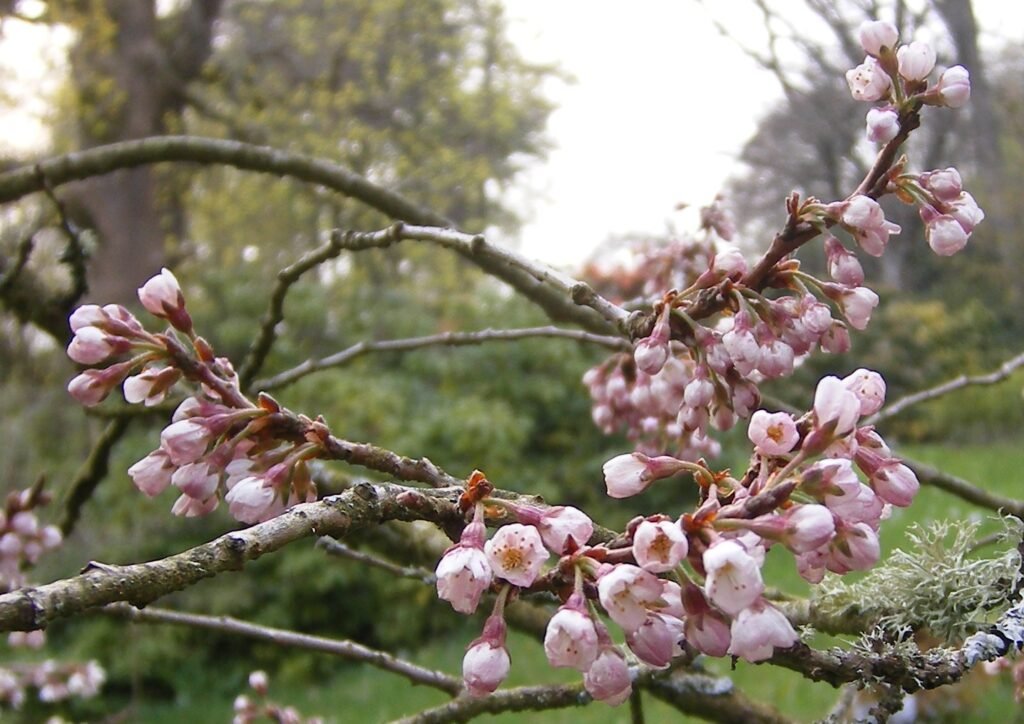

🌸 How to Grow, Propagate, Use & Harvest Japanese Flowering Cherry (Prunus serrulata): Full Guide
The Japanese Flowering Cherry (Prunus serrulata) is one of the world’s most admired ornamental trees. Known for its breathtaking spring blossoms, this cherry species symbolizes renewal, hope, and the beauty of nature. Beyond its ornamental purpose, this tree also offers culinary uses, cultural significance, and stunning landscape value.
Whether you’re planning to plant your first cherry tree or expand your orchard, this detailed guide explains everything: how to grow Prunus serrulata, propagation techniques, main varieties, usage, edible options, and how to harvest parts of the tree correctly.
🌱 What is Japanese Flowering Cherry (Prunus serrulata)?
Prunus serrulata is a deciduous tree native to Japan, Korea, and China. It belongs to the Rosaceae family and is commonly referred to as:
- Japanese Sakura
- Oriental Cherry
- Flowering Cherry Tree
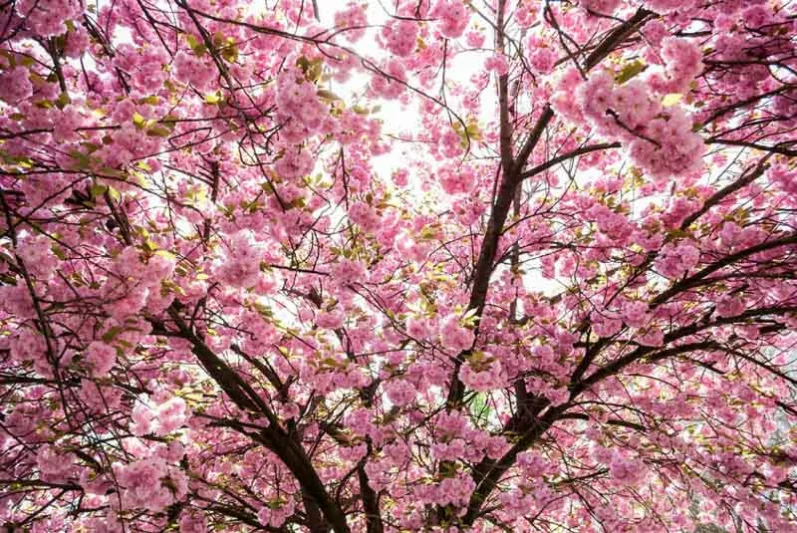
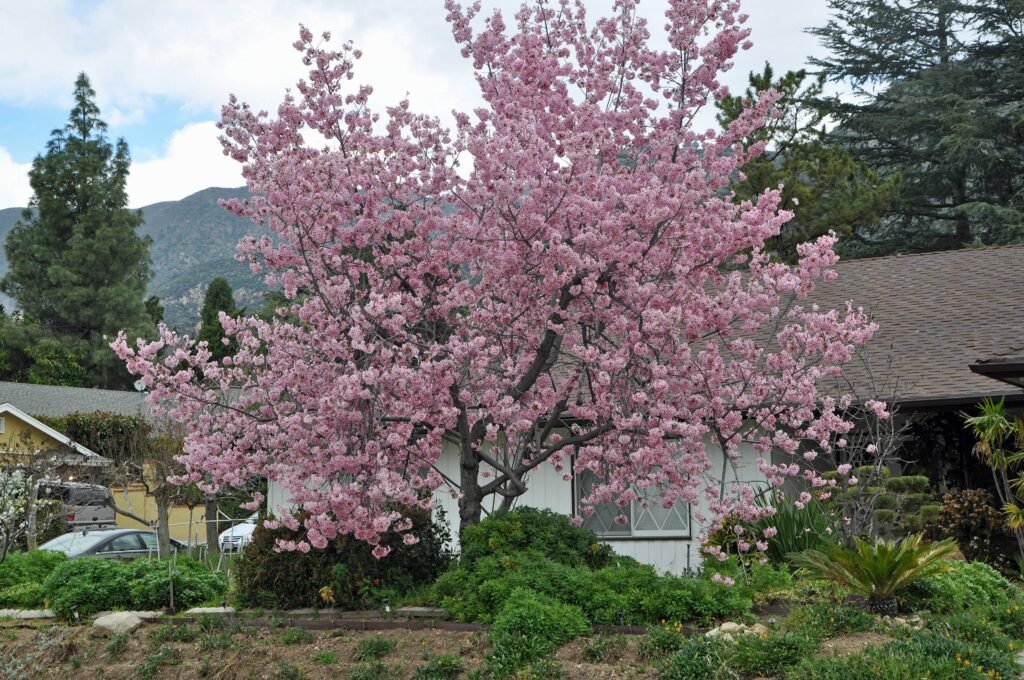
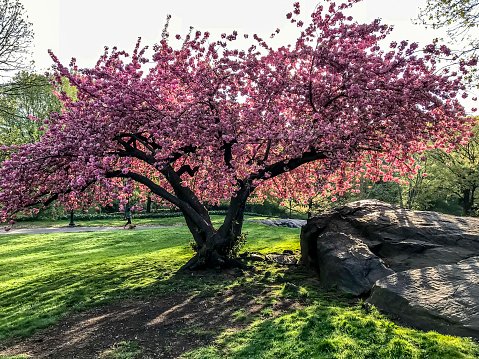
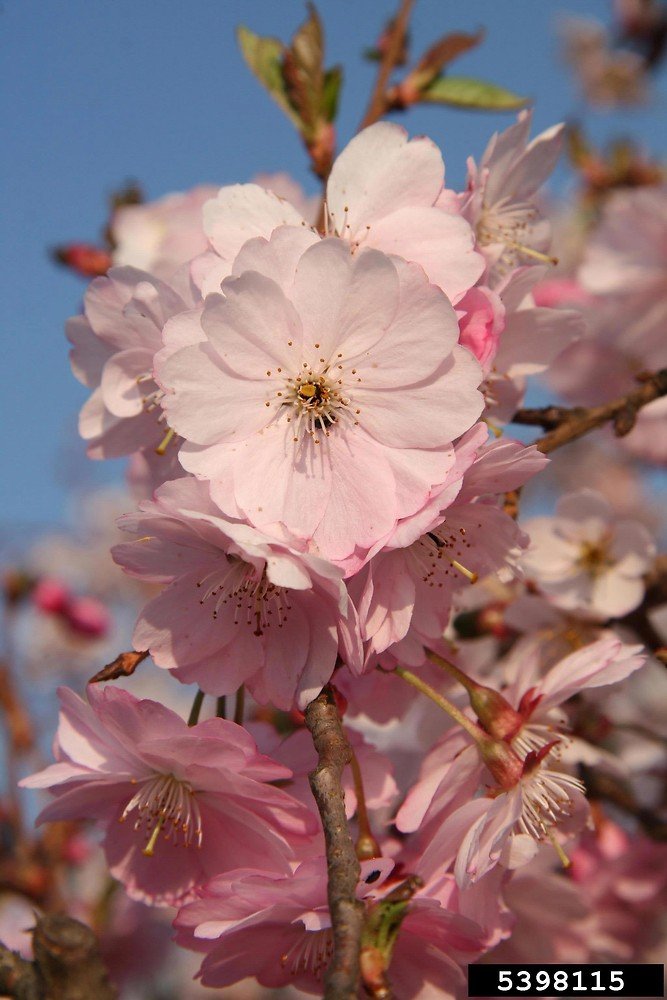
These trees are prized for their masses of pink or white blossoms that cover the branches each spring, transforming landscapes into fairy-tale scenes.
🌸 Why You Should Grow Japanese Cherry Trees
Growing Prunus serrulata provides:
✔ Stunning spring flower displays
✔ Wildlife support for bees and pollinators
✔ Shade and structure for landscaping
✔ Edible blossoms and leaves
✔ Cultural and historical value
✔ Low to moderate maintenance needs
🌿 Ideal Growing Conditions for Prunus serrulata
To achieve maximum flowering, provide the ideal environment:
Climate
- Hardy in USDA zones: 5 – 8
- Prefers cold winters and mild summers
Sunlight
- Needs 6–8 hours of full sun daily
- Shade reduces blossom density
Soil Requirements
- Well-drained loam or sandy loam
- pH 6.0 – 7.5 (slightly acidic to neutral)
- Enrich soil with organic compost before planting
Watering
- Keep soil evenly moist (not waterlogged)
- Young trees require deeper weekly watering
Spacing
- Allow 20–30 feet between trees for airflow and growth
🌳 How to Plant Japanese Flowering Cherry Trees
Follow these steps to plant successfully:
- Dig a hole twice as wide as the root ball.
- Place the tree at soil level; avoid burying the trunk.
- Backfill with amended soil + compost.
- Water thoroughly to settle roots.
- Add mulch to conserve moisture.
- Stake young trees if wind exposure is high.
Plant in autumn or early spring for best establishment.
🧬 Propagation Methods for Prunus serrulata
Japanese cherry trees can be propagated using several techniques:
1️⃣ Grafting (most successful)
- Common in commercial nurseries
- Rootstock improves disease resistance
2️⃣ Cuttings
- Take semi-hardwood cuttings in summer
- Root in moist peat-sand mix
3️⃣ Seed Propagation
- Seeds require cold stratification
- May not grow true to parent form
4️⃣ Air Layering
- Encourages rooting on a branch still attached to the tree
- Reliable for home gardeners
Grafting and air-layering yield the most predictable results.
🌸 Best Varieties of Japanese Flowering Cherry (Prunus serrulata)
There are many cultivated forms, each unique:
🌸 ‘Kanzan’
- Deep pink double blossoms
- Very popular ornamental type
🌸 ‘Kwanzan’
- Dense flowering clusters
- Upright spreading shape
🌸 ‘Shirotae’
- White blossoms with almond fragrance
🌸 ‘Amanogawa’
- Columnar form ideal for smaller gardens
🌸 ‘Shogetsu’
- Large pale pink blossoms, drooping clusters
🌸 ‘Tai-haku’
- Pure white petals and wide branching habit
🌸 ‘Fugenzo’
- Historic 15th-century cultivar with double flowers
Selecting different varieties spreads blooming seasons over several weeks.
🌿 Caring for Japanese Cherry Trees
Pruning
- Light prune after flowering
- Remove dead, crossing, diseased branches
Avoid winter pruning; cherry trees bleed sap heavily.
Fertilizing
- Apply slow-release balanced fertilizer in early spring
- Avoid high-nitrogen products (they reduce flowering)
Mulching
- Maintain 2–4 inches of organic mulch around the base
- Keep mulch away from trunk bark
Pest & Disease Monitoring
Watch for:
- Aphids
- Tent caterpillars
- Cherry leaf spot
- Powdery mildew
Good airflow prevents fungal issues.
🍒 Are Sakura Blossoms Edible?
Yes! Parts of Prunus serrulata can be eaten if handled properly.
Edible parts include:
- Blossoms
- Leaves
- Pickled flower buds
- Young shoots (rare)
🍽 Food Uses of Japanese Flowering Cherry
Prunus serrulata has a long culinary history in Japan.
Popular sakura recipes:
🌸 Sakura Tea (Sakura-cha)
Made from salted cherry blossoms.
🌸 Sakura Mochi
Sticky rice cake wrapped in pickled cherry leaves.
🌸 Sakura Sugar
Used for baking flavor.
🌸 Sakura Jam
Sweet floral preserves.
🌸 Sakura Salt Seasoning
Flavor enhancer for rice & fish.
The blossoms offer floral, almond-like notes.
Note: Seeds and pits contain amygdalin, which can be toxic. Do not consume seeds without processing.
🌺 Non-Food Uses & Benefits
Japanese flowering cherry trees provide:
Decorative Landscaping
- Street avenues
- Cottage gardens
- Zen & meditation parks
- Courtyards
Cultural Importance
- Symbol of fleeting beauty
- Used in art, poetry & festivals
Wildlife Support
- Early nectar source for bees
- Habitat for small birds
🌸 When & How to Harvest Blossoms and Leaves
Collecting Blossoms:
- Harvest at full bloom before petals drop
- Choose dry morning weather
- Avoid damaged or insect-bitten flowers
Harvesting Leaves:
- Collect young tender leaves
- Pick in late spring after blooming
Leaves and flowers can be preserved:
- Salt-pickling
- Dehydration
- Sugar curing
🍂 Harvesting Wood & Bark
Although rarely harvested:
- Wood can be used decoratively
- Bark contains tannins useful for dyeing
💡 Common Growing Problems
1️⃣ Blossoms failing?
→ Lack of sunlight or pruning errors.
2️⃣ Yellowing leaves?
→ Poor drainage or root rot.
3️⃣ Sparse flowering?
→ Excess nitrogen or too much shade.
4️⃣ Cracking bark?
→ Frost damage or sunscald.
Proactive care prevents most issues.
🌸 Japanese Flowering Cherry: Quick Facts
| Feature | Details |
|---|---|
| Botanical Name | Prunus serrulata |
| Mature Height | 15–30 ft |
| Bloom Period | March–April |
| Flower Colors | Pink / white |
| Lifespan | 15–25 years |
| Growth Rate | Medium |
🌸 Final Thoughts
Growing the Japanese Flowering Cherry (Prunus serrulata) delivers unmatched ornamental beauty and cultural charm. With proper planting, sunlight, watering, and pruning, these trees reward gardeners year after year with magical spring blossoms. Beyond their visual appeal, they offer food uses, fragrant flowers, historic symbolism, and pollinator benefits.
If you want a flowering tree that transforms your garden into a breathtaking spring spectacle, Prunus serrulata remains an exceptional choice.


&media=https://food-foresting.com/wp-content/uploads/2025/12/istockphoto-984229136-170667a.jpg)