
 paulius.mikoliunas1
| Common Name | Korean Cherry, Dwarf Flowering Almond |
| Family | Rosaceae |
| USDA hardiness | 5-8 |
| Known Hazards |  Although no specific mention has been seen for this species, it belongs to a genus where most, if not all members of the genus produce hydrogen cyanide, a poison that gives almonds their characteristic flavour. This toxin is found mainly in the leaves and seed and is readily detected by its bitter taste. It is usually present in too small a quantity to do any harm but any very bitter seed or fruit should not be eaten. In small quantities, hydrogen cyanide has been shown to stimulate respiration and improve digestion, it is also claimed to be of benefit in the treatment of cancer. In excess, however, it can cause respiratory failure and even death. Although no specific mention has been seen for this species, it belongs to a genus where most, if not all members of the genus produce hydrogen cyanide, a poison that gives almonds their characteristic flavour. This toxin is found mainly in the leaves and seed and is readily detected by its bitter taste. It is usually present in too small a quantity to do any harm but any very bitter seed or fruit should not be eaten. In small quantities, hydrogen cyanide has been shown to stimulate respiration and improve digestion, it is also claimed to be of benefit in the treatment of cancer. In excess, however, it can cause respiratory failure and even death. |
| Habitats | Open stony dry slopes and rocks, open sunny places, solitary or in small groves. Mountain slopes, sides of ravines and thickets at elevations of 800 – 2300 metres. |
| Range | E. Asia – China, Japan. |
| Edibility Rating |   (2 of 5) (2 of 5) |
| Other Uses |   (1 of 5) (1 of 5) |
| Weed Potential | No |
| Medicinal Rating |   (1 of 5) (1 of 5) |
| Care (info) |     |


Korean Cherry (Prunus glandulosa): Complete Grower’s Guide, Propagation, Varieties, Uses, Food Options & Harvesting
Korean Cherry, scientifically known as Prunus glandulosa, is a compact ornamental shrub admired for its breathtaking spring blossoms, manageable size, and surprisingly versatile fruit. Although often grown for decorative purposes, this plant also offers edible cherries and a range of practical garden uses. Whether you’re cultivating a home orchard, designing a landscape, or simply exploring unique fruiting shrubs, Korean Cherry is an elegant and rewarding choice.
This comprehensive guide covers everything you need to know—from planting to propagation, varieties, culinary uses, and harvesting techniques.
What Is Korean Cherry (Prunus glandulosa)?
Korean Cherry is a deciduous, multi-stemmed shrub native to East Asia, particularly China and Korea. It usually grows 3–5 feet tall, making it ideal for small gardens, container culture, or borders.
Key Characteristics
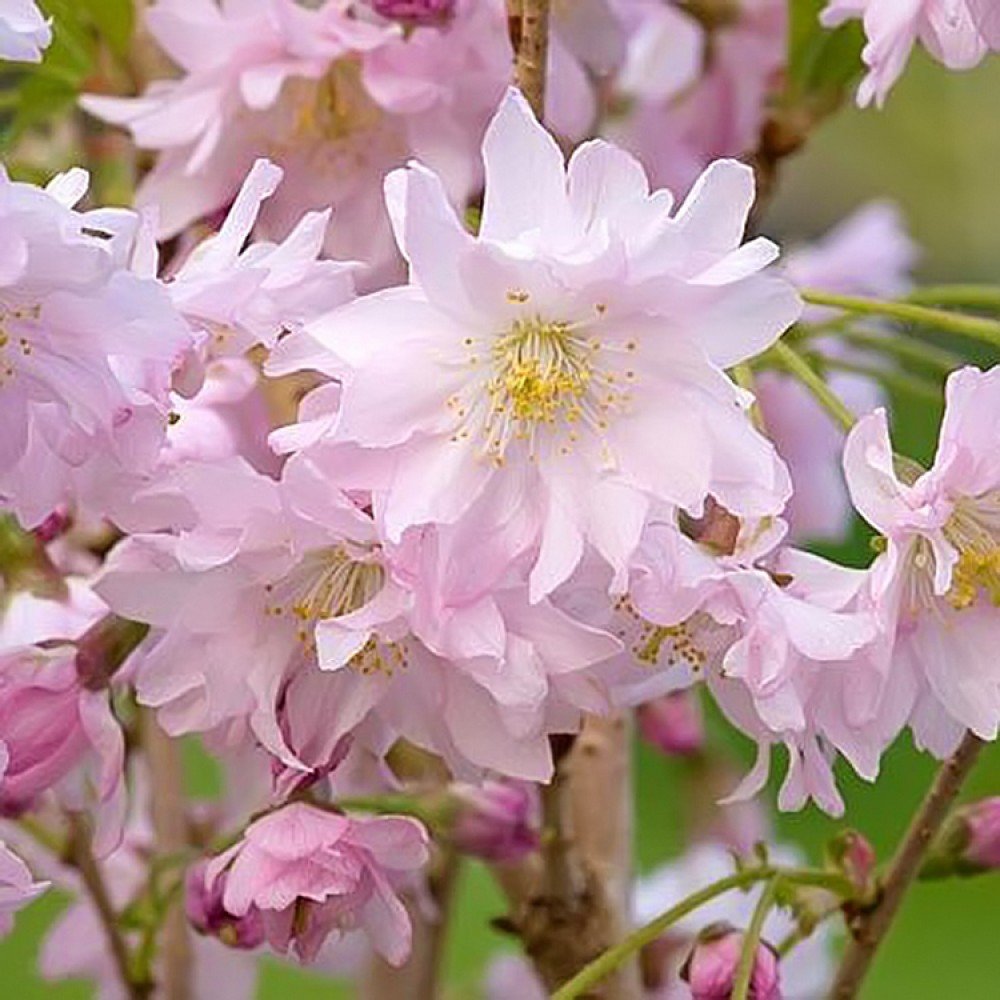
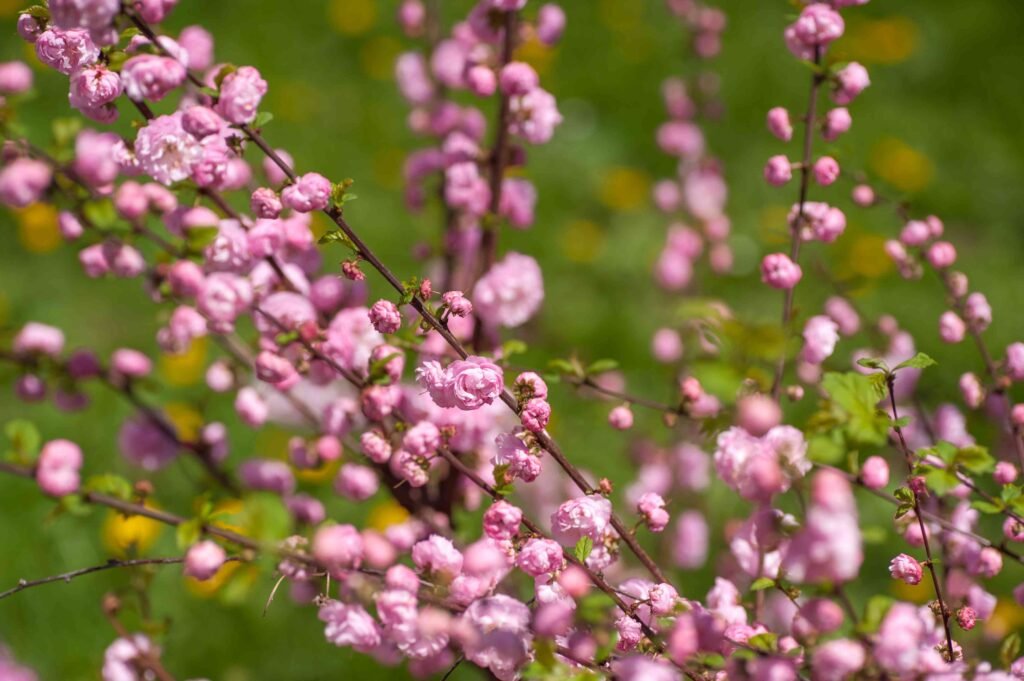
- Showy spring blossoms (white or pink)
- Compact growth habit
- Small edible cherries
- Tolerant of diverse climates
- Useful for bonsai, hedges, and ornamental displays
Although the fruit is not as widely commercialized as sweet cherries, it has a pleasantly tart, subtle flavor perfect for preserves, garnishes, and desserts.
How to Grow Korean Cherry
1. Ideal Growing Conditions
To maximize health and productivity:
Sunlight
- Full sun (at least 6 hours daily) for best flowering and fruiting
- Tolerates light partial shade but with fewer blossoms
Soil
- Well-draining soil is essential
- Prefers loamy, slightly acidic to neutral pH (6.0–7.0)
- Avoid waterlogged areas to prevent root rot
Temperature & Climate
- Hardy in USDA zones 4–8
- Tolerates cold winters and warm summers
- Flowers early—protect from late frosts if possible
Water Requirements
- Moderate watering
- Keep soil evenly moist during first year
- Once established, it becomes moderately drought-tolerant
Fertilization
- Apply balanced slow-release fertilizer in early spring
- Avoid excessive nitrogen, which reduces flowering
Pruning
- Prune immediately after flowering
- Remove:
- Dead or damaged wood
- Crossing branches
- Older stems to encourage new growth
Light shaping maintains the plant’s tidy, ornamental appearance.
Propagation of Prunus glandulosa
Korean Cherry can be propagated through three effective methods:
1. Propagation by Cuttings
This is the most reliable technique.
How to propagate stem cuttings:
- Take softwood cuttings in late spring or semi-hardwood in summer.
- Cut 4–6 inch sections from healthy stems.
- Strip lower leaves and dip in rooting hormone.
- Plant in a moist mix of perlite and peat or well-draining propagation soil.
- Keep warm and humid (cover with a plastic dome).
- Rooting takes 4–8 weeks.
2. Propagation by Suckers
Many Prunus species produce basal shoots.
- Identify a healthy sucker with roots.
- Detach from the mother plant using sharp pruners.
- Replant in a prepared bed or container.
This method is fast, easy, and highly successful.
3. Propagation by Seed
Seed propagation is possible but slower.
Steps:
- Stratify seeds in moist sand in the refrigerator for 2–3 months.
- Sow in early spring in well-draining soil.
- Keep lightly moist until germination.
Seedlings may not perfectly match parent traits.
Varieties of Korean Cherry
Prunus glandulosa has several ornamental selections prized for differing bloom colors:
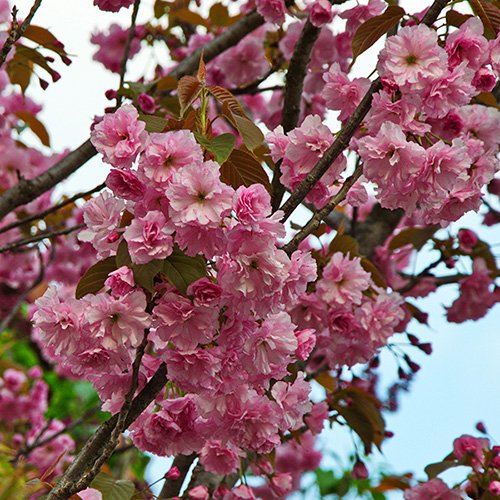
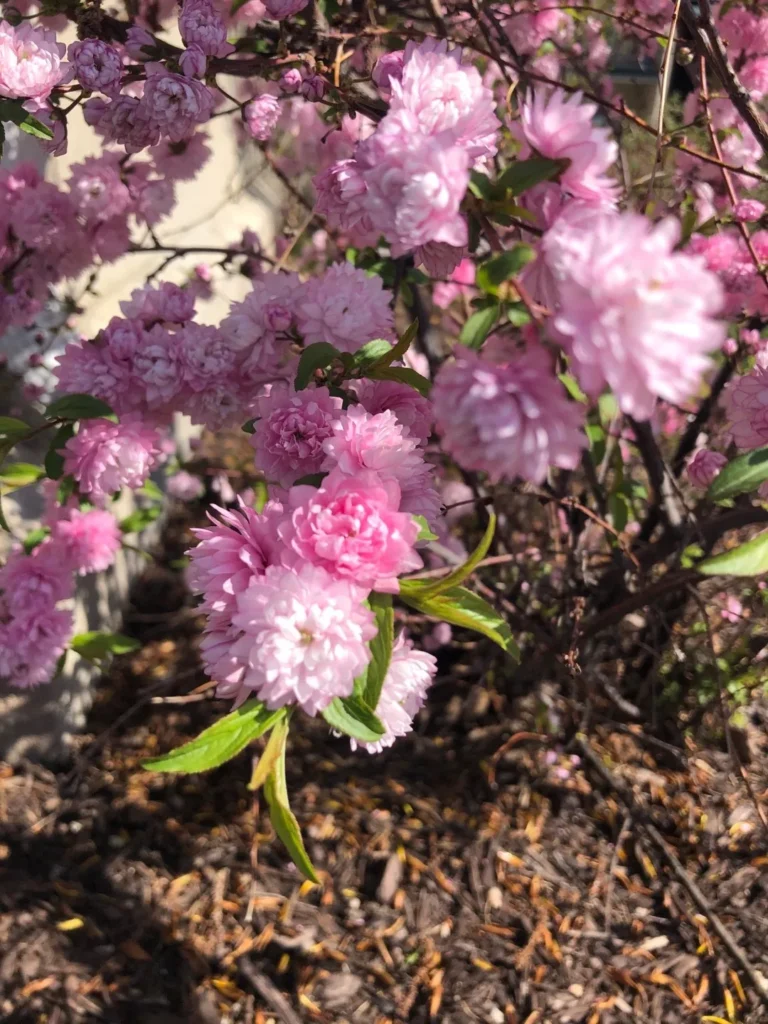
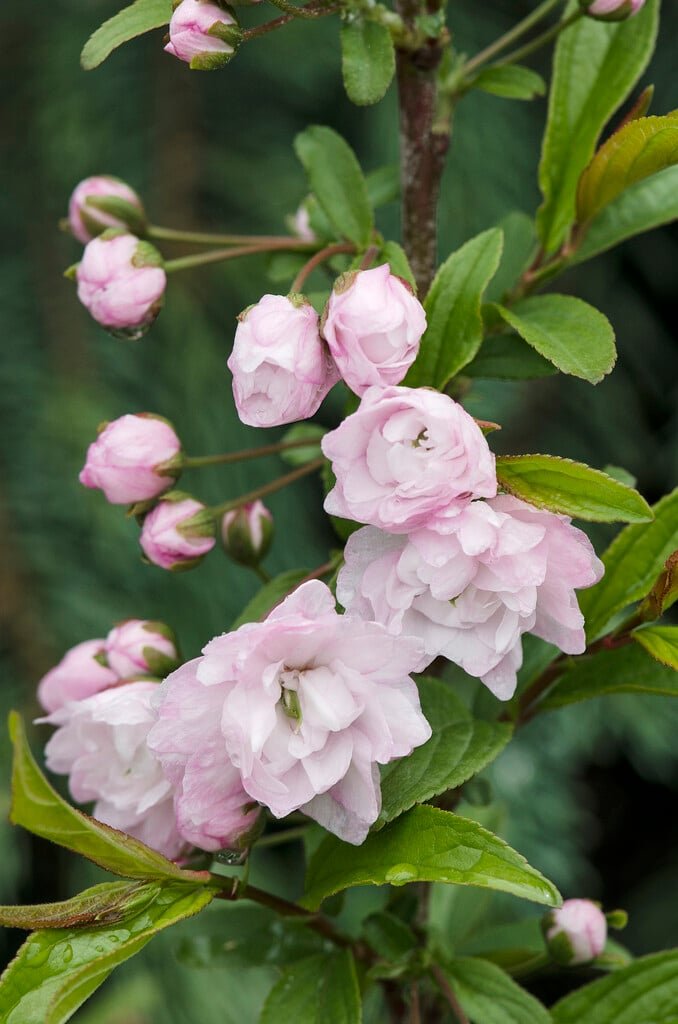
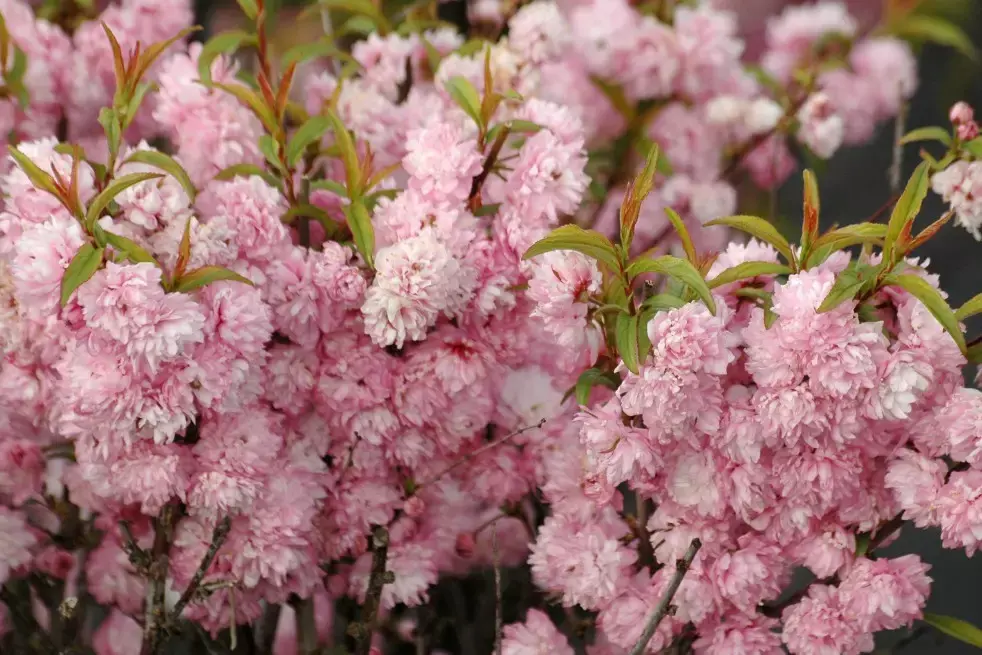
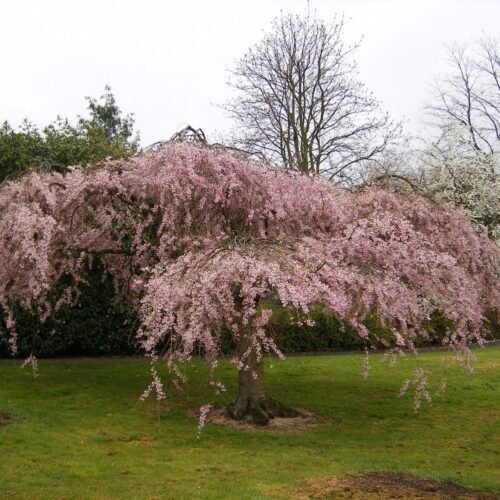
1. Prunus glandulosa ‘Rosea Plena’
- Double pink blossoms
- Highly ornamental
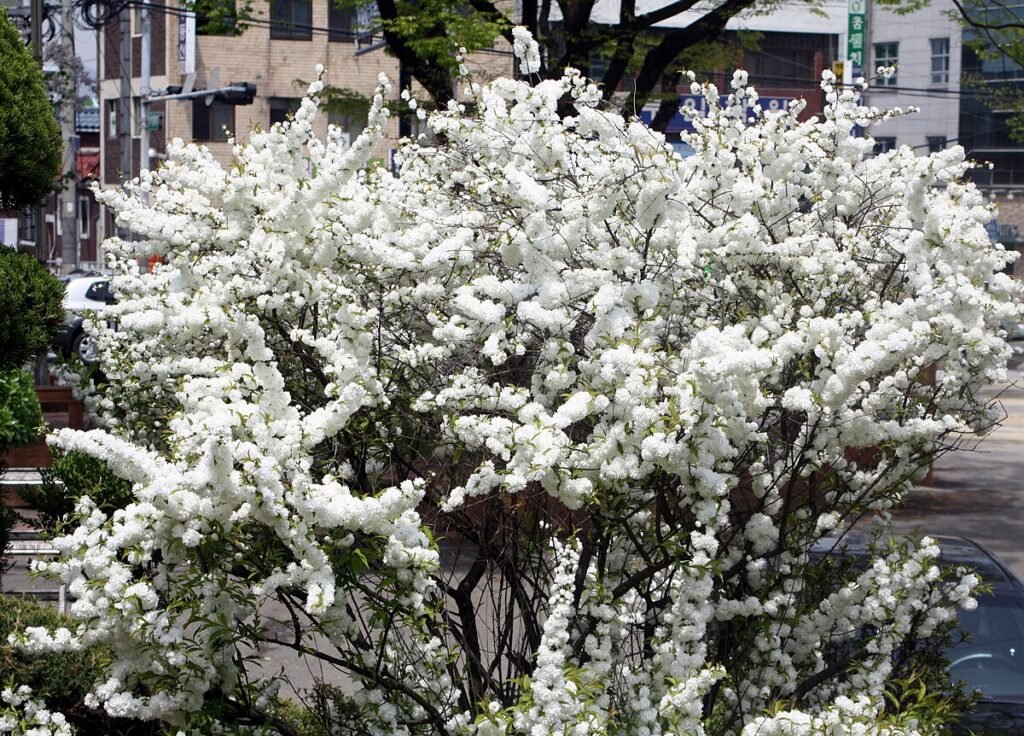
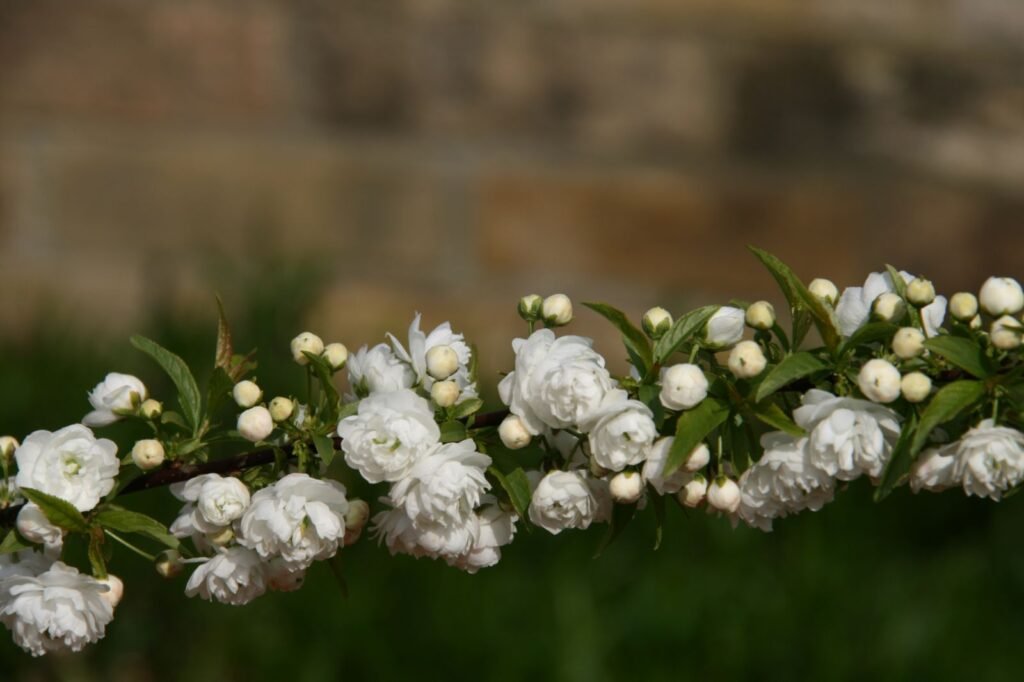
2. Prunus glandulosa ‘Alba Plena’
- Pure white double flowers
- Elegant and clean appearance
3. Standard (Wild-Type) Korean Cherry
- Single pink or white blossoms
- Produces more fruit than double-flowered cultivars
4. Dwarf Forms
- Compact versions ideal for bonsai or containers
While double-flower varieties prioritize beauty, single-flower varieties often produce better fruit yields.
Uses of Korean Cherry
Korean Cherry is valued in horticulture and beyond because of its versatility.
1. Landscape & Garden Uses
- Spring ornamental showpiece
- Low hedge or border shrub
- Accent plant near patios or entryways
- Stunning in mixed shrub beds
- Often trained as bonsai
2. Ecological Benefits
- Attracts pollinators, especially bees
- Provides food for birds and wildlife
- Supports biodiversity in small gardens
3. Home Orchard & Edible Gardening
Although not a traditional orchard staple, its fruit:
- Can be eaten fresh
- Is excellent for processing
- Adds diversity to edible landscapes
Food Options: Culinary Uses of Korean Cherry Fruit
The cherries of Prunus glandulosa are small, tart, and aromatic, making them ideal for recipes where acidity enhances flavor.
Popular Culinary Uses
- Jams and preserves
- Cherry syrup for drinks and desserts
- Tart cherry pies (often mixed with sweeter cherries)
- Compotes and reductions
- Candied cherries
- Fermented beverages or infused vinegars
- Fruit leather
- Dessert garnishes
Flavor Profile
- Tart, slightly sweet
- Floral notes
- Similar to sour cherries but milder
When mixed with sugar or cooked down, the flavor intensifies beautifully.
How to Harvest Korean Cherry
Harvesting depends on ripeness and intended use.
When to Harvest
- Usually late spring to early summer, depending on climate
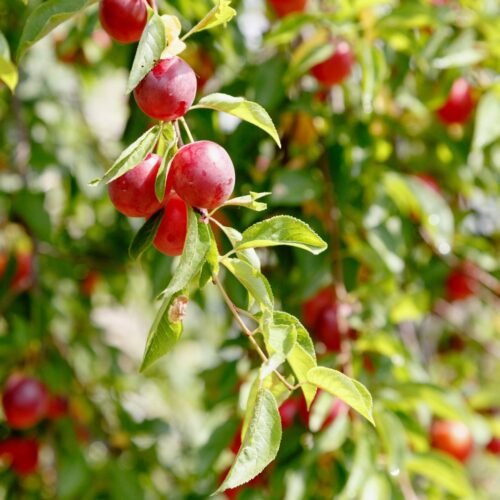
- Fruit turns deep red when ready
- Should feel slightly soft when gently squeezed
How to Harvest
- Pick by hand or clip with pruning scissors
- Handle gently—fruit bruises easily
- Harvest regularly to reduce bird damage
Storage
- Store fresh cherries in the refrigerator for 3–5 days
- Freeze for long-term use
- Best processed shortly after picking
Common Problems & Solutions
1. Pests
- Aphids
- Japanese beetles
- Spider mites
Solution: Use horticultural soap or neem oil.
2. Diseases
- Powdery mildew
- Leaf spot
- Brown rot
Solution: Improve airflow, prune regularly, avoid overhead watering.
3. Poor Flowering
- Too much shade
- Excess nitrogen
- Incorrect pruning time
Solution: Increase sunlight and prune after flowering.
Final Thoughts
Korean Cherry (Prunus glandulosa) is an exceptional shrub offering ornamental beauty, edible fruit, and adaptable growth habits. Whether you’re a backyard gardener, a culinary experimenter, or a landscape designer, this plant brings delight across the seasons. With proper care, propagation, and harvesting techniques, you can enjoy both its stunning spring display and its charming tart fruit.

&media=https://food-foresting.com/wp-content/uploads/2025/12/prunus-glandulosa-rosea-plena.webp)