
 paulius.mikoliunas1
| Common Name | Purple-Leaf Sand Cherry |
| Family | Rosaceae |
| USDA hardiness | 4-8 |
| Known Hazards |  Although no specific mention has been seen for this species, it belongs to a genus where most, if not all members of the genus produce hydrogen cyanide, a poison that gives almonds their characteristic flavour. This toxin is found mainly in the leaves and seed and is readily detected by its bitter taste. It is usually present in too small a quantity to do any harm but any very bitter seed or fruit should not be eaten. In small quantities, hydrogen cyanide has been shown to stimulate respiration and improve digestion, it is also claimed to be of benefit in the treatment of cancer. In excess, however, it can cause respiratory failure and even death. Although no specific mention has been seen for this species, it belongs to a genus where most, if not all members of the genus produce hydrogen cyanide, a poison that gives almonds their characteristic flavour. This toxin is found mainly in the leaves and seed and is readily detected by its bitter taste. It is usually present in too small a quantity to do any harm but any very bitter seed or fruit should not be eaten. In small quantities, hydrogen cyanide has been shown to stimulate respiration and improve digestion, it is also claimed to be of benefit in the treatment of cancer. In excess, however, it can cause respiratory failure and even death. |
| Habitats | Not known in the wild. |
| Range | A hybrid of garden origin, P. ‘Pissardii’ x P. pumila or P. besseyi. |
| Edibility Rating |   (2 of 5) (2 of 5) |
| Other Uses |   (3 of 5) (3 of 5) |
| Weed Potential | No |
| Medicinal Rating |   (1 of 5) (1 of 5) |
| Care (info) |     |







Purple-Leaf Sand Cherry (Prunus × cistena): Complete Guide to Growing, Propagating, Using & Harvesting This Ornamental Gem
The Purple-Leaf Sand Cherry (Prunus × cistena) is a dazzling ornamental shrub admired for its deep purple foliage, fragrant spring blossoms, and edible summer fruit. It enriches landscapes with bold year-round color, attracts wildlife, and offers surprising culinary uses. Today, this hybrid cherry shrub is enjoyed in gardens across a wide range of climates because it delivers beauty, productivity, and versatility in a compact package.
Whether you’re curious about gardening with Purple-Leaf Sand Cherry, searching for propagation methods, looking for varieties, or wondering how to harvest and eat its plums, you’ll find everything you need right here.
What Is Purple-Leaf Sand Cherry?
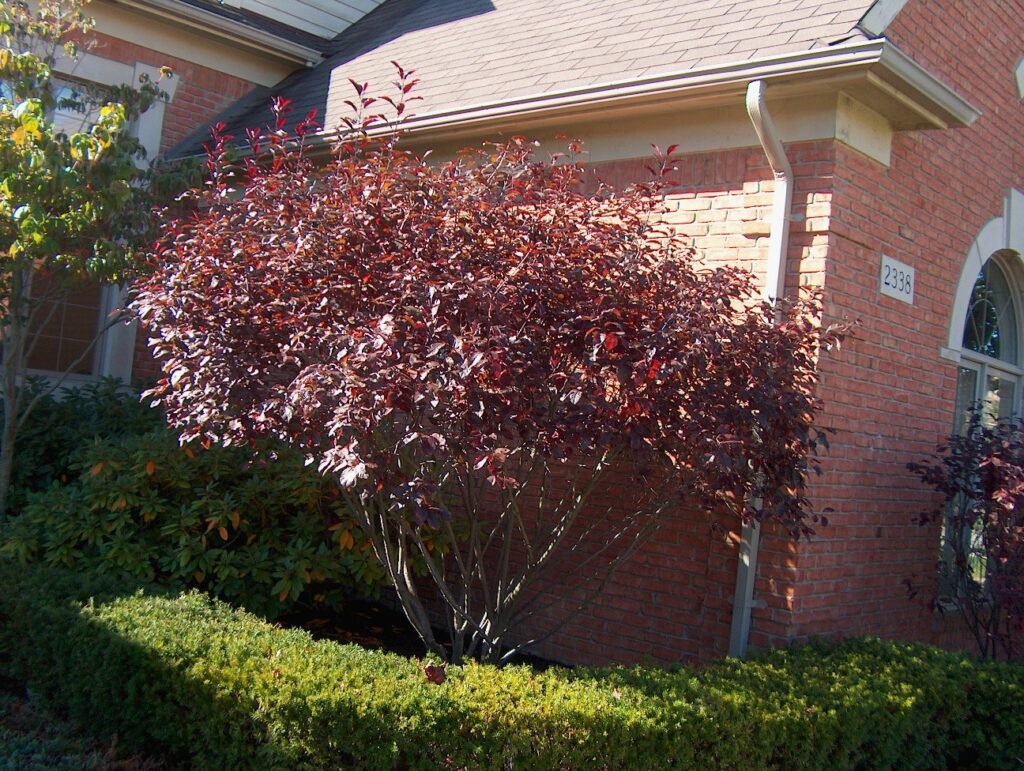
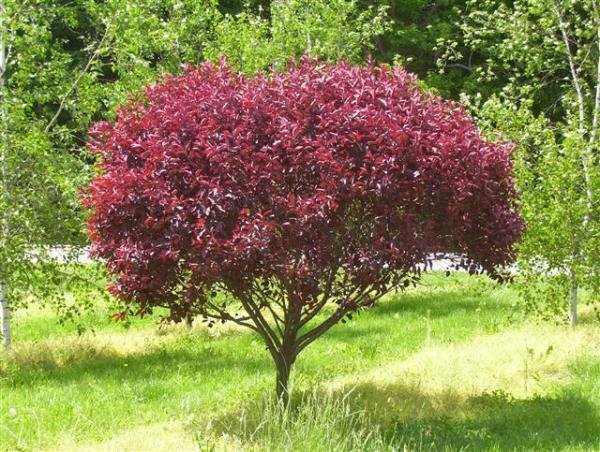
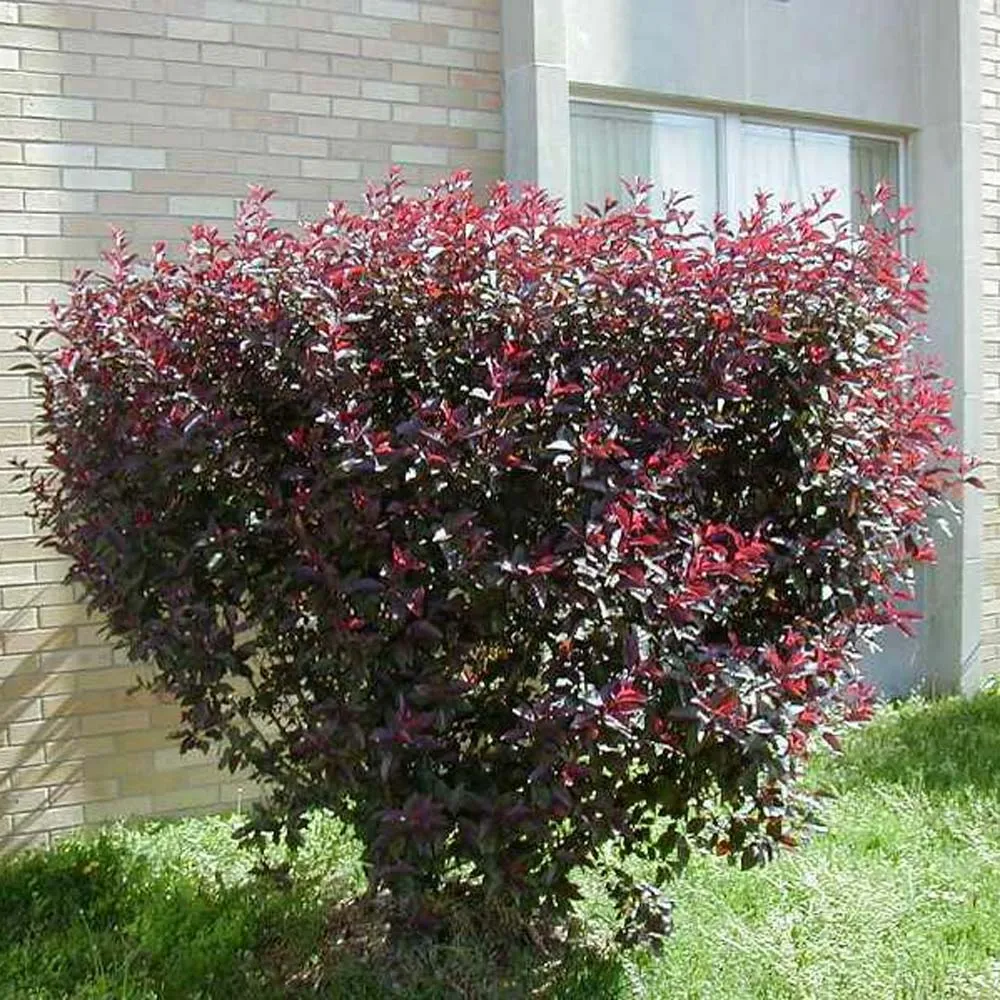
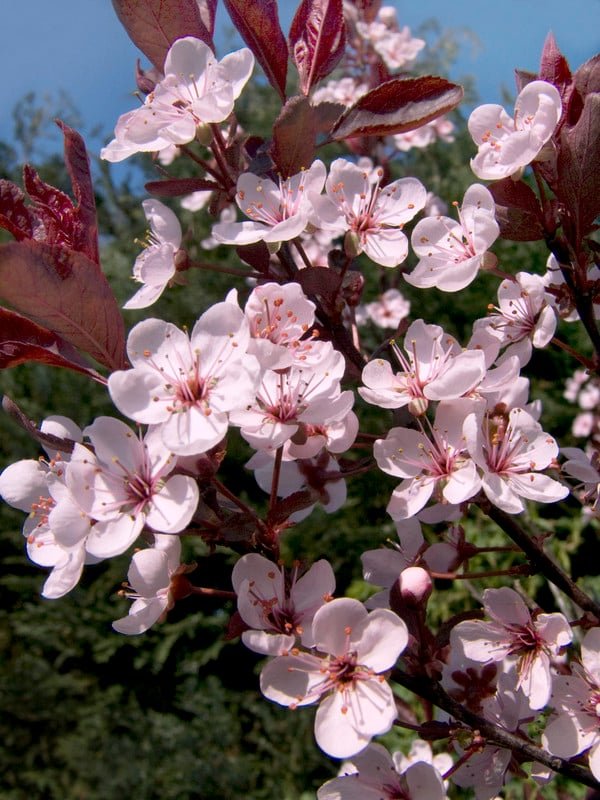
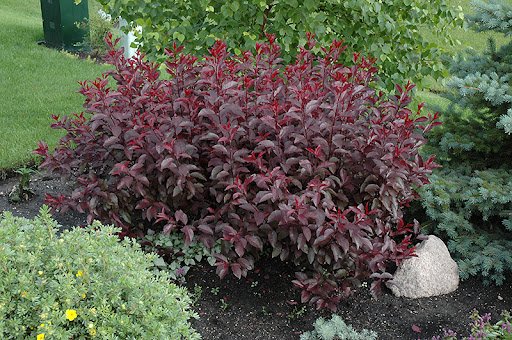
Purple-Leaf Sand Cherry is a hybrid created by crossing Prunus cerasifera and Prunus pumila. The result is a hardy ornamental shrub or small tree capable of reaching around 6–10 feet tall and wide. Its most iconic feature is its dark reddish-purple foliage that holds strong through summer, giving gardens a distinctive pop of color.
Many gardeners grow it for:
- Purple leaves that improve landscape contrast
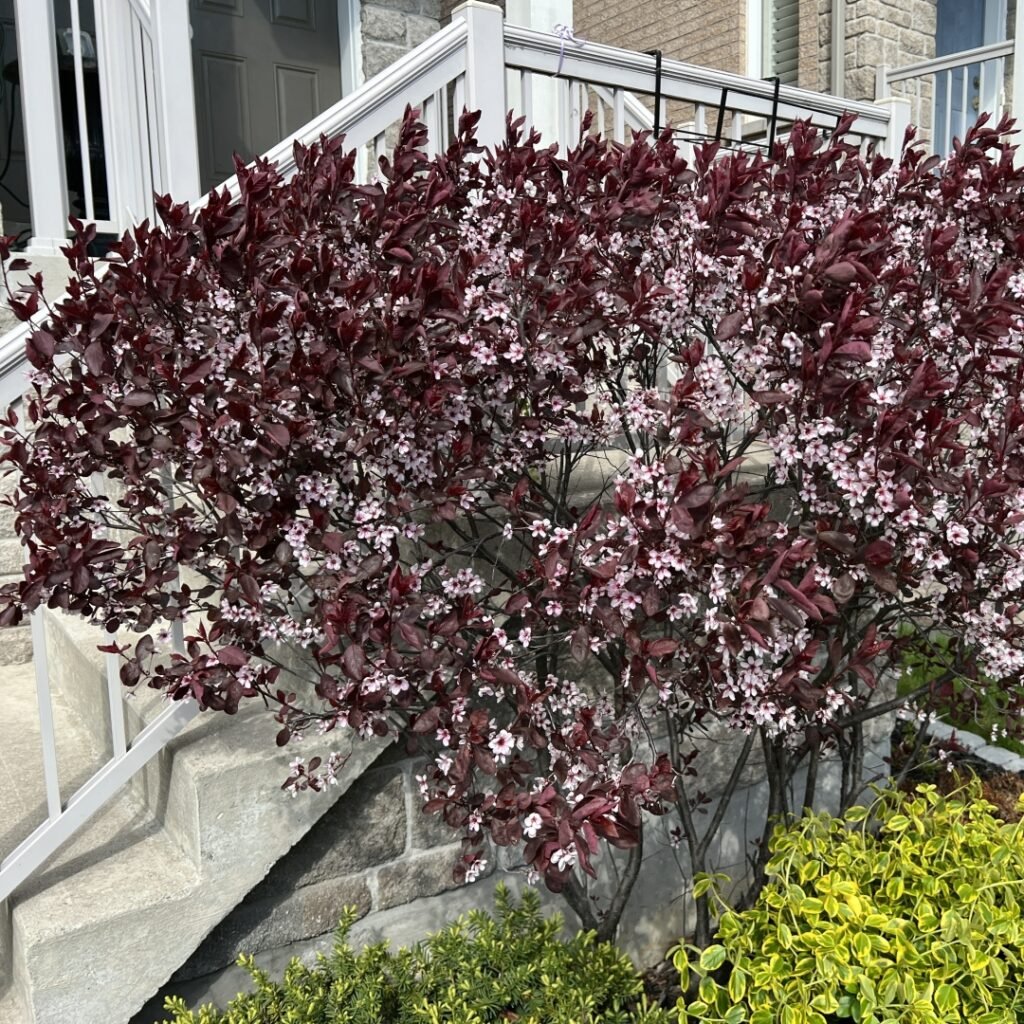
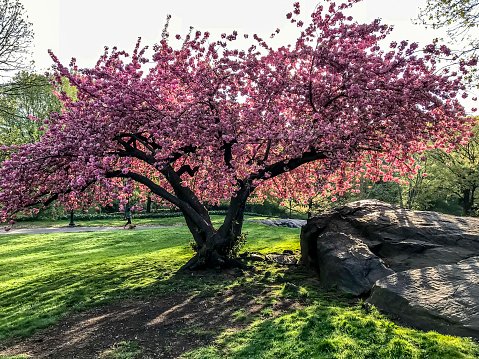
- Pink, almond-scented blossoms in spring
- Edible fruit in late summer
- Wildlife attraction (birds, beneficial insects)
- Ornamental form for small spaces
Why Gardeners Love Purple-Leaf Sand Cherry
1. Bold Color All Season
Unlike many shrubs that fade in summer, Purple-Leaf Sand Cherry maintains intense coloring through heat and drought.
2. Cold-Hardiness
This plant thrives in USDA Zones 3–8, tolerating harsh winters.
3. Low Maintenance Care
With proper pruning, Purple-Leaf Sand Cherry performs well without demanding constant attention.
How To Grow Purple-Leaf Sand Cherry (Step-By-Step Guide)
Growing Purple-Leaf Sand Cherry successfully starts with proper site placement and soil preparation.
Ideal Soil Conditions
- Well-drained soil is essential
- Prefers sandy loam but tolerates clay with amendments
- Slightly acidic to neutral pH
Avoid areas with waterlogging to prevent root rot.
Sunlight Requirements
For the richest leaf color, plant your shrub where it will receive:
- Full sun (6–8 hours daily)
Partial shade reduces foliage vibrancy.
Watering Needs
- Water deeply weekly during establishment
- After first year, water during drought
- Keep soil evenly moist, not soggy
Fertilizing
Apply a balanced, slow-release fertilizer in early spring to boost leaf density and flower production.
Pruning Tips
Prune:
- After flowering or late winter
- Remove crossing or diseased branches
- Thin older stems to improve airflow
Routine pruning helps prevent pest damage and keeps form attractive.
Propagation Methods for Purple-Leaf Sand Cherry
1. Propagation by Cuttings
This is the most popular method.
How to propagate:
- Take softwood cuttings 4–6 inches long in late spring
- Remove bottom leaves
- Dip in rooting hormone
- Plant in moist potting mix
- Cover to retain humidity
- Roots form in 4–8 weeks
Cuttings preserve parent genetics, ensuring identical foliage color.
2. Propagating by Seeds
Possible, but slower and inconsistent.
Seeds require:
- Stratification
- Patience
- Protection from rodents
Expect variable outcomes.
3. Layering
Great for beginners:
- Bend flexible branches to soil
- Secure and partially bury
- Roots will form within months
Once rooted, detach and transplant.
Popular Purple-Leaf Sand Cherry Varieties
While Prunus × cistena is the primary type, ornamental breeders have developed complementary cultivars:
‘Schubert’
- Dark purple foliage
- Small cherry fruit
- Upright growth
‘Newport’
- Compact shape
- Lavender spring foliage turning purple
- Cold hardy
‘Thundercloud’
- Small tree form
- Vivid flowering display
These varieties help gardeners tailor aesthetics and size.
Uses and Benefits of Purple-Leaf Sand Cherry
1. Landscaping Feature
This shrub functions beautifully as:
- Accent plant
- Hedge
- Specimen near entrances
- Foundation planting
Its purple foliage pairs well with chartreuse or silver-leaf plants.
2. Wildlife Attraction
The fragrant flowers feed pollinators, and fruit feeds songbirds.
3. Wind & Privacy Break
Dense growth may be shaped into screens or wind buffers.
4. Edible Fruit Production
Many people overlook the food-producing qualities of this ornamental shrub.
Edible and Food Uses for Purple-Leaf Sand Cherry Fruit
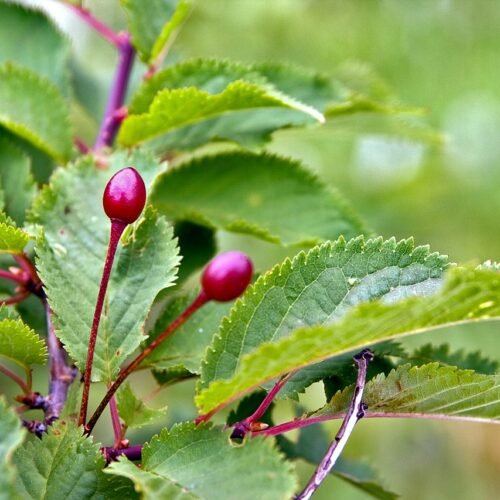
Purple-Leaf Sand Cherry produces small, tart plums that ripen from midsummer to early fall. While not commonly eaten raw, the flavor shines in cooked recipes:
Food Ideas:
- Jelly & jam
- Pie filling
- Plum sauce
- Wine making
- Fruit syrups
- Spreads for cheese boards
- Chutney
- Dehydrated fruit snacks
Their natural tartness creates wonderful depth in preserves.
When & How To Harvest Purple-Leaf Sand Cherry
Harvest Season
Fruit typically ripens:
- July through September, depending on climate and soil.
Signs of Ripeness
- Deep purple-red color
- Easily removed from stems
- Softening flesh
Harvest Method
- Pick by hand
- Avoid shaking branches to protect next year’s flowers
Common Problems & Solutions
Pests
- Aphids
- Borers
- Spider mites
Control with pruning, sanitation, and targeted treatments when needed.
Diseases
- Cytospora canker
- Black knot fungus
- Leaf spot issues
Remove affected branches and maintain good airflow.
Is Purple-Leaf Sand Cherry Worth Planting?
Absolutely. This shrub is:
- Visually striking
- Edible
- Hardy
- Multi-purpose
- Suitable for small landscapes
- Loved by pollinators
Few ornamental shrubs offer this level of color and productivity.
Final Thoughts
Purple-Leaf Sand Cherry (Prunus × cistena) is proof that a garden plant can be beautiful, functional, and delicious. From its unique purple foliage to its summer fruit and year-round ornamental appeal, it remains one of the most beloved shrubs in residential landscaping.
Whether you want to propagate it, harvest the fruit, or simply enjoy its color and fragrance, this plant delivers. With the right care, Purple-Leaf Sand Cherry can thrive for years, rewarding you each season with color, wildlife, flavor, and charm.


&media=https://food-foresting.com/wp-content/uploads/2025/12/prunus-cistena-purple-leaf-sand-cherry-780x520-1.jpg)