
 paulius.mikoliunas1
| Common Name | Sargent Cherry |
| Family | Rosaceae |
| USDA hardiness | 4-7 |
| Known Hazards |  Although no specific mention has been seen for this species, it belongs to a genus where most, if not all members of the genus produce hydrogen cyanide, a poison that gives almonds their characteristic flavour. This toxin is found mainly in the leaves and seed and is readily detected by its bitter taste. It is usually present in too small a quantity to do any harm but any very bitter seed or fruit should not be eaten. In small quantities, hydrogen cyanide has been shown to stimulate respiration and improve digestion, it is also claimed to be of benefit in the treatment of cancer. In excess, however, it can cause respiratory failure and even death. Although no specific mention has been seen for this species, it belongs to a genus where most, if not all members of the genus produce hydrogen cyanide, a poison that gives almonds their characteristic flavour. This toxin is found mainly in the leaves and seed and is readily detected by its bitter taste. It is usually present in too small a quantity to do any harm but any very bitter seed or fruit should not be eaten. In small quantities, hydrogen cyanide has been shown to stimulate respiration and improve digestion, it is also claimed to be of benefit in the treatment of cancer. In excess, however, it can cause respiratory failure and even death. |
| Habitats | Mountains, C. and N. Japan. |
| Range | E. Asia – Japan. |
| Edibility Rating |   (2 of 5) (2 of 5) |
| Other Uses |   (1 of 5) (1 of 5) |
| Weed Potential | No |
| Medicinal Rating |   (1 of 5) (1 of 5) |
| Care (info) |     |
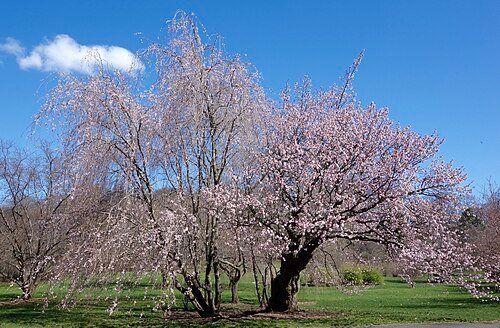
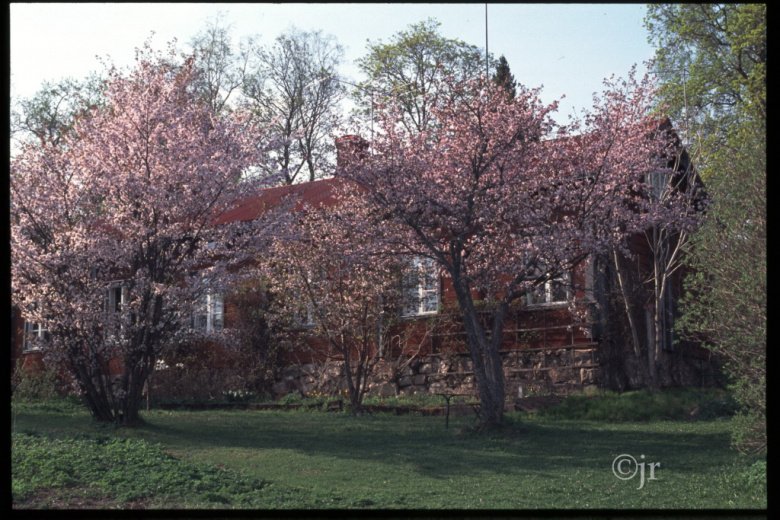
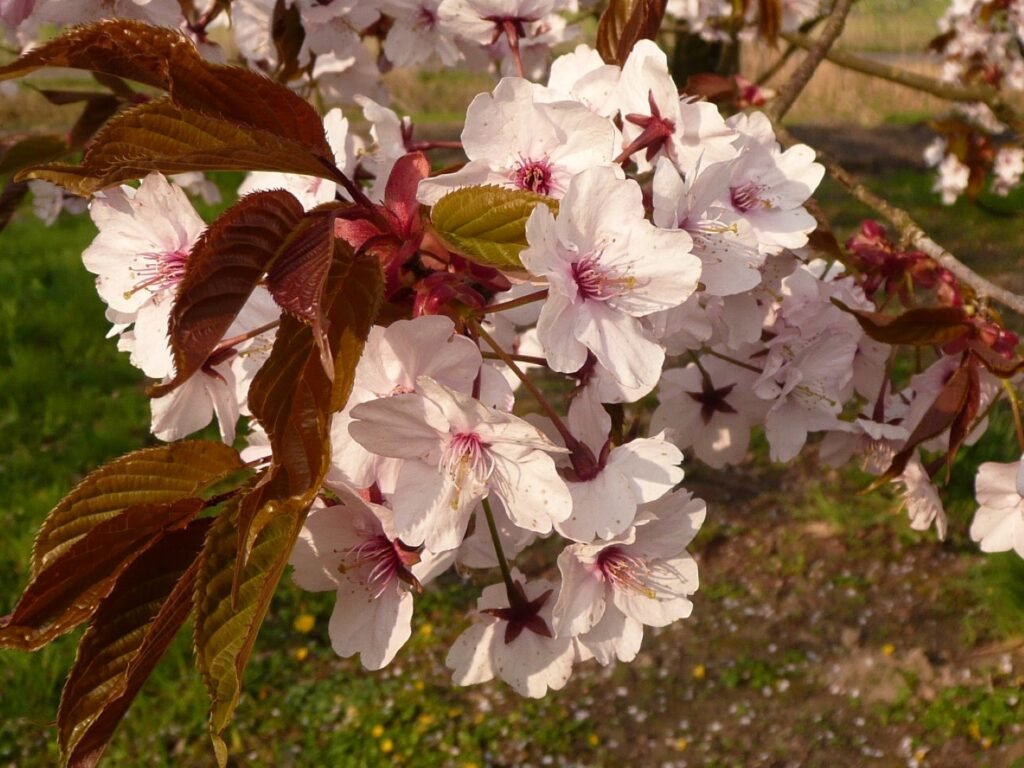
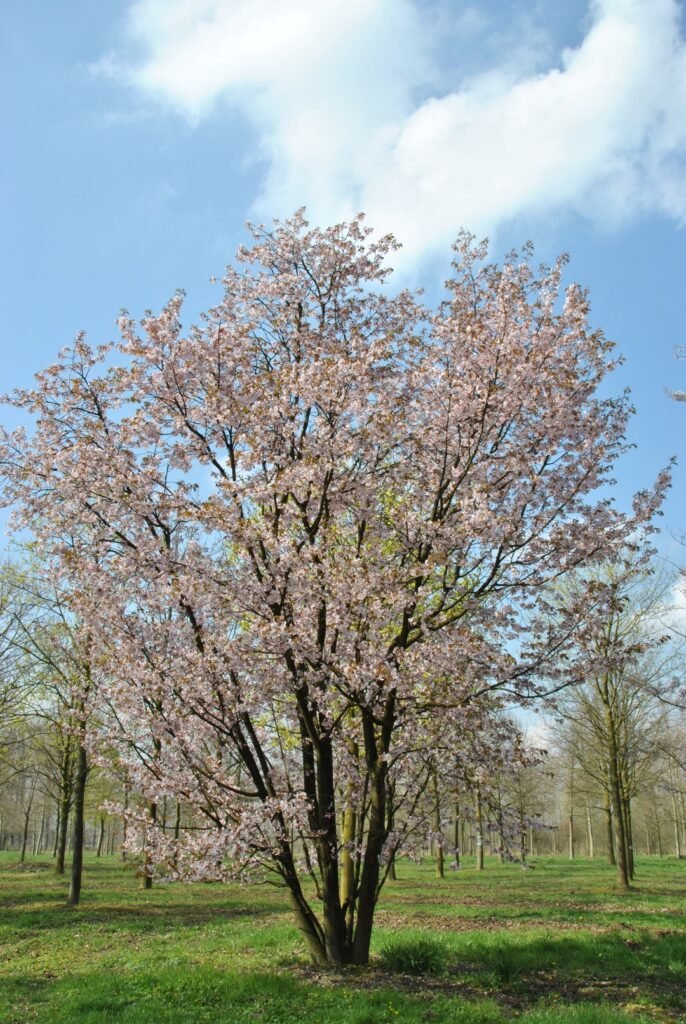
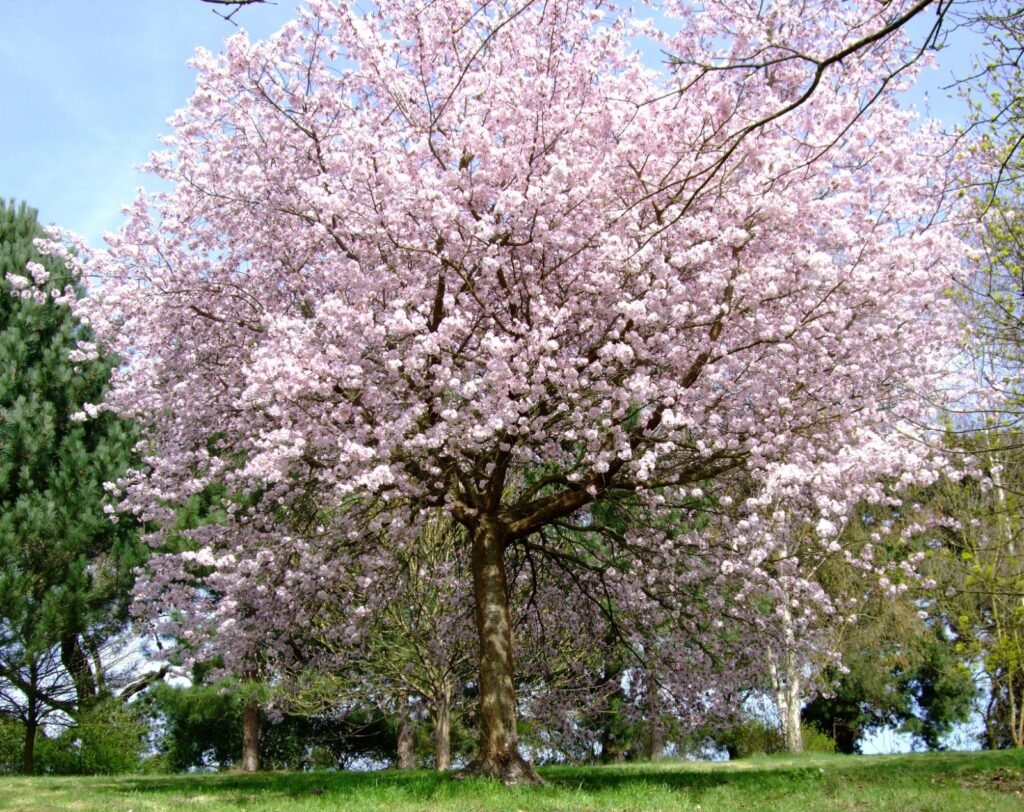
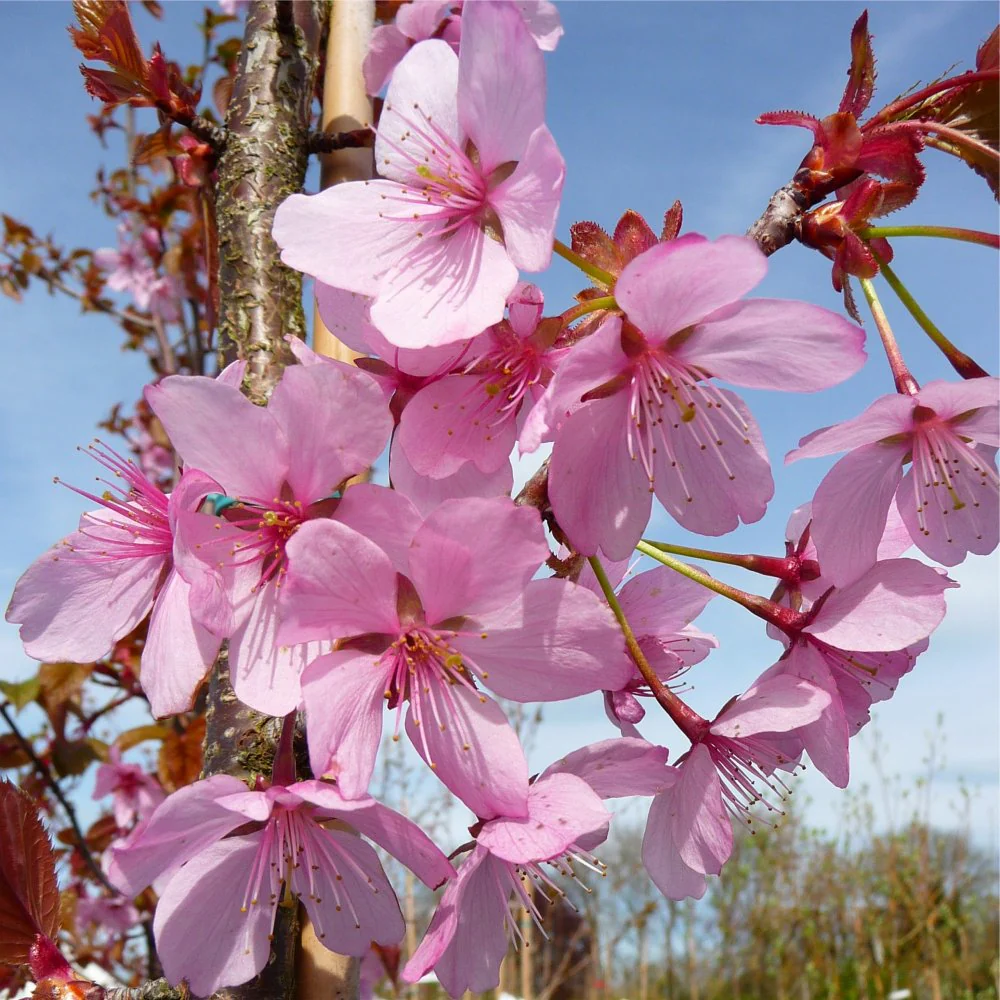
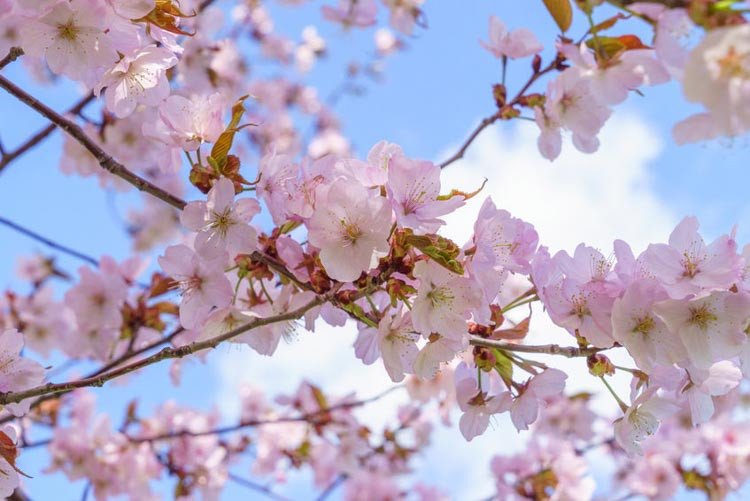
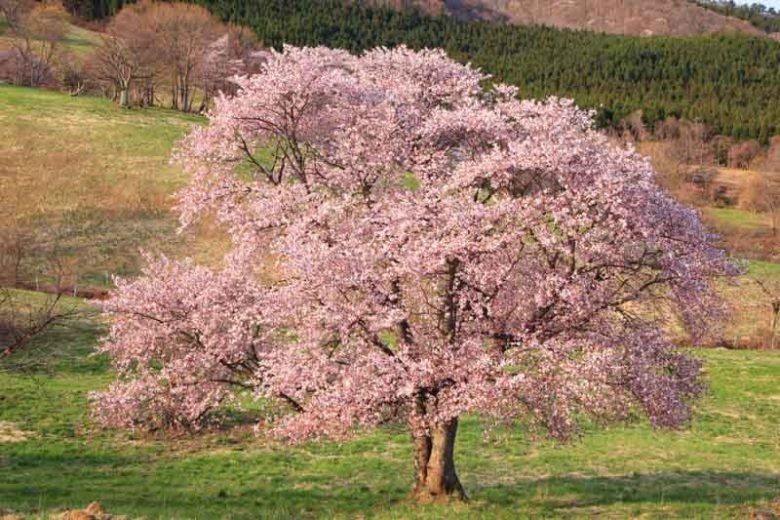
Sargent Cherry (Prunus sargentii): Growing, Propagating & Harvesting a Brilliant Ornamental Cherry
If you dream of a flowering cherry tree that offers four-season interest, excellent cold resistance, and remarkable ornamental value, the Sargent Cherry (Prunus sargentii) deserves a place on your landscape wish list. This species, native to Japan, Korea, and parts of Russia, is beloved for its vase-shaped form, shiny mahogany bark, fiery autumn foliage, and brilliant spring bloom display.
In today’s guide, you’ll learn everything you need to know about growing Sargent Cherry—from soil prep to long-term care—as well as propagation, varieties, culinary usage, garden pairing ideas, and harvesting tips.
What Makes Sargent Cherry Special?
Sargent Cherry stands apart from other ornamental cherries because:
- It thrives in colder climates (USDA zones 4–7)
- It offers stunning pink blossoms
- It resists many cherry diseases better than other varieties
- It has edible fruit attractive to birds and people
- It grows into a strong, shapely tree without excessive pruning
This combination makes it a standout for modern urban landscapes, parks, avenues, and backyard ornamental gardens.
How to Grow Sargent Cherry (Prunus sargentii)
Ideal Location & Soil Requirements
Sargent Cherry prefers:
- Full sun (6–8 hours minimum)
- Moist, well-drained soil
- Neutral to slightly acidic pH
- Shelter from harsh dry winds
Although tolerant of clay and urban soil, trees perform best in amended loam with organic matter.
Soil Amendment Tips
Mix into planting soil:
- Aged compost
- Leaf mold
- Pine bark fines
- A handful of slow-release fertilizer
Avoid planting deeply—expose the root flare to prevent trunk rot.
Planting Instructions
- Dig a hole twice the width of the root ball.
- Place the tree at original soil depth.
- Backfill with native soil mixed with compost.
- Water deeply and mulch to retain moisture.
- Stake only if winds are severe.
Young Sargent Cherry trees establish quickly, gaining 12–18 inches of new growth per year with proper care.
Watering Needs
- Keep soil evenly moist for the first growing season.
- Water deeply rather than often to build drought tolerance.
- Mature trees tolerate dry periods once established.
Sunlight & Temperature
- Requires full sunlight for dense blooming.
- Hardy to −30°F/−34°C, making it one of the toughest ornamental cherries.
Pruning Sargent Cherry
Minimal pruning is needed.
Best practices:
- Remove dead branches in late winter
- Open the canopy only if airflow becomes poor
- Avoid heavy pruning, which reduces flowering
Never prune during wet, humid periods to limit fungal entry.
Propagation Methods for Sargent Cherry
1. Seed Propagation
A traditional method for mass production.
Steps:
- Collect ripe fruit in summer.
- Clean pits and store for 2–3 months.
- Cold-stratify seeds for 90–120 days.
- Sow in spring outdoors or under lights.
Seed-grown plants vary slightly in traits.
2. Softwood Cuttings
Most reliable for preserving specific varieties.
How to:
- Take 6–8 inch softwood tips in early summer.
- Dip base in rooting hormone.
- Place in sterile, moist sand/perlite mix.
- Keep humid and warm until rooted.
3. Grafting
Common for commercial nurseries.
Scions are attached to hardy cherry rootstock to:
- Improve vigor
- Increase disease resistance
- Control size
Popular Varieties of Sargent Cherry
Prunus sargentii ‘Columnaris’
- Upright, narrow habit
- Ideal for tight spaces
Prunus sargentii ‘Rancho’
- Excellent street tree
- Resistant to pollution and salt
Prunus sargentii ‘Chisan’
- Compact shape and strong flowering
Hybrid Uses
Sargent Cherry has been used to create hybrid flowering cherries due to its:
- Winter hardiness
- Flower quality
- Upright structure
Seasonal Interest & Landscape Uses
Spring
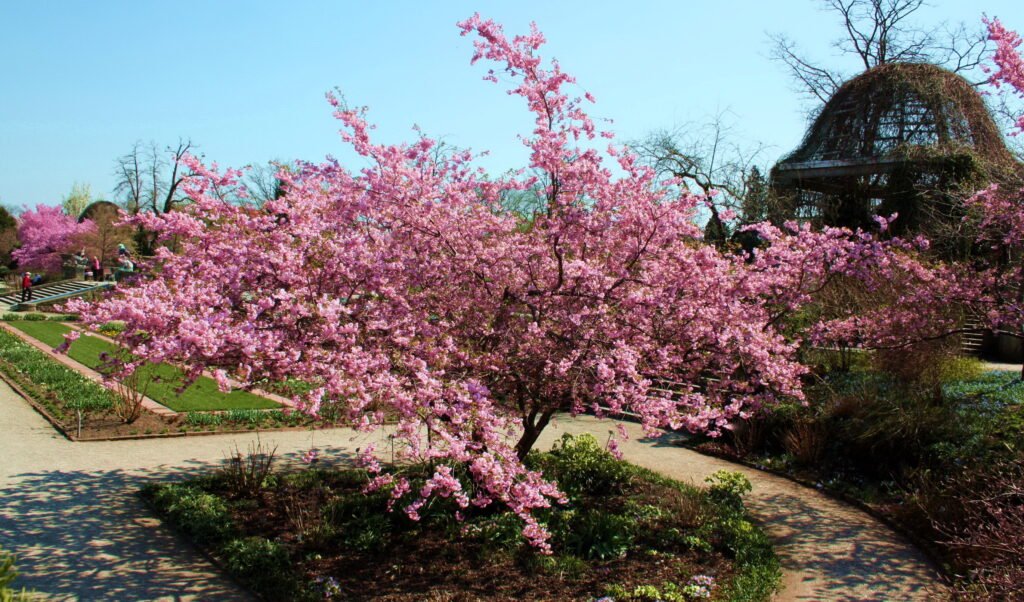
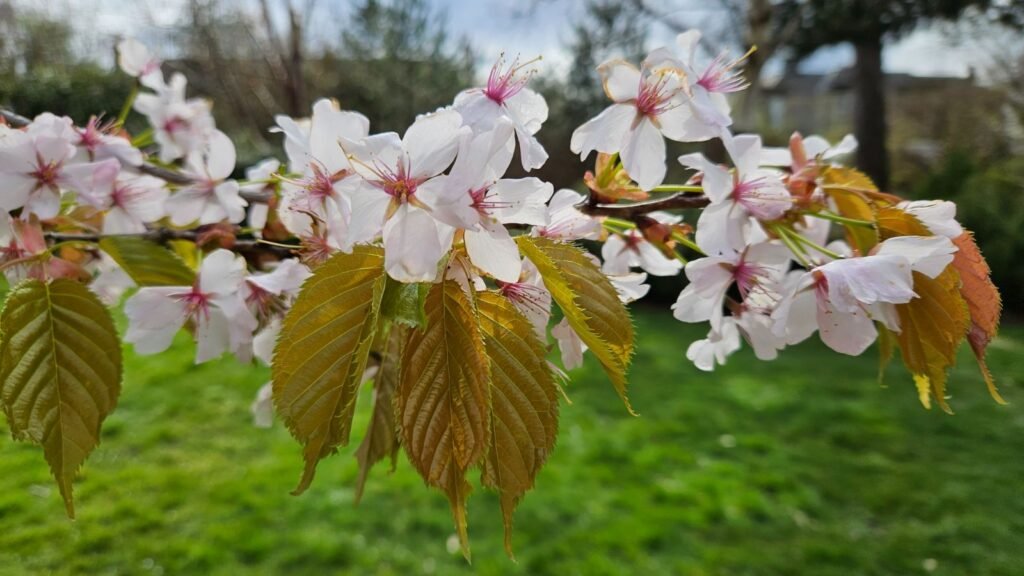
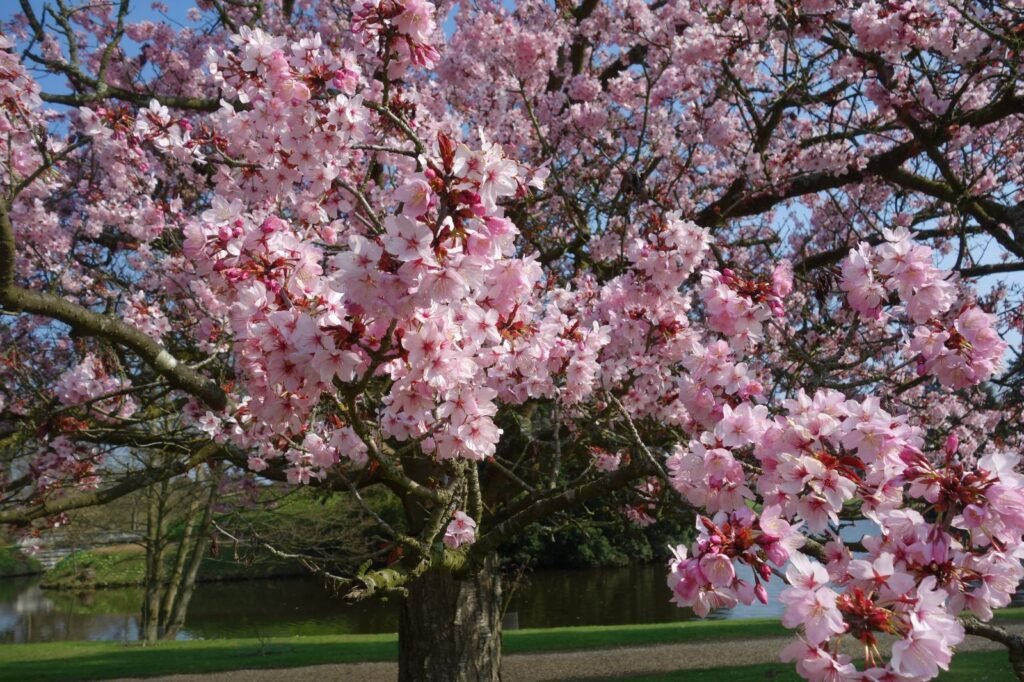
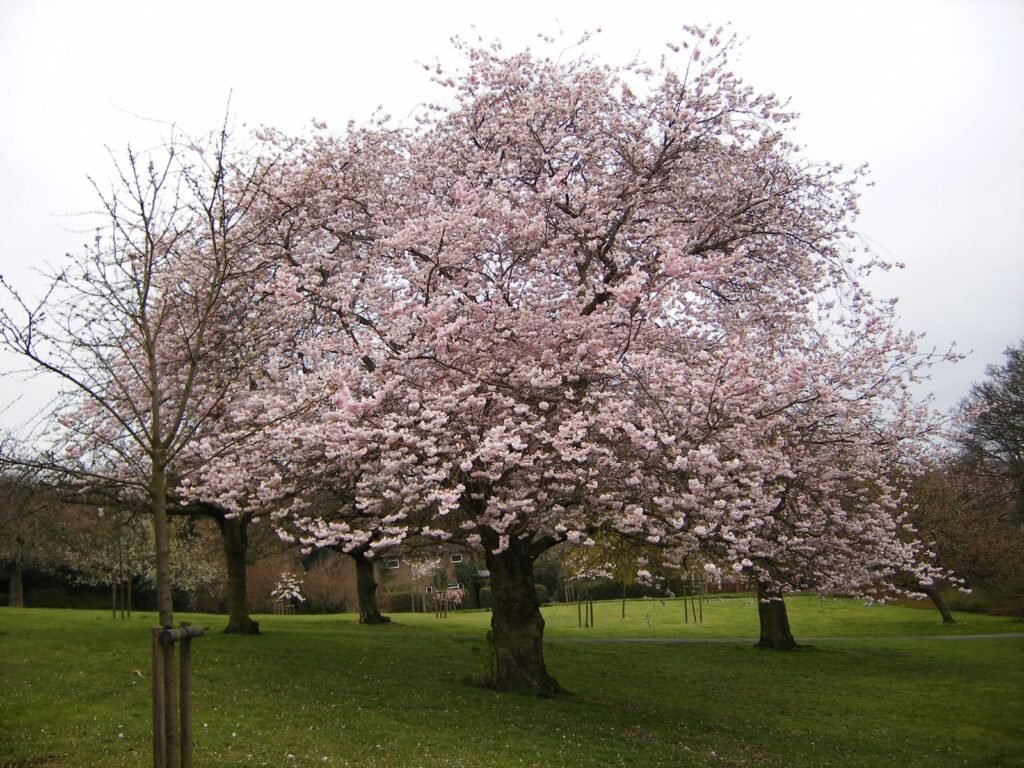
- Rose-pink blossoms open before leaves
- Bees and pollinators flock to nectar
Summer
- Glossy green foliage and smooth bark
- Dense shade for garden seating space
Autumn
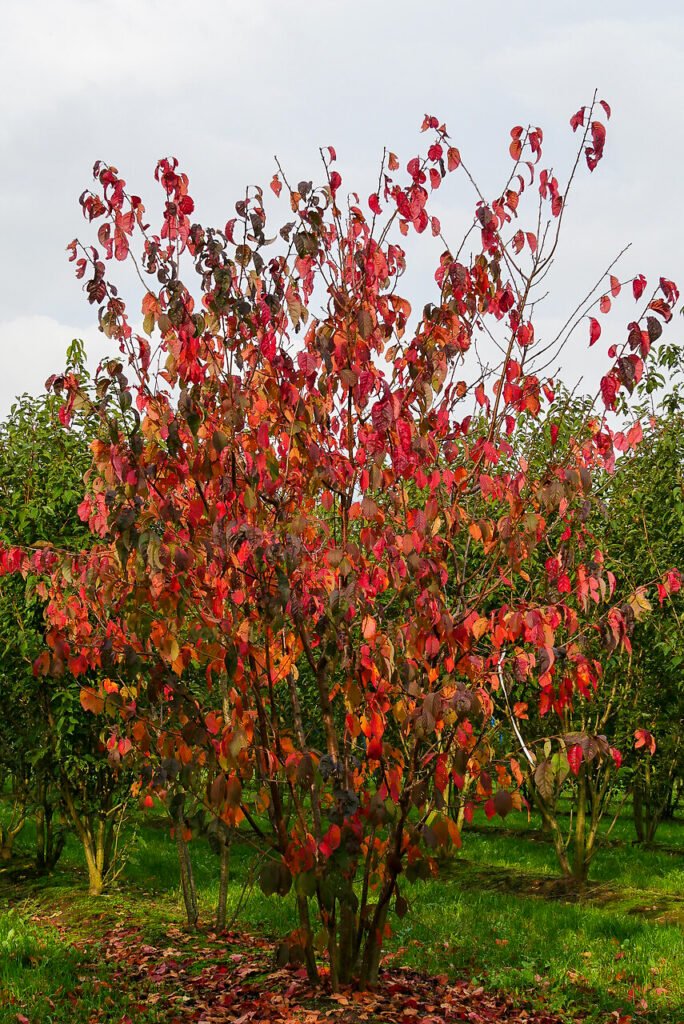
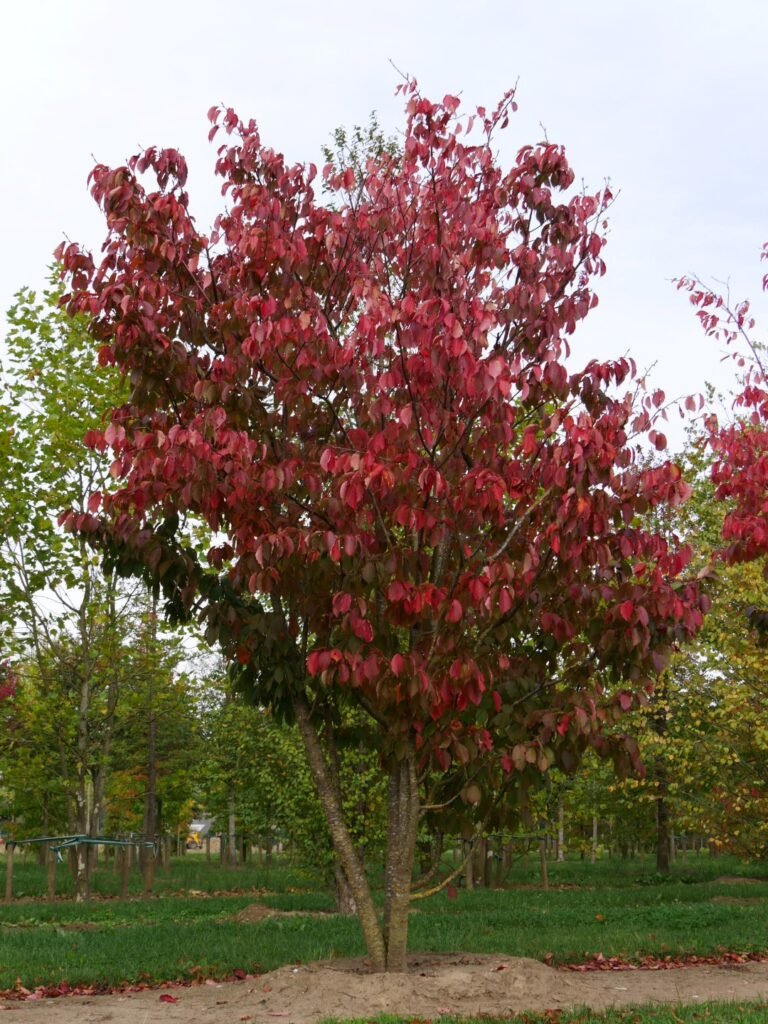
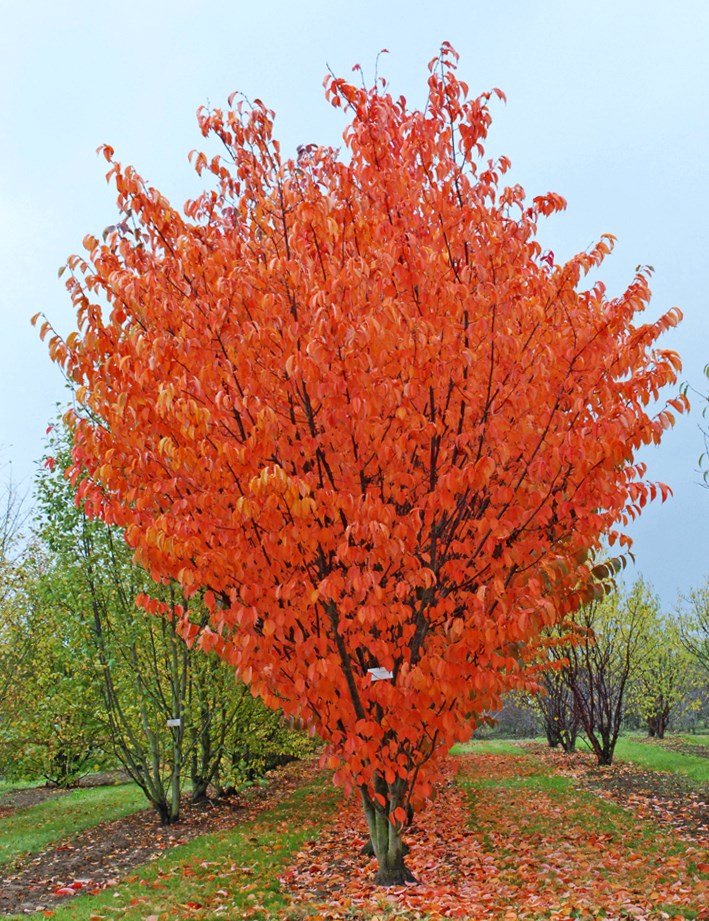
- Vibrant orange, scarlet, and copper leaves
Winter
- Polished bark adds structure to snowy landscapes
Food Uses & Edible Qualities
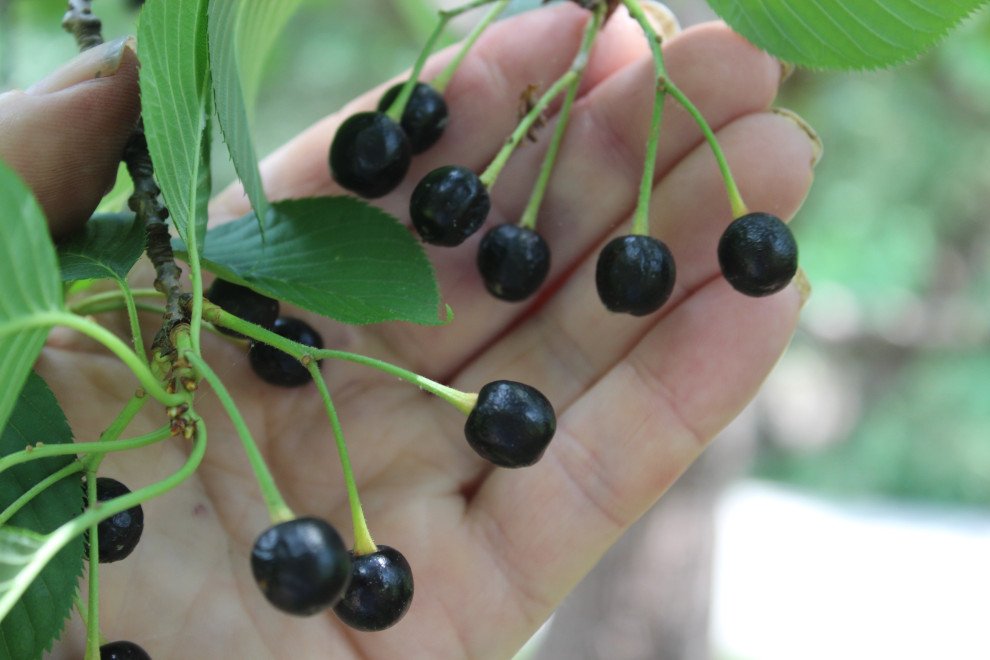
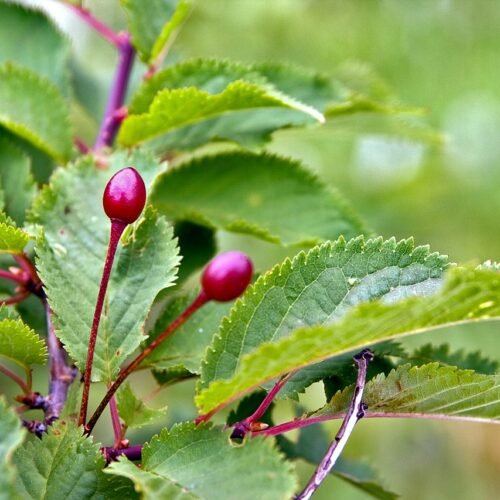
Although mainly ornamental, Sargent Cherry produces small dark fruit that are:
- Tart but edible fresh
- Perfect for jam, compote & preserves
- Loved by birds and wildlife
Culinary Ideas
- Cherry syrup for cocktails
- Fruit leather
- Tart cherry pie blend
- Jelly mixed with sweet cherry varieties
Because it contains natural tannins, Sargent Cherry fruit benefits from:
- Added sugar or honey
- Blending with sweet fruit
- Cooking to soften acidity
Leaves are not edible and should not be consumed.
How to Harvest Fruit
Fruit ripens in summer, typically mid-to-late July depending on climate.
Steps:
- Pick cherries when they turn deep purple-black.
- Use gentle twisting to avoid stem damage.
- Refrigerate promptly to prolong shelf life.
Fruit production varies depending on weather and pollination success.
Common Problems & Prevention
Sargent Cherry is naturally tough, but keep an eye out for:
Pests
- Aphids
- Caterpillars
- Japanese beetles
Use organic control like:
- Neem spray
- Beneficial insects
- Hand removal
Diseases
Less susceptible than most cherries, but possible:
- Canker
- Leaf spot
- Powdery mildew
Prevent by:
- Ensuring airflow
- Avoiding wet foliage
- Sanitizing pruning tools
Why Plant Sargent Cherry?
Planting Sargent Cherry offers lasting returns:
- Shade and ornamental beauty
- Bird-friendly fruit
- Excellent cold tolerance
- Landscape value increases property appeal
- Low maintenance needs once mature
It is one of the best cherry species for northern climates where delicate flowering cherries often fail.
Conclusion
The Sargent Cherry (Prunus sargentii) is an exceptional ornamental tree that combines strength, beauty, and usefulness. With proper planting, consistent early watering, and light shaping, it can thrive for decades—rewarding growers with breathtaking blossoms, vibrant autumn color, and wildlife-friendly fruit.
Whether you’re designing a city garden, seeking a powerful street tree, or looking for a pink-flowering cherry that withstands cold winters, Sargent Cherry stands out as a remarkable choice.



&media=https://food-foresting.com/wp-content/uploads/2025/12/Prunus_sargentii-scaled.jpg)