
 paulius.mikoliunas1
| Hardiness | 4 – 9 What’s My Zone? |
|---|---|
| Genus | Salix |
| Common names | Japanese Pussy, Willow |
| Exposure | Full Sun |
| Season of Interest | Spring (Early, Mid, Late), Summer (Early, Mid, Late), Fall |

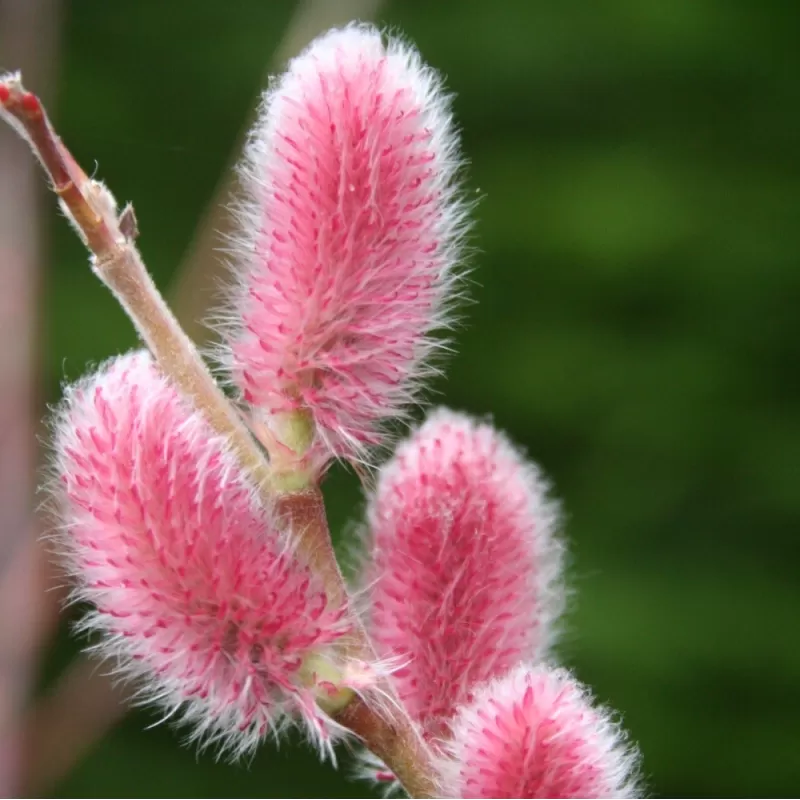
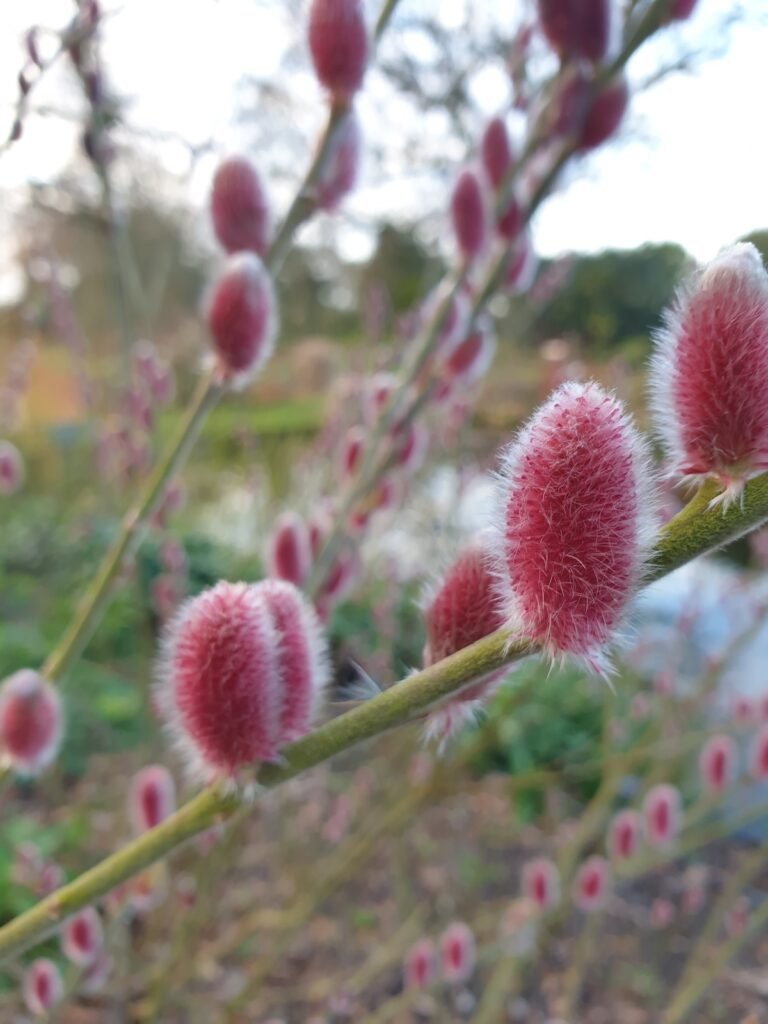
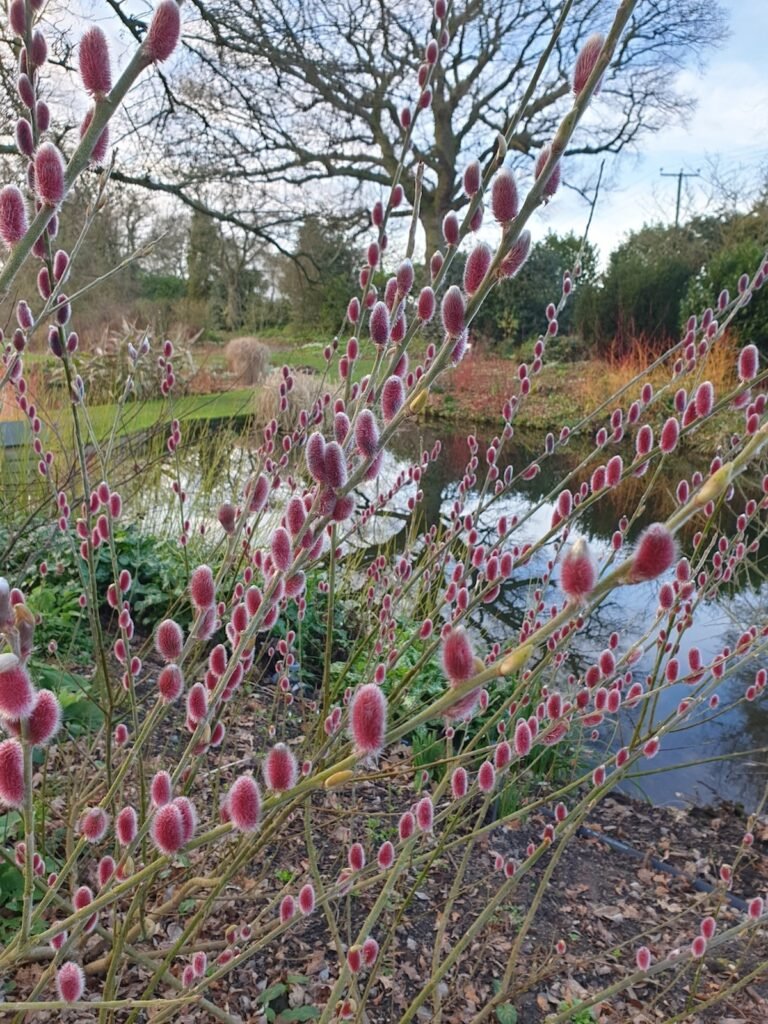
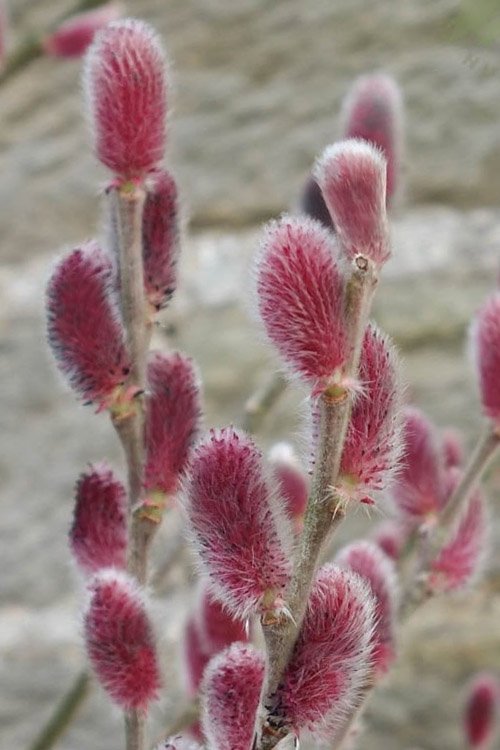

How to Grow, Propagate, Varieties, and Harvest Japanese Pussy Willow (Salix gracilistyla ‘Mount Aso’)
A Complete Gardener’s Guide to the Pink-Budded Pussy Willow
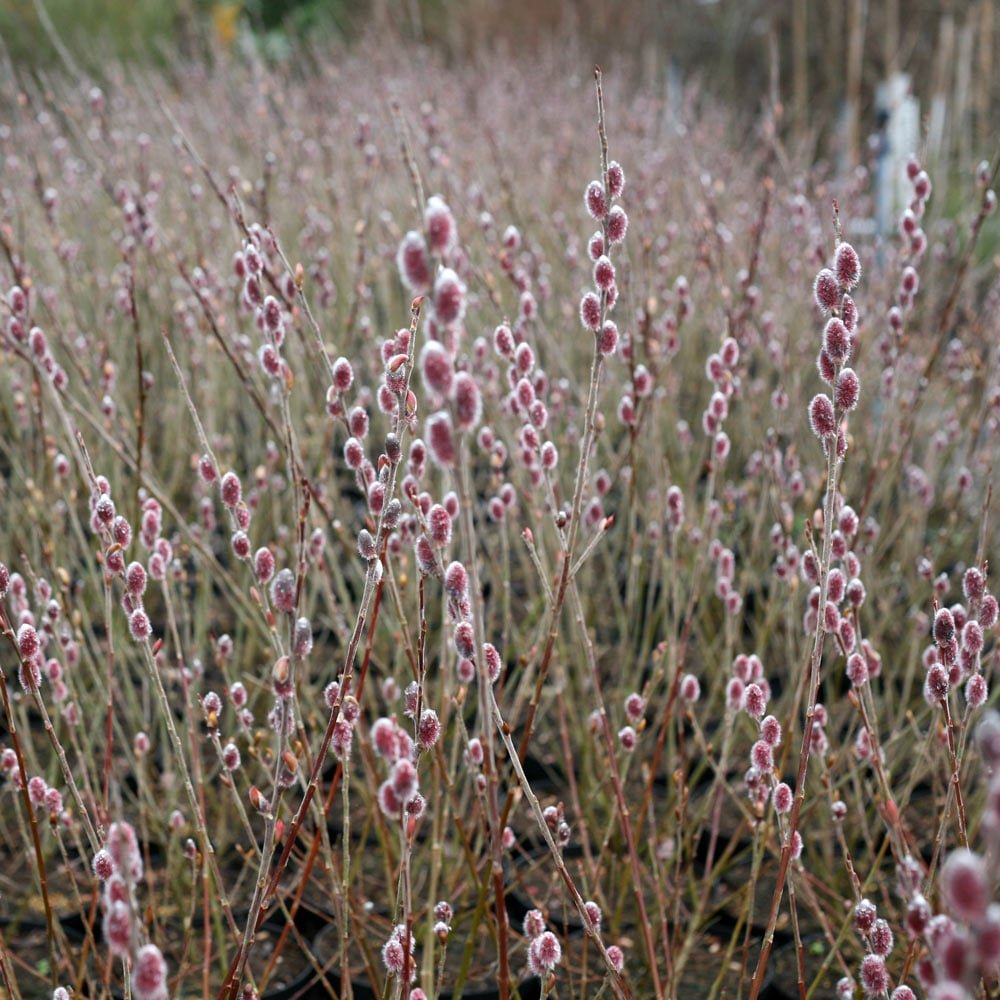
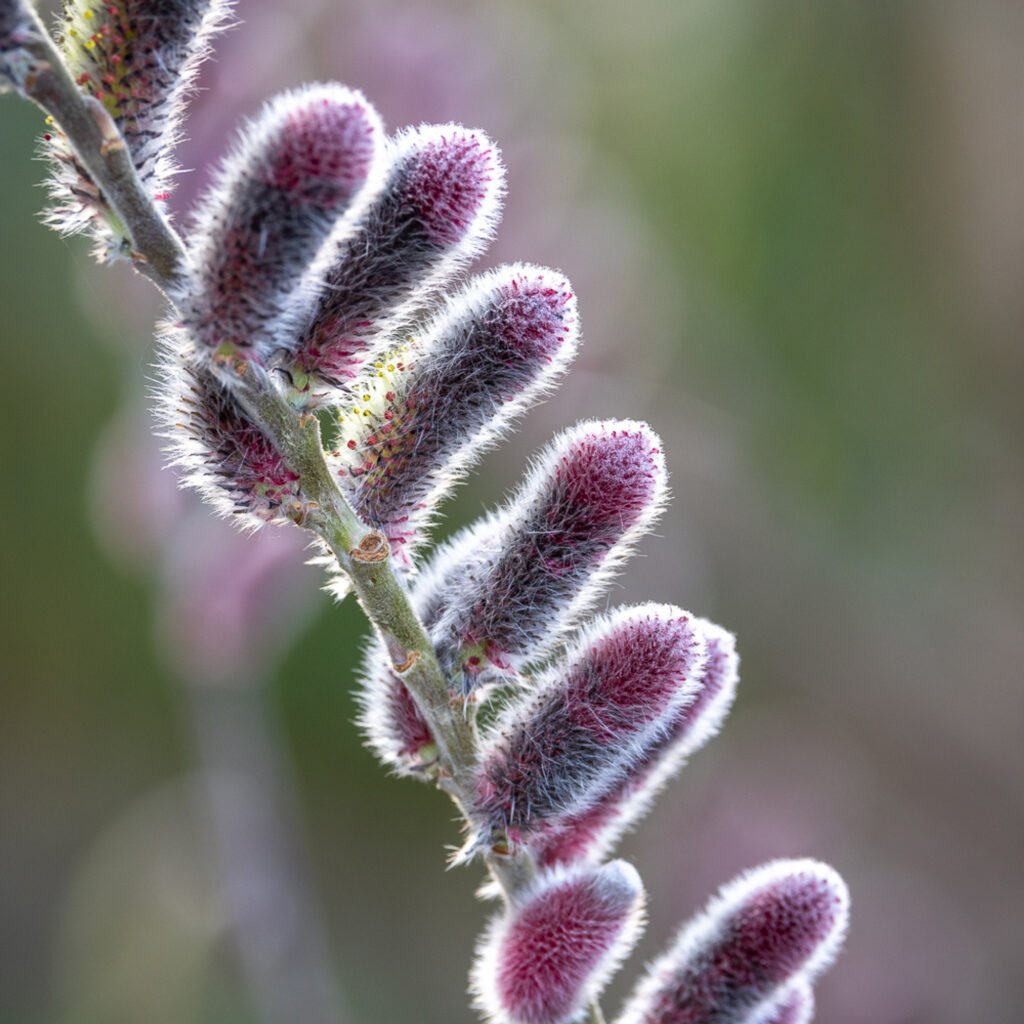
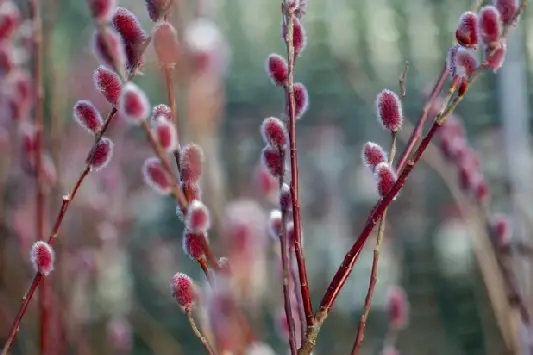
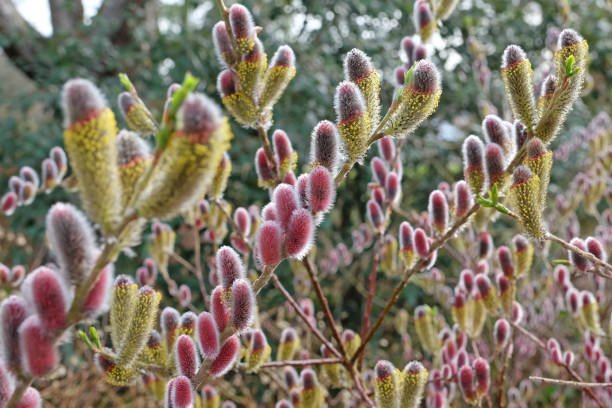
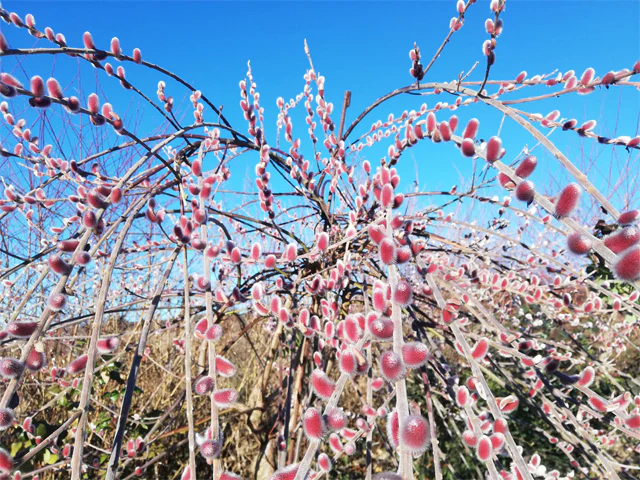
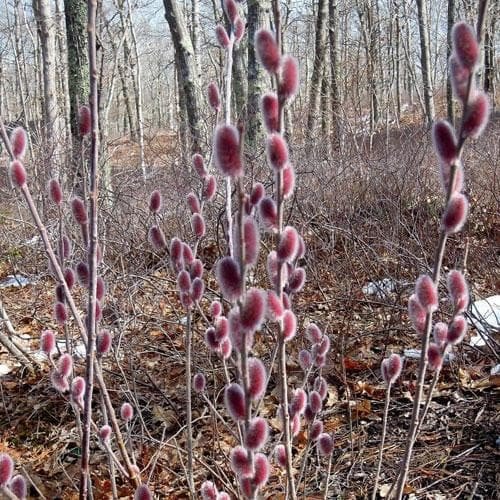
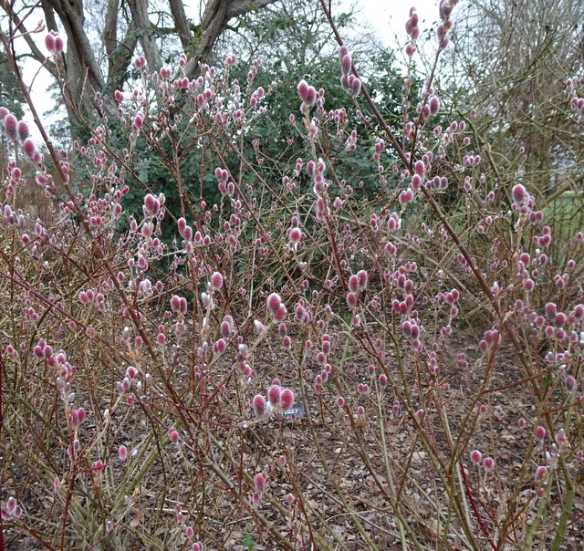
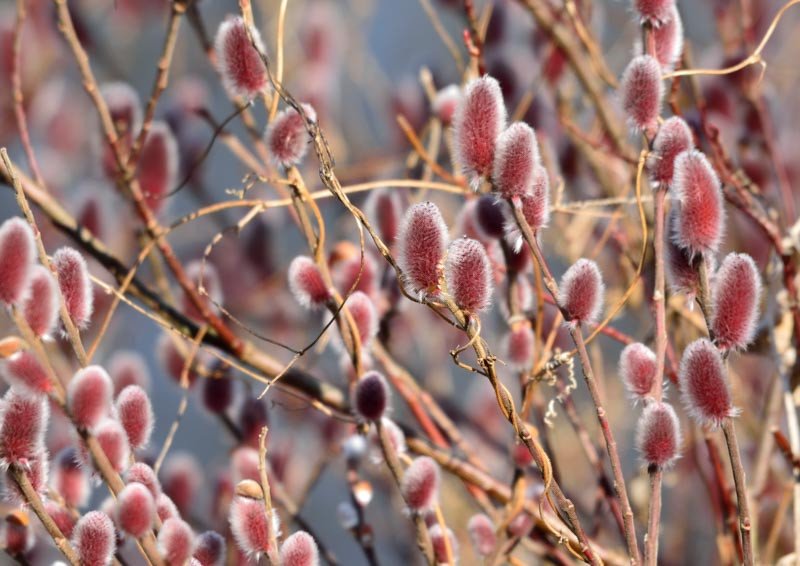
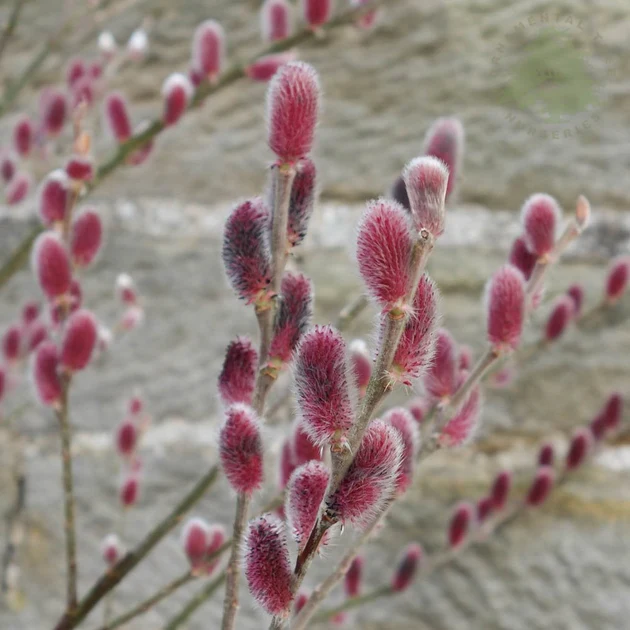
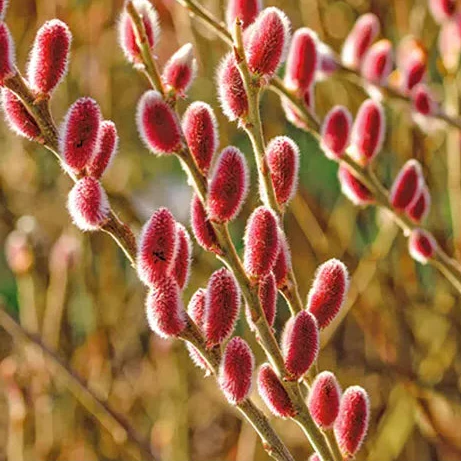
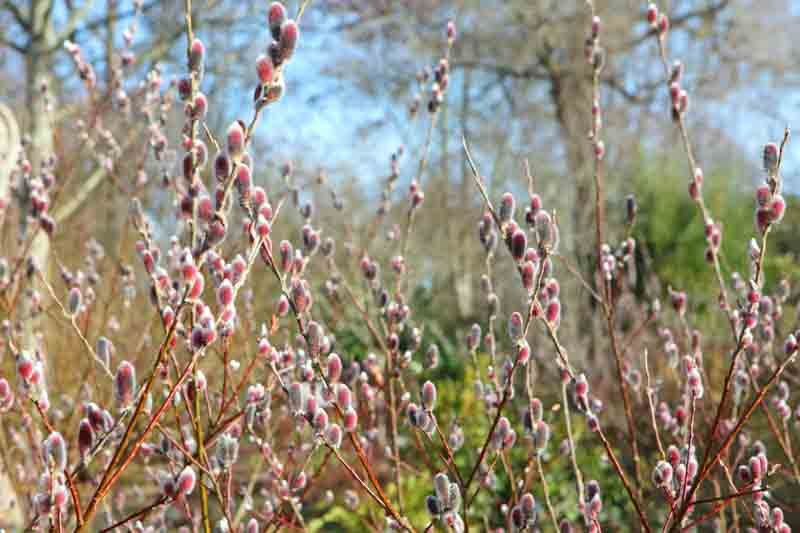
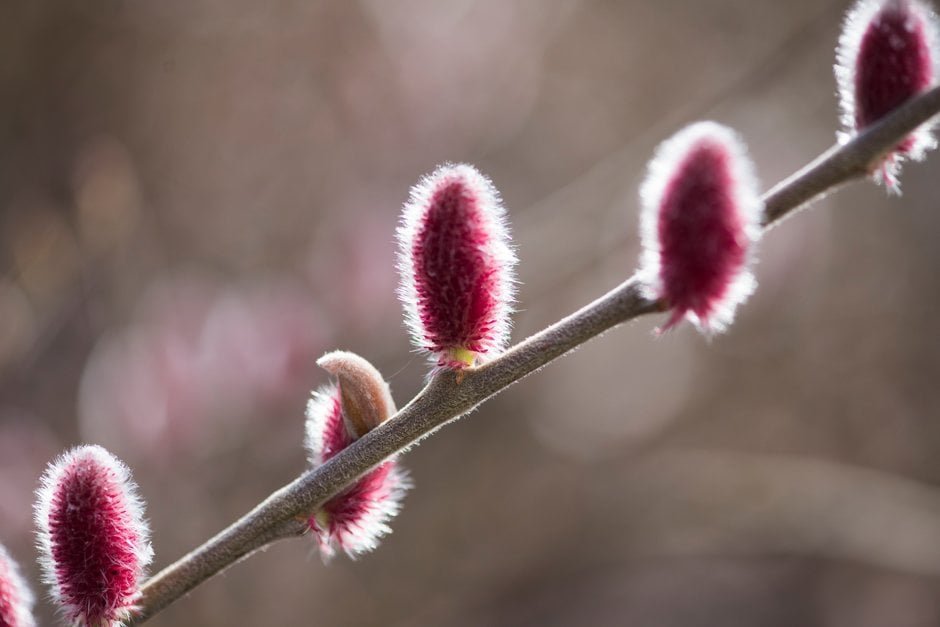
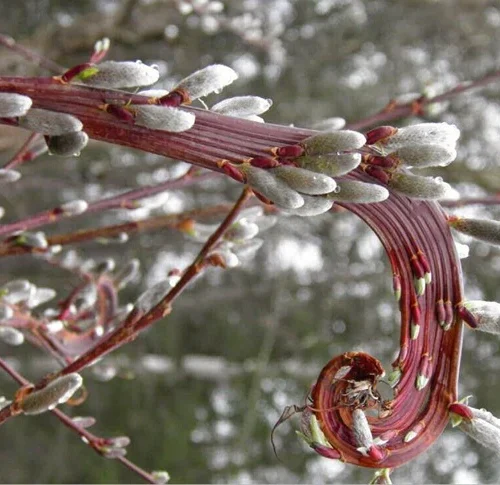
Japanese Pussy Willow (Salix gracilistyla), especially the beloved ‘Mount Aso’ cultivar, is one of the most striking late-winter shrubs you can grow. Famous for its rosy-pink catkins that appear before the leaves, it brings color to the landscape when most plants are still dormant. Beyond its beauty, this willow is fast-growing, easy to maintain, and perfect for floral arrangements.
Below is a comprehensive guide covering growth habits, planting requirements, care techniques, propagation, top varieties, pruning, and harvesting tips to get the most out of your Mount Aso Pussy Willow.
What Makes ‘Mount Aso’ Special?
The ‘Mount Aso’ variety stands out thanks to its:
- Unique pink catkins that gradually mature to silver
- Early-spring bloom time, often appearing in late winter
- Vigorous growth in a wide range of climates
- Excellent cut-branch quality for decorative floral use
- Pollinator-friendly blooms that attract early bees
This cultivar typically reaches 6–10 ft tall but can be kept much smaller with annual pruning.
How to Grow Japanese Pussy Willow (Salix gracilistyla ‘Mount Aso’)
1. Choose the Right Location
Japanese Pussy Willow thrives in conditions similar to many other willows:
Light Requirements
- Full sun is ideal (6–8 hours of direct light).
- Tolerates partial shade but produces fewer catkins.
Soil Preferences
- Prefers moist, well-drained soil.
- Thrives in clay, loam, or sandy soils.
- pH tolerance: from slightly acidic to neutral.
Moisture
- Willow species love moisture; Mount Aso is no exception.
- Ideal near:
- Ponds
- Rain gardens
- Low-lying areas with consistent moisture
Although it loves water, it still adapts surprisingly well to average garden conditions once established.
2. Planting Instructions
Best Time to Plant
- Early spring or late fall when the plant is dormant.
How to Plant
- Dig a hole twice as wide as the root ball.
- Loosen soil around the planting area so roots establish quickly.
- Set the plant so the top of the root system sits level with the ground.
- Backfill with native soil—no need for heavy amendments.
- Water deeply to settle the soil.
- Apply a 2–3 inch layer of mulch to retain moisture.
3. Watering & Fertilizing
Watering
- First year: keep consistently moist.
- Mature shrubs: water during long dry spells.
- Plants growing near water rarely need supplemental irrigation.
Fertilizer
- Typically unnecessary for willows.
- If desired, apply a balanced slow-release fertilizer in early spring.
- Over-fertilizing promotes lanky growth at the expense of catkins.
4. Pruning for the Best Catkins
Pruning is essential for big, bold, colorful catkins.
When to Prune
- Right after blooms fade (late winter or early spring).
- Avoid late-year pruning—it removes next year’s catkin buds.
How to Prune
- Remove old woody stems to encourage new growth.
- Keep 10–15 vigorous new stems each year.
- For a cut-branch production shrub, coppice (cut to 6–12 inches from ground) every 1–2 years.
Propagation of Japanese Pussy Willow (‘Mount Aso’)
Propagation is one of the easiest and most rewarding aspects of growing willows because they root readily from cuttings.
1. Softwood Cuttings (Late Spring to Early Summer)
Best for fastest rooting.
Steps:
- Cut 6–8 inch soft, flexible shoots.
- Remove lower leaves.
- Dip in rooting hormone (optional—willow roots easily on its own).
- Insert cuttings into moist potting mix.
- Keep in bright, indirect light; maintain moisture.
- Roots form in 2–4 weeks.
2. Hardwood Cuttings (Winter)
Ideal for large quantities of plants.
Steps:
- Take 8–12 inch dormant stems.
- Insert stems into the ground or pots, leaving 1–2 buds above soil.
- Water well and wait for spring.
- Rooting occurs naturally as the weather warms.
Hardwood cuttings can be planted directly into their final outdoor location, making propagation extremely efficient.
Popular Varieties of Salix gracilistyla
🌸 ‘Mount Aso’
- The best-known pink catkin variety
- Dense branching and excellent for cut arrangements
🌸 ‘Melanostachys’ (Black Pussy Willow)
- Rare and dramatic
- Produces nearly black catkins with red anthers
🌸 Typical Species Form (Salix gracilistyla)
- Silver-gray catkins
- Very cold-hardy
- Good for pollinators and wildlife
🌸 ‘Winter Glory’
- Early bloom time
- Heavy flower production
While ‘Mount Aso’ remains the standout for color, mixing multiple varieties can extend bloom time and add visual interest.
Harvesting Japanese Pussy Willow (‘Mount Aso’)
When to Harvest
- Harvest when catkins are just emerging but still firm and colorful.
- If harvesting for indoor arrangements, pick before the fuzzy catkins fully expand.
How to Harvest
- Use clean, sharp pruners to avoid fraying stems.
- Cut stems at a 45° angle.
- Place immediately into water if using fresh.
- For dried displays, stand stems upright in a vase without water.
Storage Tip
- To store fresh stems for later use:
- Keep in cool water
- Refrigerate (if possible)
- Avoid ethylene exposure (keep away from apples and bananas)
Cut stems can last weeks indoors with minimal care.
Common Problems & How to Avoid Them
Pests
- Aphids
- Willow leaf beetles
Fix: Spray with water or use horticultural oil during active growing seasons.
Diseases
- Canker
- Rust
- Leaf spot
Fix: Improve airflow, avoid overhead watering, prune damaged stems.
Environmental Issues
- Dry soils = fewer catkins
- Shade = lanky growth
Planting in the right location prevents most problems.
Frequently Asked Questions (FAQ)
Is ‘Mount Aso’ invasive?
No—while willows spread roots in search of moisture, this cultivar is not considered invasive.
How fast does it grow?
Extremely fast: 3–6 ft per year in ideal conditions.
Can it grow in containers?
Yes, but containers need constant moisture and may limit size.
Final Thoughts
Japanese Pussy Willow (Salix gracilistyla ‘Mount Aso’) is one of the most rewarding ornamental shrubs for both landscapers and floral enthusiasts. Its unique pink catkins, ease of propagation, adaptability, and early bloom time make it a standout in winter gardens. With the right care—moist soil, plenty of sun, and regular pruning—you can enjoy stunning displays year after year.



&media=https://food-foresting.com/wp-content/uploads/2025/11/1811030678089-1-jpg-533x355-6329978e1e5cc_l.webp)