
 paulius.mikoliunas1
| Common Name | White Birch, Downy birch |
| Family | Betulaceae |
| USDA hardiness | 2-9 |
| Known Hazards |  The aromatic and aliphatic hydrocarbons in birch tar are irritating to the skin. Do not use in patients with oedema or with poor kidney or heart functions. The aromatic and aliphatic hydrocarbons in birch tar are irritating to the skin. Do not use in patients with oedema or with poor kidney or heart functions. |
| Habitats | Open woodland and heaths, usually on acid soils, from sea level to 830 metres. |
| Range | Most of Europe, including Britain, east to W. Siberia and central Asia. |
| Edibility Rating |   (3 of 5) (3 of 5) |
| Other Uses |  (5 of 5) (5 of 5) |
| Weed Potential | No |
| Medicinal Rating |   (3 of 5) (3 of 5) |
| Care (info) |      |
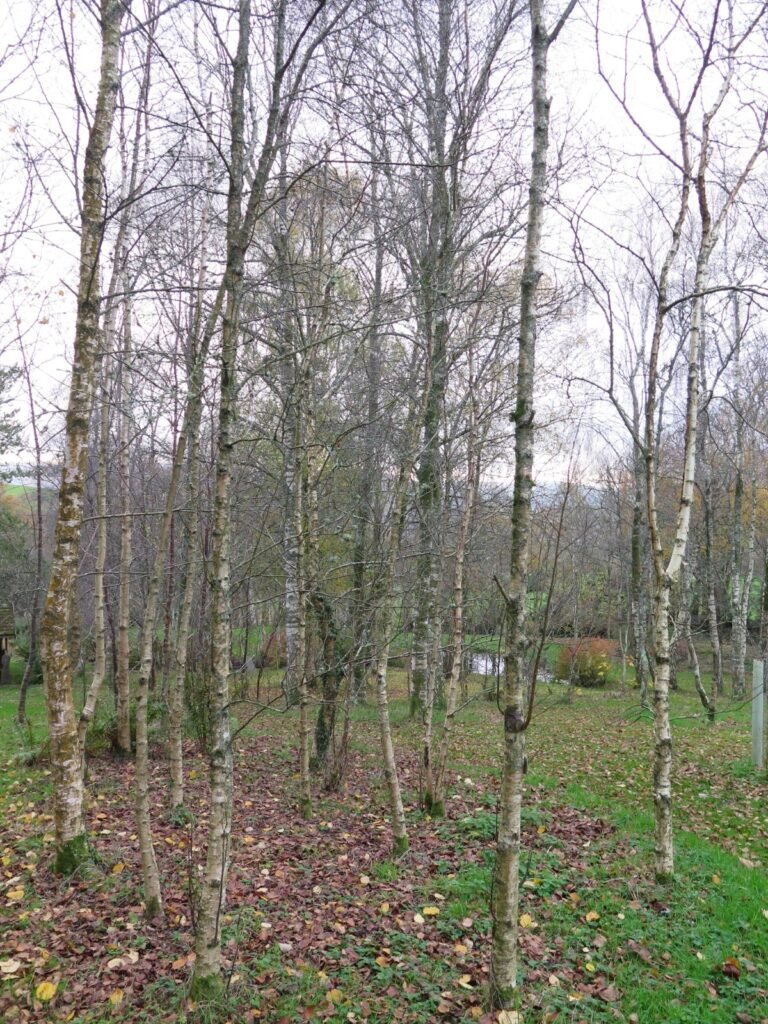
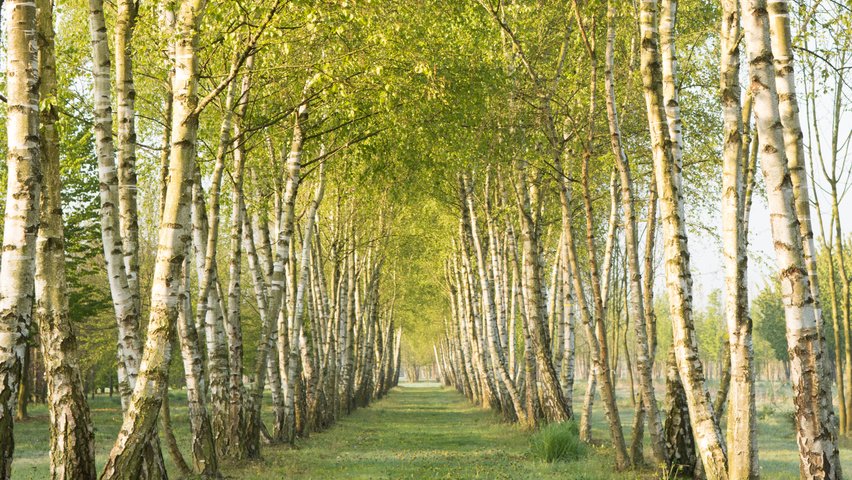

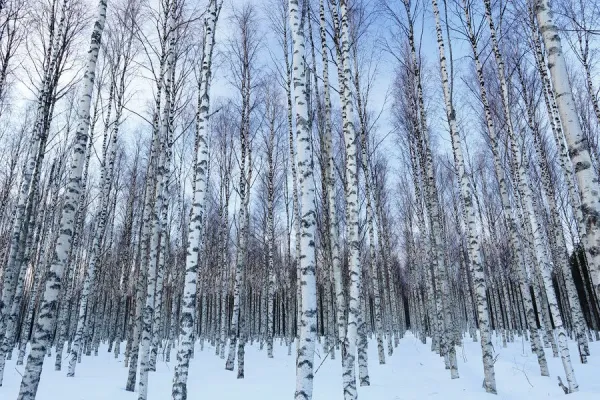
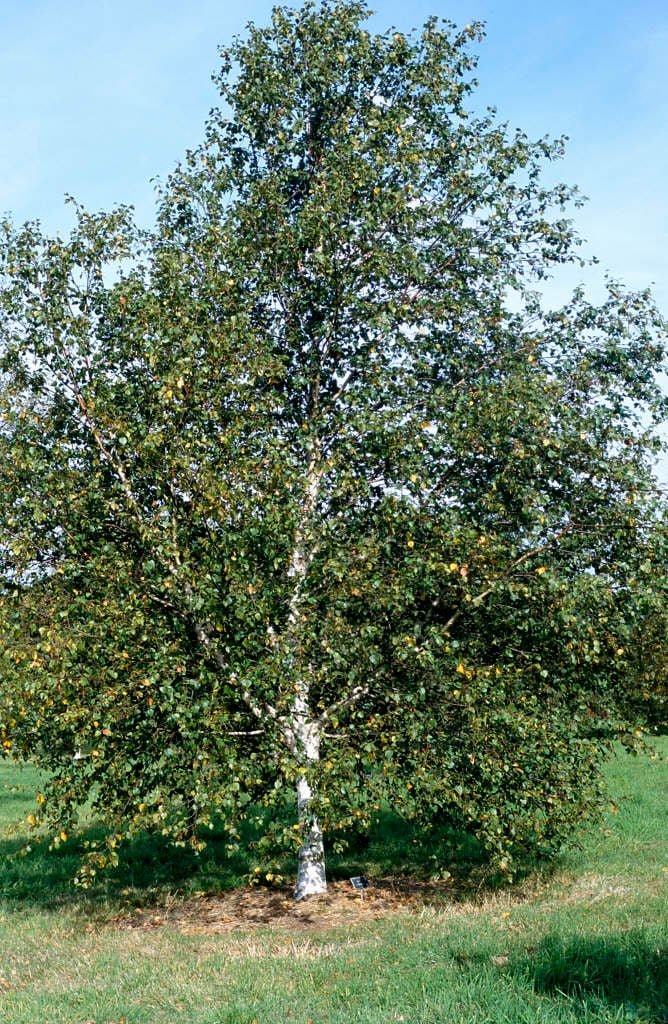
White Birch (Betula pubescens): How to Grow, Propagate, Identify Varieties, Use, Eat, and Harvest This Iconic Northern Tree
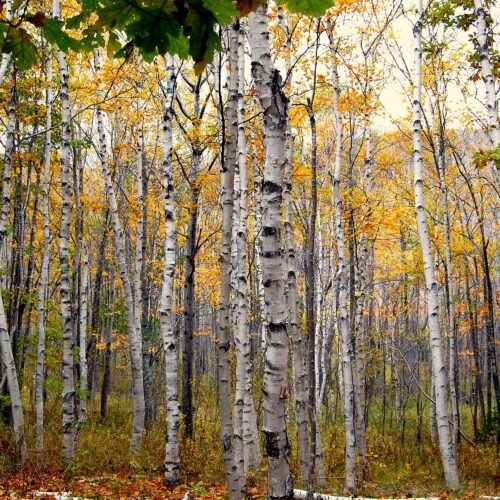
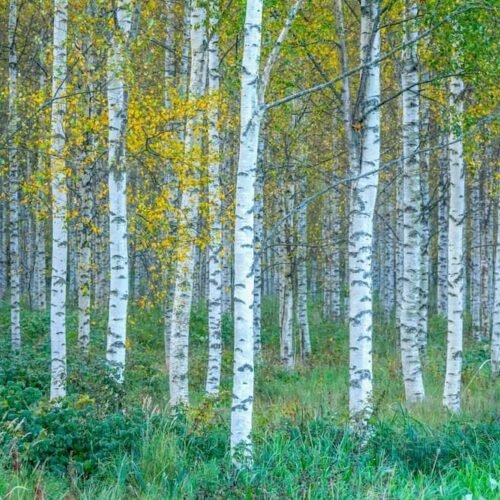
White Birch (Betula pubescens), also called Downy Birch, is one of the most recognizable trees across northern Europe, cool-climate regions, and higher elevations. With its pale trunk, fluttering leaves, and incredible ecological value, it’s a species admired for beauty—and appreciated for its practical uses.
Whether you’re a gardener, forager, herbal enthusiast, or simply fascinated by resilient northern trees, this guide will walk you through everything you need to know about growing, propagating, using, and harvesting White Birch.
What Is White Birch (Betula pubescens)?
White Birch is a cold-hardy, moisture-tolerant deciduous tree that thrives in temperate to subarctic climates. Its slightly “downy” young shoots distinguish it from Silver Birch (Betula pendula), though both species are often found together.
Key Characteristics
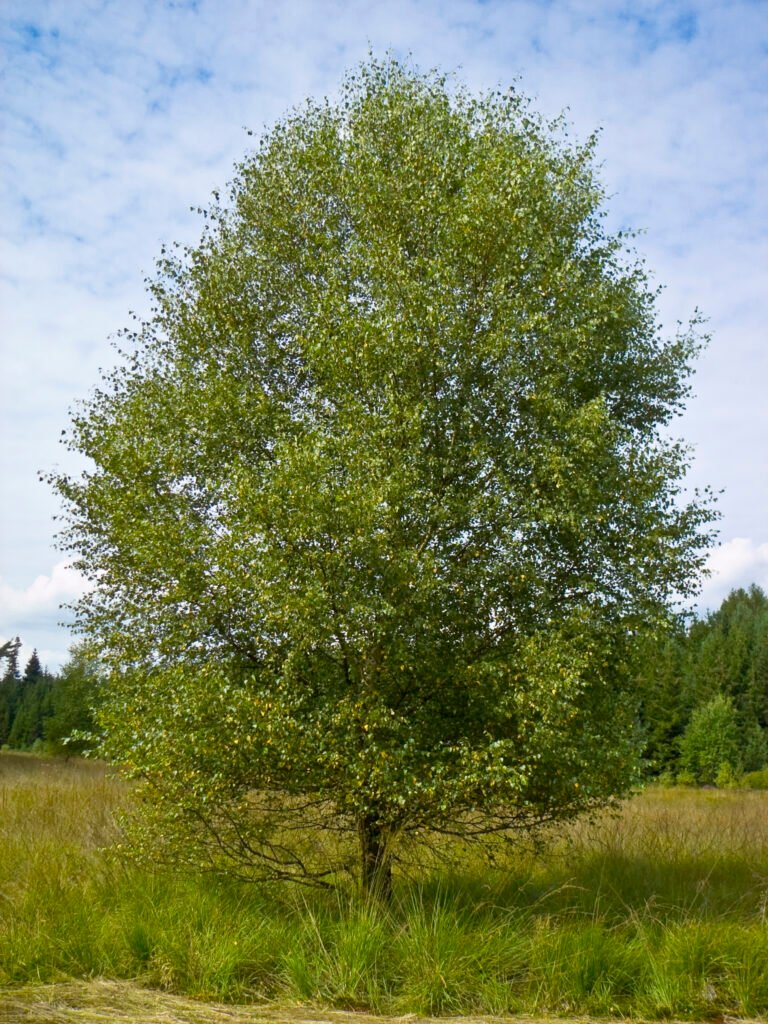
- Height: 10–25 m at maturity
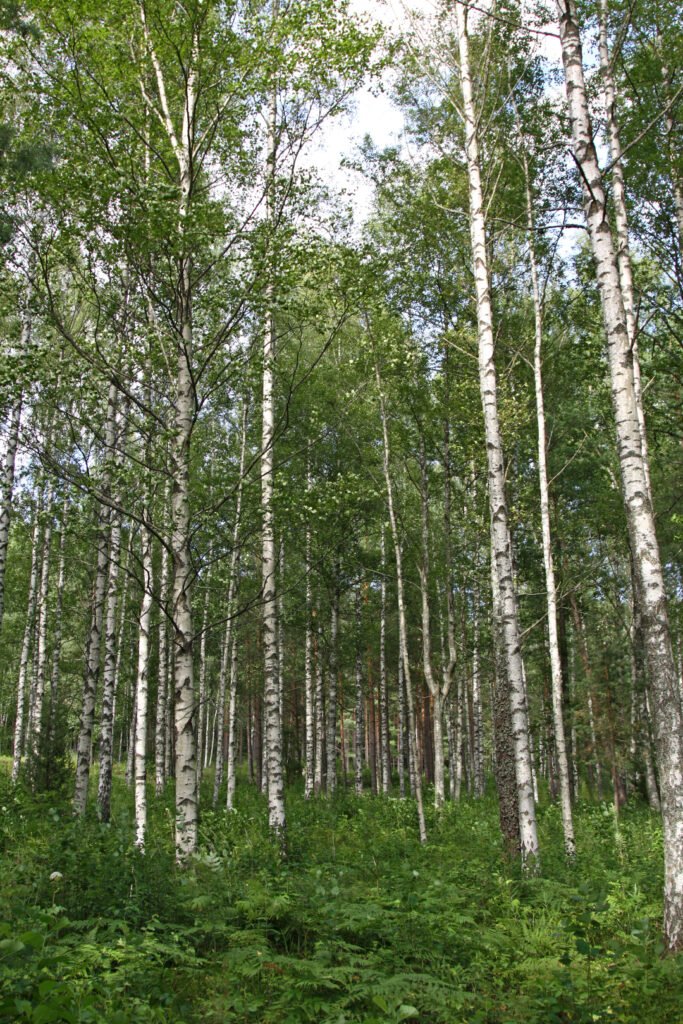
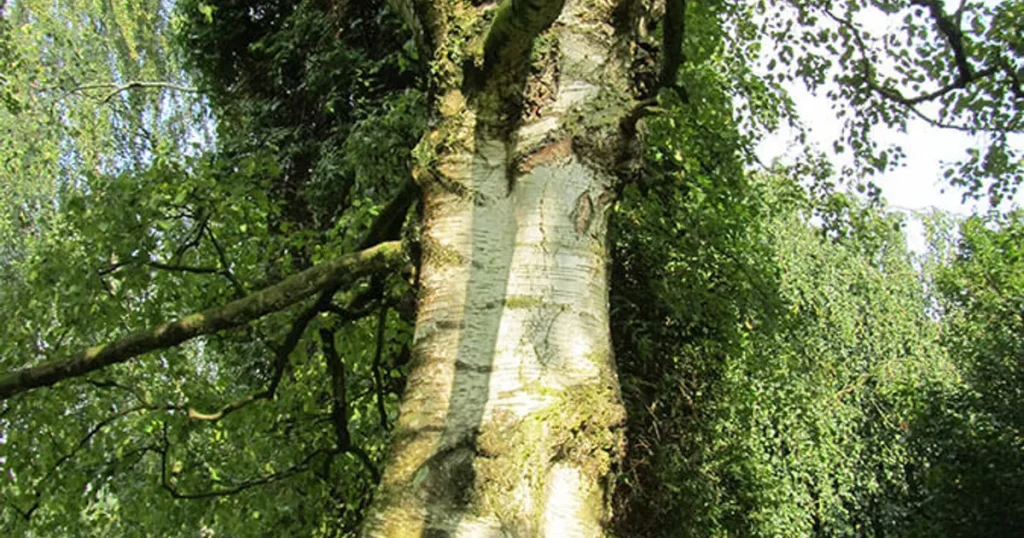
- Bark: Pale, creamy, sometimes slightly pink-white
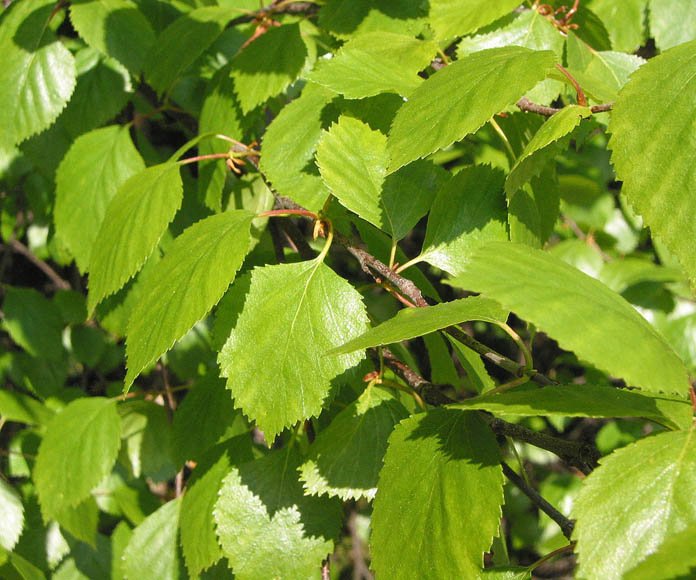
- Leaves: Egg-shaped, finely serrated, softer than Silver Birch
- Habitat: Wet soils, peatlands, meadows, and upland forests
- Lifespan: 60–100+ years
How to Grow White Birch (Betula pubescens)
1. Climate Requirements
White Birch grows best in:
- Cool summers
- Cold winters
- Regions with high rainfall
It tolerates frost extremely well and is suitable for USDA zones 2–6.
2. Soil Requirements
White Birch prefers:
- Moist, well-draining soil
- Slightly acidic to neutral pH
- Sandy, loamy, or peaty soils
It struggles in compacted, alkaline, or drought-prone soils.
3. Sunlight
For best growth:
- Full sun to partial sun
- At least 6 hours of daily light
Shade reduces trunk whiteness and slows growth.
4. Watering
Young trees require:
- Regular watering during dry spells
- Mulch to retain moisture
Mature birches can handle wet conditions but not extended drought.
5. Spacing
Trees should be spaced:
- 3–5 meters apart for ornamental planting
- More closely (2–3 m) if used as a natural screen or woodland edge
Propagation of White Birch
White Birch can be propagated by seed, cuttings, and layering, though success varies.
1. Growing White Birch from Seed (Most Reliable Method)
Seed Collection
- Collect catkins in autumn when they dry and start to break apart.
- Store seeds in a cool, dry envelope or jar.
Cold Stratification
White Birch seeds require winter-like conditions:
- Refrigerate seeds for 6–8 weeks in moist sand or vermiculite.
Sowing
- Surface-sow seeds; do not cover with soil—they need light to germinate.
- Mist lightly to keep moist.
- Germination typically takes 2–4 weeks.
Transplanting Seedlings
Transplant when seedlings have:
- 2–4 true leaves
- Soil is warm enough (late spring)
2. Propagating by Cuttings (More Challenging)
Softwood cuttings can work but have lower success rates.
Tips for Success
- Take cuttings in late spring to early summer
- Use rooting hormone
- Keep under high humidity (e.g., a mist dome)
- Rooting can take 4–8 weeks
3. Air Layering
This method can work well for birch species:
- Choose a young branch
- Girdle lightly and surround with moist sphagnum moss
- Wrap in plastic and wait 8–12 weeks for root formation
Varieties and Subspecies of White Birch
White Birch has several natural forms and regional subspecies:
1. Betula pubescens subsp. pubescens
The typical downy birch found across northern Europe.
2. Betula pubescens subsp. tortuosa
A mountain birch adapted to harsh climates; shorter and more twisted.
3. Dwarf or Arctic Forms
Found in tundra landscapes, remaining shrub-sized but genetically linked.
4. Hybrid Forms
White Birch naturally hybridizes with Silver Birch, creating intermediate traits.
Each variant offers unique adaptations, making B. pubescens incredibly versatile.
Uses of White Birch: Wood, Medicine, Craft, and More
White Birch has been used for centuries for fuel, tools, remedies, and food.
1. Wood and Craft Uses
- Furniture and cabinetry
- Plywood and veneer
- Turned objects (bowls, spoons, tool handles)
- Firewood and kindling—burns hot and clean
- Birch bark crafts such as baskets, containers, and canoe coverings
Its bark is waterproof and naturally rot-resistant.
2. Traditional and Herbal Uses
White Birch is known for:
- Anti-inflammatory properties
- Pain-relief compounds (methyl salicylate)
- Skin health benefits
- Detoxifying actions in teas and extracts
Common herbal preparations include:
- Birch leaf tea
- Bark decoctions
- Sap tonics
Always consult a professional healthcare provider when using botanicals.
Food Options: How to Eat White Birch Safely
Though birch trees aren’t widely eaten, several parts are edible and useful.
1. Birch Sap (Birch Water)
Collected in early spring when sap rises.
Uses:
- Drink fresh
- Ferment into birch wine or kvass
- Reduce into birch syrup (requires a large quantity of sap)
2. Birch Syrup
A unique, molasses-like syrup produced by boiling sap until concentrated.
Flavor notes: caramel-earthy, slightly spicy.
3. Birch Leaves
Young leaves can be:
- Brewed into tea
- Added sparingly to salads (mild, slightly resinous flavor)
4. Inner Bark (Survival Food)
The inner cambium can be:
- Dried and ground into flour
- Used in survival situations when necessary
Not typically eaten in modern culinary uses.
How to Harvest White Birch (Responsibly and Sustainably)
1. Harvesting Sap
- Tap trees in early spring before bud break
- Use a small tap to minimize damage
- Collect only 1–2 liters per day from a healthy tree
- Always plug the hole after the season ends
2. Harvesting Leaves
- Pick young spring leaves for tea or herbal use
- Harvest modestly to avoid stressing the tree
3. Harvesting Bark
- Never strip bark from a living tree
- Only harvest from:
- Naturally fallen trees
- Storm-damaged limbs
- Trees cut for other reasons
4. Wood Harvesting
- Best done in late autumn or winter when sap content is low
- Split soon after cutting to prevent rot
White Birch in Landscaping and Ecology
Benefits
- Excellent for pollinators
- Enhances woodland biodiversity
- Creates light, airy shade
- Beautiful accent tree in cool climates
Combinations
White Birch pairs well with:
- Rowan (Mountain Ash)
- Alders
- Pines and spruces
- Heather and bilberry underplantings
Its bright bark and delicate canopy make it attractive year-round.
Final Thoughts: Why Grow White Birch?
White Birch (Betula pubescens) is one of the most rewarding northern trees to cultivate.
It grows quickly, withstands cold climates, offers year-round beauty, and provides a surprising range of traditional, craft, and culinary uses.
Whether you plant it for:
- landscape beauty,
- woodland restoration,
- herbal potential,
- or craft materials,
White Birch brings elegance and resilience to any environment.


&media=https://food-foresting.com/wp-content/uploads/2025/12/birch-downy-tree-saplings-betula-pubescens-p57-327_image.jpg)