
 paulius.mikoliunas1
| Common Name | Cherry Plum, Myrobalan Plum, Newport Cherry Plum, Pissard Plum |
| Family | Rosaceae |
| USDA hardiness | 5-8 |
| Known Hazards |  Although no specific mention has been seen for this species, it belongs to a genus where most, if not all members of the genus produce hydrogen cyanide, a poison that gives almonds their characteristic flavour. This toxin is found mainly in the leaves and seed and is readily detected by its bitter taste. It is usually present in too small a quantity to do any harm but any very bitter seed or fruit should not be eaten. In small quantities, hydrogen cyanide has been shown to stimulate respiration and improve digestion, it is also claimed to be of benefit in the treatment of cancer. In excess, however, it can cause respiratory failure and even death. Although no specific mention has been seen for this species, it belongs to a genus where most, if not all members of the genus produce hydrogen cyanide, a poison that gives almonds their characteristic flavour. This toxin is found mainly in the leaves and seed and is readily detected by its bitter taste. It is usually present in too small a quantity to do any harm but any very bitter seed or fruit should not be eaten. In small quantities, hydrogen cyanide has been shown to stimulate respiration and improve digestion, it is also claimed to be of benefit in the treatment of cancer. In excess, however, it can cause respiratory failure and even death. |
| Habitats | Not known in a truly wild situation. |
| Range | W. Asia? Original habitat is obscure. Often planted in hedgerows in Britain but rarely naturalized. |
| Edibility Rating |   (4 of 5) (4 of 5) |
| Other Uses |   (3 of 5) (3 of 5) |
| Weed Potential | No |
| Medicinal Rating |   (1 of 5) (1 of 5) |
| Care (info) |     |





Cherry Plum (Prunus cerasifera): Complete Guide to Growing, Propagation, Varieties, Uses, Harvesting, and Culinary Ideas
Cherry plum (Prunus cerasifera) is a hardy, fast-growing fruit tree valued for its early spring blossoms, attractive foliage, and flavorful fruit. Popular in home gardens, landscapes, and small orchards, cherry plum combines ornamental beauty with edible rewards. This comprehensive guide explains everything you need to know about growing cherry plum trees, propagating them, identifying varieties, harvesting fruit, and using cherry plums in food and daily life.
What Is Cherry Plum (Prunus cerasifera)?
Cherry plum is a deciduous tree or large shrub belonging to the rose family. Native to southeastern Europe and western Asia, it has adapted well to many climates worldwide. Unlike common plums, cherry plums tend to ripen earlier and often produce smaller but intensely flavored fruit.
Cherry plum trees are also widely used as ornamental trees, hedge plants, and rootstock for other stone fruits due to their resilience and adaptability.
How to Grow Cherry Plum Trees Successfully
Ideal Climate and Hardiness
Cherry plum trees thrive in temperate climates and tolerate both cold winters and warm summers. They are known for excellent cold hardiness and can survive late frosts better than many fruit trees.
Sunlight Requirements
- Full sun is ideal
- Minimum of 6–8 hours of direct sunlight daily
- Better sun exposure improves flowering and fruit quality
Soil Conditions
Cherry plums are adaptable but perform best in:
- Well-drained loamy soil
- Slightly acidic to neutral pH
- Soil enriched with organic matter
Avoid waterlogged soil, as standing water can damage roots and reduce fruit production.
Planting Cherry Plum Trees
- Dig a hole twice the width of the root ball
- Position the tree so the root collar is level with the soil surface
- Backfill with native soil mixed with compost
- Water thoroughly after planting
- Mulch around the base to retain moisture
Watering and Fertilization
- Water young trees regularly during the first two years
- Mature trees need watering mainly during dry periods
- Apply balanced fertilizer in early spring
- Avoid excessive nitrogen to prevent leafy growth at the expense of fruit
Pruning and Maintenance
Prune cherry plum trees annually to:
- Improve airflow
- Remove dead or diseased branches
- Shape the tree
- Encourage better fruiting
Late winter or early spring is the best time for pruning.
Propagation Methods for Cherry Plum
Cherry plum can be propagated in several ways depending on your goal.
Seed Propagation
- Collect seeds from fully ripe fruit
- Clean and dry seeds
- Cold stratify seeds for several weeks
- Plant in early spring
Seed-grown trees may vary in fruit quality and take longer to bear fruit.
Cuttings
- Take semi-hardwood cuttings in late summer
- Use rooting hormone
- Plant in moist growing medium
- Keep warm and humid
This method produces clones of the parent tree.
Grafting and Budding
Cherry plum is commonly used as a rootstock for plums, apricots, and peaches. Grafting ensures:
- Faster fruiting
- Consistent fruit quality
- Strong disease resistance
Popular Cherry Plum Varieties
Fruit-Producing Varieties
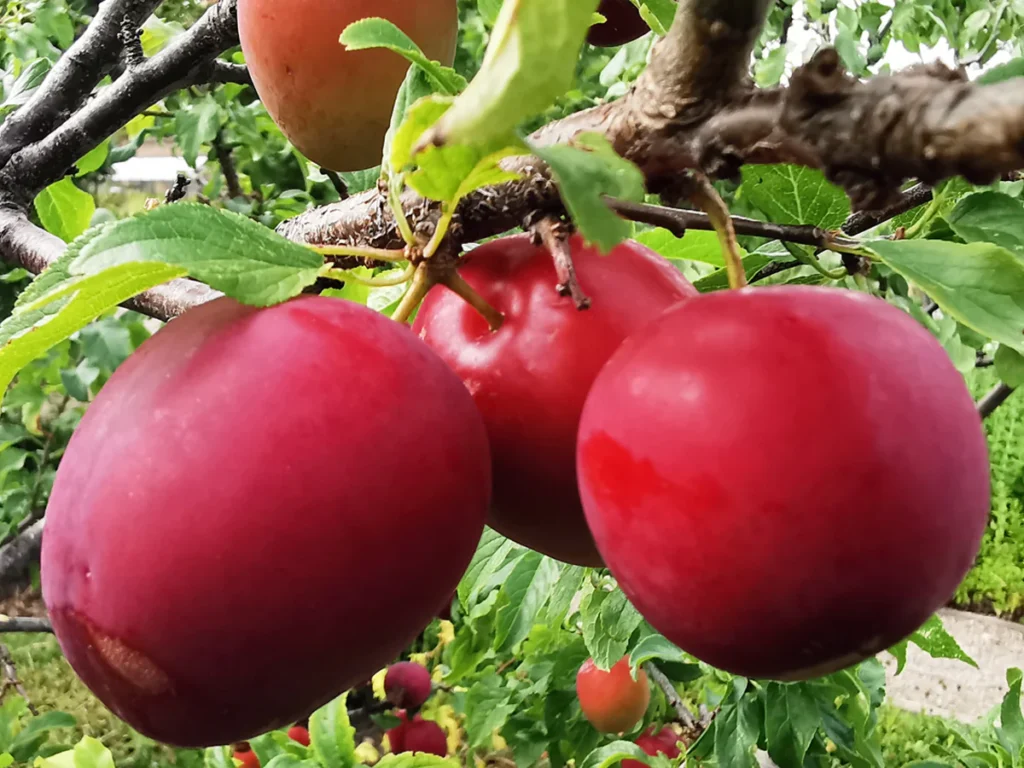
- Yellow Cherry Plum – Sweet, mild flavor, excellent for fresh eating
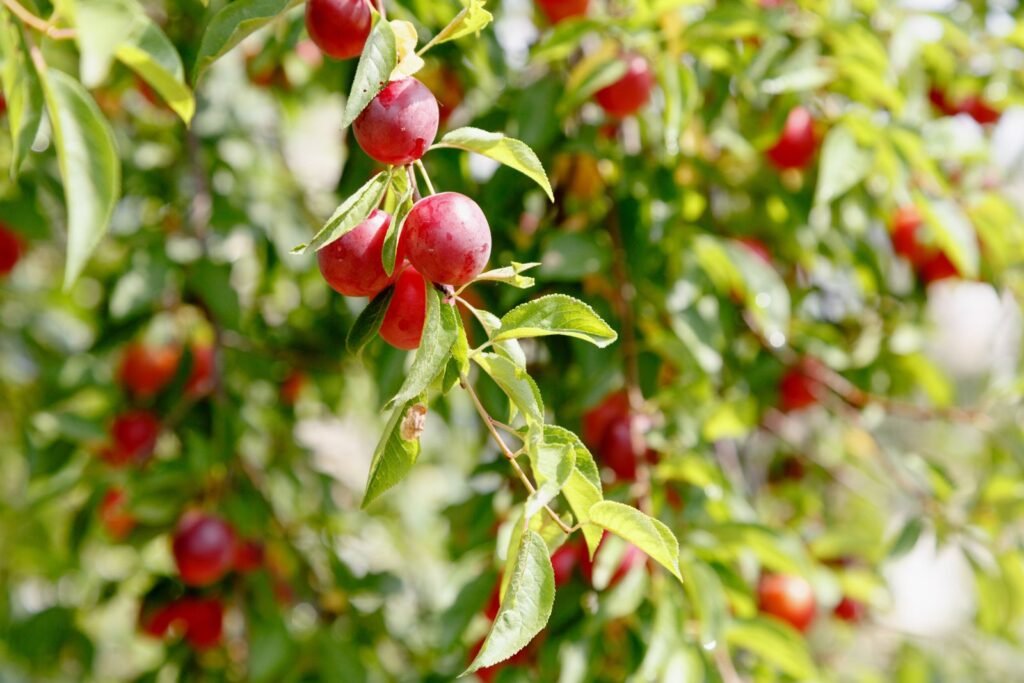
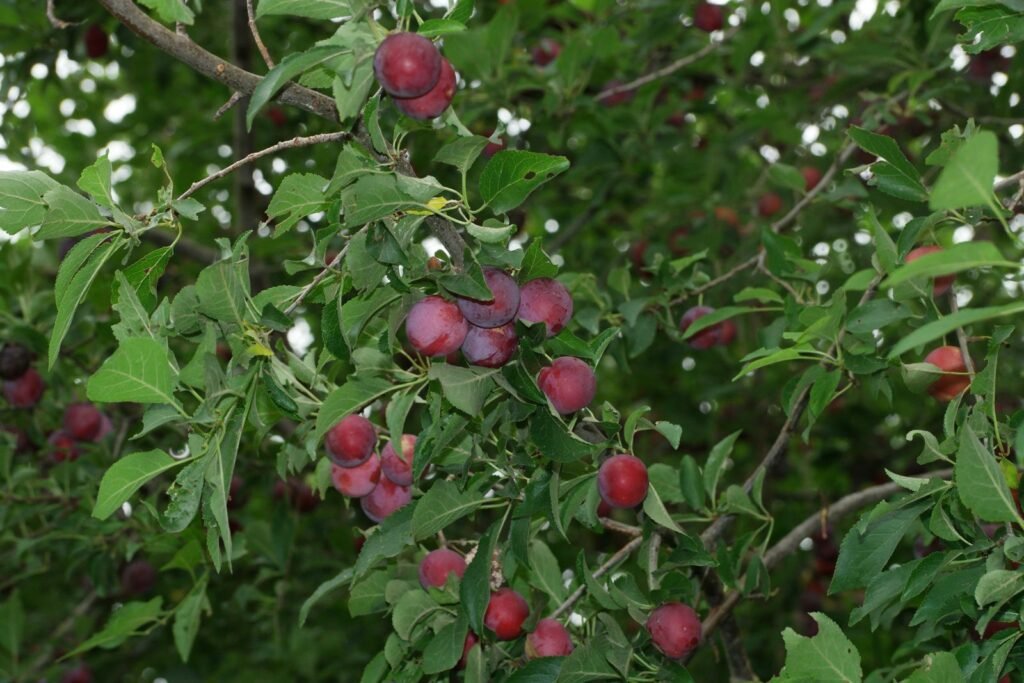
- Red Cherry Plum – Tart to sweet, perfect for preserves
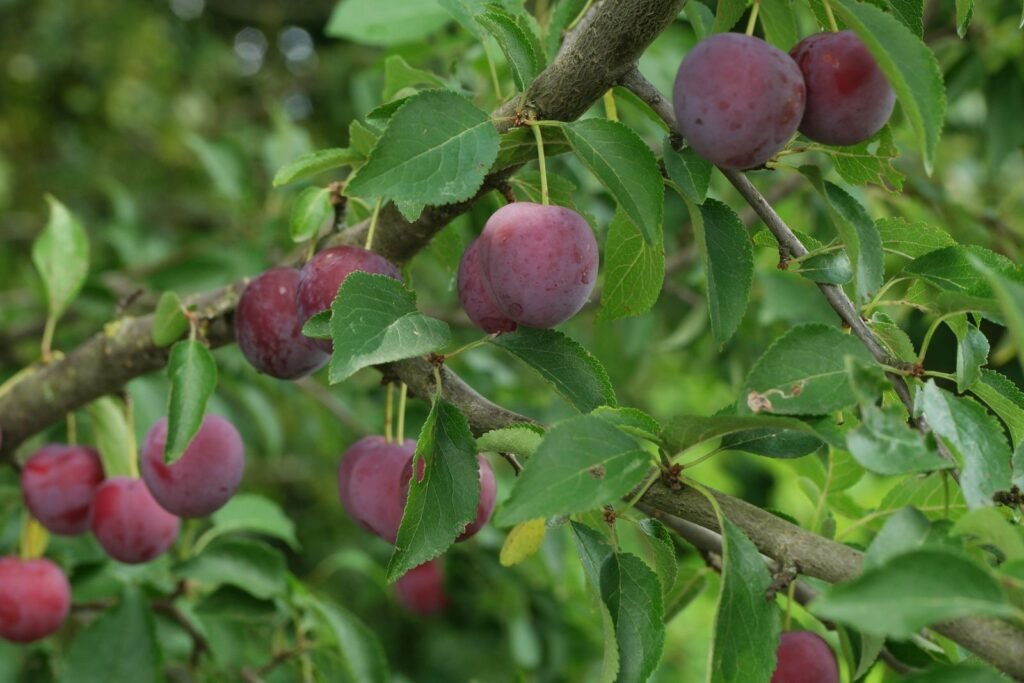
- Purple Cherry Plum – Rich color and bold flavor
Ornamental Varieties
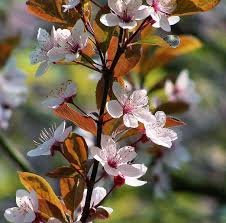
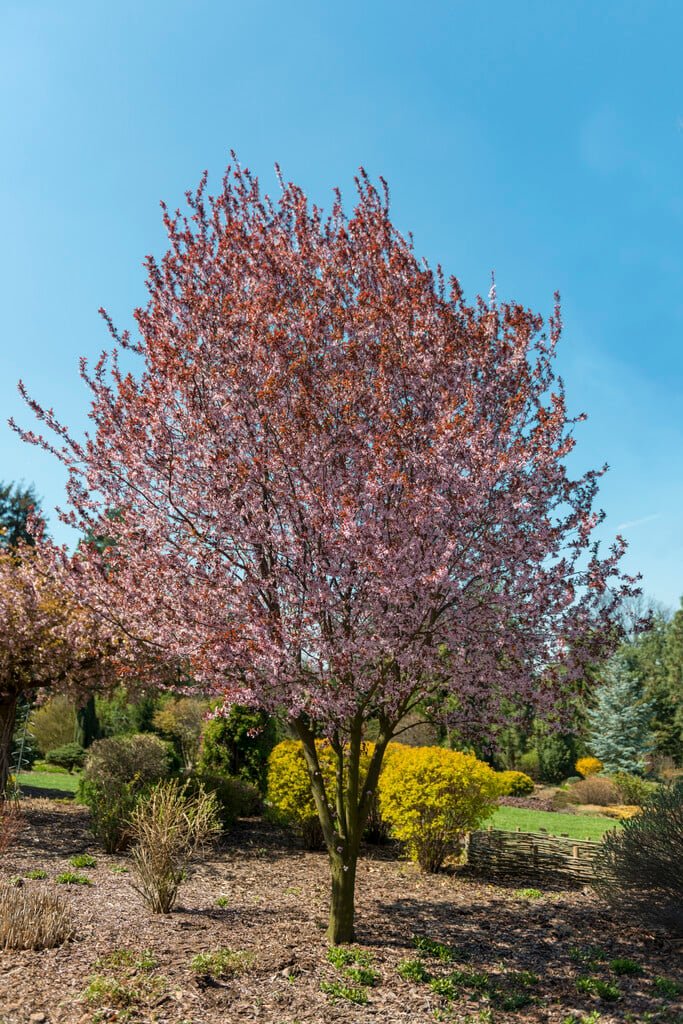
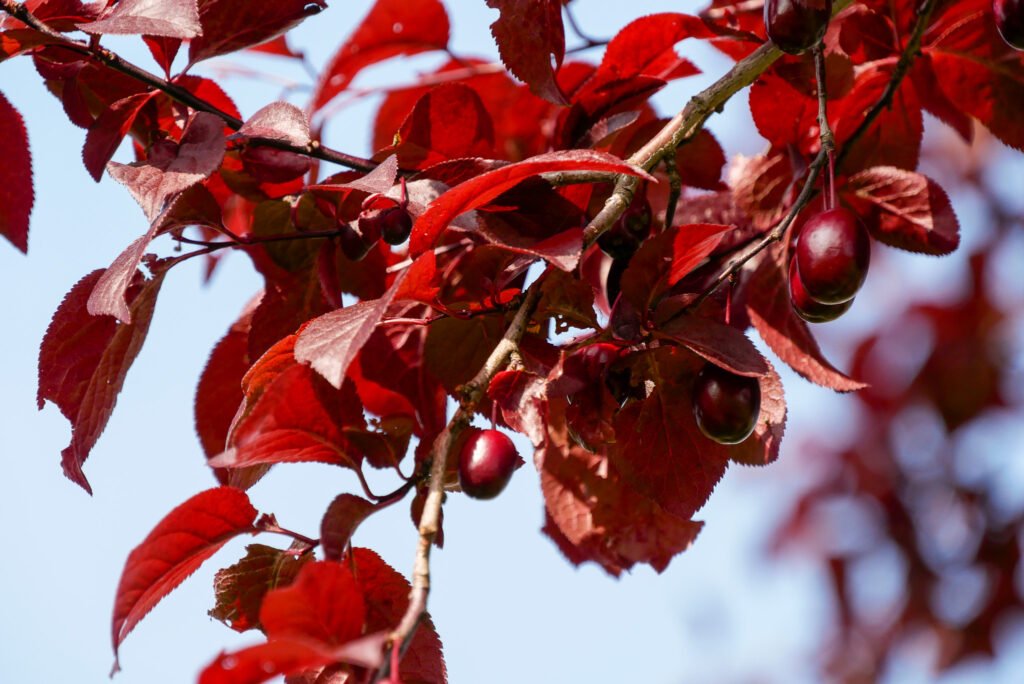
- Purple-leaf cherry plum – Grown mainly for foliage and blossoms
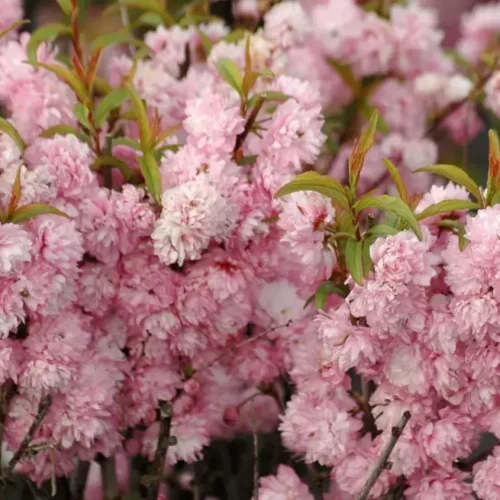
- Flowering cherry plum – Produces abundant spring blooms with minimal fruit
Some varieties serve both ornamental and edible purposes, making them ideal for home landscapes.
When and How to Harvest Cherry Plums
Harvest Season
Cherry plums ripen early in the fruit season, often from late spring to early summer depending on climate.
Signs of Ripeness
- Full color development
- Slight softness when gently pressed
- Easily detaches from the branch
Harvest fruit by hand to avoid bruising. Frequent harvesting encourages continued ripening of remaining fruit.
Yield Expectations
Cherry plum trees are known for heavy production, sometimes producing more fruit than a household can consume fresh.
Uses of Cherry Plum Beyond the Garden
Cherry plum trees offer more than fruit:
- Ornamental landscaping
- Windbreaks and hedges
- Wildlife habitat
- Rootstock for grafting other fruit trees
The early blossoms provide valuable nectar for pollinators when few other plants are flowering.
Cherry Plum Food Options and Culinary Uses
Cherry plums are versatile and used in many culinary traditions.
Fresh Consumption
- Eaten raw as a snack
- Added to fruit salads
- Paired with cheese and nuts
Preserved Foods
- Jams and jellies
- Marmalades
- Fruit syrups
- Dried cherry plums
Cooking and Baking
- Pies and tarts
- Sauces for meat dishes
- Plum chutney
- Sweet and savory pastries
Fermented and Beverage Uses
- Cherry plum wine
- Homemade fruit vinegar
- Traditional fermented sauces
The balance of sweetness and acidity makes cherry plums especially valuable in sauces and preserves.
Health and Nutritional Benefits
Cherry plums contain:
- Vitamin C
- Antioxidants
- Dietary fiber
- Natural plant compounds that support digestion
Regular consumption may support immune health and overall wellness.
Common Problems and Solutions
Pests
- Aphids
- Fruit moth larvae
- Scale insects
Solution: Regular monitoring and organic pest management.
Diseases
- Fungal leaf spots
- Root rot in poorly drained soil
Solution: Proper spacing, pruning, and drainage.
Why Grow Cherry Plum at Home?
Cherry plum trees are:
- Easy to grow
- Highly productive
- Attractive year-round
- Useful for both food and landscape design
They are an excellent choice for beginners and experienced gardeners alike.
Final Thoughts
Cherry plum (Prunus cerasifera) is a remarkable tree that blends beauty, resilience, and productivity. Whether you want an ornamental tree, a reliable fruit source, or a multipurpose garden plant, cherry plum delivers outstanding value. With proper care, thoughtful propagation, and creative culinary use, this tree can provide decades of enjoyment.



&media=https://food-foresting.com/wp-content/uploads/2025/12/cherry-plum.jpg)