
 paulius.mikoliunas1
| Common Name | Lilyturf, Big blue lilyturf, Border Grass, Blue Lilyturf, Liriope |
| Family | Convallariaceae |
| USDA hardiness | 5-10 |
| Known Hazards | None known |
| Habitats | Forests, bamboo forests, scrub, shady and moist places in ravines and on slopes at elevations of 100 – 1400 (occasionally to 2000) metres. |
| Range | E. Asia – China, Japan, Korea. |
| Edibility Rating |   (2 of 5) (2 of 5) |
| Other Uses |   (2 of 5) (2 of 5) |
| Weed Potential | No |
| Medicinal Rating |   (1 of 5) (1 of 5) |
| Care (info) |      |

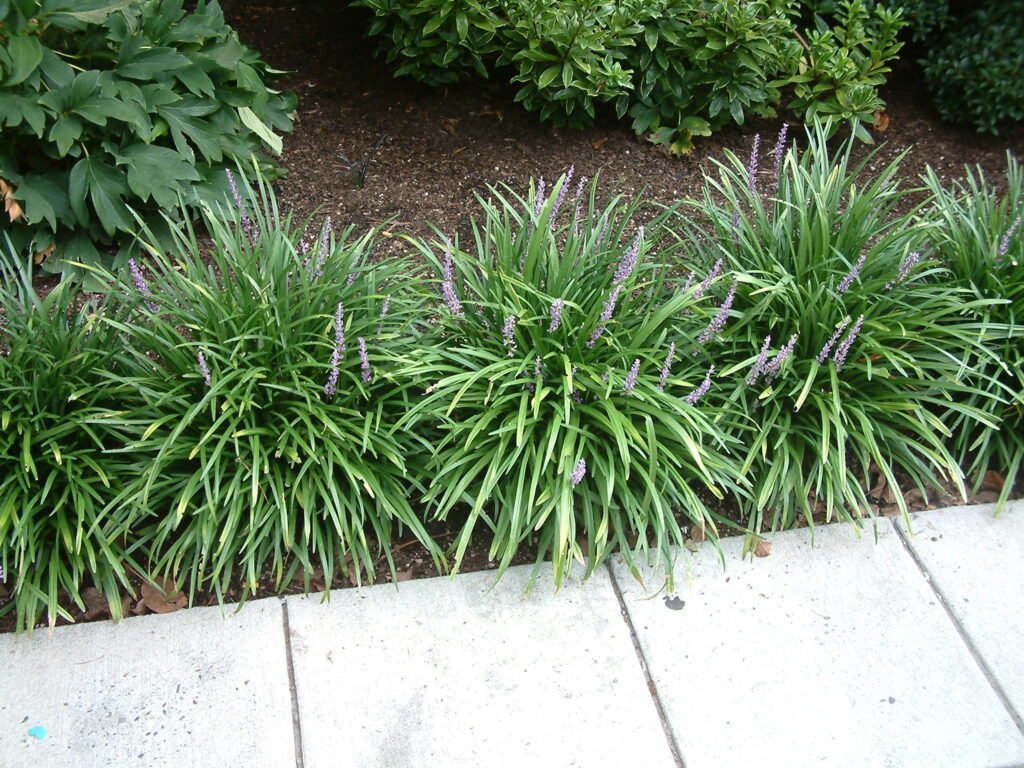
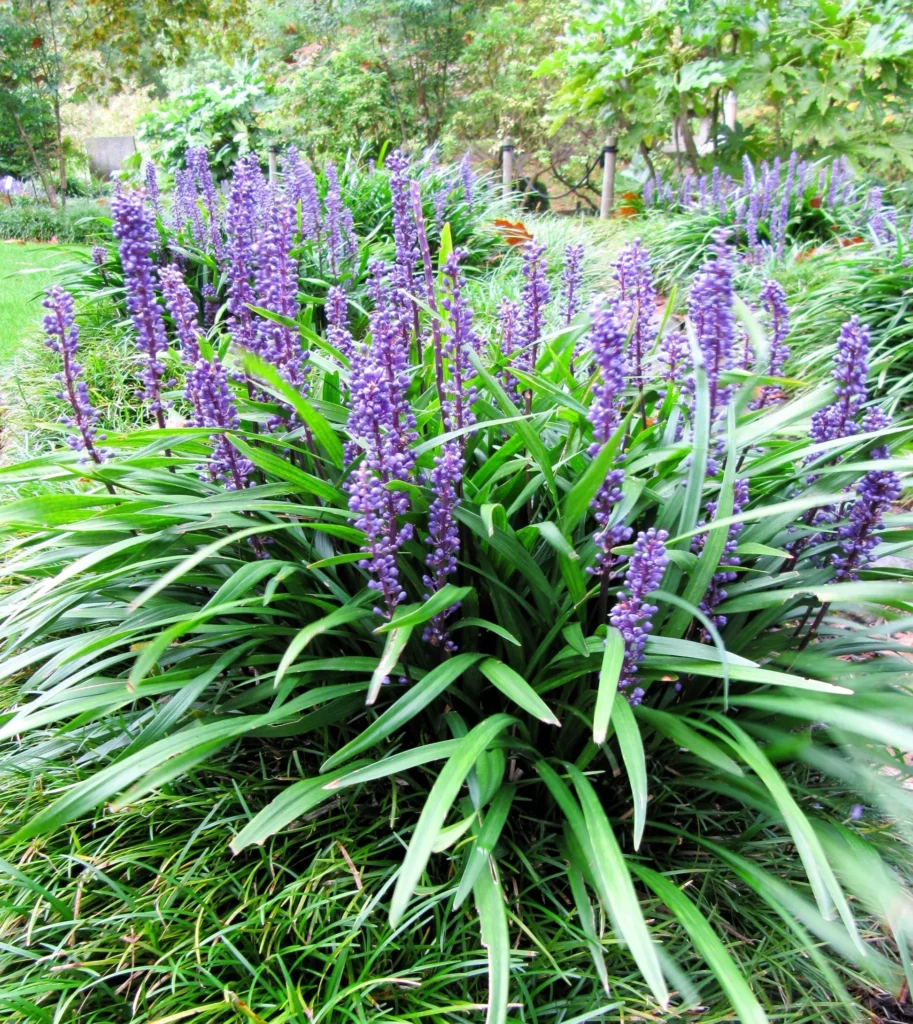
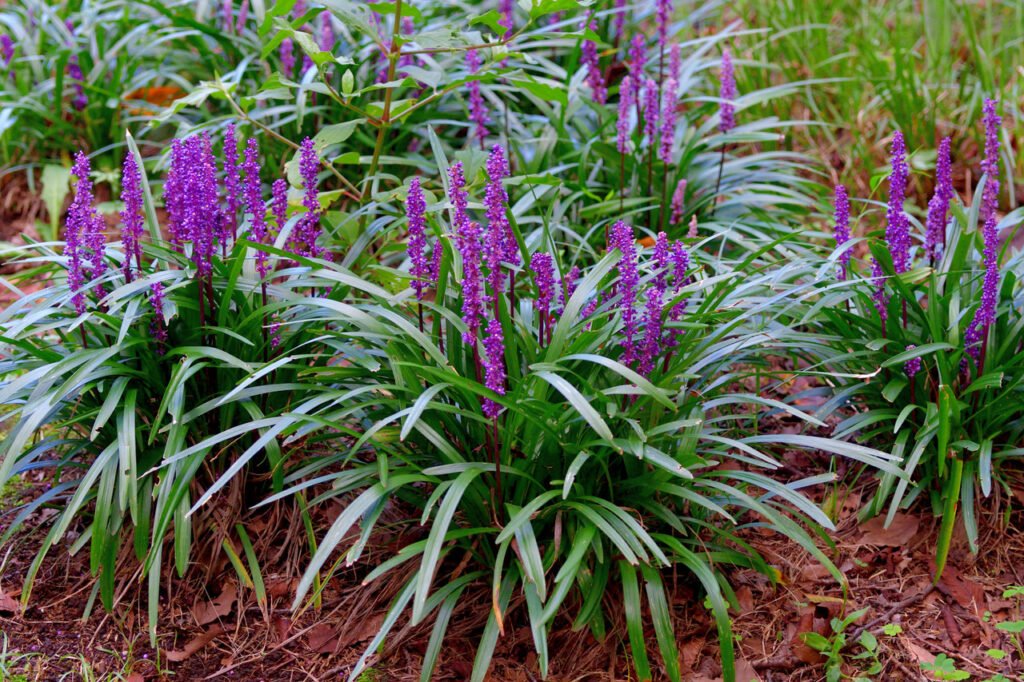
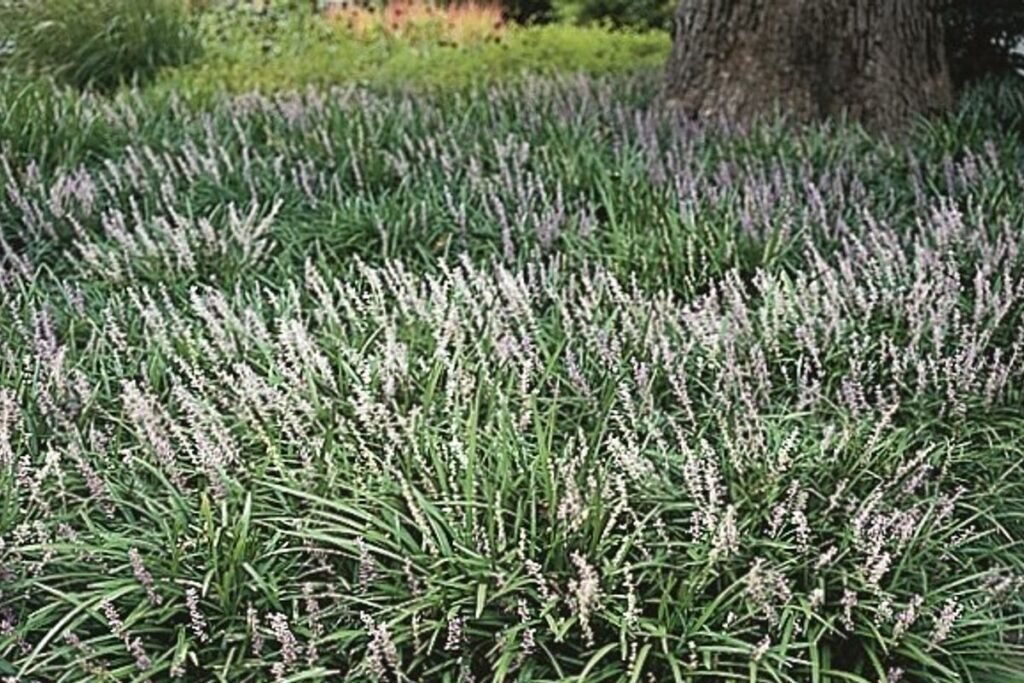


Lilyturf (Liriope muscari): How to Grow, Propagate, Harvest, and Use This Versatile Evergreen Plant
Lilyturf, botanically known as Liriope muscari, is a hardy, evergreen perennial prized for its grass-like foliage, purple flower spikes, and low-maintenance nature. Often confused with ornamental grasses, lilyturf is actually a member of the asparagus family and is widely used in landscaping, ground cover planting, and container gardening.
In this comprehensive guide, you’ll learn how to grow lilyturf successfully, propagate it easily, explore popular varieties, understand its uses, food considerations, and the correct way to harvest and maintain it.
What Is Lilyturf (Liriope muscari)?
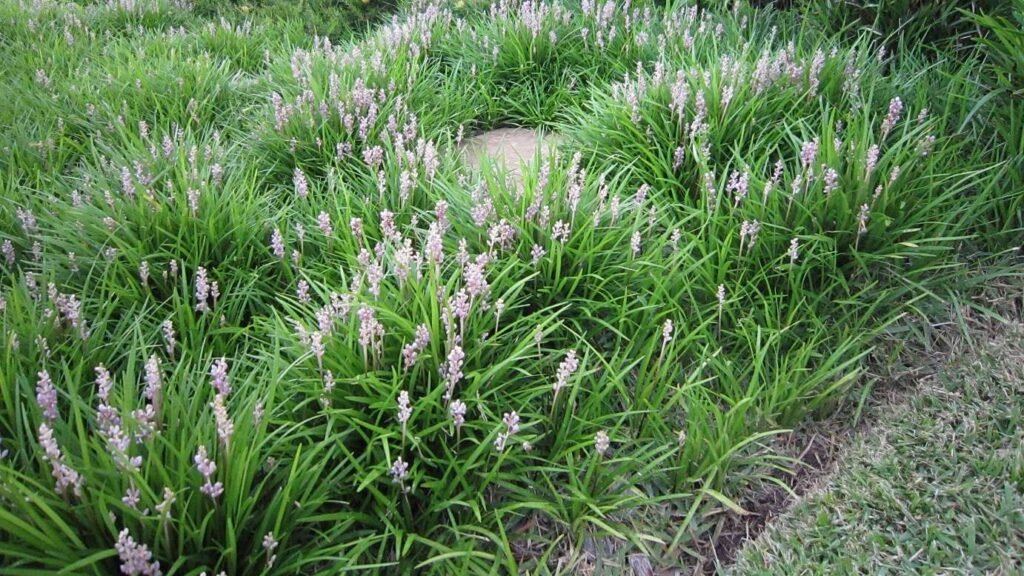
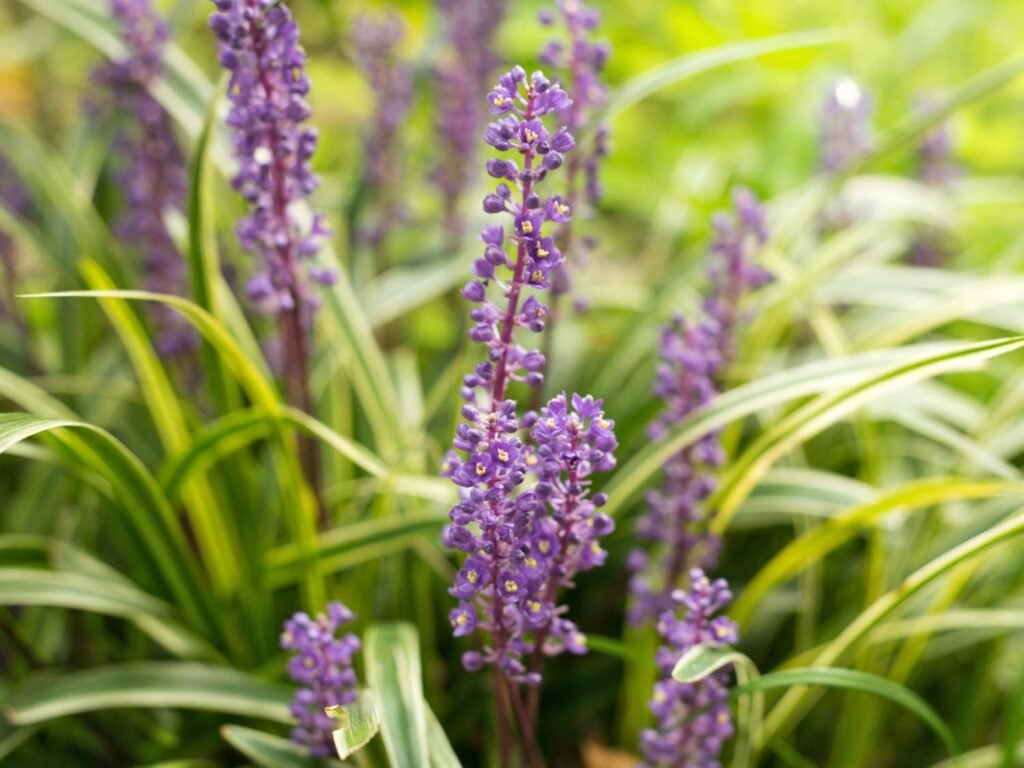
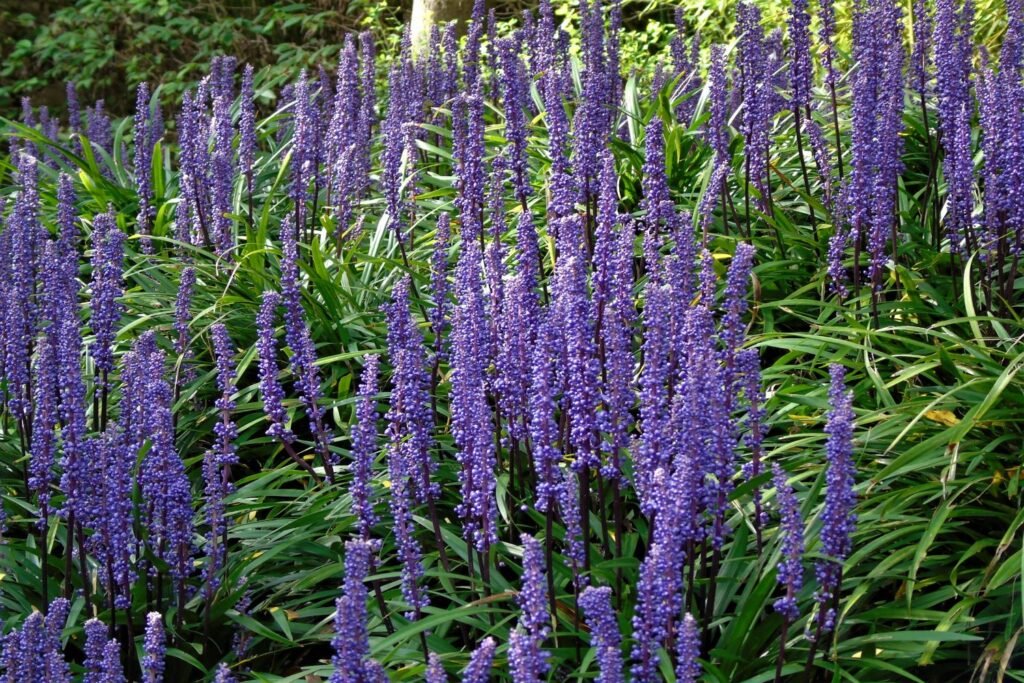
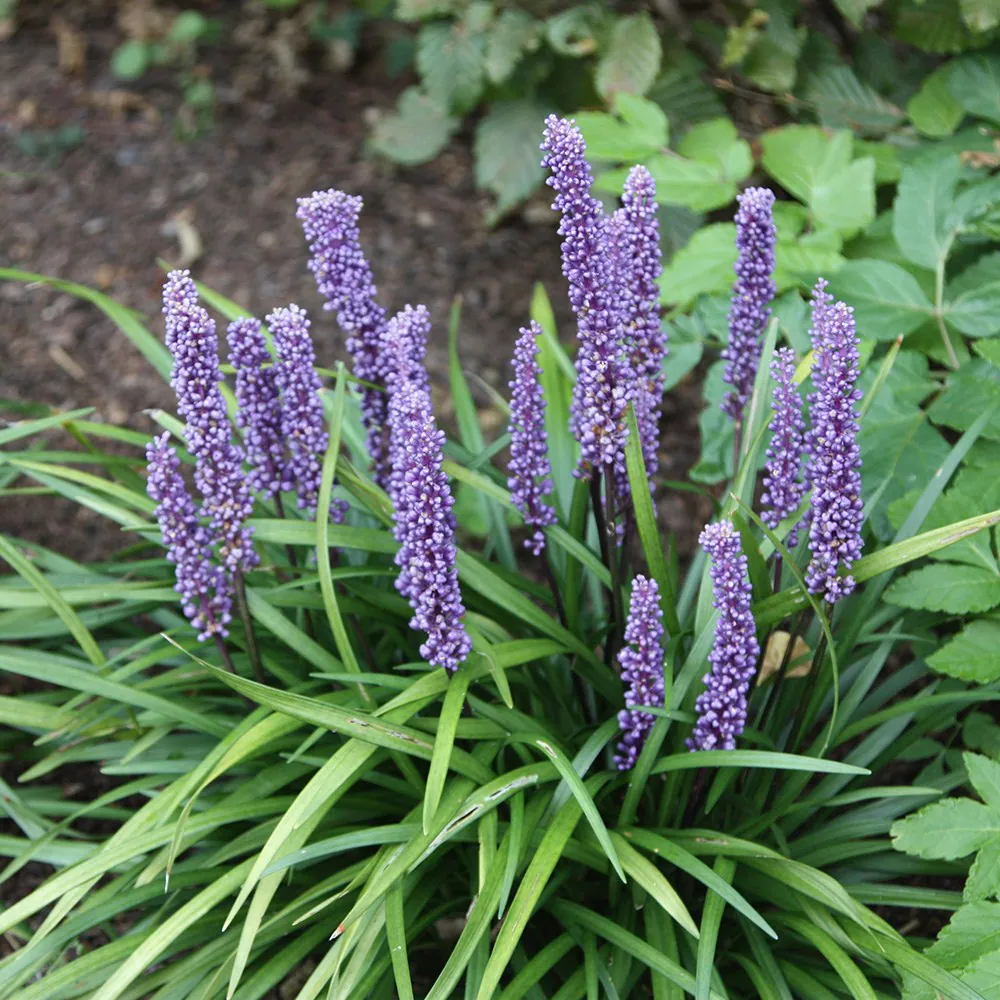
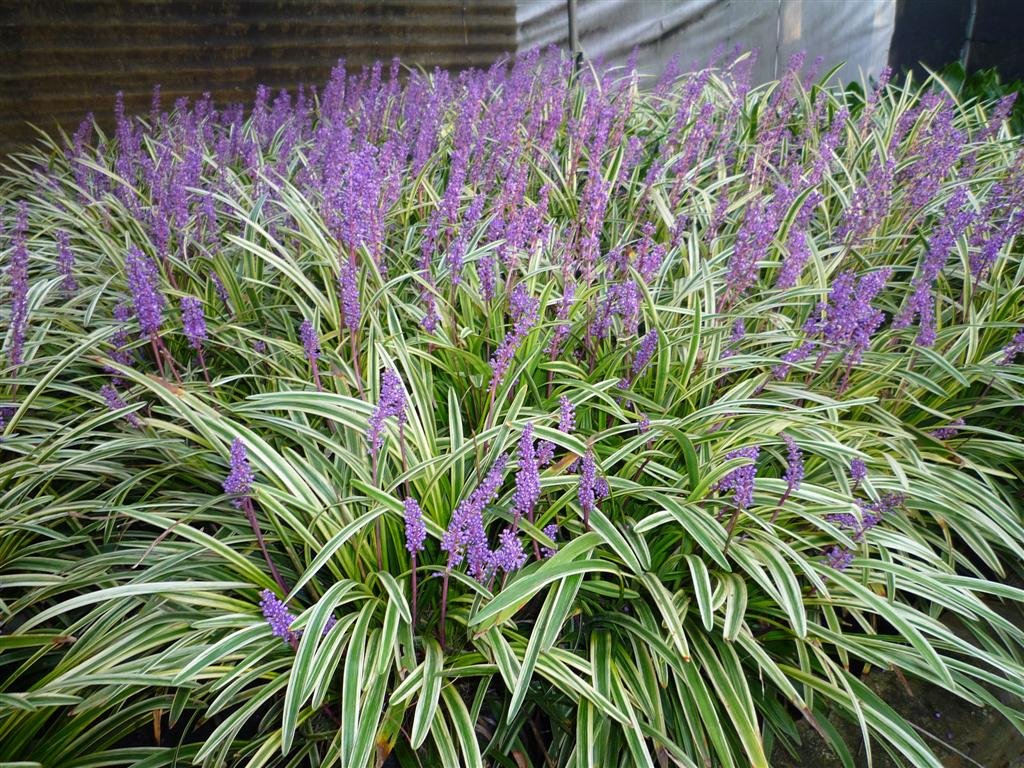
Lilyturf is a clump-forming perennial that grows 10–18 inches tall and spreads slowly through underground rhizomes. It produces dark green, arching leaves and spikes of lavender to purple flowers in late summer, followed by small black berries.
It is valued for:
- Evergreen foliage
- Drought tolerance once established
- Shade adaptability
- Excellent erosion control
How to Grow Lilyturf Successfully
Ideal Growing Conditions
Lilyturf is extremely adaptable, making it ideal for beginner gardeners.
Light Requirements
- Thrives in partial shade to full shade
- Can tolerate full sun in cooler climates
Soil Preferences
- Well-draining soil is essential
- Grows well in sandy, loamy, or clay soil
- Slightly acidic to neutral pH is ideal
Watering Needs
- Water regularly during the first growing season
- Once established, lilyturf is drought tolerant
- Avoid overwatering to prevent root rot
Temperature & Hardiness
- Hardy in USDA zones 5–10
- Tolerates heat, humidity, and mild frost
Planting Lilyturf
- Dig a hole twice as wide as the root ball
- Space plants 12–18 inches apart
- Place the crown slightly above soil level
- Backfill with soil and water thoroughly
- Apply mulch to retain moisture and suppress weeds
How to Propagate Lilyturf
Propagation is best done by division, making it fast and reliable.
Division Method (Best Technique)
- Best time: early spring or early fall
- Dig up a mature clump
- Separate into smaller sections with roots attached
- Replant immediately at the same depth
This method encourages healthier growth and prevents overcrowding.
Popular Varieties of Liriope muscari
1. Big Blue Lilyturf
- Most common variety
- Deep green leaves and purple flowers
- Excellent for borders and mass planting
2. Variegated Lilyturf
- Green leaves with creamy white stripes
- Brightens shady areas
- Slightly slower growth
3. Evergreen Giant Liriope
- Taller and broader leaves
- Ideal for large landscape areas
- More upright growth habit
Landscape and Practical Uses of Lilyturf
Lilyturf is a multifunctional plant used in both residential and commercial landscapes.
Common Uses
- Ground cover for shaded areas
- Edging along walkways and driveways
- Underplanting for trees and shrubs
- Slope stabilization and erosion control
- Container gardening and patio displays
Its dense root system helps suppress weeds naturally.
Food Options and Edibility: Important Safety Note
Lilyturf (Liriope muscari) is not considered an edible plant.
- Berries are toxic if ingested
- Leaves and roots are not used in culinary applications
- Keep away from pets and small children
While some related species in traditional medicine exist, Liriope muscari should not be consumed in any form.
How and When to Harvest Lilyturf (Maintenance Harvesting)
Harvesting lilyturf refers to maintenance pruning, not food harvesting.
Seasonal Trimming
- Late winter to early spring is ideal
- Cut foliage back to 2–3 inches above ground
- Use sharp shears or hedge trimmers
This encourages fresh, healthy new growth and improves flowering.
Flower and Berry Removal
- Remove spent flower stalks for a tidy appearance
- Prevents berry formation if safety is a concern
Common Problems and Solutions
Yellowing Leaves
- Often caused by poor drainage or overwatering
Poor Flowering
- Too much shade or excessive nitrogen fertilizer
Crown Rot
- Avoid planting too deeply
- Ensure proper soil drainage
Why Choose Lilyturf for Your Garden?
Lilyturf stands out as a low-maintenance, long-lasting ornamental plant that provides year-round greenery and seasonal color. Its adaptability, resilience, and aesthetic appeal make it a top choice for gardeners looking for beauty with minimal effort.
Final Thoughts
Whether you’re designing a shaded landscape, stabilizing a slope, or adding evergreen structure to your garden, Liriope muscari (lilyturf) is a dependable and attractive choice. With proper planting, occasional division, and seasonal trimming, lilyturf will thrive for years with very little attention.




&media=https://food-foresting.com/wp-content/uploads/2026/01/Liriope-muscari_01.jpg)