
 paulius.mikoliunas1
| Common Name | Douglas Fir, Rocky Mountain Douglas-fir |
| Family | Pinaceae |
| USDA hardiness | 3-6 |
| Known Hazards | None known |
| Habitats | Moist to very dry areas from sea level to near the tree-line in the Rocky mountains. The best specimens are found on well-drained deep loamy soils with plenty of moisture. |
| Range | Western N. America – Canada to California. Occasionally self-sows in Britain. |
| Edibility Rating |   (2 of 5) (2 of 5) |
| Other Uses |   (3 of 5) (3 of 5) |
| Weed Potential | No |
| Medicinal Rating |   (2 of 5) (2 of 5) |
| Care (info) |     |
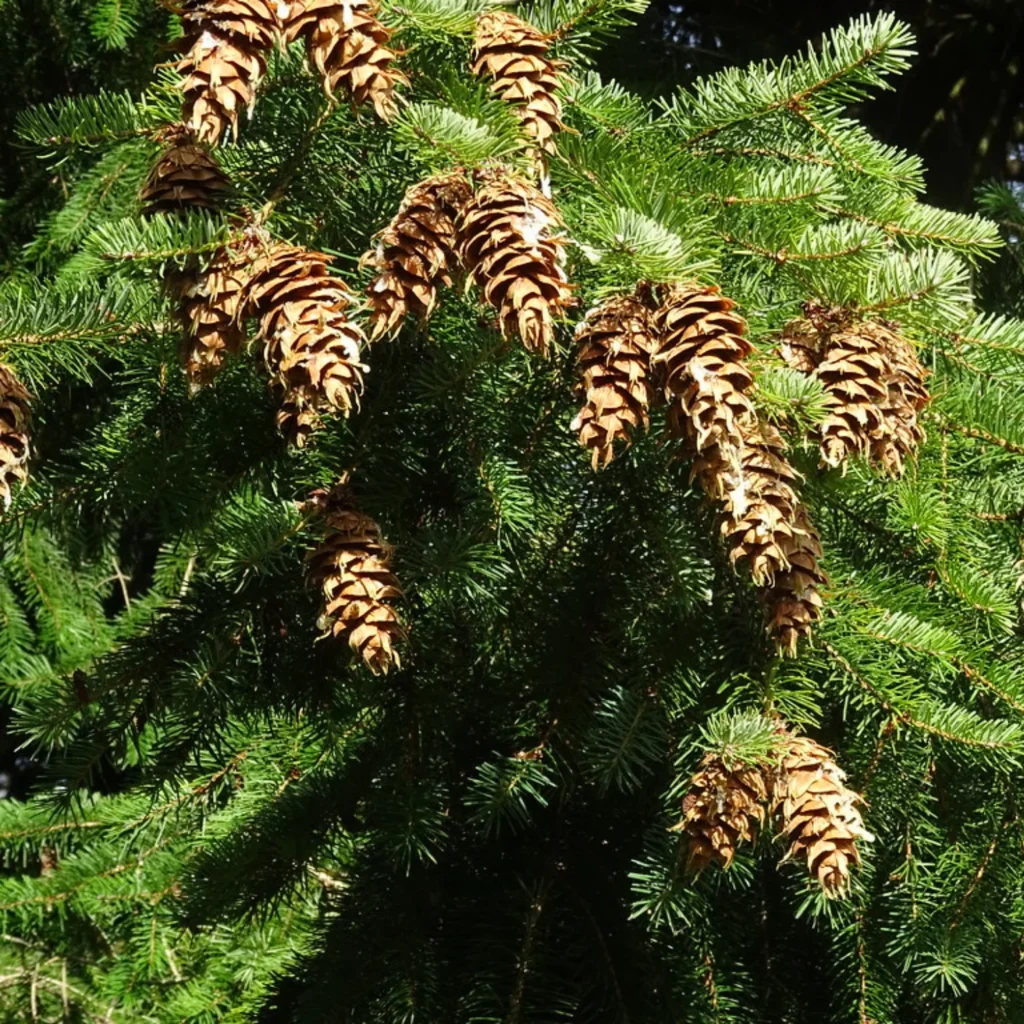

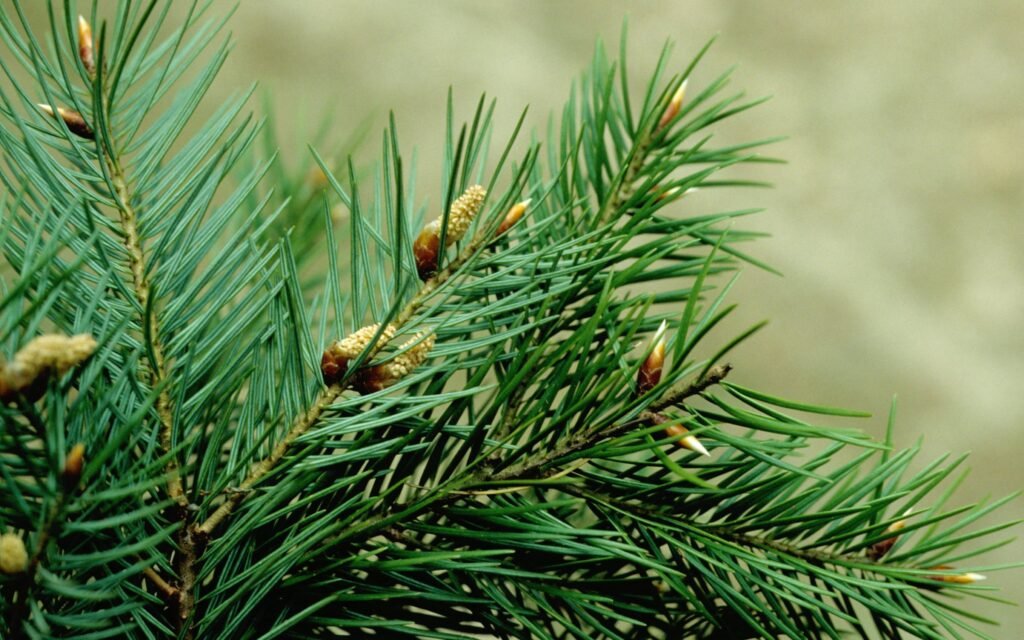
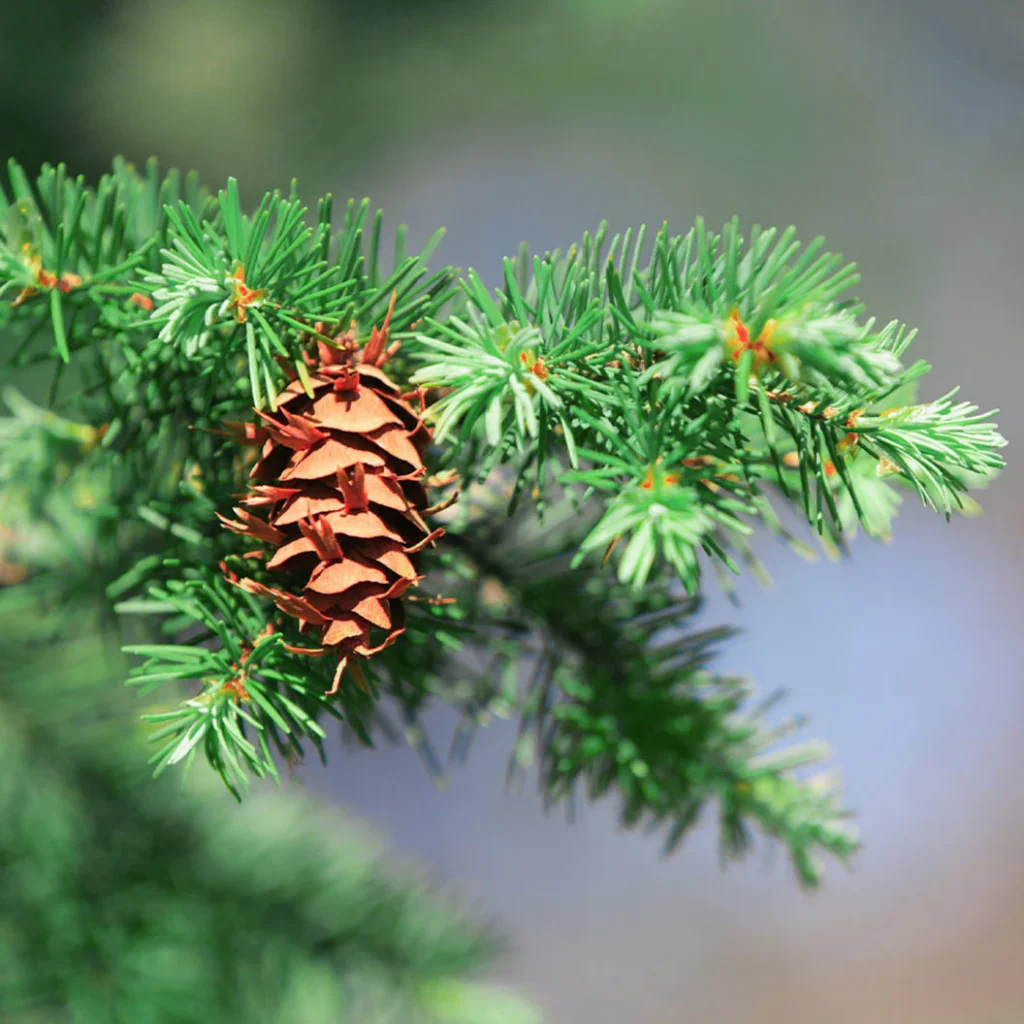
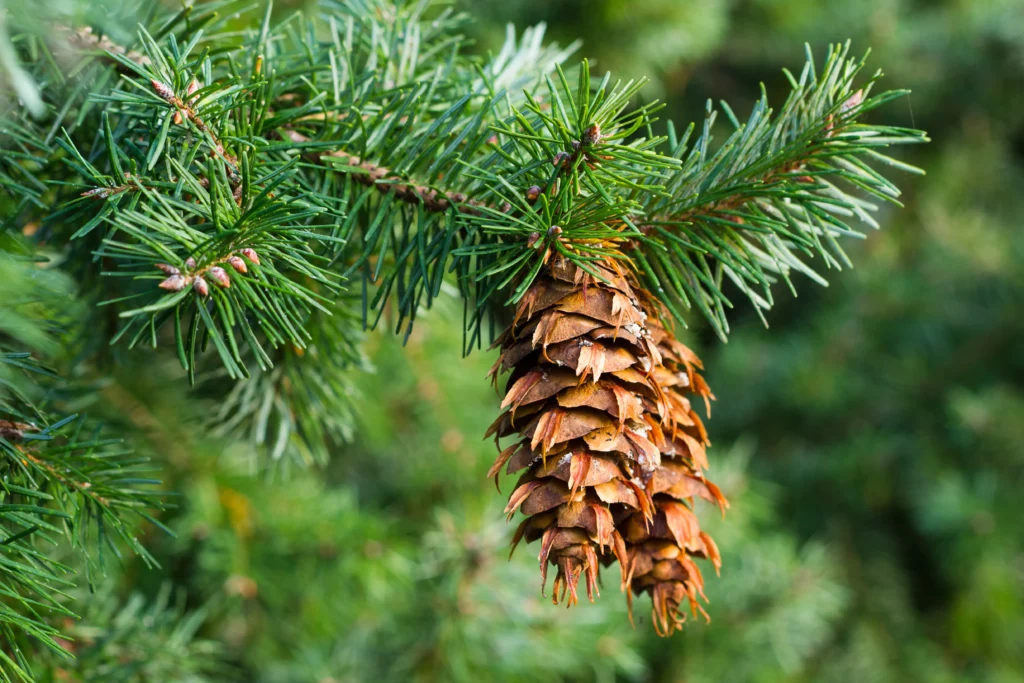
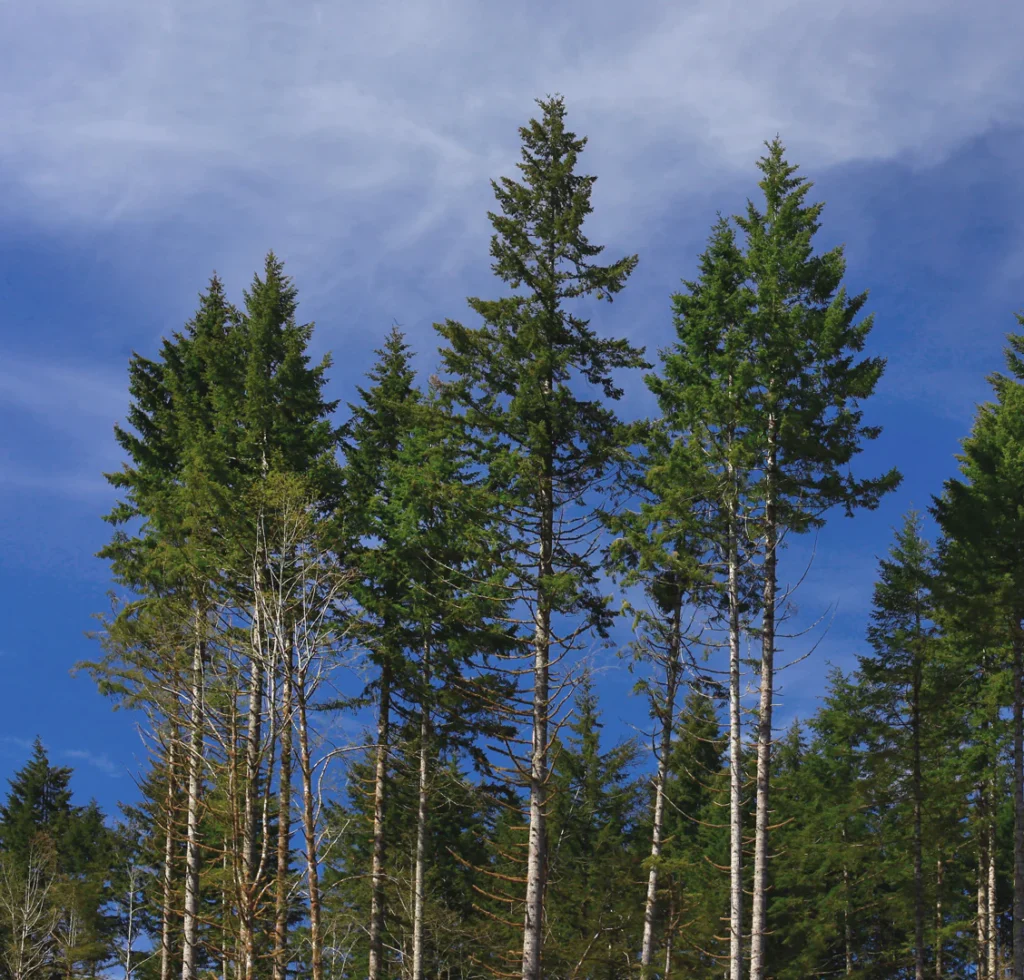

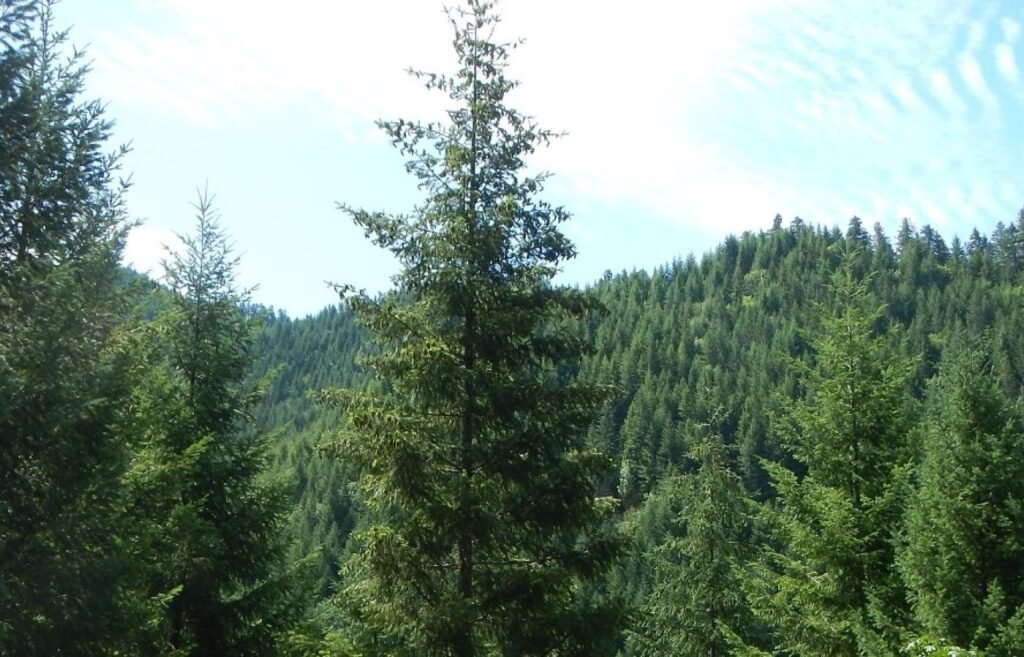

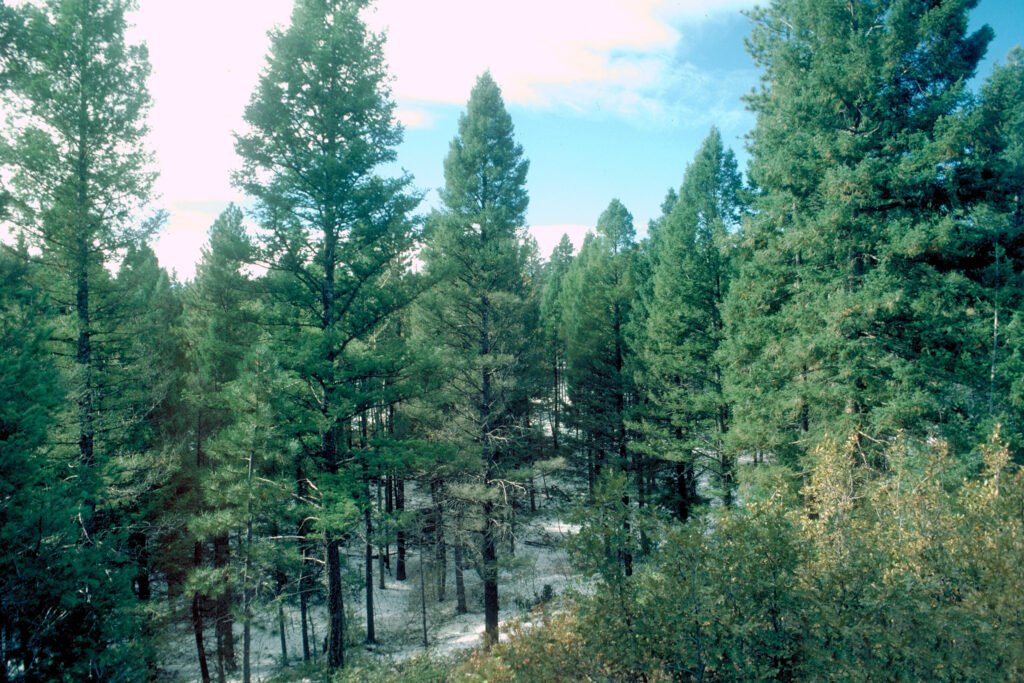


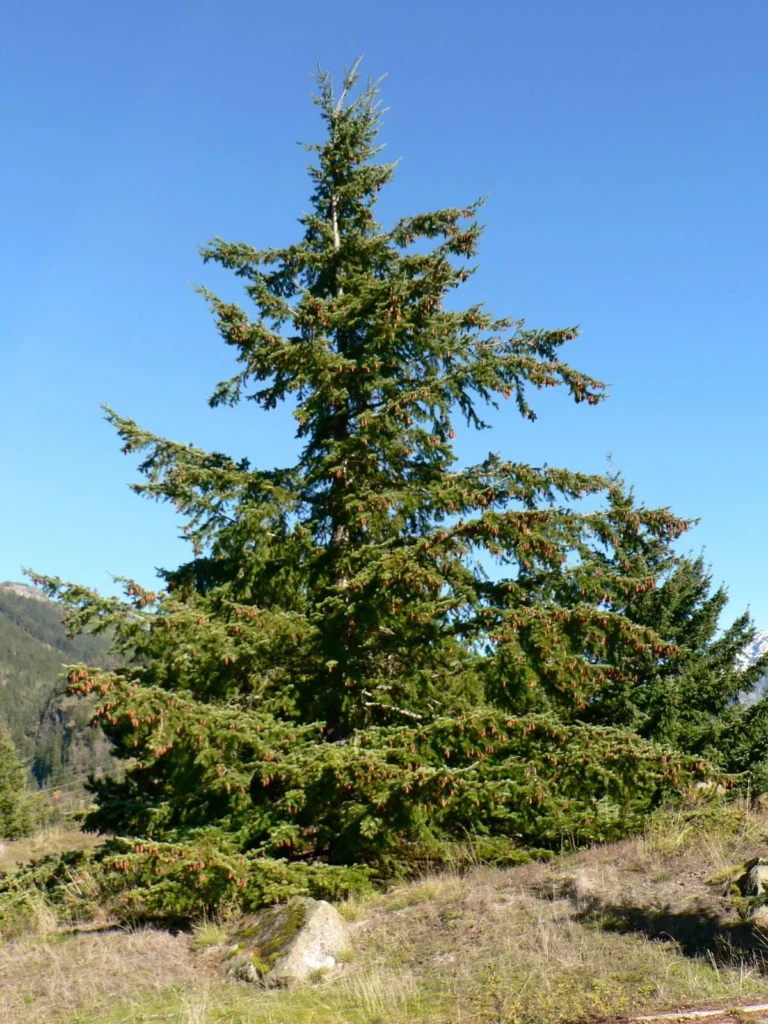
Douglas Fir (Pseudotsuga menziesii): Complete Guide to Growing, Propagation, Varieties, Uses, Edible Parts, and Harvesting
Douglas Fir (Pseudotsuga menziesii) is one of the most iconic and versatile coniferous trees in North America. Known for its towering height, fragrant needles, and wide range of practical uses, this evergreen has played a vital role in forestry, construction, traditional medicine, and even food culture.
Despite its common name, Douglas Fir is not a true fir. Instead, it belongs to its own genus, Pseudotsuga, which means “false hemlock.” Whether you are a gardener, forager, homesteader, or forestry enthusiast, this comprehensive guide will help you understand how to grow, propagate, harvest, and use Douglas Fir effectively and responsibly.
Overview of Douglas Fir
- Botanical name: Pseudotsuga menziesii
- Common names: Douglas Fir, Oregon Pine, Douglas Spruce
- Tree type: Evergreen conifer
- Native range: Western and central North America
- Lifespan: 500–1,000+ years
- Height: 130–330 feet in natural forests
Douglas Fir is prized for its rapid growth, strong wood, and adaptability to different climates, making it one of the most economically and ecologically important trees in the world.
How to Grow Douglas Fir
Ideal Climate and Conditions
Douglas Fir thrives in temperate climates with cool winters and mild summers. It performs best in regions with:
- Moderate to high rainfall
- Cool nighttime temperatures
- Good air circulation
Soil Requirements
- Well-draining soil is essential
- Prefers slightly acidic to neutral soil (pH 5.5–6.5)
- Tolerates loamy, sandy, and rocky soils
- Avoid heavy clay or waterlogged areas
Sunlight Needs
- Full sun to partial shade
- Young trees benefit from light shade during extreme heat
- Mature trees require ample sunlight for optimal growth
Watering
- Water deeply during the first 2–3 years
- Once established, Douglas Fir is moderately drought tolerant
- Avoid shallow, frequent watering
Spacing and Planting
- Space trees at least 15–25 feet apart
- Plant in early spring or fall
- Ensure the root collar sits slightly above soil level
How to Propagate Douglas Fir
Propagation by Seed (Most Common Method)
- Collect mature cones in late summer or fall
- Allow cones to dry until seeds release naturally
- Cold stratify seeds for 4–6 weeks
- Sow seeds in well-draining soil
- Keep soil consistently moist until germination
Germination usually occurs within 2–4 weeks after planting.
Propagation by Cuttings (Less Common)
- Take semi-hardwood cuttings in late summer
- Use rooting hormone
- Maintain high humidity and cool temperatures
- Rooting success is limited compared to seed propagation
Douglas Fir Varieties and Subspecies
Coast Douglas Fir (Pseudotsuga menziesii var. menziesii)
- Tallest and fastest-growing variety
- Found in coastal regions
- Preferred for timber and construction
Rocky Mountain Douglas Fir (Pseudotsuga menziesii var. glauca)
- Smaller and slower-growing
- More cold and drought tolerant
- Ideal for high elevations and inland regions
Ornamental Cultivars
- Blue-needle varieties for landscaping
- Dwarf forms for gardens
- Weeping or columnar growth habits
Uses of Douglas Fir
Timber and Construction
Douglas Fir wood is valued for its:
- High strength-to-weight ratio
- Resistance to bending
- Straight grain and durability
Common uses include beams, flooring, plywood, furniture, and framing.
Landscaping and Windbreaks
- Popular as ornamental and shade trees
- Effective windbreaks and privacy screens
- Supports wildlife habitats
Ecological Importance
- Provides shelter and food for birds and mammals
- Stabilizes soil and prevents erosion
- Plays a critical role in forest ecosystems
Food Options and Edible Uses of Douglas Fir
Douglas Fir is edible, though it should be used carefully and in moderation.
Edible Parts
- Young needles
- Fresh spring tips
- Resin (limited use)
Douglas Fir Needle Tea
- Rich in vitamin C
- Mild citrus and pine flavor
- Traditionally used to support immune health
To prepare:
- Chop young needles
- Steep in hot (not boiling) water for 10–15 minutes
Douglas Fir Syrup
- Made from fresh spring tips
- Used as a sweetener or flavoring
- Popular in foraged and wild cuisine
Culinary Uses
- Infused sugars and salts
- Flavoring for desserts and beverages
- Aromatic additions to marinades
⚠️ Important Note: Always correctly identify Douglas Fir and avoid consuming large quantities.
Harvesting Douglas Fir Responsibly
When to Harvest
- Needles: Late spring to early summer
- Spring tips: Early spring
- Cones: Late summer to fall
- Timber: Mature trees only, following local regulations
How to Harvest Needles and Tips
- Harvest only from healthy trees
- Take no more than 10–15% from a single tree
- Use clean, sharp tools
- Avoid roadside or polluted areas
Resin Collection
- Collect naturally hardened resin
- Never cut deep into bark
- Use sparingly to avoid harming the tree
Common Pests and Diseases
- Root rot (poor drainage)
- Needle cast diseases
- Bark beetles in stressed trees
Preventive care includes proper spacing, good airflow, and avoiding overwatering.
Sustainable Growing and Ethical Harvesting
Douglas Fir grows quickly but should always be managed responsibly. Sustainable practices ensure healthy forests for future generations while allowing continued use for food, medicine, and materials.
Final Thoughts
Douglas Fir (Pseudotsuga menziesii) is far more than a towering forest giant. It is a multipurpose tree with deep ecological, culinary, and practical value. Whether you’re planting one in your landscape, harvesting spring tips for syrup, or studying its varieties, Douglas Fir offers exceptional benefits when grown and used responsibly.
With proper care, this remarkable evergreen can thrive for centuries—providing shade, shelter, nourishment, and strength for generations to come.



&media=https://food-foresting.com/wp-content/uploads/2026/01/6196aed85720eeba87e2b322_Screen-Shot-2021-11-18-at-1.50.57-PM.webp)