
 paulius.mikoliunas1
| Common Name | European Barberry, Common barberry |
| Family | Berberidaceae |
| USDA hardiness | 3-7 |
| Known Hazards |  Bark in doses of 4 mg or more; stupor, nosebleeds, vomiting, diarrhea and kidney irritation. Contraindicated during pregnancy as abortion risk. Bark in doses of 4 mg or more; stupor, nosebleeds, vomiting, diarrhea and kidney irritation. Contraindicated during pregnancy as abortion risk. |
| Habitats | Light deciduous woodland, hedges, roadsides, clearings etc, preferring a sunny position and a chalky soil. |
| Range | Barberry Coast. Naturalized, or possibly native, in Britain. |
| Edibility Rating |   (3 of 5) (3 of 5) |
| Other Uses |   (4 of 5) (4 of 5) |
| Weed Potential | Yes |
| Medicinal Rating |   (3 of 5) (3 of 5) |
| Care (info) |      |




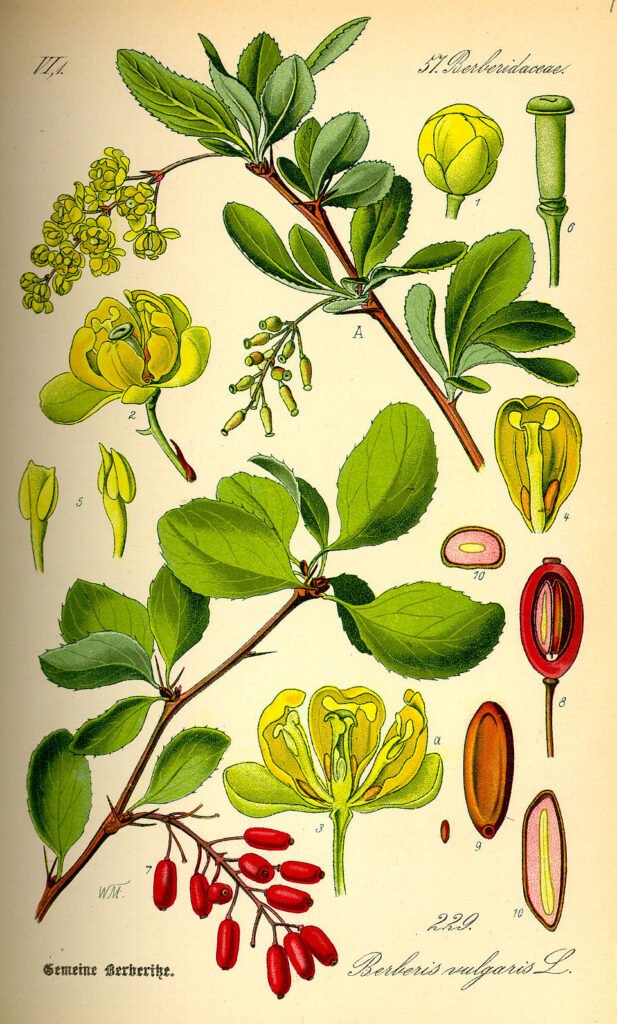
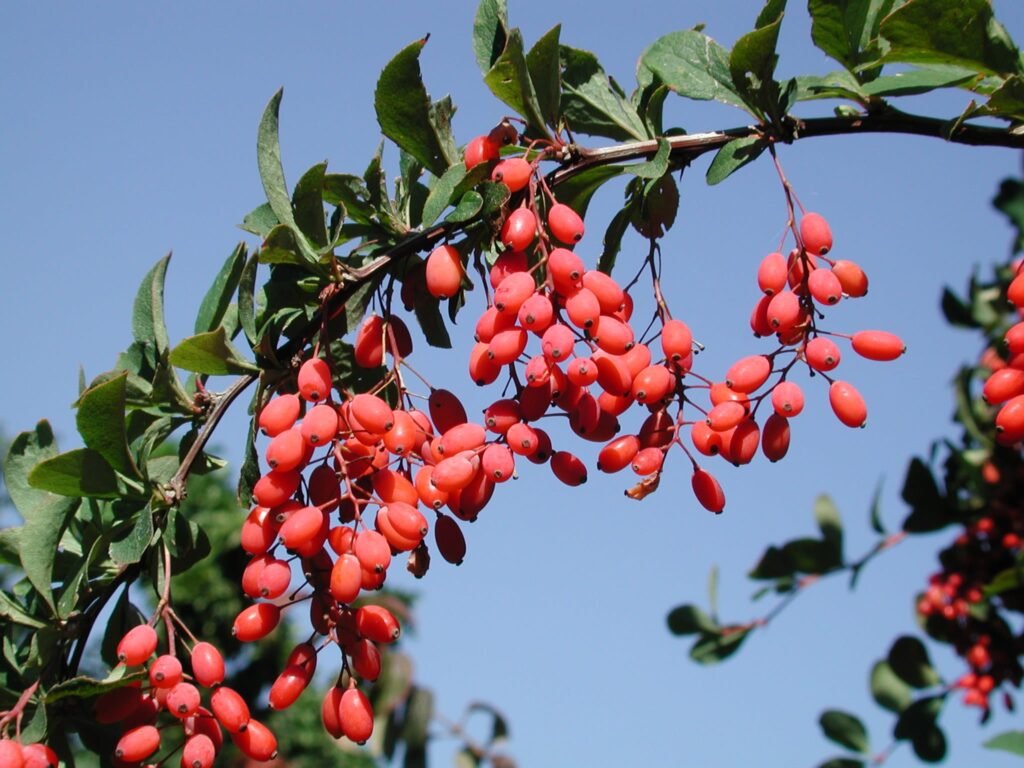

Common Barberry (Berberis vulgaris): Growing, Propagating, Varieties, Uses, Food Ideas & Harvesting Guide
Common Barberry (Berberis vulgaris) is an old-world shrub that has been cultivated for centuries for its tangy berries, medicinal properties, and ornamental appeal. Though underappreciated today, it’s making a comeback in permaculture gardens, herbal landscapes, and wildlife-friendly spaces.
This guide explains how to grow barberry at home, explores propagation techniques, recommended cultivars, and shows how its fruits can be harvested and used in the kitchen.
What is Common Barberry?
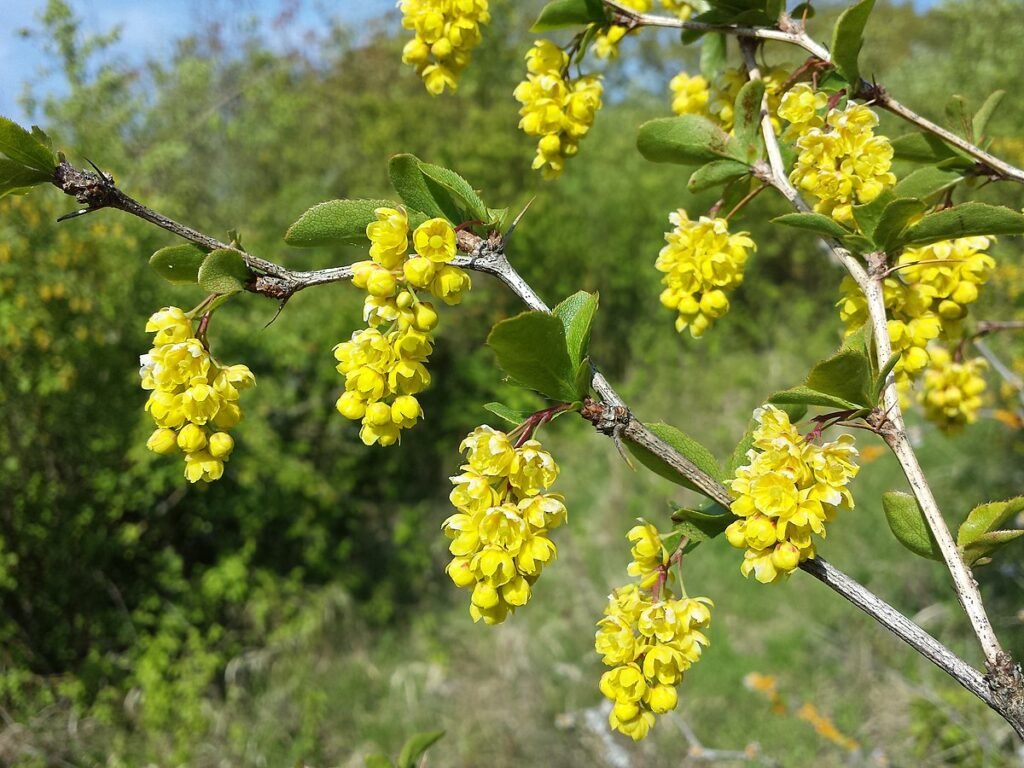
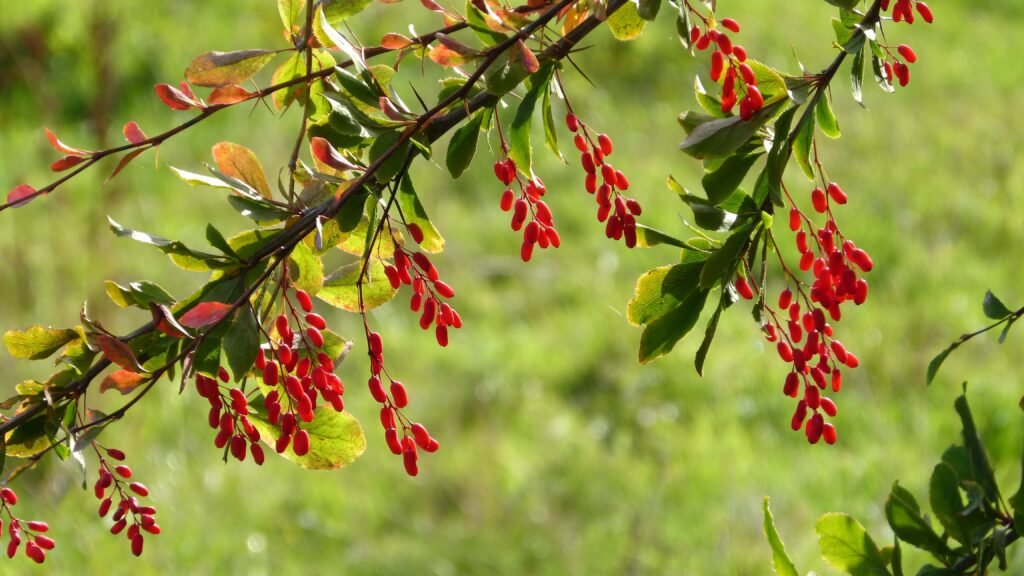
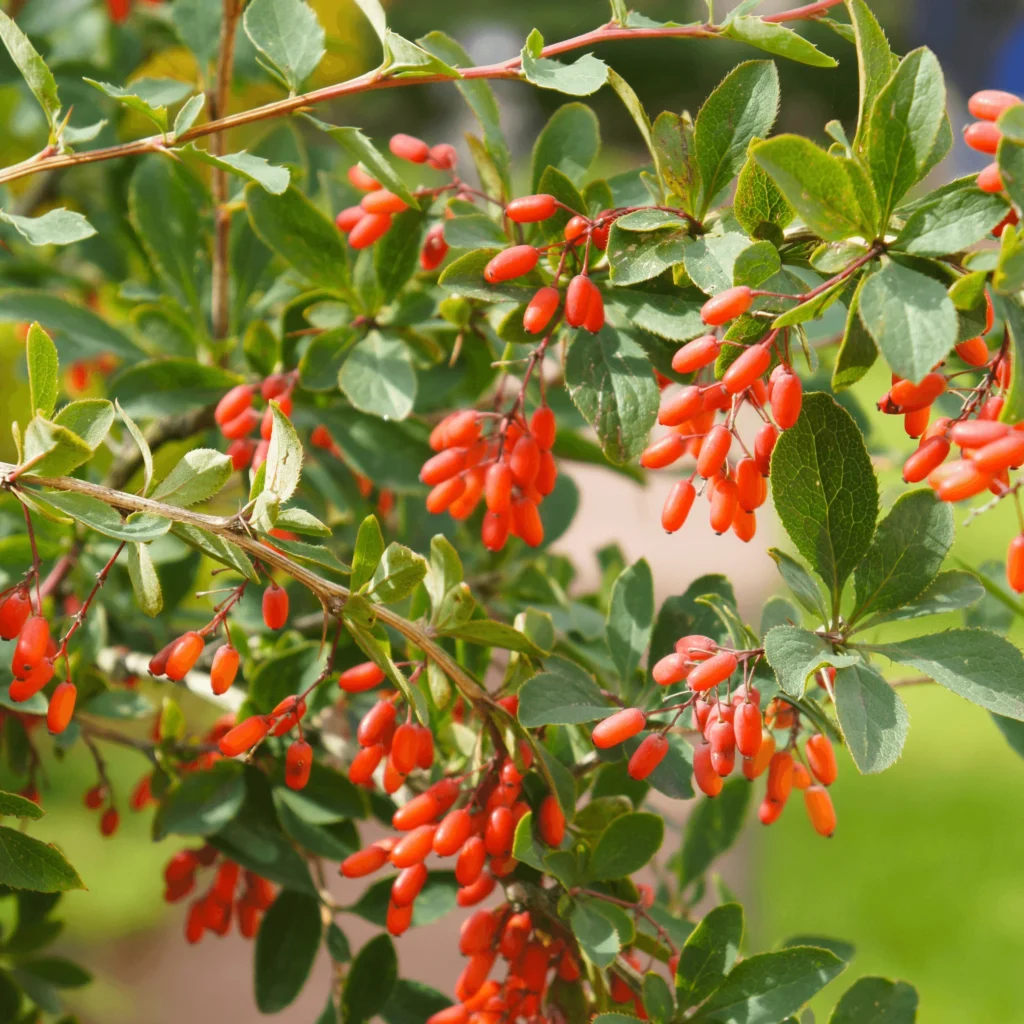
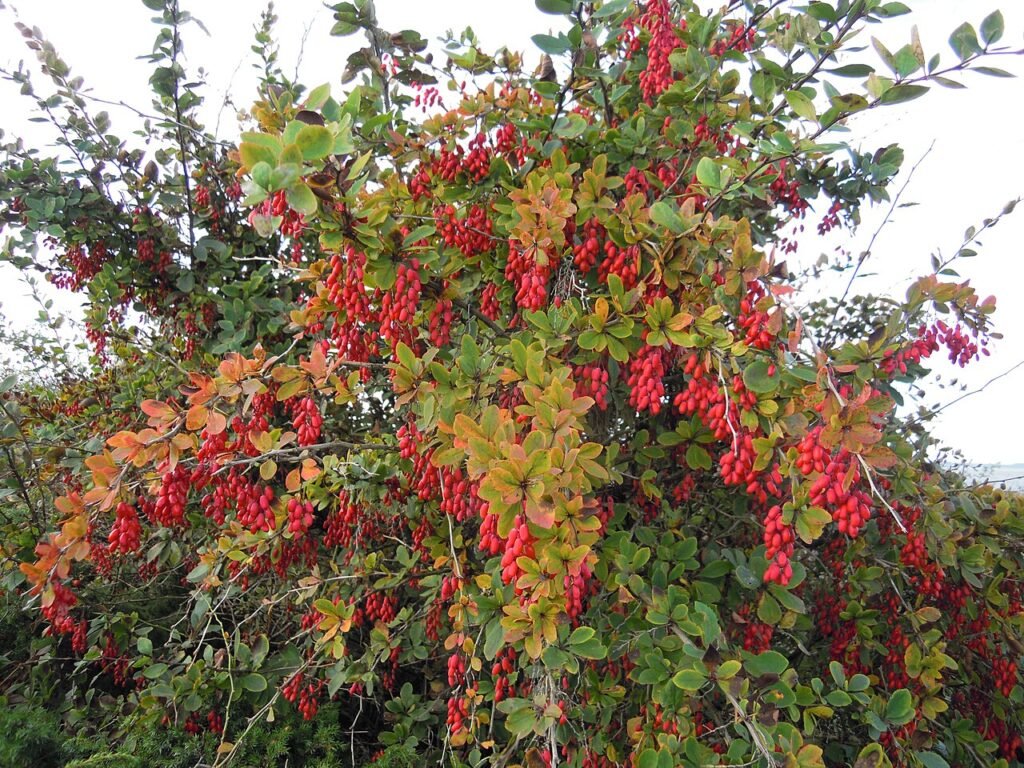
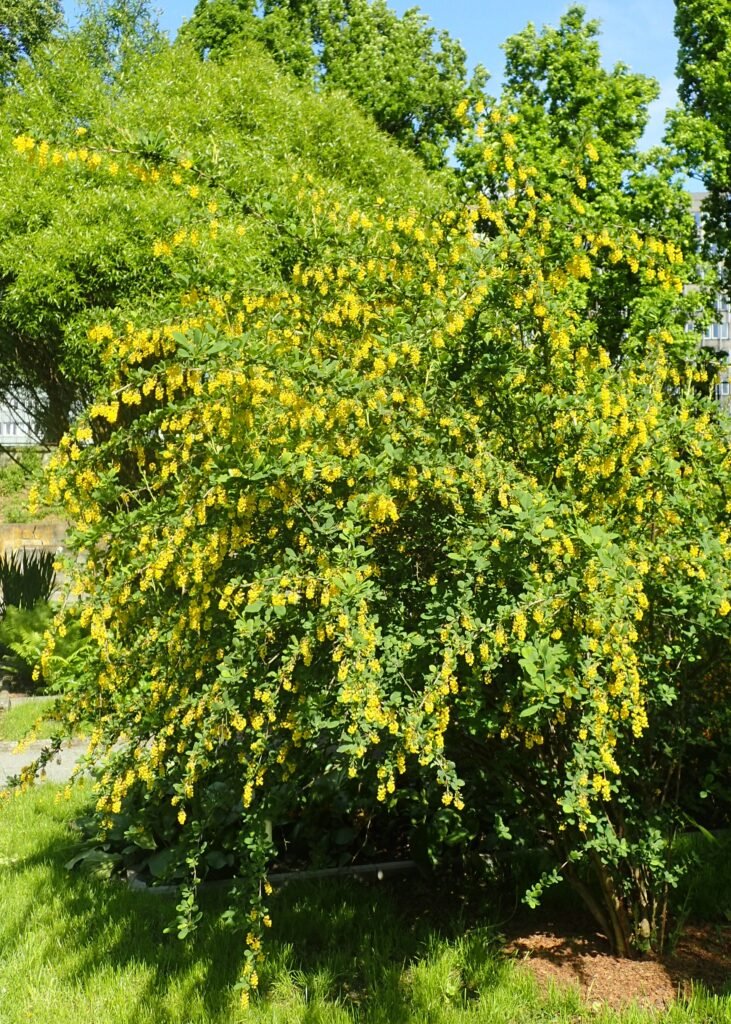
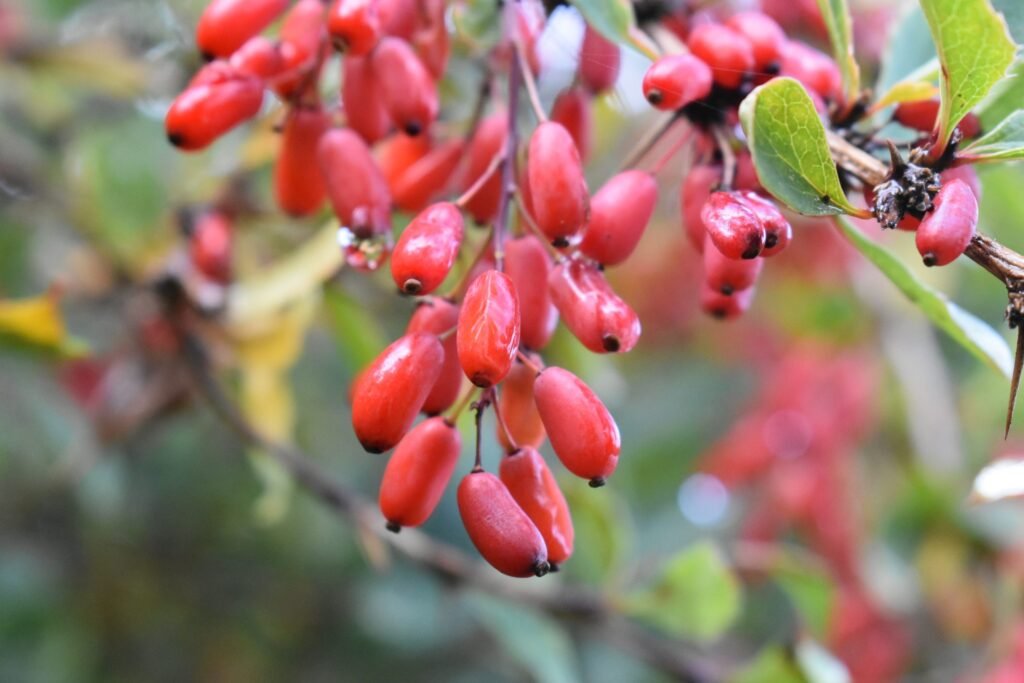
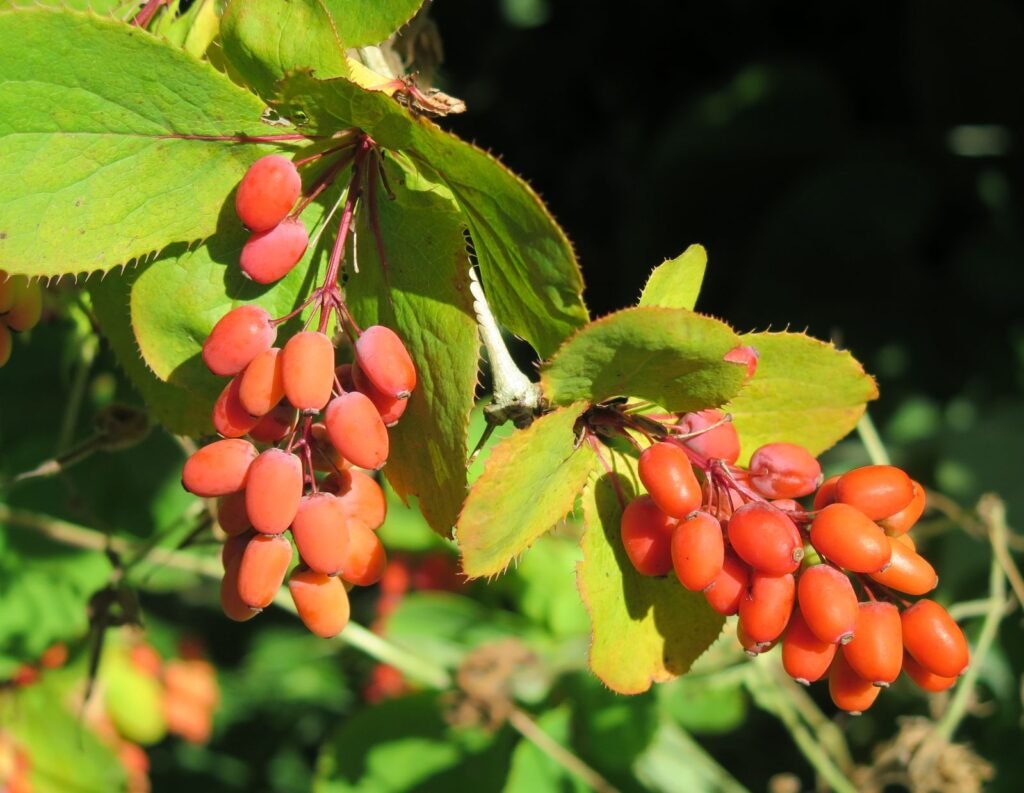
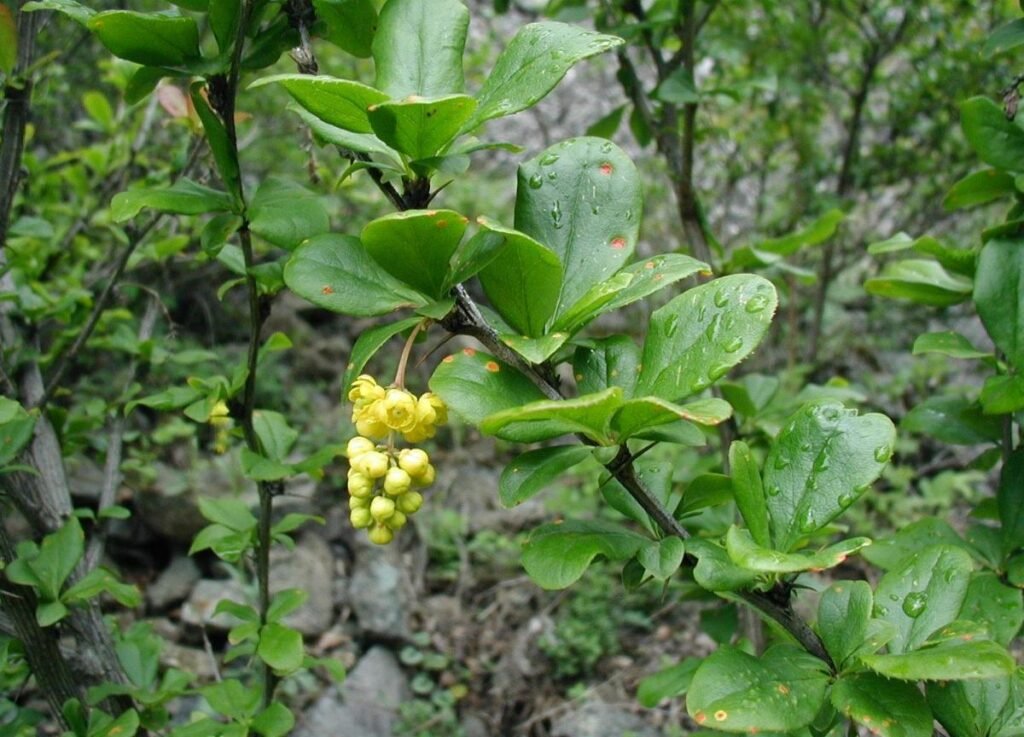
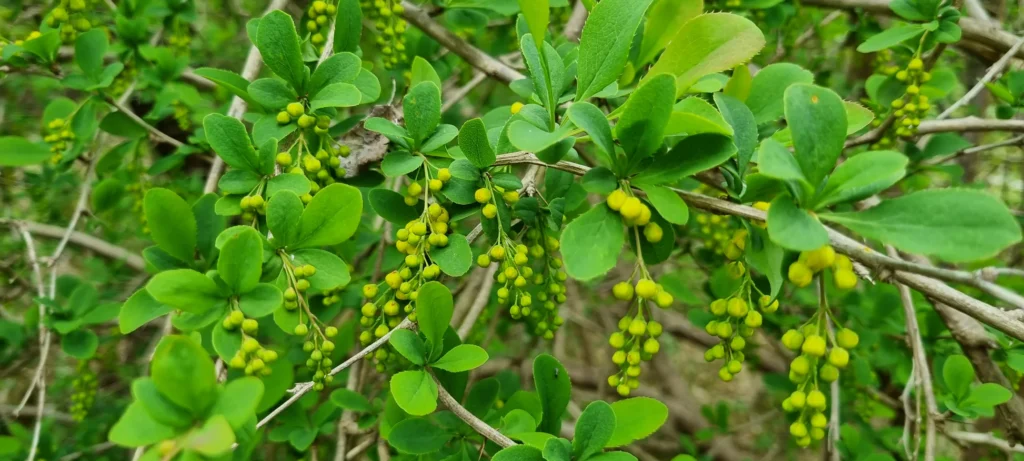
Common Barberry is a deciduous shrub native to parts of Europe, Asia, and North Africa. It grows between 2–3 meters (6–10 ft) tall and forms thorny branches with golden flowers in spring and bright red berries later in the season. The plant attracts pollinators in spring and birds in late summer — a key reason many gardeners plant it for biodiversity.
Growing Requirements for Common Barberry
Growing Common Barberry is quite simple as it adapts to a wide range of conditions. It thrives in:
Soil
- Prefers well-draining soils
- Tolerates loam, clay, and sandy mixes
- Slightly acidic to neutral pH is ideal (pH 6.0–7.0)
Light
- Full sun encourages maximum flowering and berry yield
- Light shade is tolerated, though berries may be fewer
Watering
- Drought-tolerant once established
- Water young plants during the first year
- Avoid overwatering, as root rot can occur in poorly drained sites
Climate
Barberry is hardy in USDA zones 4–8, tolerating cold winters and dry summers. It is notably resistant to many pests and browsing animals, including deer.
Propagation Methods
Barberry can be propagated via seeds, cuttings, or division. Each method suits different goals:
1. Seed Propagation
- Seeds require cold stratification
- Sow outdoors in fall or refrigerate seeds for 3 months before spring sowing
- Germination is gradual but produces vigorous young plants
2. Softwood Cuttings
- Best taken in early summer
- Dip in rooting hormone and place in moist, well-drained medium
- Generates clones identical to the parent variety
3. Division
- Mature shrubs produce suckers that can be dug and replanted
- Fastest way to expand a hedge or edible planting
Popular Varieties of Berberis vulgaris
Although the straight species is common and hardy, plant breeders have developed several ornamental types:
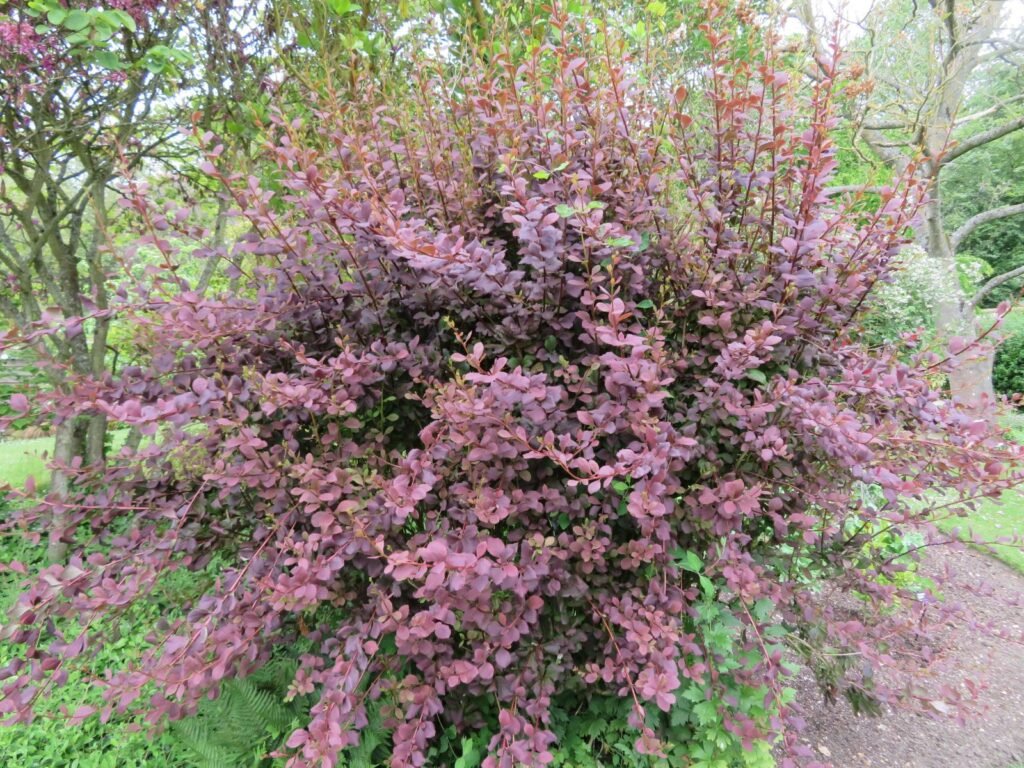
- ‘Atropurpurea’ — purple foliage, excellent ornamental hedge
- ‘Alba’ — produces pale berries instead of red
- ‘Asiatic Red’ — heavy berry production for culinary use
- Dwarf selections — compact shrubs suitable for containers and borders
Gardeners interested in edible harvests typically choose varieties with higher berry yields and fewer ornamental traits.
Uses & Benefits of Common Barberry
Barberry has been valued for culinary, medicinal, and ecological purposes:
Medicinal Uses
Historically, barberry bark and berries were used for:
- Digestive health
- Immune support
- Liver tonics
The plant contains berberine, an alkaloid studied for antimicrobial and metabolic effects.
Ecological Uses
- Pollinator-friendly yellow flowers bloom in spring
- Dense branches offer nesting habitat for birds
- Berries provide late-summer wildlife nutrition
Ornamental Uses
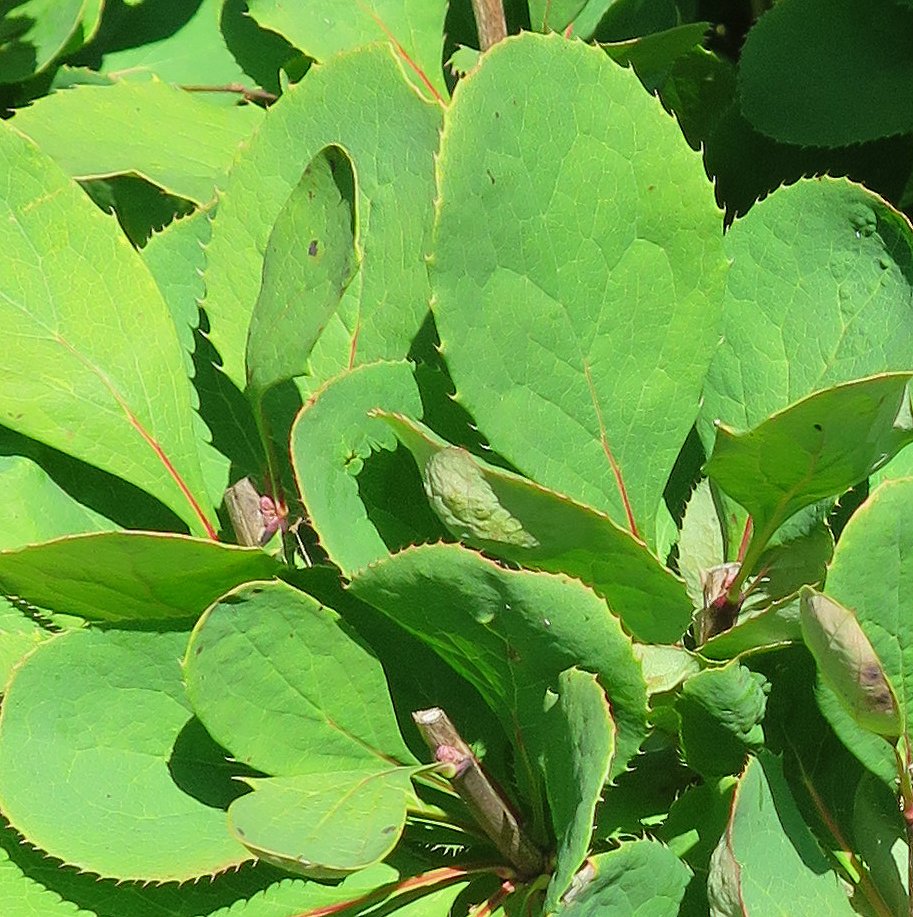
Thorny stems make it an attractive natural barrier or hedge. Foliage displays seasonal color shifts from rich greens and purples to golden autumn tones.
Edible Uses & Food Options
The berries of Berberis vulgaris are tart, slightly acidic, and packed with vitamin C. In culinary traditions, especially Persian and Middle Eastern cuisine, dried barberries (called zereshk) are widely used.
Fresh Uses
- Add berries to fruit salads for a sour punch
- Sprinkle over yogurt or grain bowls
Cooked Uses
- Incorporate into rice dishes (classic zereshk rice)
- Use in sauces and glazes for poultry or lamb
- Add to breads, muffins, or pastries as a tangy accent
Preserved
- Dehydrate or sun-dry for long storage
- Cook into jams, jellies, and syrups
- Ferment into wine or vinegar blends
The tartness replaces lemon zest in recipes and pairs exceptionally well with savory herbs like saffron, thyme, and rosemary.
How to Harvest Common Barberry
Harvest typically occurs late summer to early autumn when berries turn deep red and soften slightly. Tips:
- Wear gloves — the thorns are sharp
- Snip berry clusters or strip berries gently by hand
- Rinse thoroughly before processing
- Dry or freeze if not using immediately
Yields vary but mature shrubs often produce abundant clusters every year.
Potential Challenges & Considerations
Barberry is low-maintenance, but gardeners should note:
- Thorns can be hazardous around walkways or children
- In some regions, barberry has been regulated to control spread
- Proper placement prevents unwanted suckering
Despite these considerations, its value to biodiversity and culinary culture makes it a prized species for many growers.
Conclusion
Common Barberry (Berberis vulgaris) is a versatile, hardy, and historically significant shrub that deserves renewed recognition in modern gardens. From edible berries and herbal benefits to wildlife support and ornamental function, it offers far more than meets the eye. Whether you’re interested in propagation, culinary experiments, ecological gardening, or low-maintenance landscaping, barberry is well worth planting.


&media=https://food-foresting.com/wp-content/uploads/2026/01/DSC_0404.jpg)