
 paulius.mikoliunas1
Grace Smoke Bush (Cotinus × dummeri): Complete Guide to Growing, Propagating, Using & Harvesting
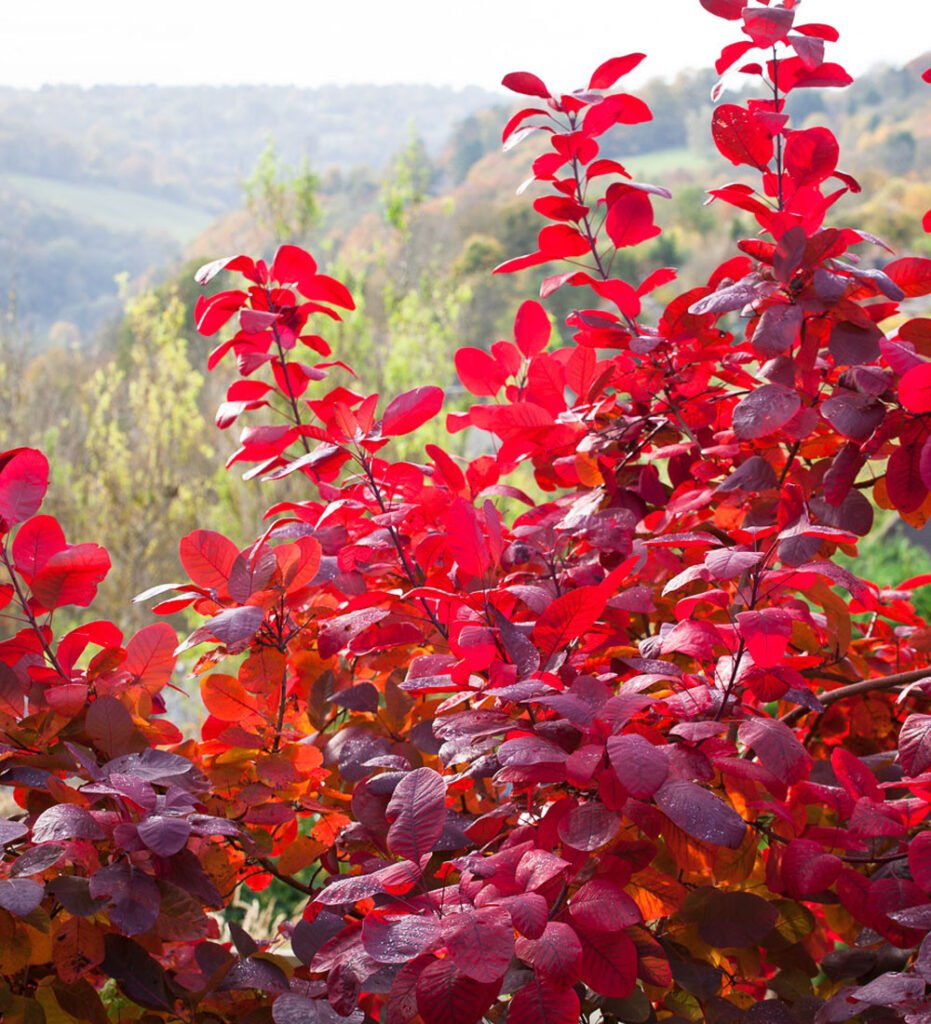
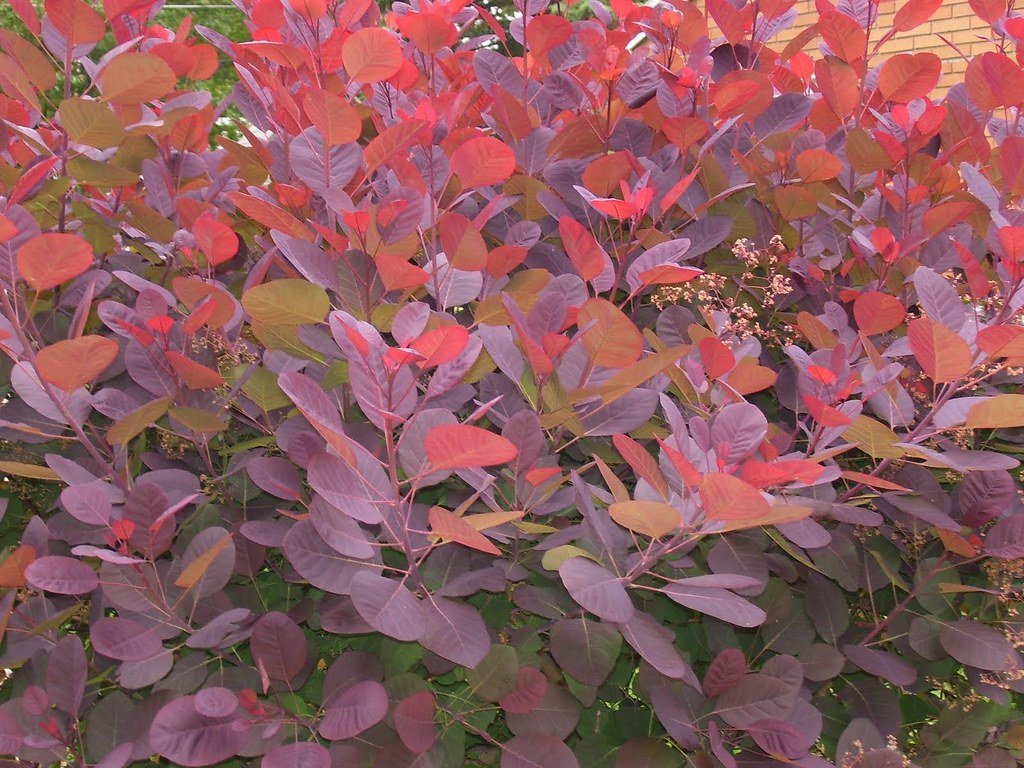
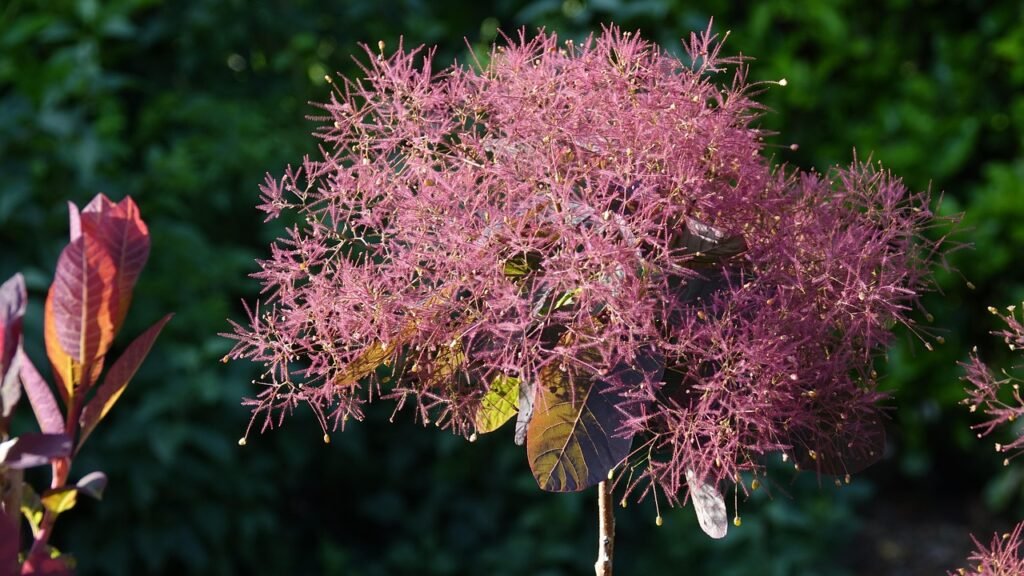
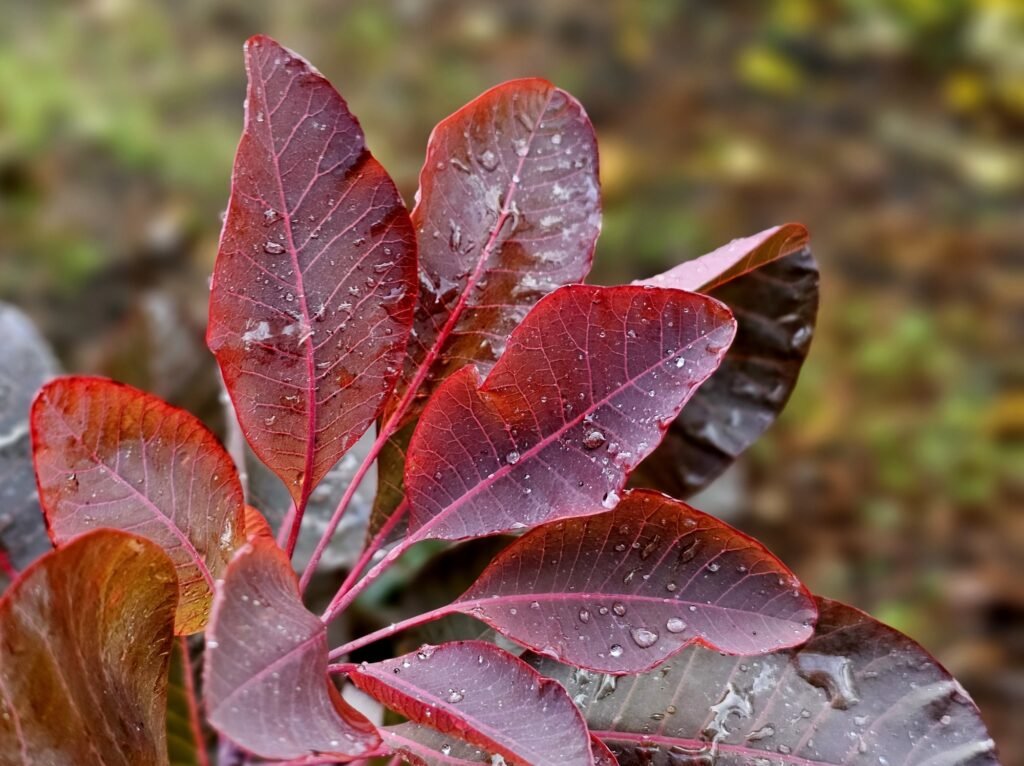
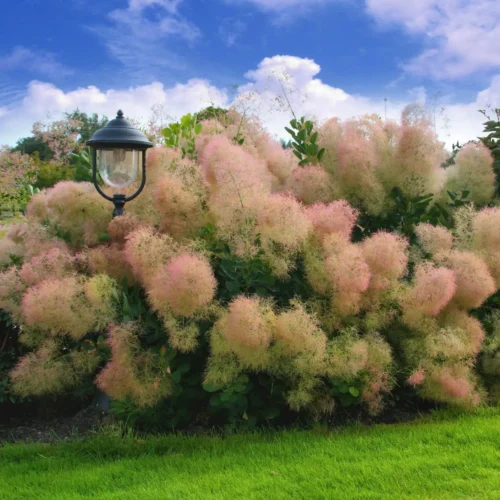
The Grace Smoke Bush, or Cotinus × dummeri ‘Grace’(a hybrid between Cotinus coggygria and Cotinus obovatus), is a standout ornamental shrub valued for its billowing “smoke” plumes, dramatic foliage color shifts, and impressive garden versatility. With a blend of Cotinus coggygria and Cotinus obovatus genetics, ‘Grace’ is hardy, adaptable, and visually electrifying throughout the seasons.
In this comprehensive guide, discover how to grow Grace Smoke Bush successfully, propagate new plants, explore existing cultivars, learn creative and edible uses, and even time the best harvest windows for foliage-heavy projects.





What Makes Grace Smoke Bush Special?
The ‘Grace’ cultivar is celebrated for its:
- Wine-red to copper foliage in spring
- Smoky, airy panicles through summer
- Fiery orange-red fall color
- Tall, structural form reaching 10–15 ft
- Low maintenance requirements
It bridges the ornamental gap between a shrub and small tree, making it ideal for statement plantings, pollinator gardens, borders, or naturalistic landscapes.
Growing Grace Smoke Bush: Climate, Soil & Care
Sunlight Requirements
- Thrives in full sun
- Can tolerate partial shade, but color and plume density decrease
Soil Conditions
- Prefers well-drained, loose soil
- Slightly alkaline to neutral pH
- Tolerates poor soils better than rich, wet ones
Watering
- Moderate drought tolerance once established
- Water deeply for the first 1–2 growing seasons
- Avoid chronically wet soil to prevent root rot
Fertilizing
Smoke bushes rarely need fertilizer. Too much nitrogen causes lanky growth and fewer plumes. Compost top-dressing is sufficient.
Pruning
Pruning depends on the desired form:
- Arboreal form: prune selectively in late winter
- Shrubby form: hard prune to 6–12 inches for dense foliage
- No prune: encourages natural, airy habit
How to Propagate Grace Smoke Bush
Propagation is rewarding but requires patience due to woody growth patterns.
1. Softwood Cuttings (Most Reliable)
Best time: Late spring to midsummer
Steps:
- Select new, flexible growth
- Cut 4–6 inch stems below leaf node
- Dip in rooting hormone (optional, but helpful)
- Place in sterile propagation mix
- Maintain humidity until rooted (4–8 weeks)
2. Hardwood Cuttings
Best time: Late autumn after dormancy
- Slower but effective
- Requires cold stratification period
3. Layering
Simple and high success rate:
- Bend lower branch to soil
- Wound underside slightly
- Secure with pin and cover with soil
- Sever once rooted (1 full season)
Seed
Not preferred — Grace is a hybrid, so seedlings rarely remain true to type.
Popular Varieties & Related Cultivars
While ‘Grace’ is a standout, gardeners may enjoy pairing or comparing with close relatives:
- Cotinus coggygria ‘Royal Purple’ — deep purple foliage
- Cotinus ‘Golden Spirit’ — chartreuse yellow leaves
- Cotinus obovatus (American Smoke Tree) — native with blazing fall color
- Cotinus coggygria ‘Young Lady’ — compact, floriferous hybrid
These offer complementary color and texture palettes for sophisticated landscape design.
Landscape Usage & Design Ideas
Grace Smoke Bush enhances:
✔ Mixed perennial borders
✔ Meadow-inspired gardens
✔ Cottage and pollinator gardens
✔ Modern minimalist designs
✔ Structural screening
✔ Fall color compositions
Pair well with:
- Ornamental grasses
- Russian sage
- Sedums
- Echinacea
- Japanese maples
- Weigela
- Smoky-toned roses
Its semi-translucent plumes also photograph beautifully in backlighting — a favorite trick among landscape designers.
Is Grace Smoke Bush Edible? Food & Herbal Notes
Unlike many ornamentals, smoke bush is not typically consumed as food. Most species contain tannins and resinous compounds that make them unsuitable for eating in raw or cooked form. However:
- Historically, tannins were used for leather tanning and dye production
- Leaves and wood produce interesting brown dyes for textile or art use
- Smoky plumes are used aesthetically in food photography or tablescaping (never as garnish for consumption)
So while not a culinary plant, it has creative household and artistic applications.
Harvesting Foliage & Plumes
If growing Grace for floristry or art:
Harvesting Foliage
- Best in late spring to early summer
- Leaves hold color well in arrangements
- Long-lasting in both fresh & dried states
Harvesting Plumes
- Snip during peak “smoke” phase mid-summer
- Air-dry upside down for lasting texture
- Ideal for:
- Dried bouquets
- Wreaths
- Botanical art
- Seasonal décor
Cutting plumes won’t harm the plant and can actually promote stronger architecture.
Common Problems & Troubleshooting
Grace Smoke Bush is generally hardy but may encounter:
Leaf Spot
Often cosmetic — prune affected areas and improve airflow.
Winter Dieback
More common in young plants or exposed, windy sites.
Sparse Blooming
Caused by:
- Too much shade
- Excess nitrogen
- Over-pruning wrong season
Is Grace Smoke Bush Deer or Pest Resistant?
- Deer resistant: foliage contains bitter compounds
- Pest resistant: rarely attacked by insects
- Pollinator friendly: plumes attract beneficials
Low maintenance + high aesthetics = great landscape return value.
Final Thoughts: Why Grow Grace Smoke Bush?
Whether you’re a home gardener, landscape architect, or floral designer, Grace Smoke Bush offers:
- Multi-season color
- Sculptural form
- Low care demands
- High ornamental impact
It’s one of those rare shrubs that delights from spring until the leaves hit the ground in fall — and even in winter, its branching structure brings elegance and movement.
If you want a plant that performs artistically without excessive fuss, Cotinus × dummeri ‘Grace’ is a superb choice.


&media=https://food-foresting.com/wp-content/uploads/2026/01/cotinus-dummeri-grace-3442706_1280.jpg)