
 paulius.mikoliunas1
| Common Name | Sacred Bamboo, Heavenly Bamboo |
| Family | Berberidaceae |
| USDA hardiness | 6-9 |
| Known Hazards |  The fruit is poisonous. All parts of the plant contain toxic substances, including hydrocyanic acid and nandenine. The fruit is poisonous. All parts of the plant contain toxic substances, including hydrocyanic acid and nandenine. |
| Habitats | Ravines and valleys in mountains and warmer parts of C. and S. Japan. |
| Range | E. Asia – China, Japan and India. |
| Edibility Rating |   (1 of 5) (1 of 5) |
| Other Uses |   (2 of 5) (2 of 5) |
| Weed Potential | Yes |
| Medicinal Rating |   (2 of 5) (2 of 5) |
| Care (info) |    |
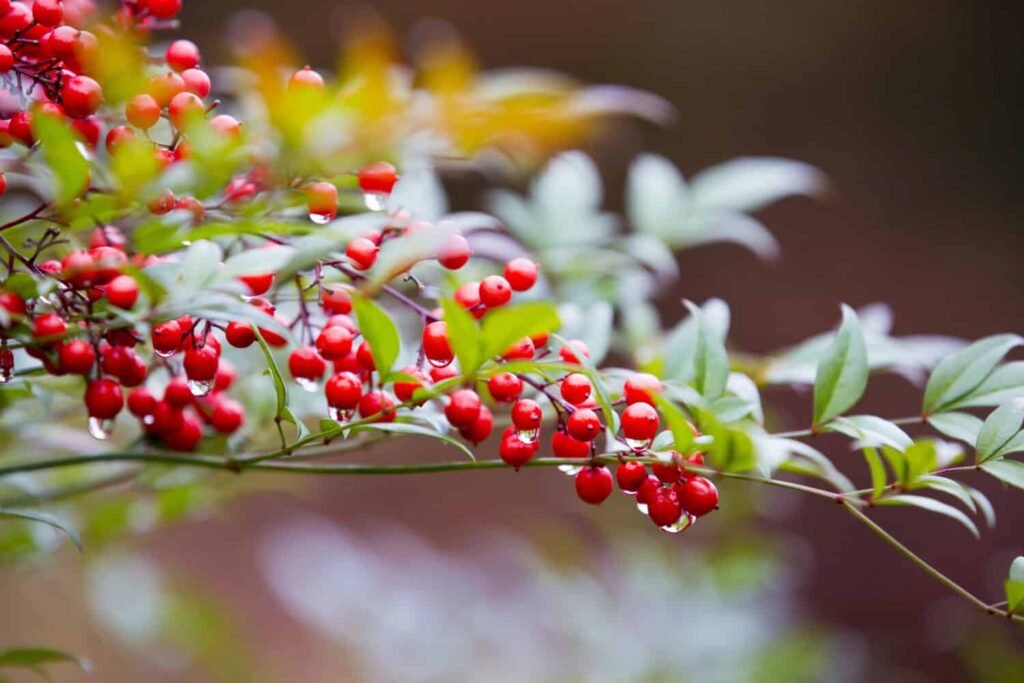
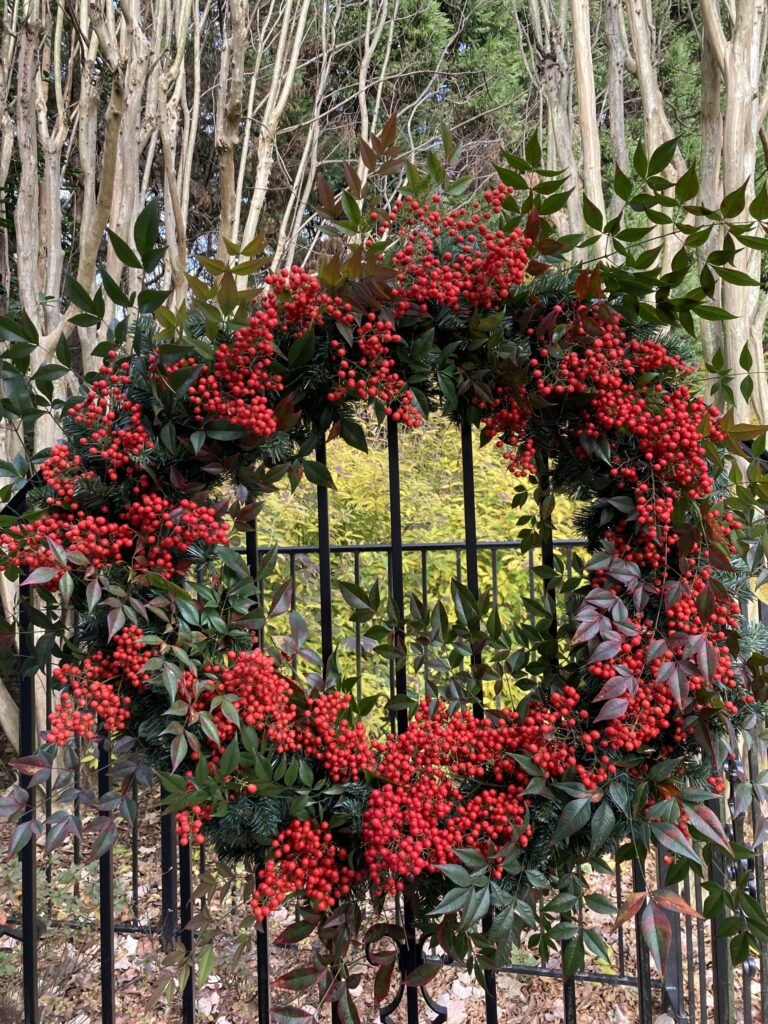
How to Grow, Propagate, Use & Harvest Sacred Bamboo (Nandina domestica)
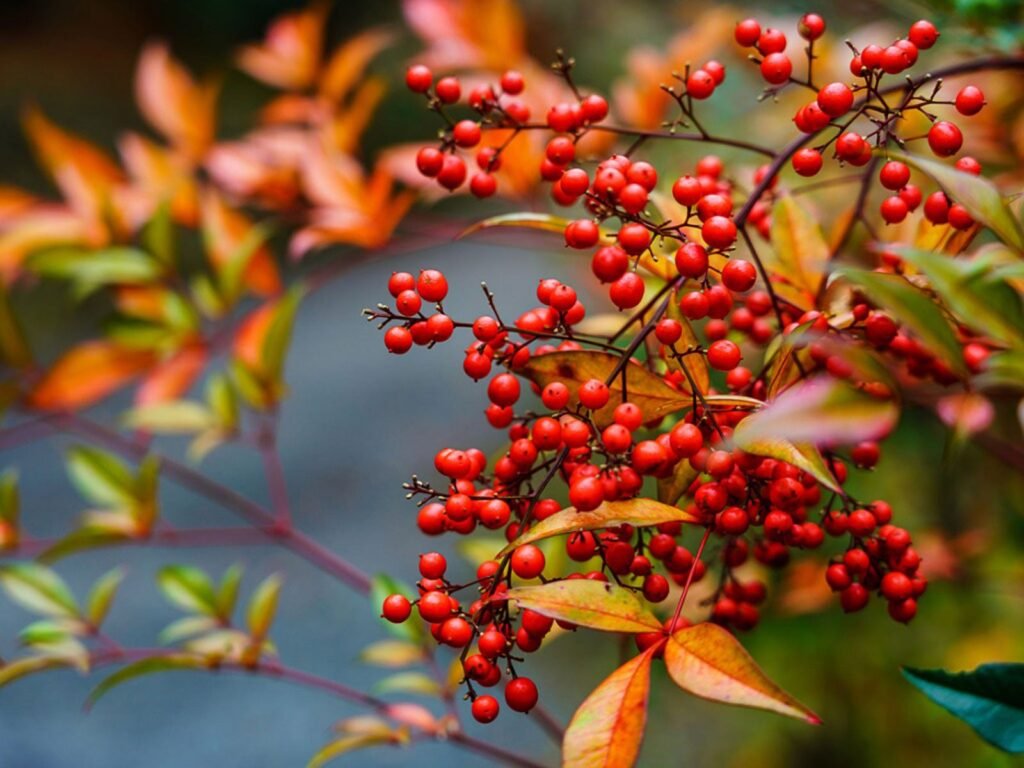
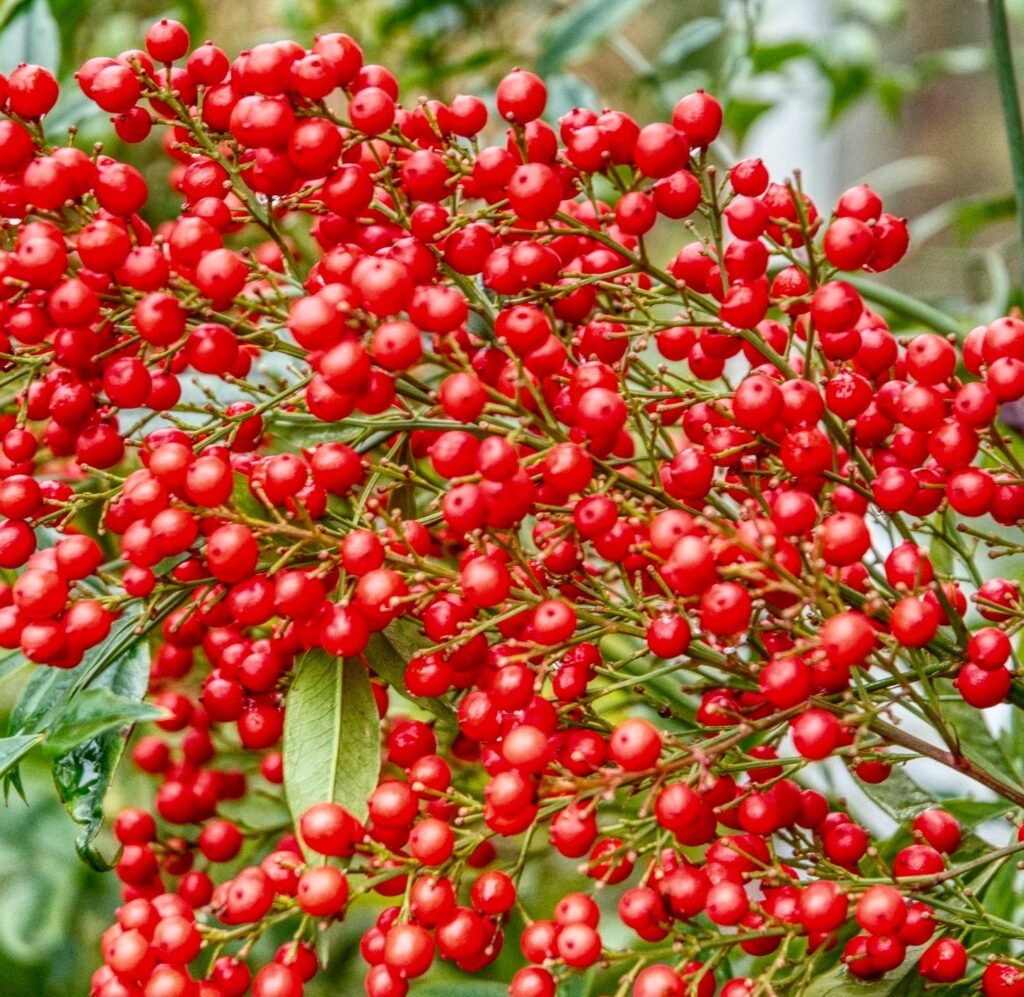
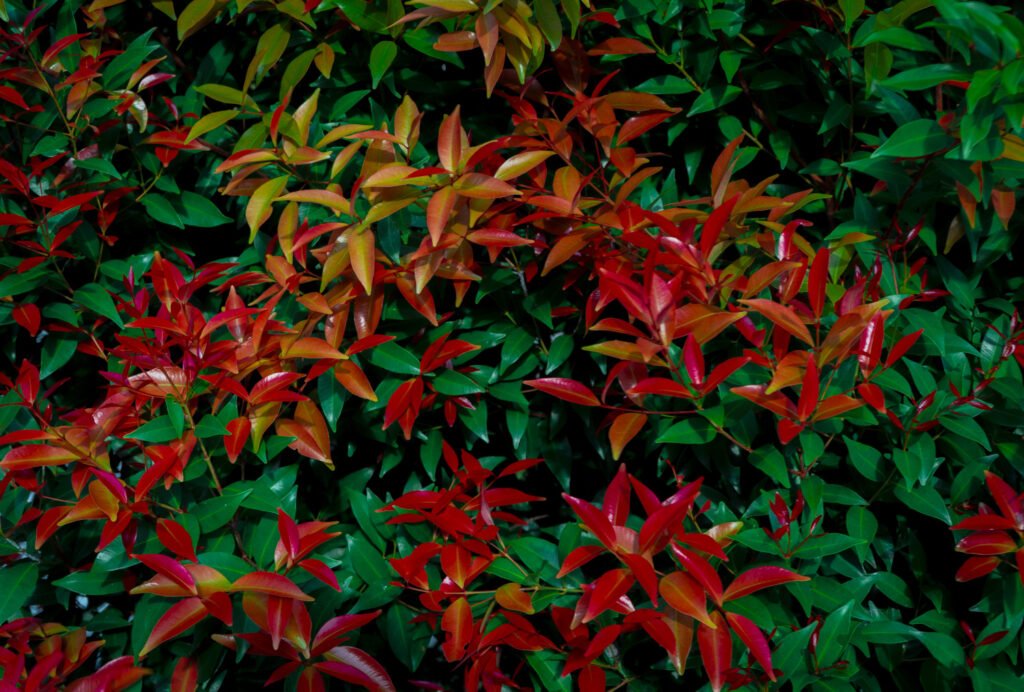
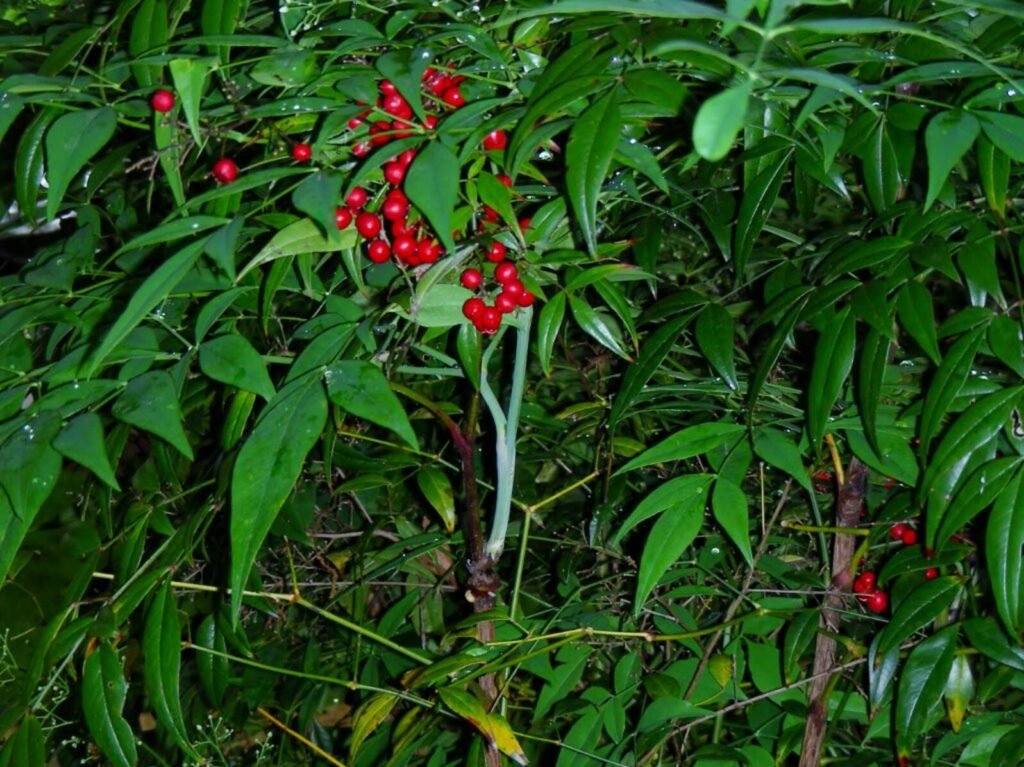
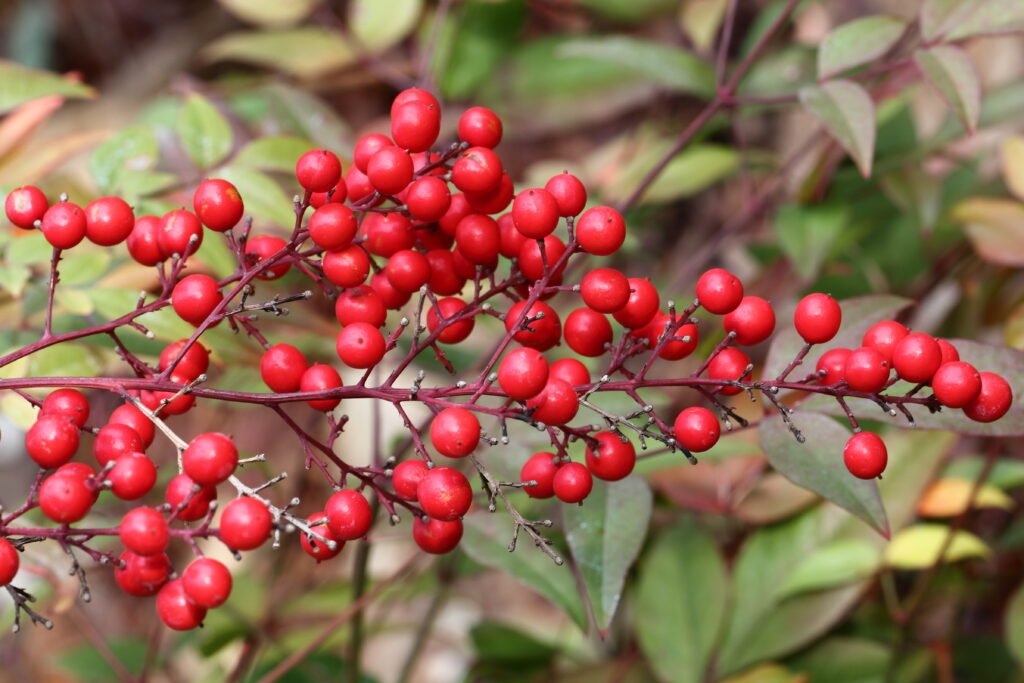
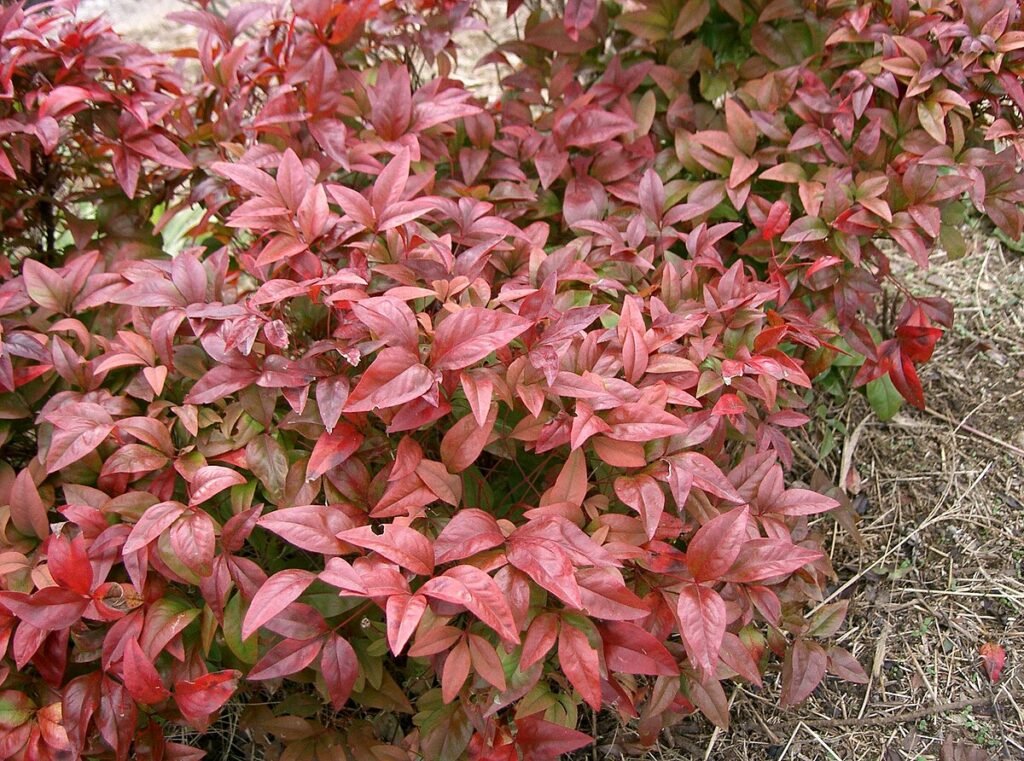
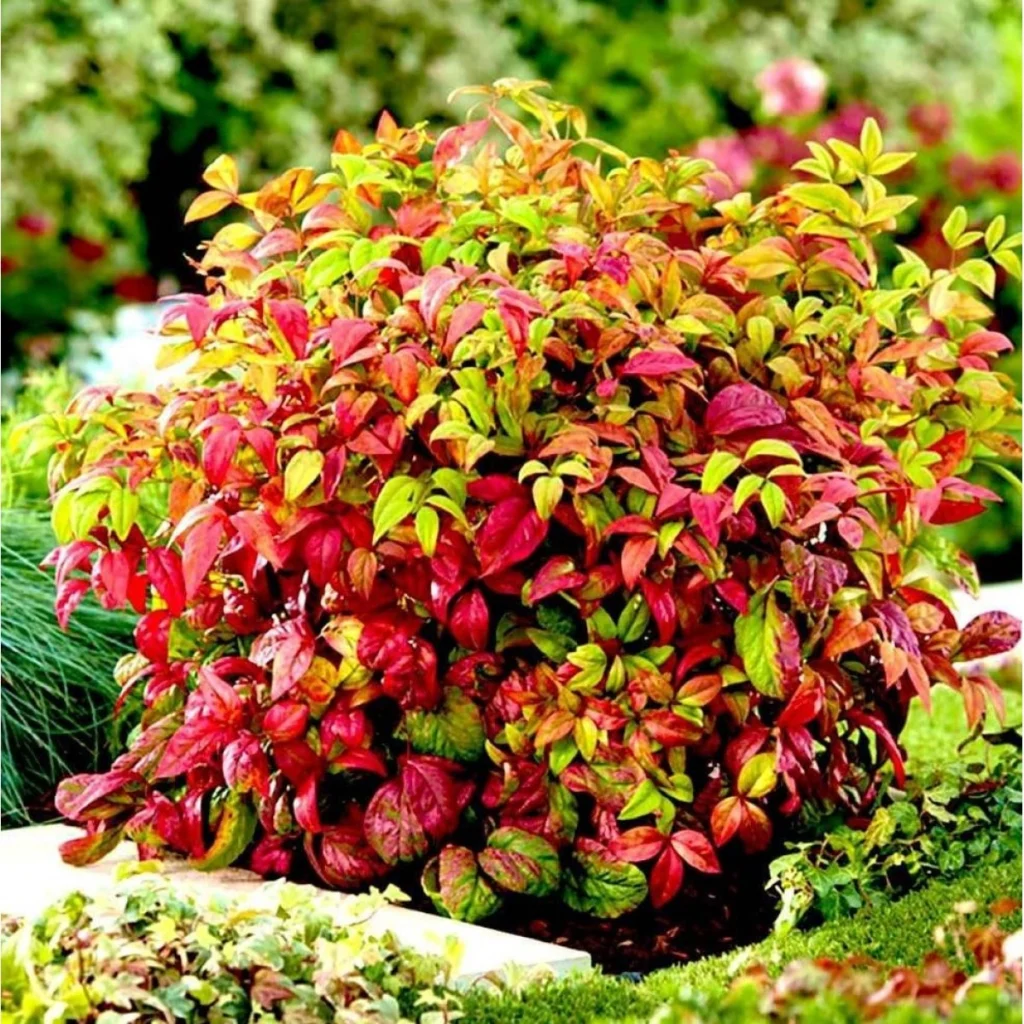
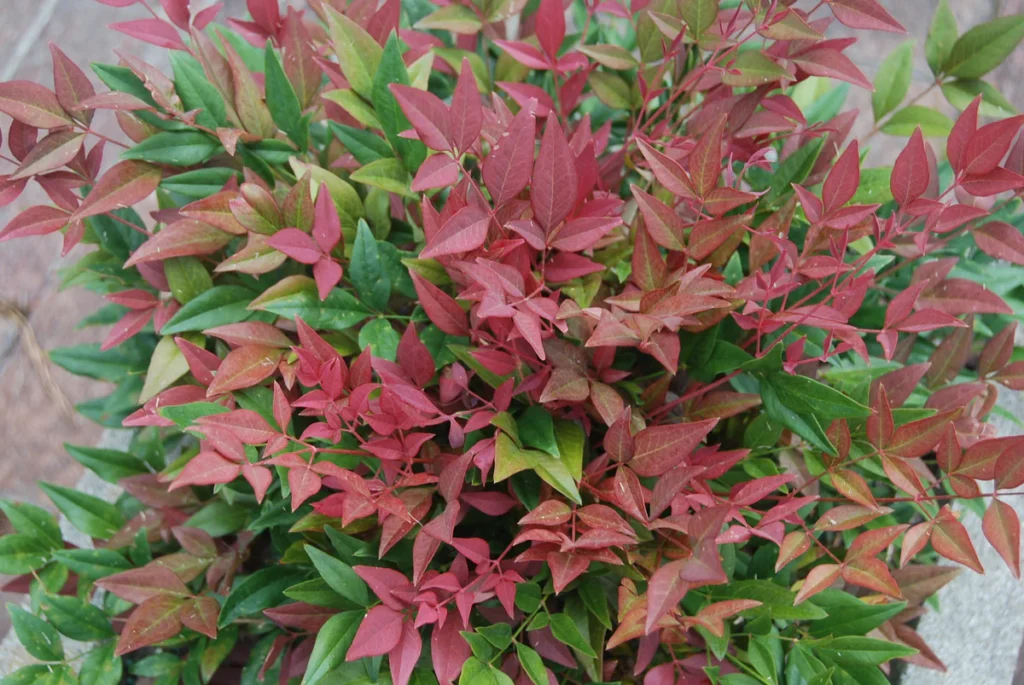
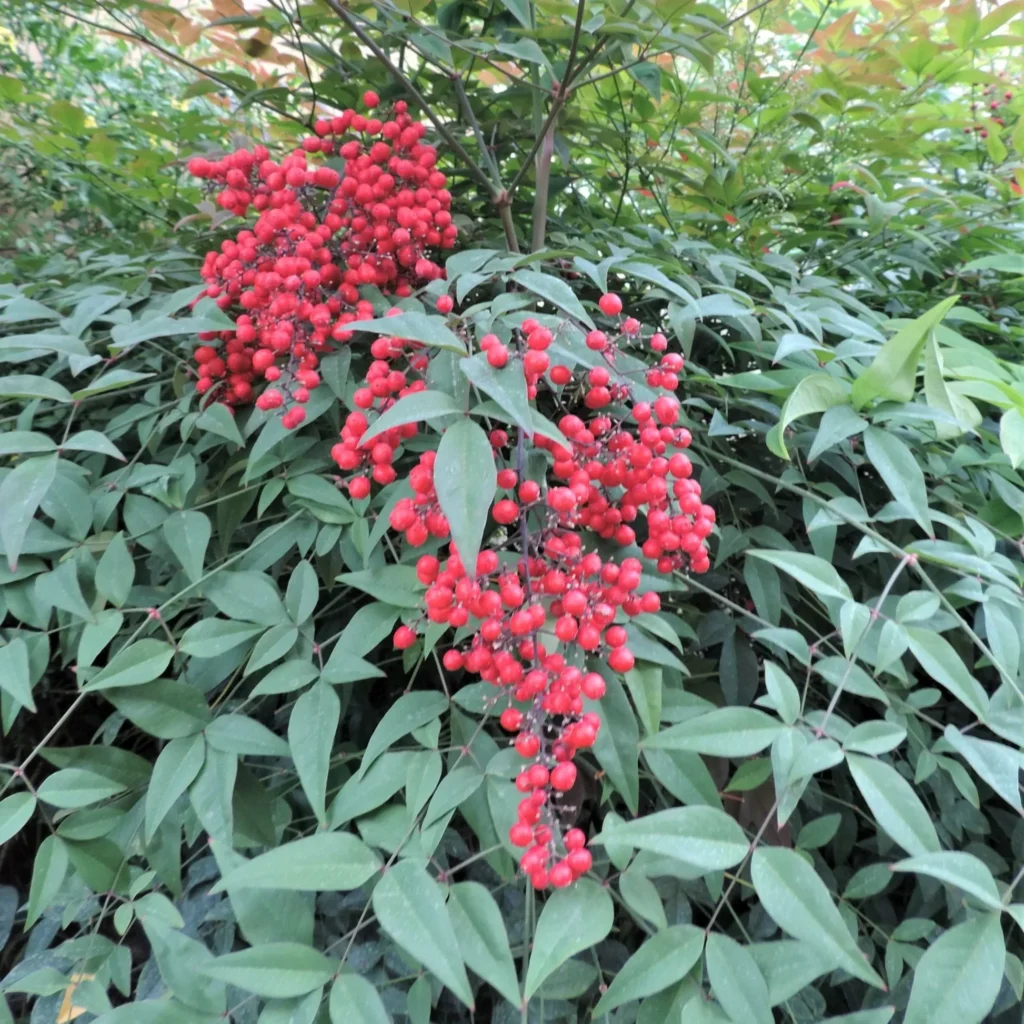
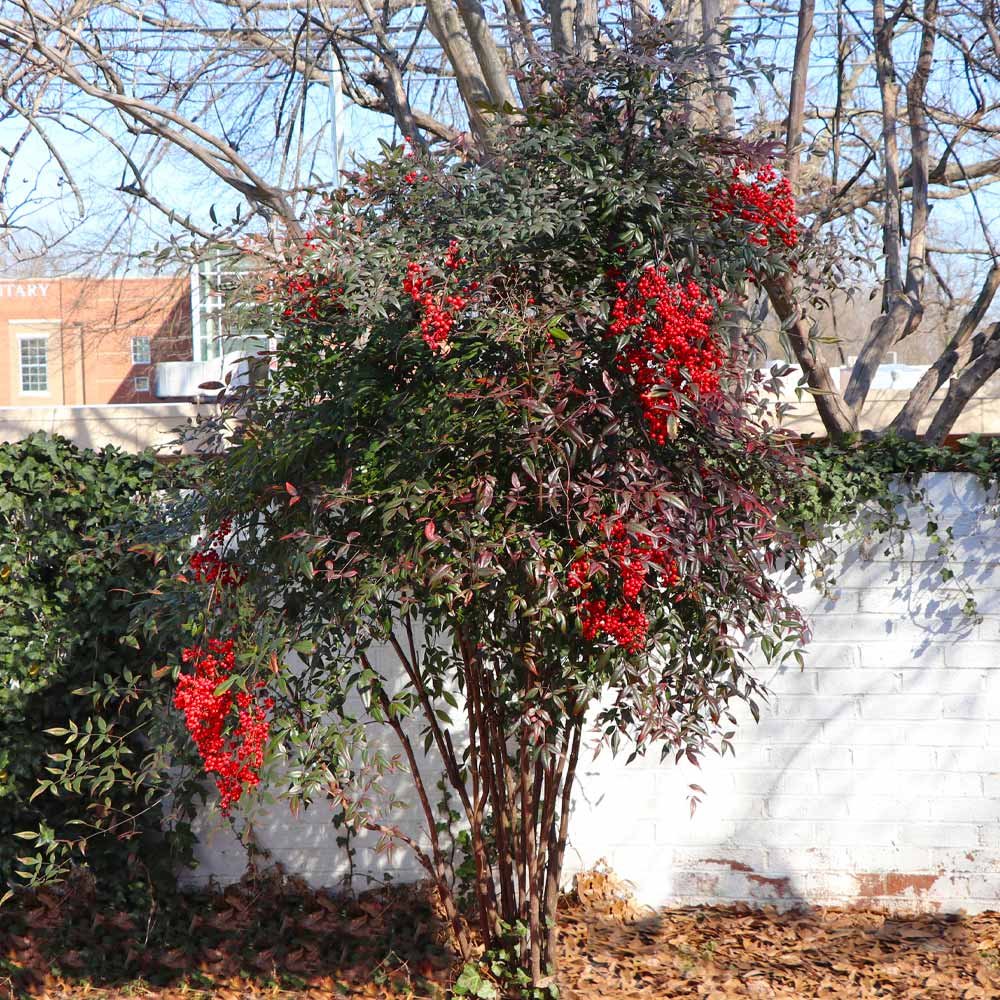
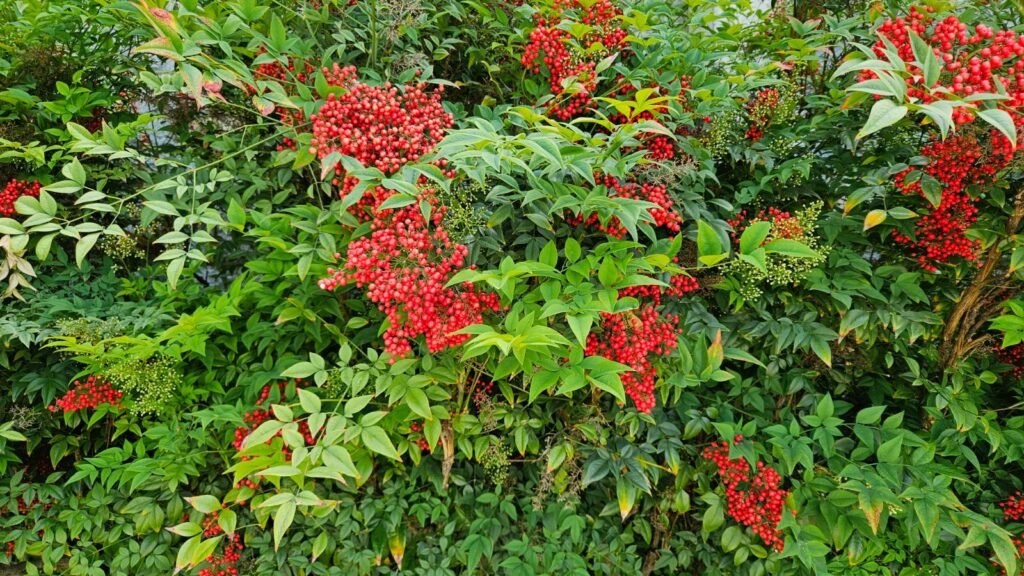
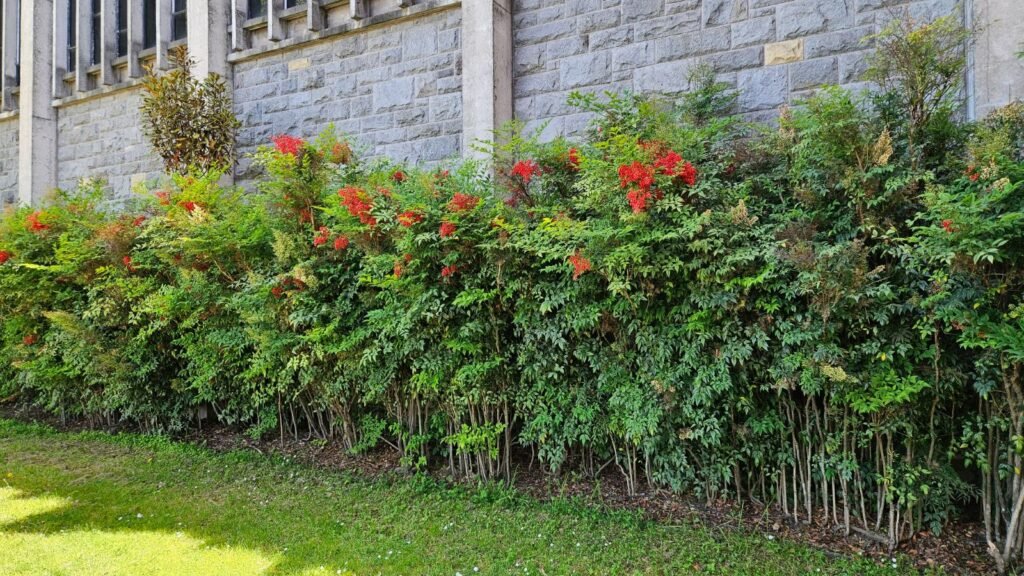
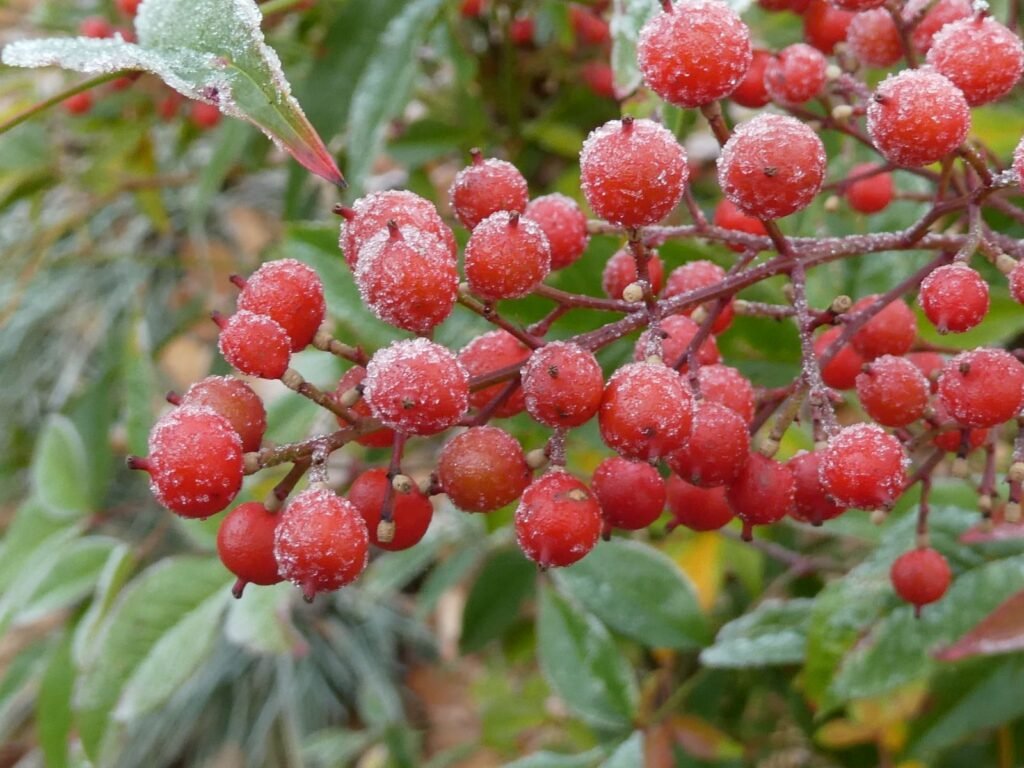
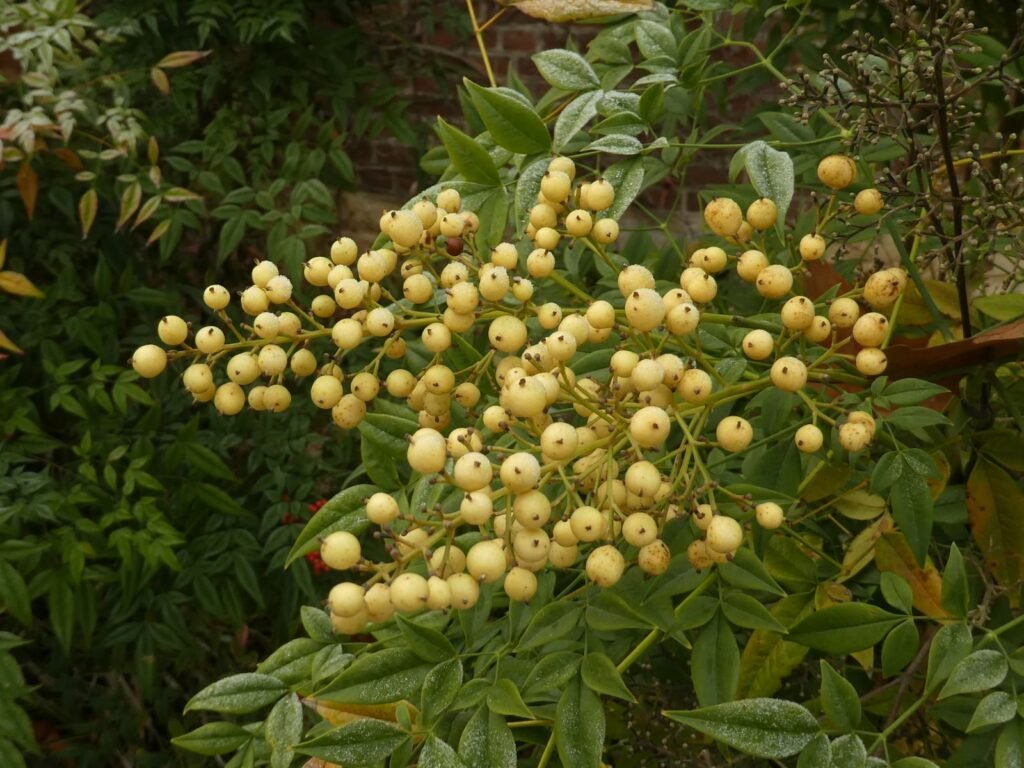
Sacred Bamboo (Nandina domestica), often called Heavenly Bamboo, is one of the most versatile evergreen shrubs for ornamental gardens. With its bamboo-like stems, feathery foliage, year-round color changes, and clusters of red berries, it provides visual drama in nearly any landscape. Beyond aesthetics, this plant also has cultural significance, extensive landscaping value, and surprising ecological roles.
Below is a complete guide on how to grow, propagate, choose varieties, use in food/lifestyle spaces, and harvest Nandina safely.
What Makes Sacred Bamboo Special?
Sacred Bamboo isn’t actually bamboo — it belongs to the Barberry family. Gardeners love it because:
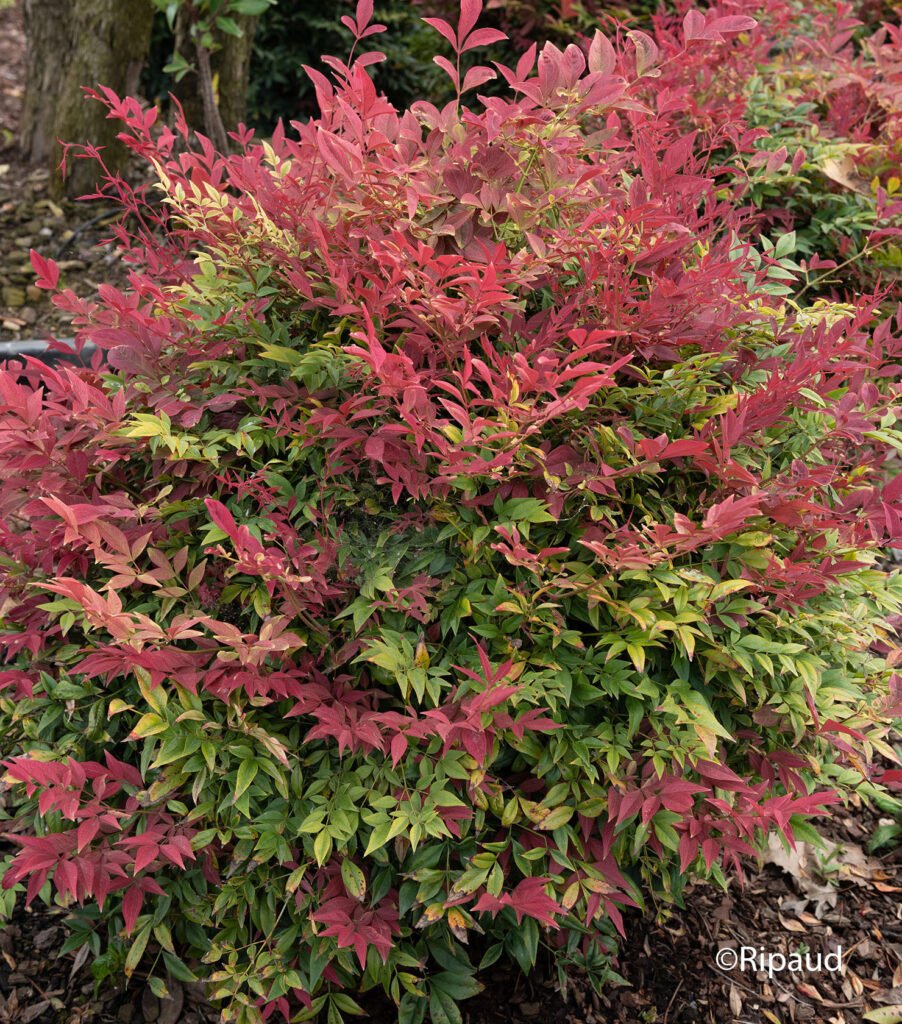
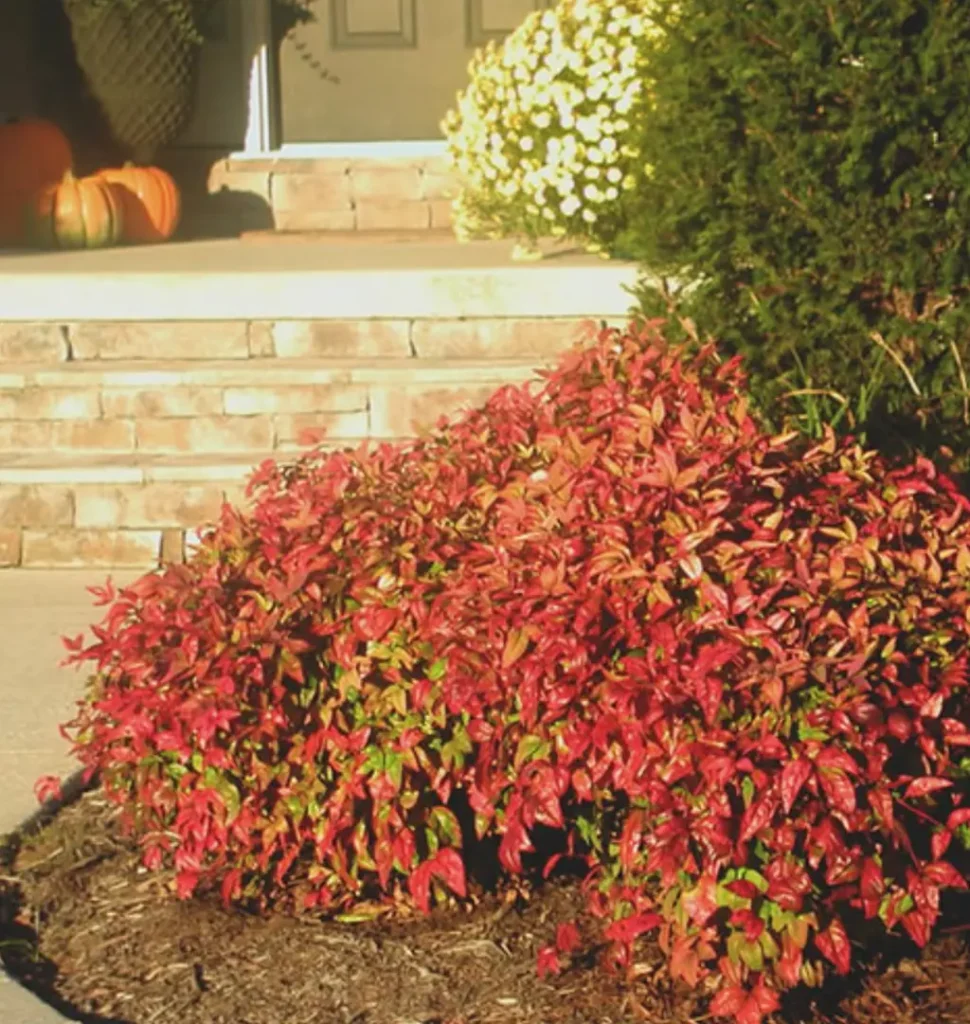
- Color-shifting foliage: bronze → green → red
- Low maintenance
- Drought tolerant once established
- Container-friendly
- Great for winter interest
- Bird-attracting berries (with caveats — see safety section)
It works well in Zen gardens, borders, mixed shrub plantings, cottage gardens, and as a structural plant for four-season design.
Ideal Growing Conditions for Nandina domestica
Climate
- Best in USDA Zones 6–10
- Handles heat, mild frost, humidity, and partial drought
Light
- Full sun → best foliage color & berry production
- Partial shade → greener leaves, less fruit
Soil Requirements
- Well-drained soil (slightly acidic to neutral)
- Avoid soggy or compacted areas
- Benefits from compost blended during planting
Watering
- Water deeply for first 6–12 months
- After establishment: water only during prolonged drought
Fertilizing
- Low feeding needs
- Use organic slow-release fertilizer in early spring if growth is lagging
Planting Sacred Bamboo: Step-by-Step
- Dig hole 2× width of root ball
- Set plant level with soil line
- Backfill with soil + compost mix
- Water thoroughly to remove air pockets
- Mulch lightly to conserve moisture
Space shrubs 2 to 4 feet apart depending on mature size.
Pruning & Maintenance Tips
Nandina is naturally upright, so major shaping isn’t required. To maintain vibrant foliage:
- Renewal pruning: remove older canes at ground level
- Late winter trim: encourages dense, fresh growth
- Berry control: remove flowers or berries to reduce spreading (regional concern in some states)
Propagation Methods for Sacred Bamboo
Sacred Bamboo can be propagated in three primary ways:
1. By Seeds
- Collect ripe red berries in winter
- Clean pulp and let seeds stratify (cold period)
- Sow in containers with sandy soil
- Germination may take months (patience required!)
2. By Division
- Best for clump-forming varieties
- Dig up rhizome clusters in early spring
- Replant sections immediately
3. By Stem Cuttings
- Take semi-hardwood cuttings in summer
- Dip in rooting hormone
- Place in humid mini-greenhouse or propagation tray
- Rooting occurs in 6–10 weeks
Cuttings yield the most predictable results for named cultivars.
Popular Nandina Varieties for Landscaping
There are dozens of striking cultivars, each bred for color or size:
Compact & Dwarf Types
Great for containers and small gardens:
- ‘Firepower’
- ‘Gulf Stream’
- ‘Obsession’
- ‘Lemon Lime’
Standard & Tall Types
Better for screening or vertical interest:
- ‘Richmond’
- ‘Wood’s Dwarf’
- ‘Purpurea Nana’
Color-Focused Cultivars
For dramatic year-round foliage:
- ‘Twilight’
- ‘Plum Passion’
- ‘Flirt’
Usage & Benefits of Sacred Bamboo
1. Landscape & Design Uses
- Specimen plant
- Low hedge
- Mass planting
- Winter garden interest
- Japanese-inspired gardens
- Cultural or Feng Shui elements
2. Wildlife & Ecological Notes
- Birds eat berries in winter
- Foliage offers shelter for small wildlife
Safety Note: The berries contain cyanogenic glycosides, which in large amounts may be harmful to birds, pets, or livestock. Responsible gardeners often remove berries or choose sterile cultivars.
Food & Edible Use Considerations
Sacred Bamboo is not typically considered an edible plant, and berries should not be consumed by humans or animals. While sometimes referenced in traditional medicine contexts, internal use is discouraged due to toxicity concerns.
For culinary gardens, Nandina fits better as a decorative border than a food crop. However, stems and berries are frequently used for:
- Floral arrangements
- Holiday displays
- Table garnishes (non-edible décor)
Harvesting Sacred Bamboo for Décor
Harvest stems for arrangements when:
- Berries are bright red (winter)
- Leaves have shifted to deep bronze or crimson (fall/winter)
How to harvest:
- Cut mature stems 6–18 inches long
- Strip lower foliage for vase life
- Condition stems in cool water before arranging
Nandina stems last 7–14 days in floral work.
Pest & Disease Resistance
Nandina is notably resilient. Rare issues include:
- Leaf spot
- Scale insects
- Root rot (only in soggy soil)
No regular spraying required.
Eco & Safety Considerations
- In some US states/regions, Nandina is considered mildly invasive
- Choose sterile cultivars to reduce berry spread
- Prevent bird toxicity by removing berries if wildlife is abundant
Frequently Asked Questions (FAQ)
Q: Is Sacred Bamboo safe to eat?
No. It’s used for decoration, not food.
Q: Will it grow in containers?
Yes — dwarf cultivars thrive in pots.
Q: Does Sacred Bamboo need pruning?
Only lightly; optional for shaping or renewal.
Q: Does it attract wildlife?
Birds may eat berries during winter, but safety should be considered.
Final Thoughts
Sacred Bamboo offers durable beauty, minimal maintenance, and four-season appeal. Whether you’re designing a Zen-inspired garden, filling winter gaps in borders, or crafting decorative arrangements, Nandina domestica is a compelling choice.
It may not be a conventional food plant, but its propagation versatility, cultivar diversity, and ornamental value ensure it’s a favorite among landscapers and gardeners worldwide.


&media=https://food-foresting.com/wp-content/uploads/2026/01/nandina-domestica-10.jpg)