
 paulius.mikoliunas1
| Common Name | Japanese Snowball, Japanese Snowball Viburnum, Doublefile Viburnum |
| Family | Adoxaceae |
| USDA hardiness | 5-8 |
| Known Hazards | None known |
| Habitats | Thickets in mountains to 1800 metres, C. and S. Japan. |
| Range | E. Asia – China, Japan. |
| Edibility Rating |   (1 of 5) (1 of 5) |
| Other Uses |  (0 of 5) (0 of 5) |
| Weed Potential | No |
| Medicinal Rating |  (0 of 5) (0 of 5) |
| Care (info) |     |




Growing Japanese Snowball (Viburnum plicatum): Propagation, Varieties, Uses, Culinary Notes & Harvest Guide
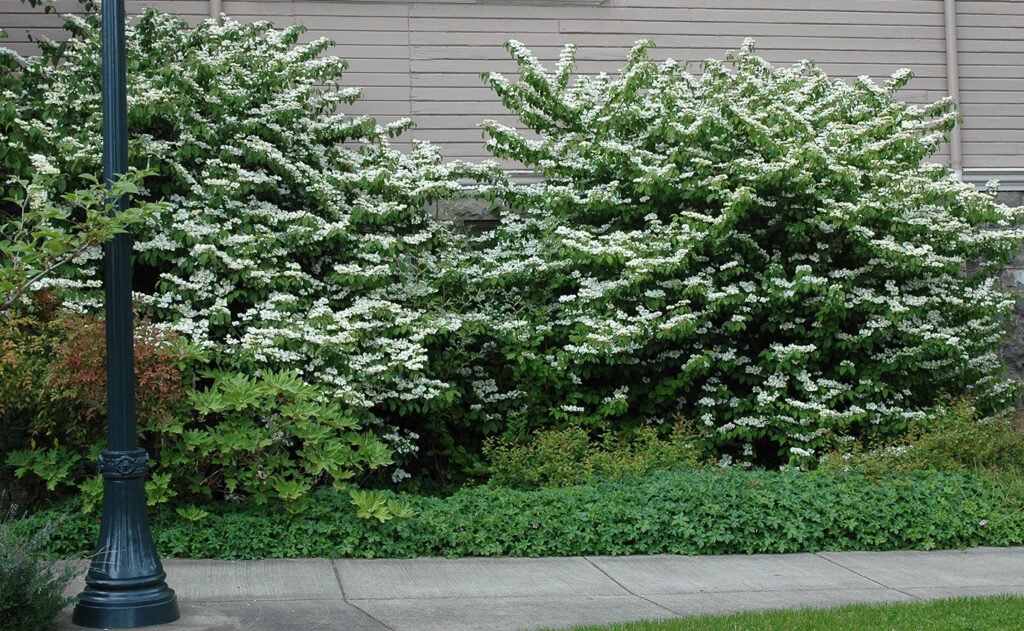
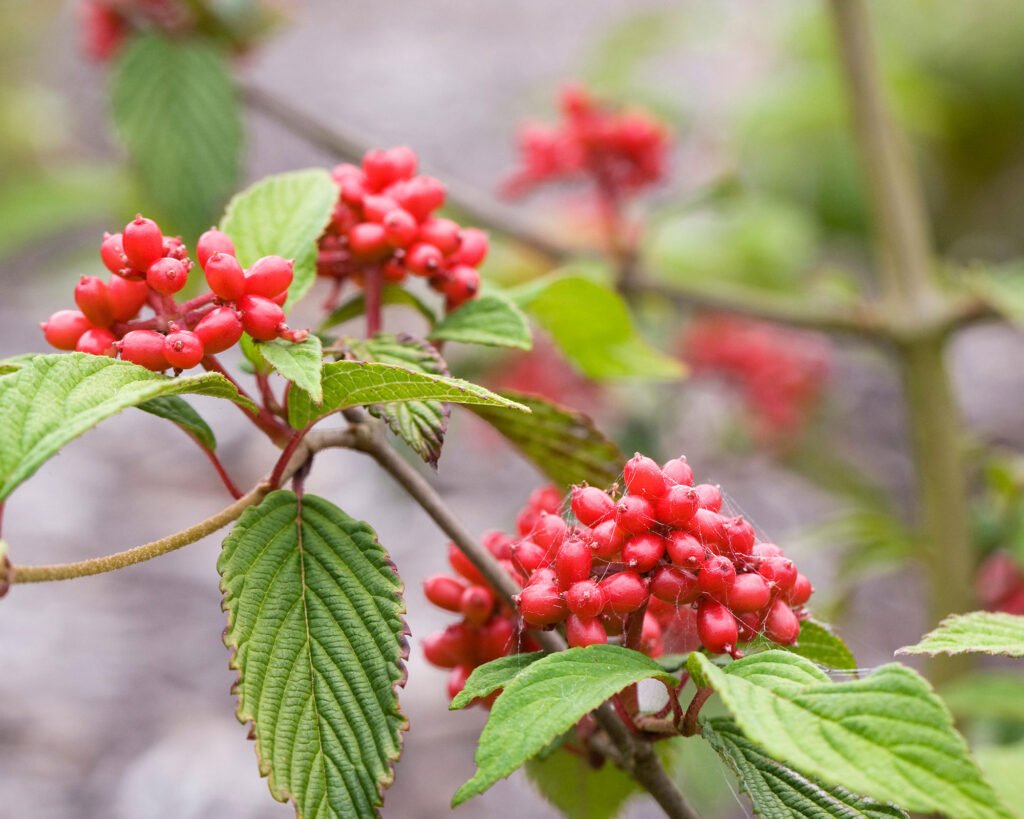
Japanese Snowball (Viburnum plicatum) is one of the most elegant ornamental shrubs for four-season landscapes. Known for its layered branching, domed white flower clusters, and bright red berries that mature to black, this species offers ornamental appeal from spring through winter. Beyond aesthetics, it also attracts pollinators, supports wildlife, and offers some limited culinary uses.
Below is a comprehensive guide on how to grow, propagate, harvest, and make the most out of Japanese Snowball viburnum.
What Makes Japanese Snowball Special?
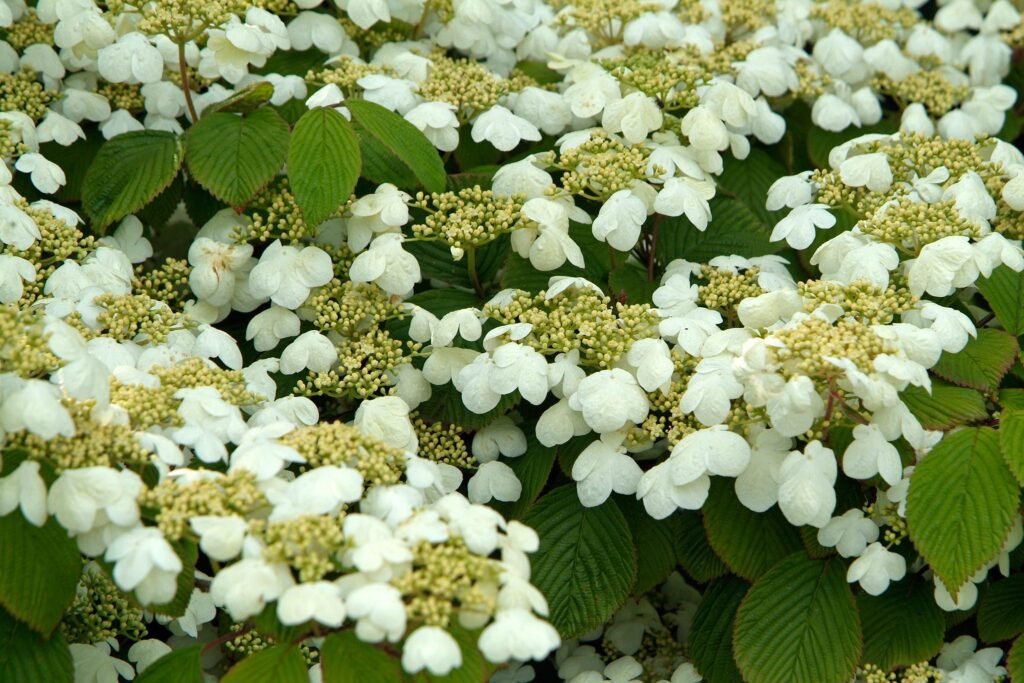
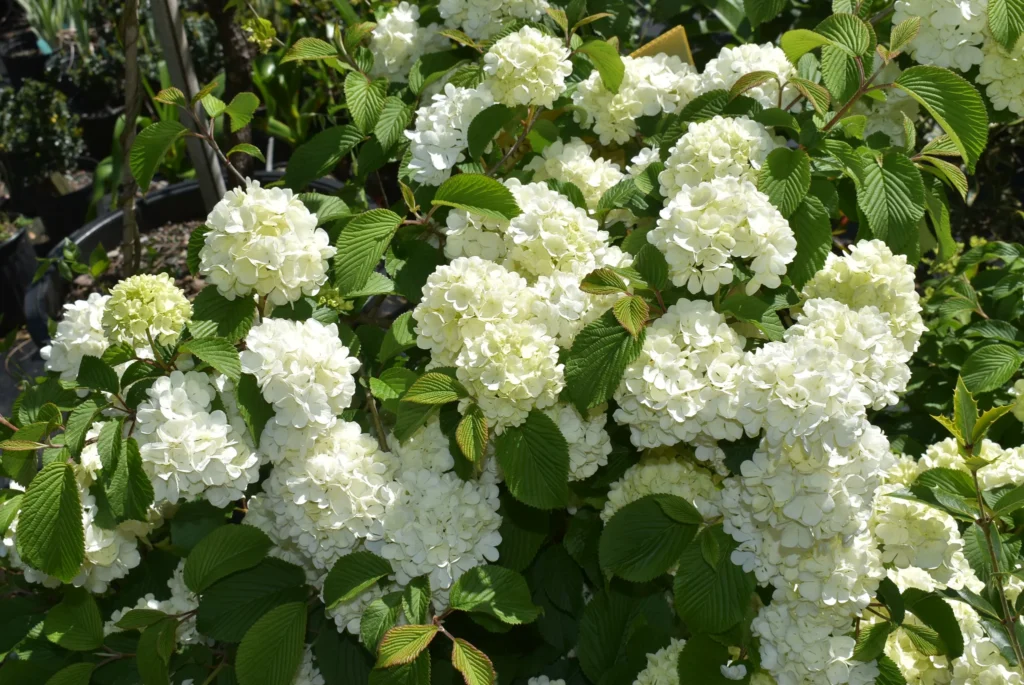
- Showy blooms: Snowball-like pom-poms or lacecap flower forms
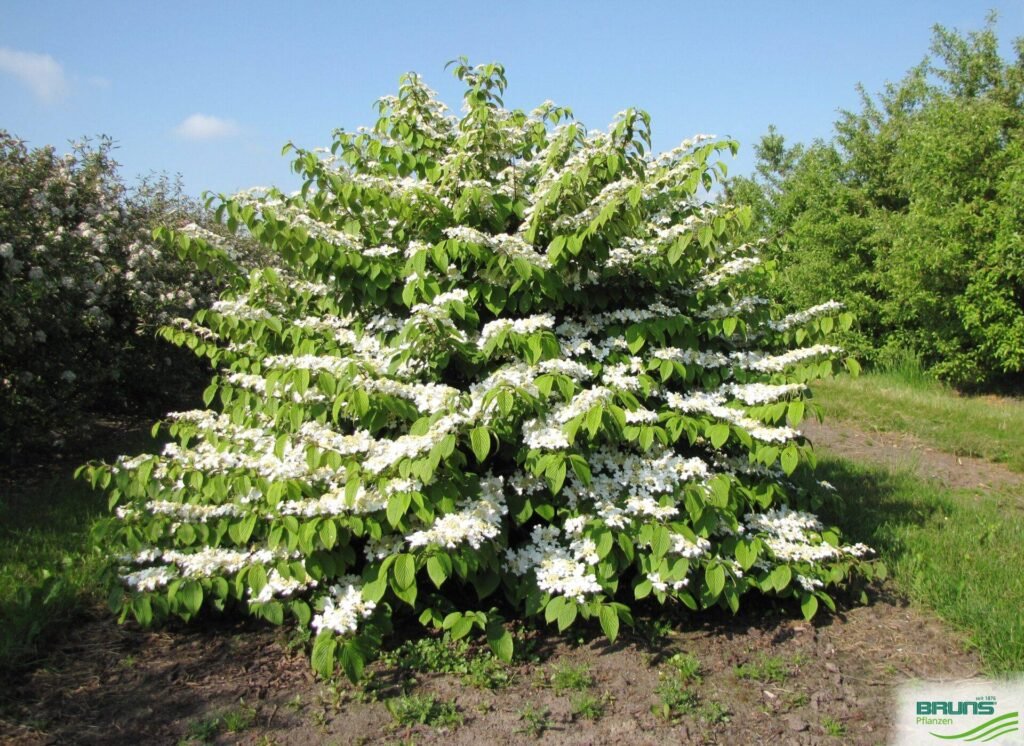
- Architectural branching: Tiered horizontal layers provide structure
- Wildlife benefits: Bees, butterflies, and birds love this shrub
- Multi-season color: Flowers in spring, berries in summer, foliage color in fall
- Adaptable and hardy: USDA zones 5–8 (varies slightly by cultivar)
From foundation plantings to border gardens, this shrub brings structure and beauty with minimal maintenance.
How to Grow Japanese Snowball (Viburnum plicatum)
Climate & Hardiness
- Best in temperate climates
- Hardy in Zones 5–8
- Prefers mild humidity and evenly moist soil
Sunlight Requirements
- Full sun to partial shade
- Best flowering occurs with 4–6 hours of sun daily
Soil Conditions
- Prefers slightly acidic to neutral pH
- Well-draining loam is ideal
- Will tolerate clay if drainage is improved
Watering
- Regular watering during establishment
- Drought tolerant once mature
- Avoid soggy soil, which invites root issues
Fertilizing
Apply in early spring:
- Balanced slow-release fertilizer
- Organic compost or leaf mold as a soil amendment
Over-fertilizing encourages foliage at the expense of flowers.
Pruning
- Minimal pruning required
- Best time: after flowering
- Remove dead, crossing, or weak branches to maintain form
Avoid autumn pruning, as buds are formed on old wood.
Japanese Snowball Propagation Methods
Propagation is relatively straightforward with three primary techniques:
1. Softwood Cuttings
Best time: late spring–early summer
Steps:
- Select young flexible shoots
- Cut 4–6 inch segments below a node
- Remove lower leaves
- Dip cut end in rooting hormone (optional but beneficial)
- Place in moist rooting medium (perlite + peat or coarse sand)
- Maintain humidity until roots form
2. Semi-hardwood Cuttings
Best time: mid to late summer
Stiffer growth increases success rates in warm regions.
3. Layering
Best time: spring
Bend a low branch to soil surface and cover with mix until roots develop, then sever.
Layering is highly effective for this genus and works well for beginners.
Popular Varieties of Viburnum plicatum
Japanese Snowball has two main forms: snowball (sterile) and lacecap (fertile) types.
Snowball (Sterile) Types
Produce large spherical blooms.
- ‘Sterile’ – Classic cultivar with showy globes
- ‘Popcorn’ – Compact habit and dense flowers
- ‘Newport’ – Upright form with strong tiering
Lacecap (Fertile) Types
Offer mixed fertile and sterile flowers for a layered appearance.
- ‘Shasta’ – Excellent tiered habit; heavy berry production
- ‘Mariesii’ – Popular lacecap with strong horizontal structure
- ‘Sumitomo’ – Known for vivid autumn color
Choosing between sterile vs fertile types depends on whether you prioritize blooms (sterile) or berries + wildlife value (fertile).
Garden & Landscape Uses
Japanese Snowball fits beautifully into multiple landscape designs:
✔ Foundation shrub
✔ Woodland edges
✔ Pollinator gardens
✔ Wildlife gardens
✔ Japanese & Asian-inspired landscapes
✔ Seasonal interest borders
Its structured branching also lends well to formal garden designs, while berry production makes it ideal for ecological planting.
Edibility, Culinary Use & Foraging Notes
While not a common culinary plant, fertile varieties of Viburnum plicatum produce berries that are:
- Edible when ripe
- Not widely consumed due to bitter flavor
- Occasionally used in jams, preserves, or infused beverages
Important notes:
- Only berries from fertile lacecap types are produced
- Berries are enjoyed more by birds than humans
- As with other viburnums, taste varies by cultivar
Bark and leaves are not used as food and are considered non-edible.
How to Harvest Japanese Snowball Berries
Best season: late summer to early fall
Harvest when berries:
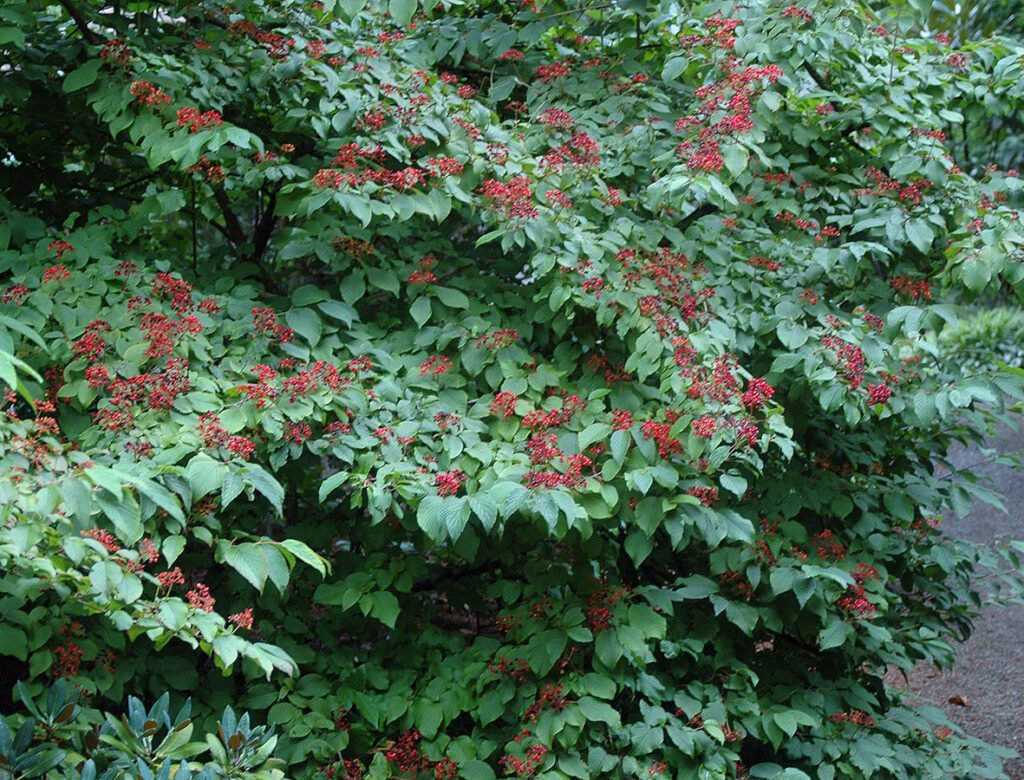
- Turn from green → red → black
- Soften slightly but are not shriveled
- Are easily removed from stems
For culinary use, a light sugar or heat treatment reduces bitterness.
For wildlife gardens, consider leaving most berries to support birds and mammals through autumn.
Medicinal & Herbal Traditions (Historical)
While not a primary medicinal plant, related viburnum species (like V. prunifolium and V. opulus) have been used traditionally for:
- Antispasmodic uses
- Menstrual relief
- Tonics and teas
Japanese Snowball specifically has limited documented medicinal use, but it shares biochemical similarities with its relatives.
Seasonal Maintenance Schedule (Quick Guide)
| Season | Task |
|---|---|
| Early Spring | Fertilize, mulch, monitor buds |
| Late Spring | Enjoy blooms, take softwood cuttings |
| Summer | Water, shape lightly if needed |
| Autumn | Harvest berries, enjoy fall color |
| Winter | Structural interest, minimal care |
Pests & Diseases
Generally low-maintenance and resilient.
Possible issues:
- Aphids
- Viburnum beetle (regional)
- Powdery mildew (in shade/humidity)
- Root rot (in poorly drained soil)
Proper siting prevents most diseases.
Final Thoughts
Japanese Snowball (Viburnum plicatum) offers:
- High ornamental value
- Wildlife benefits
- Easy propagation
- Multi-season appeal
- Occasional culinary opportunities
Whether used as a focal shrub or massed along a border, this viburnum delivers reliable beauty and ecological function with minimal care.



&media=https://food-foresting.com/wp-content/uploads/2026/01/ViburnumplicatumNanum42024_3_1024x1024@2x.webp)