
 paulius.mikoliunas1
| Common Name | Cucumber Tree, Cucumber Magnolia |
| Family | Magnoliaceae |
| USDA hardiness | 3-8 |
| Known Hazards | None known |
| Habitats | Rich woods, especially in uplands. Low mountain slopes and the rocky banks of streams. |
| Range | Eastern N. America – New York to Georgia, west to Alabama and Ontario. |
| Edibility Rating |  (0 of 5) (0 of 5) |
| Other Uses |   (2 of 5) (2 of 5) |
| Weed Potential | No |
| Medicinal Rating |   (3 of 5) (3 of 5) |
| Care (info) |     |




How to Grow, Propagate, Use, and Harvest the Cucumber Tree (Magnolia acuminata)
Complete Guide to Varieties, Culinary Uses, and Care
The Cucumber Tree (Magnolia acuminata) is one of North America’s most intriguing native magnolias. Best known for its cucumber-shaped fruits, towering stature, and soft yellow flowers, this species brings ornamental, ecological, and even culinary value to home gardens and woodland landscapes.
Below is a comprehensive guide on how to grow, propagate, harvest, and use Magnolia acuminata, along with information on viable food applications and cultivar choices.
What Is the Cucumber Tree?
The Cucumber Tree is a deciduous magnolia native to the eastern United States and southern Canada. Unlike many magnolias, it grows into a large shade tree, often reaching 50–80 feet tall in suitable climates.
Key Botanical Traits
- Family: Magnoliaceae
- Latin Name: Magnolia acuminata
- Growth Habit: Upright, pyramidal, maturing into broad rounded crown
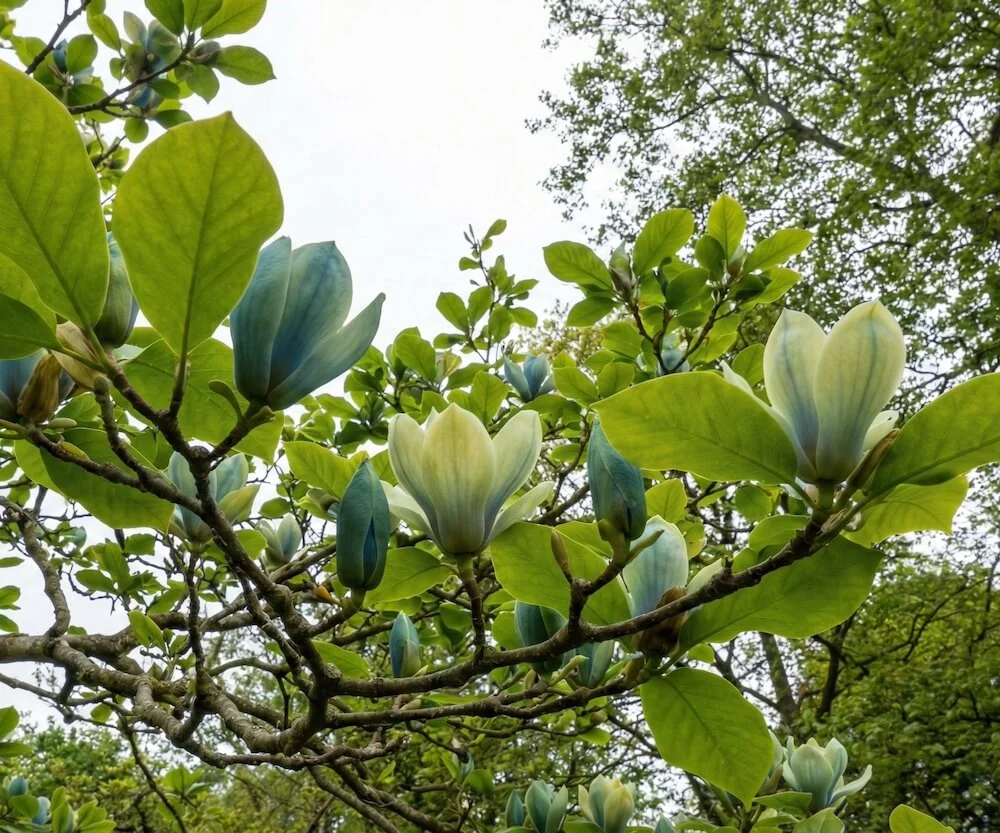
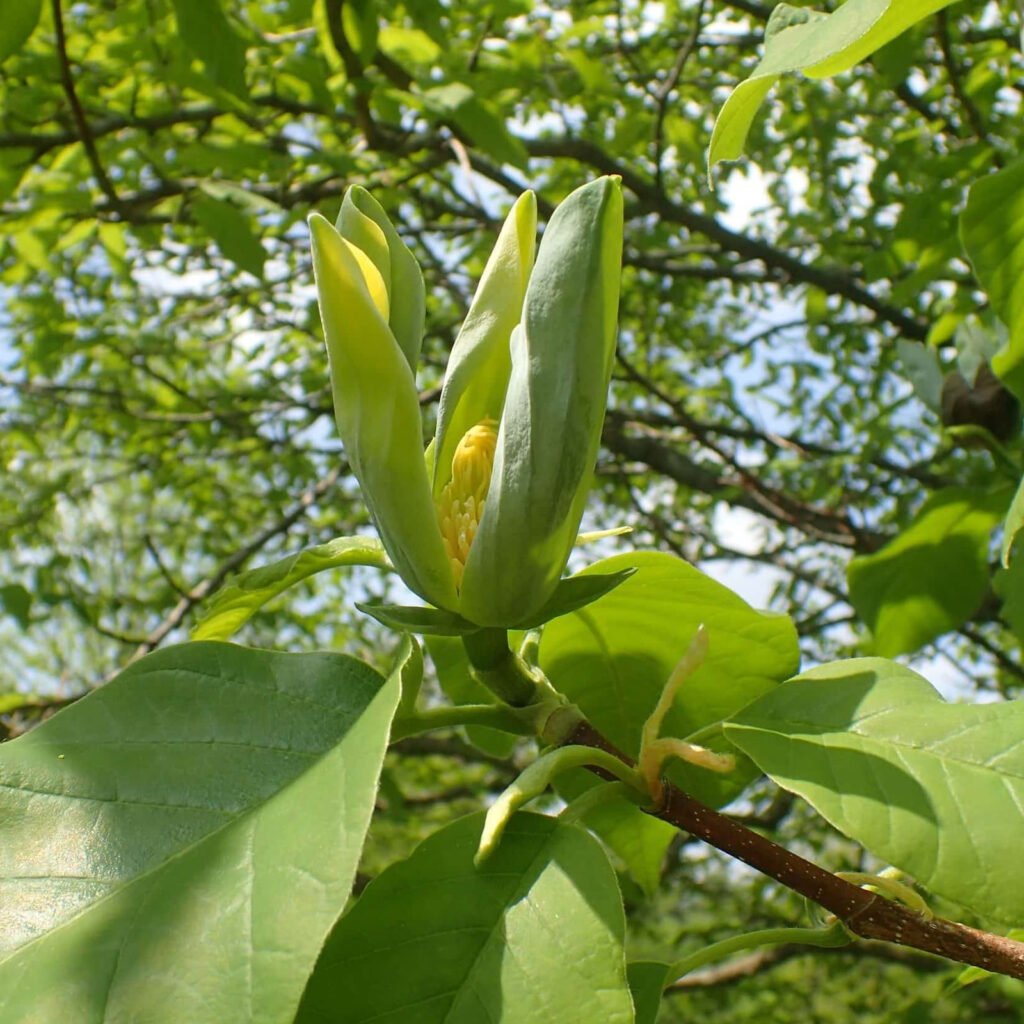
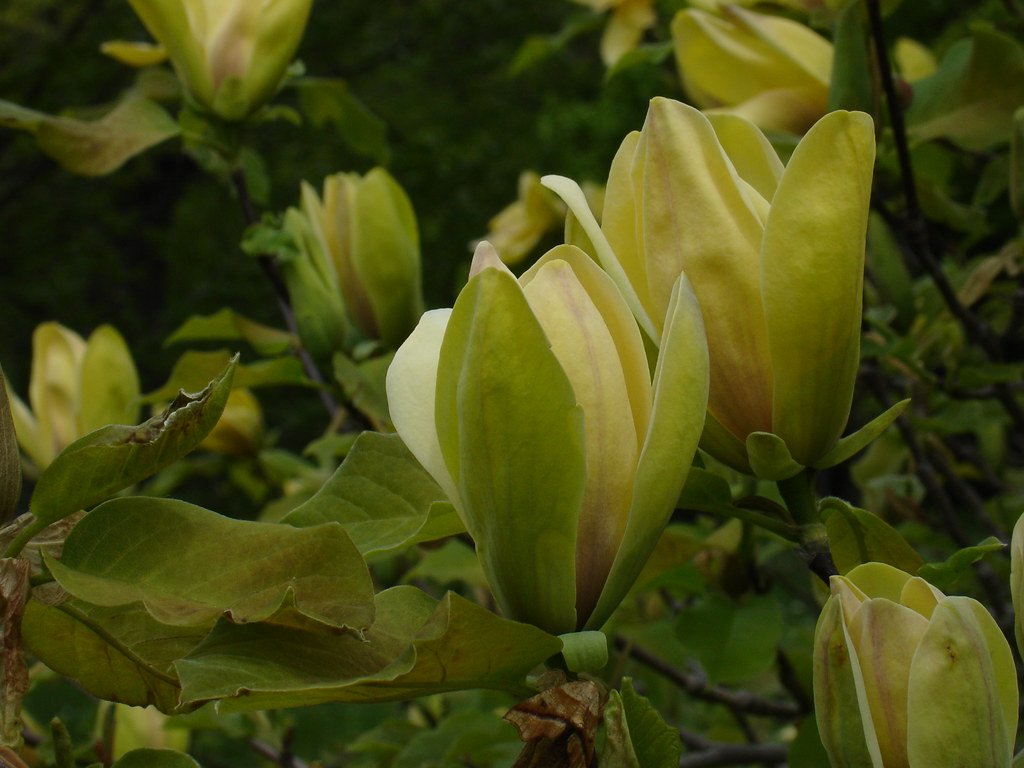
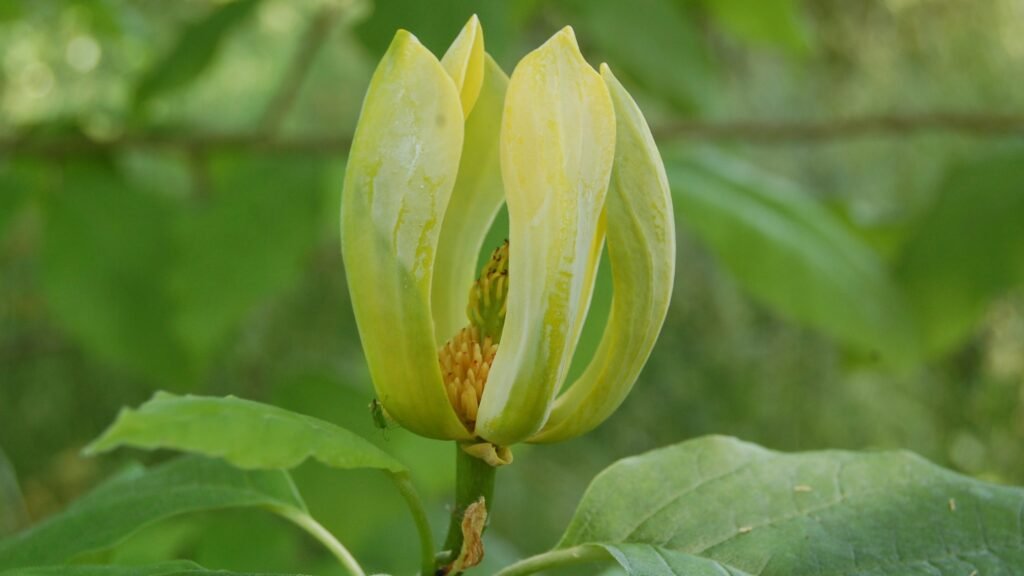
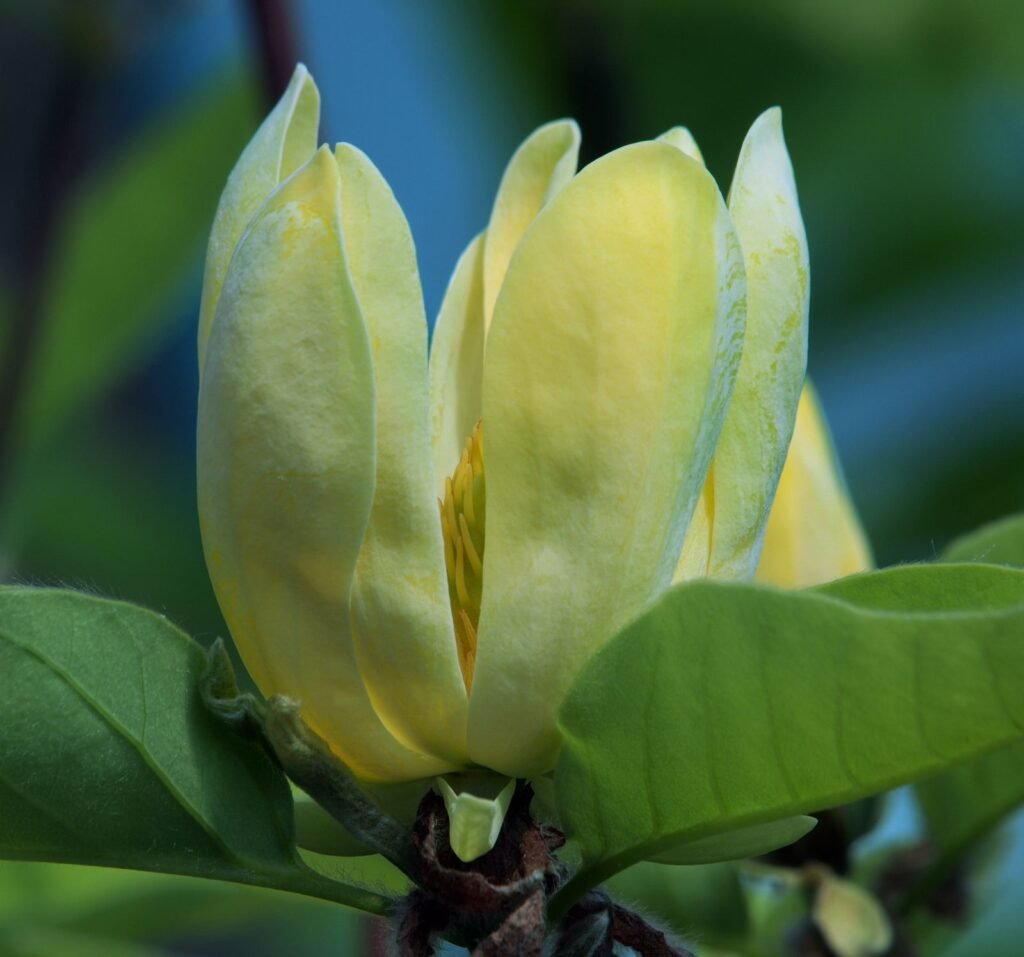
- Flowers: Green-yellow with subtle fragrance
- Fruit: Green cylindrical structure resembling small cucumbers; turns crimson as seeds ripen
- Hardiness Zones: USDA 3–8
Climate & Growing Conditions
The Cucumber Tree performs best in cool to temperate climates with reliable moisture.
Ideal Conditions
- Light: Full sun to partial shade
- Soil: Moist, acidic to neutral loam; deep and well-drained
- pH Range: 5.0–7.0
- Water: Consistent moisture; does not tolerate drought well
- Spacing: 25–40 feet from structures due to mature size
Best Companion Plants
- Other woodland natives such as:
- Hemlocks (Tsuga spp.)
- Dogwoods (Cornus spp.)
- Mountain laurels (Kalmia latifolia)
- Oaks and hickories
These support biodiversity and create natural understory layers.
Planting the Cucumber Tree
When to Plant
- Bare-root: late winter to early spring, before bud break
- Container-grown: spring through early fall
Planting Steps
- Dig a hole twice the width of the root ball
- Mix compost into native soil (avoid overly rich mixes)
- Place tree slightly higher than grade level
- Water deeply and mulch 2–4 inches
- Stake young trees in windy sites (optional)
Propagation Methods
Propagation can be done through seeds, cuttings, or grafting, though success rates vary.
1. Seed Propagation
Seed germination requires:
- stratification (cold treatment)
- patience (6–18 months to emerge)
Seed Propagation Steps
- Collect fruit in fall when crimson
- Clean seeds and remove fleshy coating
- Cold stratify 90–120 days at 34–41°F
- Sow in moist medium and keep lightly shaded
- Transplant after true leaves form
2. Softwood Cuttings
Cuttings root best in early summer, taken before tissues lignify.
Rooting hormones significantly improve strike rates.
3. Grafting
Used primarily for ornamental cultivars and hybrids; ensures flower color consistency.
Popular Varieties & Ornamental Cultivars
While the basic species is impressive, breeders have selected forms with richer flowers and ornamental value.
Notable cultivars include:
- ‘Fertile Myrtle’ – heavy fruiting habit
- ‘Koban Dori’ – compact, more floriferous
- ‘Yellow Bird’ – deeper yellow flowers, later blooming
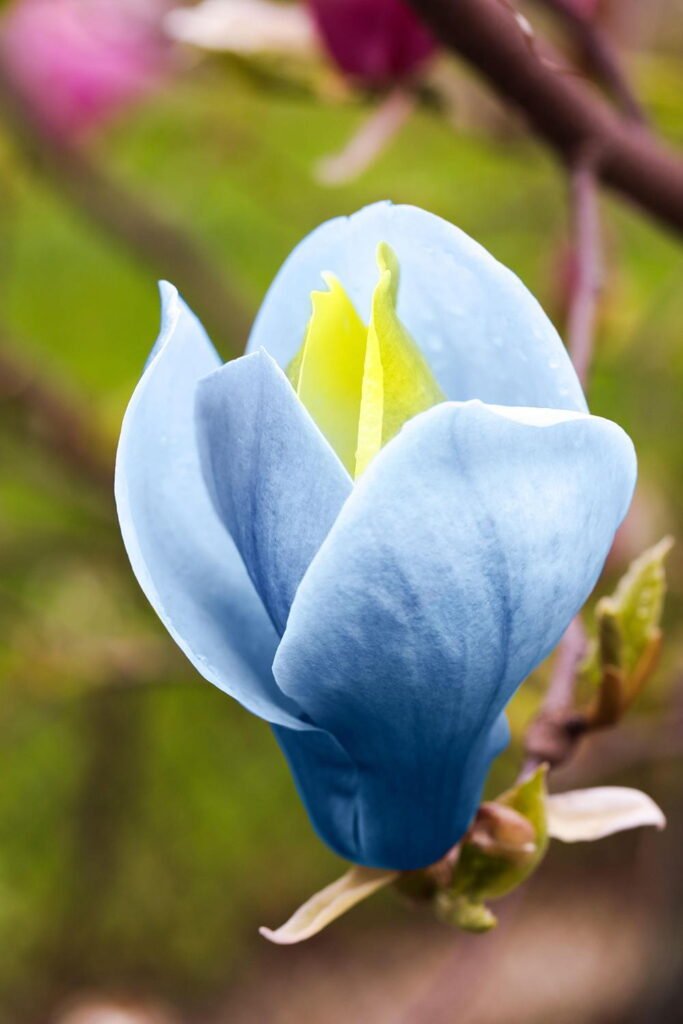
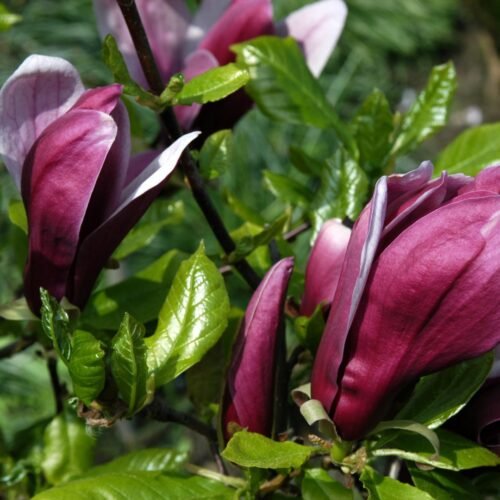
- Hybrid cross-breeds with Magnolia denudata and Magnolia liliiflora expand color options into gold and apricot tones
These hybrids are prized in landscape design for longer bloom times and manageable sizes.
Culinary & Food Uses
While Magnolia acuminata is not a major commercial food tree, its immature green fruits have historically inspired culinary experimentation.
Edible Aspects
- Young green fruits (cucumber-shaped) are mildly aromatic
- Seeds and ripe fruits are not commonly consumed
Traditional or Niche Uses
- Pickling of immature fruits (similar to gherkins)
- Syrups or fermentations using floral parts for aromatic notes
- Tea infusions with petals for floral flavoring
Safety Notes
- Always test plants in small quantities first
- Avoid ripe seeds (bitter, not palatable)
Non-Food Uses & Ecological Value
Ornamental Landscaping
Valued for:
- Shade
- Form
- Flowers
- Wildlife attraction
Ecological Role
- Seeds feed small mammals and birds
- Supports native pollinators
- Provides canopy and habitat in natural forests
Timber
Cucumber Tree is also a source of commercial yellow poplar wood, lightweight and easy to work.
Harvesting Fruits & Seeds
Harvest Time
- Immature fruits: summer (for culinary use)
- Ripe fruits: late summer to early fall (for seed collection)
Signs of Ripeness
- Green fruits swell and turn red
- Red arils expose glossy black seeds
Seeds can be cleaned and stored for propagation.
Maintenance, Pests & Diseases
The species is generally hardy and low-maintenance.
Common Issues
- Leaf scorch in drought
- Root stress in compacted soils
- Aphids or scale in urban sites
Mulching and adequate watering prevent most setbacks.
Where the Cucumber Tree Grows Best
This species thrives in:
- Woodland gardens
- Estate landscapes
- Naturalized plantings
- Arboretums
- Large residential yards
Because of its size, it’s less suited to small suburban plots unless pruned or hybrid cultivars are selected.
Harvesting for Seed & Culinary Use: Tips
- Harvest young fruits before toughening
- Refrigerate promptly to maintain texture
- For seed, delay until fruits split and seeds release naturally
Is Magnolia acuminata Right for You?
Consider planting if you want:
✔ A native magnolia
✔ Large shade tree
✔ Pollinator-friendly landscaping
✔ Unique botanical interest
✔ Occasional culinary experimentation
Avoid if you require:
✘ Compact growth
✘ Tropical climates
✘ Drought tolerance
Final Thoughts
The Cucumber Tree is a versatile and underappreciated native magnolia, offering beauty, ecological value, experimental culinary potential, and impressive horticultural presence. Whether you’re a gardener, a forager, or a landscape designer, Magnolia acuminata rewards patience with lasting character and elegance.

&media=https://food-foresting.com/wp-content/uploads/2026/01/3361396564_0618c3df7a_b.jpg)