
 paulius.mikoliunas1
| Common Name | Japanese Spiraea, Japanese meadowsweet |
| Family | Rosaceae |
| USDA hardiness | 4-8 |
| Known Hazards | None known |
| Habitats | Mountains all over Japan. |
| Range | E. Asia – Japan. |
| Edibility Rating |  (0 of 5) (0 of 5) |
| Other Uses |   (3 of 5) (3 of 5) |
| Weed Potential | Yes |
| Medicinal Rating |  (0 of 5) (0 of 5) |
| Care (info) |     |

How to Grow, Propagate, Harvest & Use Japanese Spiraea (Spiraea japonica): A Complete Guide
Japanese Spiraea (Spiraea japonica) is among the most versatile flowering shrubs for home gardens. Beloved for its vibrant summer blooms and dense habit, it thrives in urban landscapes, pollinator gardens, and low-maintenance spaces. Beyond landscaping appeal, Japanese Spiraea also carries lesser-known uses ranging from traditional medicine to food-related experiments and natural dyes.
Whether you’re a beginner gardener or a horticulture enthusiast, here’s everything to know about growing, propagating, identifying varieties, harvesting, and creatively using Japanese Spiraea.
What Is Japanese Spiraea?
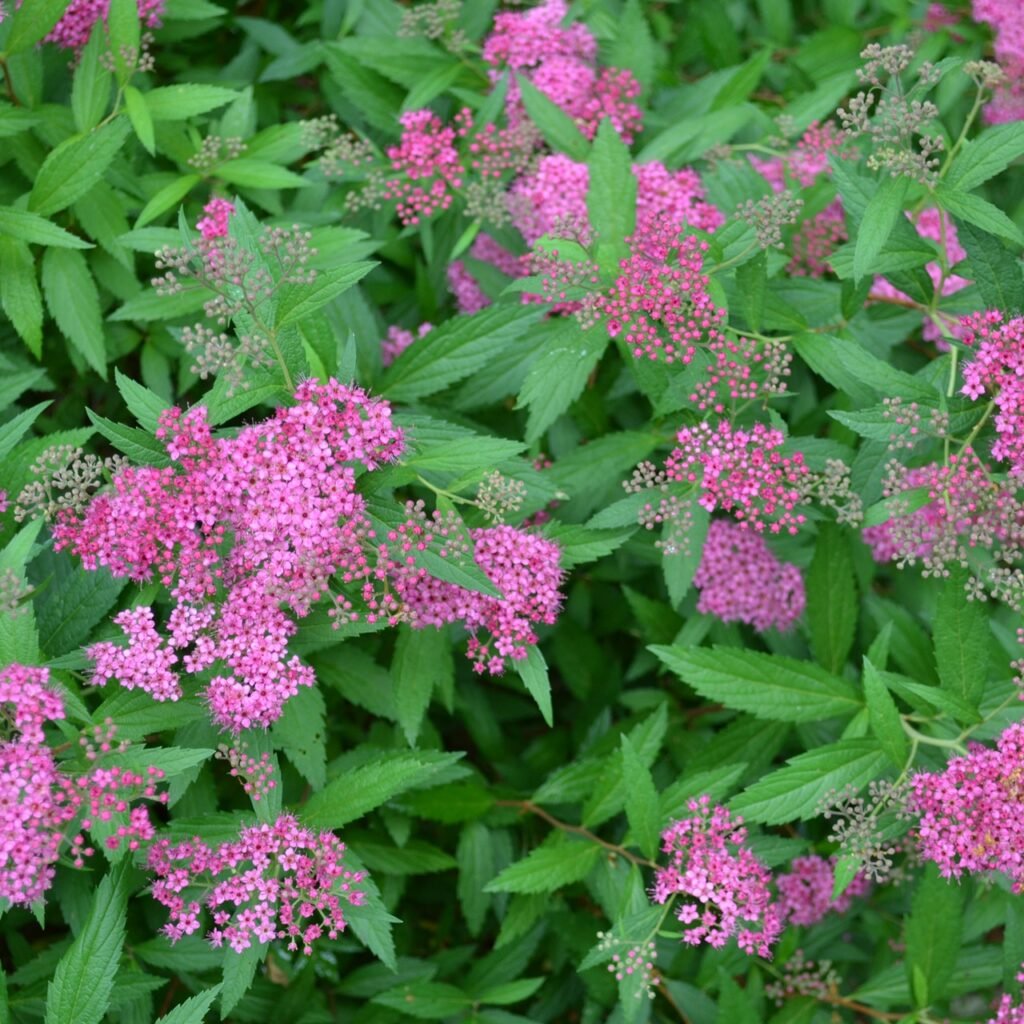
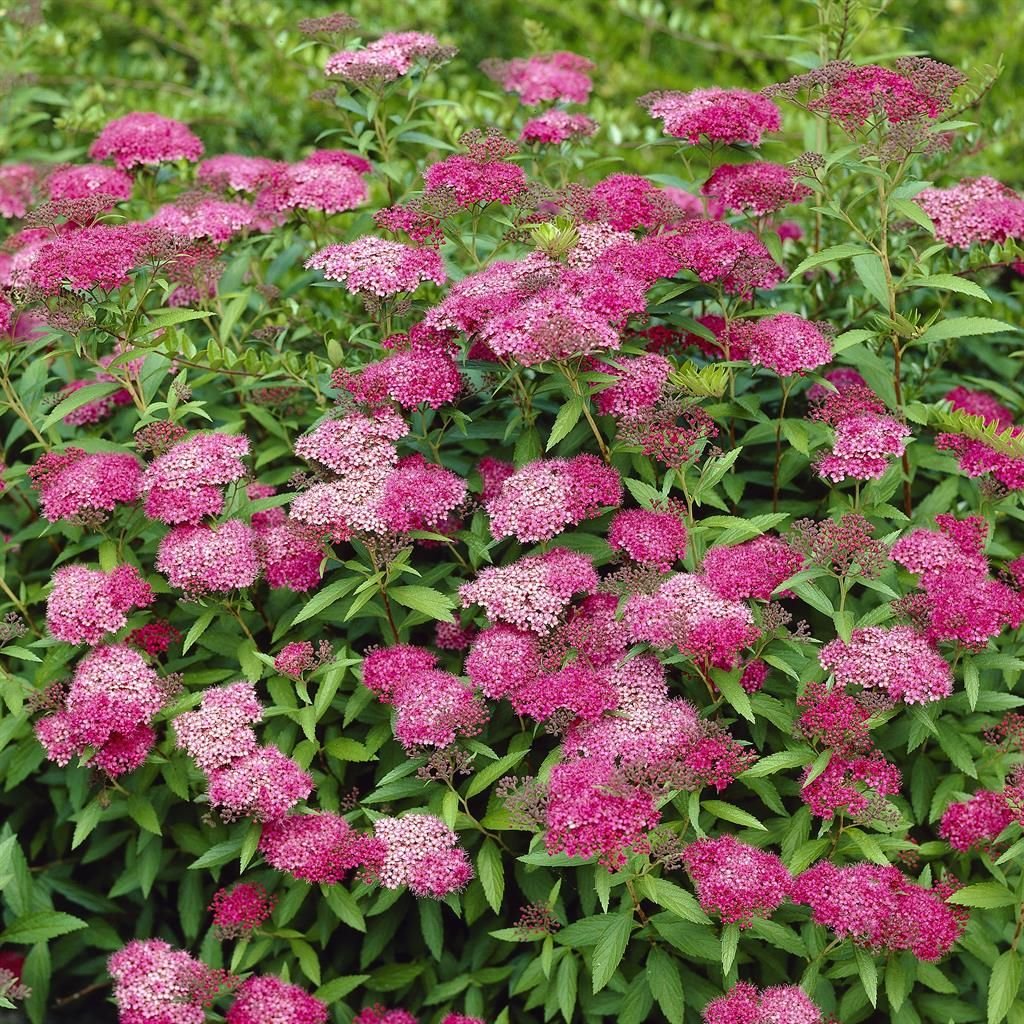
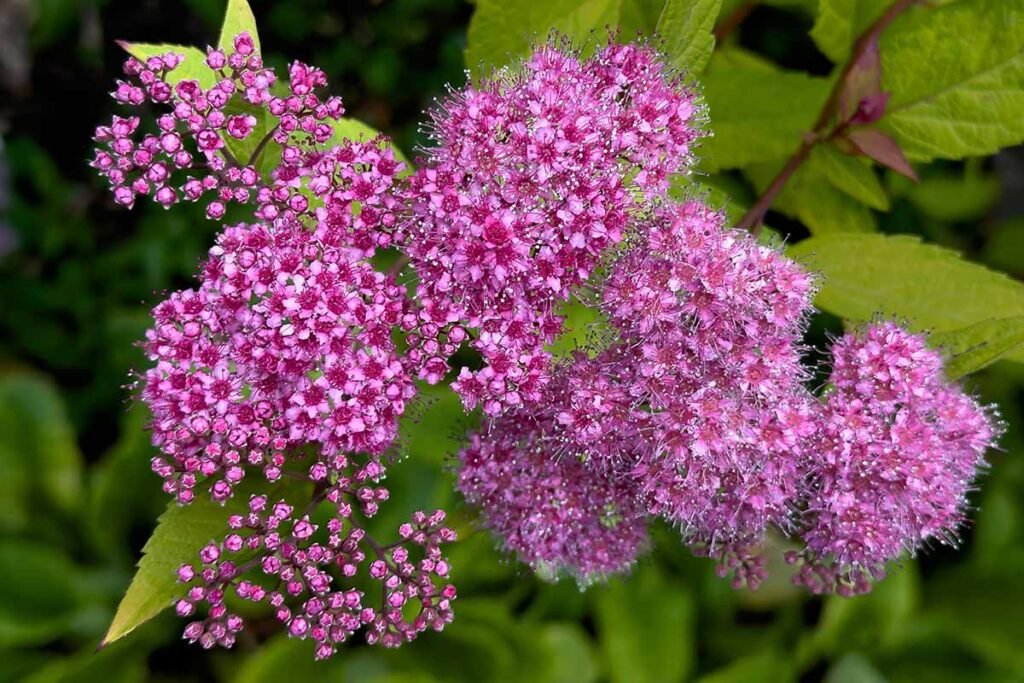
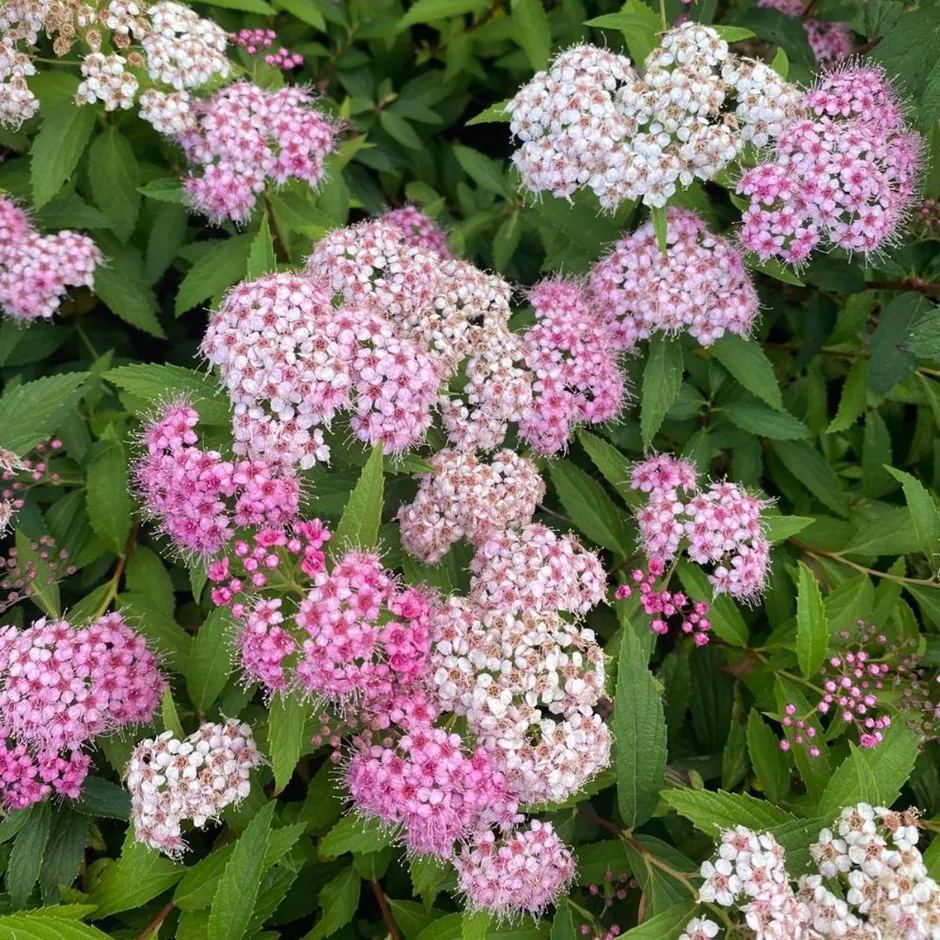
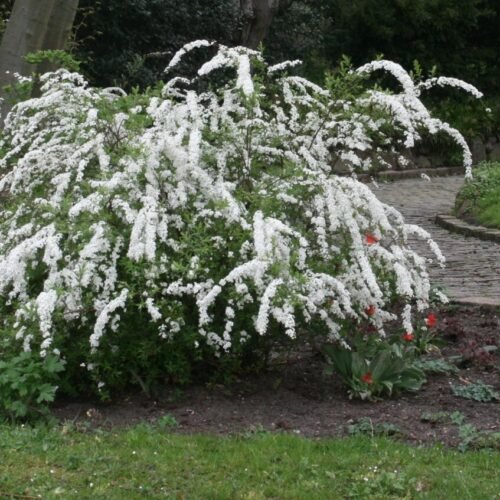
Japanese Spiraea is a deciduous shrub native to East Asia. It typically grows 1–4 feet tall and wide, producing clusters of tiny rose-pink flowers in summer. Because of its ease of care and adaptability, it’s a common feature in temperate gardens.
Best Growing Conditions for Japanese Spiraea
Climate & Hardiness
- Performs best in USDA Zones 4–9
- Handles cold winters and warm summers
- Shows strong tolerance to pollution and urban soils
Light Requirements
- Prefers full sun for maximum bloom production
- Will tolerate partial shade, though bloom quantity diminishes
Soil Preferences
- Thrives in well-draining loamy soil
- Adaptable to clay and sandy soils
- Optimal pH: from slightly acidic to neutral
Watering
- Drought-tolerant once established
- Benefits from regular watering during first year
- Mulching improves resilience during heat
Fertilizing
Fertilization is optional but helps boost flowering:
- Apply a balanced slow-release fertilizer in early spring
- Avoid overfeeding — excess nitrogen reduces blooms
How to Plant Japanese Spiraea
- Dig a hole twice as wide as the root ball
- Position shrub level with soil line
- Backfill with native soil (no need for heavy amendments)
- Water deeply
- Mulch to protect moisture and roots
Spacing shrubs 18–36 inches apart encourages airflow and full coverage.
Pruning & Maintenance Tips
Pruning increases vigor and bloom density. Best practice:
- Cut back in late winter or early spring
- Remove spent blooms in summer to encourage reblooming
- Rejuvenation pruning every 2–3 years maintains shape
Some cultivars can spread aggressively; regular cutting controls form and prevents unwanted seeding.
Propagation Methods
Japanese Spiraea is highly propagable — one reason it’s so affordable and widely available.
1. Propagation via Softwood Cuttings
Best done in late spring to early summer:
- Cut 4–6 inch young stems
- Strip lower leaves
- Dip in rooting hormone (optional)
- Plant in a moist, sterile medium
- Maintain humidity until roots develop
2. Propagation via Hardwood Cuttings
Performed during dormant winter months:
- Use mature, pencil-thick stems
- Plant outdoors or cold-frame for natural rooting
3. Propagation via Division
Older shrubs can be dug up and divided in early spring. This method rejuvenates growth and prevents overcrowding.
4. Seed Propagation
Seeds can be collected after flowering; however, cultivars may not come true to type.
Common Varieties of Japanese Spiraea
Japanese Spiraea includes dozens of named cultivars prized for unique foliage and blooms. Popular varieties include:
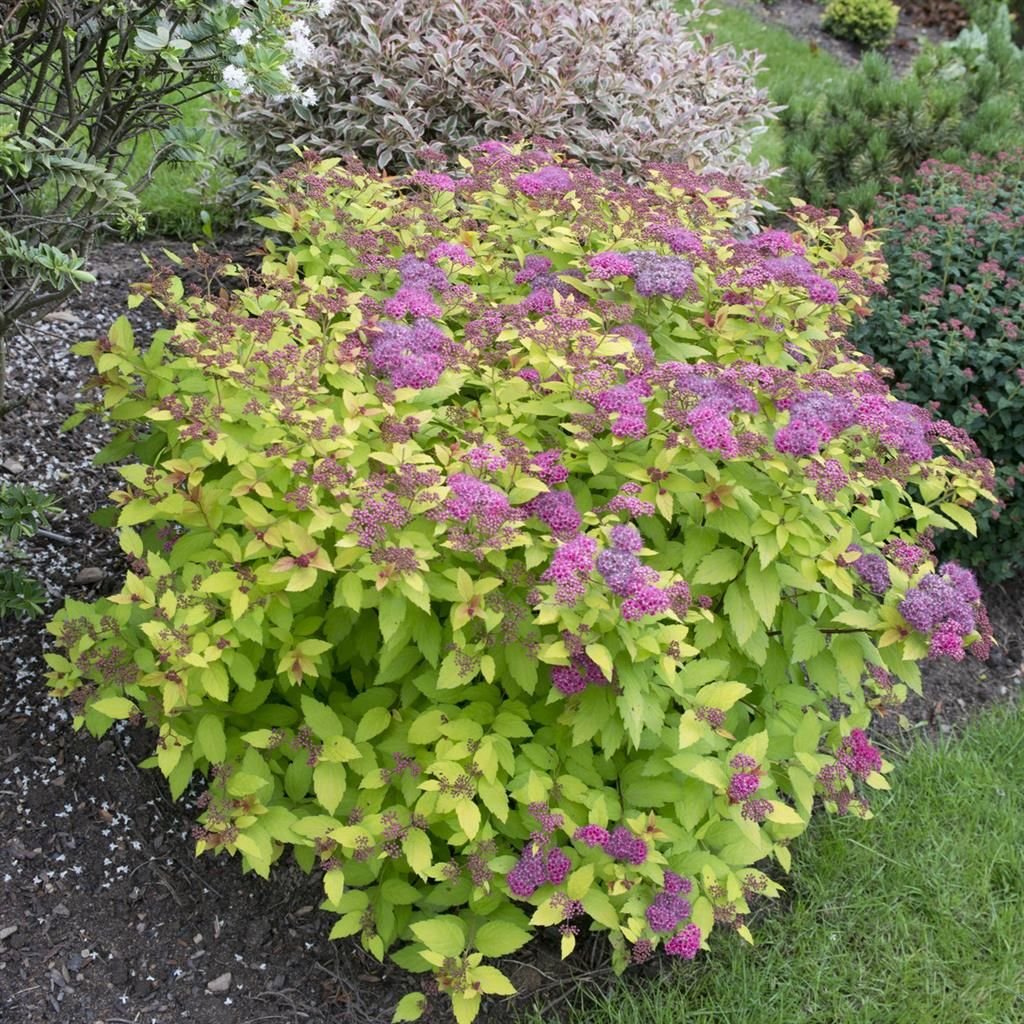
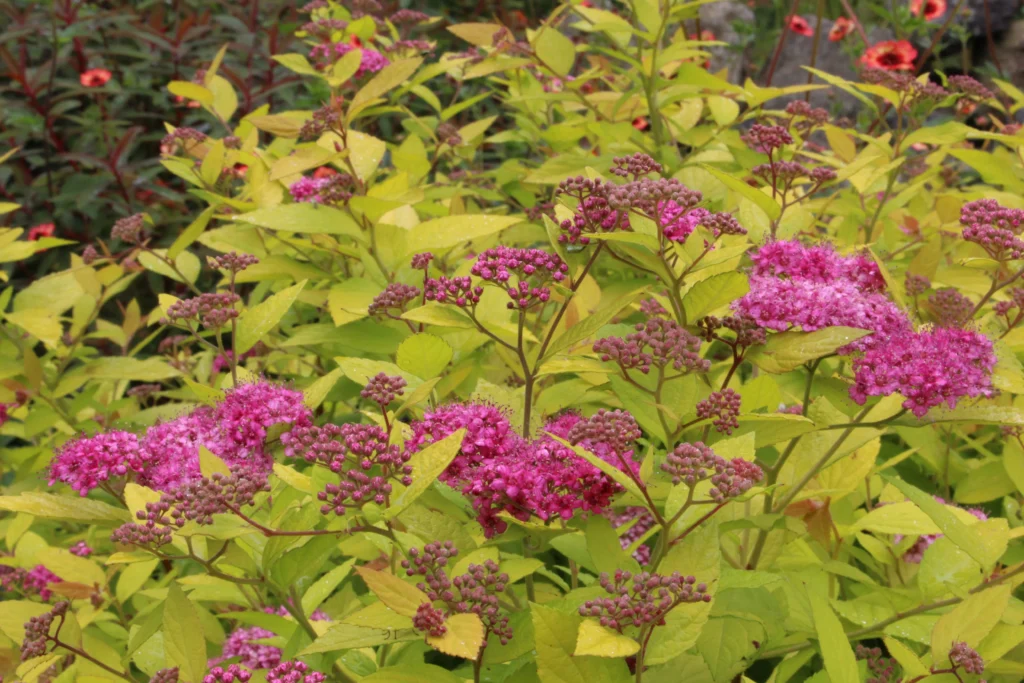
• ‘Goldmound’
- Bright yellow foliage
- Pink blooms
- Compact, mounding form
• ‘Little Princess’
- Dense, low mound habit
- Soft pink flowers
- Ideal for edging and borders
• ‘Magic Carpet’
- Bronze-red new foliage
- Yellow-green summer leaves
- Striking color transitions
• ‘Neon Flash’
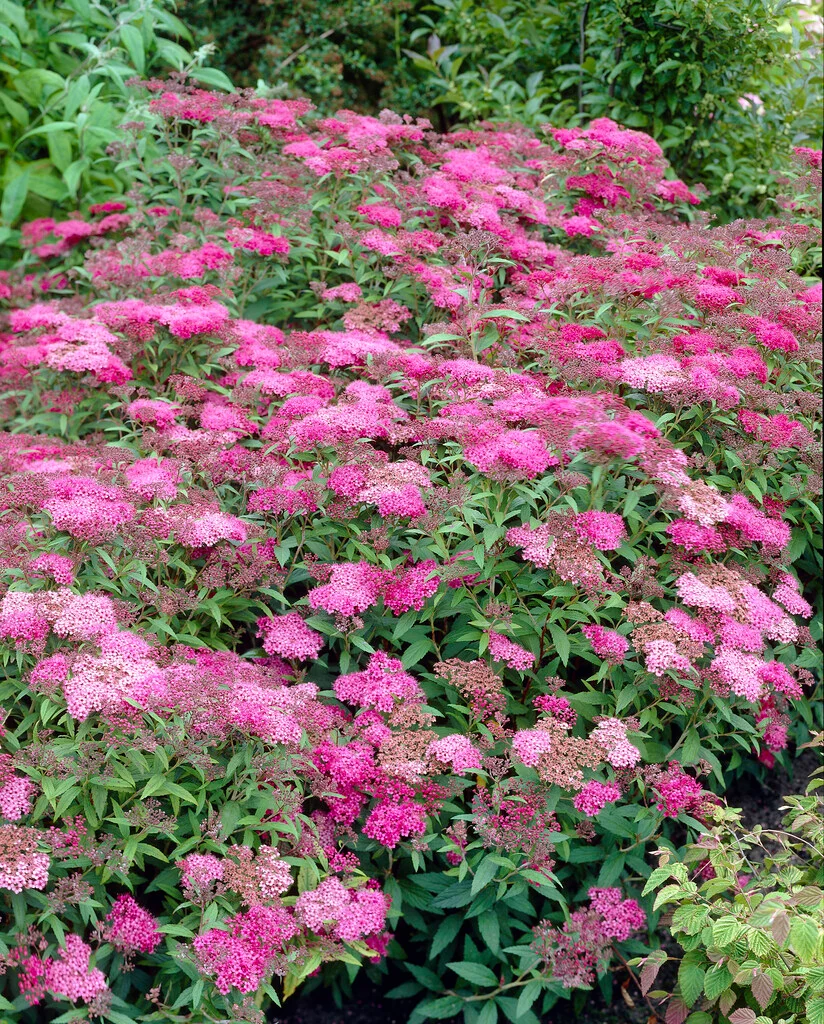
- Deep rose-red flowers
- Strong reblooming capability
• ‘Shirobana’
- Produces white, pink, and red flowers on the same plant
- Highly ornamental conversation piece
Pest & Disease Resistance
Japanese Spiraea is notably hardy and disease resistant. When issues occur, they may include:
- Powdery mildew
- Aphids
- Spider mites
- Fire blight (rare)
Most pests are cosmetic and do not threaten plant longevity.
Environmental & Ecological Notes
- Highly attractive to pollinators such as butterflies and bees
- Provides nectar mid-summer when food sources decline
- Can spread aggressively in some regions; consult local gardening resources if concerned about invasiveness
Uses of Japanese Spiraea Beyond Landscaping
1. Ornamental & Landscaping Use
Main purposes include:
- Mass planting
- Hedging and edging
- Foundation plantings
- Container gardening
- Pollinator gardens
Its symmetrical form and vivid color make it ideal for layered garden design.
2. Craft & Dye Making
Blooms and foliage may be used for:
- Natural dyeing (yields soft earthy tones)
- Dried flower arrangements
- Floral crafts and wreaths
3. Traditional Medicine
Various Spiraea species have been historically used in herbal preparations for:
- Anti-inflammatory teas
- Mild analgesics
Note: Always consult knowledgeable practitioners before ingesting any plant material.
4. Food & Culinary Curiosity
Japanese Spiraea is not a widely consumed culinary plant, but:
- Flowers are edible and mildly sweet, suitable for garnish
- Can be used for floral syrups, infused beverages, or sugar decorations
- Blossoms make creative additions to desserts, jams, and teas
Flavor is subtle and primarily aesthetic. Leaves are not typically consumed and provide minimal culinary benefit.
Harvesting Flowers, Seeds & Material
Flower Harvesting
Harvest in late spring–summer when clusters are fully open. Use immediately or dry upside down for craft uses.
Seed Harvesting
Deadheaded blooms may produce seed pods later in the summer to early fall. Collect once dry and brown.
Foliage & Stem Material
Useful for:
- Pruning compost
- Dye-making
- Dry floral projects
Seasonal Calendar for Japanese Spiraea
| Task | Best Time |
|---|---|
| Planting | Spring or Fall |
| Pruning | Late Winter–Early Spring |
| Softwood Cuttings | Late Spring–Early Summer |
| Hardwood Cuttings | Winter |
| Bloom Season | Late Spring–Mid Summer |
| Seed Collection | Late Summer–Early Fall |
Final Thoughts
Japanese Spiraea offers gardeners a blend of beauty, resilience, and versatility. With minimal care, it produces long-lasting blooms and attracts pollinators throughout summer. Its ease of propagation, range of cultivars, and creative uses make it a worthwhile addition to landscapes and hobby gardens alike.


&media=https://food-foresting.com/wp-content/uploads/2026/01/How-to-Grow-Japanese-Spirea-Feature.jpg)