
 paulius.mikoliunas1
| Common Name | Butterfly Bush, Summer Lilac, Butterflybush |
| Family | Buddleiaceae |
| USDA hardiness | 4-8 |
| Known Hazards | None known |
| Habitats | Found in rocky riverside habitats 1300 – 2600 metres in China[200]. Waste places, often on brick walls in Britain. |
| Range | E. Asia – China. Naturalized in Britain. |
| Edibility Rating |  (0 of 5) (0 of 5) |
| Other Uses |   (1 of 5) (1 of 5) |
| Weed Potential | Yes |
| Medicinal Rating |  (0 of 5) (0 of 5) |
| Care (info) |     |








How to Grow, Propagate, Use, and Harvest Butterfly Bush (Buddleja davidii): A Full Guide
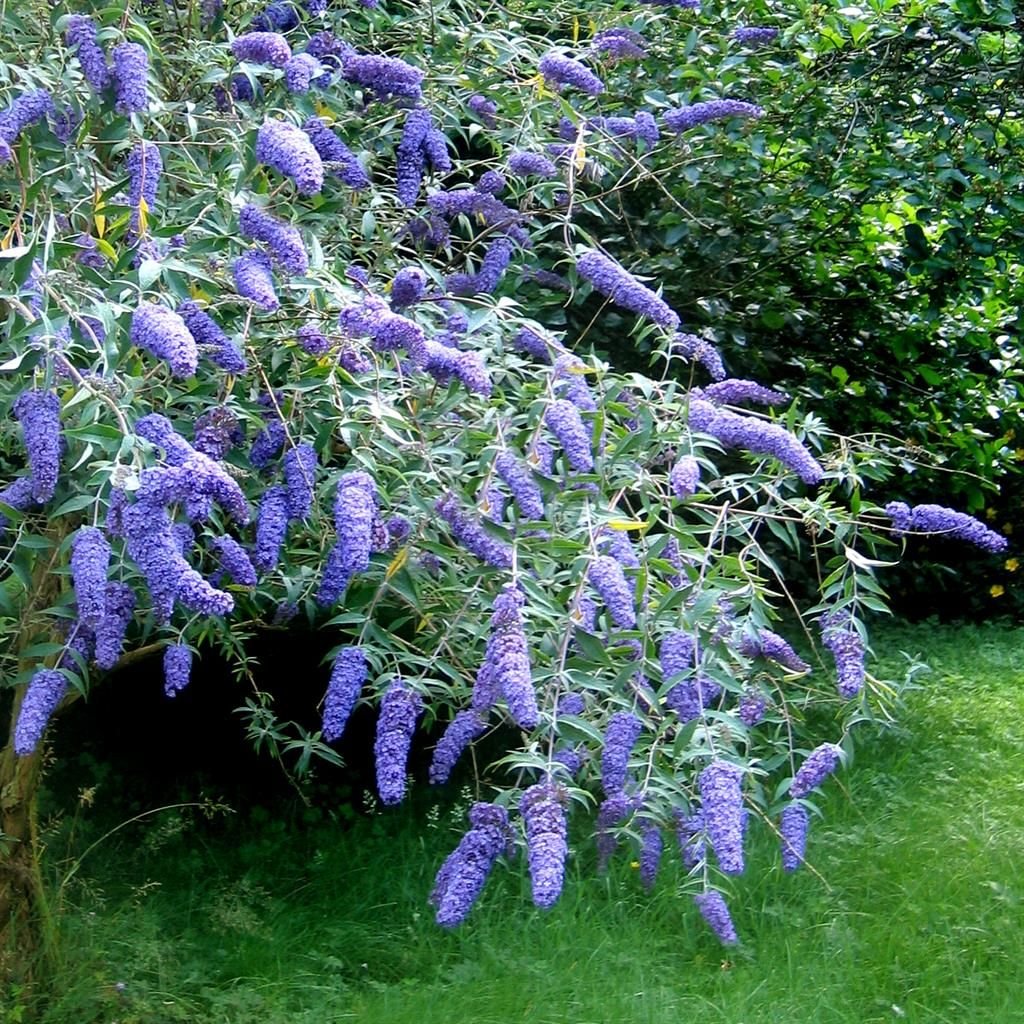
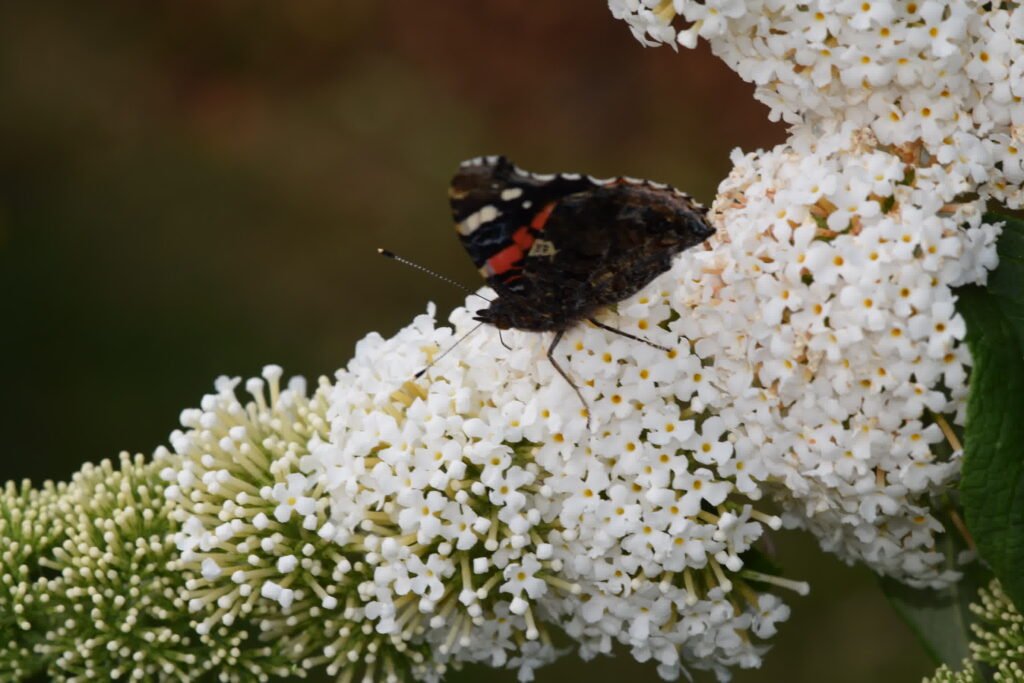
The Butterfly Bush (Buddleja davidii) is a pollinator magnet known for its conical flower clusters, fast growth, and ability to attract butterflies, hummingbirds, and bees. Whether used in wildlife gardens, ornamental landscapes, or ecological plantings, the Butterfly Bush is both versatile and low-maintenance. This guide explores how to grow it, propagate it, choose the right variety, and even harvest blooms for crafts and pollinator support — all while keeping things eco-friendly and practical.
What Is Butterfly Bush (Buddleja davidii)?
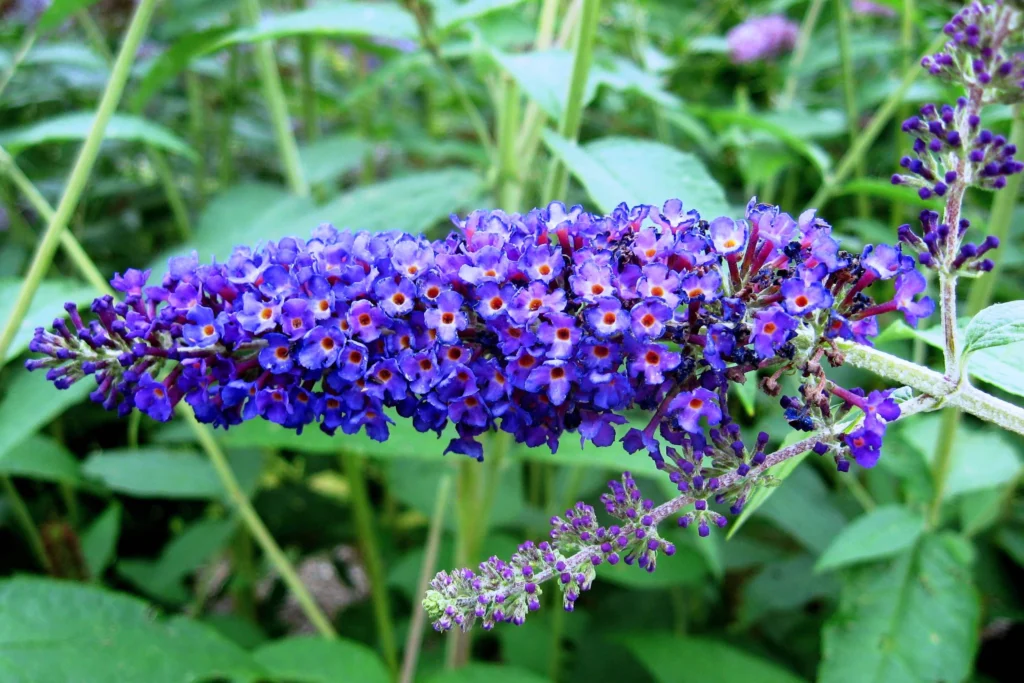
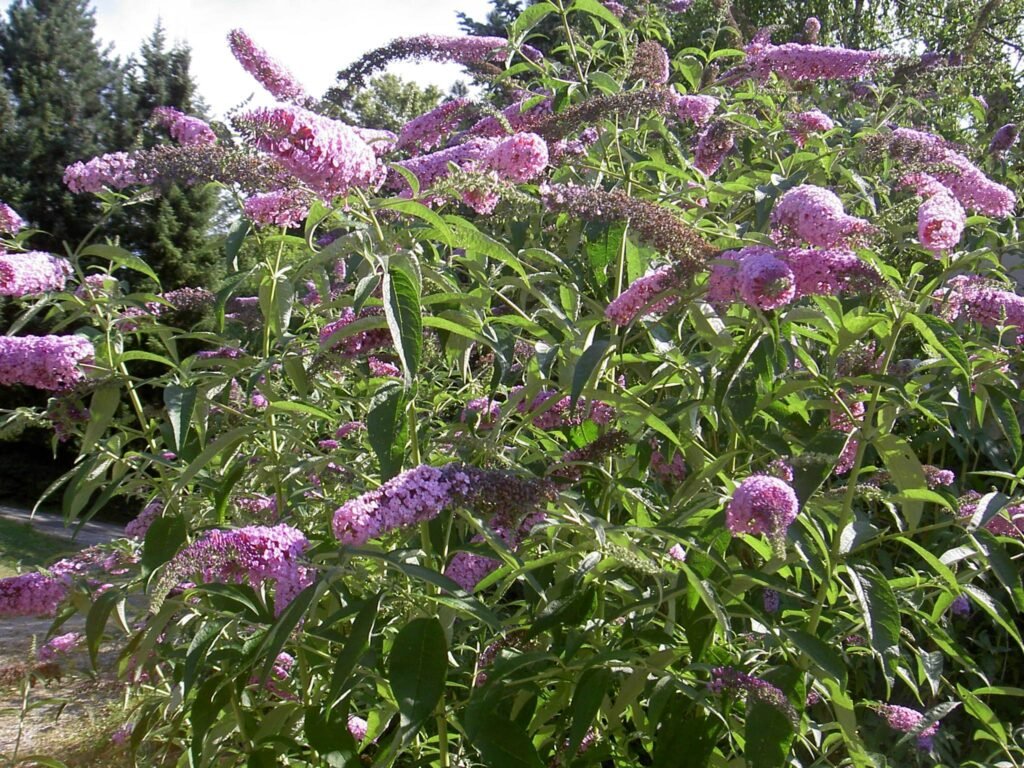
Butterfly Bush is a deciduous flowering shrub originally from China. It is prized for its long blooming season, fragrant flowers, and wildlife appeal. In many climates, it can bloom from early summer through frost, providing a reliable nectar source when other plants fade.
Key characteristics:
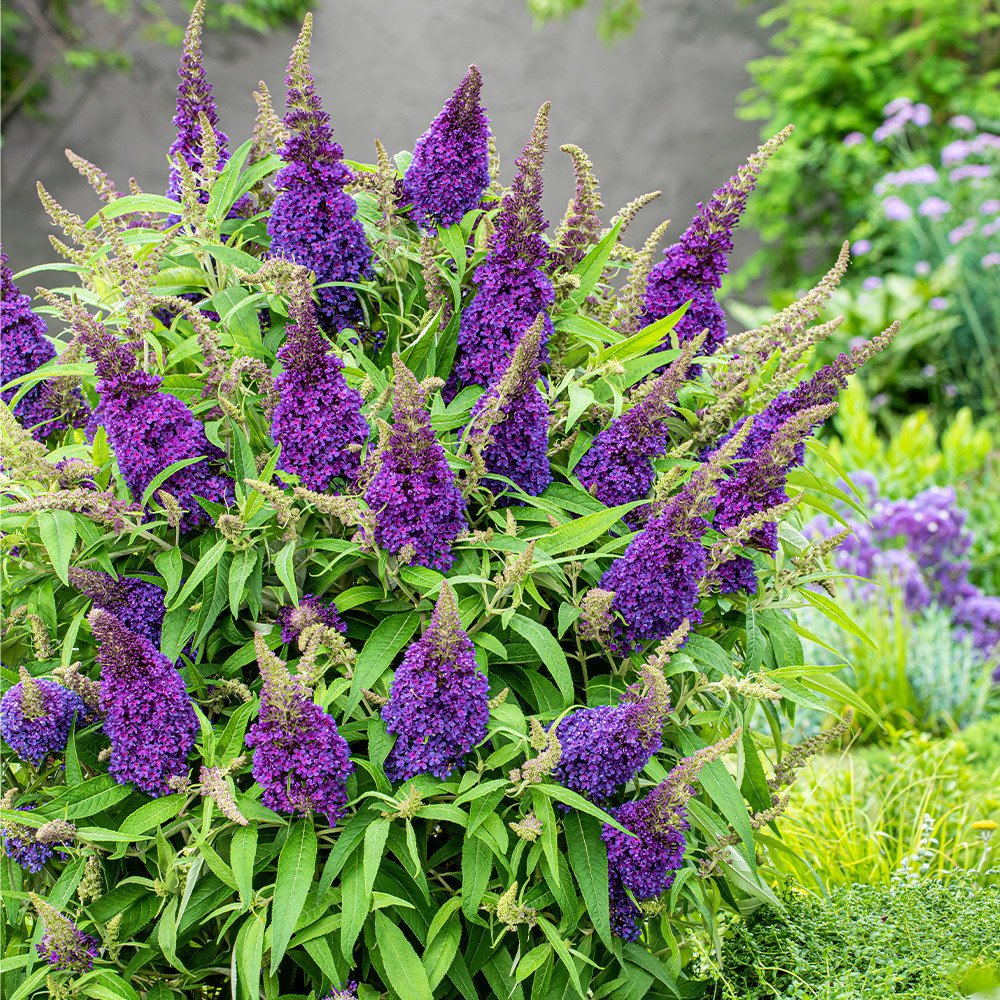
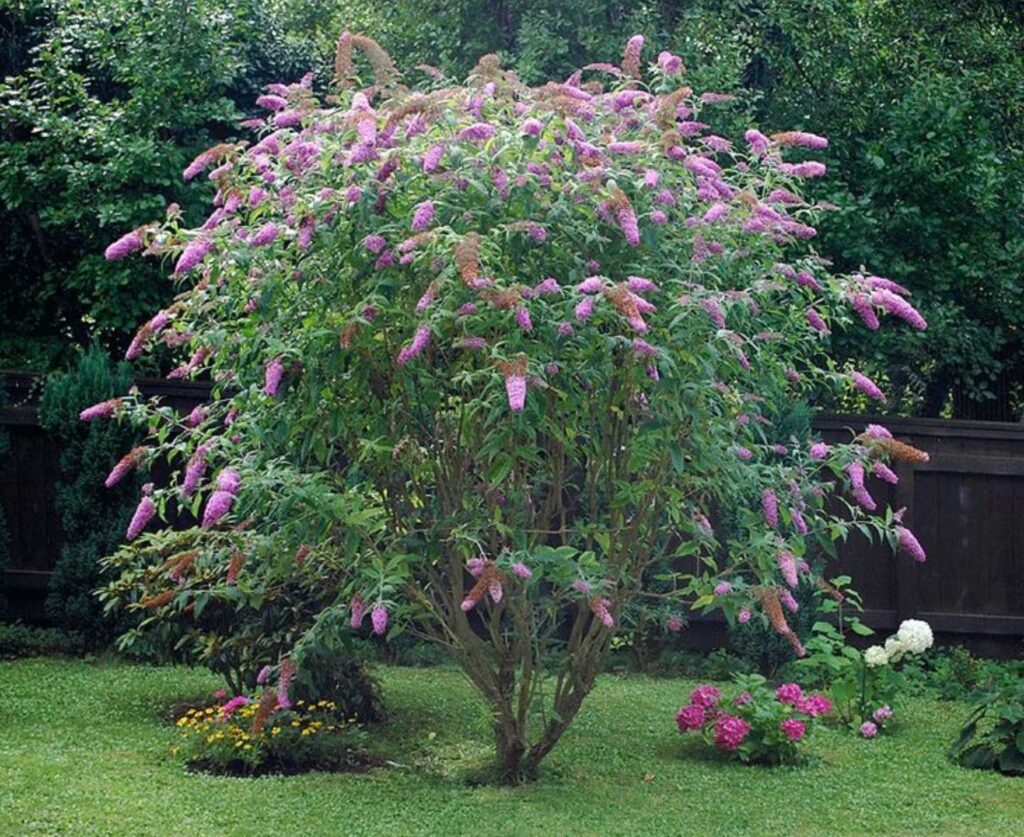
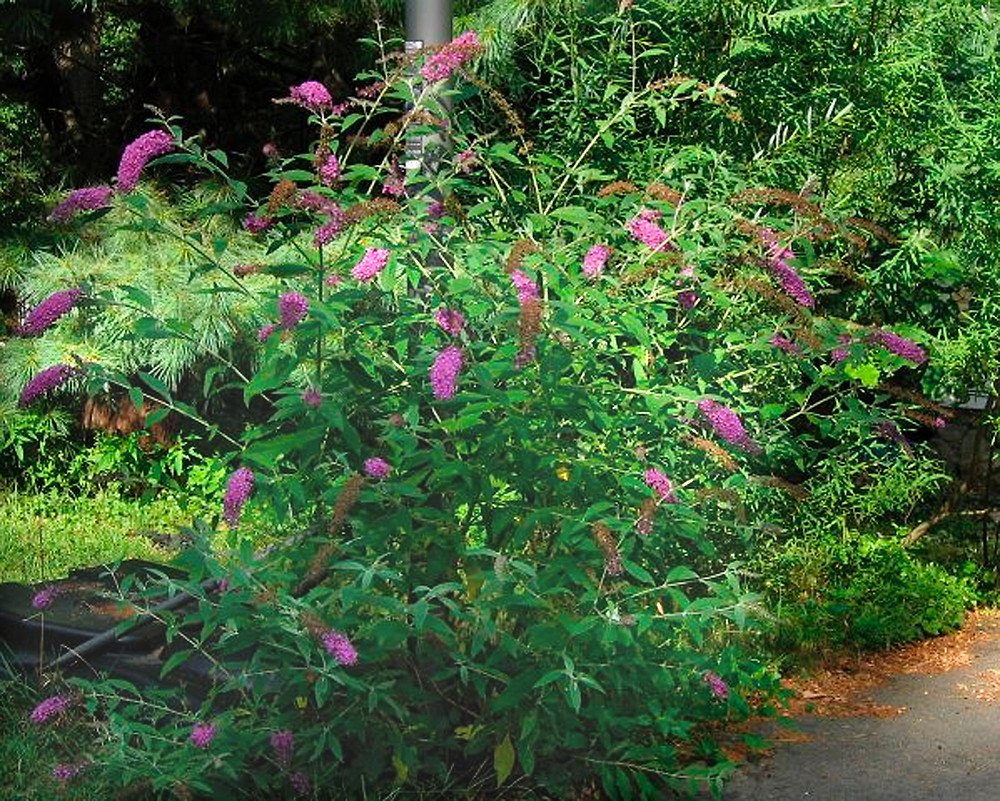
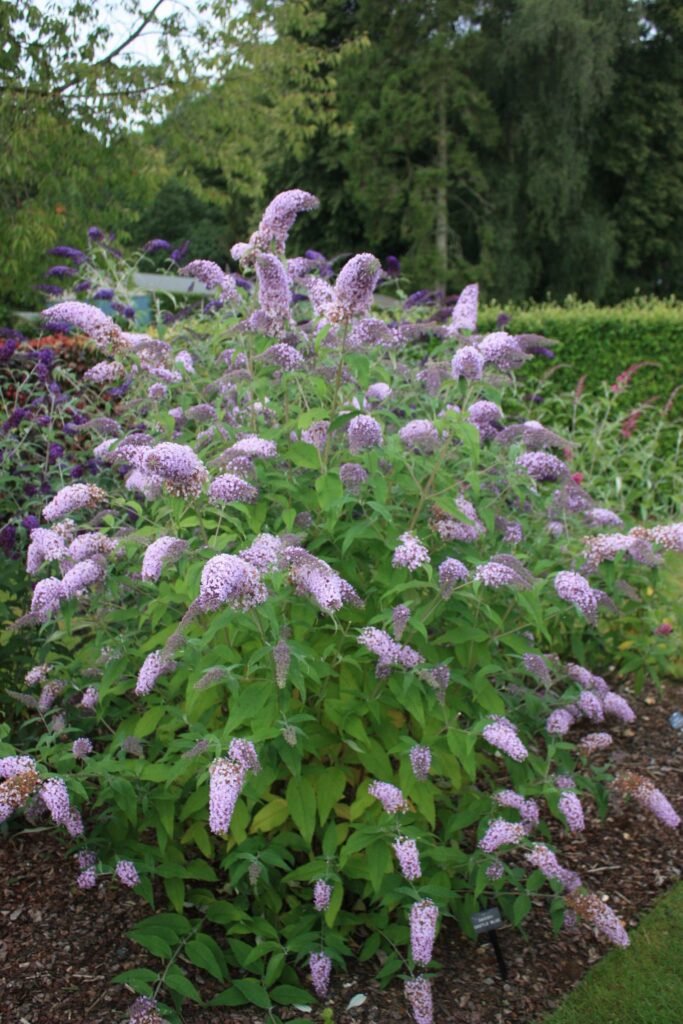
- Growth habit: 5–10 ft tall (sometimes larger)
- USDA Zones: 5–9 (varies by cultivar)
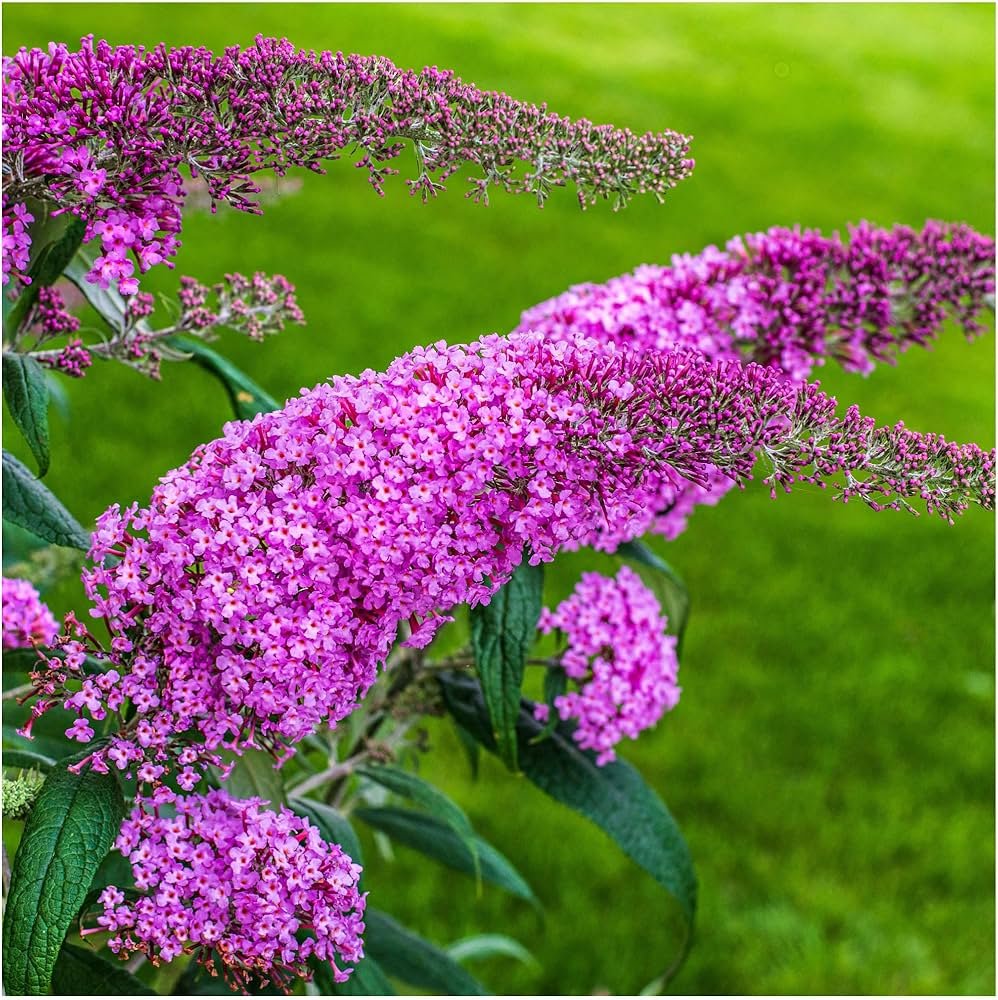
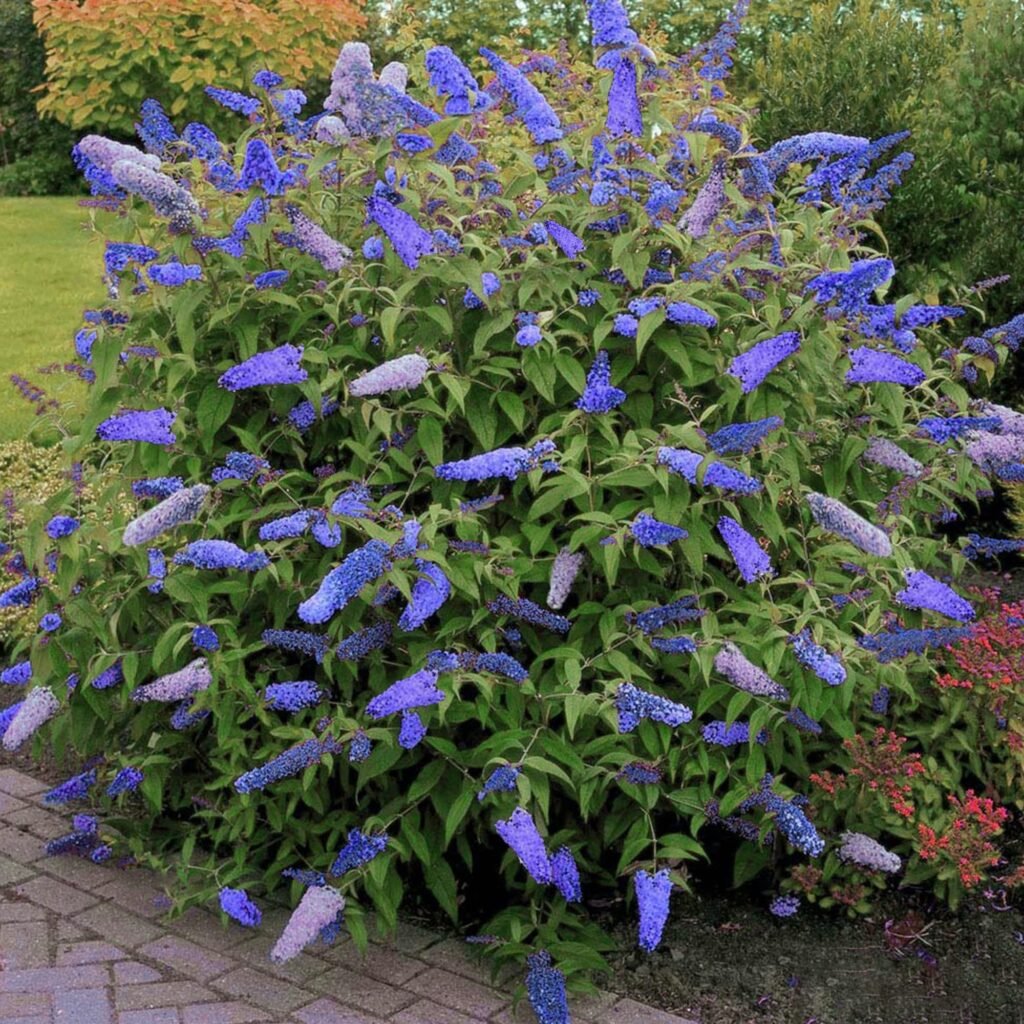
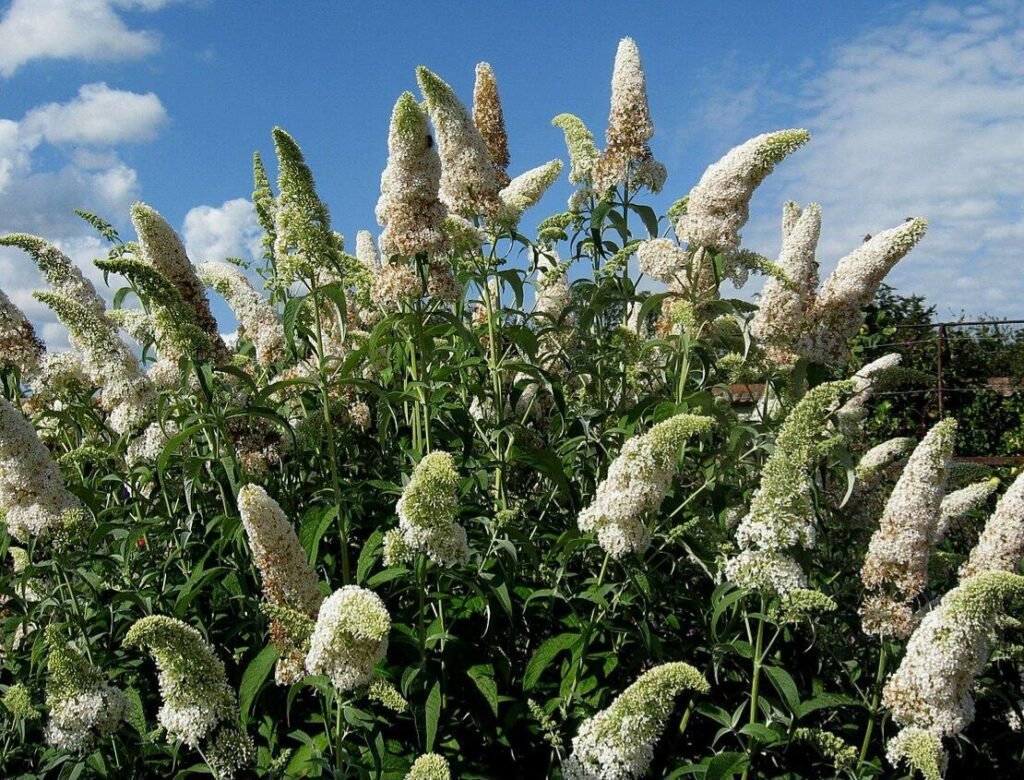
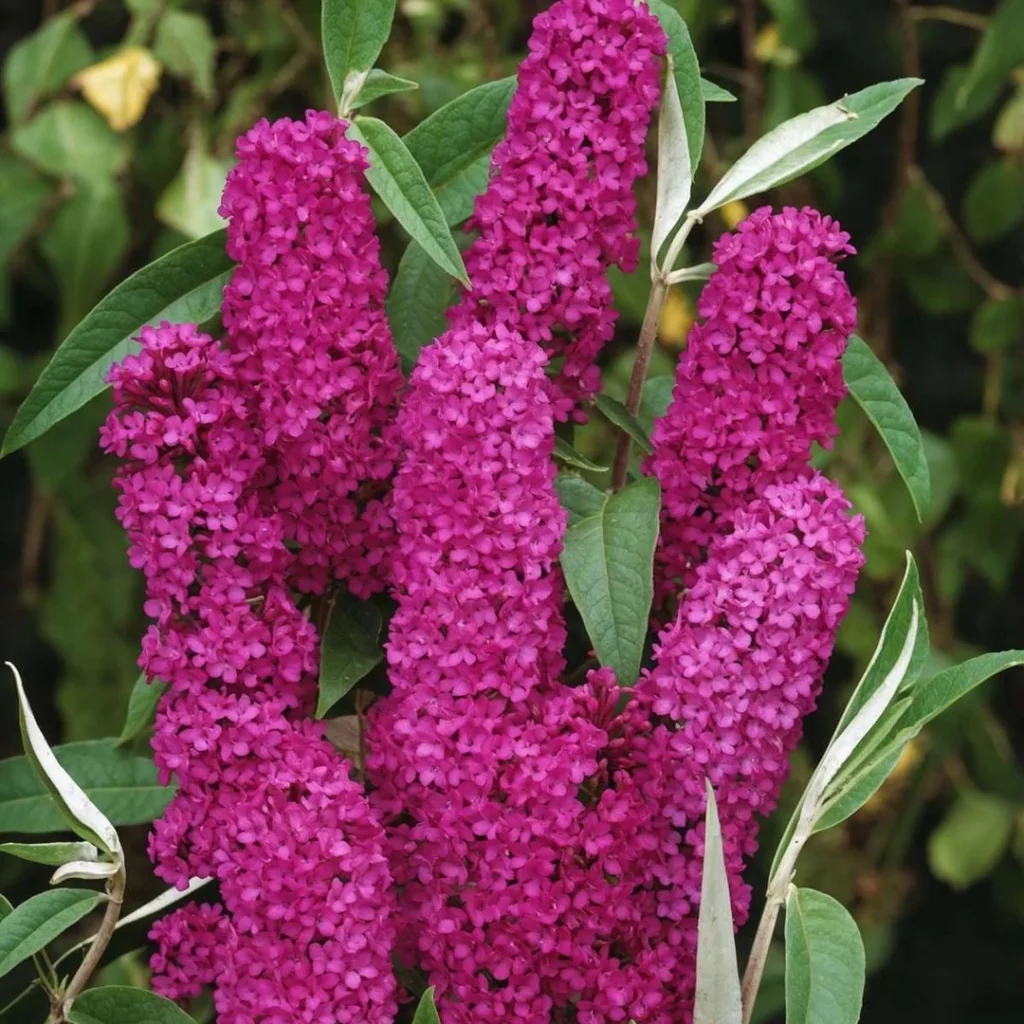
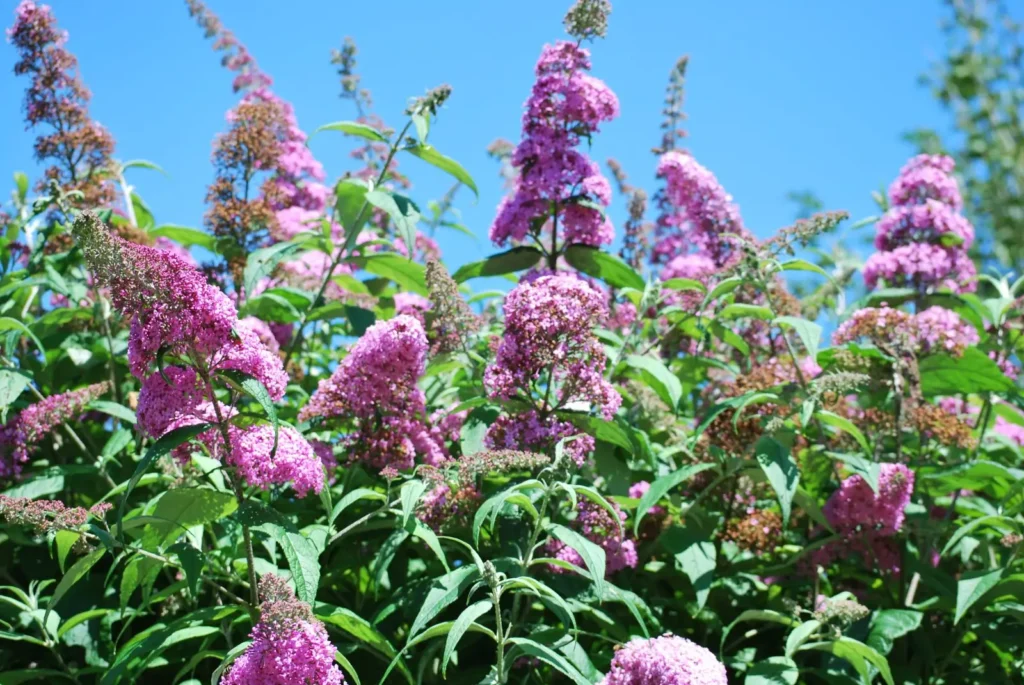
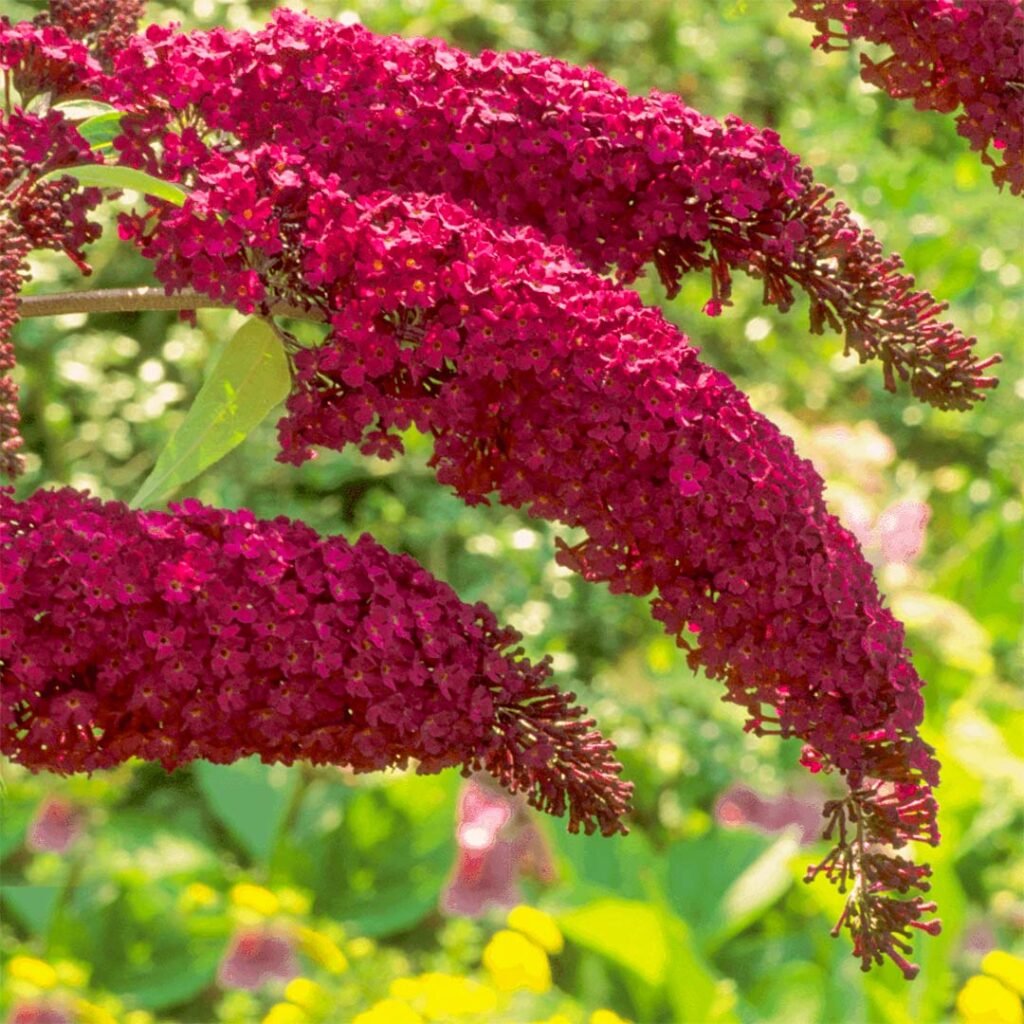
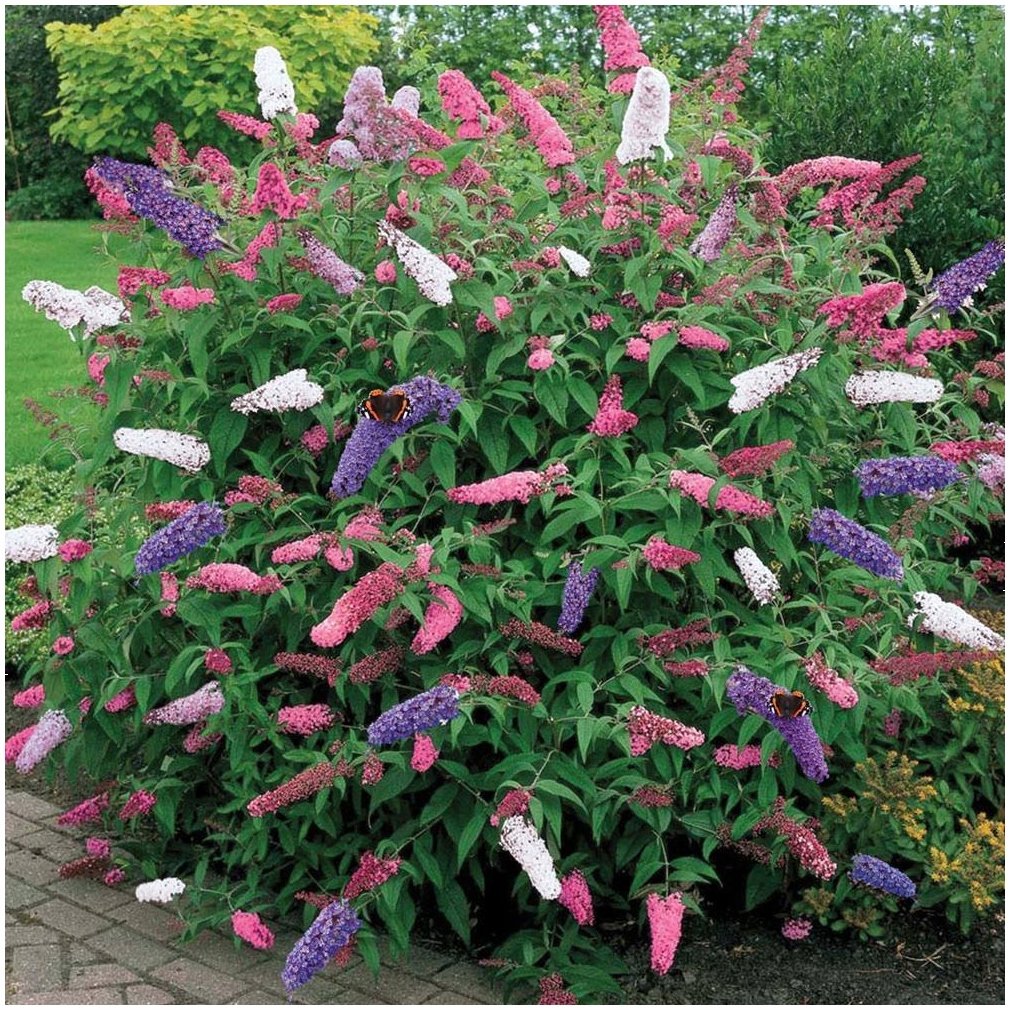
- Bloom colors: Purple, lilac, pink, white, yellow, red
- Blooming period: Summer–Fall
- Light requirements: Full sun
How to Grow Butterfly Bush
Growing Butterfly Bush successfully begins with providing proper soil, sunlight, and water during establishment.
1. Light
Butterfly Bush thrives in full sun, which encourages both dense flowering and compact growth. Partial shade reduces flowering.
2. Soil
It prefers:
- Well-drained soil
- Slightly alkaline to neutral pH
- Low to moderate fertility
Soggy soil is the enemy — waterlogged conditions can kill roots and encourage fungal diseases.
3. Watering
During the first year, water deeply once or twice per week. Once established, it becomes very drought tolerant.
4. Fertilizing
Avoid heavy fertilization — too much nitrogen pushes leaf growth at the expense of flowers. A light spring compost dressing works well.
5. Pruning
Prune in late winter to early spring. Buddleja blooms on new wood, so cutting it back encourages vigorous flowering.
6. Climate Considerations
In cold zones, Butterfly Bush may die back to the ground but resprouts in spring. In hot zones, ensure consistent, deep watering during heat waves.
Propagation: How to Propagate Butterfly Bush
Butterfly Bush is surprisingly easy to propagate, especially via cuttings.
Propagation Methods
1. Softwood Cuttings
Taken in late spring to early summer.
Steps:
- Cut 4–6 inch non-flowering shoots
- Remove lower leaves
- Dip in rooting powder (optional)
- Plant in sand/peat mix
- Keep humid and lightly moist
Roots typically form within 3–6 weeks.
2. Semi-Hardwood Cuttings
Taken in mid-summer to early fall. These root slower but still reliably.
3. Division
Some clump-forming cultivars can be divided in early spring.
4. Seeds
Seeds germinate readily, though cultivars may not come true to type.
Invasive Note: In some regions, Buddleja davidii is considered invasive. Choosing sterile or seedless cultivars helps minimize spread.
Best Butterfly Bush Varieties
Modern breeding has produced compact, sterile, seedless, and colorful selections.
Popular Types:
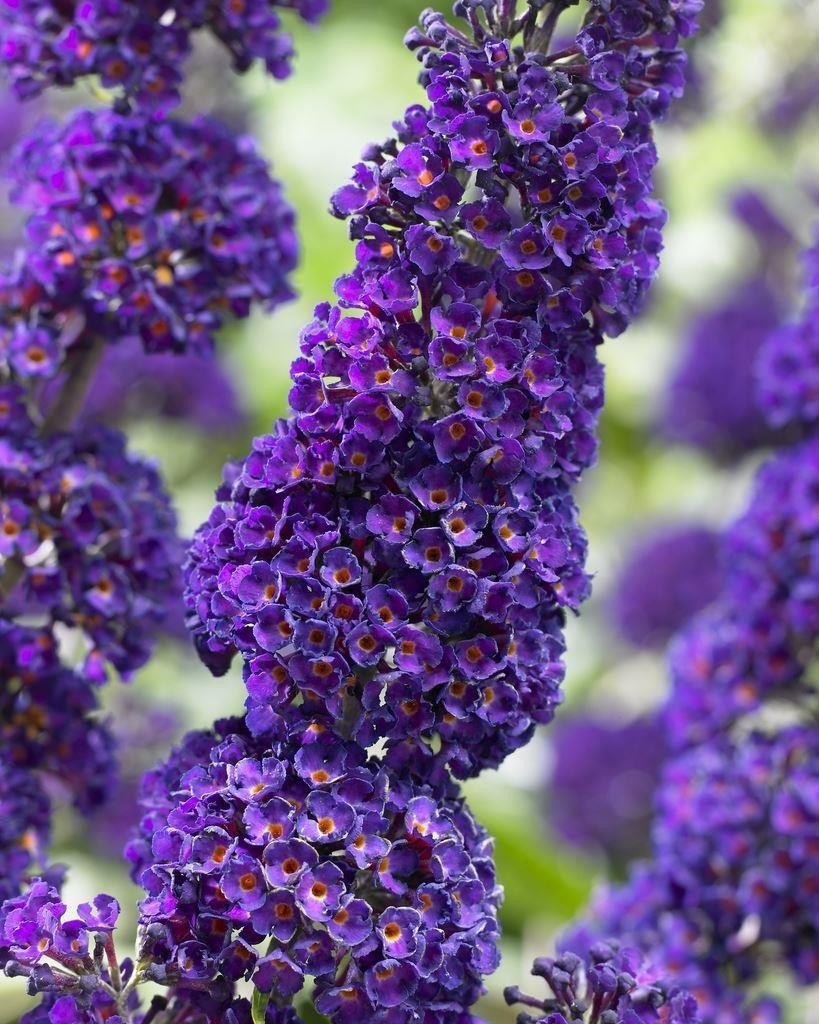
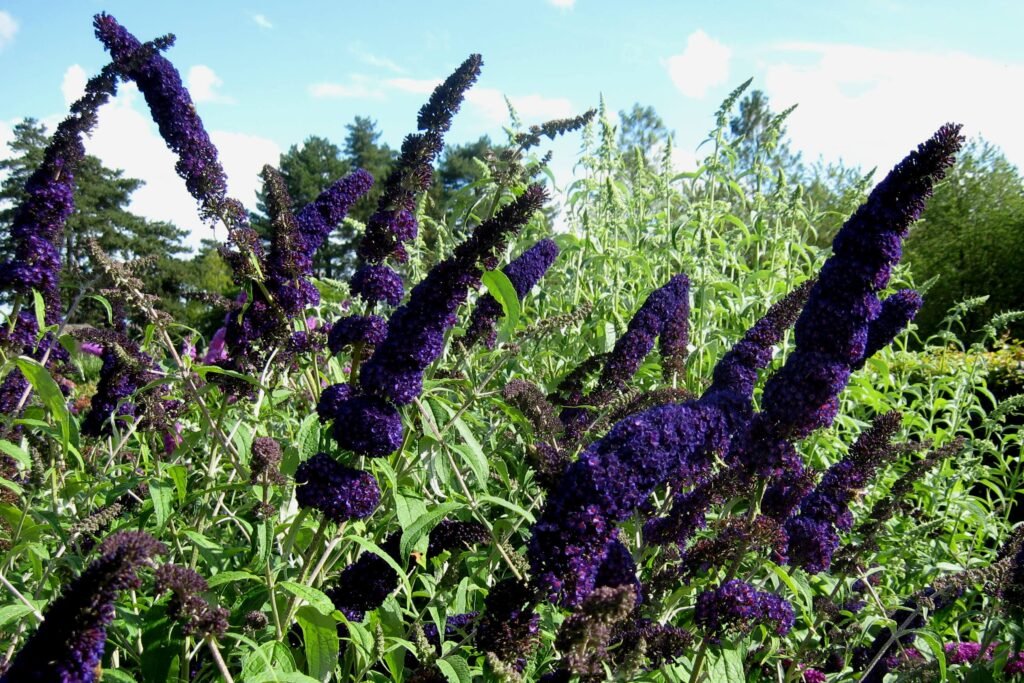
- ‘Black Knight’ – deep purple-black blooms
- ‘Pink Delight’ – bright salmon-pink panicles
- ‘Nanho Blue’ – compact and airy with lavender blooms
- ‘White Profusion’ – elegant white flower clusters
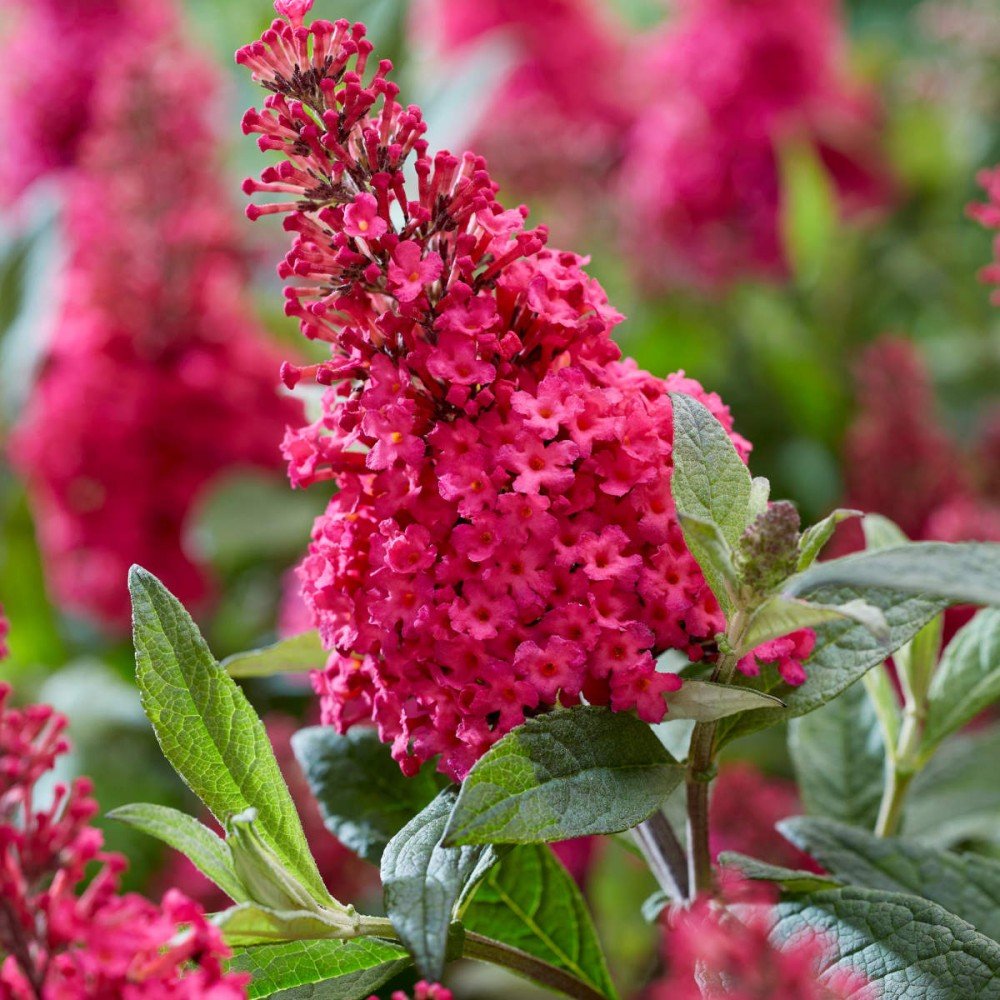
- ‘Miss Molly’ – compact, sterile, wine-red blooms
- ‘Miss Ruby’ – vibrant red-pink flowers, sterile
- ‘Pugster® Series’ – dwarf habit, large blooms, sterile
- ‘Lo & Behold® Series’ – dwarf, seedless, continuous bloomers
Dwarf cultivars are excellent for containers or small gardens, while tall selections are suited for wildlife hedges and landscape borders.
Uses and Benefits
1. Wildlife Support
Butterfly Bush is renowned for supporting:
- Butterflies
- Hummingbirds
- Bees
- Moths
It provides nectar-rich blooms, especially valuable during late summer when other nectar sources decline.
2. Ornamental Landscaping
Use Butterfly Bush in:
- Cottage gardens
- Xeriscapes
- Pollinator gardens
- Mixed borders
- Hillsides or slopes
- Container plantings (dwarf types)
3. Erosion Control
Its deep roots can help stabilize slopes in dry areas where grass struggles.
Food & Pollinator Benefits
While Butterfly Bush is not typically edible for humans, it serves as an essential food source for pollinators, especially nectar-feeding butterflies such as swallowtails, monarchs, and painted ladies.
Pairing Butterfly Bush with host plants (milkweed, fennel, parsley) ensures butterflies can both feed and reproduce in the same space.
How to Harvest Butterfly Bush
Harvesting is done mainly for:
- Cut flower arrangements
- Scent
- Drying
- Craft uses
- Seed collection (in non-invasive areas)
Harvesting Flowers
Cut when flowers are partially open to ensure long vase life. Use clean shears to encourage repeat flowering.
Drying for Crafts
Hang stems upside down in a dry, shaded, ventilated space. Flowers retain shape and light fragrance.
Seed Collection
If desired (and permitted):
- Allow panicles to dry on the plant
- Collect brown seed capsules
- Store dry in envelopes until spring
Again, sterile cultivars avoid unwanted spread.
Common Problems & Solutions
| Problem | Cause | Solution |
|---|---|---|
| No flowers | Too much shade or nitrogen | Move to sun, reduce fertilizer |
| Browning tips | Drought stress | Deep, infrequent watering |
| Dieback | Winter cold or poor drainage | Mulch & improve drainage |
| Poor growth | Wet soil | Amend soil or elevate in beds |
Butterfly Bush is generally pest-free and disease-resistant.
Final Thoughts
The Butterfly Bush (Buddleja davidii) remains a beloved garden shrub thanks to its intense color, long bloom season, and pollinator appeal. With minimal care, gardeners can enjoy continuous summer flowers, thriving wildlife, and versatile ornamental value.
Whether you’re gardening for beauty, ecology, or pure enjoyment, Butterfly Bush earns its place among the most rewarding low-maintenance shrubs.


&media=https://food-foresting.com/wp-content/uploads/2026/01/Buddleja-davidii-Black-Knight-scaled.jpg)