 paulius.mikoliunas1
| Common Name | Cornelian Cherry, Cornelian Cherry Dogwood |
| Family | Cornaceae |
| USDA hardiness | 4-8 |
| Known Hazards | None known |
| Habitats | Woodlands, especially in calcareous soils. |
| Range | Europe. Naturalized in Britain. |
| Edibility Rating |   (4 of 5) (4 of 5) |
| Other Uses |   (3 of 5) (3 of 5) |
| Weed Potential | No |
| Medicinal Rating |   (2 of 5) (2 of 5) |
| Care (info) |     |

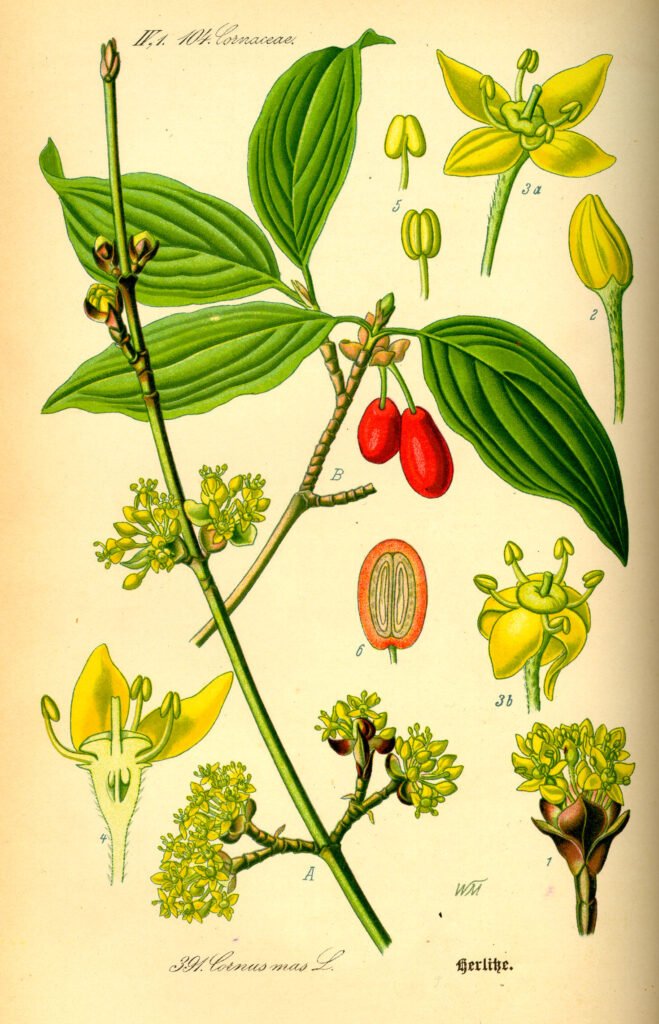

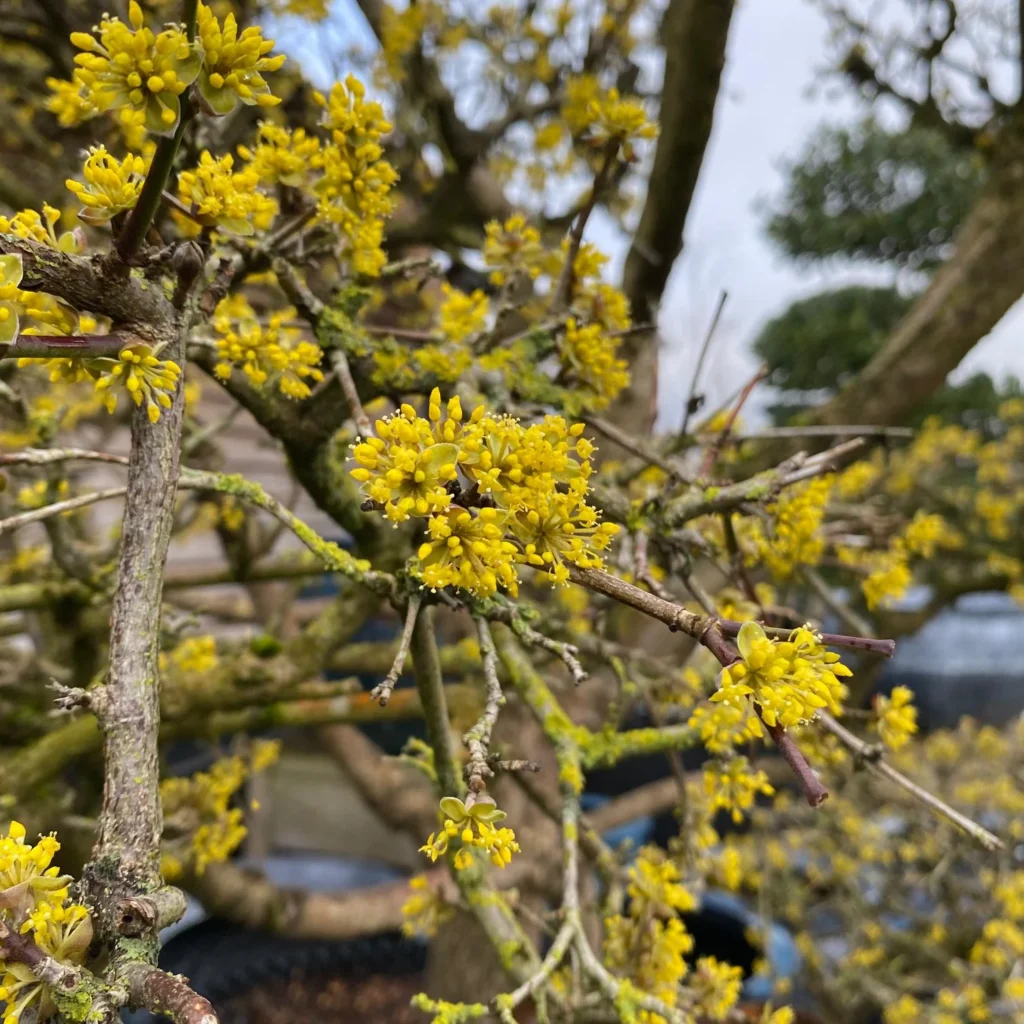
Cornelian Cherry (Cornus mas): Growing, Propagating, Varieties, Culinary Uses & Harvest Guide
Cornelian cherry (Cornus mas) is an ancient fruiting dogwood species admired for its hardiness, ornamental value, and delicious tangy drupes. Though relatively rare in modern home gardens, this plant is experiencing a renaissance among herbalists, permaculture enthusiasts, and gardeners seeking climate-resilient edible species.
Below is a comprehensive guide on how to grow, propagate, choose varieties, harvest, and enjoy the fruits of Cornelian cherry.
What is Cornelian Cherry?
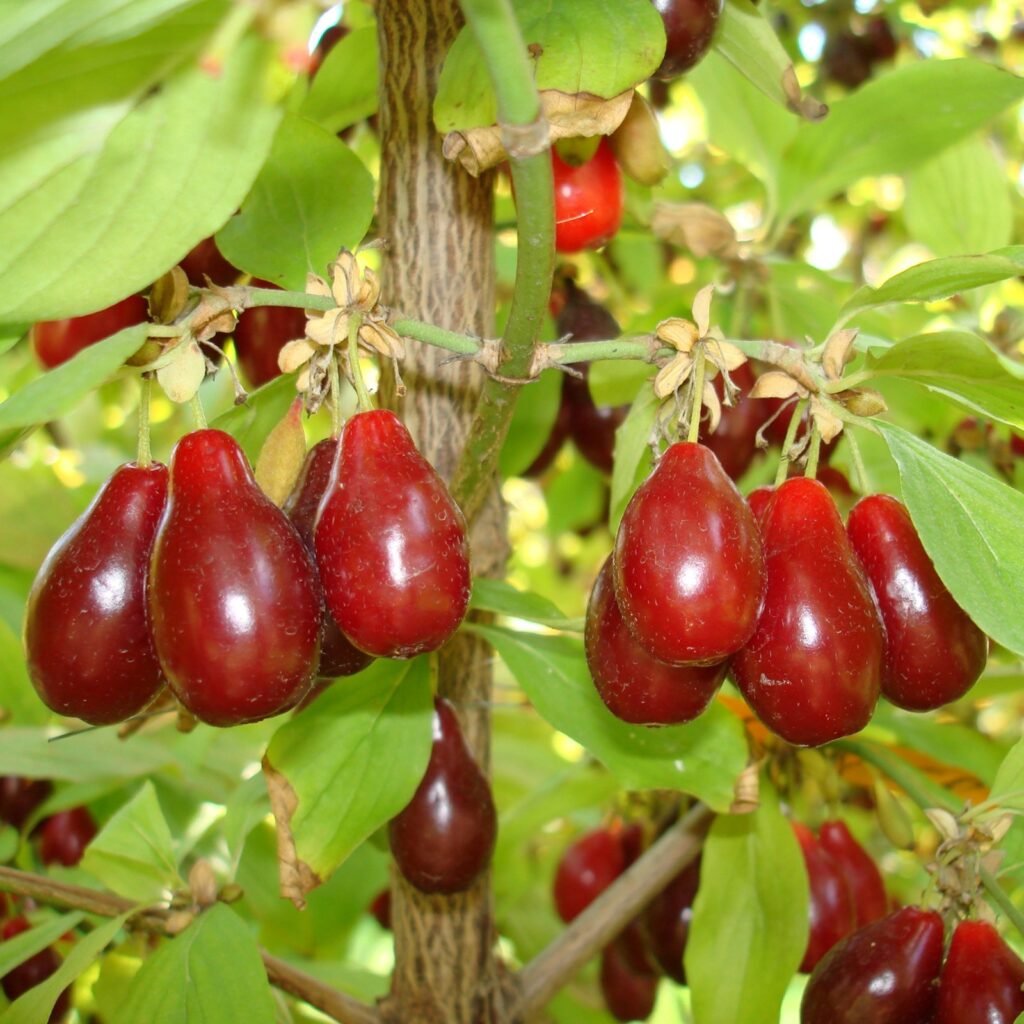
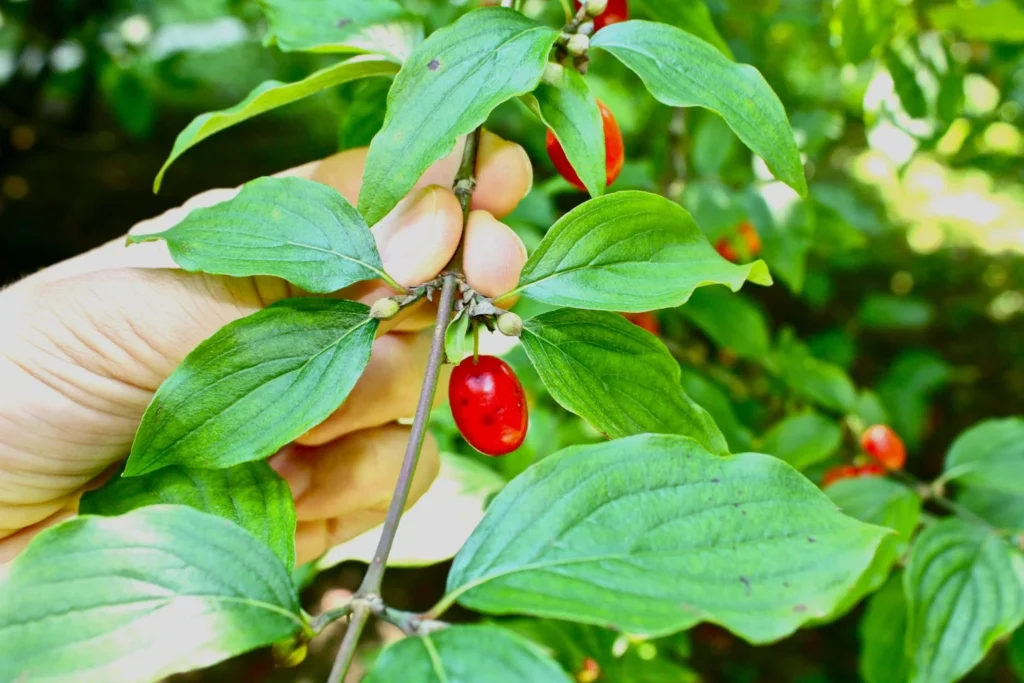
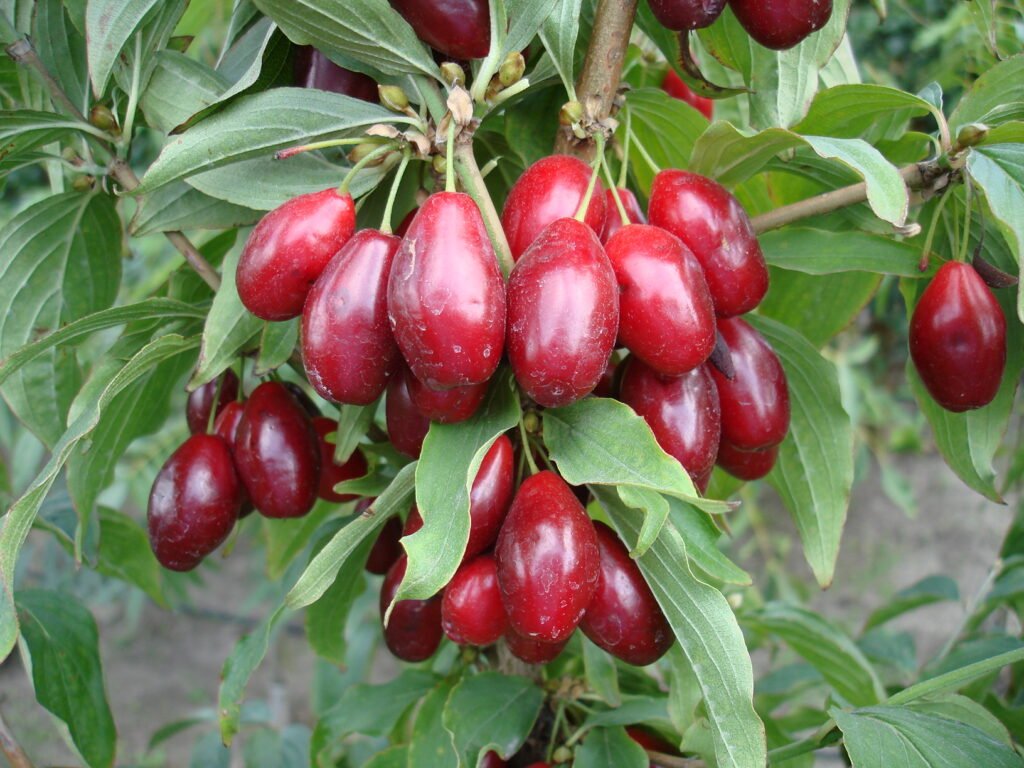
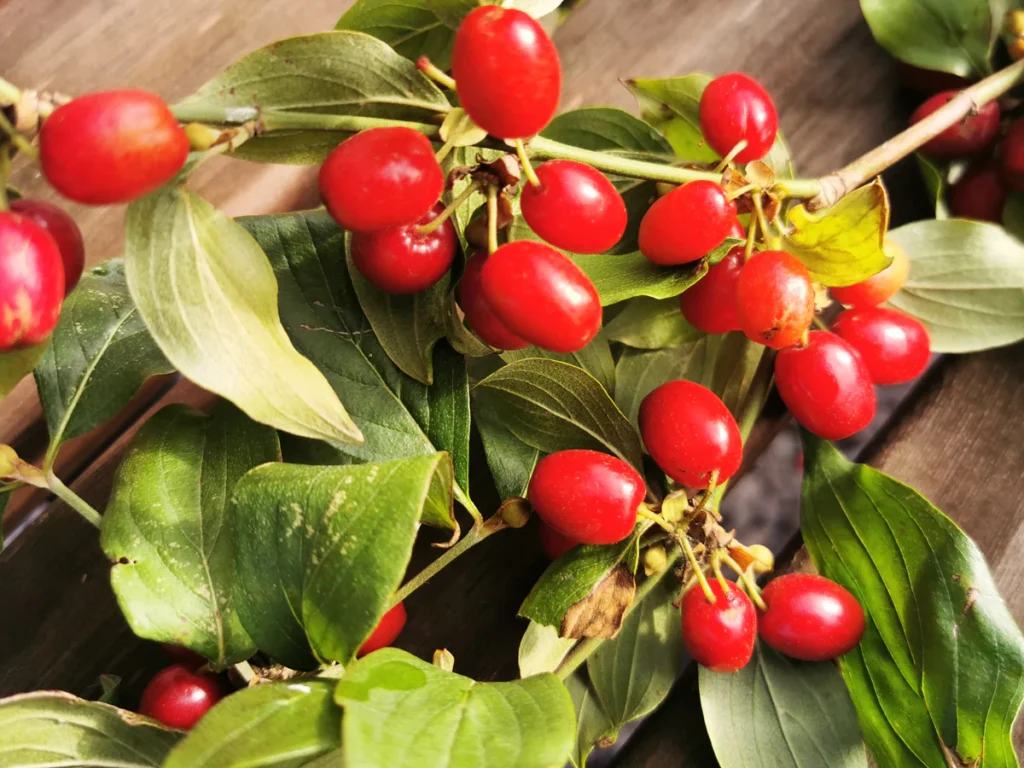
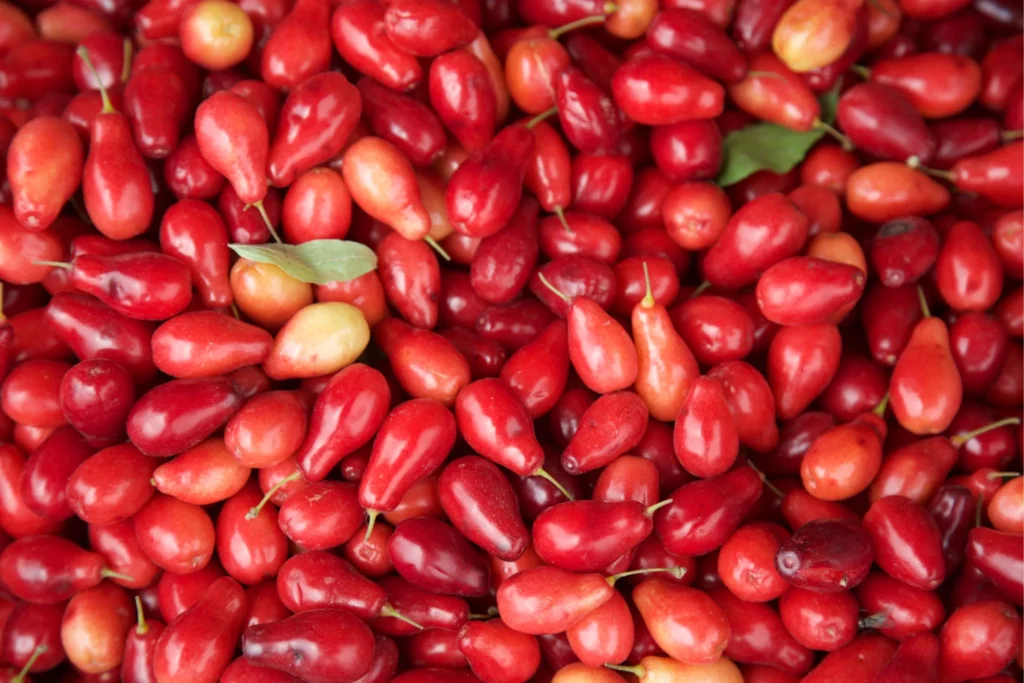
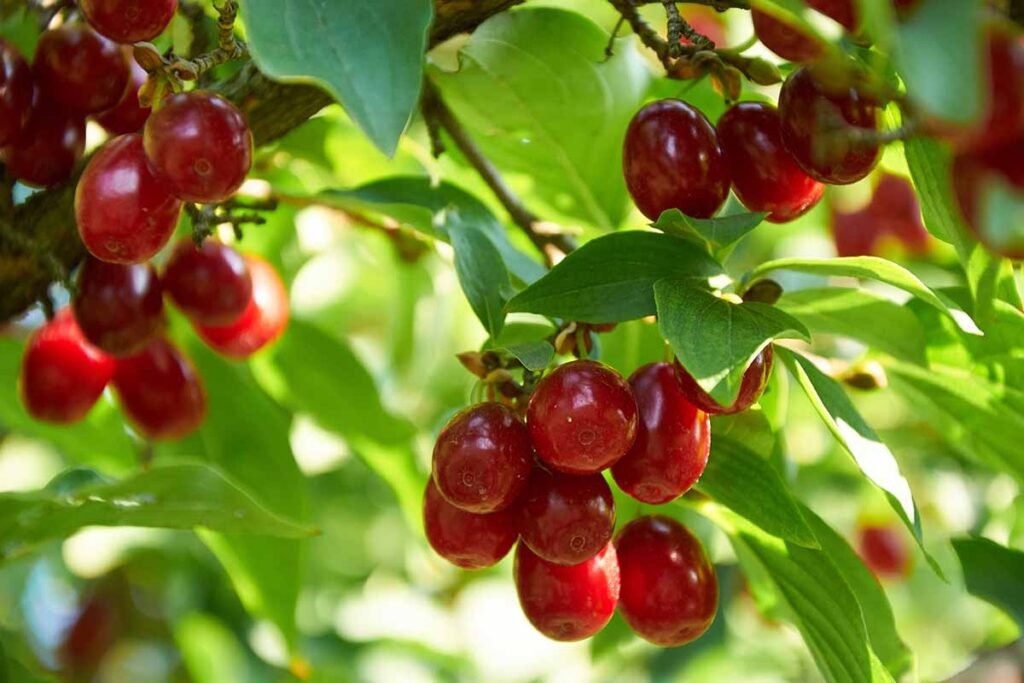
Cornelian cherry (Cornus mas) is a small tree or large shrub native to parts of Europe and Western Asia. A member of the dogwood family, it produces glossy oval fruits resembling cherries but botanically classified as drupes. The flavor ranges from tart to sweet-tart when fully ripe, with high pectin and vitamin C levels.
Botanical highlights:
- Height: 3–7 m (10–22 ft)
- Lifespan: Long-lived; can exceed 100 years
- Bloom time: Late winter to early spring
- Fruit ripening: Late summer to autumn
- Hardiness: USDA zones 4–8
- Soil preference: Well-drained, moderately fertile soils
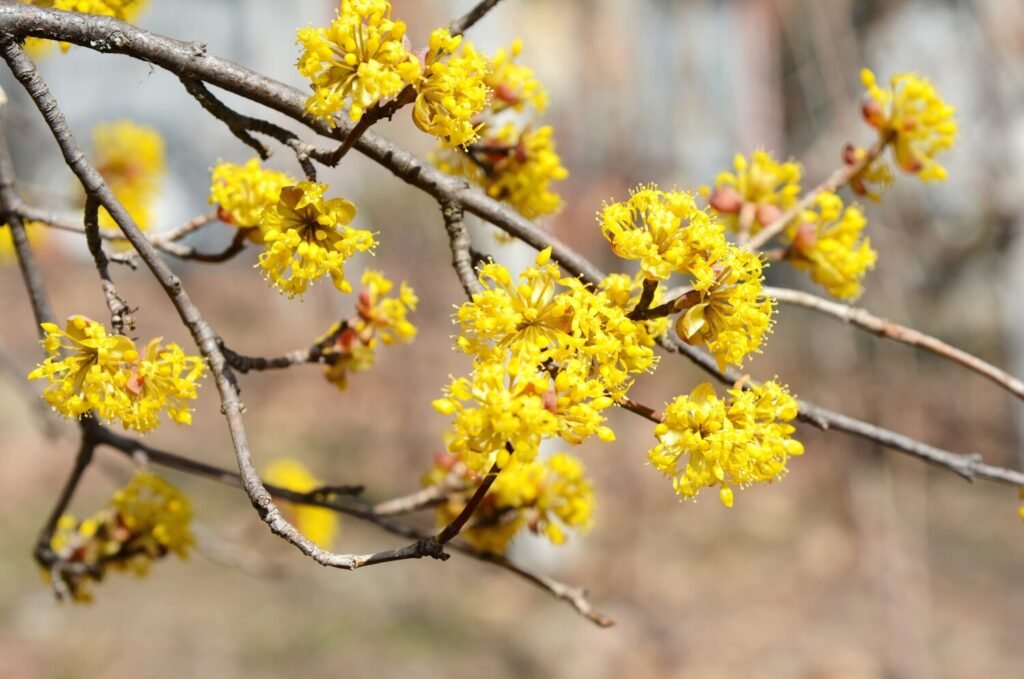
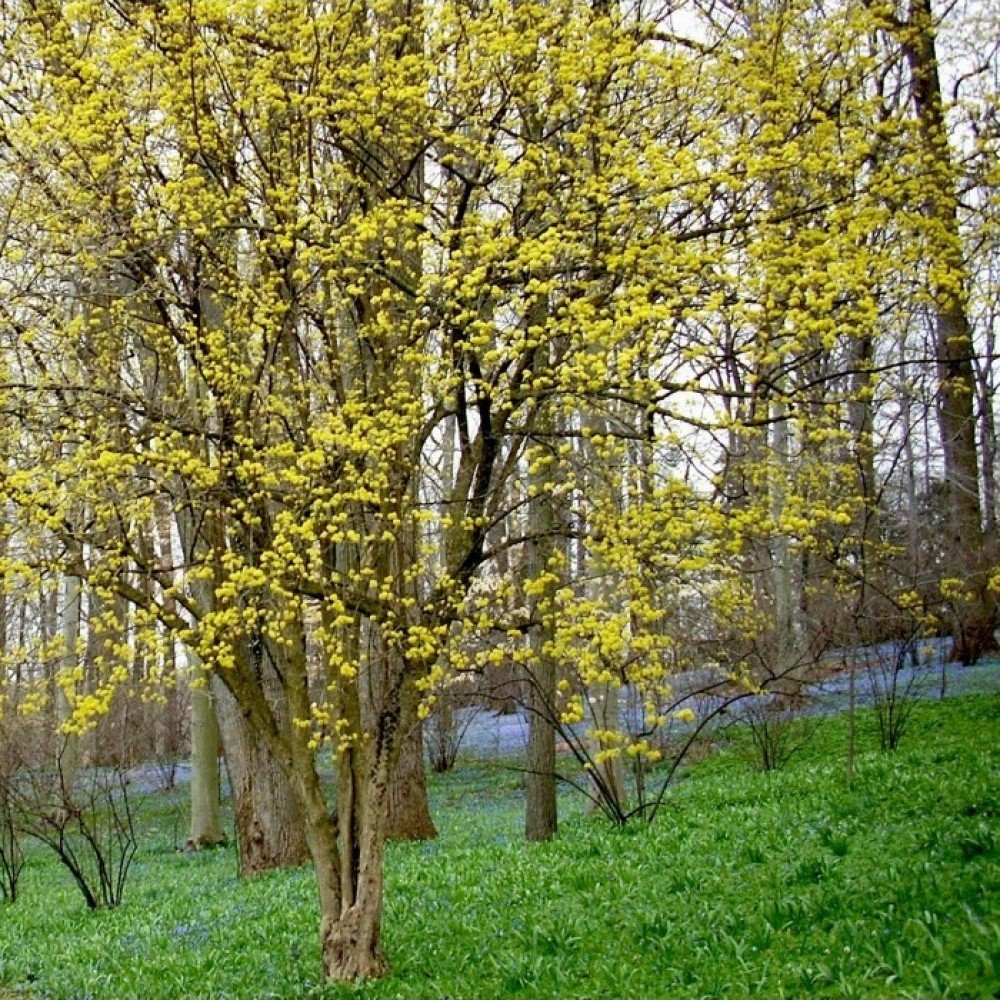
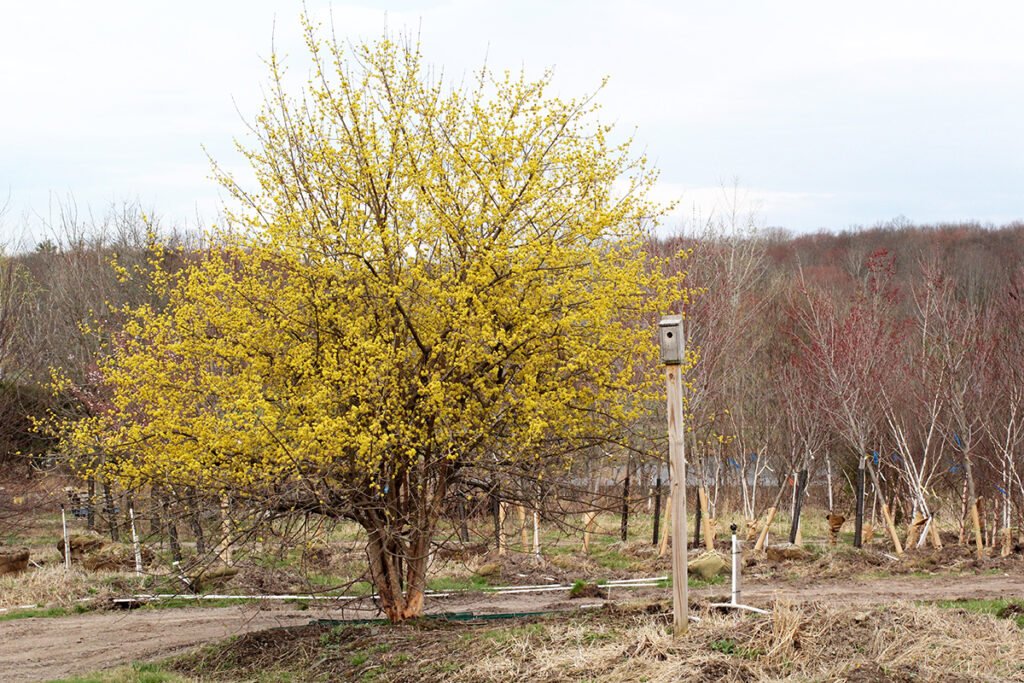
Cornus mas is prized for ornamental yellow blossoms appearing before leaves — providing some of the first spring nectar for pollinators.
Growing Cornelian Cherry: Site, Soil & Climate
Growing Cornus mas is easier than most fruit trees, making it suitable for temperate gardens and food forests.
Climate Requirements
Cornelian cherry tolerates:
- Cold winters
- Late spring frosts
- Summer droughts (once established)
It thrives in regions with cool winters and warm summers.
Light Requirements
Best fruiting occurs in full sun to partial shade. Shade reduces yields but enhances moisture retention in hot climates.
Soil & Drainage
Ideal soil conditions:
- pH: Slightly acidic to neutral (pH 6.0–7.4)
- Texture: Loam or sandy loam
- Fertility: Moderate
- Drainage: Essential, avoid waterlogged sites
It is adaptable to poorer soils, making it suitable for regenerative agriculture setups.
Planting Cornus mas: Step-by-Step
- Site preparation: Remove perennial weeds; loosen soil 12–18 inches deep.
- Spacing: 10–15 feet for orchard settings; 5–7 feet for hedgerows.
- Planting time: Late autumn or early spring.
- Mulching: Apply organic mulch to conserve moisture and suppress weeds.
- Watering: Keep evenly moist during first 1–2 growing seasons.
- Pruning: Minimal; remove crossing branches and dead wood.
Cornelian cherry forms a natural vase shape and rarely requires structural pruning.
Pollination & Fruit Set
Cornelian cherry is partially self-fertile but produces higher yields with cross-pollination. Planting two or more varieties improves fruit set.
Propagation Methods
Cornus mas can be propagated using multiple techniques:
1. Seeds
- Requires cold stratification
- Takes 2–3 years to germinate
- Used for breeding and rootstock
2. Softwood Cuttings
- Taken in early summer
- Rooting hormone improves success
- Typical rooting time: 8–12 weeks
3. Hardwood Cuttings
- Taken in late winter
- Slow but reliable for clonal propagation
4. Grafting
- Used for commercial cultivars
- Enhances fruit reliability and vigor
5. Layering
- Simple and high success rate
- Bend lower branches; bury and stake
- Roots within 1–2 seasons
Popular Varieties of Cornelian Cherry
Several named cultivars offer larger fruit, improved flavor, or ornamental value:
- ‘Elegantny’: Large fruits, early ripening, glossy deep red.
- ‘Pioneer’: Heavy yields and robust growth; good processing variety.
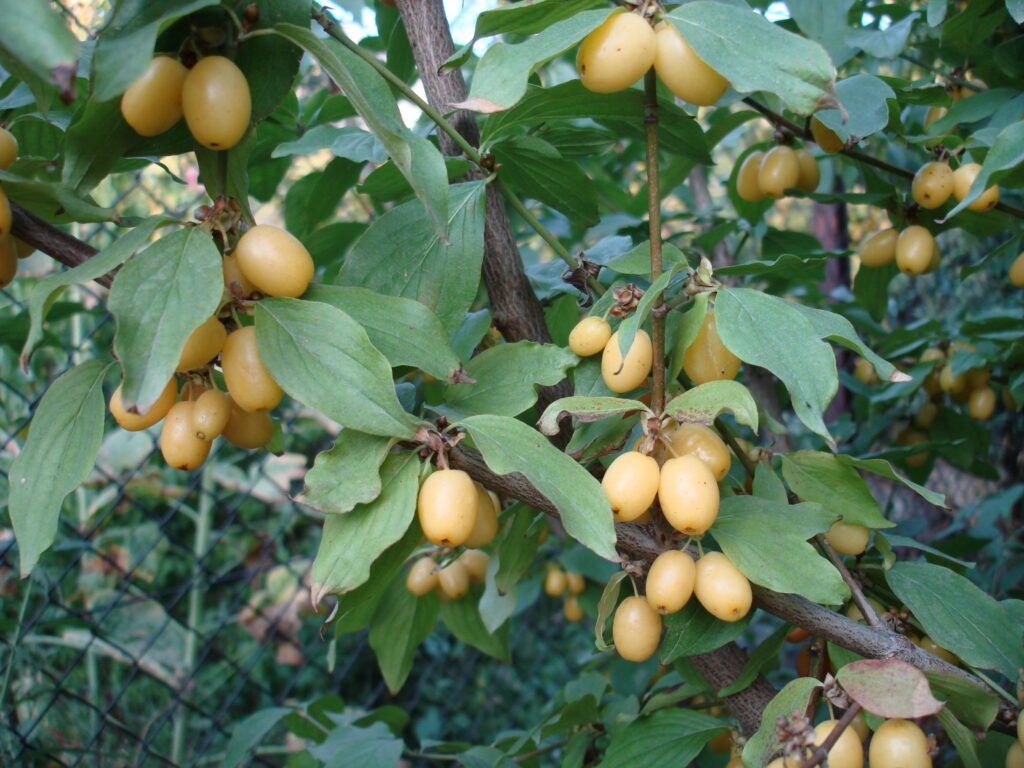
- ‘Yellow’: Unique golden fruit; visually striking and sweet-tart.
- ‘Kostyrenko’: Ukrainian cultivar prized for high sugar content.
- ‘Devin’: European selection with firm flesh and good fresh-eating quality.
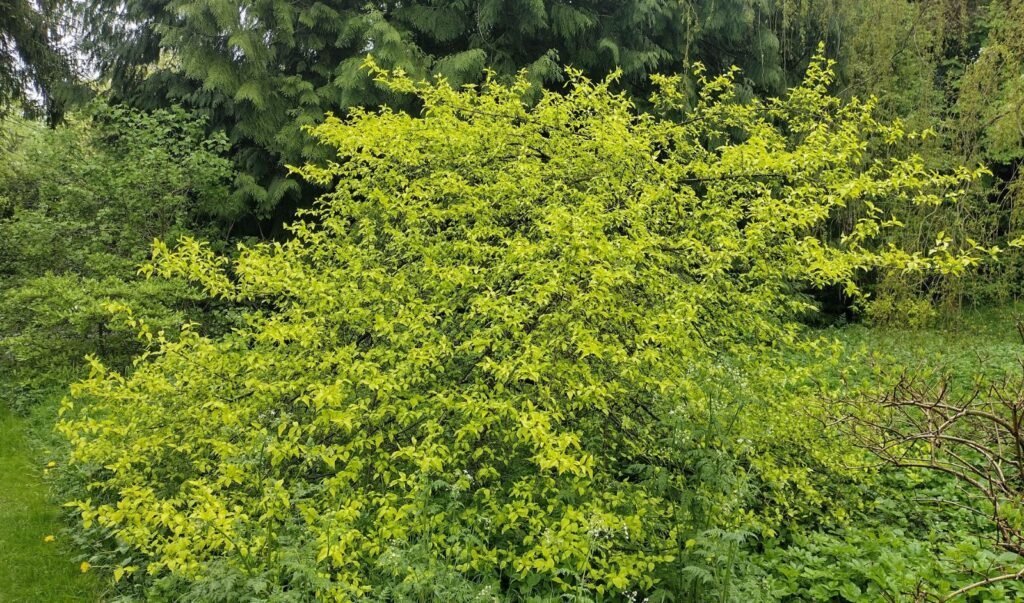
- ‘Variegata’: Variegated foliage, mostly ornamental.
For maximum yields and staggered harvests, plant 2–3 cultivars.
Pests & Diseases
Cornus mas is resistant to many common fruit diseases. Potential issues include:
- Powdery mildew (in humid climates)
- Fruit drop during drought stress
- Bird predation during ripening
Bird netting or distraction techniques can protect ripening crops.
Harvesting Cornelian Cherries
Ripening Window
Typically ripens August–October depending on variety and climate.
Indicators of Ripeness
- Fruit softens noticeably
- Color deepens (or turns golden for yellow cultivars)
- Drops easily from branch
Fully ripe fruits taste much sweeter and less astringent.
Harvest Techniques
- Hand-picking for fresh eating
- Sheet-shaking for processing
- Cold storage up to 2–3 weeks
Culinary & Food Uses of Cornelian Cherry
Cornelian cherries shine in both fresh and processed forms. Their natural acidity and pectin profile make them excellent for preserves and syrups.
Fresh Eating
When allowed to fully soften, fresh fruits taste similar to:
- sour cherry
- cranberry
- plum
Traditional & Modern Uses
Preserves
- jams
- jellies
- marmalades
- fruit leathers
Condiments
- sauces for meat (especially game)
- chutneys
- relishes
Beverages
- fermented wines
- liqueurs
- syrups
- fruit juice
- infused vinegar
Baked Goods
- pies
- pastries
- tarts
Dried Fruit
Can replace:
- barberries
- sour cranberries
- currants
In traditional herbalism, Cornelian cherry was used for digestive tonics and immune support.
Nutritional & Functional Benefits
Cornelian cherries are naturally rich in:
- Vitamin C
- Anthocyanins
- Antioxidants
- Organic acids
- Pectin
These compounds support:
- immune function
- digestion
- metabolic health
- antioxidant defense
Garden & Landscape Value
Beyond fruit production, Cornus mas is valuable for:
- privacy hedges
- windbreaks
- erosion control
- early pollinator forage
- low-input orchards
- permaculture food forests
Its tolerance of pruning makes it suitable for espalier and formal hedging.
Why Grow Cornelian Cherry?
Cornus mas is an excellent choice for gardeners seeking:
✔ low-maintenance fruit
✔ unique heritage crops
✔ climate resilience
✔ ornamental + edible value
✔ biodiversity support
The plant fits well into regenerative and ecological gardening models.
Conclusion
Cornelian cherry is an underappreciated multi-purpose fruit tree with ornamental elegance, nutrient-rich fruit, and exceptional adaptability. Whether grown for fresh eating, processing, wildlife value, or landscape design, Cornus mas earns its place in the modern garden and small orchard.

&media=https://food-foresting.com/wp-content/uploads/2026/01/How-to-Grow-Cornelian-Cherry-Feature.jpg)