
 paulius.mikoliunas1
| Common Name | Japanese Dogwood, Kousa dogwood, Chinese Dogwood, |
| Family | Cornaceae |
| USDA hardiness | 5-8 |
| Known Hazards | None known |
| Habitats | Woods and scrub in the mountains of Sichuan. Valleys, shaded slopes, by streams and roadsides, in mixed, sparse, and dense woods at elevations of 400 – 2200 metres. |
| Range | E. Asia – China, Japan, Korea. |
| Edibility Rating |  (5 of 5) (5 of 5) |
| Other Uses |   (2 of 5) (2 of 5) |
| Weed Potential | No |
| Medicinal Rating |  (0 of 5) (0 of 5) |
| Care (info) |     |



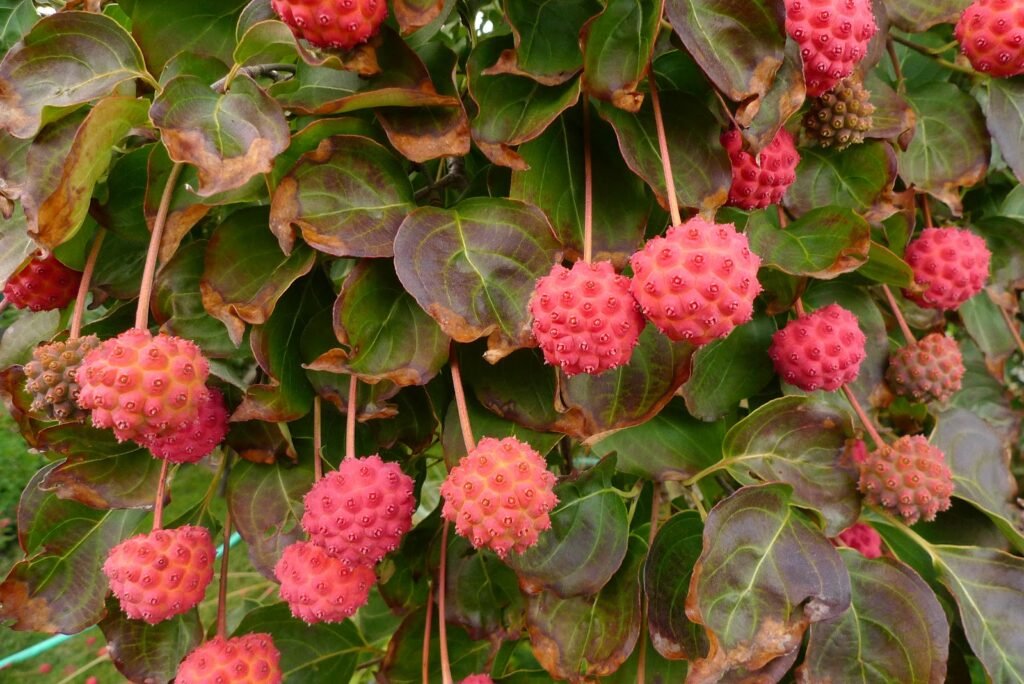
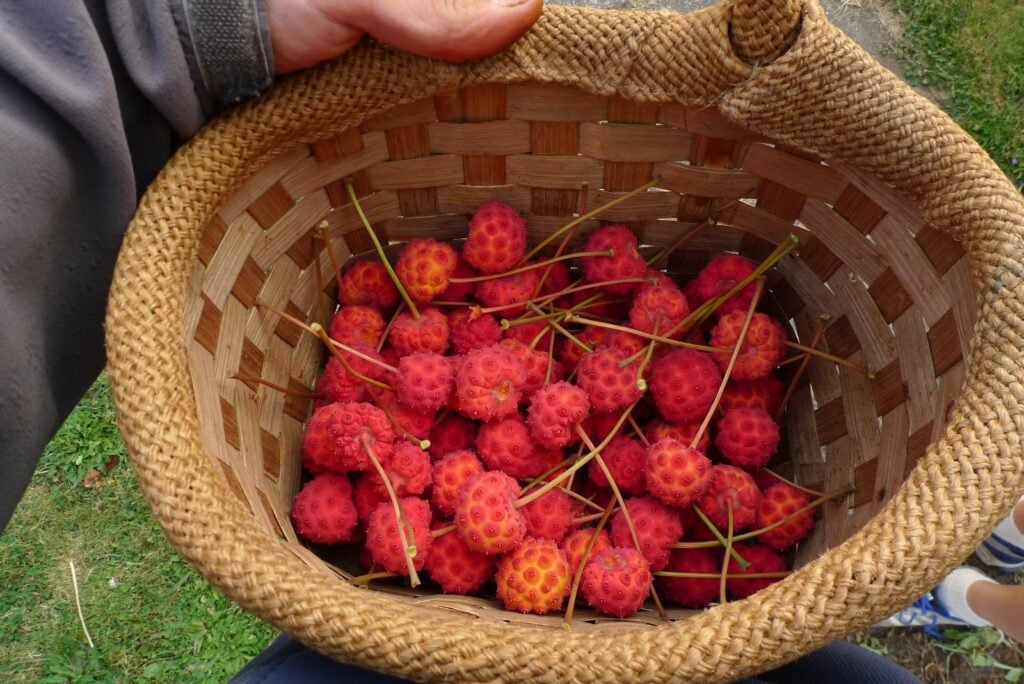
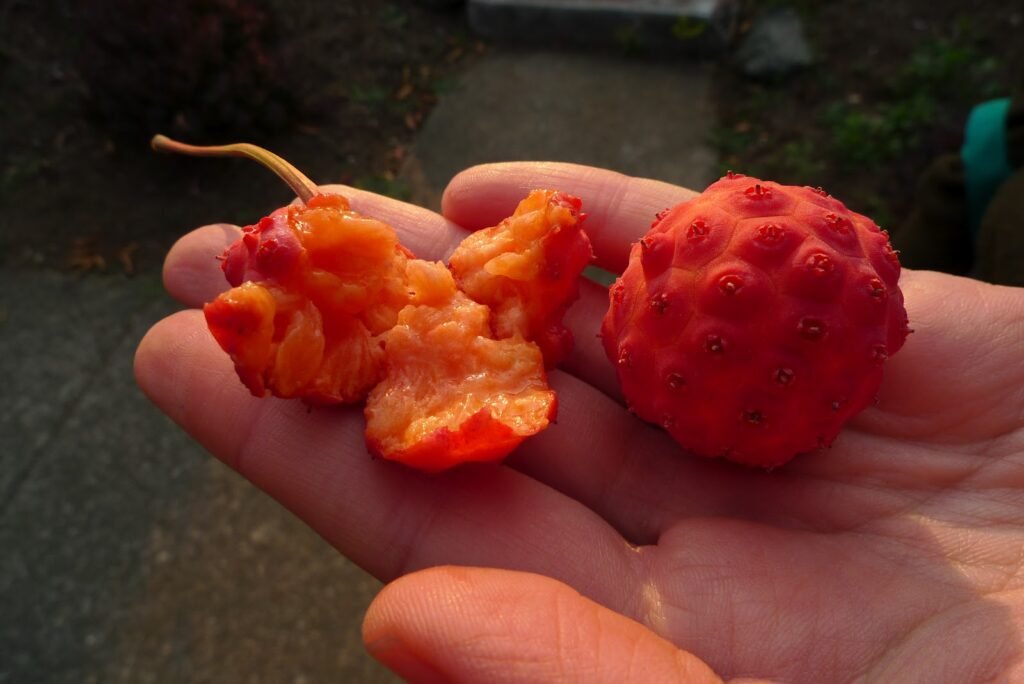
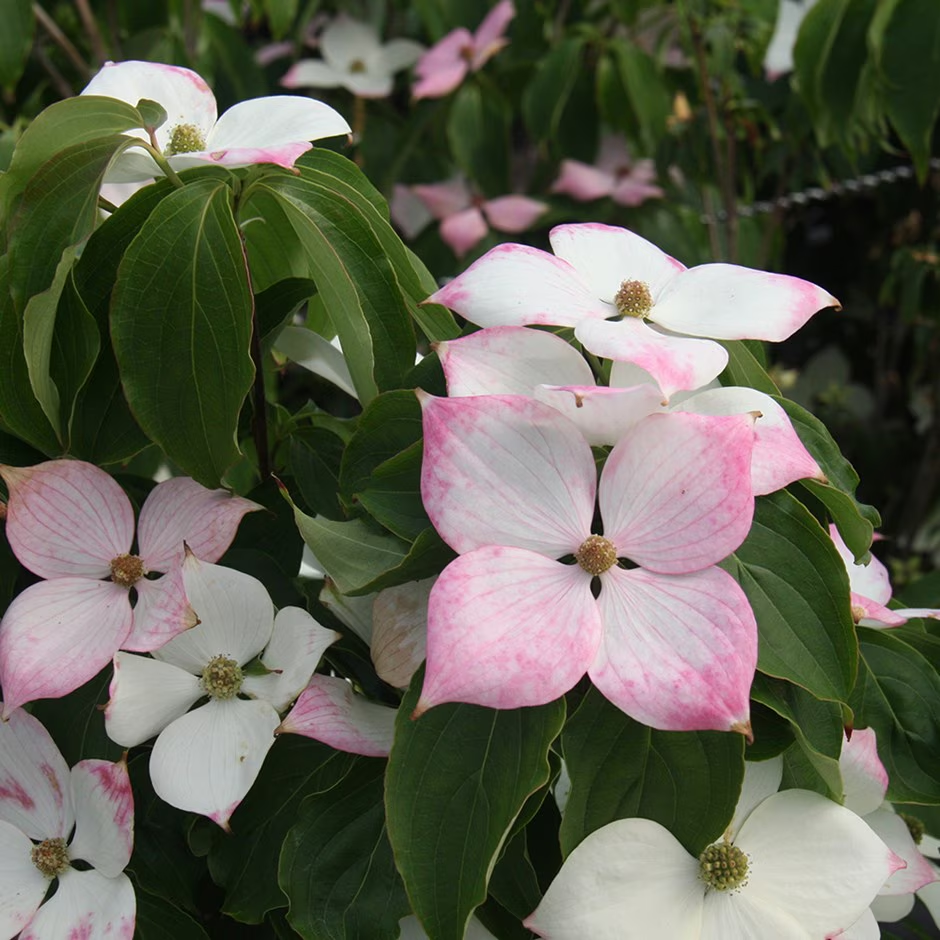
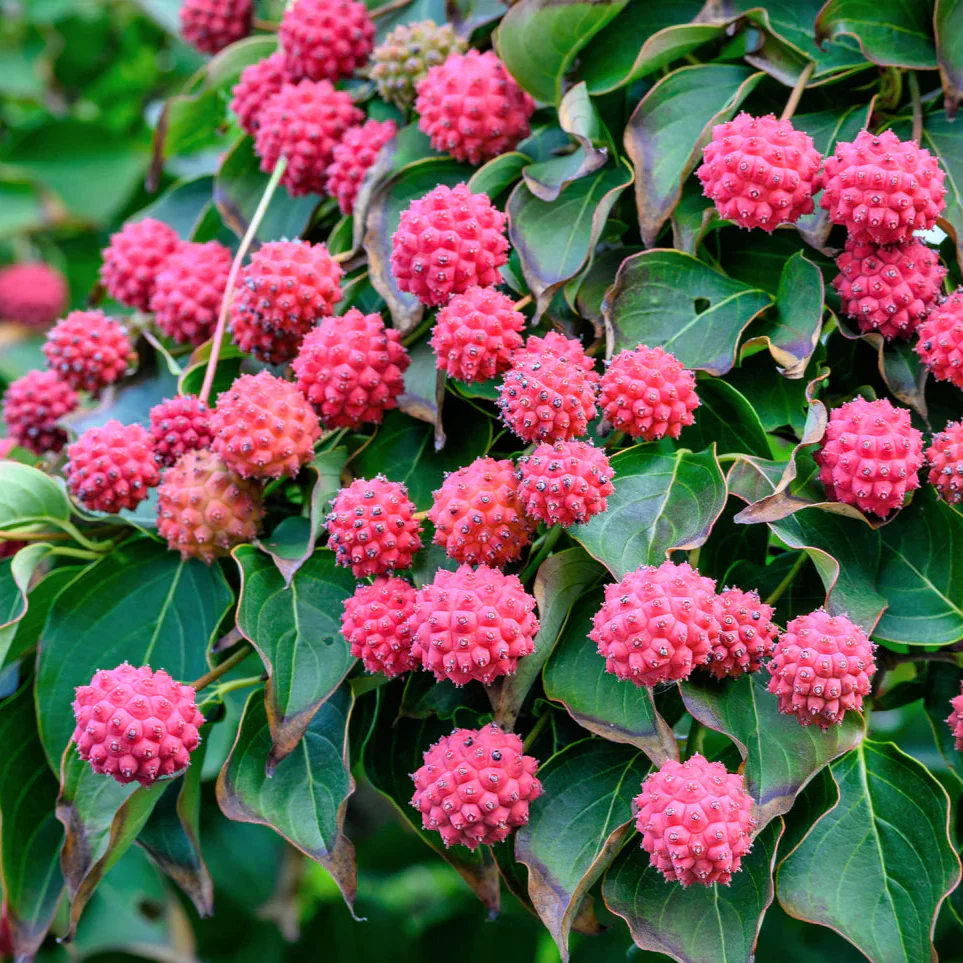
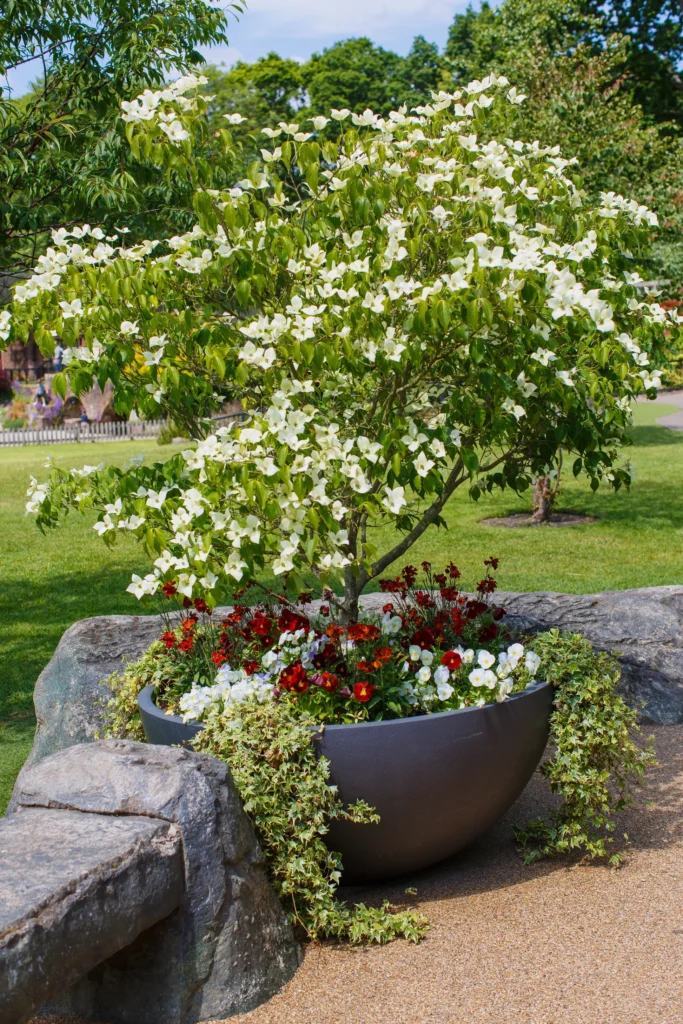
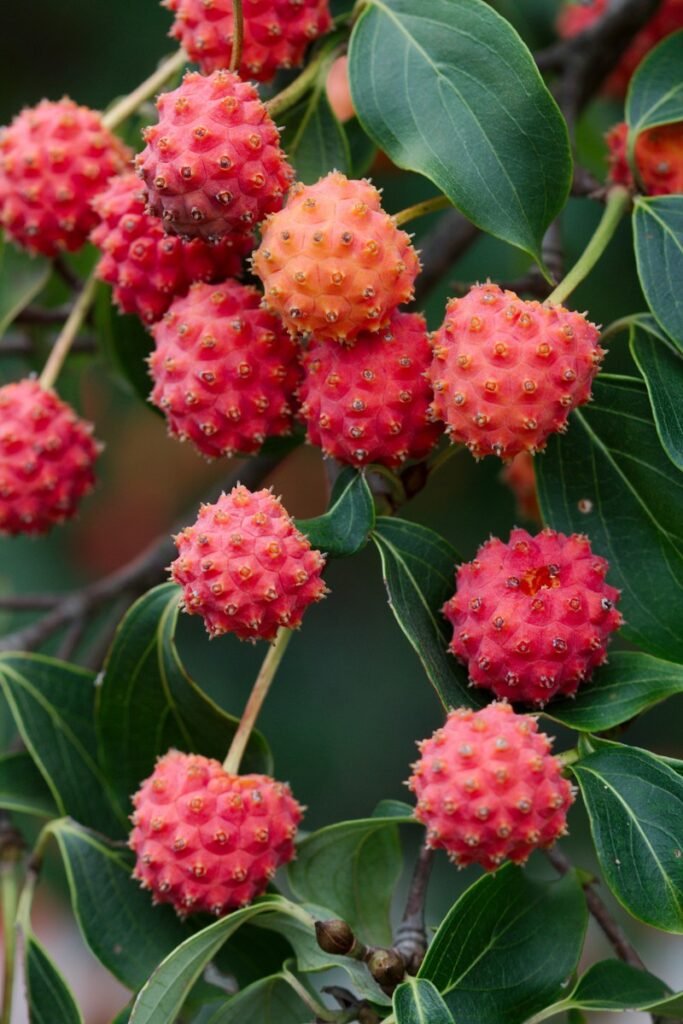
How to Grow, Propagate, Harvest & Enjoy Japanese Dogwood (Cornus kousa): A Complete Guide
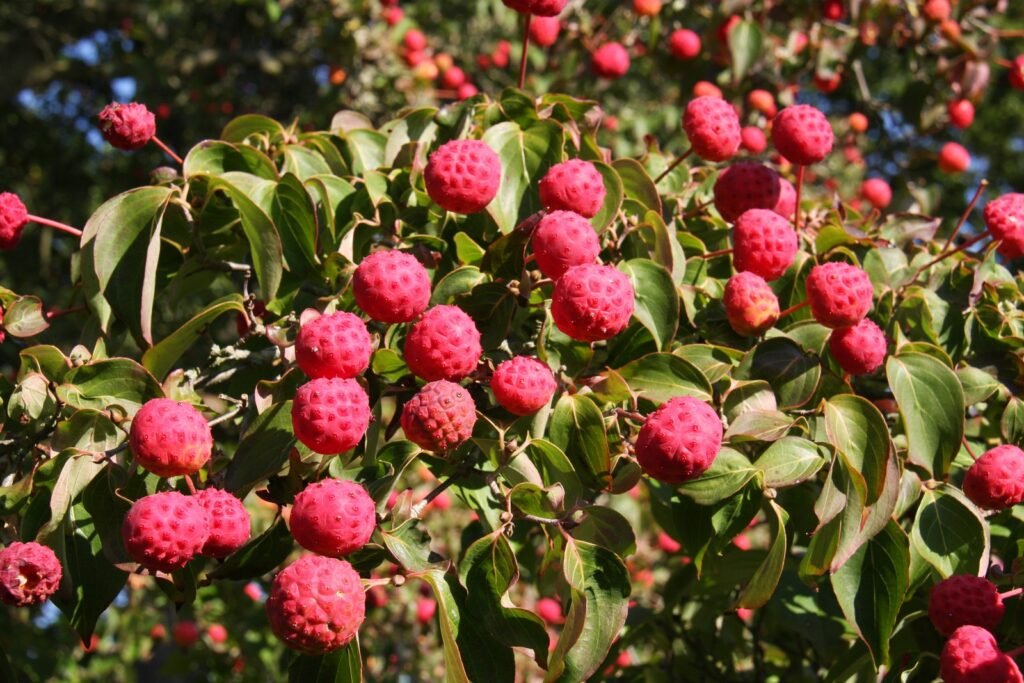
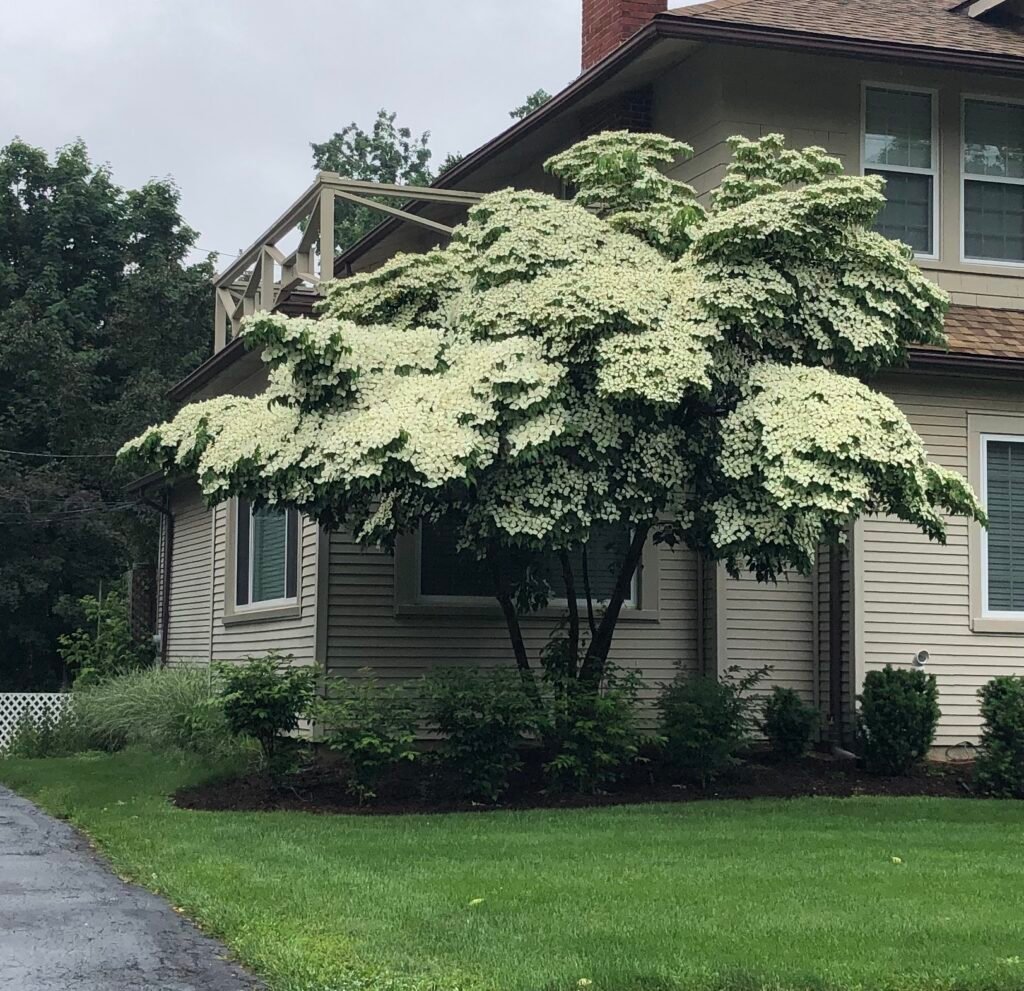
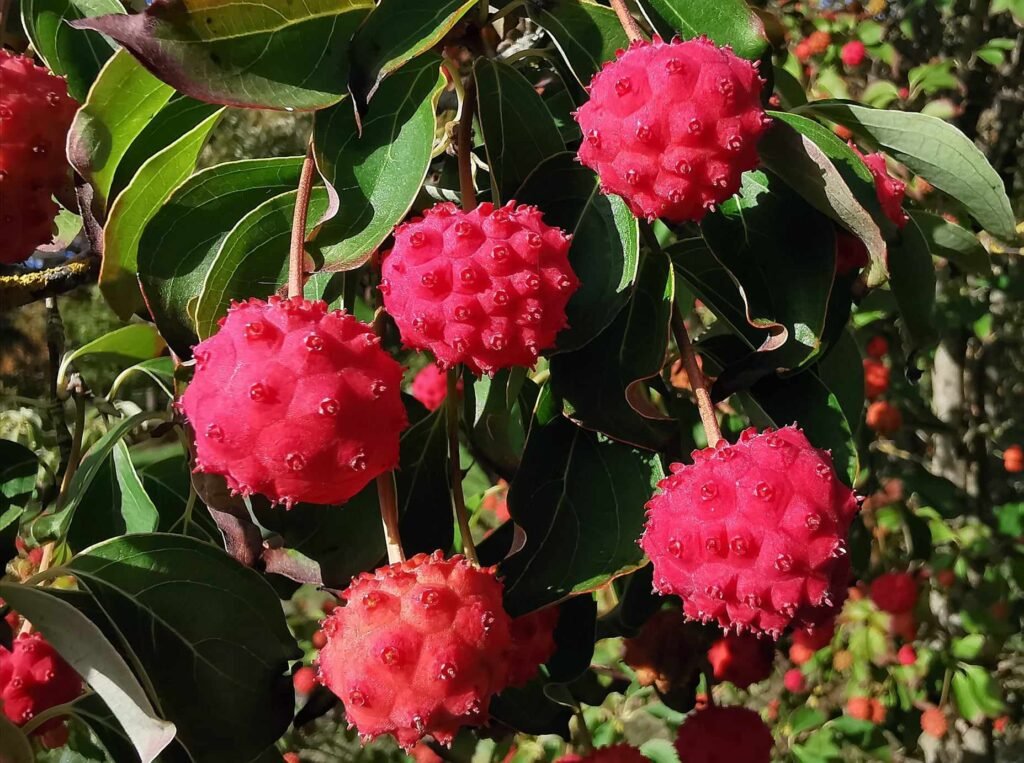
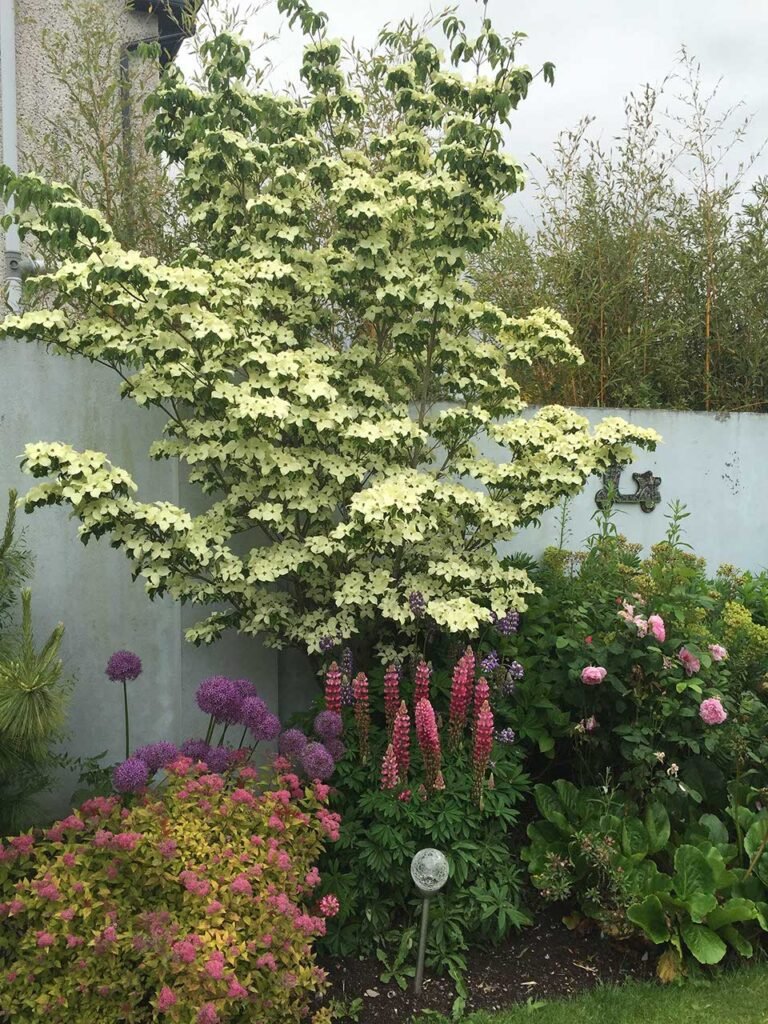
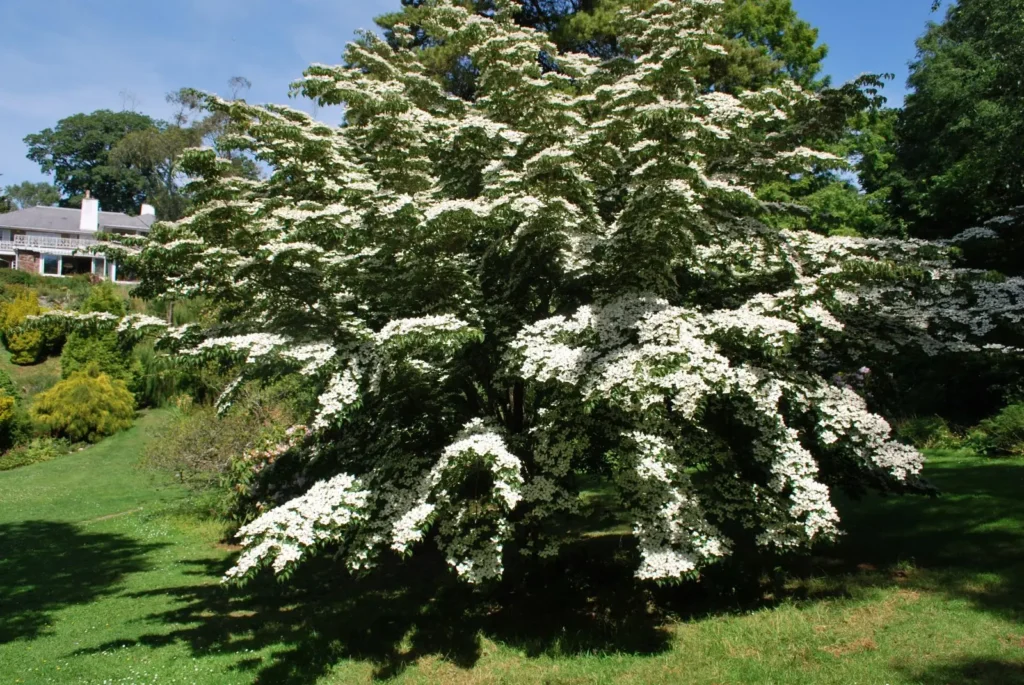
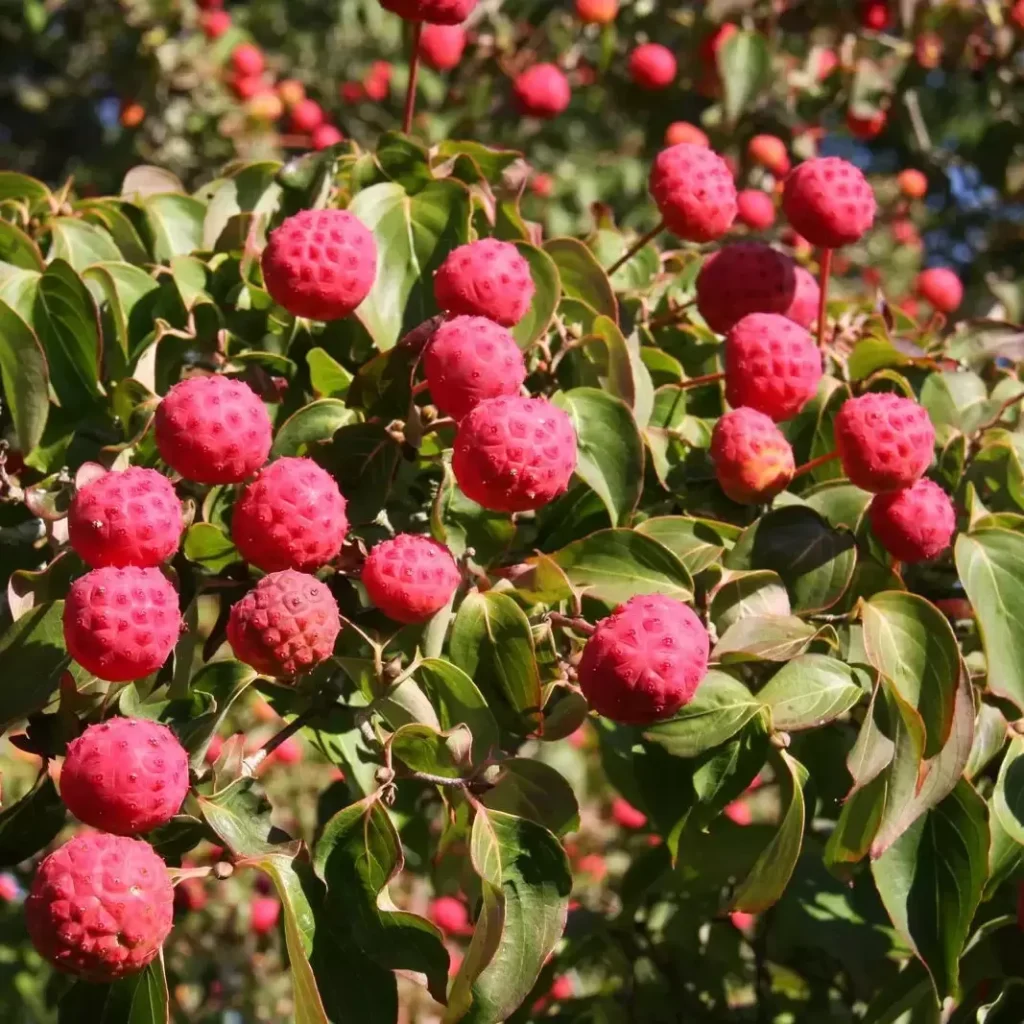
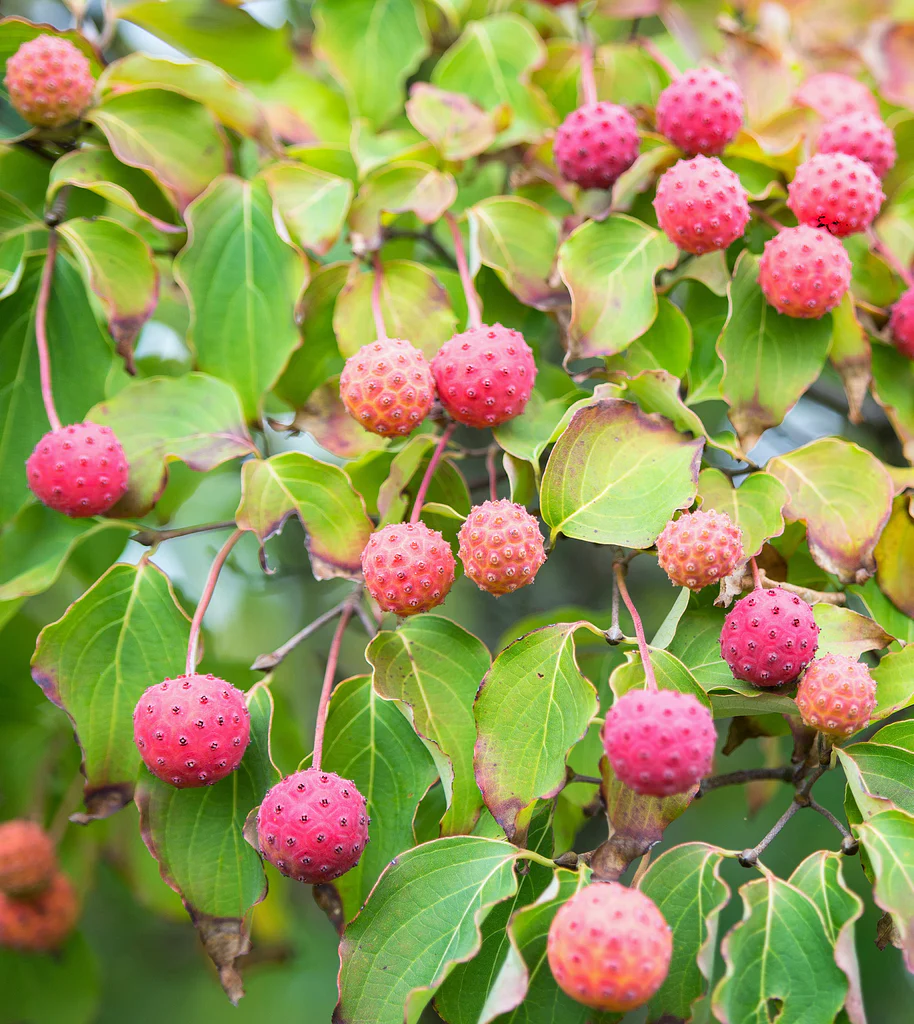
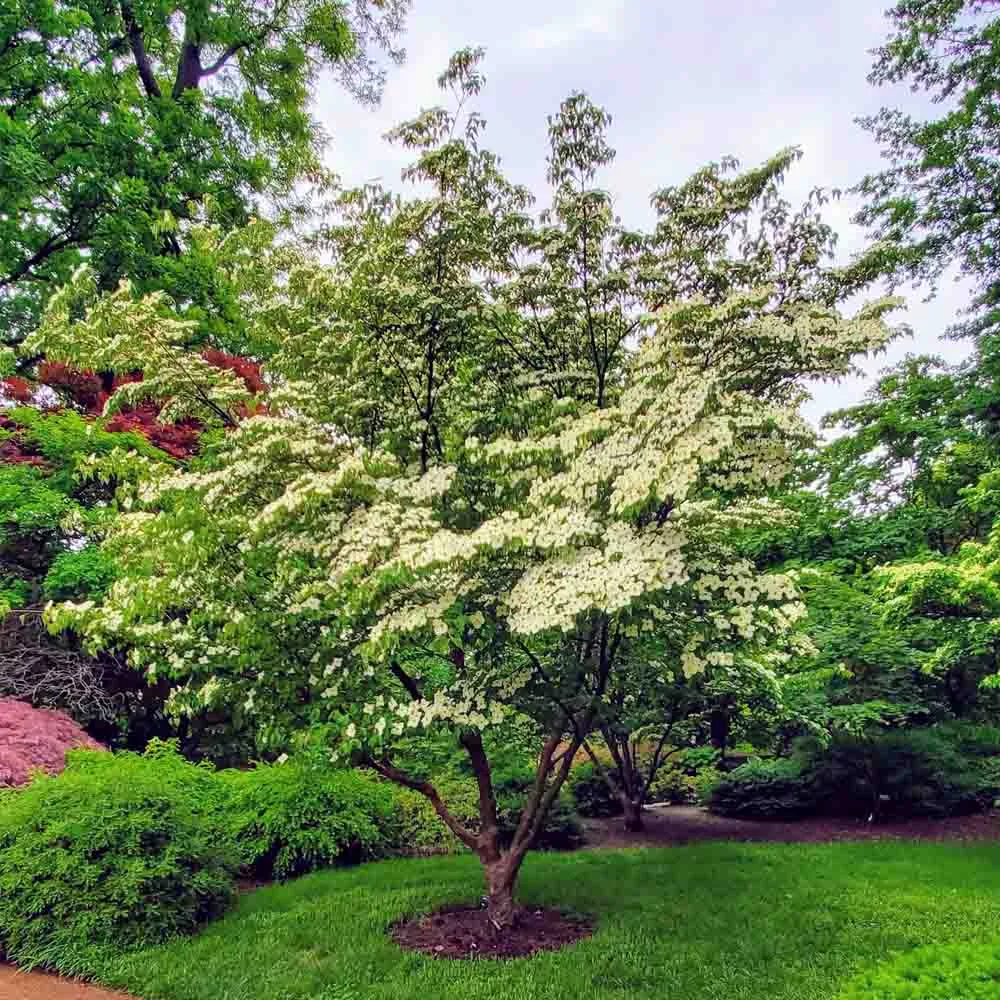
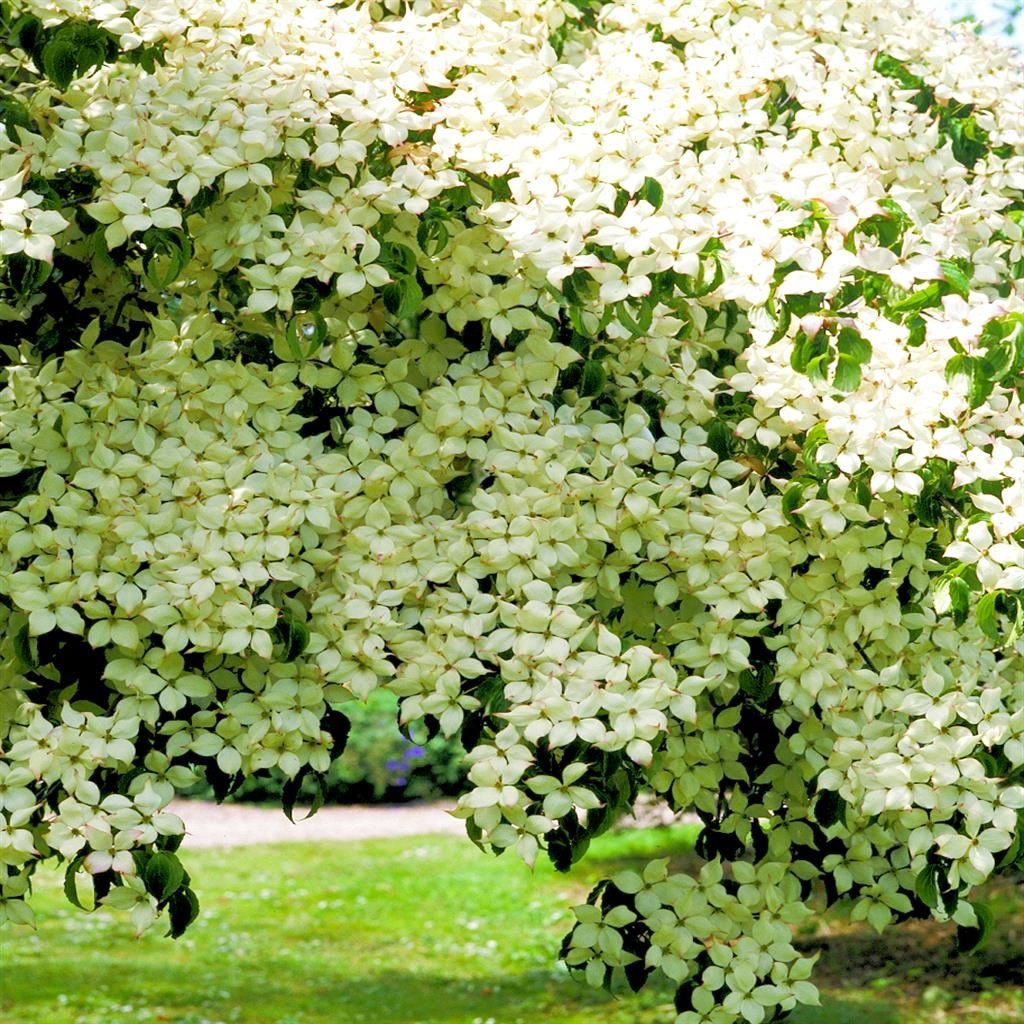
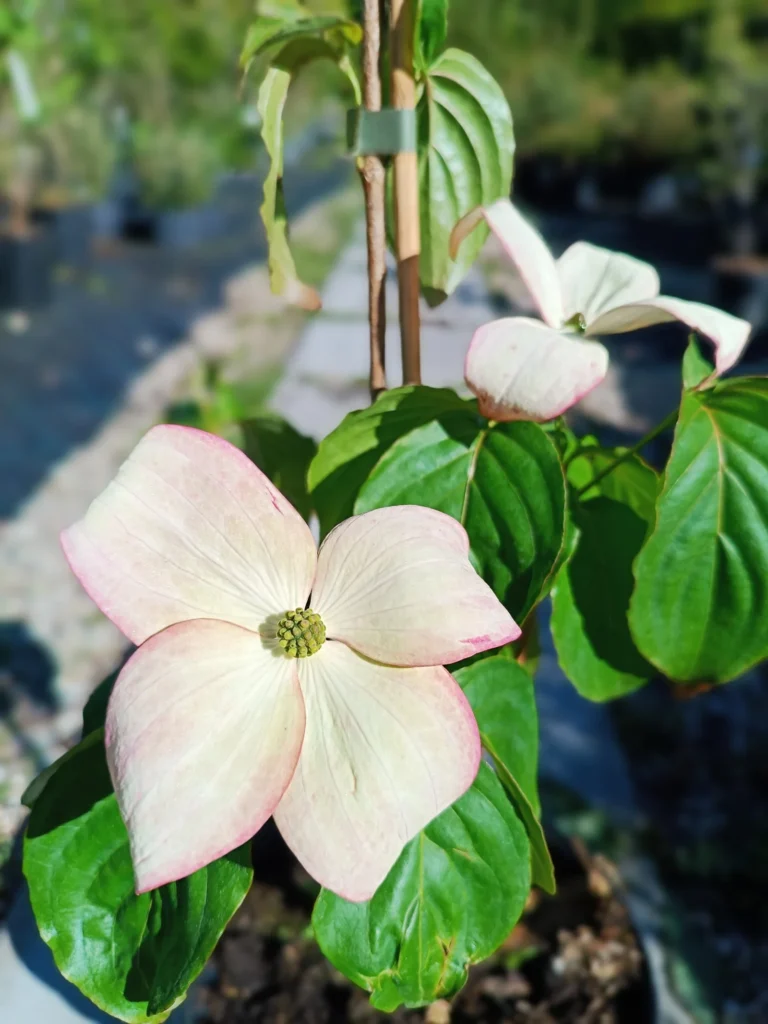
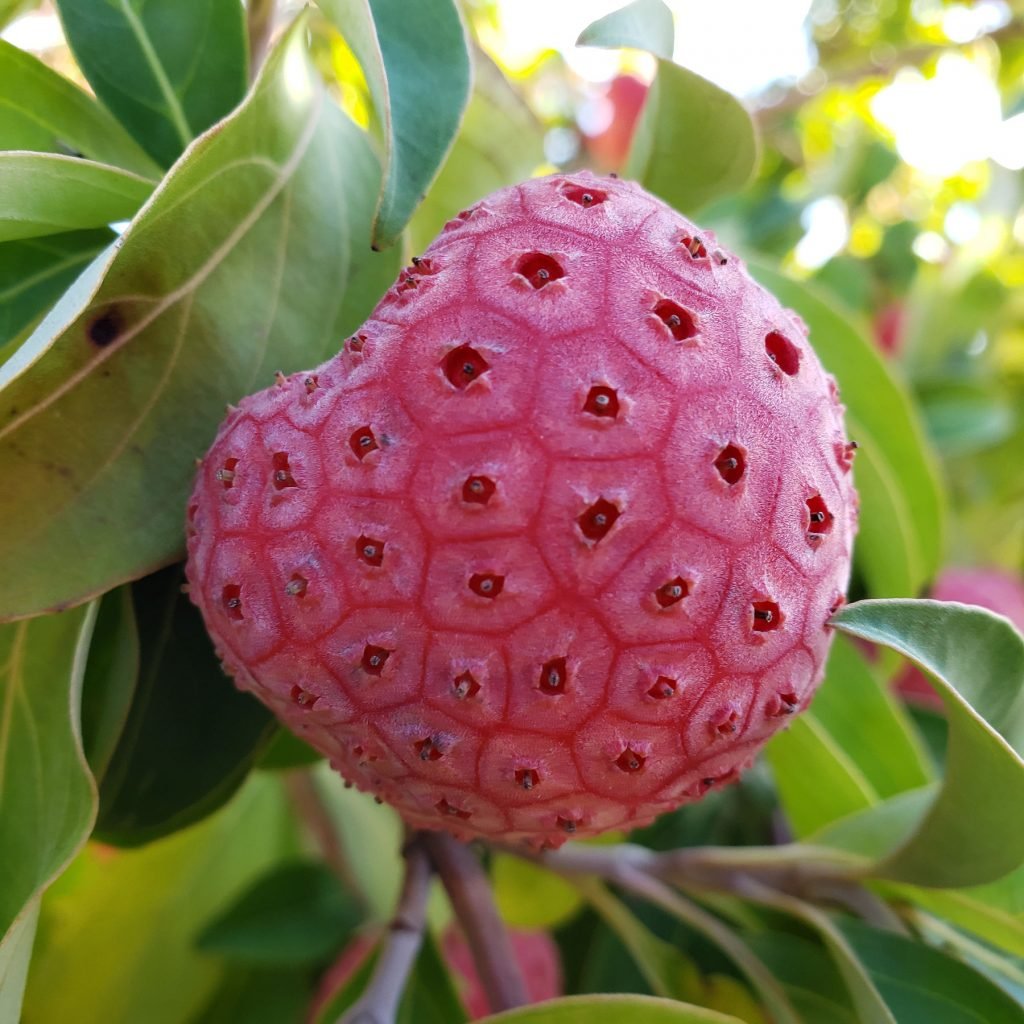
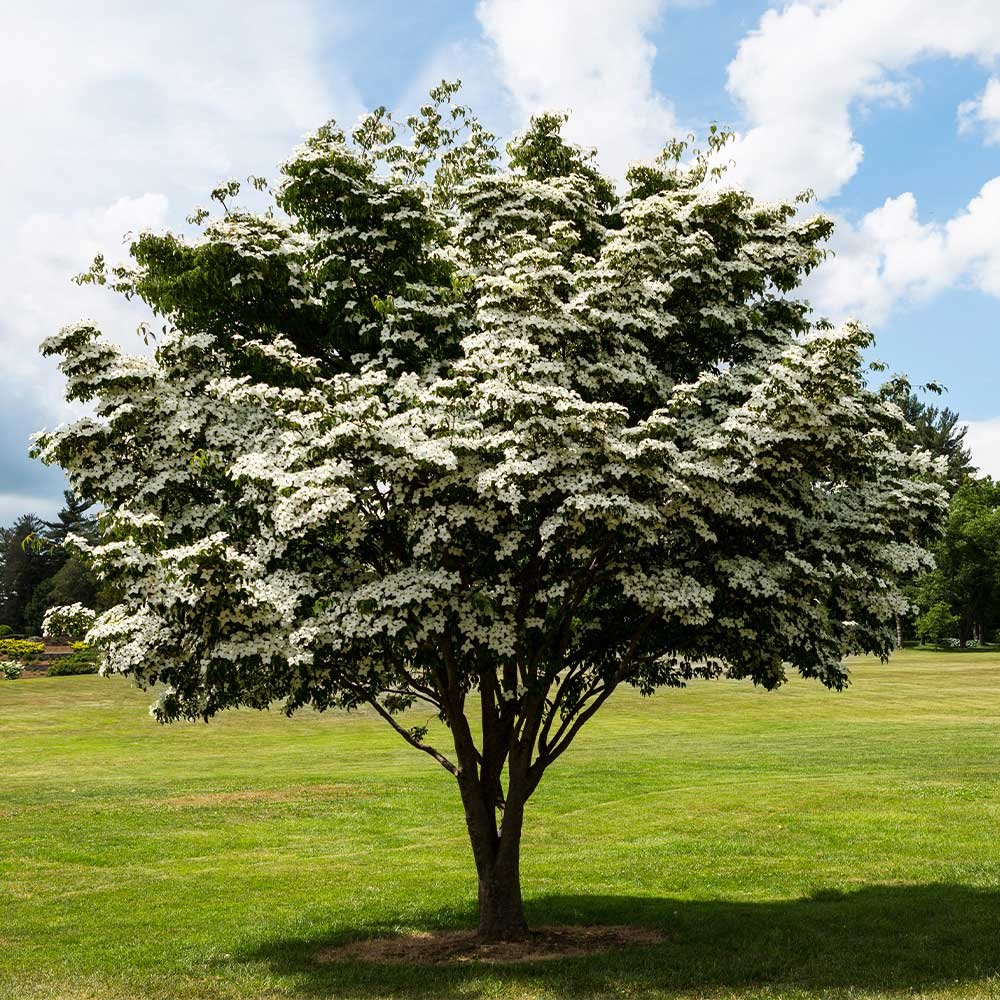
Japanese Dogwood (Cornus kousa), also known as Kousa Dogwood or Korean Dogwood, is a standout ornamental tree prized for its layered branching, elegant bracts, and edible strawberry-like fruits. Beyond aesthetics, this species offers unexpected culinary potential, habitat value for wildlife, and adaptability for home gardens. Whether you’re a hobby gardener or simply curious about edible ornamentals, Cornus kousa is a plant worth knowing deeply.
What Makes Japanese Dogwood Unique?
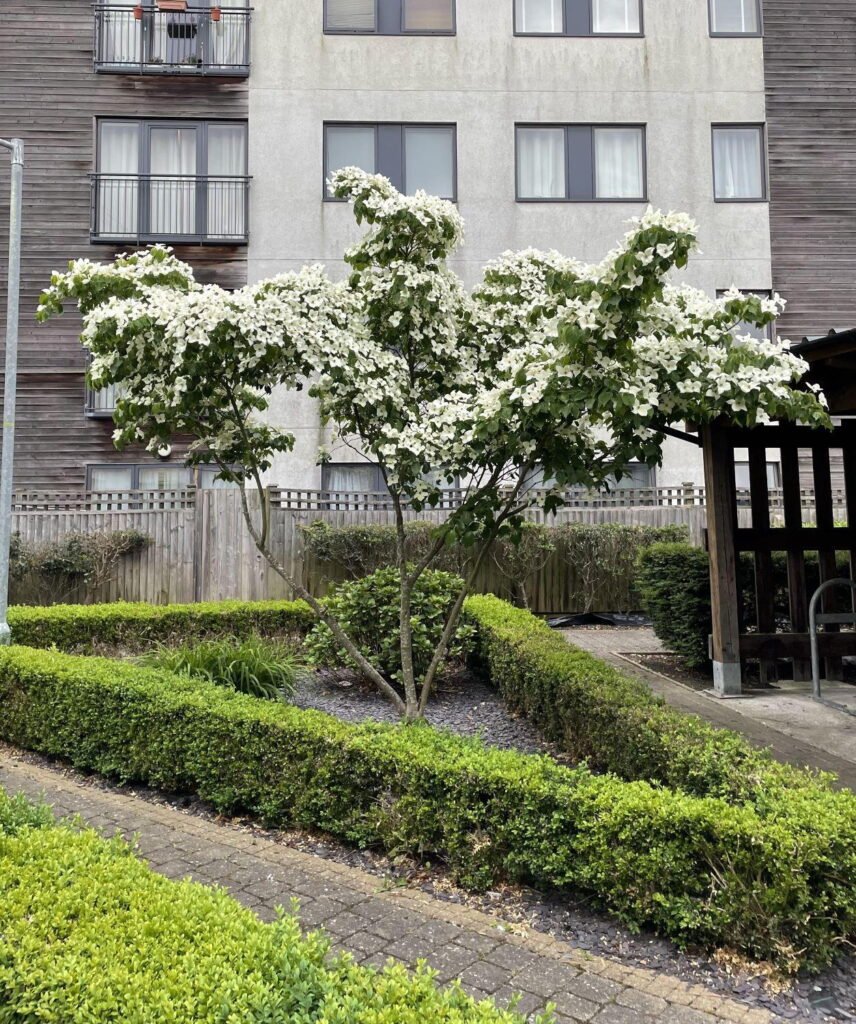
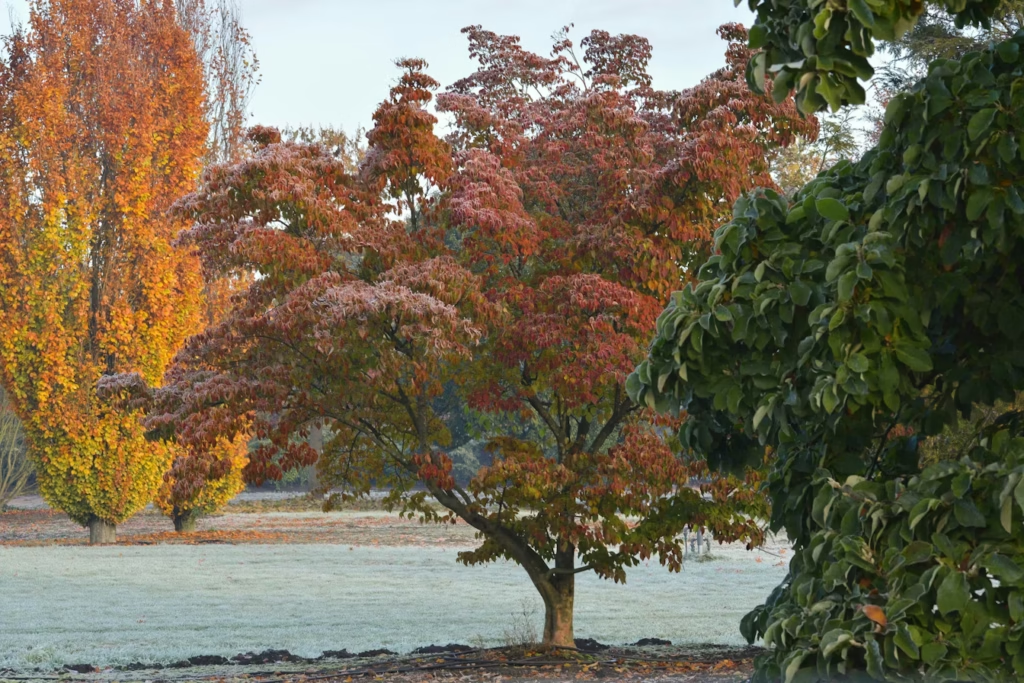
Unlike the American dogwood (Cornus florida), Japanese Dogwood blooms later in spring to early summer, after leaf flush, resulting in showier petals and better frost avoidance. Its tiered structure, exfoliating bark, and autumn color create year-round interest. Bonus: its fruits are edible — a rare trait among ornamental dogwoods.
From a gardening perspective, Cornus kousa brings:
- High ornamental value
- Resistance to anthracnose disease
- Better cold tolerance for temperate climates
- Edible fruits enjoyed by people and wildlife
Growing Japanese Dogwood: Conditions for Success
Climate & Hardiness
- USDA Zones: 5–8
- Prefers four seasons with cool winters
- Handles warmer summers better than C. florida
Sunlight Requirements
- Full sun to light shade
- Best flowering occurs with 4–6 hours of direct sun
Soil Preferences
- Moist, well-drained loam
- Slightly acidic to neutral pH (approx. 5.5–7.0)
- Avoid heavy clay without amending for drainage
Watering & Irrigation
- Moderate water requirement
- Young trees benefit from consistent moisture
- Mature trees become drought-tolerant if well-rooted
Mulching
Mulch helps:
- Retain moisture
- Cool soil
- Reduce fungal splash
Use shredded bark, leaves, or aged wood chips; avoid piling mulch against the trunk.
Propagation Methods for Cornus kousa
There are several viable propagation techniques depending on time, patience, and desired success rates.
1. Seed Propagation
- Seeds must undergo cold stratification (60–120 days)
- Germination is slow and variable
- Maintains genetic diversity but rarely preserves cultivar traits
2. Softwood Cuttings
- Taken early summer when stems are flexible
- Dip in rooting hormone for improved success
- Place in high-humidity propagation chamber or mist system
3. Hardwood Cuttings
- Taken late autumn through winter
- Slower rooting than softwood but less fragile
4. Grafting (for Named Cultivars)
- Used commercially to preserve ornamental traits
- Ensures reliable bract color, fruit load, and growth habit
5. Layering
- Air-layering yields high success rates
- Suitable for hobby gardeners and small cultivars
Notable Varieties & Cultivars
Japanese Dogwood boasts an expanding list of named cultivars. Popular options include:
‘Milky Way’
- Heavy fruiting
- Creamy white bracts
‘Satomi’
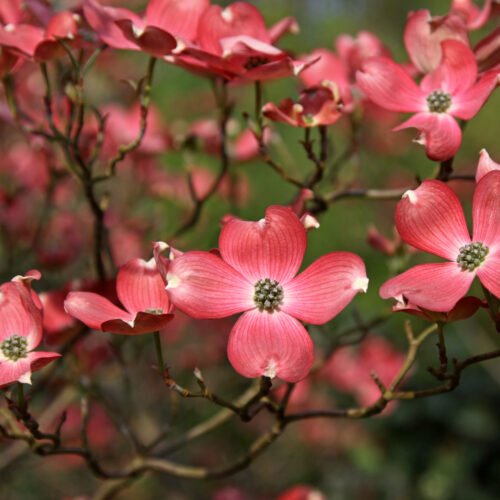
- Pink to rose-colored bracts
- Compact habit
‘Venus’ (hybrid)
- Oversized white bracts
- Vigorous and disease-resistant
‘Wolf Eyes’
- Variegated foliage
- Slightly shrubby form
‘National’
- Dense branching
- Excellent flowering performance
Each brings variations in size, bract color, leaf variegation, and fruit quantity — useful for both landscaping and edible interests.
Harvesting Cornus kousa Fruit
When to Harvest
- Late summer to early fall (varies by region)
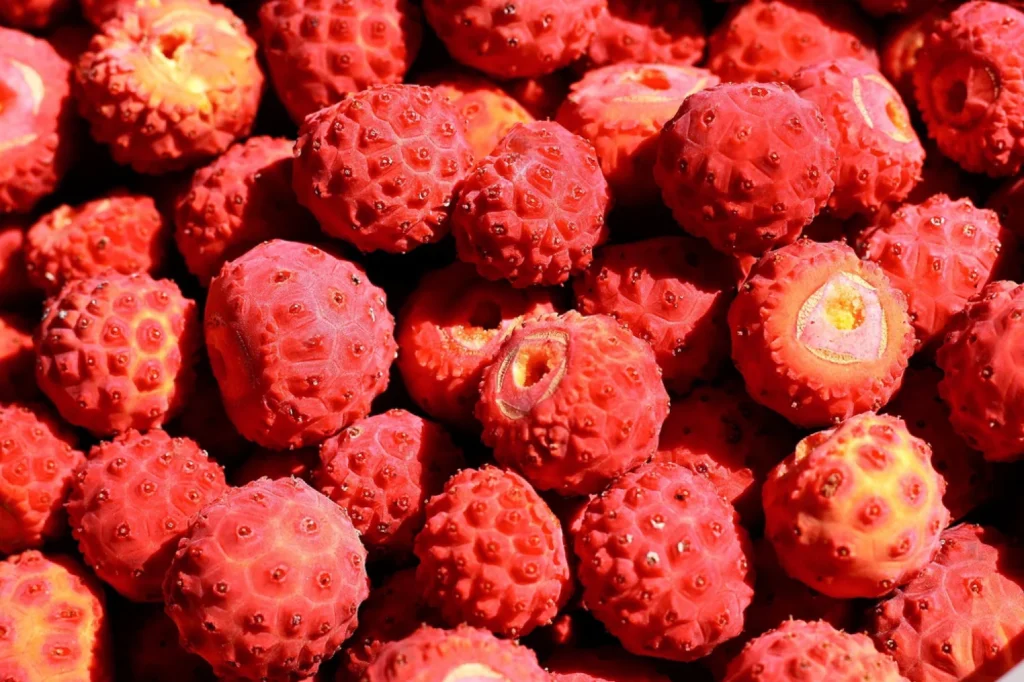
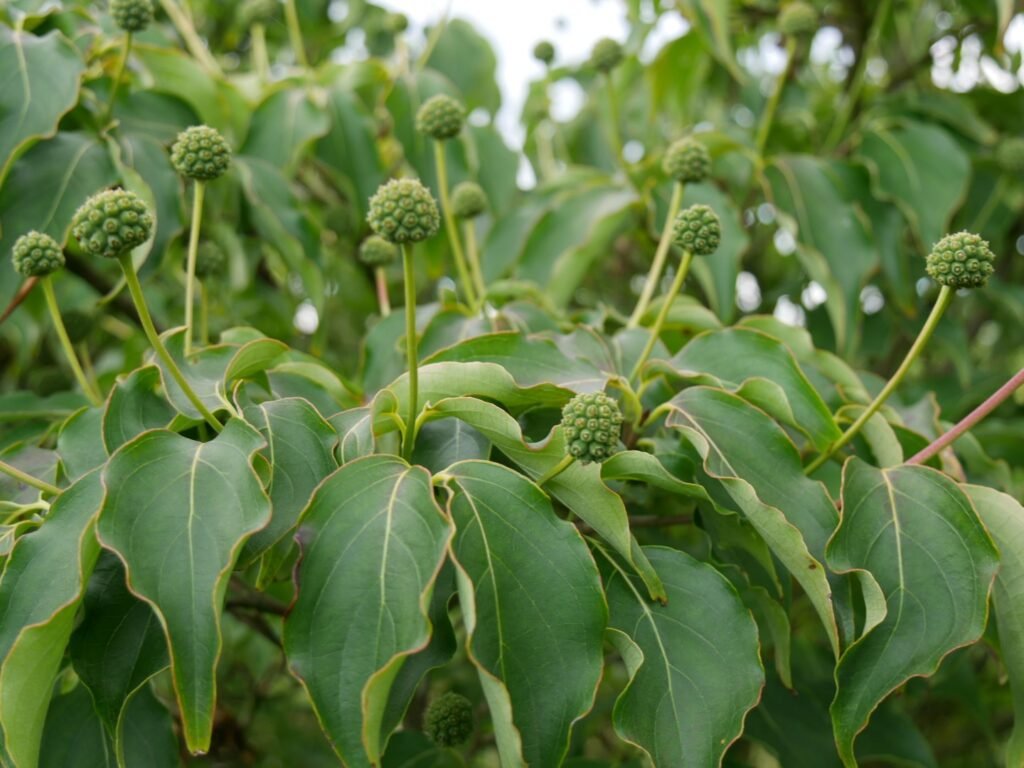
- Fruits ripen from firm green to soft pinkish-red
- Best eaten when slightly soft, similar to a ripe persimmon
How to Harvest
- Gently twist and pull ripe fruits
- Fallen fruits are often ideal ripeness
- Unripe fruit is astringent and chalky
Storage Tips
- Fresh fruit keeps 2–5 days at cool room temperature
- Refrigeration slows overripening
- Pulp freezes well for processing
Flavor Profile & Culinary Uses
The fruit resembles a lychee mixed with mango and melon. Texture contains a soft custardy pulp surrounding small seeds.
Culinary Uses Include:
✔ Fresh snacking
✔ Smoothies and fruit purees
✔ Sorbets and gelato
✔ Wine or liqueur production
✔ Fruit sauces for poultry
✔ Jams, jellies, and preserves
Food Pairings
Pairs well with:
- citrus
- vanilla
- honey
- yogurt
- tropical fruit
- mild cheeses
Medicinal & Cultural Uses
Historically, Japanese Dogwood fruit has been used in some East Asian herbal traditions, primarily for its:
- mild antioxidant constituents
- vitamin content
- anti-inflammatory potential (traditional use)
Bark and wood have ornamental craft uses, while the tree provides habitat for birds and pollinators.
Landscaping & Garden Design Benefits
When planted as a specimen or in layered borders, Cornus kousa provides:
- Multi-season interest
- Pollinator support
- Edible yield
- Textural contrast
- Disease resistance compared to American dogwood
Combining with Japanese maples, hydrangeas, or evergreen backdrops enhances its tiered silhouette.
Common Challenges & Solutions
| Issue | Cause | Recommendation |
|---|---|---|
| Poor flowering | Shade or heavy nitrogen | Increase sun, reduce fertilizer |
| Leaf scorch | Drought stress | Mulch + consistent watering |
| Weak fruiting | Immature trees (<5 yrs) | Patience — fruiting increases with maturity |
| Anthracnose | Humidity/poor airflow | Japanese Dogwood rarely affected vs. C. florida |
Final Thoughts: Why Grow Cornus kousa?
Japanese Dogwood is a rare trifecta: ornamental beauty, ecological value, and edible potential. For sustainable gardeners, edible landscapers, permaculture enthusiasts, and homeowners seeking low-maintenance aesthetics, Cornus kousa stands out as a stellar choice.


&media=https://food-foresting.com/wp-content/uploads/2026/01/Japanese-Dogwood.jpg)