
 paulius.mikoliunas1
How to Grow, Propagate, Harvest, and Use Shiitake Mushrooms (Lentinula edodes)
Shiitake mushrooms (Lentinula edodes) are among the most popular and valuable edible mushrooms in the world. Known for their rich umami flavor, meaty texture, and impressive health benefits, shiitakes have been cultivated for centuries, especially in East Asia. Today, they are widely grown by home gardeners, small farmers, and commercial producers alike.
This comprehensive guide explores how to grow shiitake mushrooms, propagation methods, major varieties, harvesting techniques, culinary uses, and food options, giving you everything you need to understand and cultivate this remarkable fungus successfully.
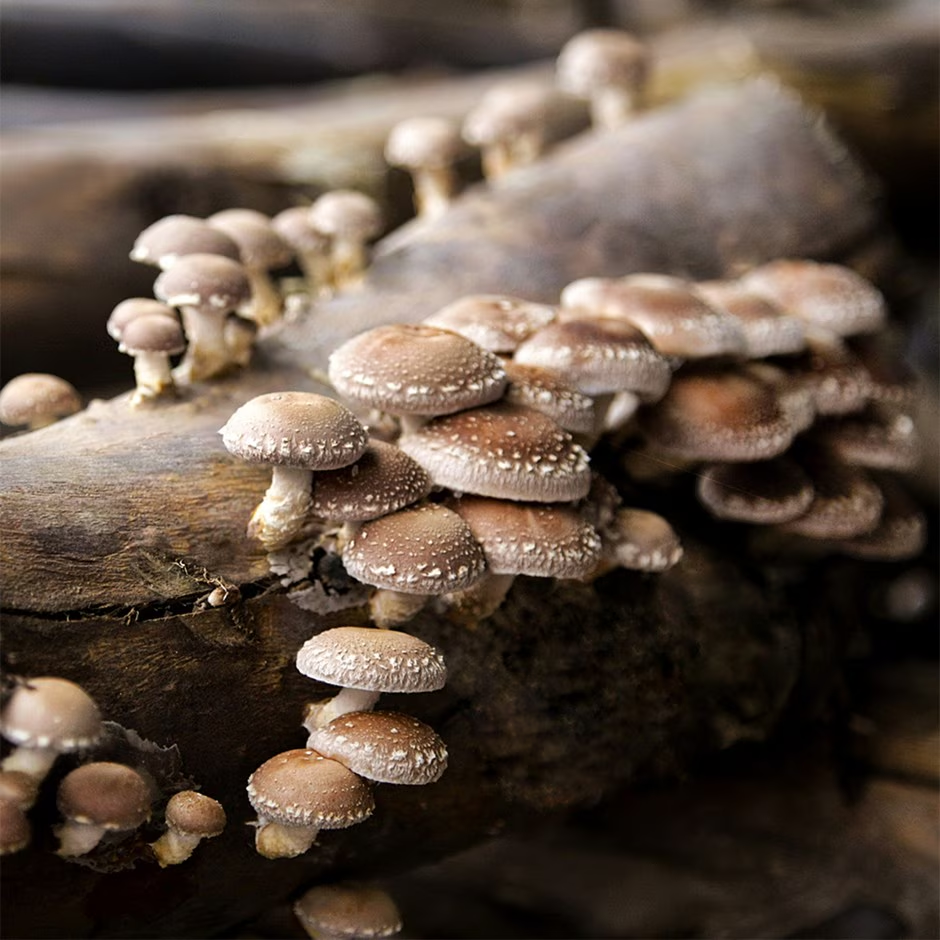
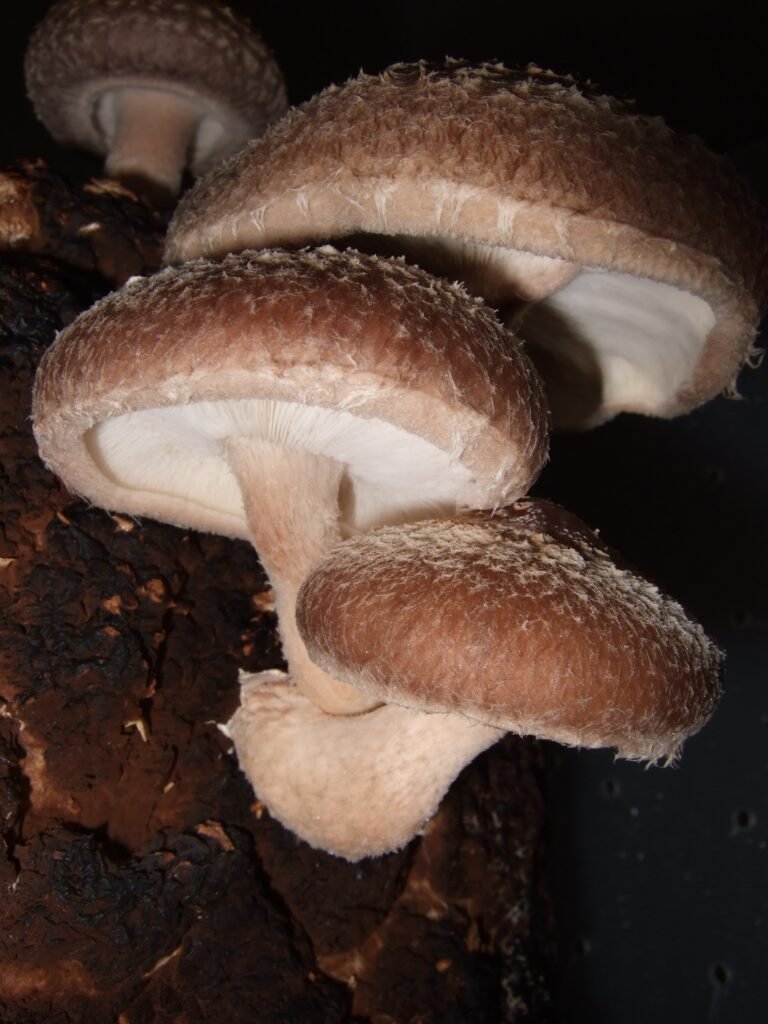
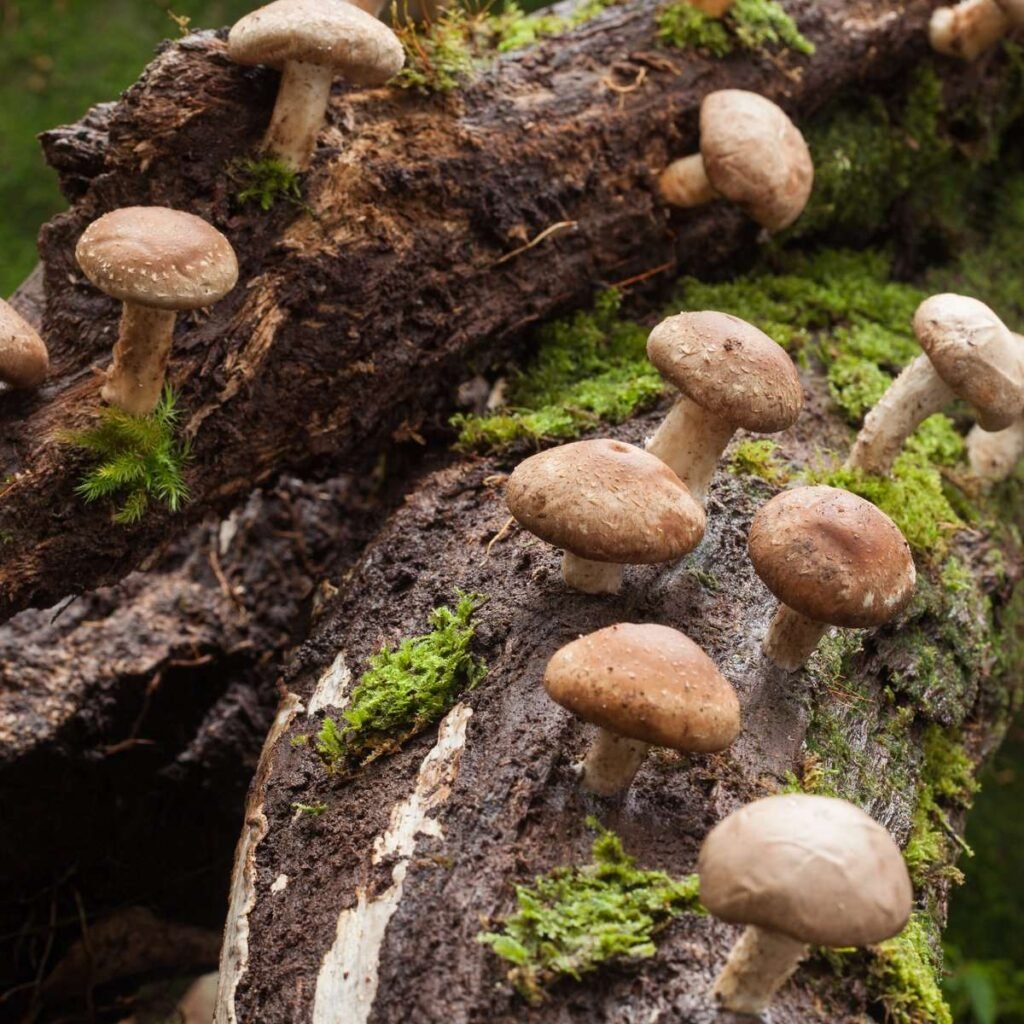
What Are Shiitake Mushrooms?
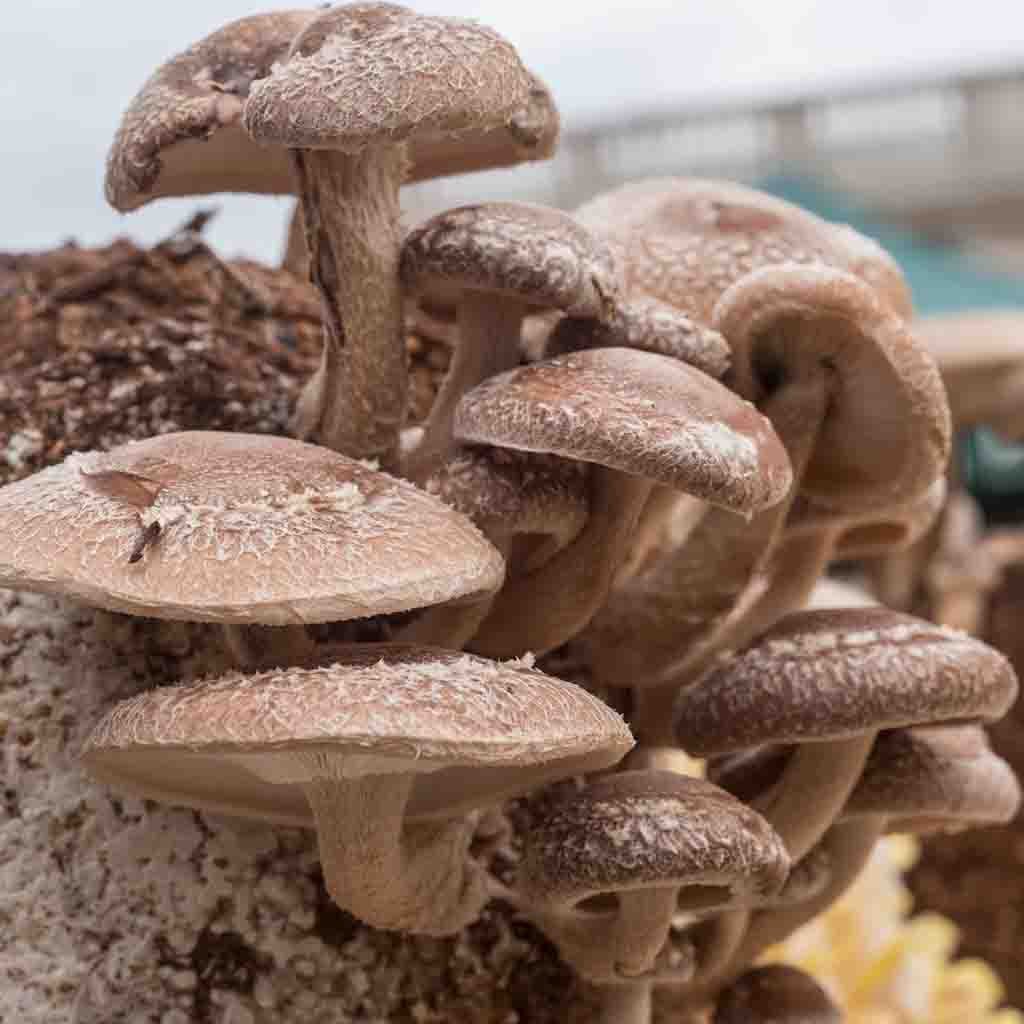
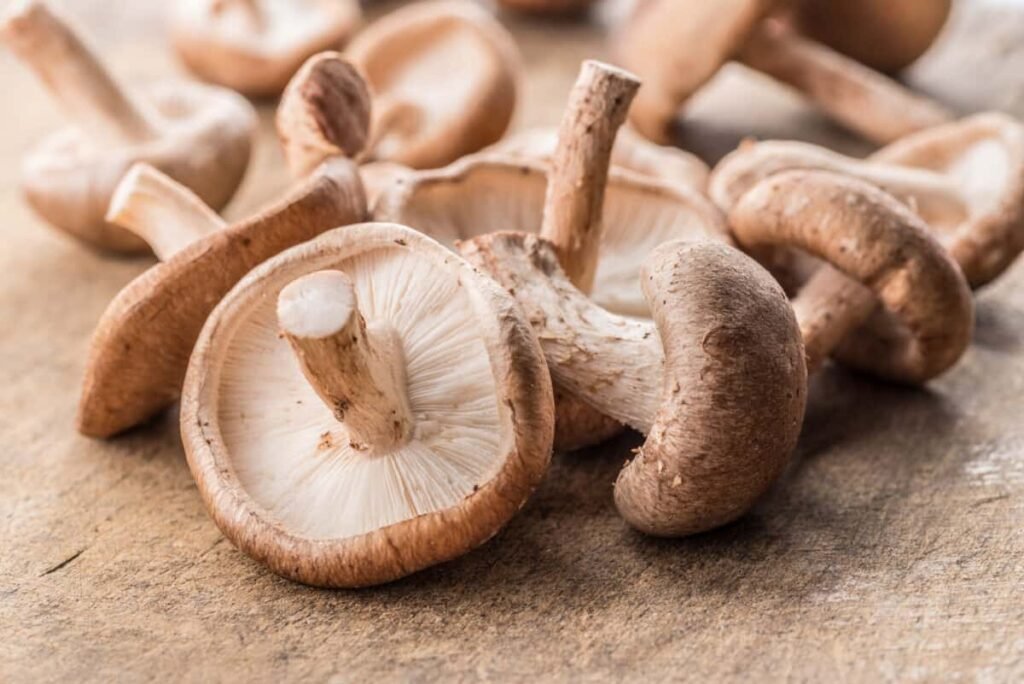
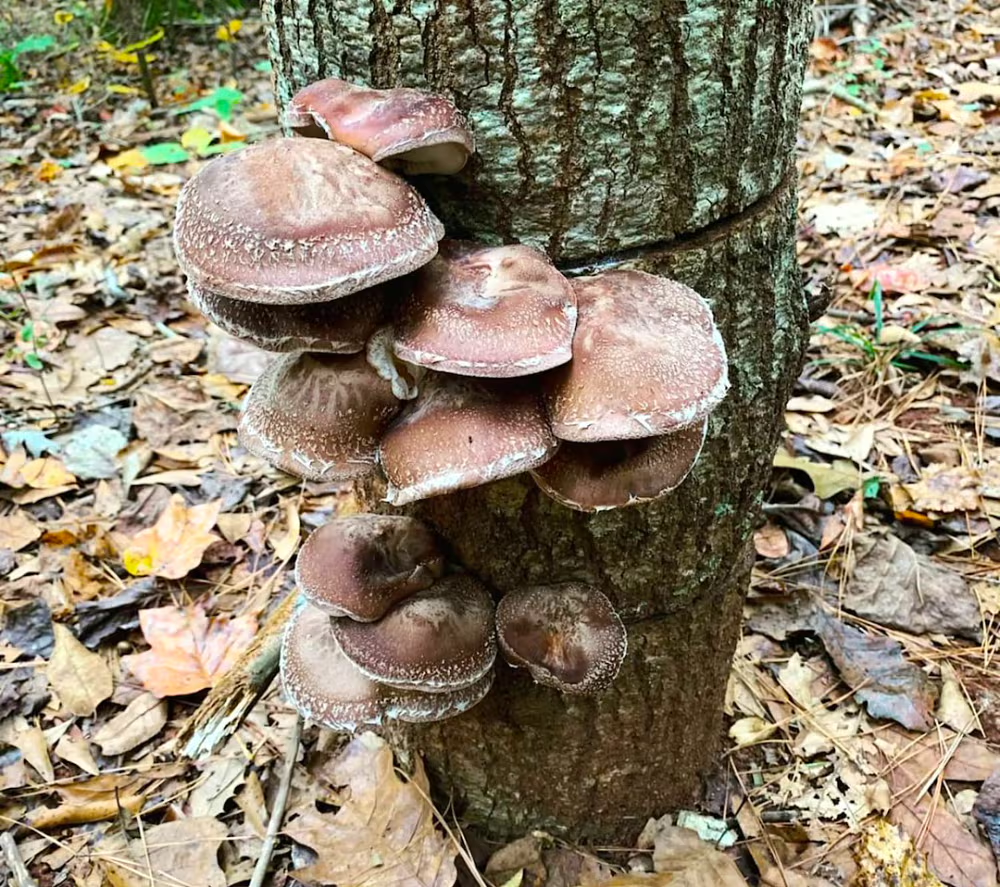
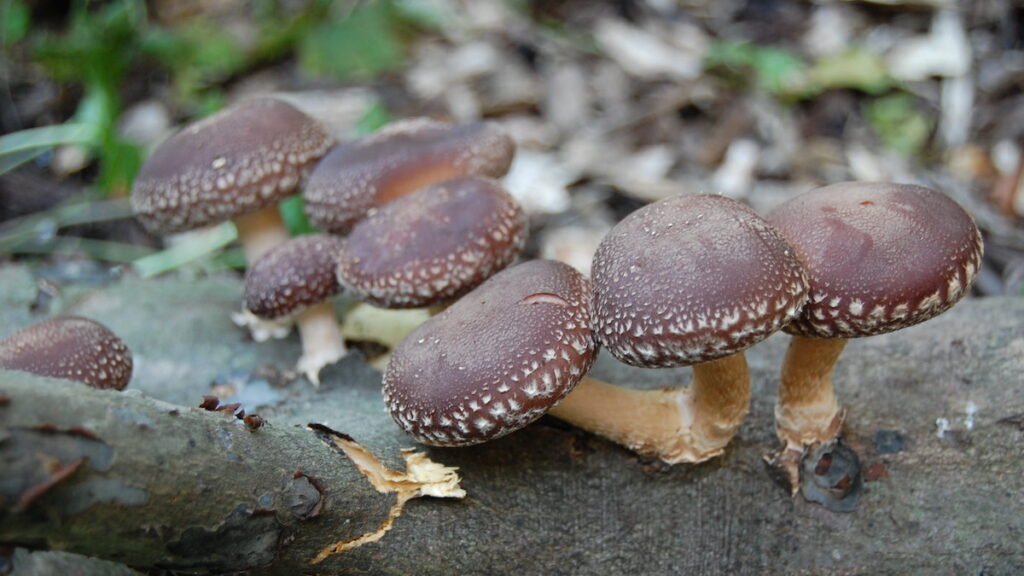
Shiitake mushrooms are edible fungi native to East Asia, traditionally grown on decaying hardwood logs. The name “shiitake” comes from the Japanese words shii (a type of oak tree) and take (mushroom).
They are prized for:
- Deep umami flavor
- Dense, meaty texture
- High nutritional value
- Medicinal properties
Shiitakes are now cultivated worldwide using both traditional and modern growing techniques.
Nutritional and Health Benefits of Shiitake Mushrooms
Shiitake mushrooms are not just delicious—they’re also highly nutritious.
Key Nutrients
- B vitamins (B2, B3, B5, B6)
- Copper and selenium
- Dietary fiber
- Plant-based protein
- Essential amino acids
Health Benefits
- Supports immune function
- Helps lower cholesterol
- Promotes heart health
- Contains antioxidant compounds
- May support gut health
Because of these benefits, shiitake mushrooms are often considered both a functional food and a medicinal mushroom.
Varieties of Shiitake Mushrooms
There are many shiitake strains, but they generally fall into two main categories:
1. Warm-Weather Shiitake Varieties
- Fruiting temperature: 55–75°F (13–24°C)
- Faster growth cycle
- Ideal for spring and summer cultivation
- Common in commercial production
2. Cold-Weather Shiitake Varieties
- Fruiting temperature: 35–55°F (2–13°C)
- Slower growth but thicker caps
- Excellent flavor and texture
- Preferred for fall and winter harvests
Popular Strain Types
- Wide-cap shiitake (Donko-style)
- Standard brown-cap shiitake
- Commercial hybrid strains
- Wild-type heritage strains
Each variety differs slightly in yield, appearance, and taste.
How to Grow Shiitake Mushrooms
Shiitake mushrooms can be grown using logs, sawdust blocks, or substrate bags, depending on your space, budget, and experience level.
Growing Shiitake Mushrooms on Logs (Traditional Method)
This is the most natural and long-lasting method.
Best Wood Types
- Oak (preferred)
- Beech
- Maple
- Chestnut
- Alder
Avoid softwoods like pine or cedar.
Step-by-Step Log Growing
- Cut healthy hardwood logs during late winter or early spring.
- Allow logs to rest for 2–3 weeks.
- Drill holes evenly across the log.
- Insert shiitake spawn into holes.
- Seal holes with food-grade wax.
- Stack logs in a shaded, humid area.
- Water logs regularly.
⏳ Logs typically fruit in 6–12 months and can produce mushrooms for 3–5 years.
Growing Shiitake Mushrooms Indoors (Sawdust Blocks)
This method is faster and ideal for beginners.
Requirements
- Shiitake sawdust spawn blocks
- High humidity (80–90%)
- Indirect light
- Fresh air exchange
Blocks can begin producing mushrooms within 8–12 weeks and yield multiple flushes.
Shiitake Mushroom Propagation Methods
Propagation refers to how shiitake mycelium is expanded and introduced to a growing medium.
Common Propagation Types
- Plug spawn – Wooden dowels colonized with mycelium
- Sawdust spawn – Fast colonization, high yield
- Grain spawn – Used mainly for indoor substrate production
For home growers, plug spawn and sawdust spawn are the most practical and reliable.
Ideal Growing Conditions for Shiitake Mushrooms
To maximize yield and quality, shiitake mushrooms need specific conditions:
- Temperature: 45–75°F (7–24°C)
- Humidity: 80–95%
- Light: Indirect natural or artificial light
- Airflow: Gentle but consistent
- Moisture: Even hydration without soaking
Shiitakes thrive in stable environments with minimal disturbance.
How to Harvest Shiitake Mushrooms
Proper harvesting ensures better flavor and longer production cycles.
When to Harvest
- Caps are 70–90% open
- Edges slightly curled under
- Gills visible but not fully flattened
How to Harvest
- Twist gently at the base or cut with a clean knife
- Avoid pulling forcefully to protect the mycelium
- Harvest promptly to prevent over-maturing
🍄 Most substrates produce 2–4 flushes, with rest periods in between.
Post-Harvest Handling and Storage
- Fresh shiitakes last 7–10 days refrigerated
- Store in paper bags, not plastic
- Avoid washing until ready to use
- Dried shiitakes can be stored for months in airtight containers
Drying intensifies flavor and extends shelf life significantly.
Culinary Uses of Shiitake Mushrooms
Shiitake mushrooms are incredibly versatile in the kitchen.
Popular Cooking Methods
- Sautéed
- Stir-fried
- Roasted
- Grilled
- Simmered in soups
- Steamed
Flavor Profile
- Deep umami
- Savory and earthy
- Slightly smoky when dried
Shiitake Mushroom Food Options and Recipes
Shiitake mushrooms work well in many cuisines and dietary styles.
Common Food Uses
- Stir-fries and noodle dishes
- Soups and broths
- Risottos and grain bowls
- Vegan and vegetarian meat substitutes
- Sauces and gravies
- Dumplings and fillings
Processed and Specialty Products
- Dried shiitake mushrooms
- Shiitake powder
- Mushroom seasoning blends
- Mushroom teas and extracts
They are especially popular in plant-based diets due to their texture and protein content.
Commercial and Medicinal Uses of Shiitake Mushrooms
Beyond food, shiitakes have many applications:
- Functional foods
- Nutraceuticals
- Immune-support supplements
- Culinary exports
- Gourmet and specialty markets
Their global demand continues to rise due to both flavor and health awareness.
Final Thoughts on Growing Shiitake Mushrooms
Shiitake mushrooms are one of the most rewarding fungi to grow, whether you’re a home gardener or an aspiring commercial producer. With the right conditions and patience, they offer long-term harvests, excellent nutrition, and exceptional culinary value.
From log cultivation to indoor blocks, propagation to harvesting, and fresh dishes to dried food products, shiitake mushrooms truly stand out as a sustainable and profitable crop worth growing.
If you want a mushroom that combines taste, health, tradition, and versatility, shiitake mushrooms are hard to beat.


&media=https://food-foresting.com/wp-content/uploads/2026/02/How_to_grow_shiitakes.jpg)