
 paulius.mikoliunas1
| Common Name | Crimson Glory Vine |
| Family | Vitaceae |
| USDA hardiness | 4-8 |
| Known Hazards | None known |
| Habitats | Grows into trees in forests. |
| Range | E. Asia – Japan, Korea. |
| Edibility Rating |   (2 of 5) (2 of 5) |
| Other Uses |   (3 of 5) (3 of 5) |
| Weed Potential | No |
| Medicinal Rating |  (0 of 5) (0 of 5) |
| Care (info) |      |
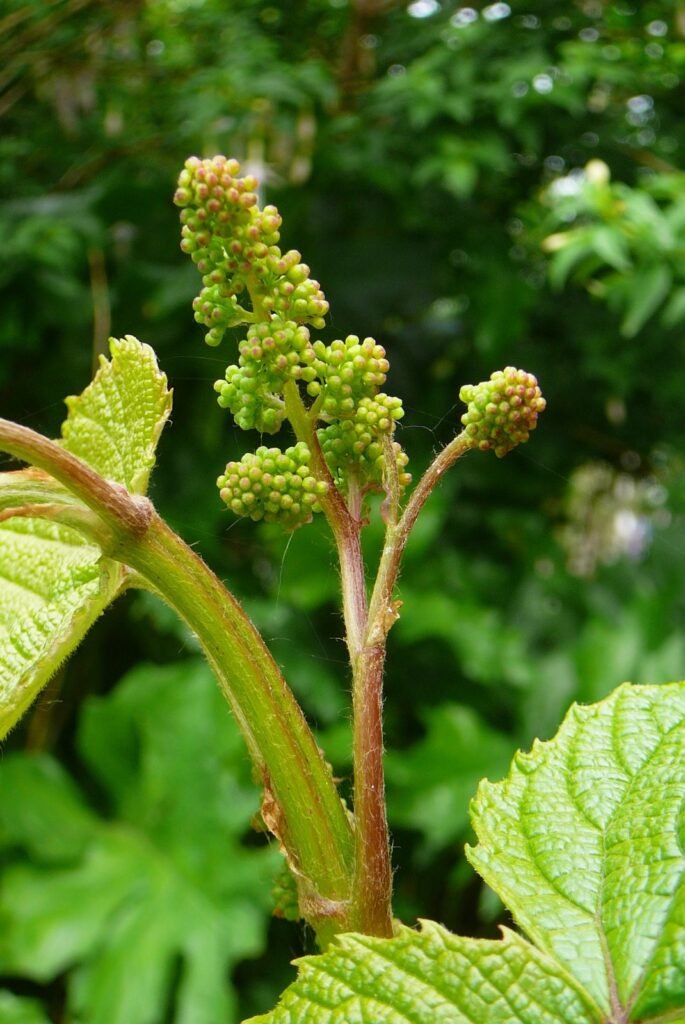
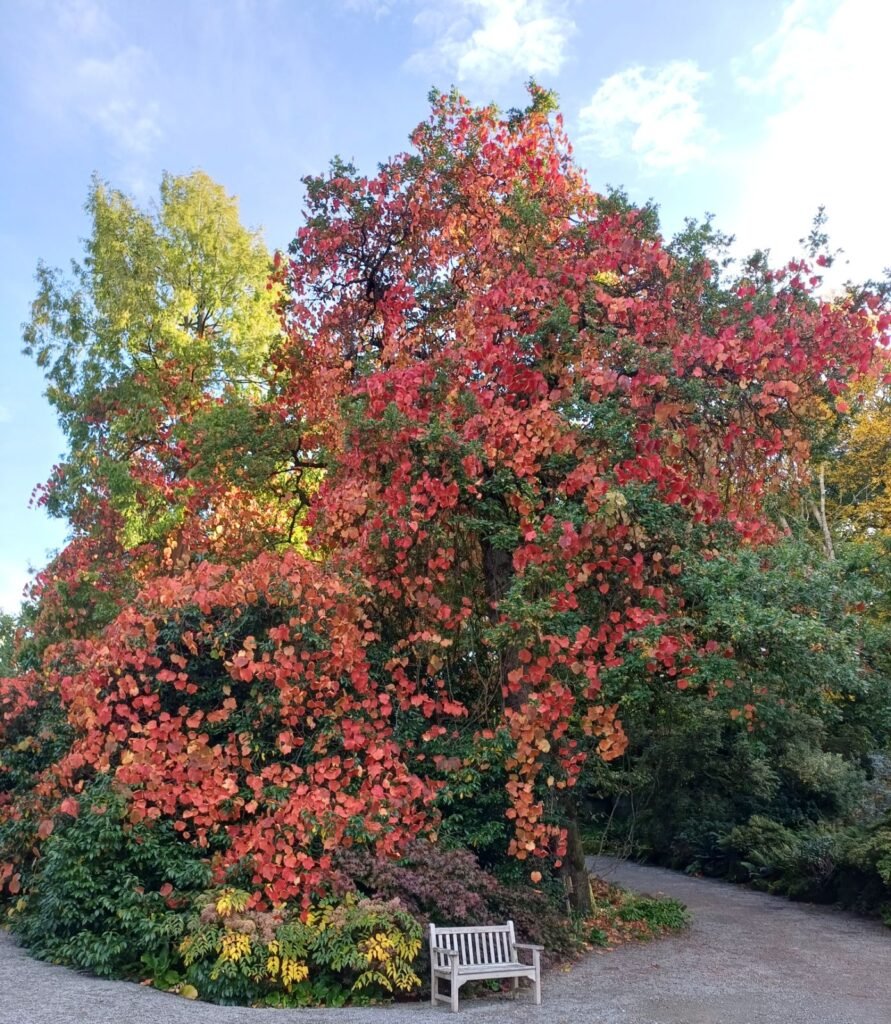
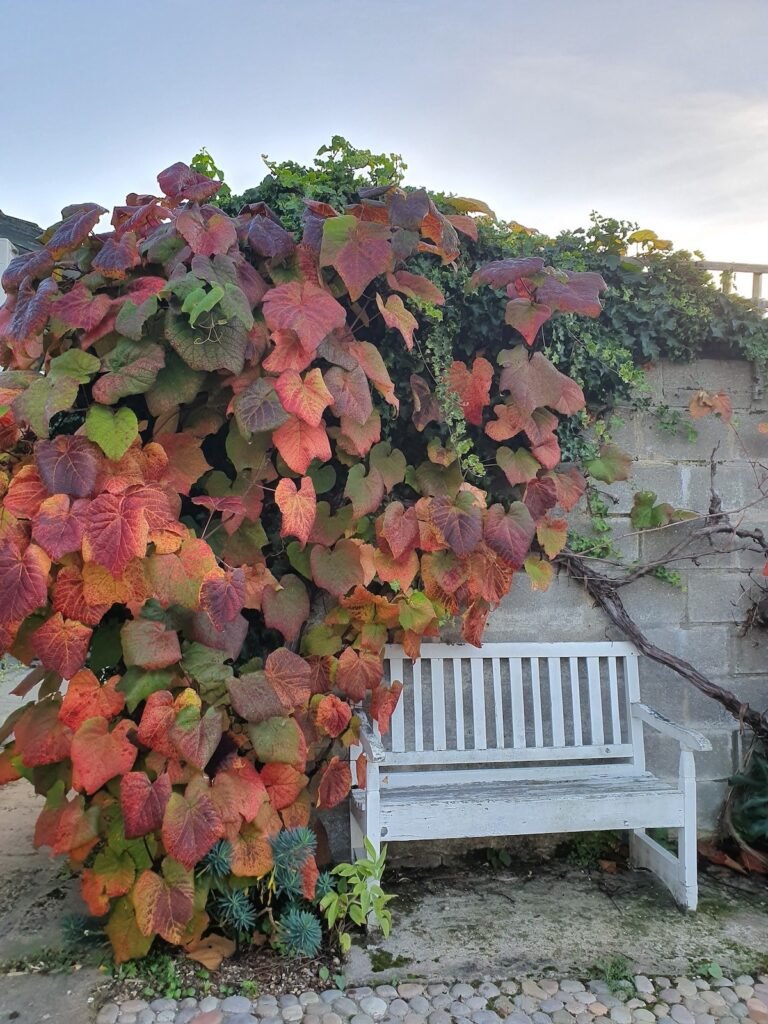
Crimson Glory Vine (Vitis coignetiae): The Complete Guide to Growing, Propagating, Harvesting, and Using This Stunning Ornamental Grape
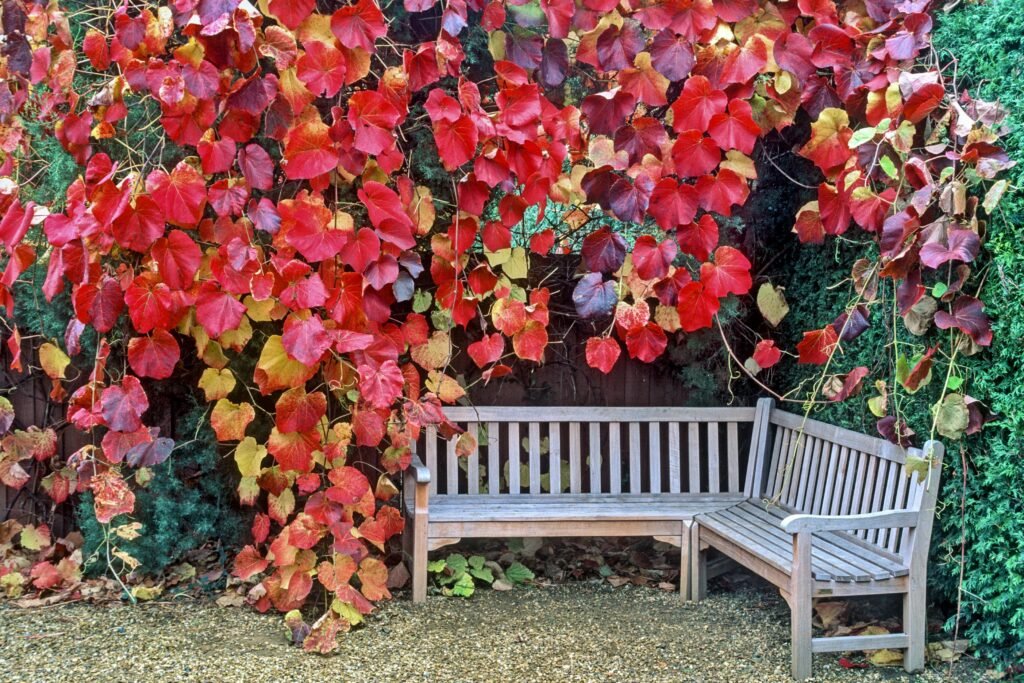
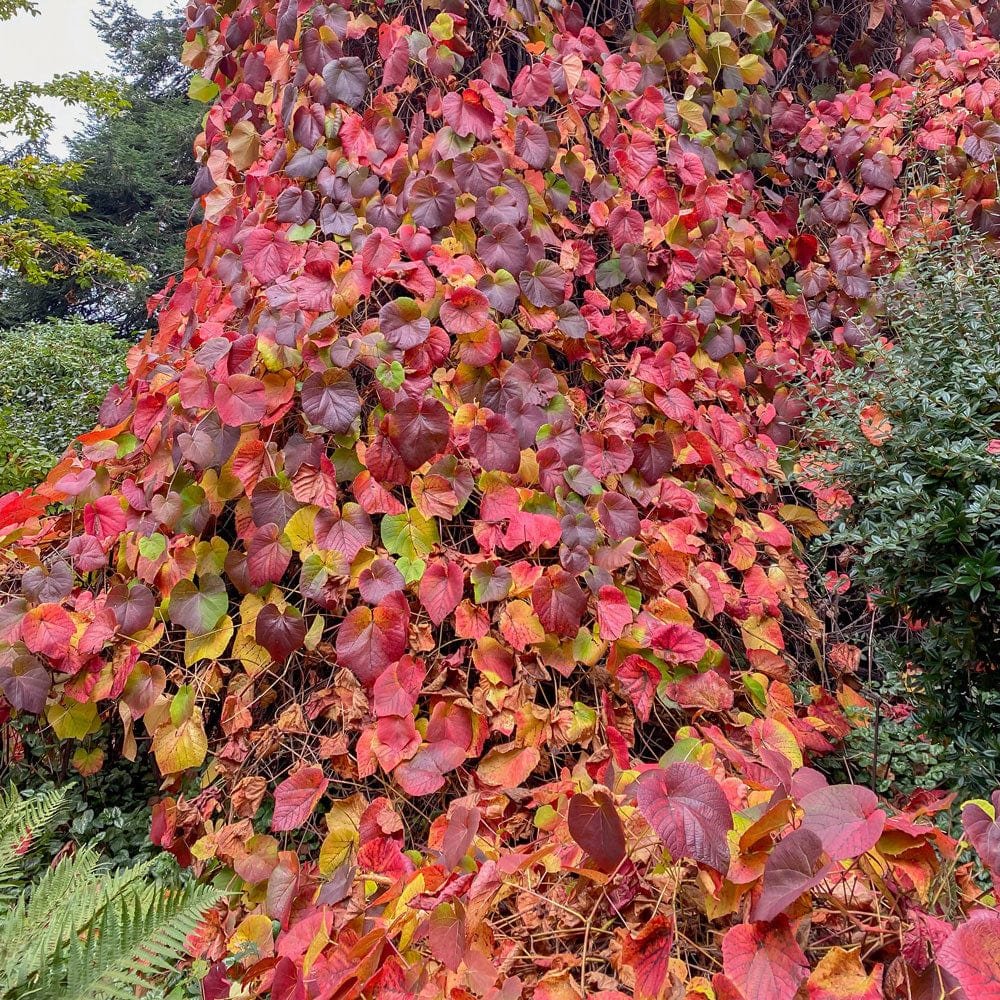
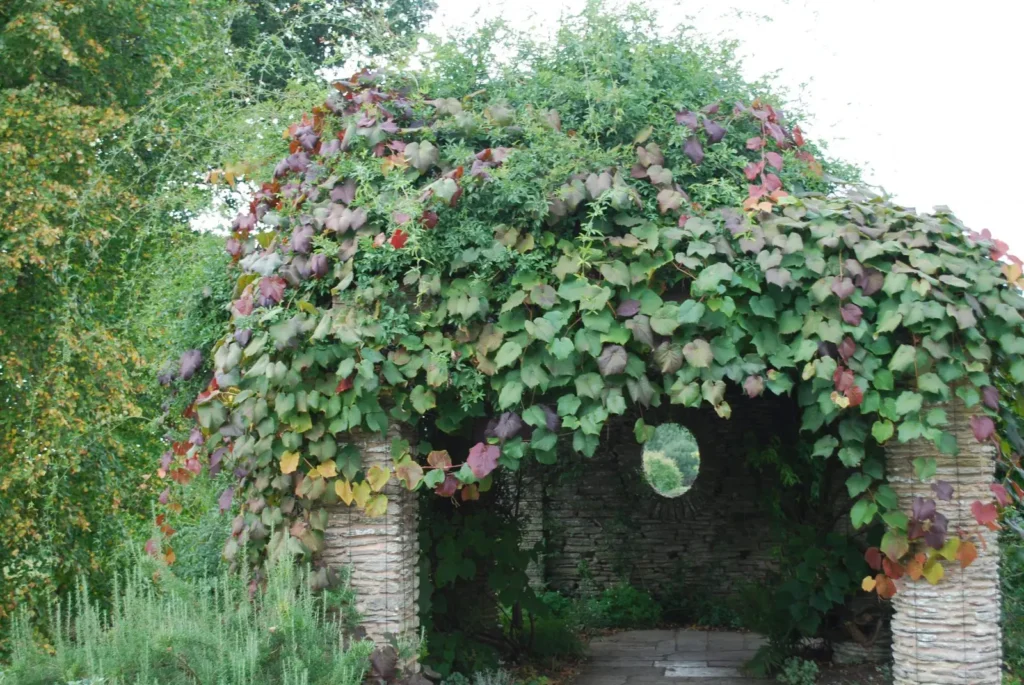
If you’re searching for a bold, fast-growing vine with breathtaking fall color, Crimson Glory Vine (Vitis coignetiae) deserves a top spot in your landscape. Known for its massive leaves and fiery red autumn display, this ornamental grapevine transforms walls, pergolas, fences, and arbors into living works of art.
In this comprehensive guide, you’ll learn everything about how to grow Crimson Glory Vine, how to propagate it, the available varieties, harvesting tips, and creative food uses for its grapes.
What Is Crimson Glory Vine (Vitis coignetiae)?
Crimson Glory Vine, botanically known as Vitis coignetiae, is a deciduous climbing vine native to East Asia, particularly Japan and Korea. It belongs to the grape family (Vitaceae) and is primarily grown for its:
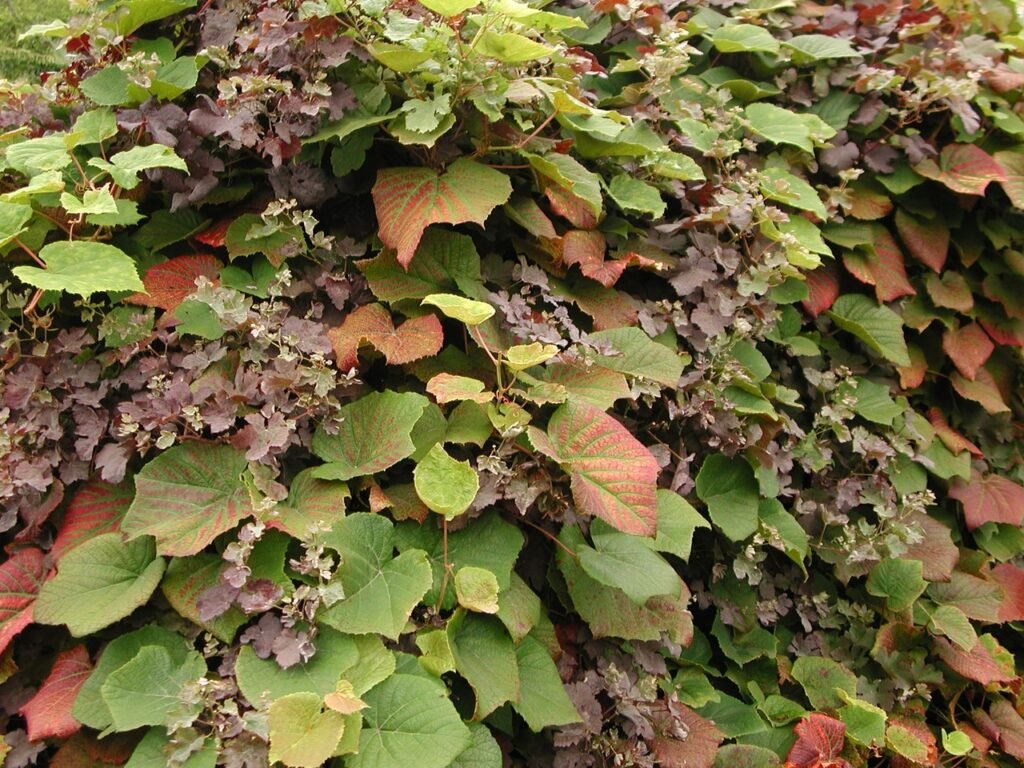
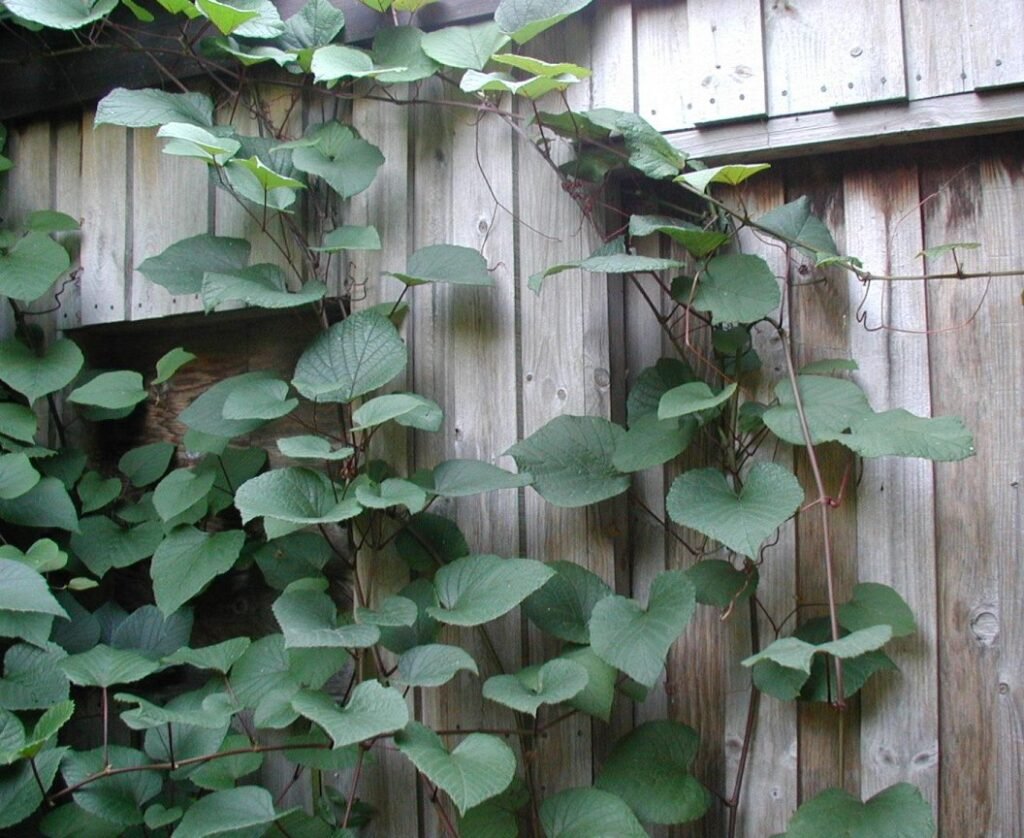
- Large, heart-shaped leaves (up to 12 inches wide)
- Vigorous climbing growth habit
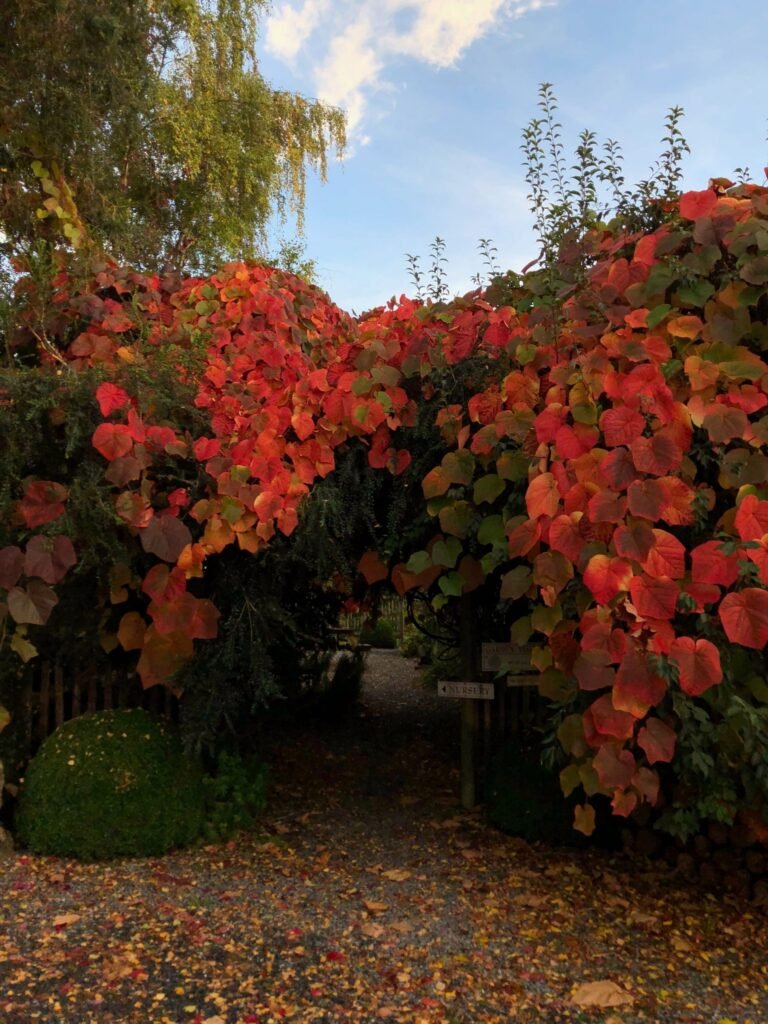
- Spectacular crimson-red fall color
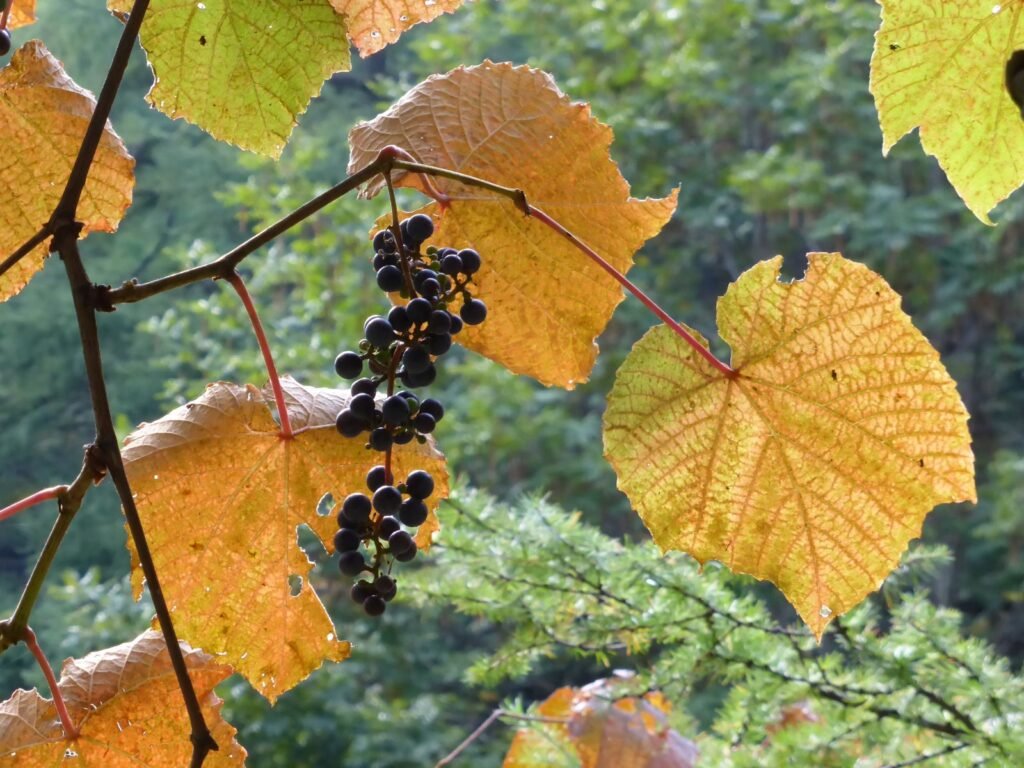
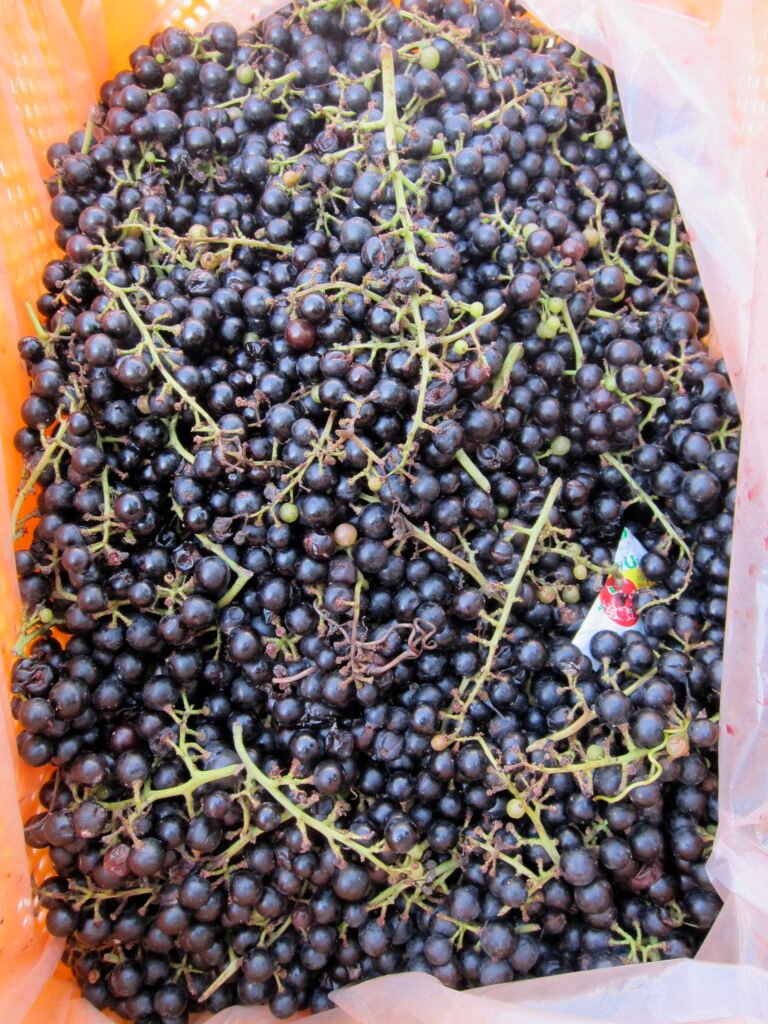
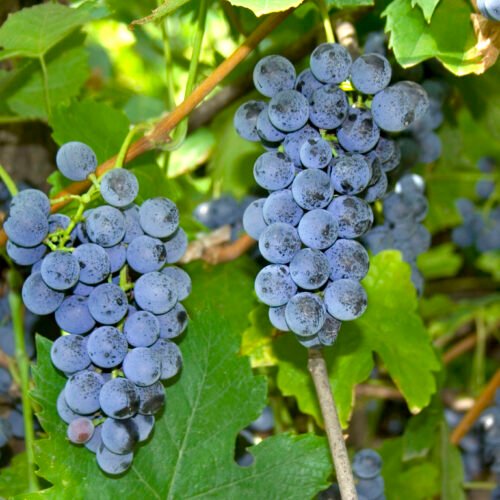
- Small, dark purple grapes
While often cultivated as an ornamental plant, it also produces edible grapes with culinary potential.
How to Grow Crimson Glory Vine Successfully
Growing Crimson Glory Vine is relatively easy if you provide the right conditions. This hardy vine thrives in temperate climates and rewards gardeners with dramatic seasonal beauty.
1. Ideal Growing Conditions
Sunlight
- Prefers full sun to partial shade
- Best fall color develops in full sun
- Tolerates light shade but may produce fewer grapes
Soil Requirements
- Well-draining soil is essential
- Performs best in loamy, slightly acidic to neutral soil (pH 6.0–7.0)
- Avoid heavy, waterlogged clay
Climate & Hardiness
- Hardy in USDA zones 5–9
- Tolerates cold winters once established
- Appreciates protection from harsh, drying winds
2. Planting Crimson Glory Vine
When to Plant
- Early spring or fall is ideal
- Plant when soil is workable and not frozen
Planting Steps
- Dig a hole twice as wide as the root ball.
- Loosen surrounding soil to encourage root spread.
- Mix compost into the backfill soil.
- Position the plant at the same depth it was growing in its container.
- Water deeply after planting.
Install a sturdy support structure immediately — this vine grows vigorously and needs strong trellises, pergolas, or walls.
3. Watering & Feeding
Watering
- Keep soil consistently moist during the first year.
- Once established, it becomes moderately drought tolerant.
- Avoid overwatering to prevent root rot.
Fertilizing
- Apply balanced fertilizer in early spring.
- Avoid excessive nitrogen, which encourages leaf growth over fruit production.
- Compost top-dressing works well for organic gardens.
4. Pruning Crimson Glory Vine
Pruning keeps this vigorous grower under control and encourages healthy growth.
- Prune in late winter while dormant
- Remove dead or weak wood
- Cut back long shoots to maintain structure
- Train vines along supports to prevent tangling
Proper pruning also improves air circulation and grape production.
How to Propagate Crimson Glory Vine
Propagation is straightforward and can be done in multiple ways.
1. Propagation by Hardwood Cuttings (Most Reliable)
This is the most common method.
Steps:
- Take 8–12 inch hardwood cuttings in late winter.
- Ensure each cutting has at least 3–4 nodes.
- Dip in rooting hormone (optional but helpful).
- Plant in moist, well-draining potting mix.
- Keep soil lightly moist until roots form.
Roots typically develop in 4–8 weeks.
2. Layering Method
Layering is very effective because vines root naturally when touching soil.
- Bend a low-growing vine to the ground.
- Bury part of the stem under soil.
- Secure with a garden pin.
- Wait several months for roots to develop.
- Cut from the parent plant and transplant.
3. Growing From Seed
Growing from seed is possible but slower and less predictable.
- Clean seeds from ripe fruit.
- Cold stratify for 2–3 months.
- Sow in spring.
- Germination may take several weeks.
Popular Varieties of Vitis coignetiae
Crimson Glory Vine is less commercially hybridized than table grapes, but you may find:
1. Standard Vitis coignetiae
- Large foliage
- Classic deep crimson autumn display
- Vigorous climber
2. Selected Nursery Forms
Some nurseries offer improved strains with:
- Enhanced fall color
- Slightly larger fruit clusters
- Better cold tolerance
Always check plant tags for growth habit and mature size.
Harvesting Crimson Glory Vine Grapes
Although mainly ornamental, this vine produces small grapes that ripen in late summer to early fall.
When to Harvest
- Grapes turn dark purple to nearly black.
- Taste becomes slightly sweeter.
- Fruit softens slightly when ripe.
Harvest by gently cutting entire clusters with pruning shears.
Yield Expectations
Crimson Glory Vine is not a heavy fruit producer like commercial grapes. Expect:
- Small clusters
- Tart flavor
- More suitable for processing than fresh eating
Are Crimson Glory Vine Grapes Edible?
Yes, the grapes are edible but typically:
- Smaller than table grapes
- More acidic
- Contain seeds
- Better for culinary uses rather than fresh snacking
Food Uses of Crimson Glory Vine
While not a commercial fruit grape, the berries can be creatively used in the kitchen.
1. Homemade Grape Jelly
The natural tartness makes excellent jelly.
Basic Method:
- Crush grapes
- Simmer with water
- Strain juice
- Add sugar and pectin
- Cook until set
Produces a richly colored, flavorful spread.
2. Grape Juice or Syrup
Boil and strain to create:
- Concentrated syrup
- Refreshing homemade juice
- Cocktail mixers
3. Fermentation (Wine & Vinegar)
Due to natural acidity:
- Suitable for experimental homemade wine
- Makes flavorful grape vinegar
- Can be used for infused vinegars
4. Cooking Leaves (Like Grape Leaves)
Young leaves can be used similarly to traditional grape leaves:
- Stuffed with rice and herbs
- Used in Mediterranean-style dishes
- Blanched before use to soften texture
Always harvest young, tender leaves for best results.
5. Wildlife-Friendly Garden Use
Even if you don’t use the fruit, birds love the berries. Crimson Glory Vine supports biodiversity and provides fall food for wildlife.
Landscape Uses of Crimson Glory Vine
Beyond food, its ornamental value is exceptional.
Ideal For:
- Covering fences
- Climbing pergolas
- Softening walls
- Creating shade screens
- Autumn focal points
Its bold foliage creates a tropical look in temperate gardens.
Common Problems and Solutions
Powdery Mildew
- Improve air circulation
- Avoid overhead watering
- Prune regularly
Aphids
- Spray with water
- Use insecticidal soap if necessary
Overgrowth
- Prune aggressively in late winter
- Train regularly during growing season
Benefits of Growing Crimson Glory Vine
- Stunning fall foliage
- Fast-growing coverage
- Low maintenance once established
- Edible fruit potential
- Wildlife support
- Hardy and adaptable
Final Thoughts
Crimson Glory Vine (Vitis coignetiae) is a powerhouse ornamental vine with added edible benefits. Whether you’re looking to transform a dull wall into a blazing autumn masterpiece or experiment with homemade grape jelly, this versatile plant offers both beauty and function.
With proper planting, pruning, and propagation, you can enjoy decades of dramatic seasonal color and occasional harvests.
If you want a vine that combines ornamental elegance with edible potential, Crimson Glory Vine is an outstanding choice for gardens in temperate climates.


&media=https://food-foresting.com/wp-content/uploads/2026/02/methode_times_prod_web_bin_a86e2686-5449-11ed-a03e-f7ac672386f7-scaled.jpg)