
 paulius.mikoliunas1
| Common Name | Azores blueberry |
| Family | Ericaceae |
| USDA hardiness | 9-11 |
| Known Hazards | None known |
| Habitats | Not known |
| Range | N. Africa – Azores. |
| Edibility Rating |   (2 of 5) (2 of 5) |
| Other Uses |  (0 of 5) (0 of 5) |
| Weed Potential | No |
| Medicinal Rating |  (0 of 5) (0 of 5) |
| Care (info) |     |
Azores Blueberry (Vaccinium cylindraceum): Complete Guide to Growing, Propagation, Varieties, Uses & Harvest
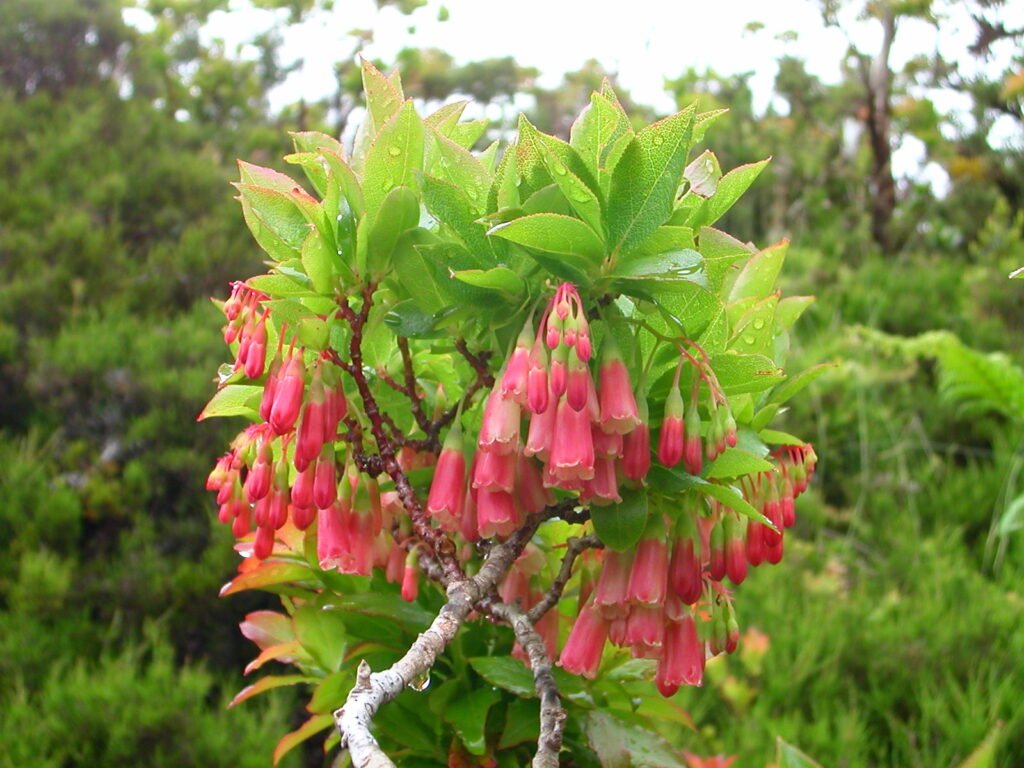
The Azores blueberry (Vaccinium cylindraceum) is a rare and beautiful fruiting shrub native to the volcanic islands of the Azores. Known locally as uva-da-serra, this evergreen plant produces small, dark berries with a rich, wild flavor and impressive nutritional benefits.
If you’re looking to grow something unique, ornamental, and edible in your garden, this endemic blueberry species is an exceptional choice.
In this comprehensive guide, you’ll learn:
- How to grow Azores blueberry successfully
- Best propagation methods
- Available varieties and plant characteristics
- Culinary uses and food ideas
- When and how to harvest
What Is Azores Blueberry (Vaccinium cylindraceum)?
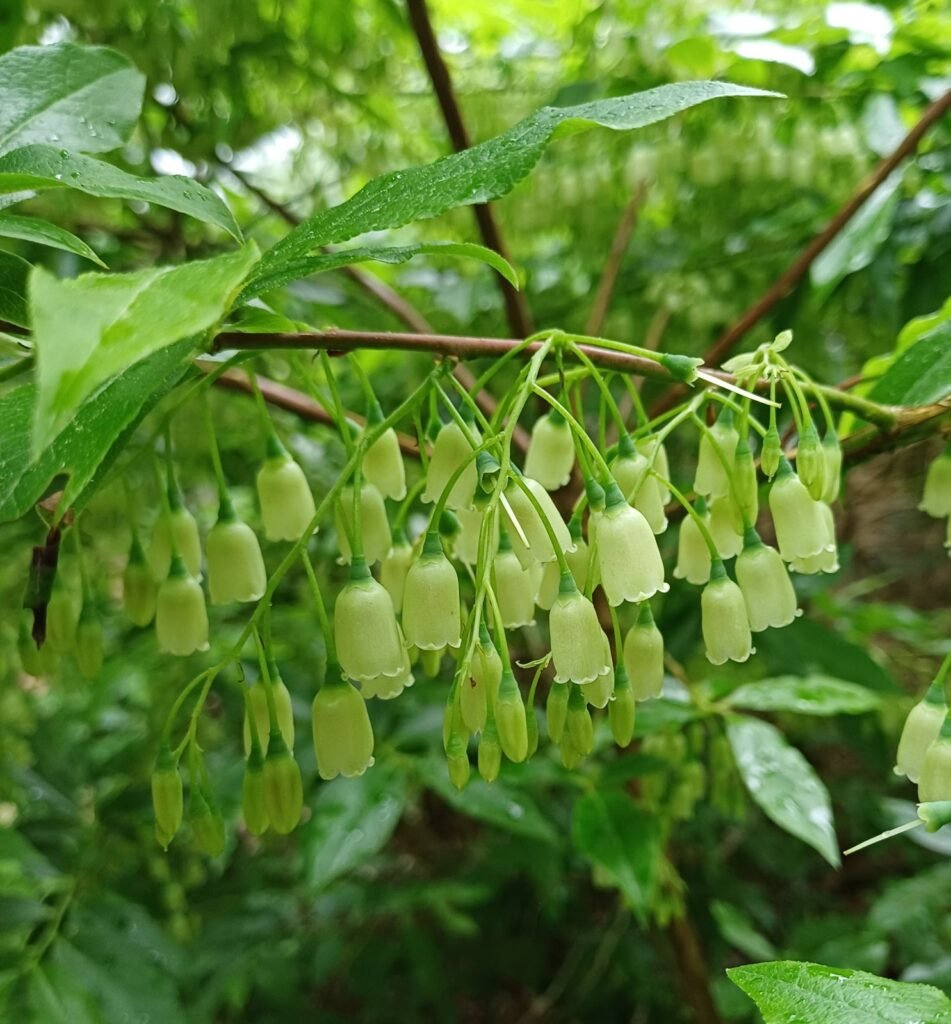
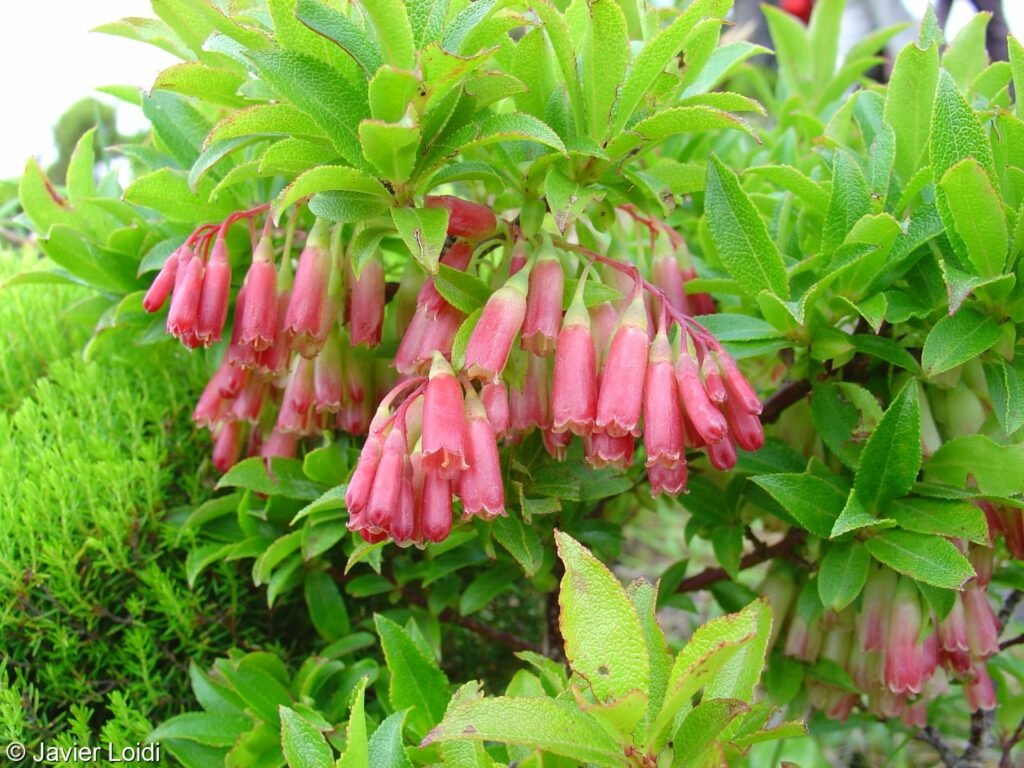
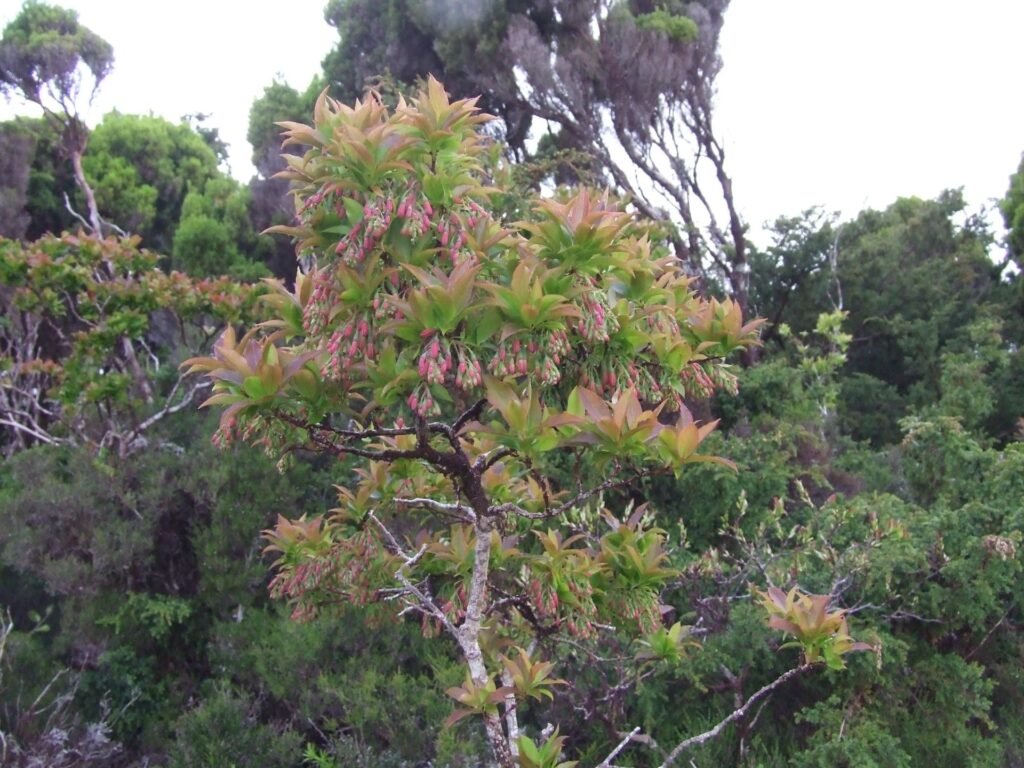
Vaccinium cylindraceum is an evergreen shrub belonging to the Ericaceae family, the same family as cranberries and heathers. It is endemic to the Azores archipelago, particularly thriving in mountainous and volcanic regions.
Key Characteristics
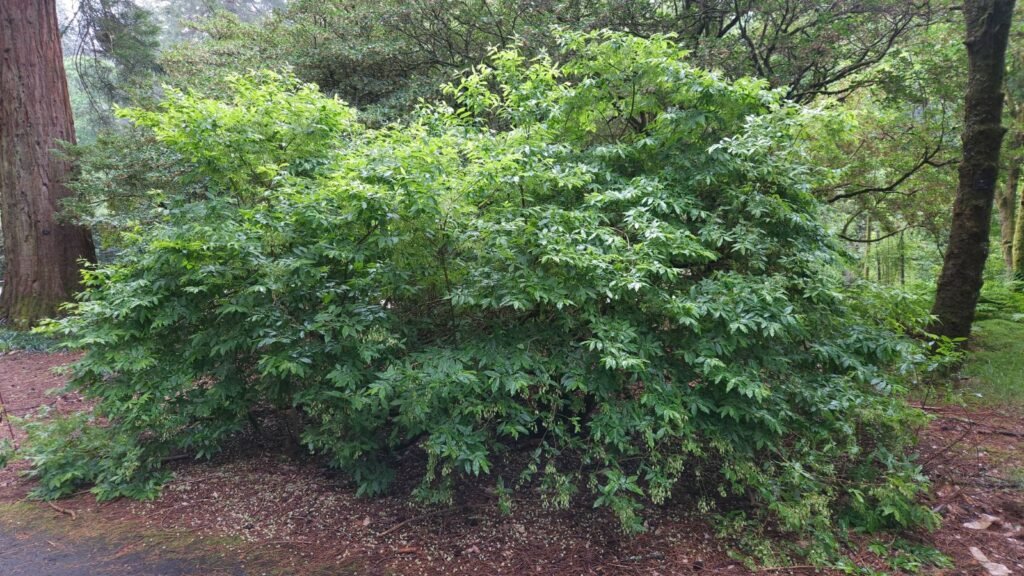
- Height: 1.5–3 meters (5–10 feet)
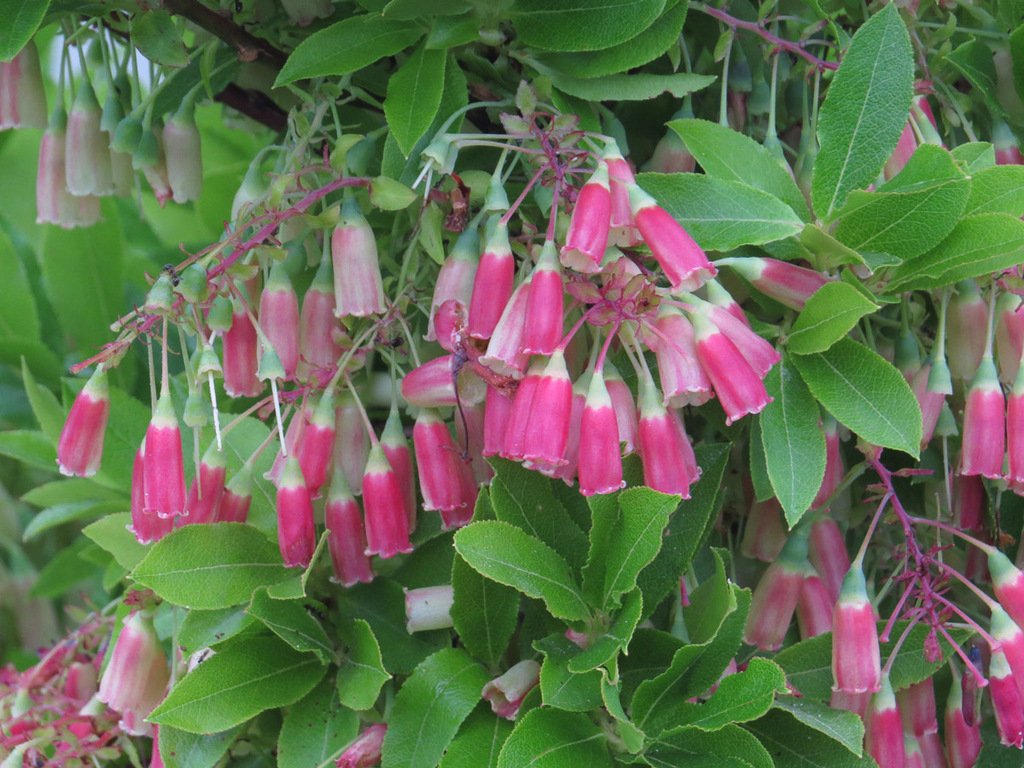
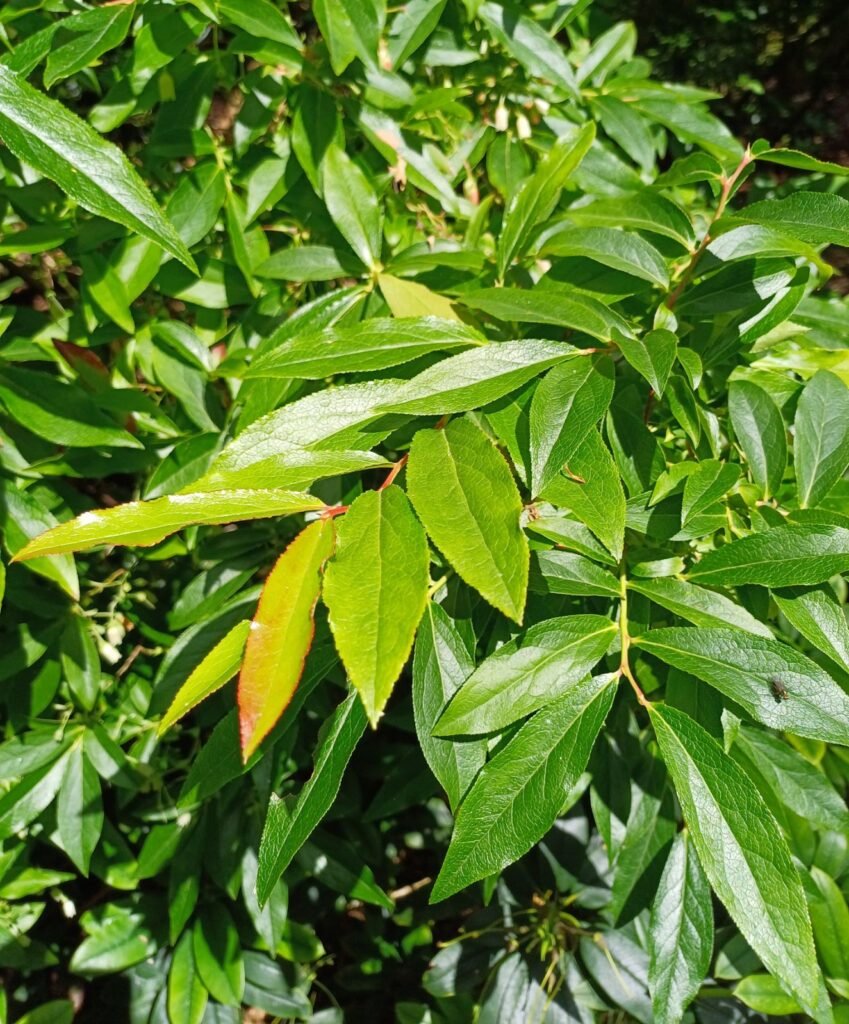
- Leaves: Glossy, dark green, elliptical
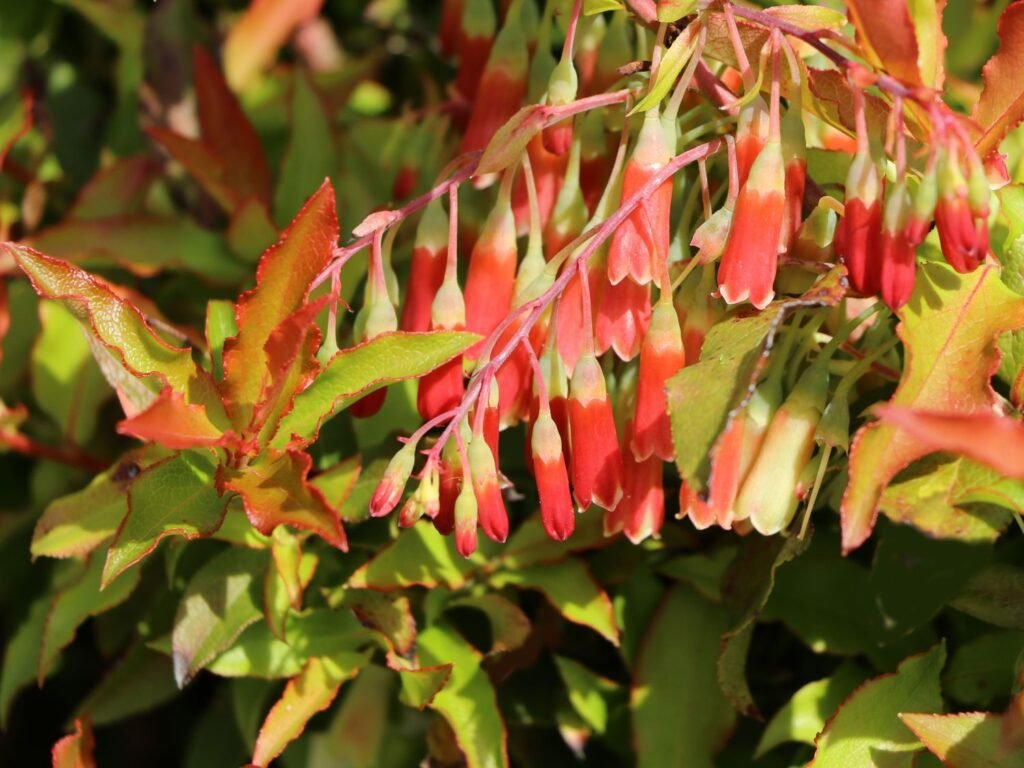
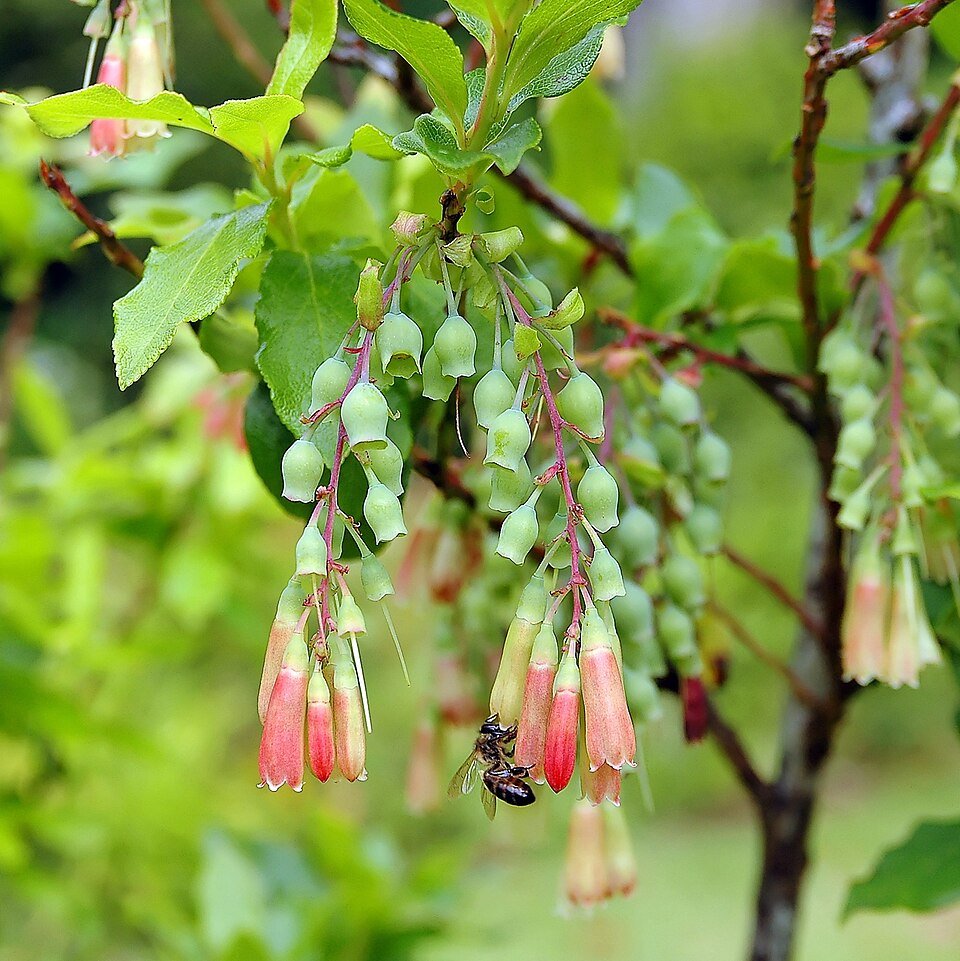
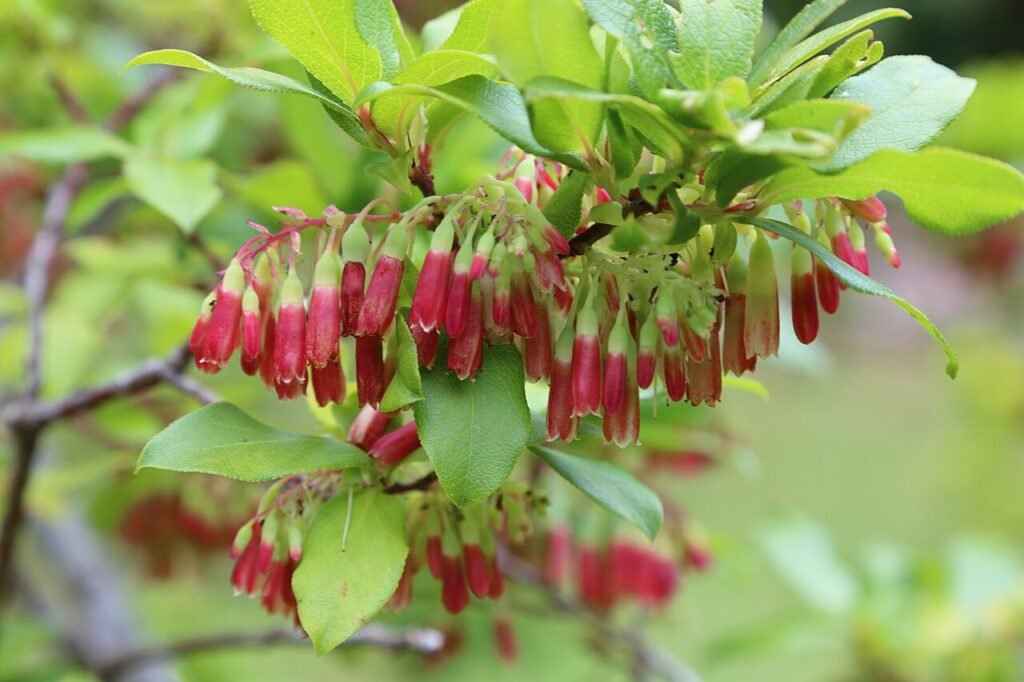
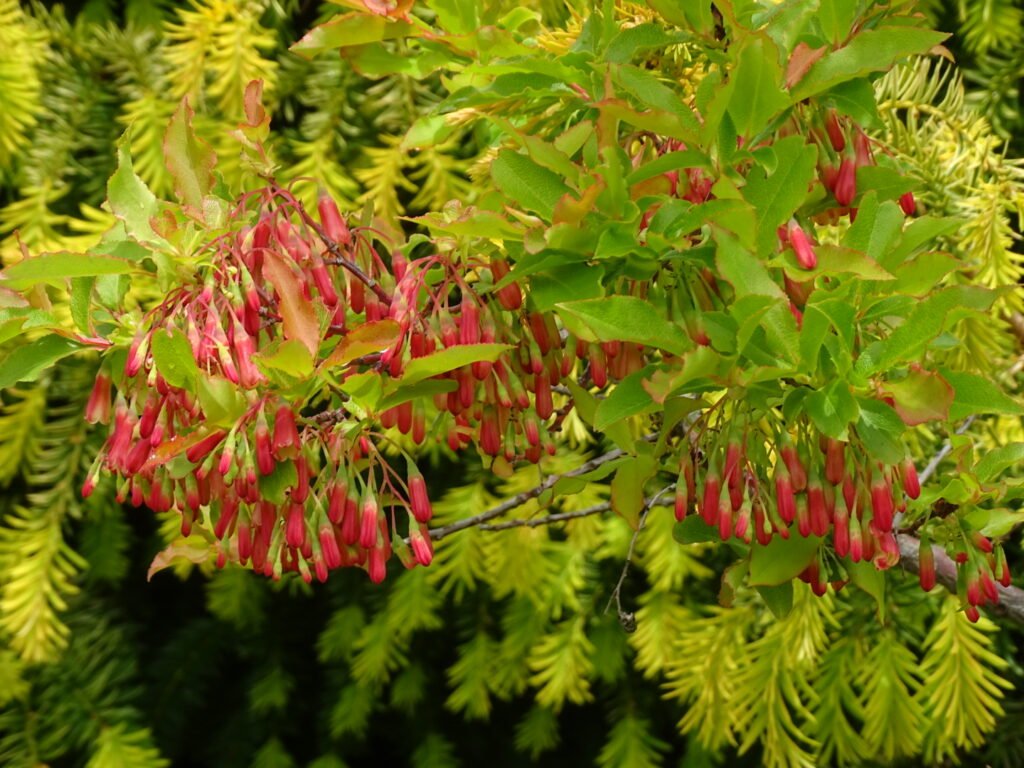
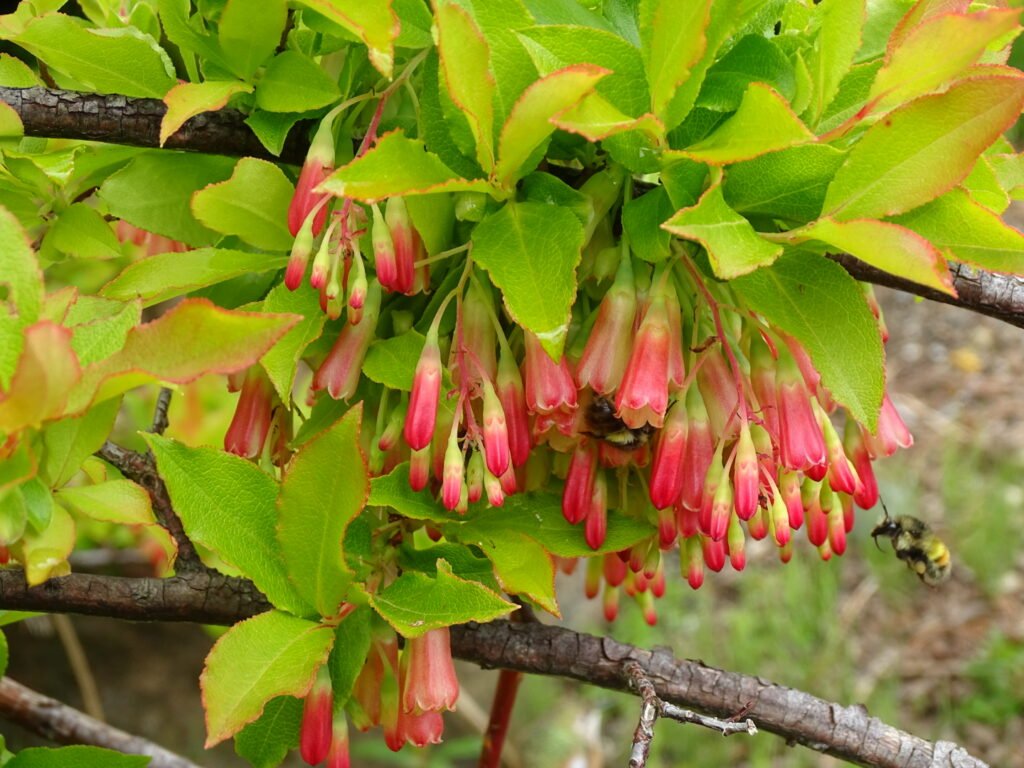
- Flowers: Pink to reddish bell-shaped blooms
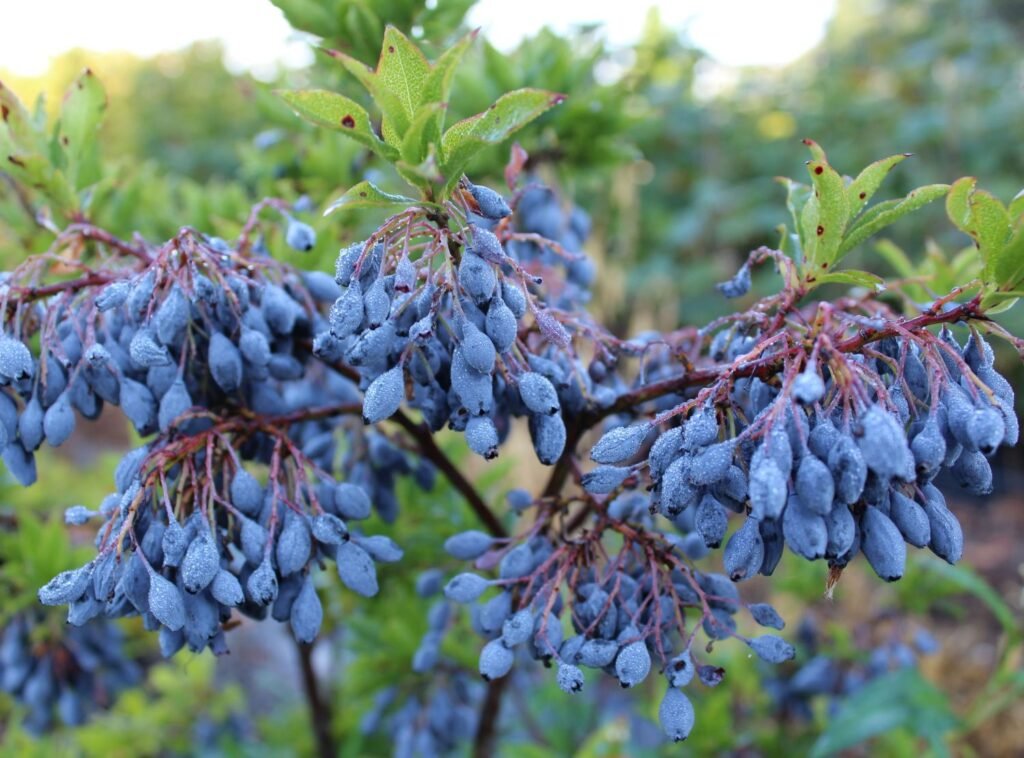
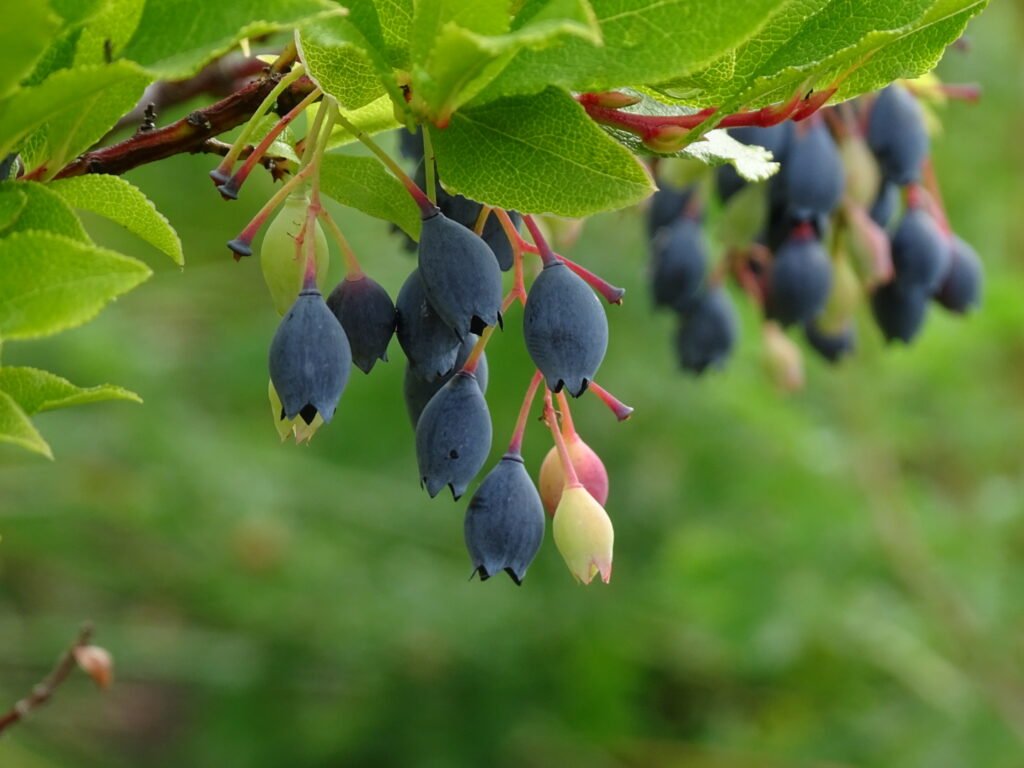
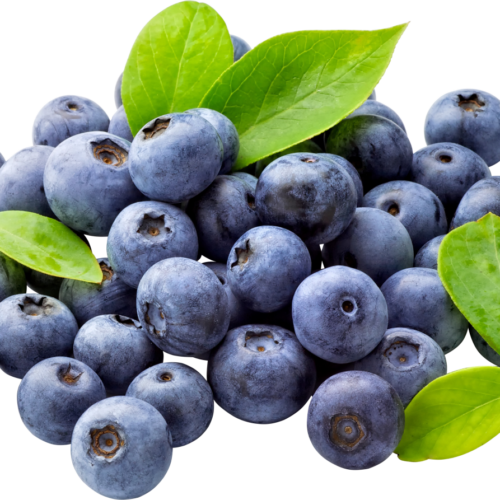
- Fruit: Dark purple to nearly black berries
- Growth habit: Upright and bushy
- Climate preference: Mild, oceanic, humid environments
Unlike commercial blueberries, this species retains its leaves year-round in suitable climates, making it both ornamental and productive.
How to Grow Azores Blueberry Successfully
Growing Azores blueberry is similar to growing other Vaccinium species, but it has specific environmental preferences.
1. Climate Requirements
Azores blueberry thrives in:
- Mild temperatures (10–22°C / 50–72°F)
- High humidity
- Coastal or maritime climates
- USDA Zones 9–11
It does not tolerate extreme frost or prolonged drought.
If you live outside mild coastal climates, growing it in containers allows better control over soil and moisture conditions.
2. Soil Conditions
Like most blueberries, this plant requires acidic soil.
Ideal Soil Profile:
- pH: 4.5–5.5
- Well-draining
- Rich in organic matter
- Slightly sandy or loamy
Amend soil with:
- Pine bark
- Peat moss
- Leaf mold
- Compost made from acidic materials
Avoid alkaline soil, as it leads to chlorosis (yellowing leaves).
3. Sunlight Requirements
- Full sun for best fruiting
- Partial shade in hotter climates
- At least 6 hours of sunlight daily
Too much shade reduces flowering and berry production.
4. Watering Needs
Azores blueberry prefers:
- Consistently moist soil
- Good drainage
- Rainwater (if possible, due to low mineral content)
Never allow soil to dry out completely. Mulching with pine needles or bark helps retain moisture and maintain acidity.
5. Fertilizing
Use fertilizers formulated for acid-loving plants. Apply in:
- Early spring
- Mid-summer (light feeding only)
Avoid high-nitrogen synthetic fertilizers, which can damage roots.
How to Propagate Azores Blueberry
Propagation can be done through seeds or cuttings.
1. Propagation by Seeds
Steps:
- Collect ripe berries.
- Remove pulp and clean seeds.
- Cold stratify seeds for 6–8 weeks.
- Sow on acidic seed-starting mix.
- Keep moist and warm (18–21°C).
Seed propagation is slower and may result in slight variation.
2. Propagation by Cuttings (Best Method)
Semi-hardwood cuttings are most successful.
Steps:
- Take 10–15 cm cuttings in late summer.
- Remove lower leaves.
- Dip in rooting hormone.
- Plant in acidic propagation mix.
- Maintain high humidity.
Roots usually develop within 6–10 weeks.
3. Layering
Natural layering can occur in mature plants. Bury a low branch partially in soil and wait for root formation before separating.
Varieties of Azores Blueberry
Since Vaccinium cylindraceum is a wild endemic species, it does not have commercial cultivars like highbush blueberries.
However, natural variations exist in:
- Berry size
- Flower color intensity
- Growth habit
- Fruit sweetness
Local ecotypes from different islands of the Azores may show subtle differences in flavor and vigor.
When Does Azores Blueberry Flower and Fruit?
- Flowering: Late spring to early summer
- Fruiting: Mid to late summer
Pollinators such as bees enhance fruit set. While partially self-fertile, planting multiple shrubs improves yield.
How to Harvest Azores Blueberry
Harvest typically occurs from July to September (depending on climate).
Signs of Ripeness:
- Deep purple to black color
- Slight softness
- Easy detachment from stem
Harvest gently by hand to avoid damaging branches.
Yield
Mature plants can produce moderate but consistent yields annually once established (3–4 years after planting).
Culinary Uses of Azores Blueberry
The berries are smaller and more intensely flavored than commercial blueberries, offering a wild, slightly tart taste.
Fresh Eating
- Enjoy raw as a snack
- Add to fruit salads
- Mix into yogurt
Baking
Use Azores blueberries in:
- Muffins
- Rustic pies
- Tarts
- Pancakes
They hold shape well and provide strong color.
Traditional Azorean Uses
In the Azores, berries are used to make:
- Homemade jams
- Fruit preserves
- Syrups
- Liqueurs
The deep pigment also makes them suitable for natural food coloring.
Savory Dishes
Azores blueberry pairs well with:
- Goat cheese
- Game meats
- Salad dressings
- Balsamic reductions
Nutritional Benefits
Like other Vaccinium species, these berries are rich in:
- Antioxidants
- Anthocyanins
- Vitamin C
- Dietary fiber
Their dark coloration indicates high levels of beneficial plant compounds.
Landscaping Uses
Beyond fruit production, Azores blueberry is valued as:
- An ornamental evergreen shrub
- A wildlife-friendly plant
- A hedge in mild coastal gardens
- A pollinator-supporting species
Its reddish flowers add aesthetic appeal in spring.
Common Growing Problems
1. Yellow Leaves (Chlorosis)
Cause: Soil pH too high
Solution: Amend with sulfur or acidic organic matter.
2. Poor Fruit Production
Cause: Lack of sun or pollinators
Solution: Increase light exposure and plant companions.
3. Root Rot
Cause: Poor drainage
Solution: Improve soil aeration and avoid waterlogging.
Can You Grow Azores Blueberry in Containers?
Yes — container growing is ideal for controlling soil acidity.
Tips:
- Use ericaceous compost
- Ensure drainage holes
- Repot every 2–3 years
- Protect from extreme frost
Why Grow Azores Blueberry?
Here’s why gardeners love it:
- Rare and unique species
- Evergreen ornamental appeal
- Delicious wild-flavored berries
- Adapted to mild coastal climates
- Supports biodiversity
If you’re passionate about unusual fruiting plants or want to cultivate something endemic and special, Azores blueberry is an excellent choice.
Final Thoughts
Vaccinium cylindraceum is more than just a berry plant — it’s a botanical treasure from the Azores. With the right acidic soil, consistent moisture, and mild climate, you can successfully grow, propagate, and harvest this beautiful evergreen shrub.
Whether you enjoy it for fresh eating, homemade jams, or as an ornamental landscape feature, the Azores blueberry offers a rewarding and distinctive gardening experience.
If you’re seeking a rare fruit plant that combines beauty, flavor, and ecological value, this endemic blueberry deserves a place in your garden.


&media=https://food-foresting.com/wp-content/uploads/2026/03/azoren-heidelbeere-blautropf-m114516_w_2.jpg)