
 paulius.mikoliunas1
| Common Name | California Walnut, Southern California walnut |
| Family | Juglandaceae |
| USDA hardiness | 7-10 |
| Known Hazards | None known |
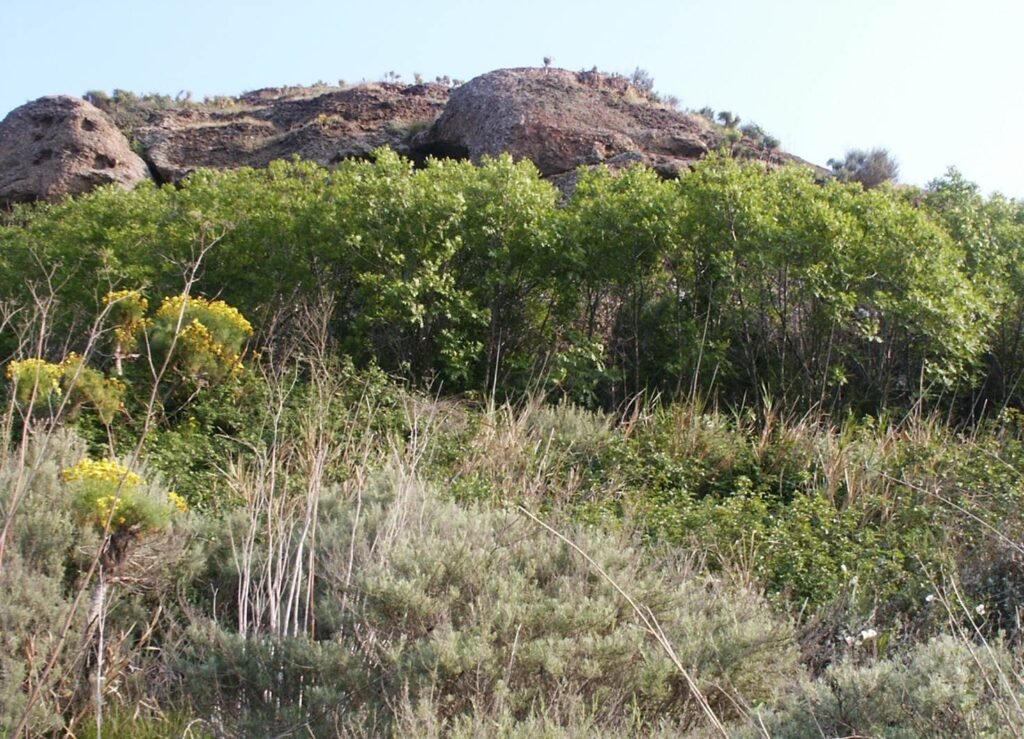
| Habitats | Moist or dry gravelly soils along river courses and bottomlands. Locally common in oak woods below 750 metres. |
| Range | South-western N. America – California. |
| Edibility Rating |   (2 of 5) (2 of 5) |
| Other Uses |   (3 of 5) (3 of 5) |
| Weed Potential | No |
| Medicinal Rating |   (1 of 5) (1 of 5) |
| Care (info) |    |


California Walnut (Juglans californica): Grow, Propagate, Harvest & Use This Native Nut Tree
The California Walnut (Juglans californica), also known as the Southern California Black Walnut, is a drought-tolerant deciduous tree native to the coastal and inland valleys of California. Beyond its ecological value, this native walnut species offers edible nuts, habitat benefits, and attractive landscaping features — making it a rewarding plant for gardeners, orchard growers, and food enthusiasts alike.
This comprehensive guide explores how to grow, propagate, care, harvest, and use California Walnut trees, plus insights into culinary usage and nut-based food options.
Understanding the California Walnut
Botanical Name: Juglans californica
Type: Deciduous Tree
Growth Rate: Moderate
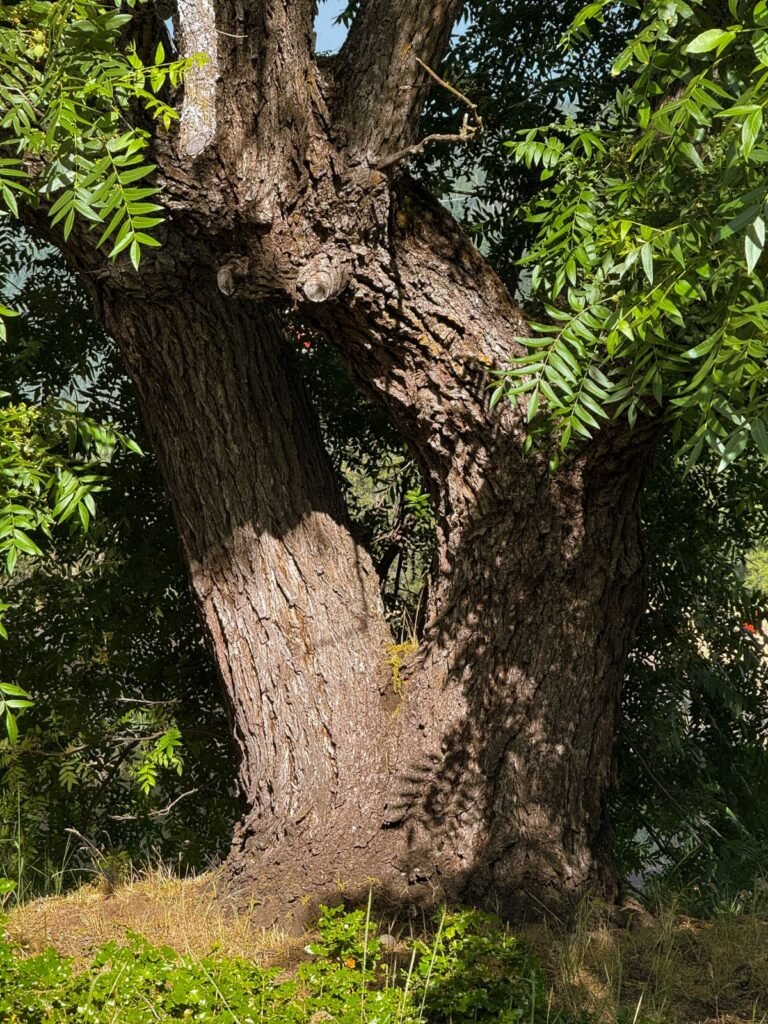
Mature Height: 15–30 ft (sometimes more in ideal conditions)
Native Range: Southern & Central California foothills and valleys
This species thrives in Mediterranean climates characterized by mild, wet winters and dry summers. In nature, it’s often found on slopes, woodland edges, and riparian corridors.
How to Grow California Walnut
Climate & Temperature
California Walnut tolerates heat and seasonal drought once established. It prefers warm, sunny climates typical of USDA Zones 7–10.
Soil Requirements
- Well-drained soil is essential.
- Prefers sandy loam or clay loam.
- Tolerates alkaline conditions better than many fruit or nut trees.
Watering Needs
- First 2 years: Regular deep watering during dry months.
- After establishment: Minimal supplemental water needed in most regions.
Sunlight
Full sun provides the best nut yields and tree vigor. Partial shade slows growth and reduces harvests.
Propagation Techniques
California Walnut can be propagated through:
1. Seed Propagation
The most common method.
- Collect nuts in fall.
- Remove husks and cold stratify seeds.
- Plant outdoors in winter or early spring.
Seed-grown trees may take several years to produce nuts.
2. Root Suckers
Mature trees often send up shoots.
- Dig up suckers with a root segment.
- Transplant in cool seasons (late fall or winter).
3. Grafting
Used to:
- Maintain cultivar characteristics
- Improve nut quality or growth form
Grafting is more typical in commercial walnut production.
Varieties & Related Species
While Juglans californica is itself a distinct species, it has close relatives in the region, including:
- Juglans hindsii (Northern California Black Walnut)
- Juglans nigra (Eastern Black Walnut)
- Juglans regia (English/Persian Walnut)
In horticulture, hybridization has occurred between California Black Walnut and English Walnut, producing vigorous rootstocks.
Maintenance & Care Tips
- Mulching: Helps conserve moisture and suppress weeds.
- Pruning: Best done in late winter; thinning increases sunlight and air flow.
- Pest Resistance: Generally resilient; occasional issues include walnut husk fly and canker diseases.
- Juglone Awareness: Like all walnut species, the roots produce juglone, which can inhibit growth of sensitive plants.
Harvesting California Walnuts
Season
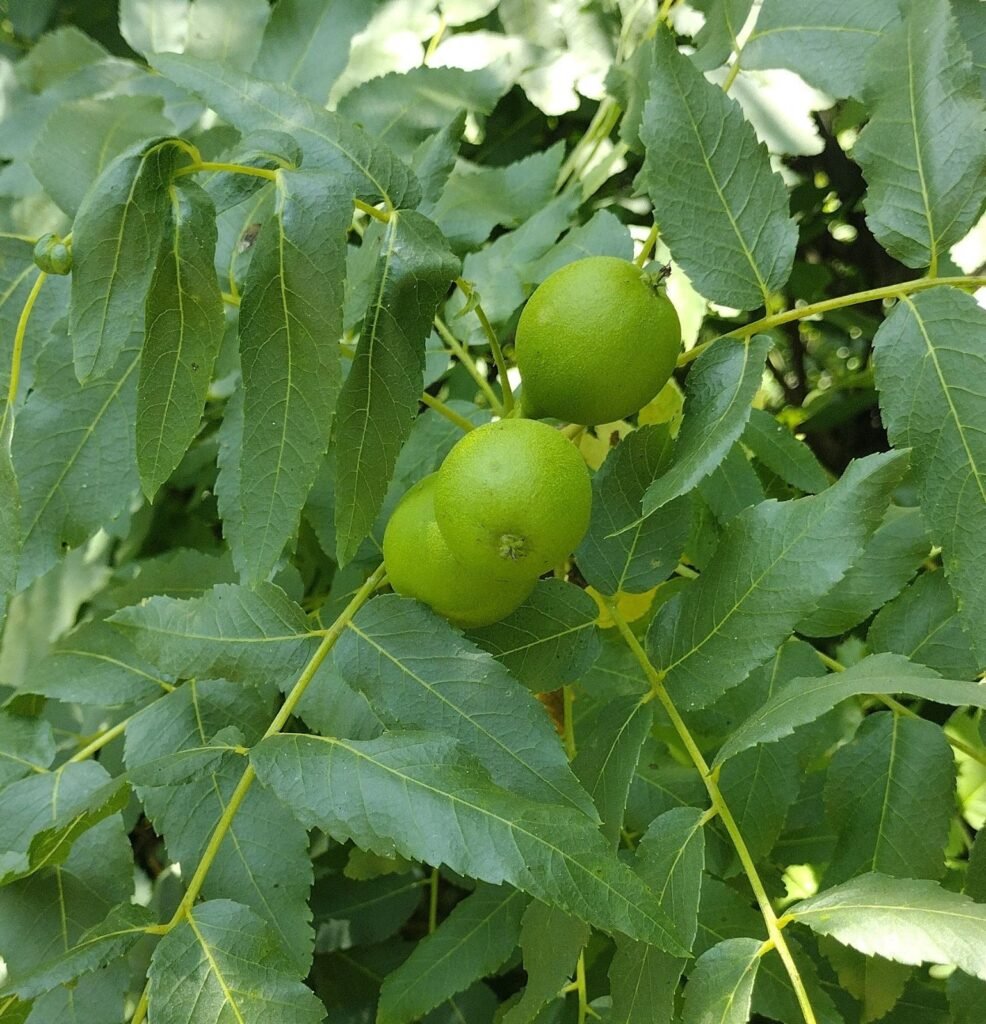
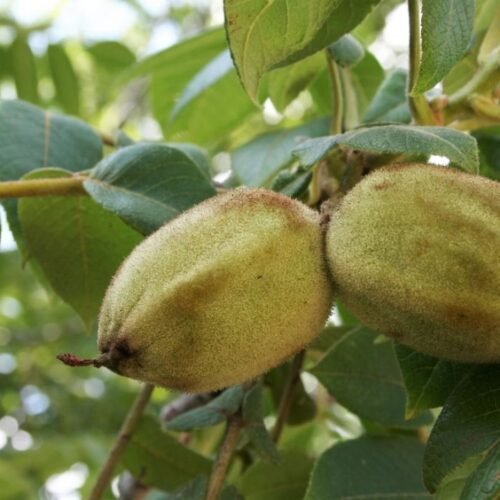
Walnuts typically mature between September and November depending on climate and tree age.
Signs of Ripeness
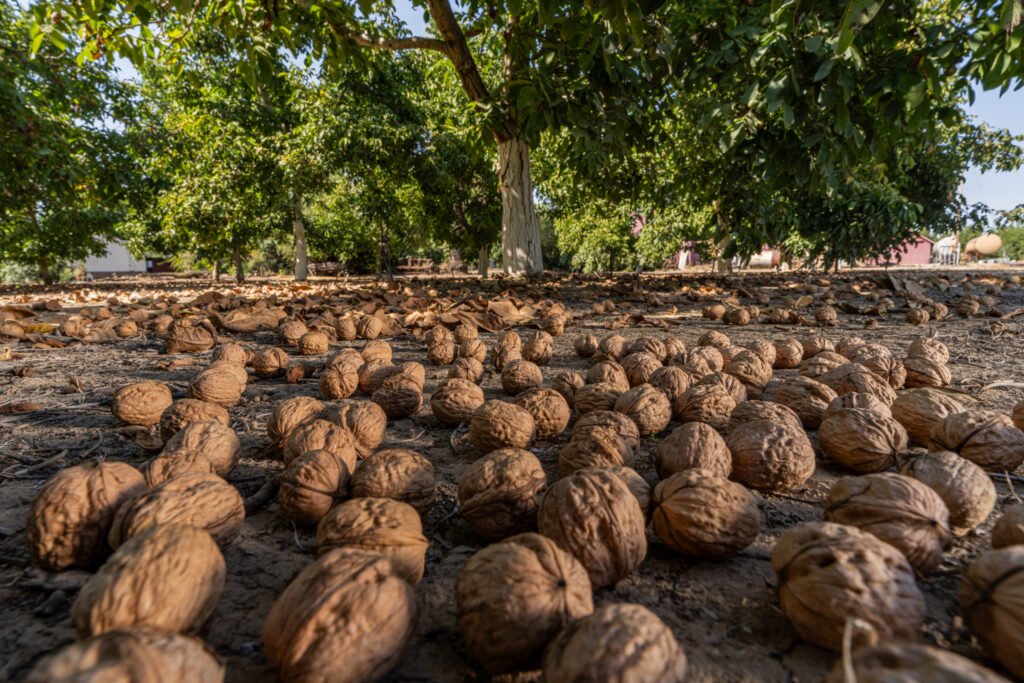
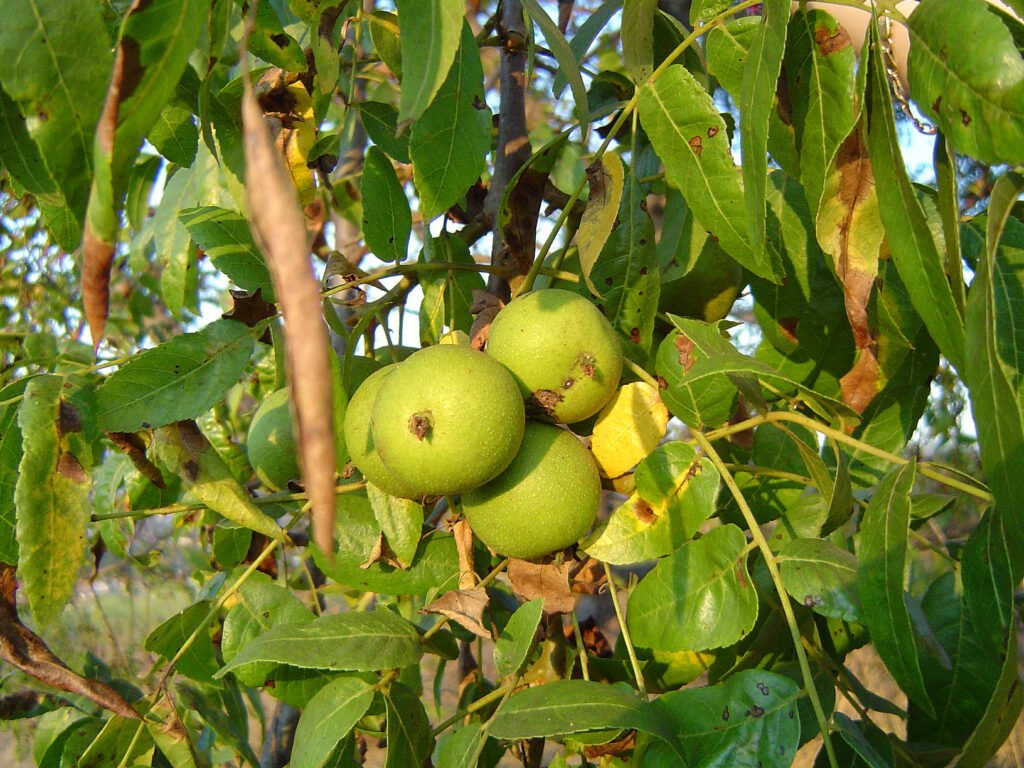
- Outer husk begins to split or dry.
- Nuts fall naturally to the ground.
Processing
After harvest:
- Remove husks.
- Wash and dry nuts thoroughly.
- Cure for 1–3 weeks to improve flavor and storage.
Proper drying enhances the walnut’s natural oils and aromatic notes.
Culinary Uses & Food Options
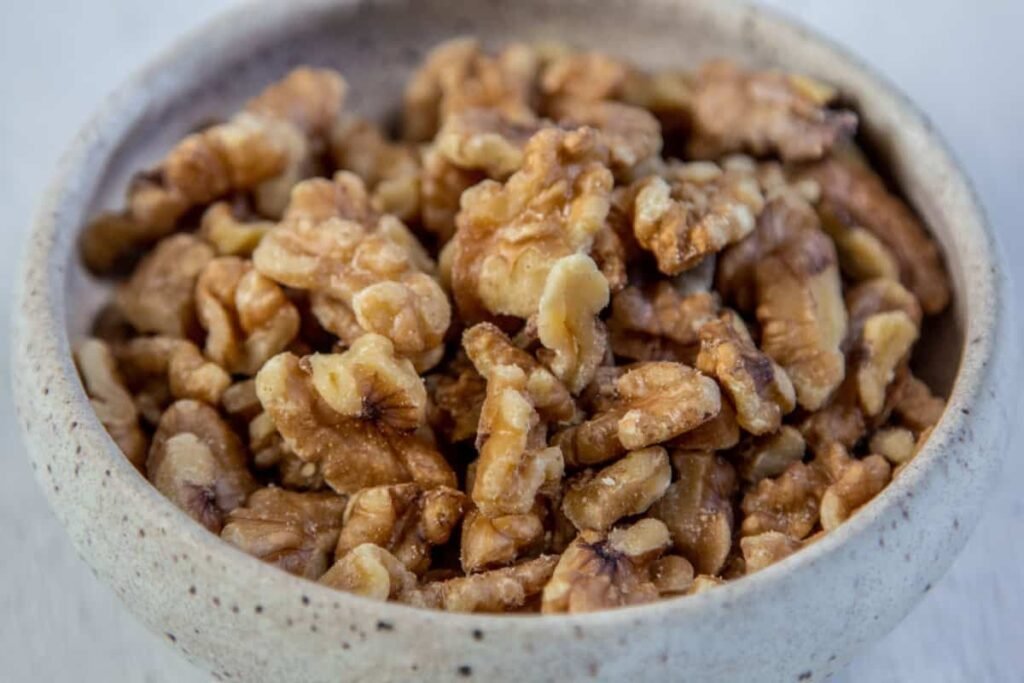
Though smaller than commercially grown English walnuts, California Walnuts are flavorful and rich in healthy fats. They can be used in both sweet and savory dishes, such as:
Sweet Applications
- Baked breads
- Cookies
- Cakes
- Candied nuts
Savory Uses
- Pesto or nut sauces
- Walnut oil infusions
- Salad toppings
- Sauces for pasta or roasted vegetables
Nutritional Highlights
Rich in:
- Omega-3 fatty acids
- Vitamin E
- Plant proteins
- Antioxidants
These nutrients make walnuts a smart choice for heart-healthy diets.
Non-Culinary Uses
California Walnut also offers value beyond food:
Wood & Crafting
The wood features dark, attractive grain prized for furniture and instrument making.
Wildlife Benefits
- Nuts feed native wildlife
- Trees offer shade and nesting habitats
Landscaping
Well-suited for drought-tolerant and native gardens.
Ecological & Cultural Value
Historically, native peoples of California used walnuts for:
- Food
- Dyes
- Tools
- Trade goods
Today, the species helps support biodiversity within oak-walnut woodland ecosystems.
Final Thoughts
Growing California Walnut (Juglans californica) can be remarkably rewarding for gardeners interested in:
✔ native species
✔ sustainable food production
✔ drought-tolerant landscaping
✔ ecological restoration
With proper care, these trees can thrive for decades — providing shade, wildlife value, nutritious nuts, and a unique connection to California’s natural heritage.


&media=https://food-foresting.com/wp-content/uploads/2026/01/20230919_WALNUT-FARM_3010-scaled-1.jpg)