
 paulius.mikoliunas1
| Common Name | Giant Dogwood, Wedding Cake Tree, |
| Family | Cornaceae |
| USDA hardiness | 5-8 |
| Known Hazards | None known |
| Habitats | Woodland, hedges and thickets, 600 – 2000 metres in W. China[109]. Broad-leaved or mixed broad-leaved and needle-leaved forests at elevations of 200 – 2600 metres. |
| Range | E. Asia – China, Japan, Himalayas. |
| Edibility Rating |   (2 of 5) (2 of 5) |
| Other Uses |   (2 of 5) (2 of 5) |
| Weed Potential | No |
| Medicinal Rating |   (1 of 5) (1 of 5) |
| Care (info) |     |




Giant Dogwood (Cornus controversa): Growth, Propagation, Varieties & Culinary Uses
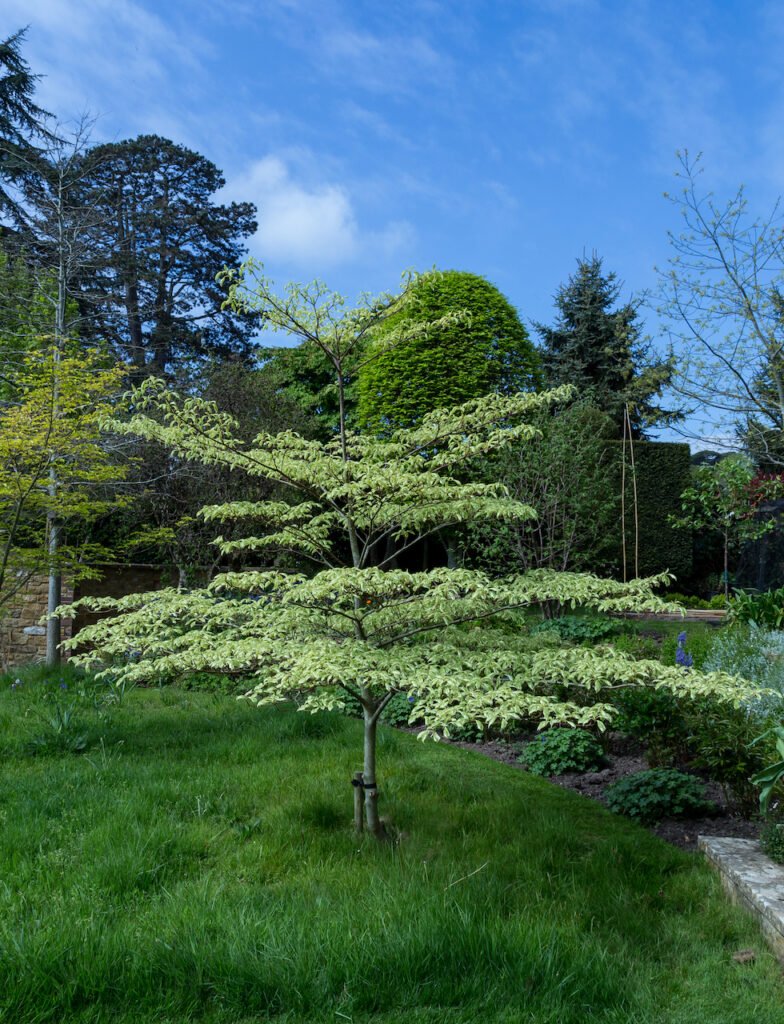
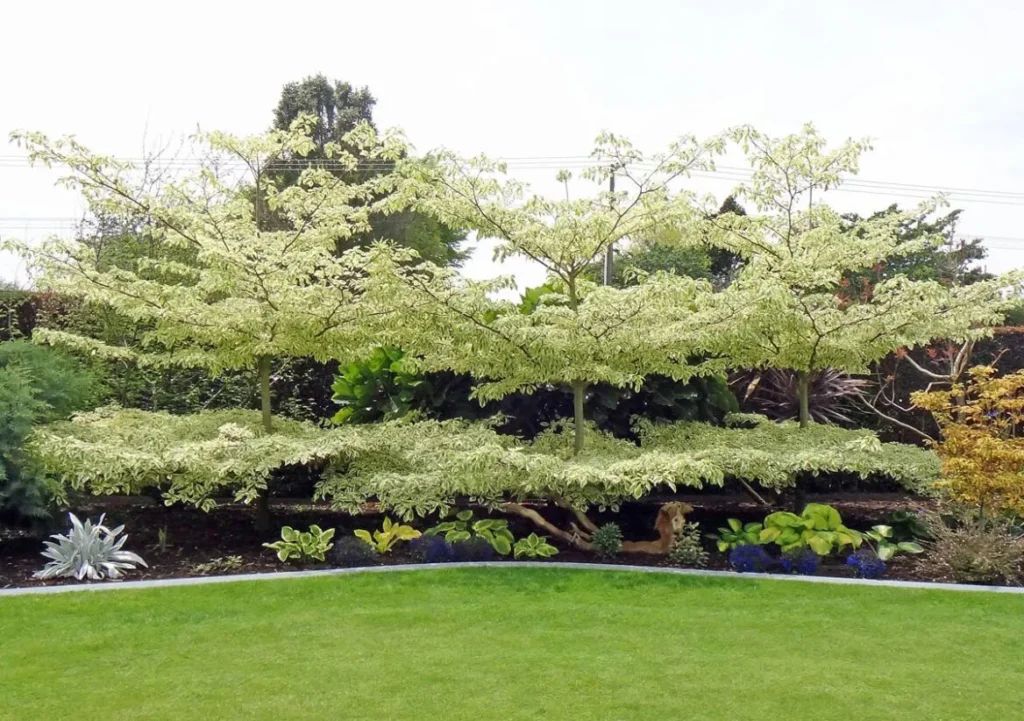
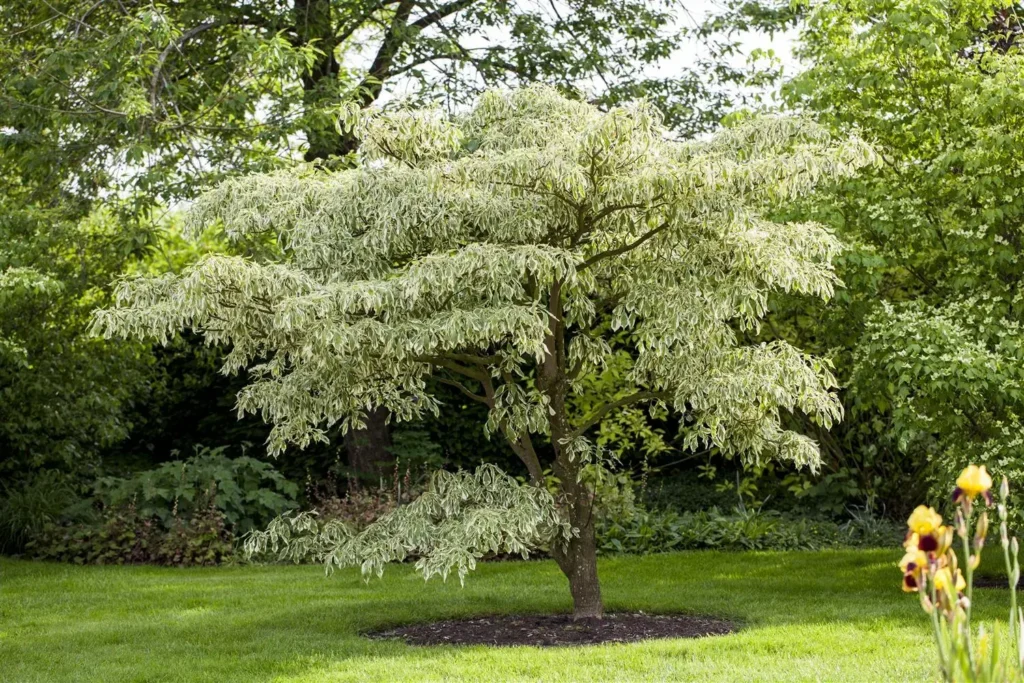
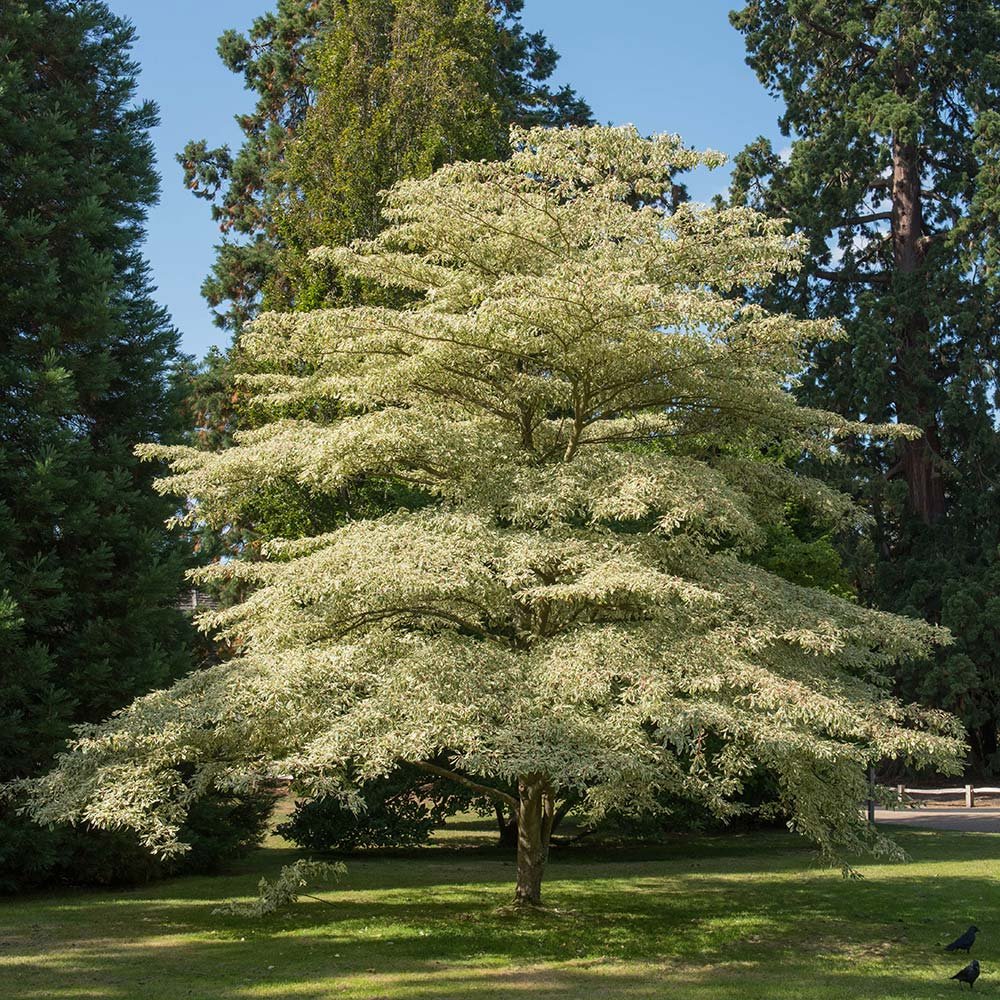
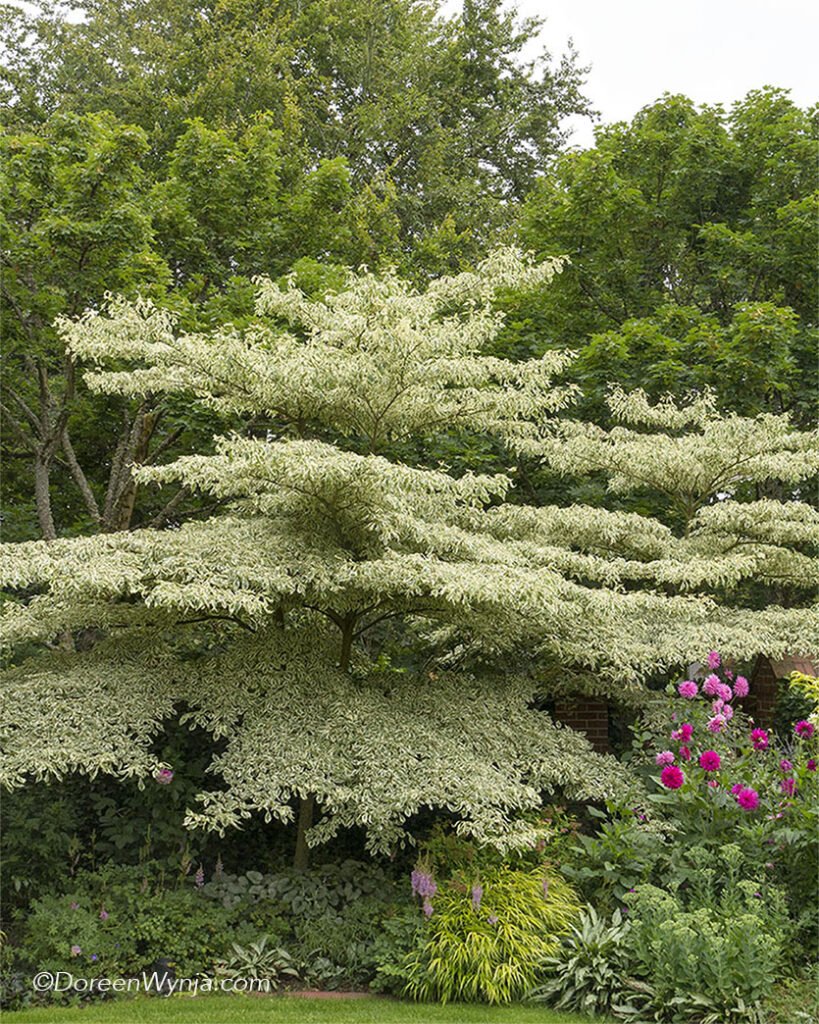
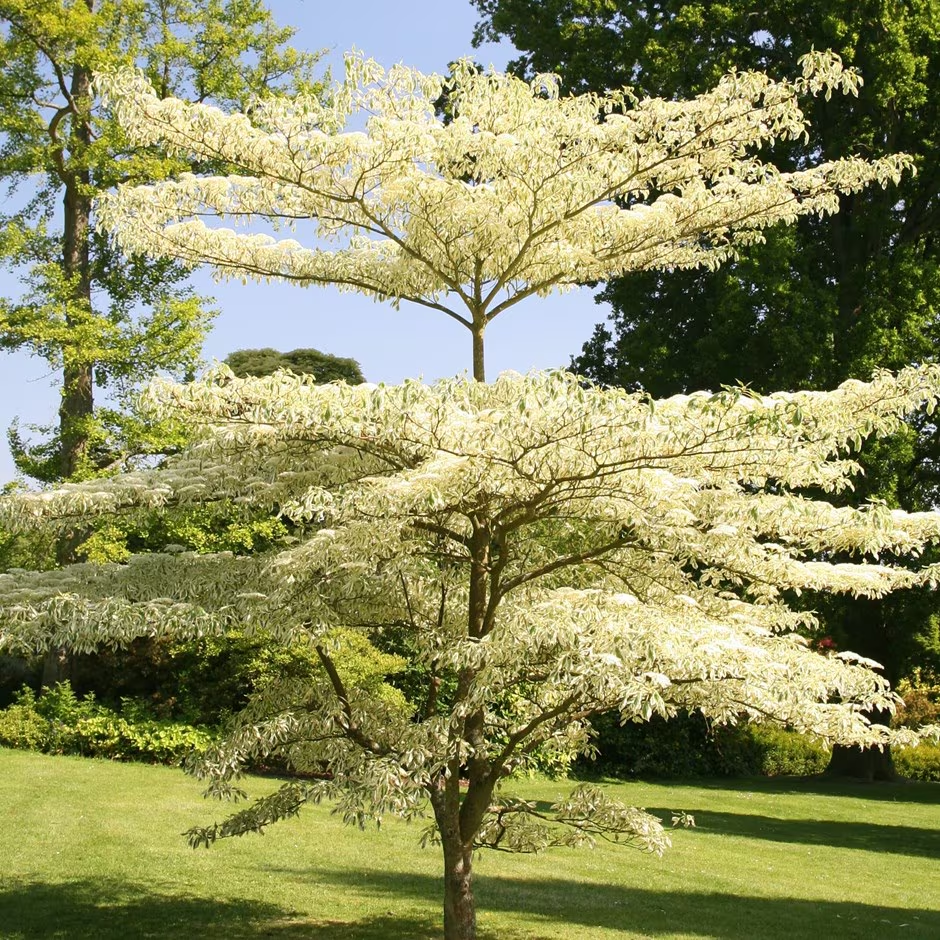
The Giant Dogwood (Cornus controversa)—often admired as the Wedding Cake Tree for its signature tiered branching—remains one of the most visually captivating ornamental trees available to home gardeners and estate landscapers. Beyond its stunning architectural form, this deciduous species offers edible berries, medicinal traditions, wildlife benefits, and surprising culinary potential.
Whether you’re looking to grow it as a sculptural centerpiece or explore its fruit-bearing possibilities, this guide covers everything you need: how to grow, propagate, identify varieties, use the fruit, and harvest successfully.
What Makes Giant Dogwood Special?
Native to East Asia, the Giant Dogwood is prized for:
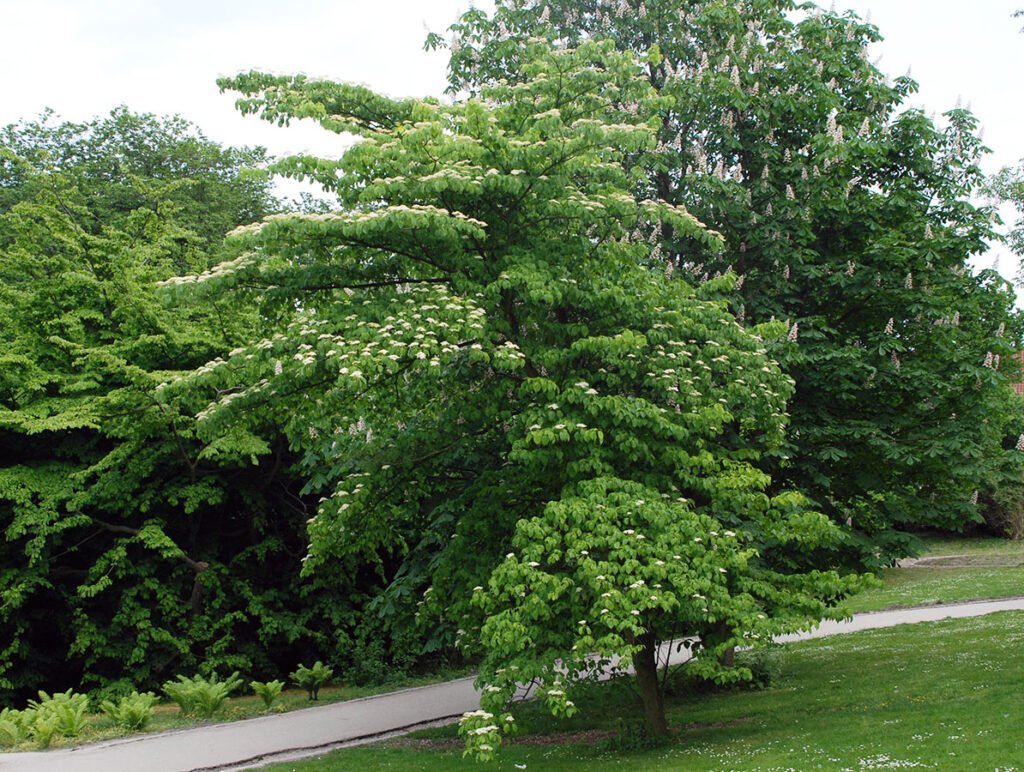
- Layered, horizontal branches
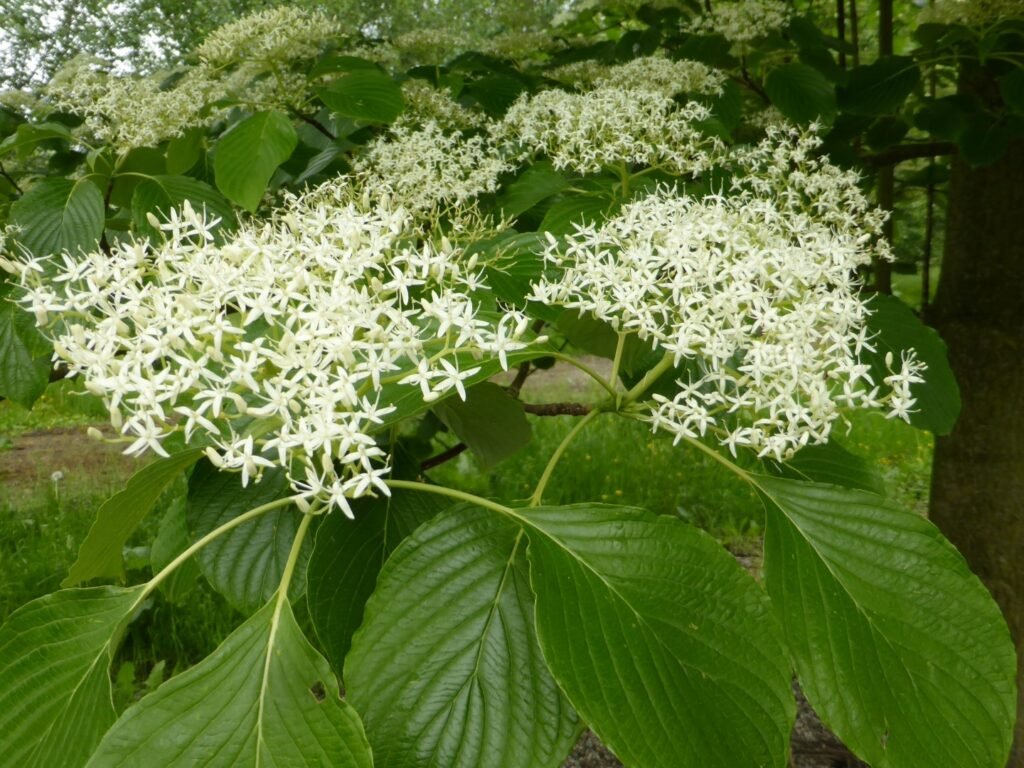
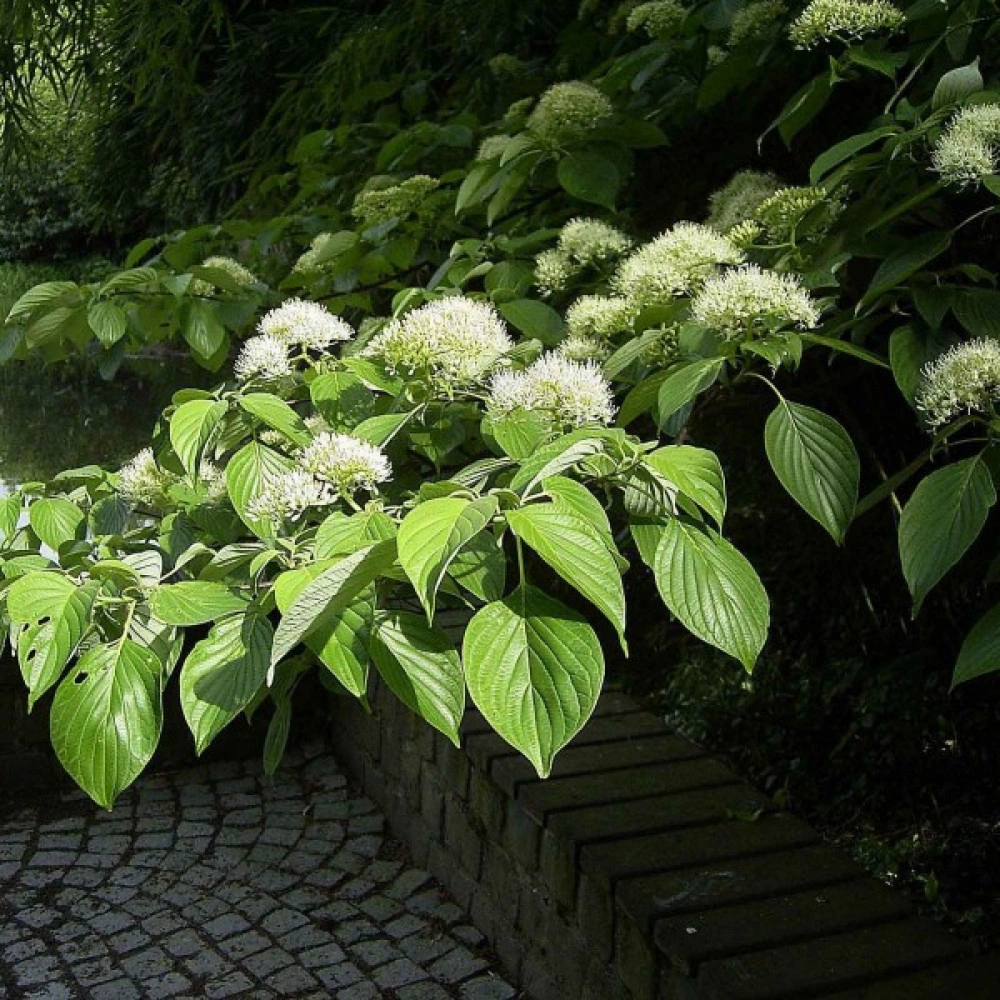
- Showy white floral clusters in spring
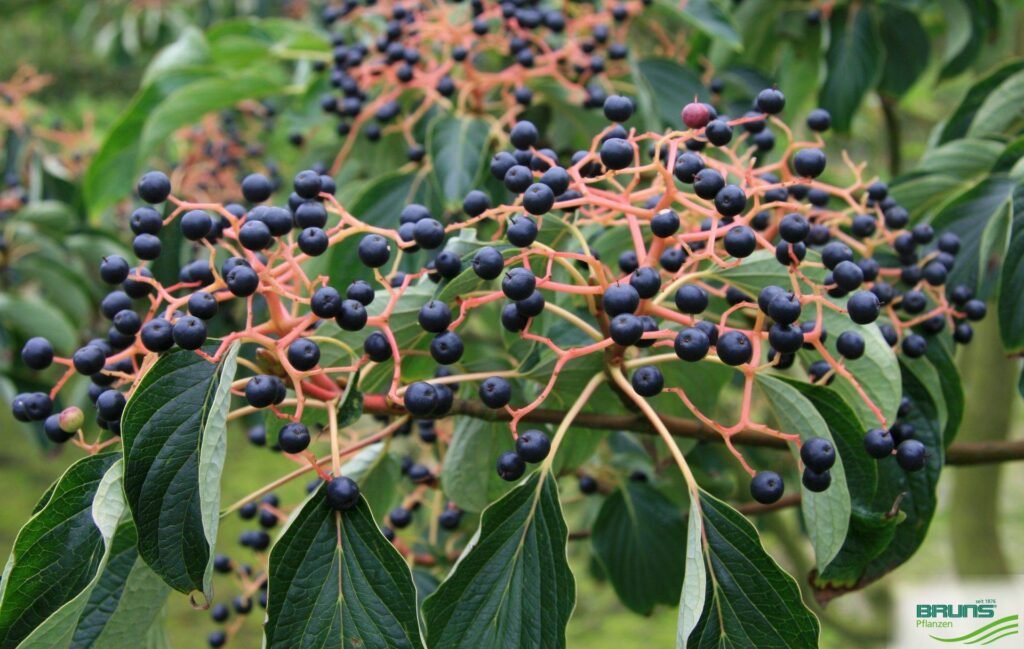
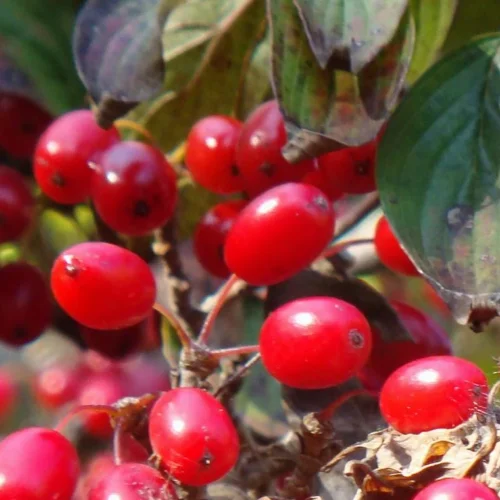
- Deep purple to black berry-like drupes
- Brilliant autumn foliage
- Bird and pollinator attraction
- Edible fruit with tart-sweet notes
Mature specimens reach 12–18 meters (40–60 ft) with a wide, tiered canopy—making it ideal for large gardens or park landscapes.
Ideal Growing Conditions
To grow Cornus controversa successfully:
Climate & Hardiness
- Hardy in USDA Zones 6–8
- Tolerates occasional cold snaps once established
Soil Requirements
- Prefers moist, loamy, slightly acidic soils
- Drainage is crucial—avoid waterlogging
- Benefits from organic-rich humusy media
Light Exposure
- Full sun to partial shade
- Trees in bright light tend to produce more flowers and fruit
Watering & Moisture
- Young trees require consistent weekly watering
- Mature trees become more drought-tolerant but still perform best with steady moisture
Pruning & Maintenance
Minimal pruning is required; however:
- Remove crossing branches to maintain tiered form
- Prune after flowering, not before
Propagation Methods
Giant Dogwood can be propagated by seed, softwood cuttings, or layering.
1. Seed Propagation
- Requires cold stratification for 2–3 months
- Germination may take 6–12 months
- Best for genetic diversity
2. Softwood Cuttings
- Taken in early summer
- Use hormone rooting powder for higher success
- Place cuttings in warm, moist, shaded environment
- Rooting occurs within several weeks
3. Layering (High Success Method)
- Bend low branches to soil and secure
- Roots will form over several months
- Best for maintaining cultivar traits
Popular Varieties & Cultivars
While the species is already ornamental, several cultivated forms enhance aesthetics:
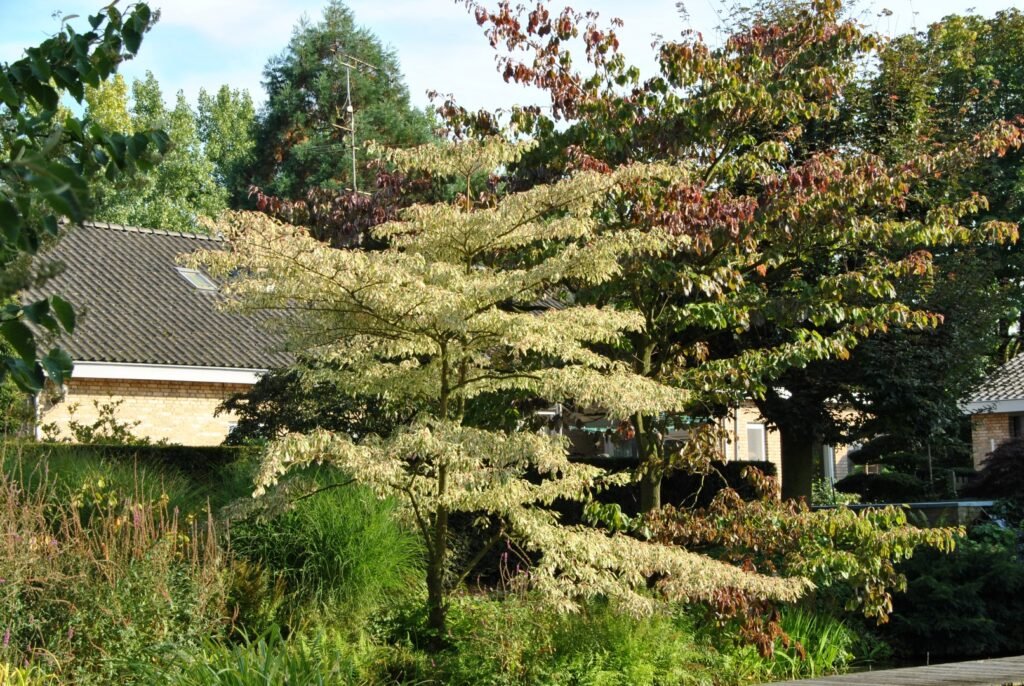
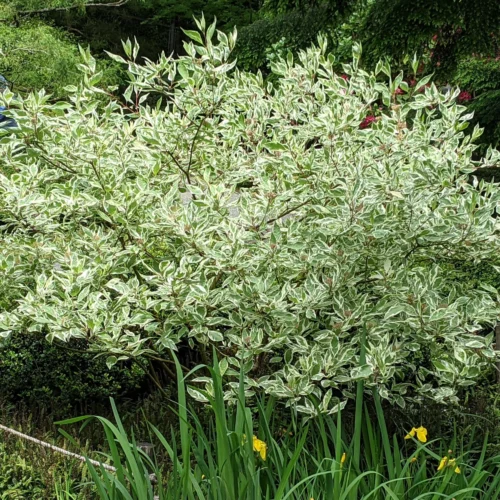
• Cornus controversa ‘Variegata’
- Cream-edged variegated leaves
- Striking layered architectural appearance
- Ideal for specimen planting
• Standard Cornus controversa
- Pure green foliage
- Faster growing and slightly more vigorous
• Rare selections
Occasionally, nurseries offer dwarf or enhanced variegated lines for smaller spaces, though availability varies.
Flowers, Fruit & Edibility
Flowering
- Blooms in late spring–early summer
- White flat-topped inflorescences attract bees, butterflies, and beetles
Fruit Production
- Late summer berries ripen to dark purple-black
- Texture: soft and pulpy
- Flavor: mildly sweet with tart undertones, reminiscent of elderberry and mulberry
Food & Culinary Uses
Although not widely commercialized, the berries can be used in:
- Jams & jellies
- Syrups & cordials
- Fermented beverages
- Baked goods
- Infused vinegars
- Foraged fruit blends
Their high pectin content supports jam-making naturally, making it useful for homesteaders.
Traditional & Functional Uses
Beyond food applications, Giant Dogwood offers:
Medicinal Traditions
Historically used in East Asian herbal practices to:
- Support digestion
- Reduce inflammation
- Aid fever recovery (varies by region and plant part)
Note: Always verify safety if using medicinally—regional knowledge varies.
Wildlife Support
- Berries feed birds such as thrushes & waxwings
- Flowers support pollinators early in the season
- Dense branching provides nesting habitat
Landscape Design
Planted as:
- Architectural focal point
- Shade tree
- Seasonal interest tree
- Tiered “layering” accent in Japanese-style gardens
Harvesting & Timing
When to Harvest
- Fruit ripens late summer to early fall
- Pick when fully darkened and slightly soft
Harvest Tips
- Shake branches over a cloth for faster collection
- Hand-pick for highest quality fruit
- Attractiveness to birds means timing matters—harvest early if wildlife pressure is high
Post-Harvest Storage
- Refrigerate fresh berries up to 3–5 days
- Freeze for long-term preservation
- Cook down for concentrates or syrups
Common Issues & Pests
Giant Dogwood is relatively disease-resistant, but may encounter:
- Anthracnose (humid climates)
- Leaf spot fungi
- Root rot in poorly drained soils
- Scale insects & aphids (minor)
- Birds stripping fruit prematurely
Organic management includes improved airflow, soil drainage, and integrated pest monitoring.
Frequently Asked Questions (FAQ)
Is Giant Dogwood edible?
Yes—berries are edible and mildly sweet-tart.
Can it grow in small gardens?
Young trees fit, but mature size favors larger spaces unless using dwarf or variegated cultivars.
How fast does it grow?
Moderate growth, often 30–45 cm (12–18 inches) per year under ideal conditions.
Is it evergreen?
No, it is deciduous and offers vibrant autumn foliage.
Final Thoughts
The Giant Dogwood (Cornus controversa) is far more than an ornamental showpiece. With its edible fruit, wildlife benefits, striking branch architecture, and long seasonal interest, it rewards both gardeners and foragers year after year.
Whether planted for beauty, biodiversity, flavor experimentation, or heritage value, this tree earns its place as one of the most versatile yet underappreciated deciduous species in ornamental horticulture.


&media=https://food-foresting.com/wp-content/uploads/2026/01/MG_6391-Cornus-controversa-Variegata-Franz-Typev2-86ce83e-scaled.jpg)