
 paulius.mikoliunas1
| Common Name | Goat Willow, Kilmarnock Willow, Pink Pussy Willow, Pussy Willow |
| Family | Salicaceae |
| USDA hardiness | 4-9 |
| Known Hazards | None known |
| Habitats | Woods, scrub and hedges, usually on basic soils, to 840 metres. |
| Range | Europe, including Britain, from Norway south and east to Spain, temperate Asia and Syria. |
| Edibility Rating |   (1 of 5) (1 of 5) |
| Other Uses |   (4 of 5) (4 of 5) |
| Weed Potential | No |
| Medicinal Rating |   (2 of 5) (2 of 5) |
| Care (info) |       |
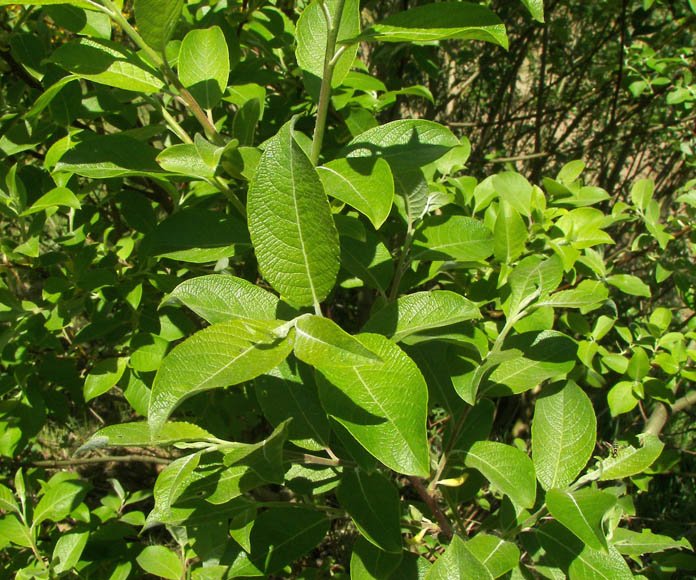

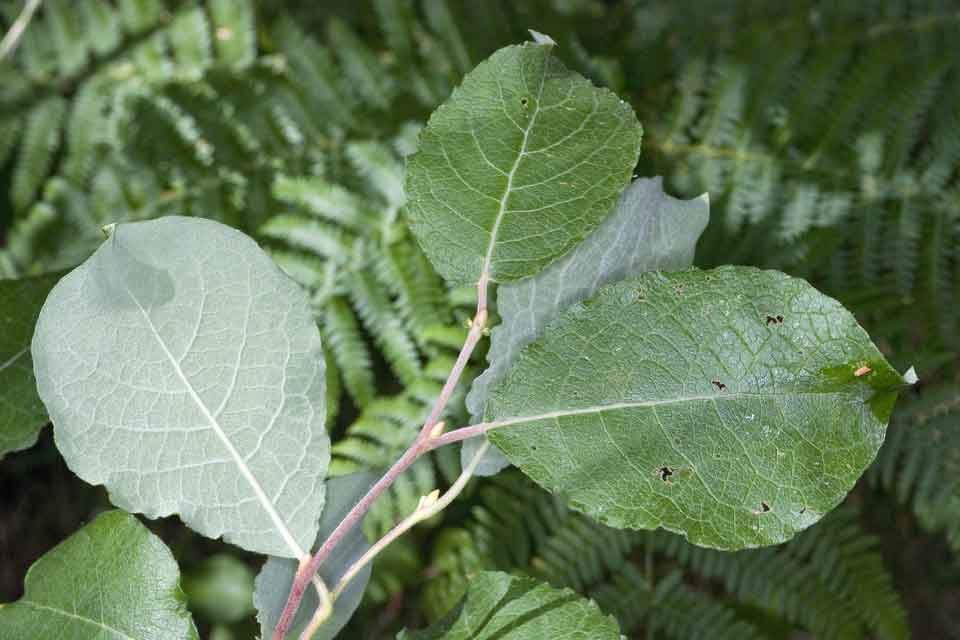
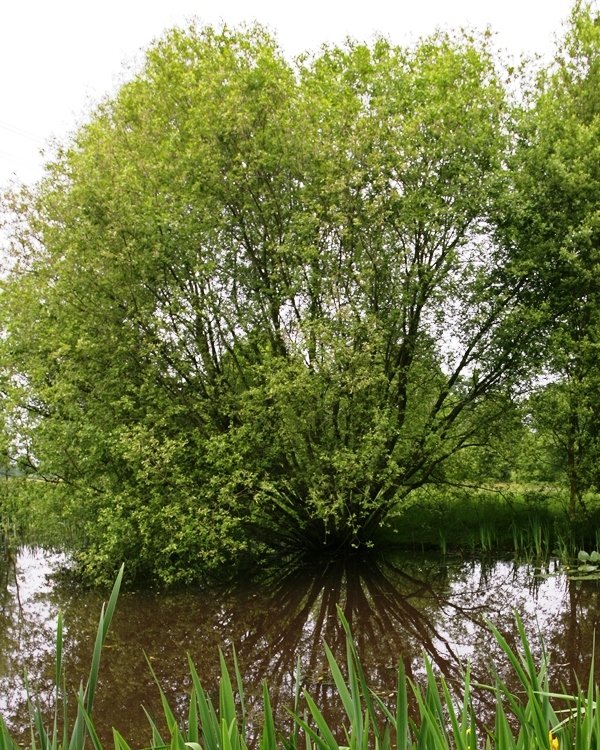
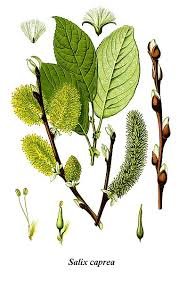
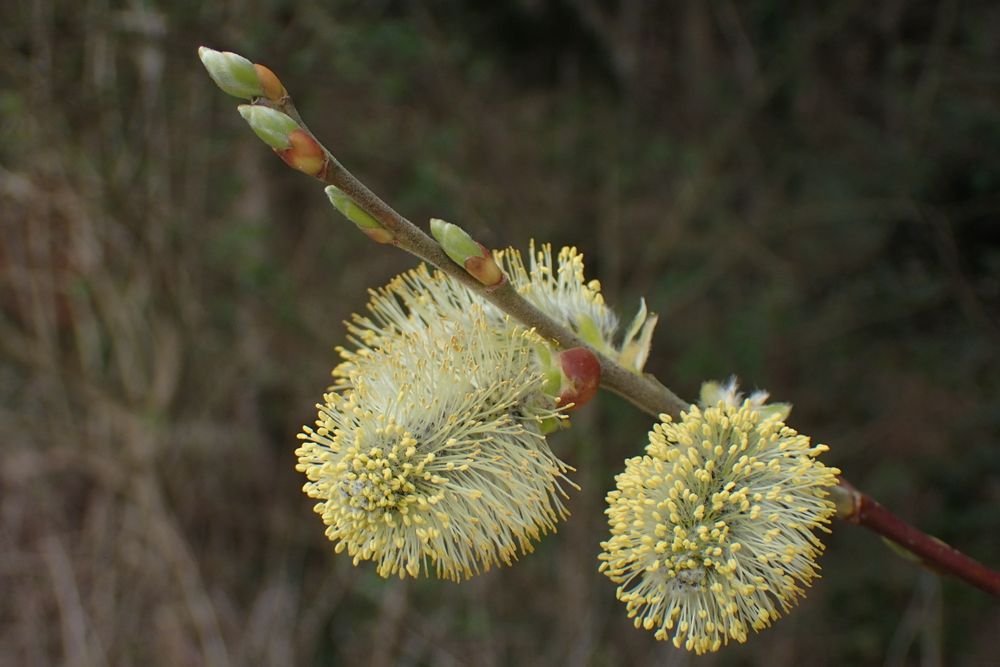
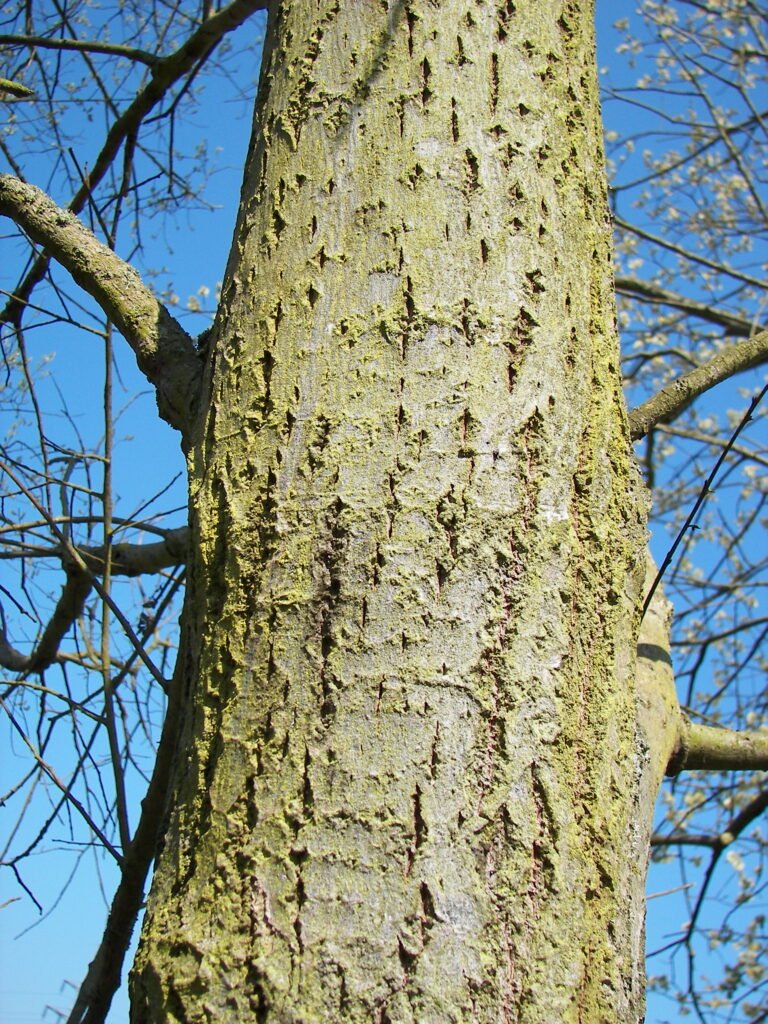
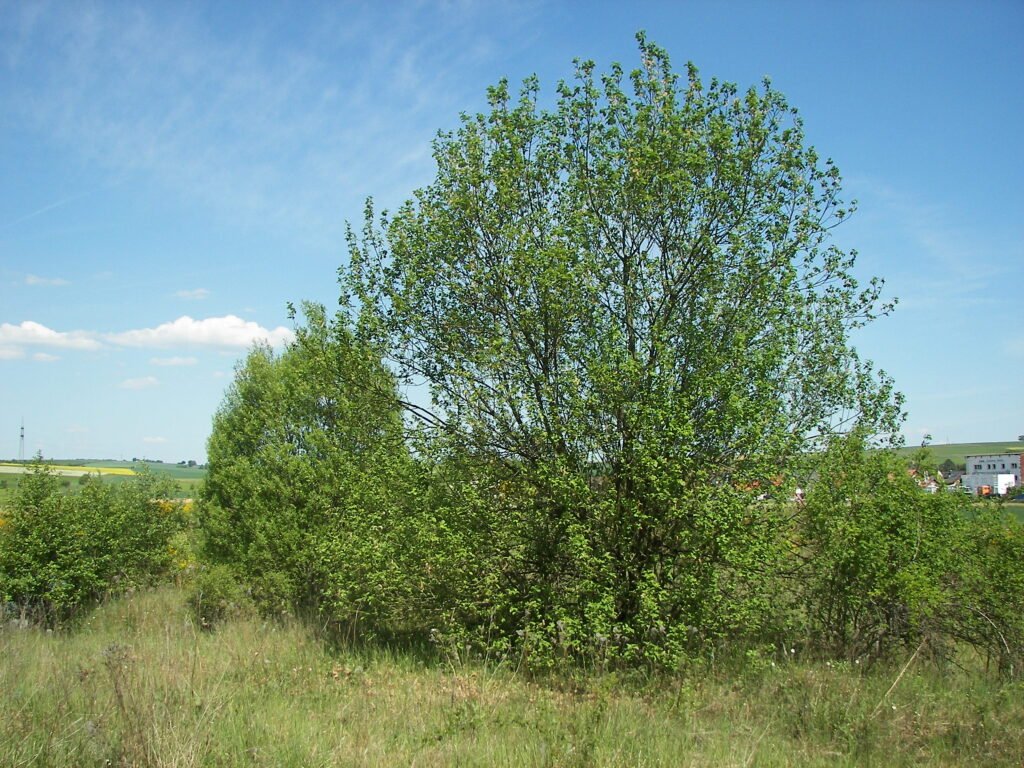
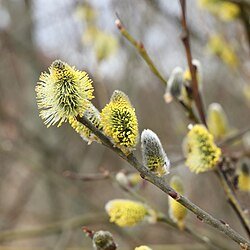
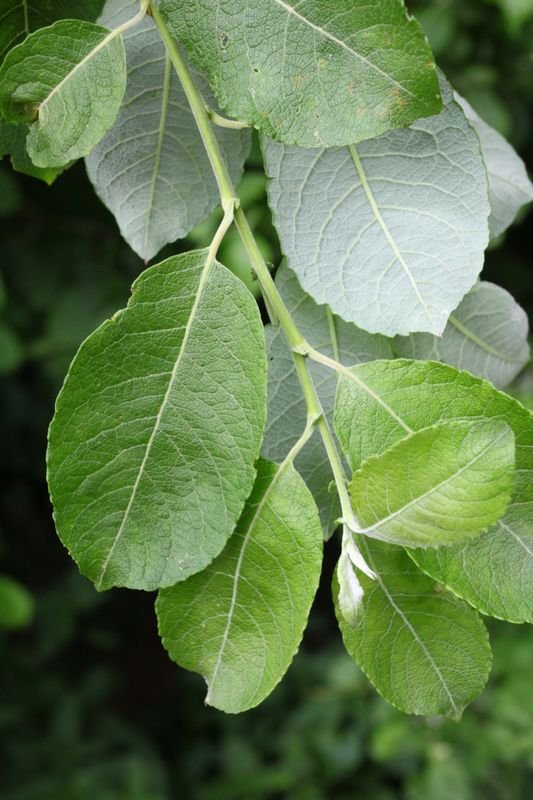
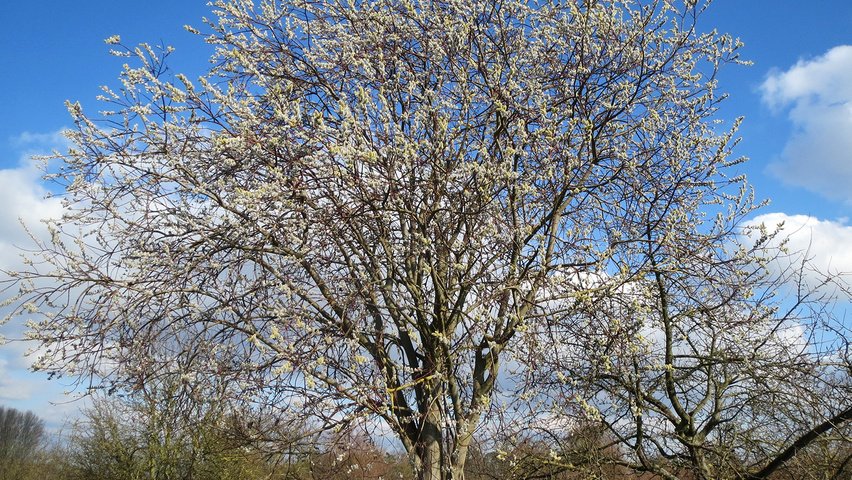
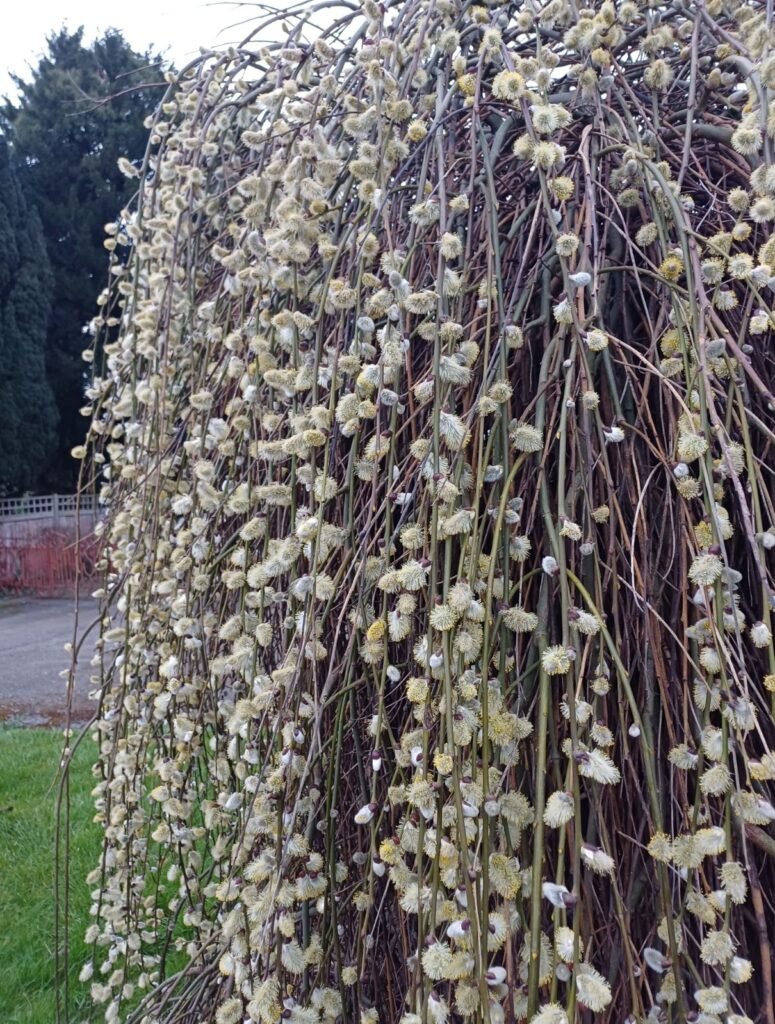
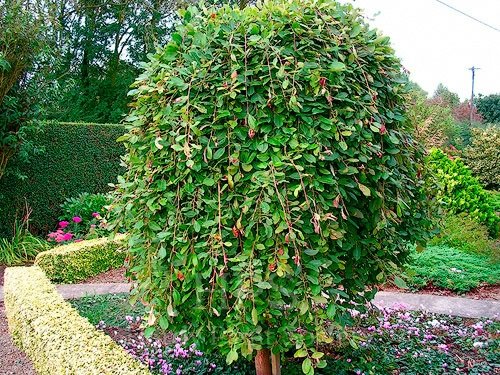
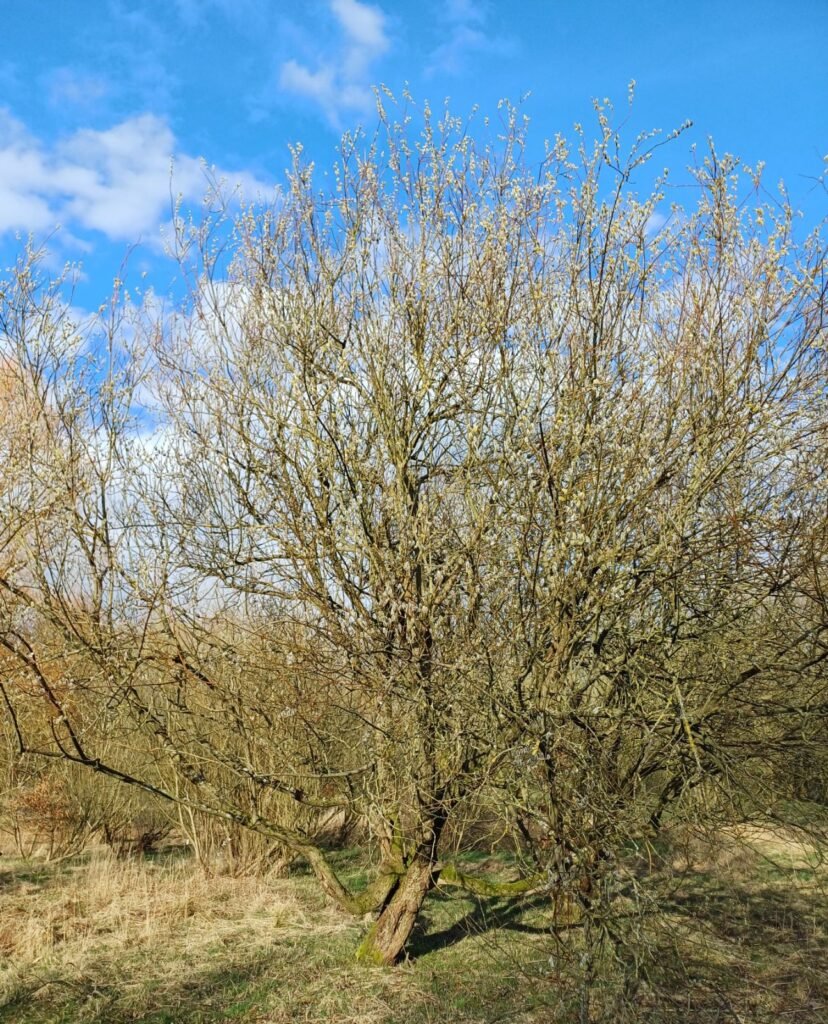
What Is Goat Willow (Salix caprea)?
Salix caprea is a deciduous tree native to Europe and Western Asia. It thrives in cool, temperate climates and is widely recognized for:
- Early spring catkins that provide nectar and pollen for bees before most plants bloom
- Fast growth and high resilience
- Adaptability to poor or wet soils
- Use in basketry, crafting, and ornamental landscapes
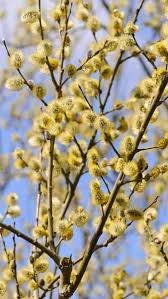
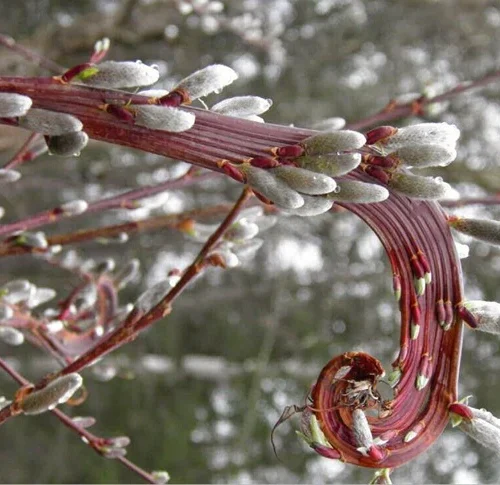
Its common name “Pussy Willow” comes from the soft, furry texture of the male catkins.
⭐ Benefits of Growing Goat Willow
✔ Excellent for Pollinators
One of the earliest nectar sources for bees.
✔ Very Low Maintenance
Tolerates wet soil, wind, poor fertility, and cold winters.
✔ Great for Wildlife Gardens
Provides food and habitat for birds, insects, and small mammals.
✔ Ornamental Appeal
Catkins appear in late winter–spring, adding visual interest before leaves emerge.
✔ Easy to Propagate
Cuttings root extremely well — even beginners can do it successfully.
How to Grow Goat Willow (Salix caprea)
Growing Goat Willow is surprisingly easy. It adapts to many environments but thrives best under the right conditions.
1. Choose the Right Location
Goat Willow prefers:
- Full sun to partial shade
- Moist, well-drained soil, though it tolerates heavy clay and wet areas
- Cool or temperate climates
It is an excellent choice for:
- Wetlands
- Stream edges
- Wildlife gardens
- Cottage gardens
- Naturalistic landscapes
Avoid planting near foundations or pipes because willow roots can seek water.
2. Soil Requirements
Although Goat Willow grows in almost any soil, ideal conditions include:
- pH between 5.5–7.5
- Organic-rich loam
- Constant moisture
Improvement tips:
- Add compost when planting.
- Mulch yearly to retain moisture.
3. How to Plant Goat Willow
Planting from a potted tree
- Dig a hole twice the width of the rootball.
- Place the plant at the same soil depth as the pot.
- Backfill, firm the soil, and water deeply.
- Mulch around the base (not against the trunk).
Planting from a bare-root sapling
- Soak the roots in water for 1–2 hours.
- Dig a hole large enough to spread the roots.
- Plant at the original soil line.
- Water consistently for the first season.
4. Watering & Care
- Water weekly during the first growing season.
- Once established, Goat Willow tolerates short droughts.
- Prune lightly after flowering if shape control is needed.
- Remove crossing branches to maintain good airflow.
How to Propagate Goat Willow (Salix caprea)
Propagation is one of the easiest and most satisfying parts of growing Goat Willow. You can propagate by cuttings or seed, but cuttings are far more reliable.
1. Propagation by Hardwood Cuttings (Best Method)
Hardwood cuttings root extremely fast — sometimes in just a few weeks.
Step-by-step:
- Take cuttings in late autumn to early spring.
- Select a healthy one-year shoot.
- Cut a 20–30 cm (8–12 inch) section.
- Insert the cutting two-thirds into moist soil.
- Keep soil wet but not waterlogged.
- New shoots appear in spring.
Hardwood cuttings can be rooted:
- Directly in the garden
- In pots
- In a bucket of water (though soil rooting is stronger long-term)
2. Propagation by Softwood Cuttings
Taken in late spring to early summer.
- Cut 10–15 cm (4–6 inch) new growth.
- Strip lower leaves.
- Dip in rooting hormone (optional but helpful).
- Insert into moist potting mix.
- Keep in high humidity (cover with a plastic dome).
Roots form within 2–4 weeks.
3. Seed Propagation
Goat Willow seeds are viable for only a few days after release, making seed propagation more challenging.
To grow from seed:
- Collect seeds immediately when catkins fluff.
- Sow on the soil surface — do not bury.
- Keep consistently moist.
- Germination occurs rapidly, often within 24–48 hours.
Popular Varieties of Goat Willow (Salix caprea)
1. Salix caprea ‘Kilmarnock’
- A dwarf, weeping form
- Grafted onto a straight stem
- Excellent for small gardens and containers
2. Salix caprea ‘Pendula’
- Naturally weeping branches
- Stunning winter silhouette
3. Standard Male Pussy Willow
- Grown for large, soft, silver catkins
- Excellent for floristry
4. Salix caprea var. caprea (Wild Type)
- Upright growth
- Great for wildlife and natural landscapes
5. Salix caprea var. sphacelata
- Mountain form
- More cold-tolerant and compact
How to Harvest Goat Willow
The harvesting process depends on your goals—catkins, wood, or cuttings.
1. Harvesting Catkins
The catkins are prized for floral displays.
- Best time: Late winter to early spring
- Cut stems when the catkins are fully developed but not yet shedding pollen
- Place in water indoors to force early bloom
2. Harvesting Willow Rods for Crafting
For basketry or rustic crafts:
- Best time: Late winter when leaves are off
- Choose straight, flexible stems
- Dry the rods 3+ weeks before working with them
Soaking before weaving restores flexibility.
3. Harvesting for Coppicing
Goat Willow responds extremely well to coppicing.
- Cut the tree back to the base every 2–4 years
- New straight rods emerge the next season
- Coppiced willows live longer and produce better materials
Common Pests & Diseases
Goat Willow is hardy but can experience:
- Aphids
- Willow leaf beetles
- Rust fungus
- Canker diseases
Prevention tips:
- Maintain airflow through pruning
- Water at the base
- Encourage beneficial insects
Frequently Asked Questions
Is Goat Willow invasive?
Not typically, but it self-seeds easily. Plant responsibly near natural areas.
Can Goat Willow grow in pots?
Yes — especially dwarf or grafted varieties like ‘Kilmarnock’.
Is Goat Willow good for wildlife?
Extremely. It supports early pollinators, caterpillars, and nesting birds.
Final Thoughts
Goat Willow (Salix caprea) is a truly remarkable plant — easy to grow, beautiful in every season, invaluable for wildlife, and extremely versatile for crafting and landscaping. Whether you’re planting a single ornamental specimen or starting a coppice grove, it rewards minimal care with maximum benefits.



&media=https://food-foresting.com/wp-content/uploads/2025/11/2048x1365-Salix-caprea-SEO-GettyImages-949139760-29390ca.jpeg)