
 paulius.mikoliunas1
| Common Name | High-Bush Blueberry, American Blueberry, Swamp Blueberry, Blueberry |
| Family | Ericaceae |
| USDA hardiness | 3-8 |
| Known Hazards | None known |
| Habitats | Swamps, low wet woods, pine barrens and dry uplands. |
| Range | Eastern N. America – Nova Scotia to Quebec and south to Florida.. |
| Edibility Rating |   (4 of 5) (4 of 5) |
| Other Uses |  (0 of 5) (0 of 5) |
| Weed Potential | No |
| Medicinal Rating |   (1 of 5) (1 of 5) |
| Care (info) |     |
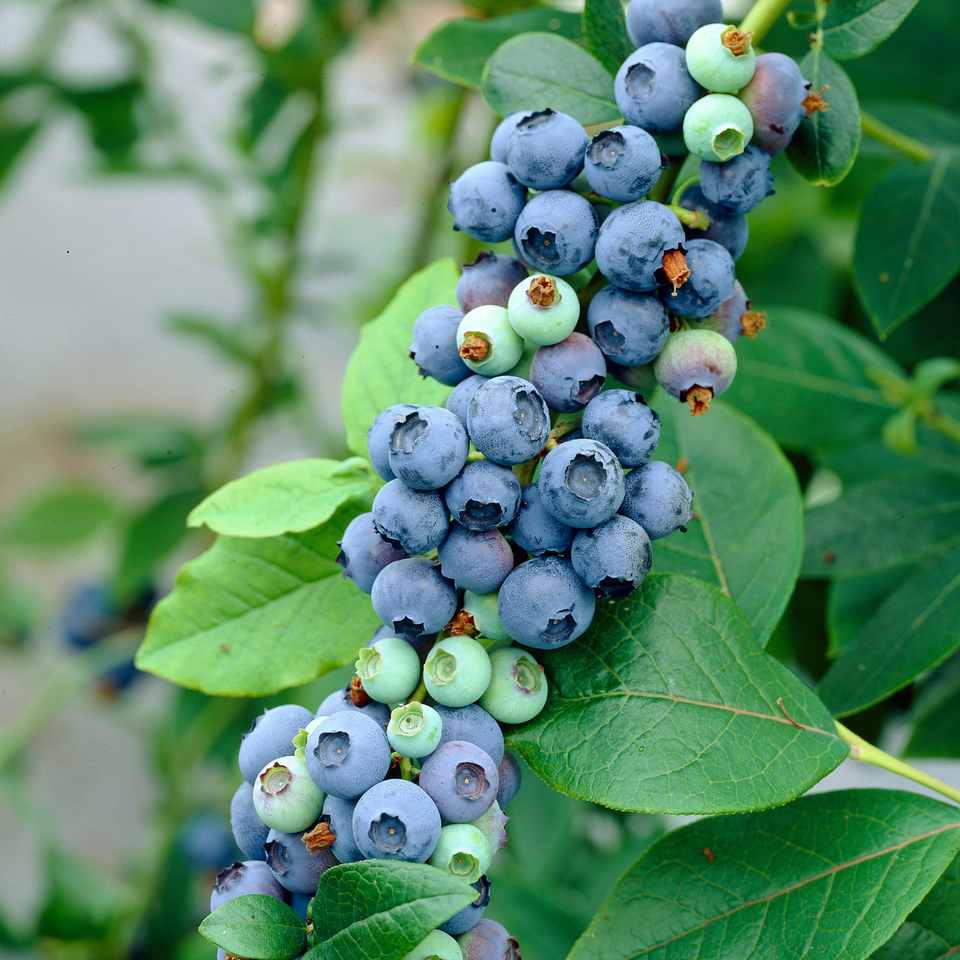
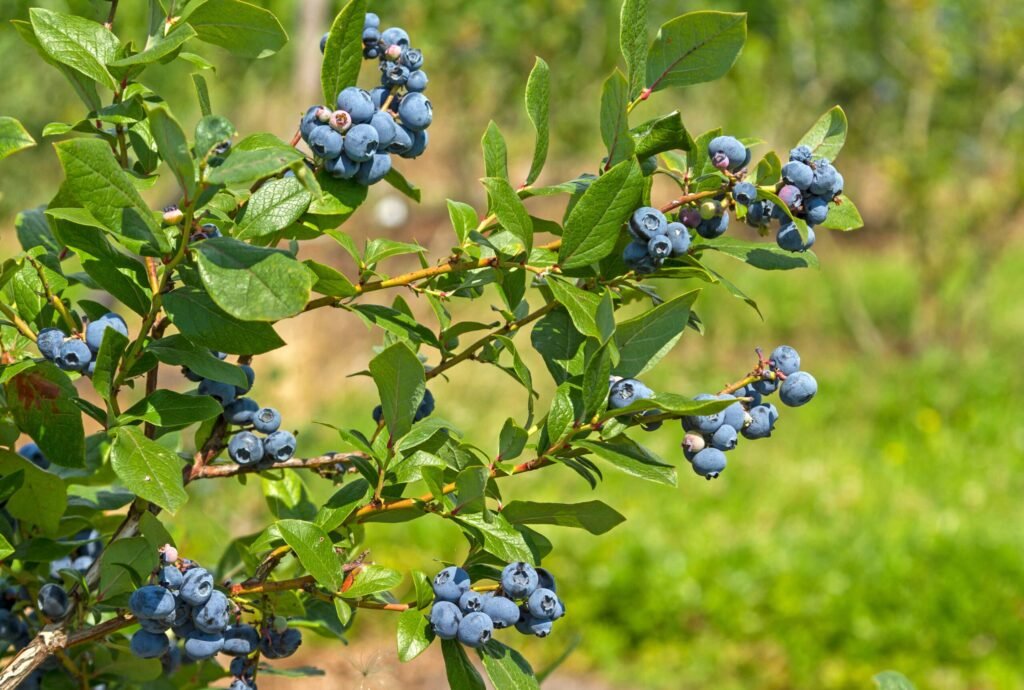
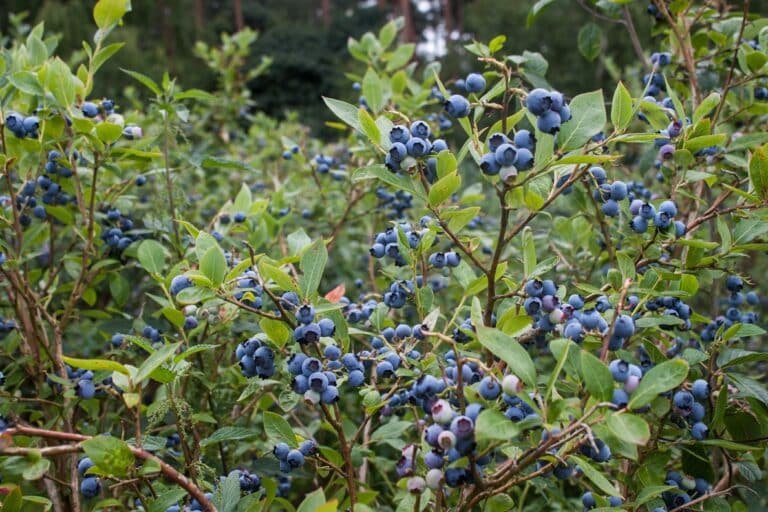
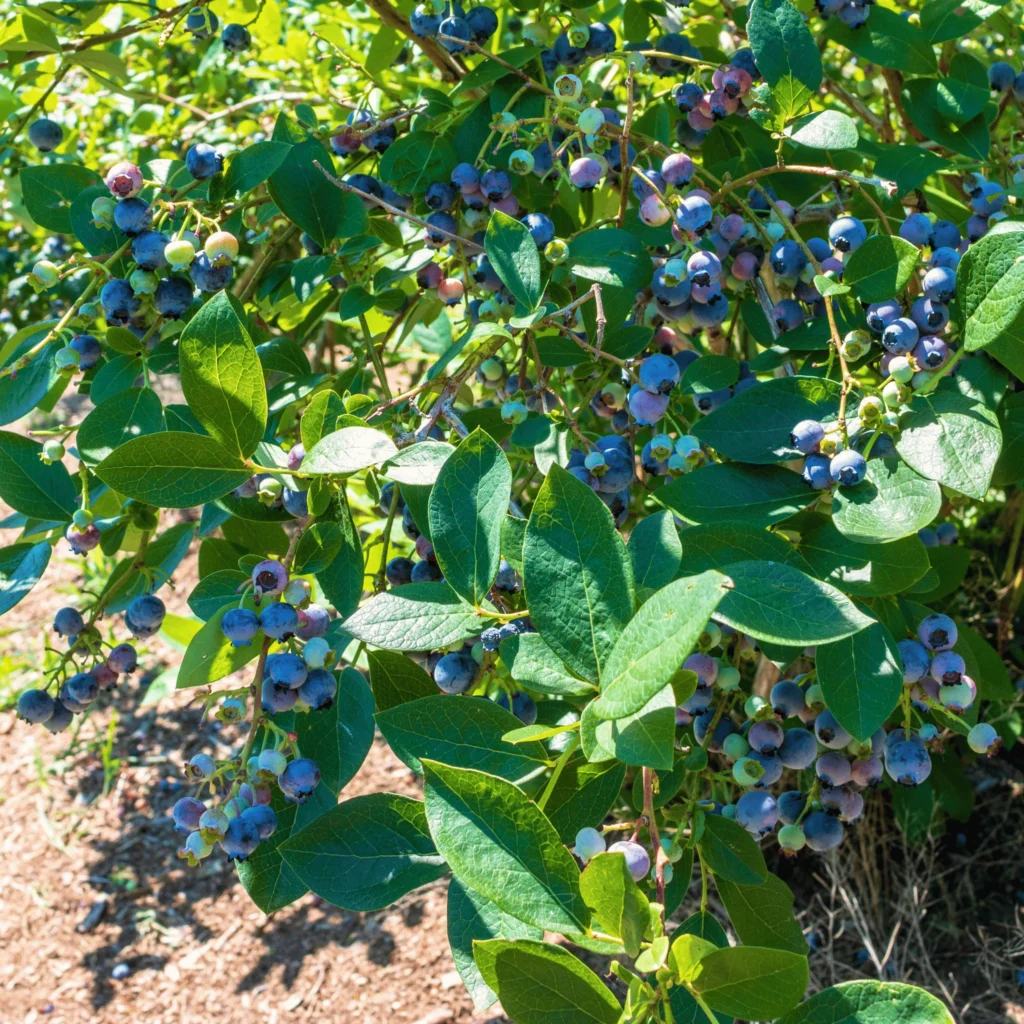
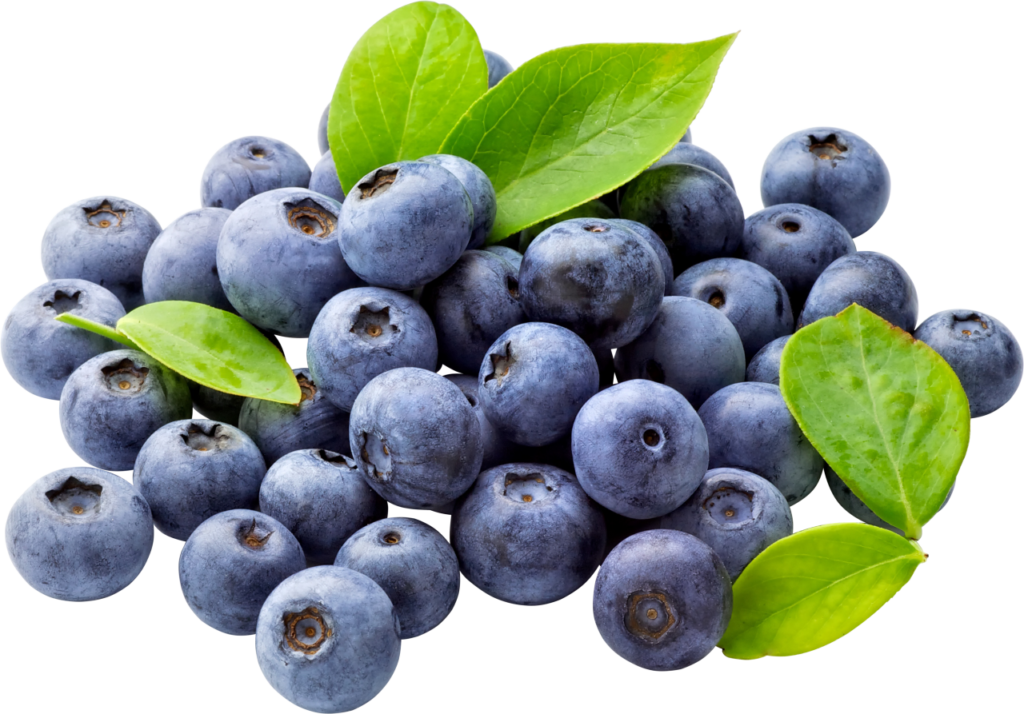
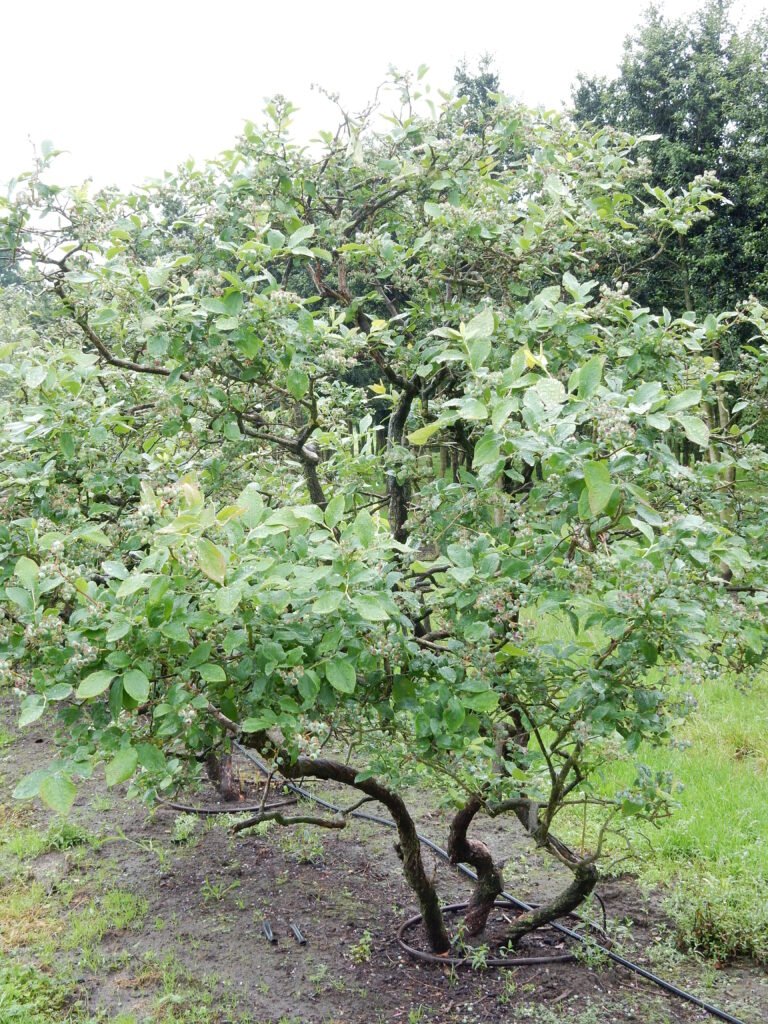
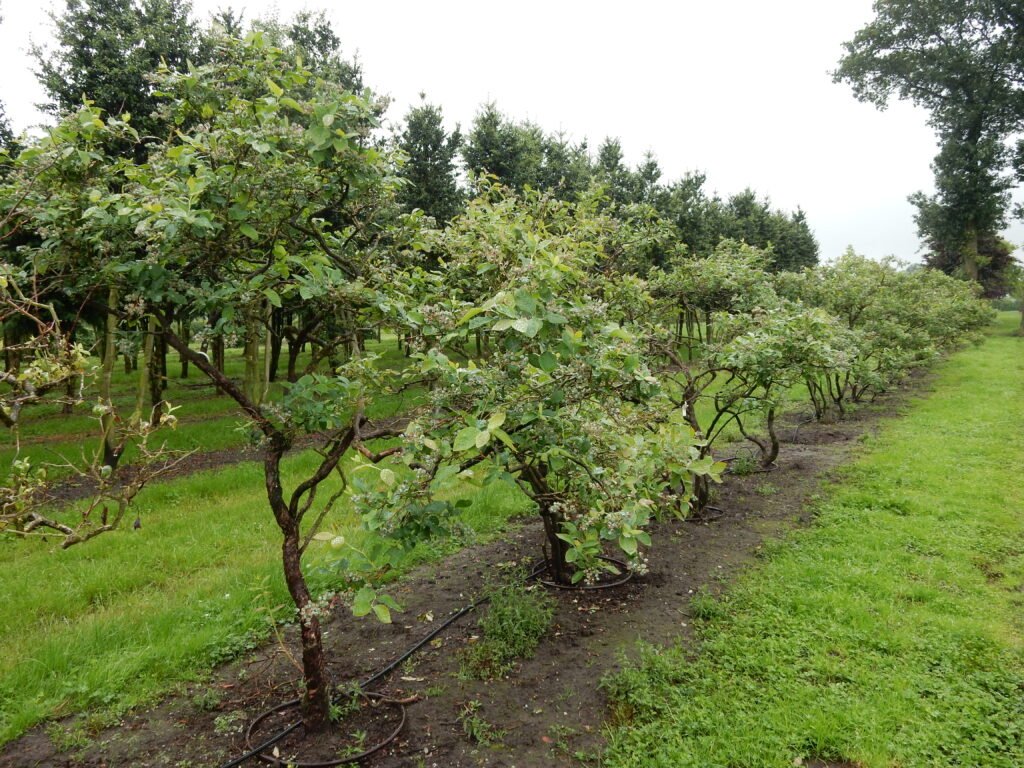
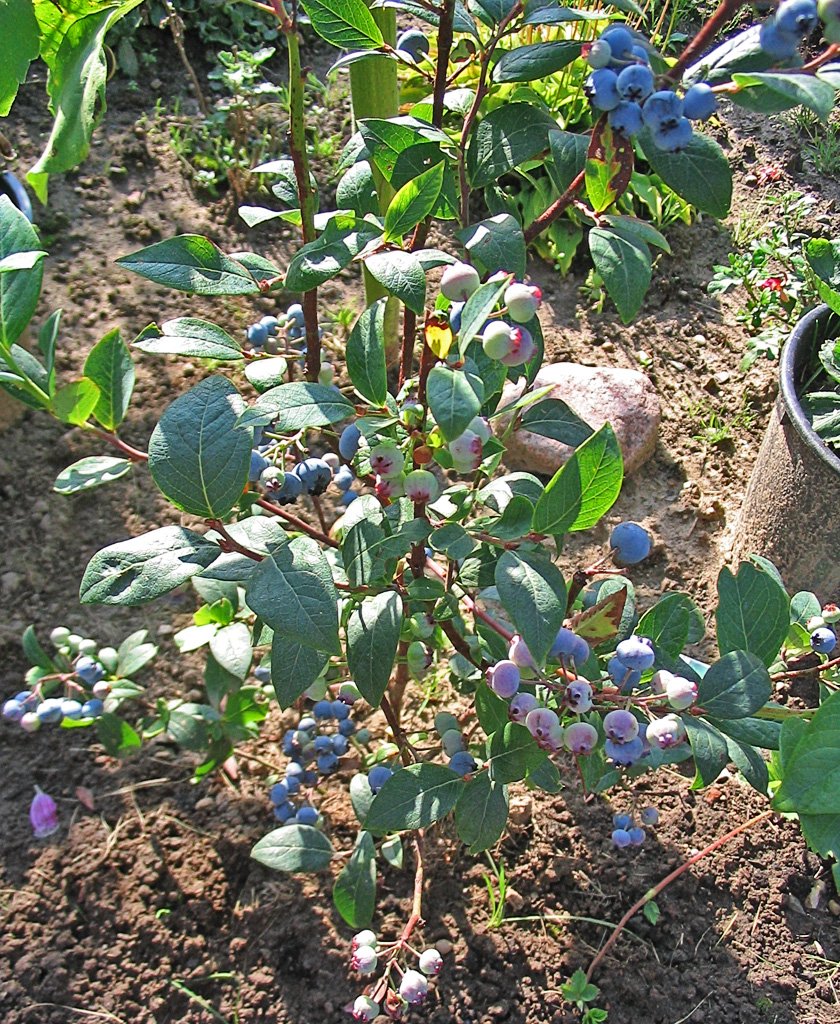
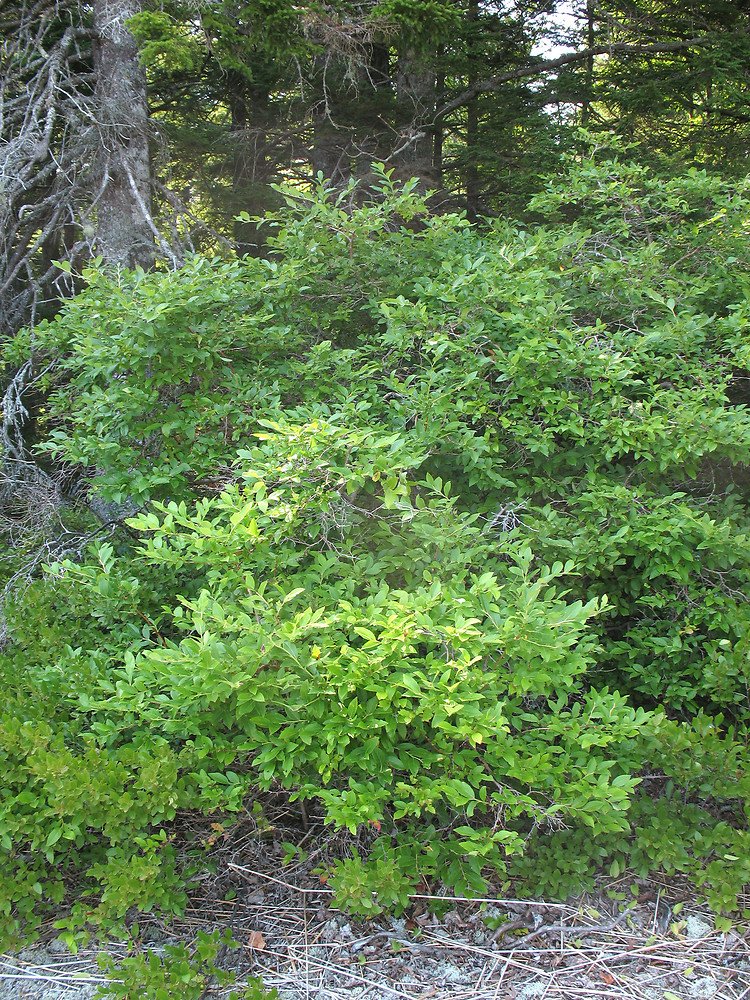
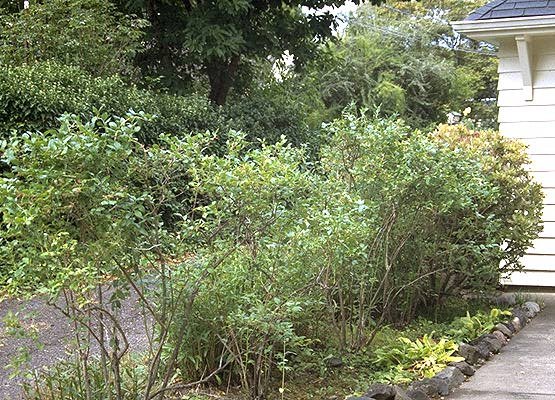
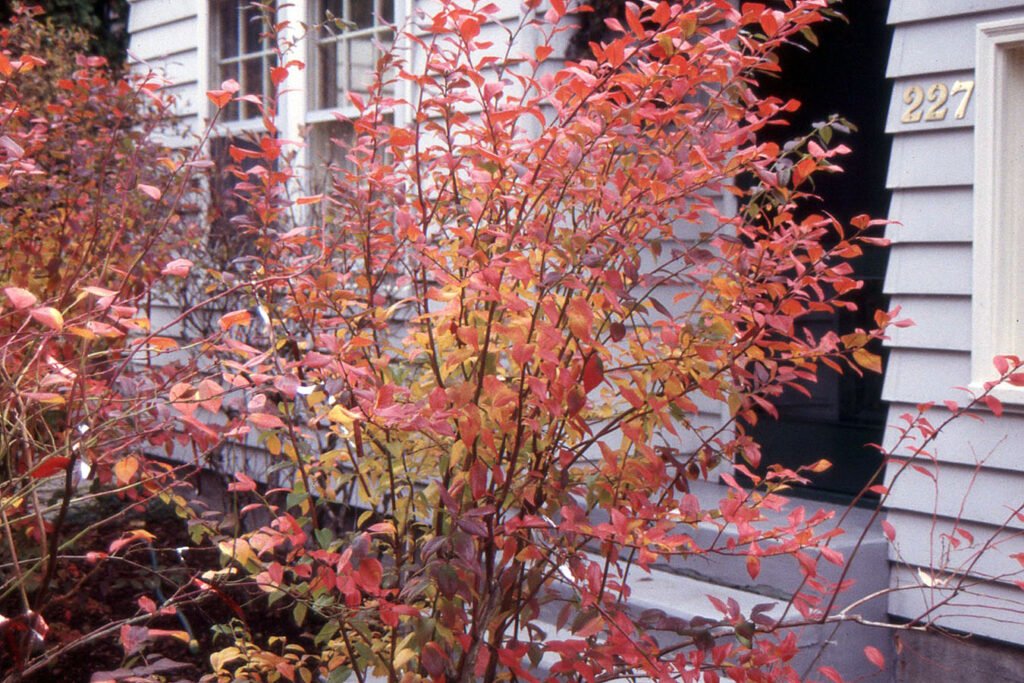
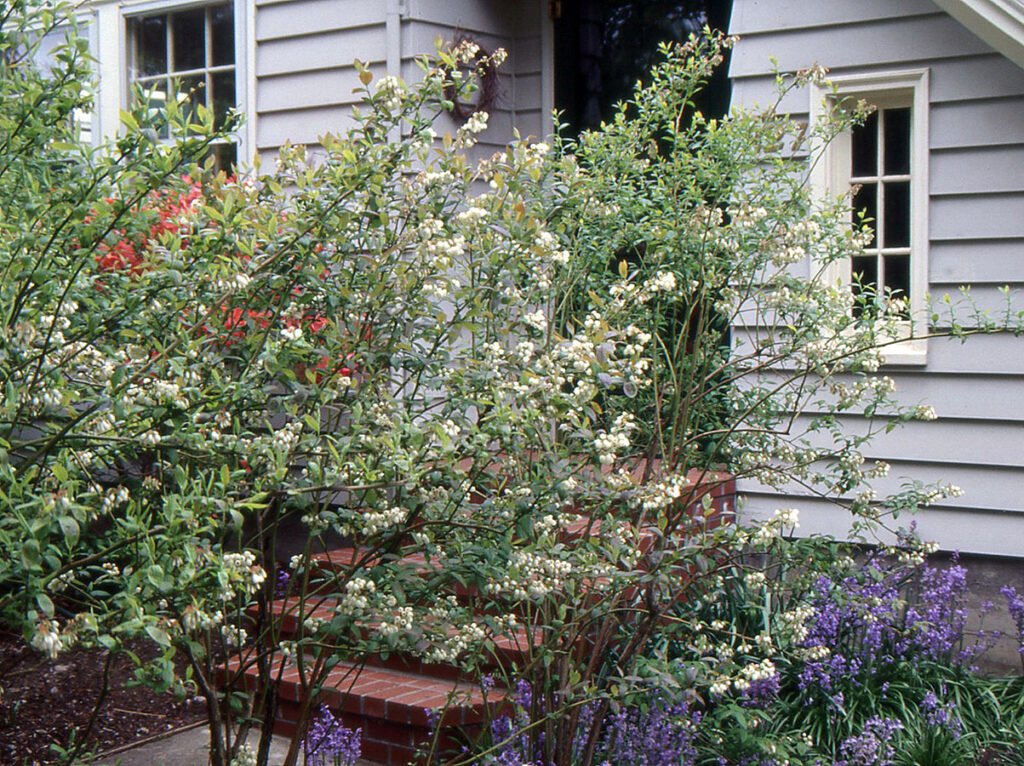
Highbush Blueberry (Vaccinium corymbosum): The Complete Guide to Growing, Propagating, Harvesting & Enjoying Nature’s Sweet Superfruit
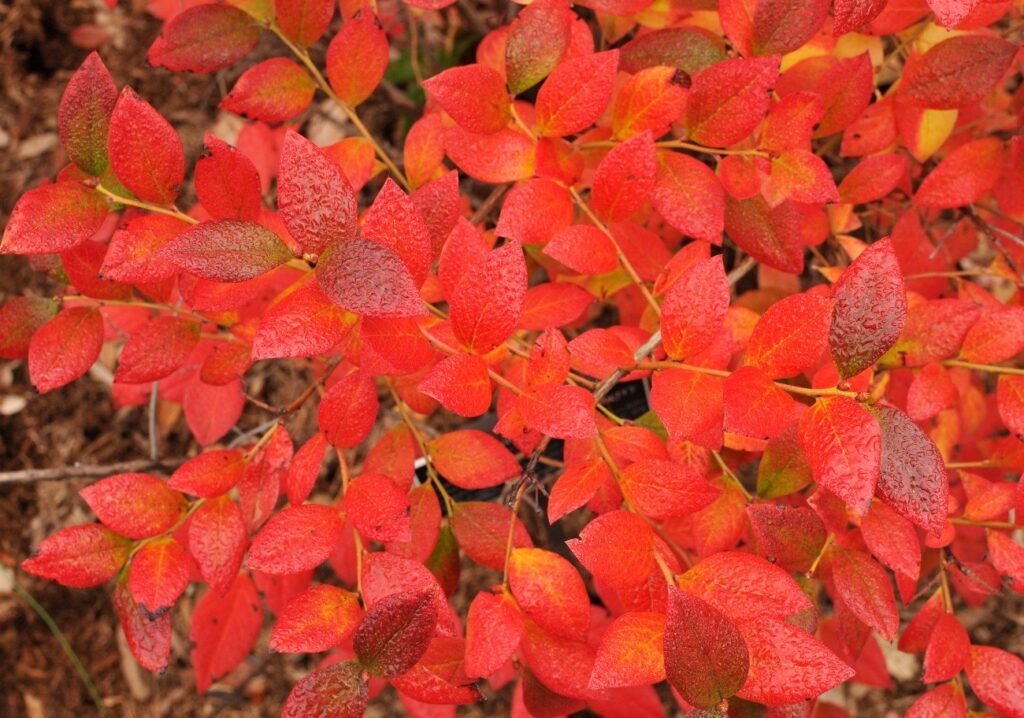
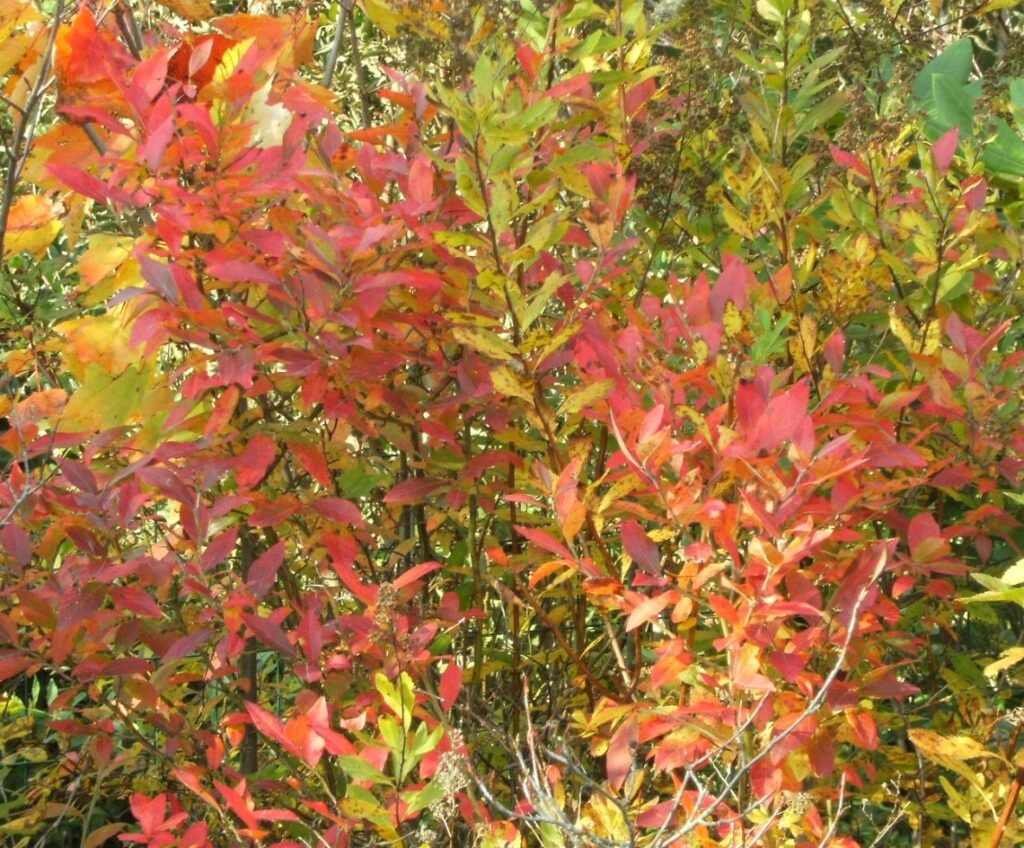
If you’re looking to grow a productive, long-living fruit shrub that offers beauty, nutrition, and high market value, Highbush Blueberry (Vaccinium corymbosum) is one of the best choices. Known for its sweet berries, stunning fall color, and adaptability, this North American native plant is a favorite among home gardeners and commercial growers alike.
In this comprehensive guide, you’ll learn:
- How to grow Highbush Blueberries successfully
- Best soil and climate conditions
- Step-by-step propagation methods
- Popular Highbush Blueberry varieties
- When and how to harvest
- Delicious food ideas and uses
- Expert tips for maximum yield
Let’s dig in.
What Is Highbush Blueberry (Vaccinium corymbosum)?
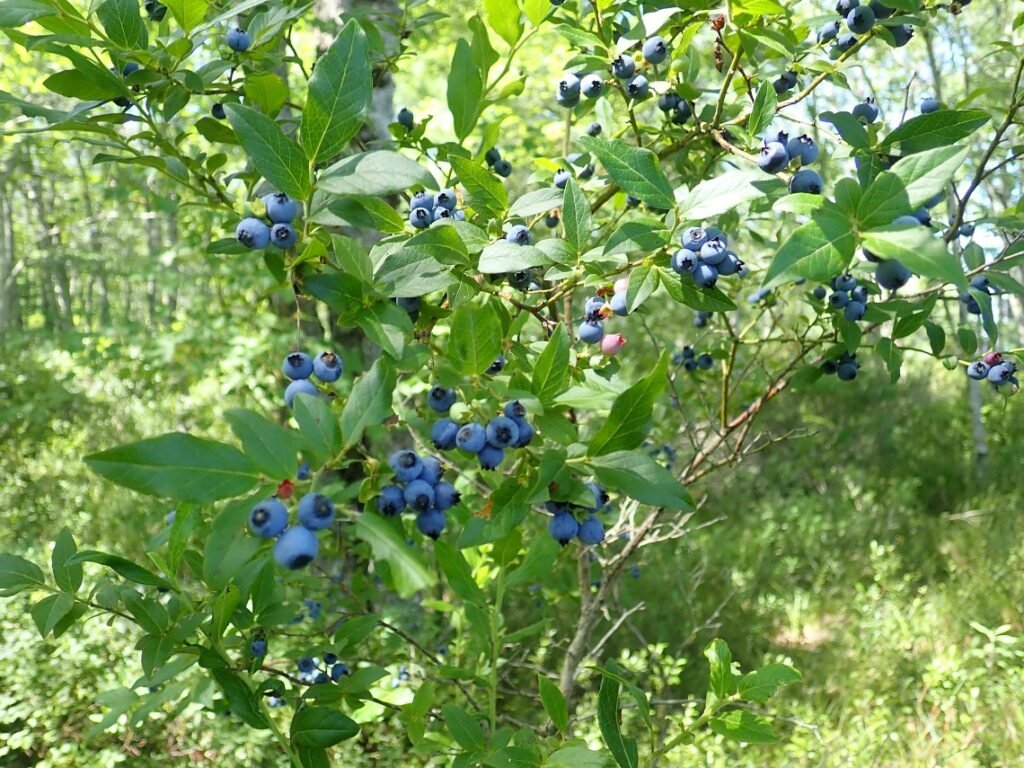
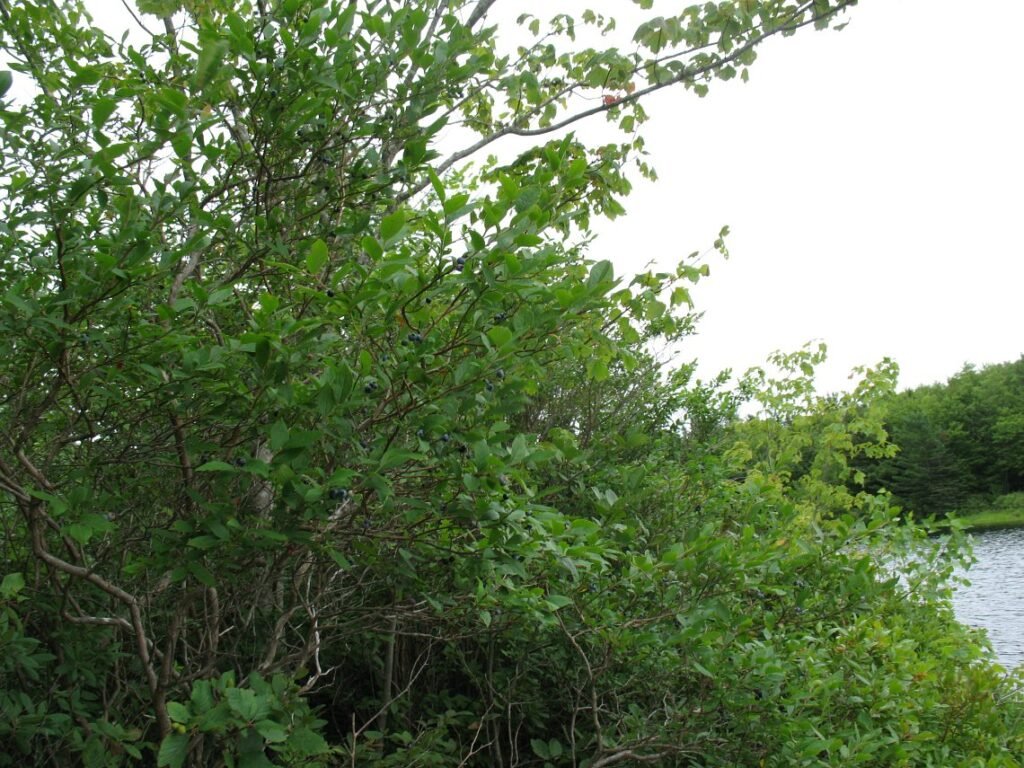
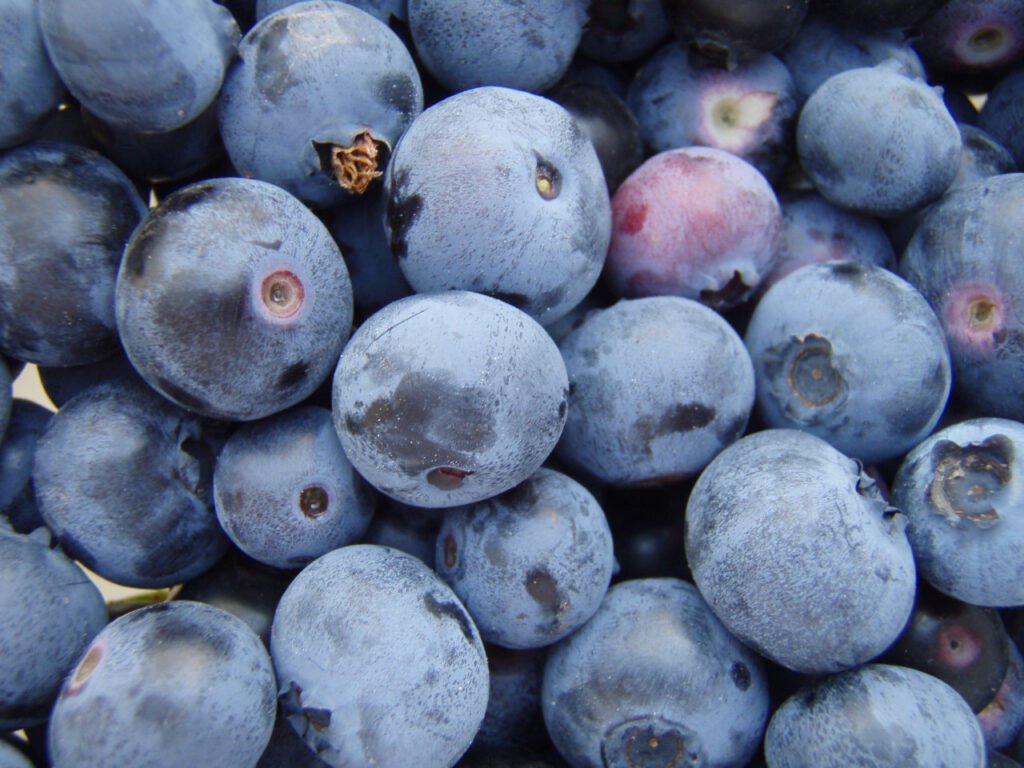
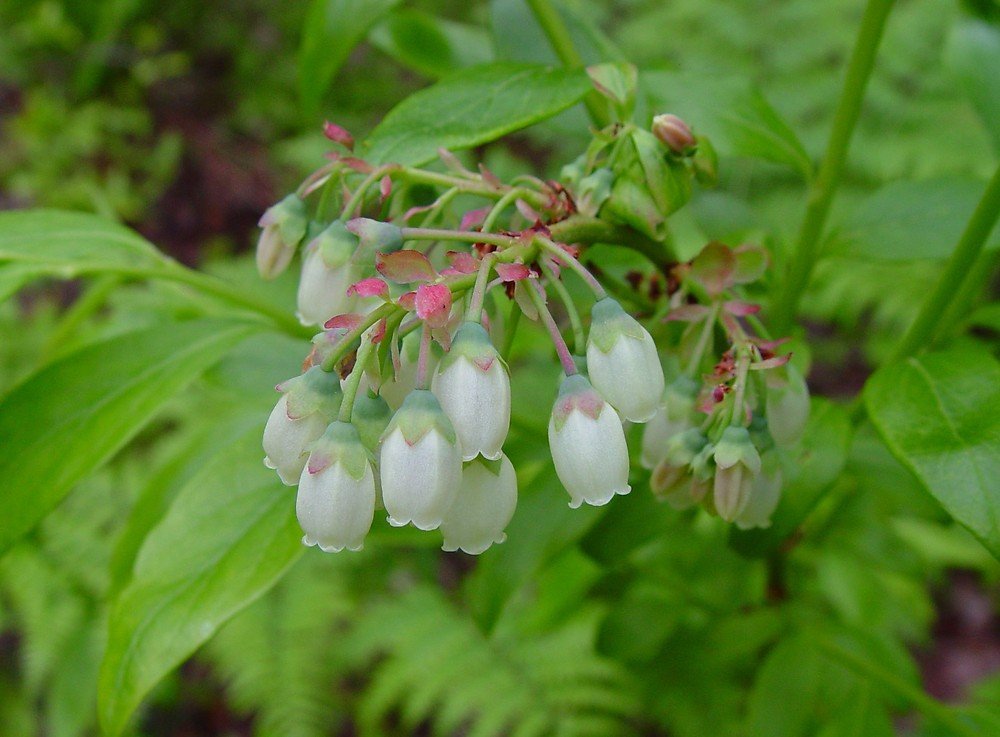
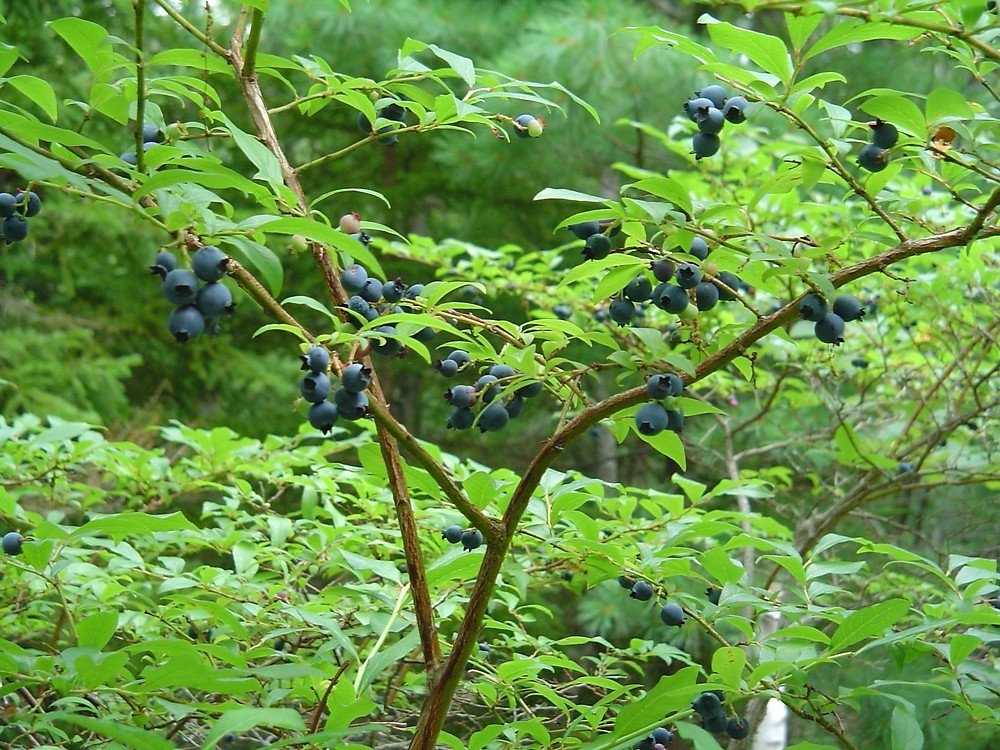
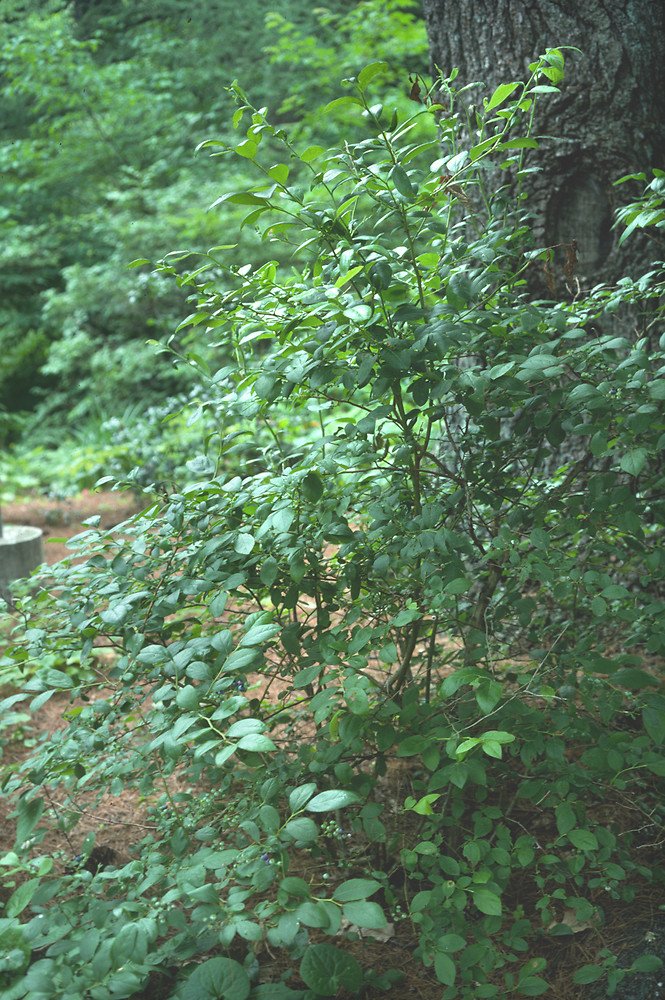
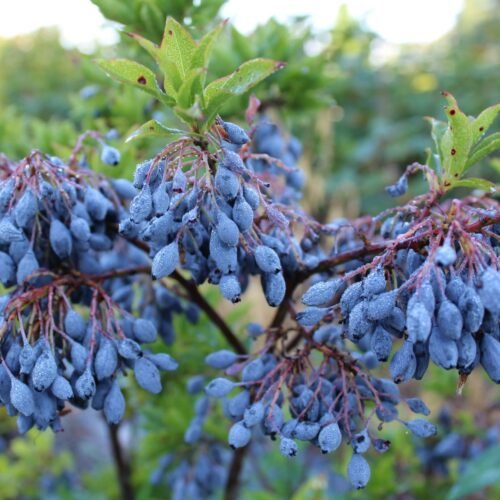
Vaccinium corymbosum is a deciduous flowering shrub native to eastern North America. It typically grows 6–12 feet tall and produces clusters of small white or pink flowers in spring, followed by juicy blue berries in early to mid-summer.
It differs from lowbush blueberries in size, yield, and growth habit. Highbush varieties are larger, easier to harvest, and ideal for backyard gardens.
How to Grow Highbush Blueberry Successfully
Growing blueberries requires attention to soil acidity and moisture. Once established, they are relatively low-maintenance and highly productive.
1. Choose the Right Location
Highbush blueberries thrive in:
- Full sun (at least 6–8 hours daily)
- Well-drained soil
- Protected areas with good air circulation
Avoid low spots where frost settles, as late spring frost can damage flowers.
2. Soil Requirements (Most Important Factor)
Blueberries require acidic soil.
- Ideal pH: 4.5 to 5.5
- Rich in organic matter
- Moist but not waterlogged
How to Acidify Soil
- Add elemental sulfur
- Use pine bark or peat moss
- Apply acidic organic compost
Test your soil before planting. Blueberries will struggle in alkaline soil.
3. Planting Highbush Blueberries
When to Plant
- Early spring (best)
- Late fall (mild climates)
Spacing
- 4–6 feet between plants
- 8–10 feet between rows
Planting Steps
- Dig a hole twice as wide as the root ball.
- Mix soil with organic matter.
- Place plant at same depth as nursery container.
- Water deeply.
- Apply 2–4 inches of mulch (pine bark or sawdust).
4. Watering and Fertilizing
Watering
- 1–2 inches per week
- Keep soil consistently moist
- Avoid overwatering
Fertilizing
Use fertilizers designed for acid-loving plants.
- Apply in early spring
- Light second feeding after bloom
- Avoid over-fertilizing (can damage roots)
How to Propagate Highbush Blueberry
Propagation ensures you can multiply your best plants.
1. Softwood Cuttings (Most Common Method)
Best time: Late spring to early summer.
Steps:
- Cut 4–6 inch new growth.
- Remove lower leaves.
- Dip in rooting hormone.
- Plant in moist peat/perlite mix.
- Keep humid until rooted (4–8 weeks).
2. Hardwood Cuttings
Best time: Late winter while dormant.
- Use one-year-old wood
- Plant in sandy soil
- Rooting takes longer but produces strong plants
3. Layering
Bend a low branch to the ground, cover with soil, and wait for roots to form. Separate once established.
Popular Highbush Blueberry Varieties
Choosing the right cultivar improves yield and flavor. Here are top-performing types:
1. Bluecrop
- Mid-season
- Reliable and disease resistant
- Excellent for fresh eating and freezing
2. Jersey
- Late season
- Vigorous growth
- Sweet berries
3. Duke
- Early season
- Large firm berries
- Cold hardy
4. Legacy
- Extended harvest season
- High sugar content
- Excellent flavor
Tip:
Plant at least two different varieties for better cross-pollination and higher yields.
When and How to Harvest Highbush Blueberries
Harvest Season
- Early varieties: Late June
- Mid-season: July
- Late varieties: August
Berries ripen over several weeks.
How to Know They’re Ready
- Deep blue color
- Slightly soft
- Detach easily from stem
Wait 3–5 days after turning blue for peak sweetness.
Harvesting Tips
- Gently roll berries between fingers
- Harvest every 5–7 days
- Pick in morning for best firmness
- Refrigerate immediately
A mature bush can yield 5–10 pounds per season.
Food Uses & Delicious Blueberry Ideas
Highbush blueberries are incredibly versatile.
Fresh Uses
- Smoothies
- Fruit salads
- Yogurt topping
- Snack straight from the bush
Baking Ideas
- Blueberry muffins
- Pancakes
- Cheesecake topping
- Homemade pies
- Quick breads
Preserving Options
- Freeze (no blanching needed)
- Dehydrate
- Make jam or jelly
- Create blueberry syrup
- Ferment into wine
Savory Uses
- Blueberry balsamic glaze
- Sauces for grilled chicken
- Salad dressing
- Salsa with jalapeño and lime
Nutritional Benefits of Highbush Blueberries
Blueberries are considered a superfood because they are:
- High in antioxidants
- Rich in vitamin C
- Good source of fiber
- Low in calories
- Support heart and brain health
Their deep blue color comes from anthocyanins, powerful plant compounds.
Pruning Highbush Blueberry for Maximum Yield
Pruning is essential for long-term productivity.
When to Prune
- Late winter while dormant
How to Prune
- Remove dead or weak wood.
- Cut out branches older than 6 years.
- Maintain open center for airflow.
- Keep 6–8 strong canes.
Pruned plants produce larger berries and better airflow reduces disease.
Common Problems and Solutions
1. Yellow Leaves
Cause: Soil too alkaline
Solution: Lower pH
2. Birds Eating Berries
Solution: Use netting
3. Small Fruit
Cause: Overcrowding or lack of pruning
Solution: Thin and prune annually
Companion Planting Ideas
Good companions:
- Rhododendrons
- Azaleas
- Cranberries
- Strawberries
All prefer acidic soil.
How Long Do Highbush Blueberries Live?
With proper care, plants can live and produce for 30–50 years.
They reach full production around year 5–8.
Why Grow Highbush Blueberry?
✔ High yield
✔ Long lifespan
✔ Excellent market value
✔ Easy home cultivation
✔ Beautiful ornamental shrub
✔ Nutritious fruit
Whether you want fresh berries for your kitchen or plan to start a small berry business, Highbush Blueberry (Vaccinium corymbosum) is a smart investment in your garden.
Final Thoughts
Growing Highbush Blueberry is rewarding, profitable, and surprisingly simple once you master soil acidity and pruning basics. With proper care, these shrubs will provide decades of delicious harvests.
Start with quality plants, prepare acidic soil, plant multiple varieties, and enjoy one of nature’s most powerful superfruits straight from your backyard.


&media=https://food-foresting.com/wp-content/uploads/2026/03/silauoge-aukstoji-Vaccinium-corymbosum.png)