
 paulius.mikoliunas1
| Common Name | Japanese Barberry, Thunberg’s barberry, Red barberry |
| Family | Berberidaceae |
| USDA hardiness | 4-8 |
| Known Hazards | None known |
| Habitats | Not known |
| Range | E. Asia – C. and S. Japan |
| Edibility Rating |   (2 of 5) (2 of 5) |
| Other Uses |   (3 of 5) (3 of 5) |
| Weed Potential | Yes |
| Medicinal Rating |   (2 of 5) (2 of 5) |
| Care (info) |      |






How to Grow, Propagate, Use, and Harvest Japanese Barberry (Berberis thunbergii): Complete Guide
Japanese Barberry (Berberis thunbergii) is a resilient, low-maintenance shrub prized for its ornamental value, edible berries, and versatility in landscapes. Native to Japan and naturalized widely across North America and Europe, this thorny perennial is commonly grown for hedging, erosion control, wildlife habitats, and culinary experimentation.
This guide explains everything you need to know about growing, propagating, identifying varieties, harvesting, and using Japanese Barberry — including lesser-known food uses that surprise most gardeners.
What is Japanese Barberry?
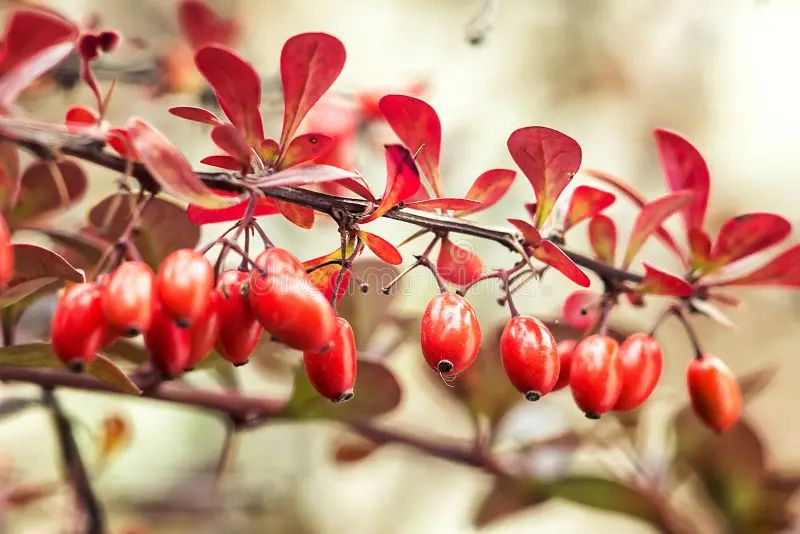
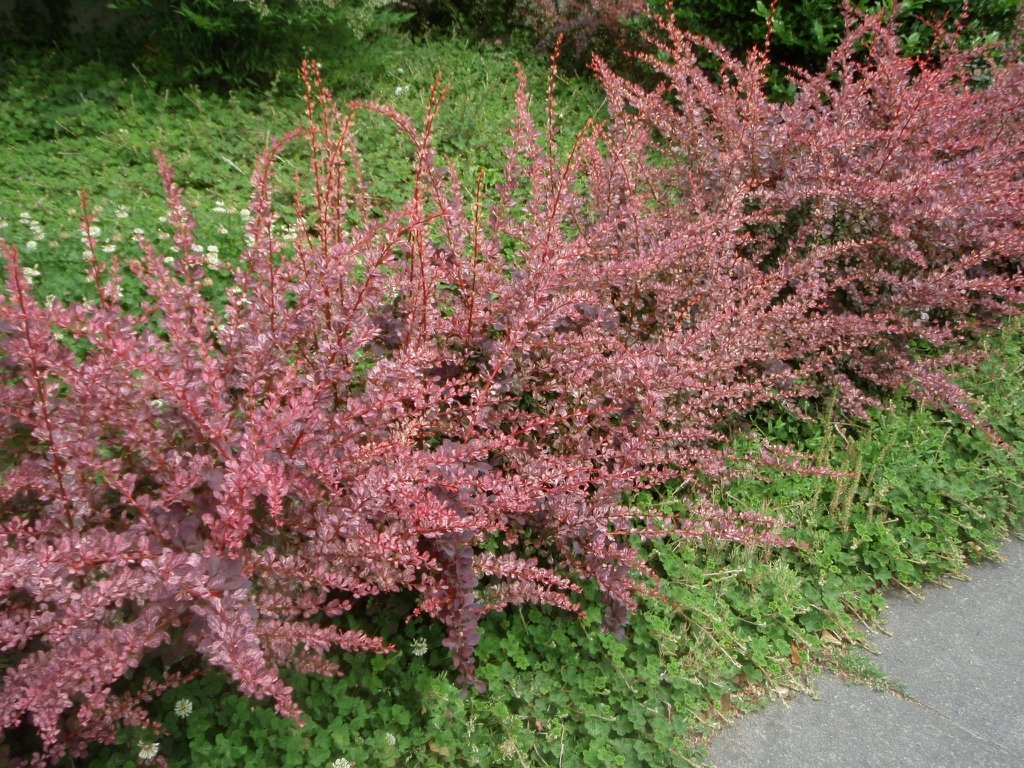
Japanese Barberry is a deciduous shrub with arching stems, small rounded leaves, and sharp thorns. Its growth habit ranges from tight, compact mounds to spreading bushes depending on the cultivar. Despite being ornamental, the plant is remarkably tough — drought-tolerant, cold-hardy, and adaptable to poor soils.
Key Characteristics
- Height: 1–6 ft depending on cultivar
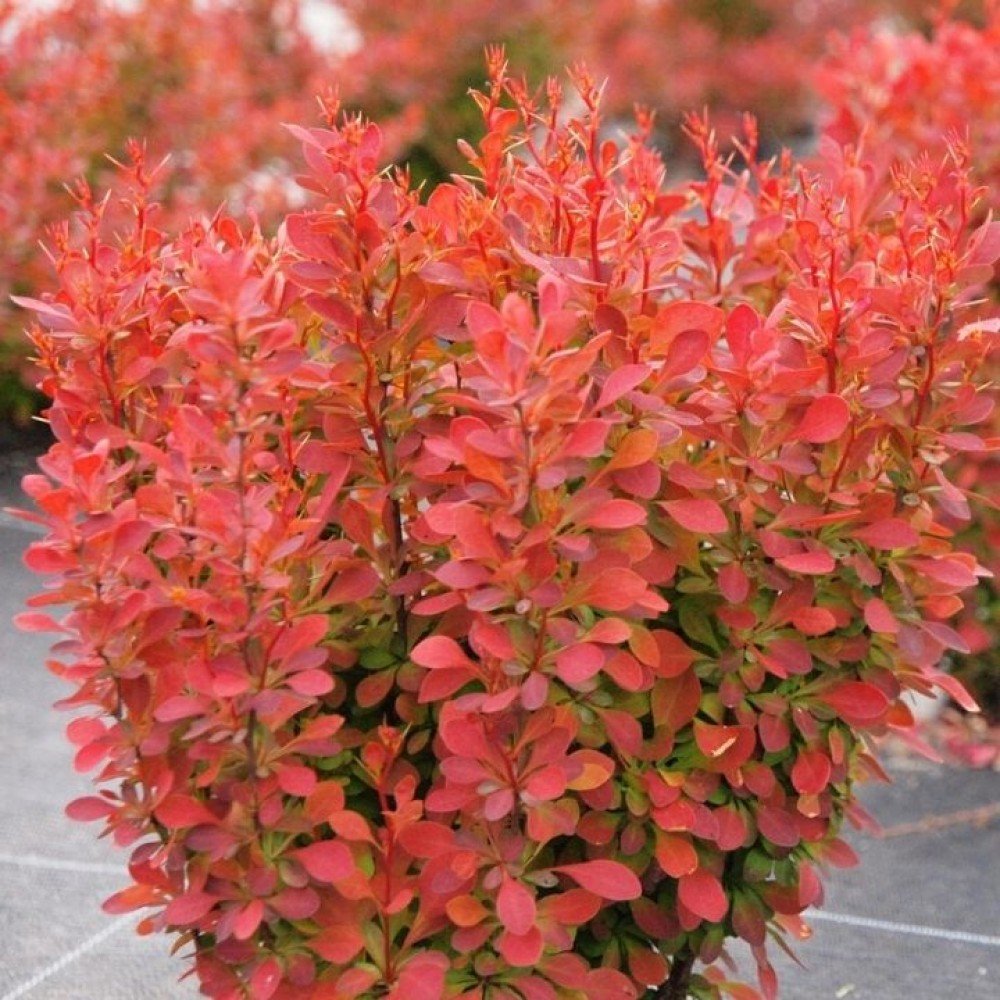
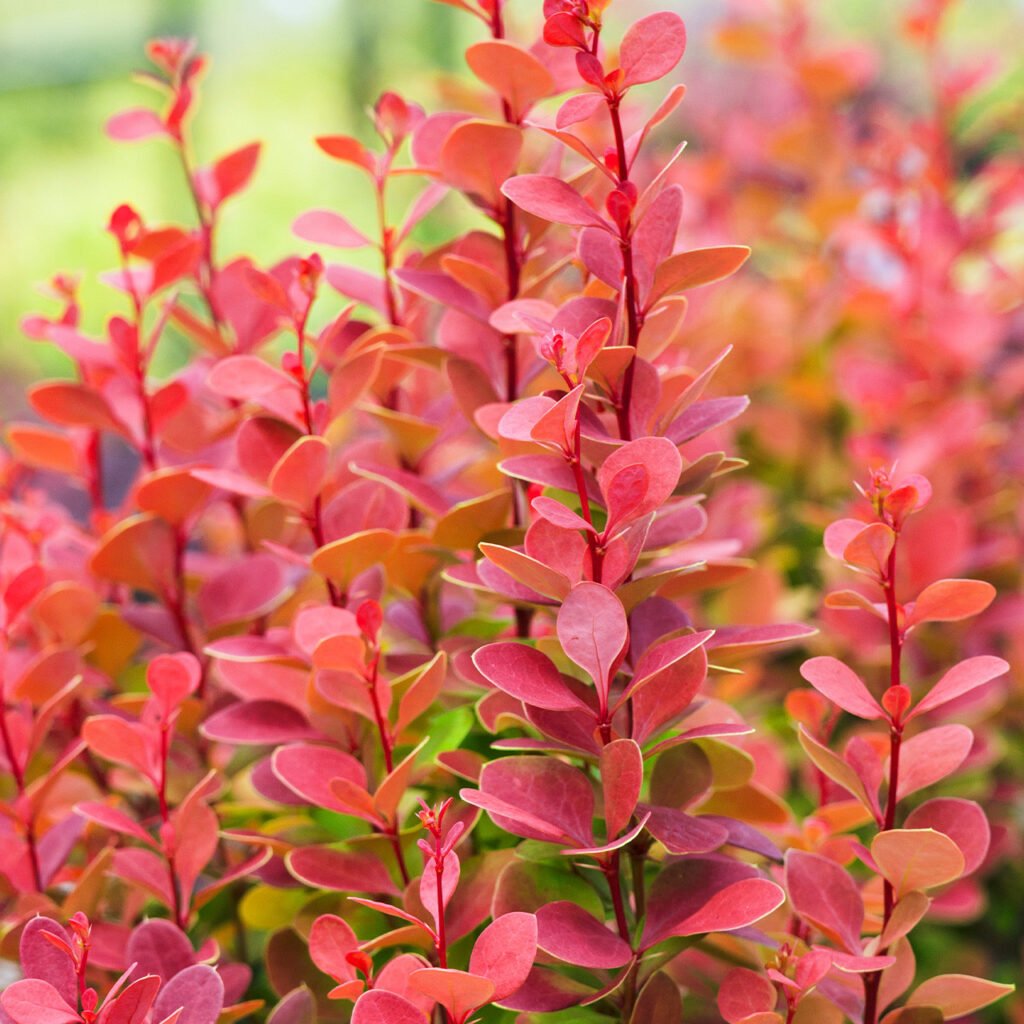
- Leaves: green, burgundy, chartreuse, variegated
- Flowers: pale yellow (spring)
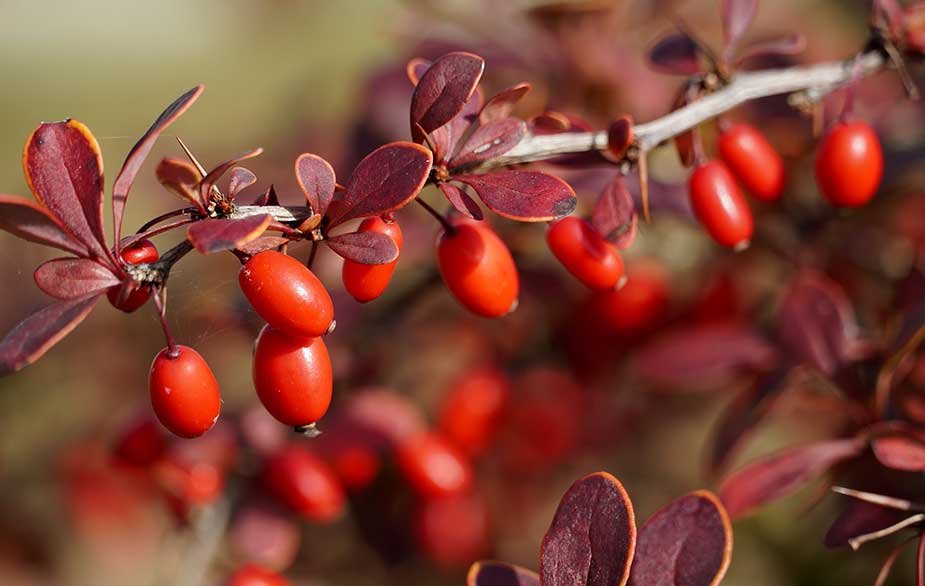
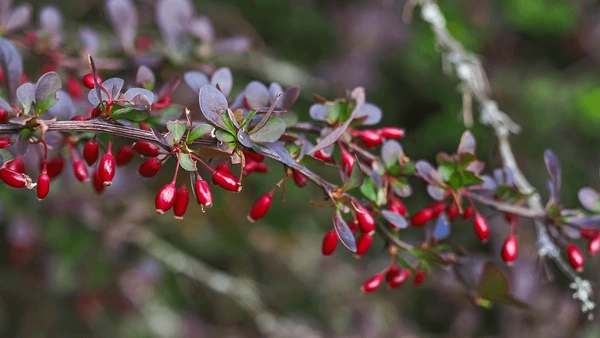
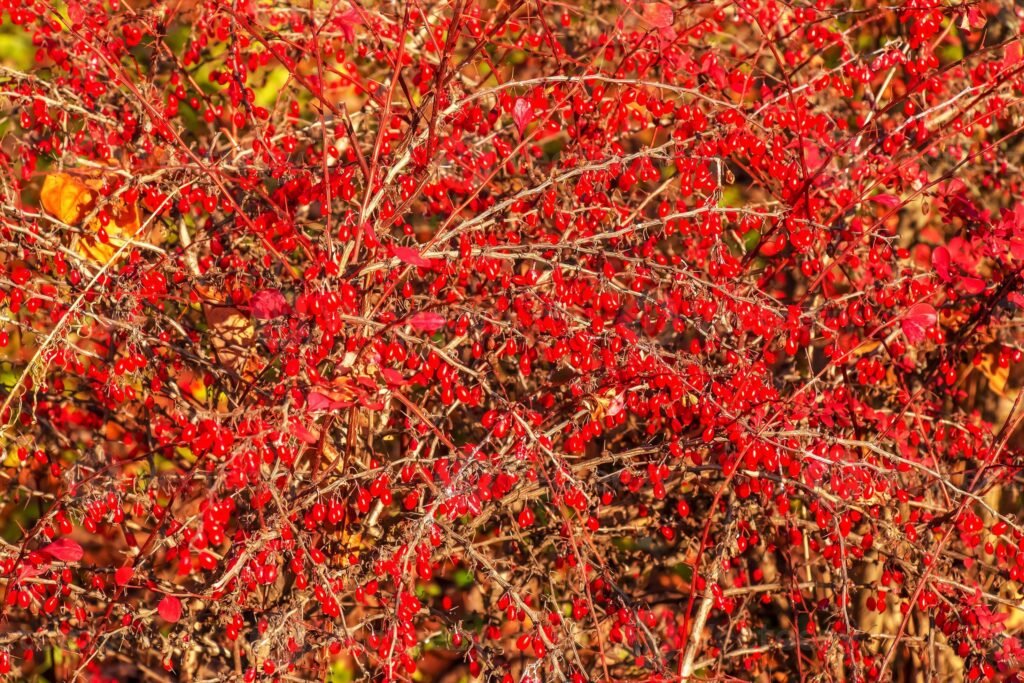
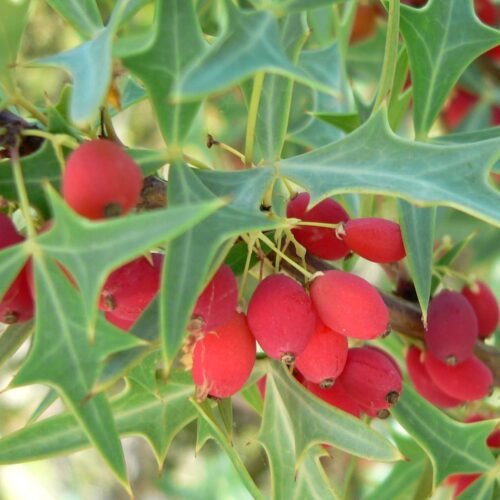
- Berries: bright red (fall–winter)
- Thorns: sharp and numerous
- Growth rate: moderate
- USDA zones: 4–8 typically
Growing Conditions
Japanese Barberry is one of the easiest shrubs for new gardeners.
Light Requirements
- Prefers full sun for dense foliage and strong berry set
- Tolerates partial shade but may lose color intensity
Soil Preferences
- Adapts to sandy, loamy, or rocky soils
- Neutral to slightly acidic pH is ideal
- Requires well-drained soil to avoid root rot
Water Needs
- Water regularly during establishment
- Afterward, drought-tolerant and low-maintenance
Climate & Hardiness
- Cold hardy to Zone 4
- Heat tolerant when watered deeply during dry spells
Propagation Methods
Japanese Barberry propagates easily through several methods — a feature that contributes to its ability to naturalize.
1. Propagation from Seed
- Collect berries in late fall or winter
- Remove pulp and cold-stratify seeds to break dormancy
- Sow in spring in well-drained medium
Seedling plants may vary from parents in leaf color and size.
2. Cuttings
- Semi-hardwood cuttings root reliably
- Take cuttings mid-summer
- Use rooting hormone for best success
- Place in high-humidity environment until rooted
3. Layering
- Arching stems naturally root when in contact with soil
- Pin low branches and cover with compost
- Sever from parent once roots develop
Popular Varieties & Cultivars
Japanese Barberry offers impressive ornamental diversity. Cultivars vary widely in color, growth form, and leaf shape.
Common Varieties Include:
- ‘Crimson Pygmy’ — compact, burgundy leaves; ideal for borders
- ‘Golden Nugget’ — bright chartreuse foliage
- ‘Rose Glow’ — mottled pink and purple
- ‘Helmond Pillar’ — upright habit, deep red leaves
- ‘Aurea’ — yellow foliage with red berries
- ‘Atropurpurea’ — classic reddish-purple shrub
These varieties are widely used in formal landscapes and mixed hedgerows.
Harvesting Japanese Barberry
The berries ripen from late summer through fall, turning bright red and remaining on the plant well into winter — when birds eventually devour them.
When to Harvest
- Best flavor after first frost (berries mellow slightly)
- Harvest before birds take them all
- Use gloves due to sharp thorns
How to Harvest
- Hand-pick clusters
- Or shake branches over a cloth/box to gather fallen fruit
Culinary & Food Uses
While not widely commercialized, Japanese Barberry berries are edible and quite tart — similar to cranberry or sour cherry. Traditional Barberry (Berberis vulgaris) is more commonly used in culinary dishes (especially Persian cuisine), but thunbergii berries work in similar ways.
Edible Uses
- Jams and jellies
- Fruit leathers
- Syrups + cordials
- Fermented beverages
- Vinegars
- Sauces for game meats
- Dried as tart snacks or bakery ingredients
Their high acidity brightens sweet and savory dishes.
Flavor Profile
- Tart
- Slightly lemony
- Mild sweetness when fully ripe
Medicinal & Historical Uses
Barberry species have long been valued in traditional medicine for:
- Digestive support
- Antimicrobial properties
- Bitter compounds (notably berberine)
Note: Potency and usage vary by species, and medicinal use should be approached with research and caution.
Ornamental & Landscape Uses
Gardeners plant Japanese Barberry for:
- Foundation plantings
- Pollinator support (spring flowers)
- Fall color displays
- Wildlife shelter
- Erosion control
- Security hedging (due to thorns)
Its dense, thorny branches create effective privacy and deterrent barriers.
Wildlife & Ecological Considerations
Benefits
- Provides winter berries for birds
- Offers shelter for small mammals
- Supports pollinators in spring
Concerns
In some regions, Japanese Barberry can spread aggressively and is considered invasive. Some cultivars are now bred to be sterile to reduce ecological spread.
Always check local regulations before planting.
Harvest and Storage Tips
Storing Fresh Berries
- Refrigerate up to 7–10 days
Freezing
- Freeze on trays, then store sealed for 6–12 months
Drying
- Dehydrate at low temperatures for chewy, sour berries
- Store in airtight containers
Final Thoughts
Japanese Barberry is a unique multi-purpose shrub that bridges the gap between ornamental landscaping and homestead food use. With its adaptability, vibrant color, edible fruit, and ease of care, it remains a valuable plant for gardeners who understand how to manage it responsibly.
Whether you’re looking to establish hedges, experiment with tart wild fruits, or explore alternative landscape shrubs, Berberis thunbergii offers surprising versatility.


&media=https://food-foresting.com/wp-content/uploads/2026/01/closeup-red-berries-berberis-thunbergii-600nw-2667738715.webp)