
 paulius.mikoliunas1
Juglans ailanthifolia – Carrière.
| Common Name | Japanese Walnut |
| Family | Juglandaceae |
| USDA hardiness | 4-8 |
| Known Hazards | None known |
| Habitats | Forests. |
| Range | E. Asia – Japan. |
| Edibility Rating |   (3 of 5) (3 of 5) |
| Other Uses |  (5 of 5) (5 of 5) |
| Weed Potential | No |
| Medicinal Rating |   (1 of 5) (1 of 5) |
| Care (info) |    |


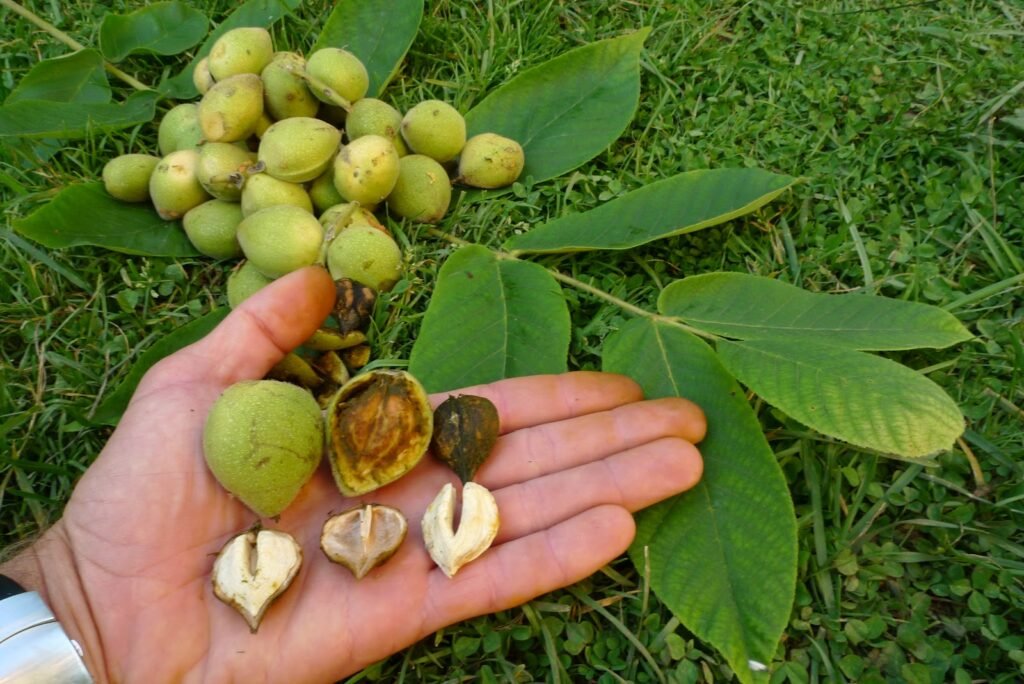
Japanese Walnut (Juglans ailanthifolia): Growth, Propagation, Varieties, Uses & Harvest Guide
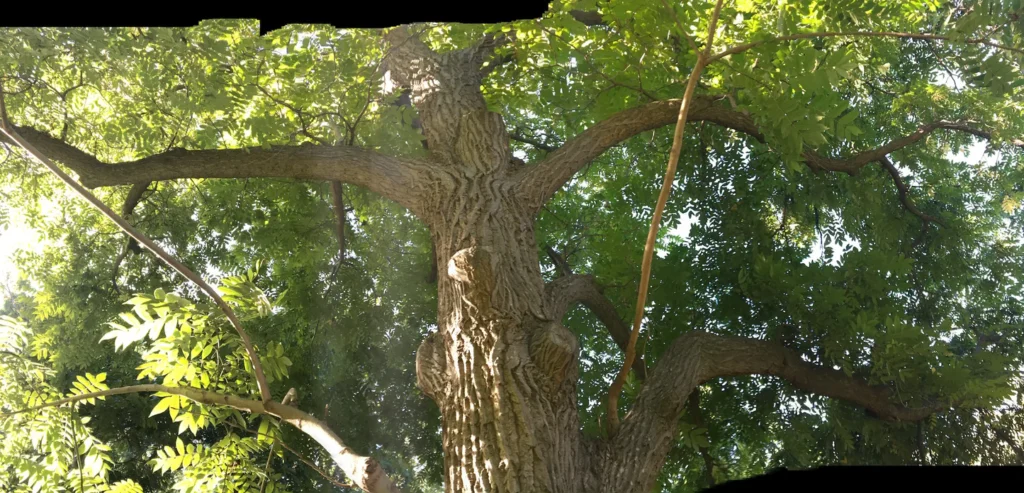
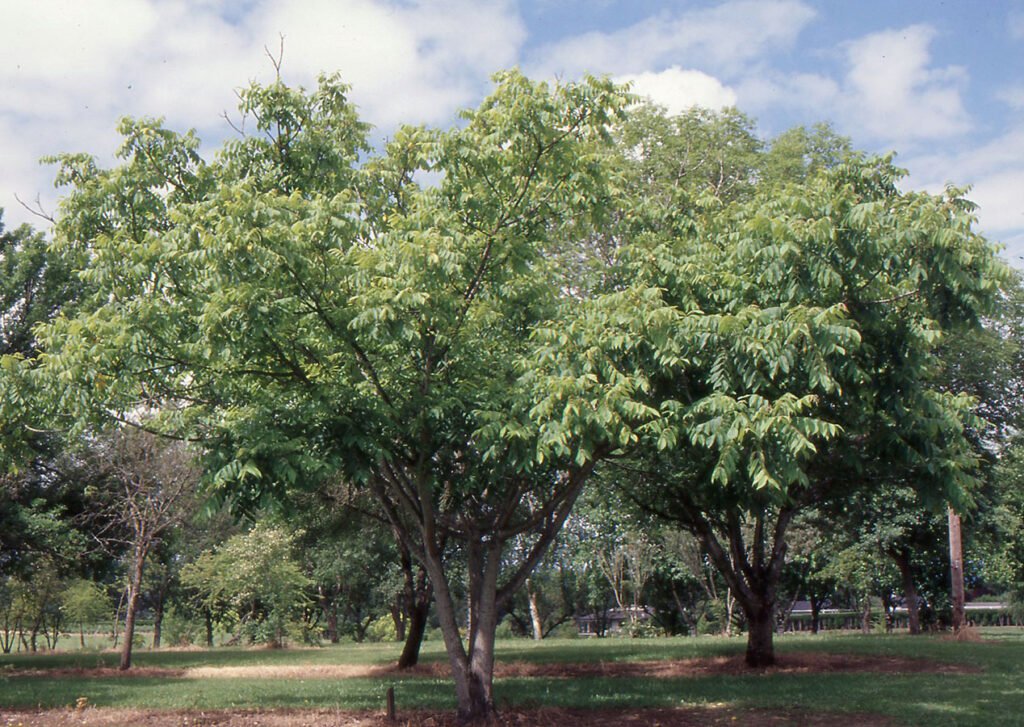
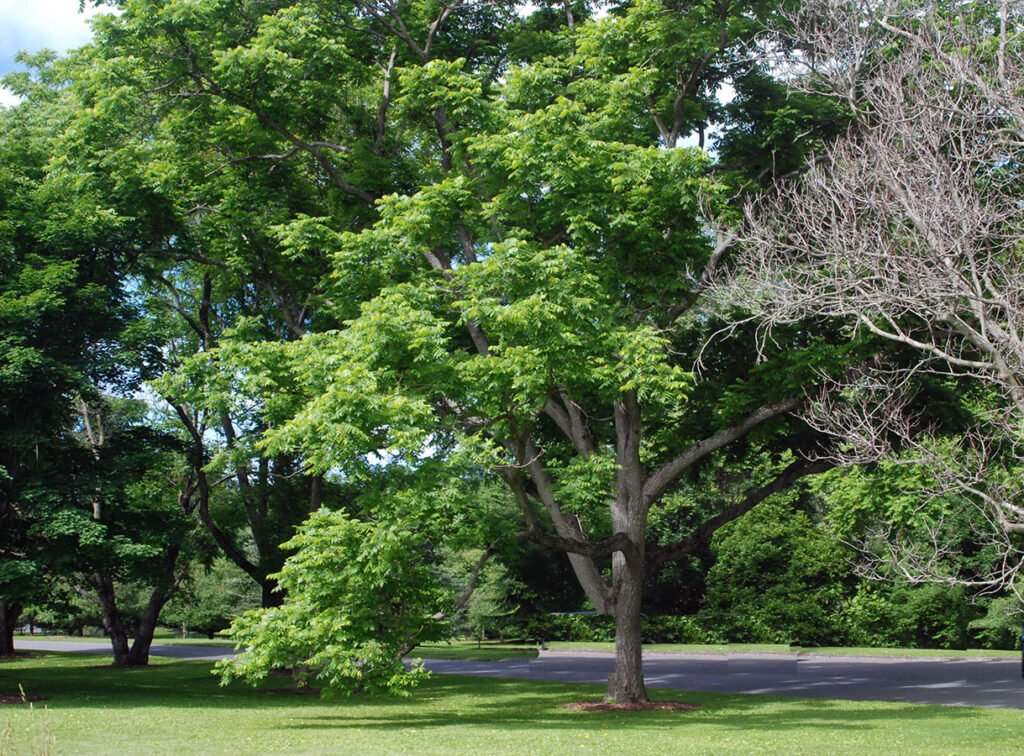
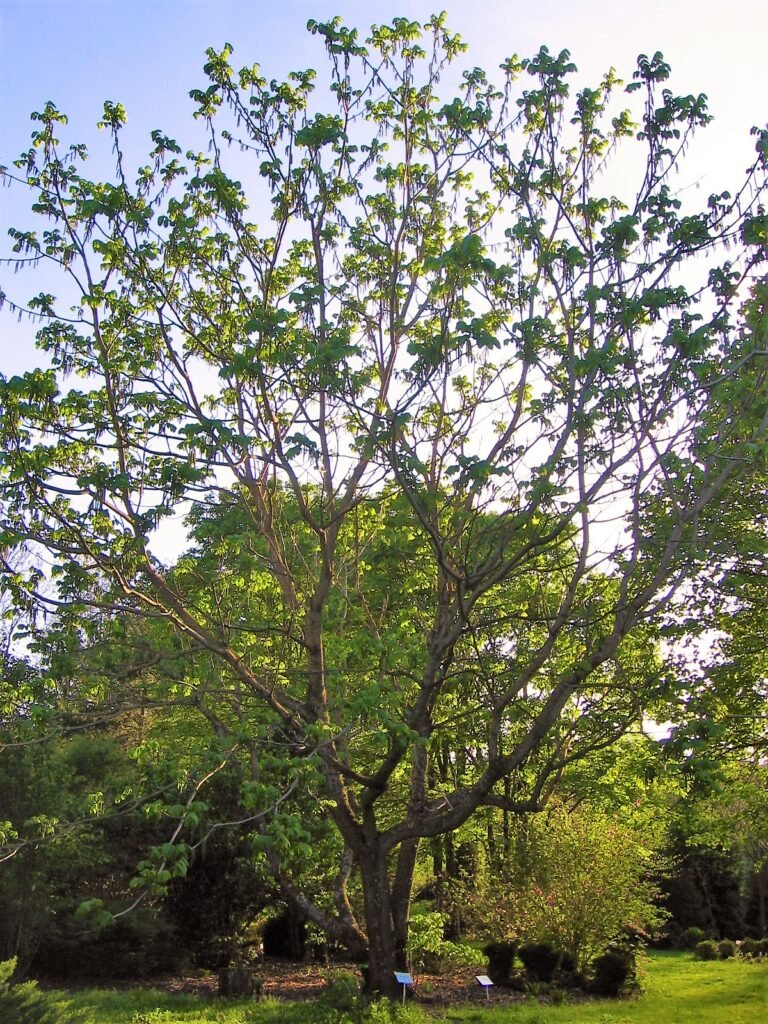
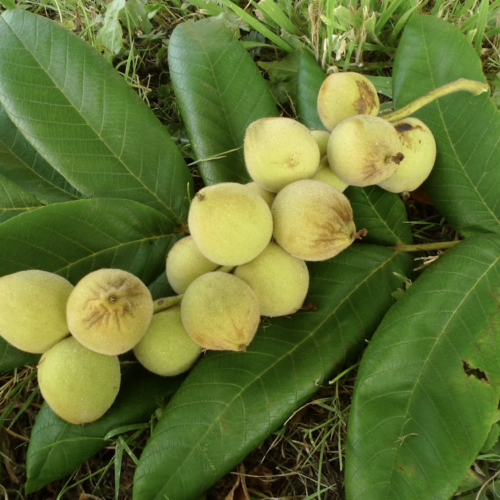
The Japanese walnut (Juglans ailanthifolia) is a distinctive, productive, and surprisingly versatile tree that has earned increasing attention among agroforestry enthusiasts, permaculture growers, and home orchard hobbyists. Native to Japan and parts of Sakhalin, this walnut species offers flavorful nuts, beautiful foliage, valuable timber, and ecosystem-friendly traits—making it an excellent alternative to the more familiar English walnut.
Below, you’ll find a comprehensive guide to growing, propagating, harvesting, and using Japanese walnut, along with insights on cultivars and culinary possibilities.
What Makes Japanese Walnut Unique?
Japanese walnut trees stand out for several reasons:
- Fast growth compared to English walnut
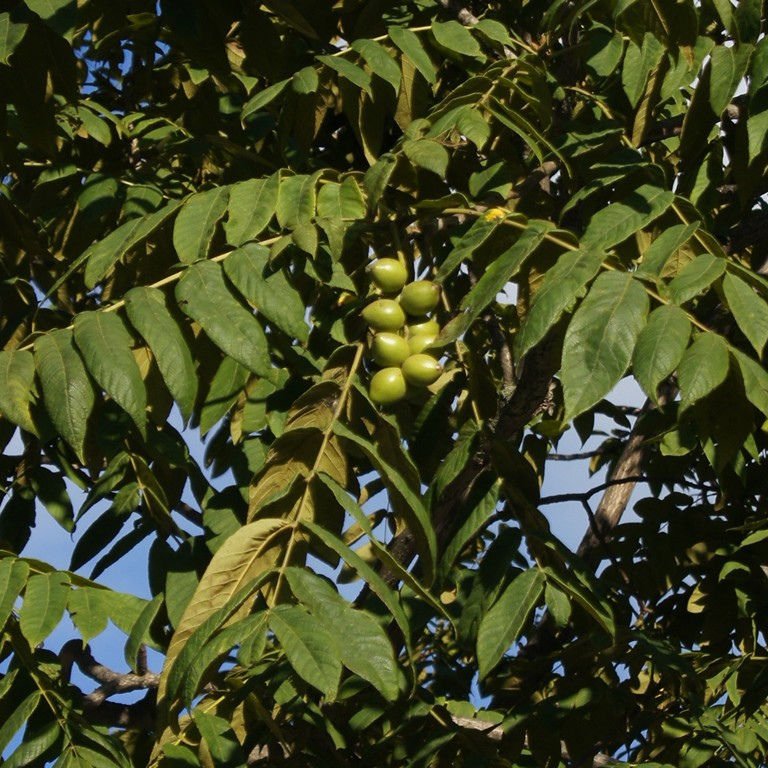
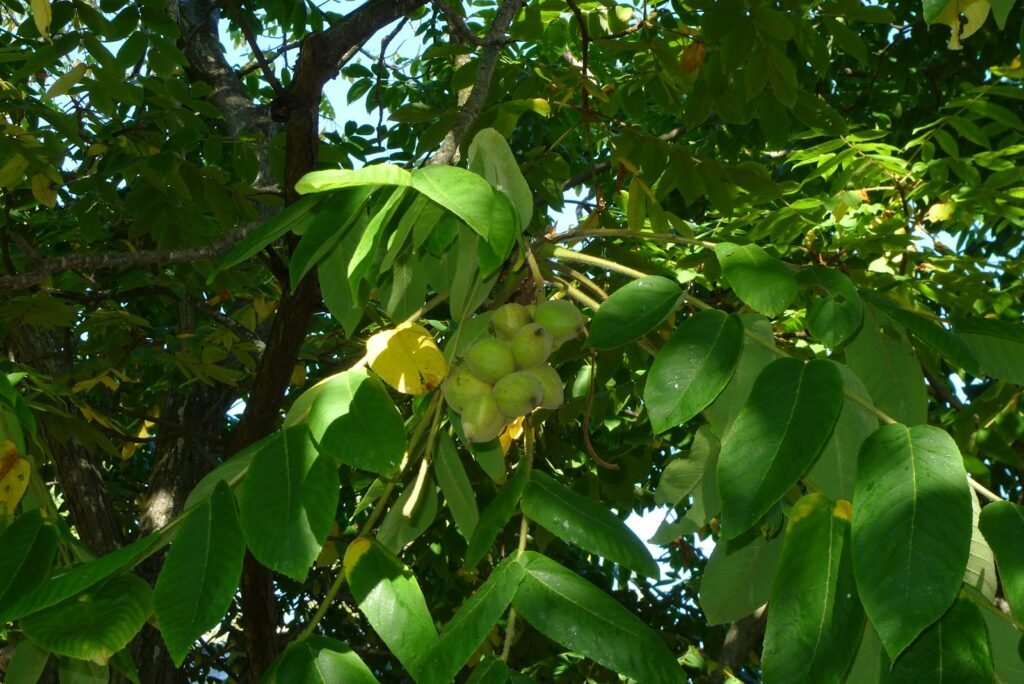
- Large compound leaves that create strong seasonal shade
- Cold hardiness suitable for northern regions
- Heavy nut production
- Edible, mildly sweet kernels
- High wildlife value
Another notable trait: Japanese walnut tends to be less susceptible to common walnut diseases and more adaptable to varied soil conditions.
Ideal Growing Conditions
Climate & Hardiness
Japanese walnut thrives best in USDA Zones 4–8. It tolerates winter cold better than English walnut and prefers a moderately humid climate.
Soil Requirements
The tree isn’t overly picky, but optimal growth occurs in:
- Deep, well-drained loams
- Slightly acidic to neutral pH (6.0–7.5)
- Nutrient-rich topsoil
Avoid heavy clay or poorly drained soils that can cause root rot.
Sun Exposure
Full sun is ideal for nut production—at least 6–8 hours of direct light per day.
Planting Japanese Walnut Trees
Plant bare-root or container-grown trees in early spring. Space trees 25–40 feet apart depending on intended usage (orchard vs. shade planting).
Planting tips:
- Dig a hole twice as wide as the root ball
- Position the graft union (if grafted) above soil level
- Water deeply after planting
- Mulch to prevent competition and moisture stress
Avoid planting near gardens—walnuts produce juglone, a natural compound that inhibits many plant species. Japanese walnut contains less juglone than black walnut, but still has allelopathic effects.
Propagation Methods
Japanese walnut can be propagated via:
1. Seeds
Seeds germinate easily after cold stratification and produce vigorous root systems, though not always true-to-type.
2. Grafting
Preferred for orchard planting because:
- Ensures nut quality
- Preserves cultivar characteristics
- Reduces waiting period to bearing
3. Root Cuttings / Suckers
Trees occasionally send up suckers that can be separated and transplanted.
Growth Habit & Maintenance
Pruning
Minimal pruning is required—mainly to:
- Remove crossing limbs
- Improve air circulation
- Shape the scaffold for nut production
Winter is the best time to prune.
Watering & Fertility
Young trees need consistent moisture. Mature trees are drought tolerant but yield better with periodic irrigation. Compost or balanced fertilizer applied in early spring supports steady growth.
Varieties & Related Species
While the species is Juglans ailanthifolia, several natural variations and hybrids exist:
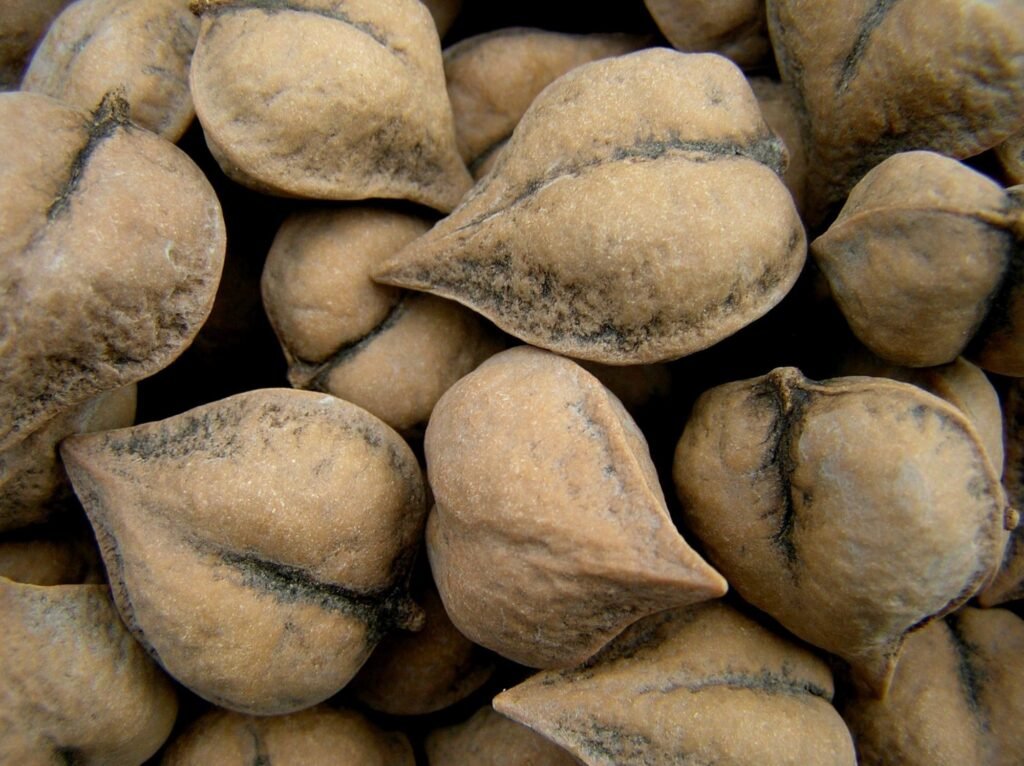
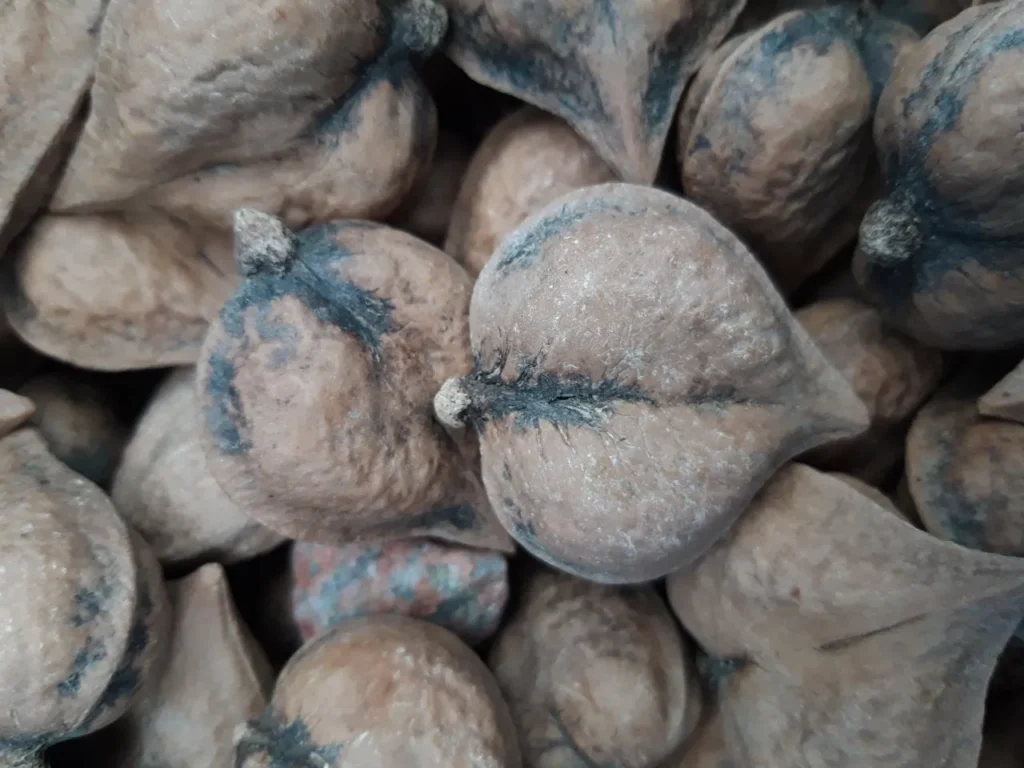
Heartnut (Juglans ailanthifolia var. cordiformis)
A popular Japanese walnut variety with:
- Heart-shaped nuts
- Extremely easy-to-crack shells
- Excellent kernel flavor
Hybrid Heartnuts
Breeders have created improved cultivars combining traits like:
- Higher yield
- Better kernel quality
- Blight resistance
Common selections include heartnut varieties known for ornamental value and reliable cropping.
Pests & Diseases
Japanese walnuts show resilience to many common walnut pathogens but may still face:
- Walnut husk fly
- Aphids
- Squirrels (major nut thieves!)
- Juglone-sensitive plant conflicts
Good airflow and biodiversity help keep pest issues low.
Culinary & Food Uses
The edible kernels have a mild, buttery, slightly sweet flavor. Compared to English walnut, Japanese walnut:
- Has softer tannins
- Cracks more easily (especially heartnuts)
- Pairs well in sweet and savory dishes
Culinary applications include:
✔ Raw snacking
✔ Roasting & baking
✔ Nut butters
✔ Confectionery
✔ Pastries & cookies
✔ Trail mixes
✔ Fermented or candied nut recipes
Historically, the oil has also been extracted for cooking or lamp fuel.
Non-Food Uses & Benefits
Beyond edible use, Japanese walnut offers:
Timber value
The wood is durable, easy to work, and attractive for:
- Furniture
- Bow-making
- Small craftwork
Ornamental value
The large fronds create tropical foliage aesthetics rarely seen in cold climates.
Wildlife benefits
Supports:
- Pollinators (catkins)
- Squirrels and birds (nuts)
- Soil organisms (leaf drop)
Harvesting Japanese Walnut
Trees typically begin bearing within 3–6 years (grafted) or 6–10 years (seedlings).
When to Harvest
Nuts are ready in late summer to early fall, depending on region and variety. Husks darken and begin to split when ripe.
Processing Steps:
- Gather fallen nuts
- Remove husks (wear gloves—husks stain)
- Cure nuts for 2–4 weeks in a warm, ventilated area
- Store in-shell for freshness
Properly cured walnuts can last 6–12 months in-shell under cool storage conditions.
Using Japanese Walnut in Sustainable Landscapes
Japanese walnut fits into ecological planting plans such as:
- Food forests
- Mixed orchards
- Wildlife corridors
- Shade plantings
- Homestead permaculture
Its fast growth and structural canopy allow for layered gardening beneath, provided companion species tolerate juglone.
Final Thoughts
Japanese walnut (Juglans ailanthifolia) remains underrated but extremely promising for growers seeking:
- Cold hardy nut production
- Easy propagation
- Attractive foliage
- Culinary versatility
- Multi-use timber and ecological benefits
With proper site selection and care, the species rewards growers with decades of yield and ornamental presence.


&media=https://food-foresting.com/wp-content/uploads/2026/01/4447.jpg)