
 paulius.mikoliunas1
| Common Name | Meadowsweet, Queen of the meadow, Double Lady of the Meadow, European Meadowsweet |
| Family | Rosaceae |
| USDA hardiness | 3-9 |
| Known Hazards |  Avoid for asthmatics. Use by children for diarhea not recommended or for children under 12 due to salicylate content (risk of Reye’s syndrome). Avoid for asthmatics. Use by children for diarhea not recommended or for children under 12 due to salicylate content (risk of Reye’s syndrome). |
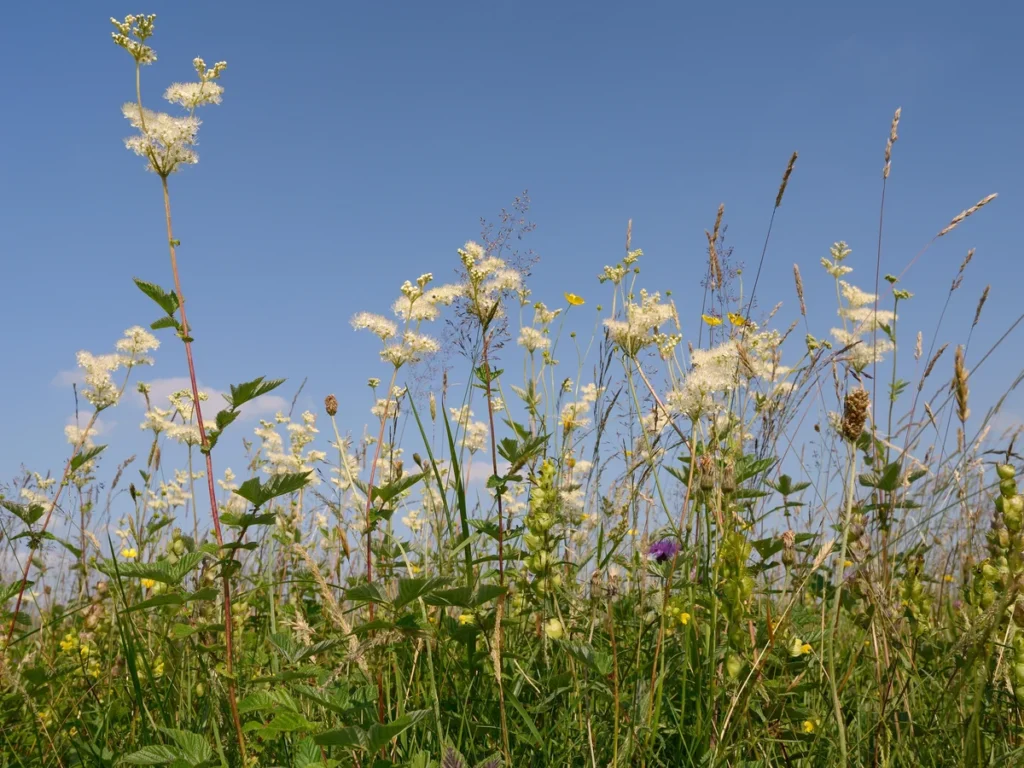
| Habitats | Wet ground in swamps, marshes, fens, wet woods and meadows, wet rock ledges and by rivers, but not on acid peats. |
| Range | Europe, including Britain, from Iceland south and east to Spain, temperate Asia and Mongolia. |
| Edibility Rating |   (3 of 5) (3 of 5) |
| Other Uses |   (3 of 5) (3 of 5) |
| Weed Potential | No |
| Medicinal Rating |   (3 of 5) (3 of 5) |
| Care (info) |      |



How to Grow, Propagate, Use & Harvest Meadowsweet (Spiraea): Varieties, Culinary Options & More
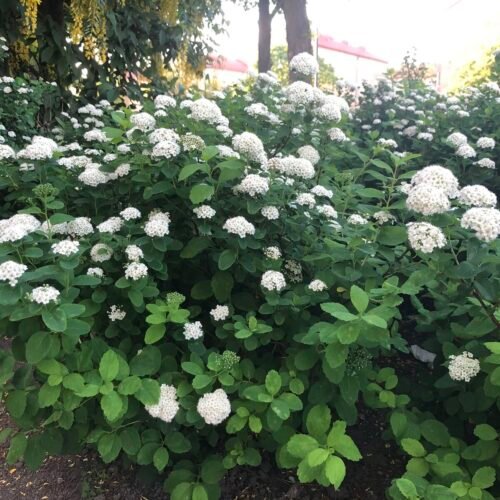
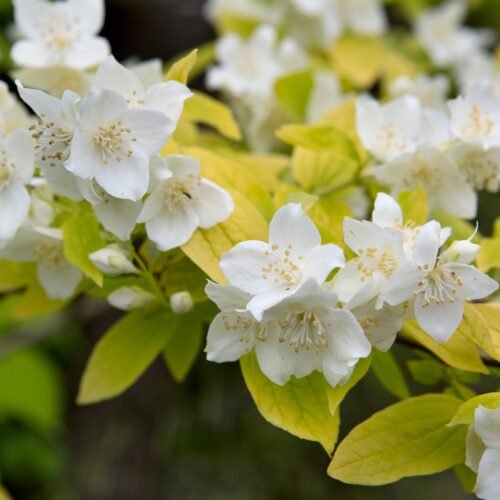
Meadowsweet (Spiraea spp.) is a beloved perennial shrub known for its frothy clusters of creamy-white blossoms, honeyed fragrance, and surprising versatility. Often found growing wild in damp meadows and hedges, Meadowsweet has been used for centuries as both a medicinal herb and ornamental garden feature. Modern gardeners love it for its pollinator appeal, soothing aroma, and resilience in temperate landscapes.
If you’re curious about cultivating your own Meadowsweet patch or exploring its culinary and herbal applications, this guide breaks down everything you need to know — from propagation and care to varieties, harvesting, and food uses.
What Is Meadowsweet (Spiraea)?
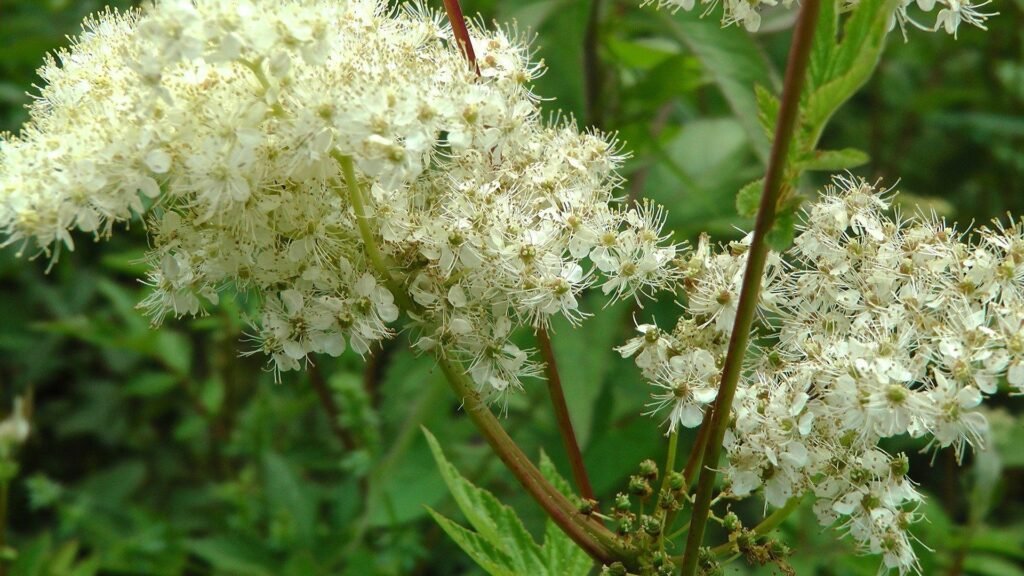
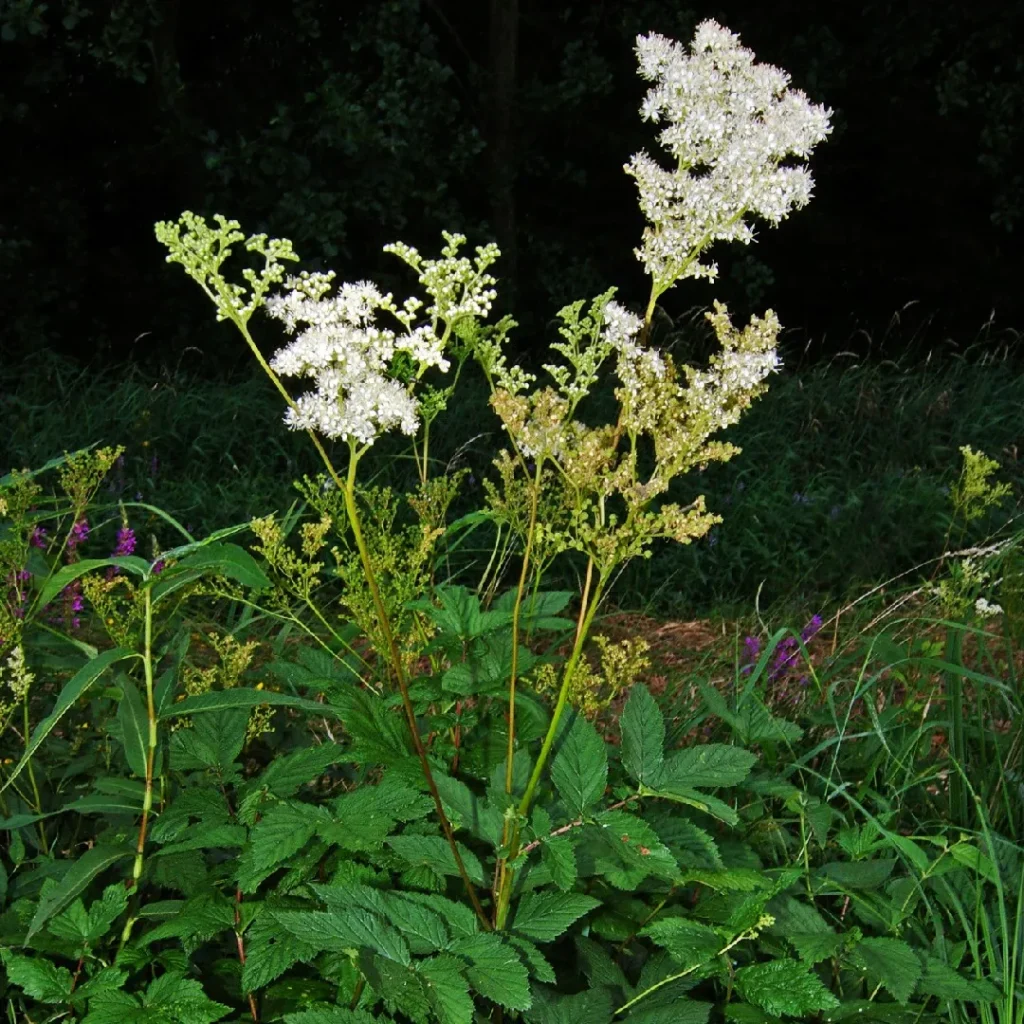
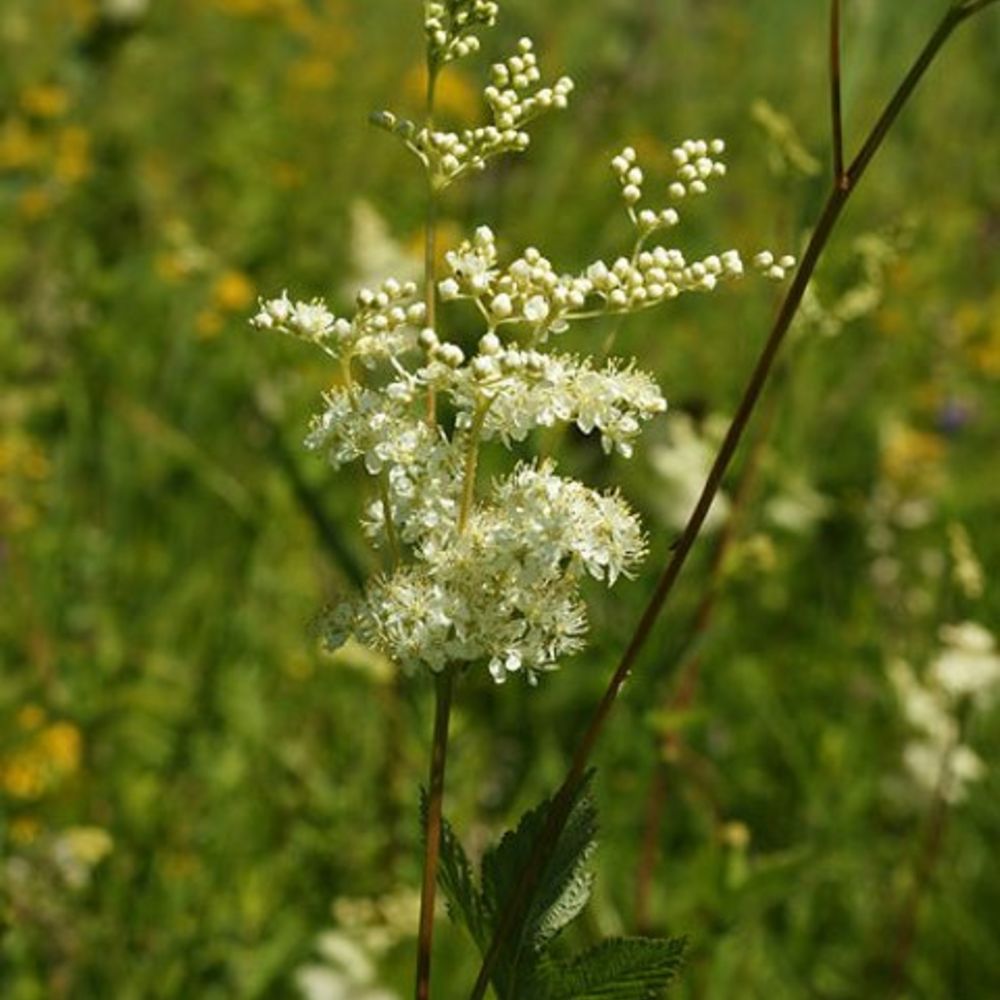
Meadowsweet refers to several species within the Spiraea genus, most famously Spiraea ulmaria (formerly Filipendula ulmaria). It’s a hardy deciduous plant known for:
- Feathery cream-colored blooms
- A delicate almond-honey scent
- Glossy leaves with serrated edges
- A preference for moist soils and cool summers
Historically, meadowsweet was strewn on medieval floors for fragrance and brewed into ales, wines, and vinegars. It also contains salicylates — compounds related to aspirin — giving it a long history in folk medicine.
How to Grow Meadowsweet
Climate & Hardiness
- Zones: 3–8 (varies slightly by species)
- Prefers: Cool, moist temperate environments
- Heat tolerance: Moderate; dislikes drought and scorching sun
Soil Requirements
Meadowsweet thrives in:
- Moist, humus-rich soils
- Slightly acidic to neutral pH (6.0–7.0)
- Good drainage (but avoids drought stress)
Tip: In hotter climates, mulching helps preserve ground moisture and root coolness.
Light Conditions
- Full sun in cooler climates
- Partial shade in warm regions
Watering Needs
- High during establishment
- Consistent moisture thereafter
- Will tolerate periodic flooding, but not prolonged drought
Feeding & Fertility
Fertilize in spring with:
- A balanced 10-10-10 fertilizer or
- Organic compost + leaf mold for steady nutrient release
Avoid overfeeding; it encourages lush growth with fewer blooms.
Propagation Methods
Meadowsweet propagates readily through three primary methods:
1. Division (Best for Home Gardeners)
- Dig mature plant in early spring or autumn
- Divide crown into sections with 2–3 shoots per piece
- Replant immediately in moist, fertile soil
Pros: Fast, reliable, clones true to parent
2. Cuttings
Softwood cuttings root well in early summer:
- Take 4–6 inch tips
- Strip lower leaves
- Dip in rooting hormone (optional)
- Place in moist sand/peat mix
- Keep humid + shaded until rooted
3. Seeds
Seeds require stratification for germination:
- Sow in fall or cold-stratify for 6–10 weeks
- Germination is slower and genetic variation is higher
Best for expanding diversity or breeding projects.
Popular Meadowsweet Varieties
While Spiraea ulmaria is the traditional herbal Meadowsweet, gardeners may encounter multiple species and cultivars including:
🌱 Spiraea ulmaria
- Classic medicinal + fragrant species
- Wildflower aesthetic
- Best for herbal use
🌱 Spiraea japonica
- Compact shrub form
- Pink-to-purple blooms
- Ideal for borders and foundation plantings
🌱 Spiraea vanhouttei (Vanhoutte Spiraea)
- Arching sprays of white flowers
- Often called “Bridal Wreath”
- Makes stunning hedges and flowering screens
🌱 Spiraea douglasii
- Native to western North America
- Pink feathery blossoms
- Attracts bees and butterflies
🌱 Dwarf & Ornamental Cultivars
- ‘Goldflame’
- ‘Magic Carpet’
- ‘Little Princess’
These varieties are valued for foliage colors ranging from burgundy to chartreuse.
Uses of Meadowsweet
Meadowsweet isn’t just ornamental — it bridges herbalism, fragrance, food, and craft.
Medicinal & Herbal
Traditionally used for:
- Headaches + minor pain
- Digestive discomfort
- Fevers + colds
- Mild anti-inflammatory support
Contains natural salicylates — similar to aspirin — so those with sensitivities should use caution.
Cosmetic & Aromatic
Meadowsweet infuses beautifully into:
- Facial steams
- Floral waters
- Botanical soaps
- Oil macerations
- Potpourri blends
Its sweet almond-honey scent is prized for balancing floral blends.
Culinary & Beverage
Historically used in:
- Mead (hence “mead-sweet”)
- Ales & ciders
- Herbal teas
- Flavoring for fruits + jams
Modern chefs experiment with meadowsweet for its vanilla-almond profile.
Food Ideas: Culinary Ways to Enjoy Meadowsweet
While usage isn’t as common today, it marries especially well with summer and fruit-forward dishes.
Tea or Tisane
Steep dried flowers for 5–7 minutes for:
- Floral aroma
- Lightly sweet finish
Herbal Syrup
Use to flavor:
- Lemonades
- Cocktails/mocktails
- Ice cream bases
- Glazes
Fruit Pairings
Pairs well with:
- Strawberries
- Apples
- Pears
- Rhubarb
Ferments & Brewing
Revives ancient recipes like:
- Mead
- Country wine
- Herbal ale
Note: Always harvest responsibly and verify plant identity before consumption.
How to Harvest Meadowsweet
When to Harvest
- Flowers: Early-mid summer, at peak bloom
- Leaves: Spring to early summer
- Roots: In autumn (rarely used)
Harvest Technique
- Snip flower clusters in dry weather
- Avoid wilted or browned blossoms
- Dry in shade to preserve aromatics
Drying & Storage
- Air dry in baskets or screens
- Store in airtight jars
- Keep cool and out of direct light
Shelf life: 9–12 months for best flavor and potency.
Pests, Diseases & Troubleshooting
Meadowsweet is generally hardy, but may encounter:
Common Issues
- Powdery mildew
- Rust
- Aphids
- Leaf spot in humid climates
Preventive Care
- Space plants for airflow
- Water at base, not overhead
- Prune after flowering
- Remove diseased foliage promptly
Final Thoughts
Meadowsweet offers a rare combination of beauty, fragrance, and utility. Whether you’re drawn to its soft meadow aesthetic, intrigued by old-world brewing traditions, or simply looking to support pollinators, Spiraea is a rewarding plant for both herb gardens and ornamental landscapes.
With minimal care requirements and abundant propagation options, it’s a plant well worth exploring — from seedling to teacup to midsummer bouquet.


&media=https://food-foresting.com/wp-content/uploads/2026/01/6d8ce24-20d2-b85c-2beb-4a1daf5e133_herbs-meadowsweet-01-1920x.jpg)