
 paulius.mikoliunas1
| Common Name | Mock Orange, Sweet mock orange |
| Family | Hydrangeaceae |
| USDA hardiness | 4-8 |
| Known Hazards | None known |
| Habitats | Scrub and woodland on warm rocky hills and screes. |
| Range | Europe – S. Austria, Italy. Possibly occasionally naturalized in Britain. |
| Edibility Rating |  (0 of 5) (0 of 5) |
| Other Uses |   (1 of 5) (1 of 5) |
| Weed Potential | No |
| Medicinal Rating |  (0 of 5) (0 of 5) |
| Care (info) |     |


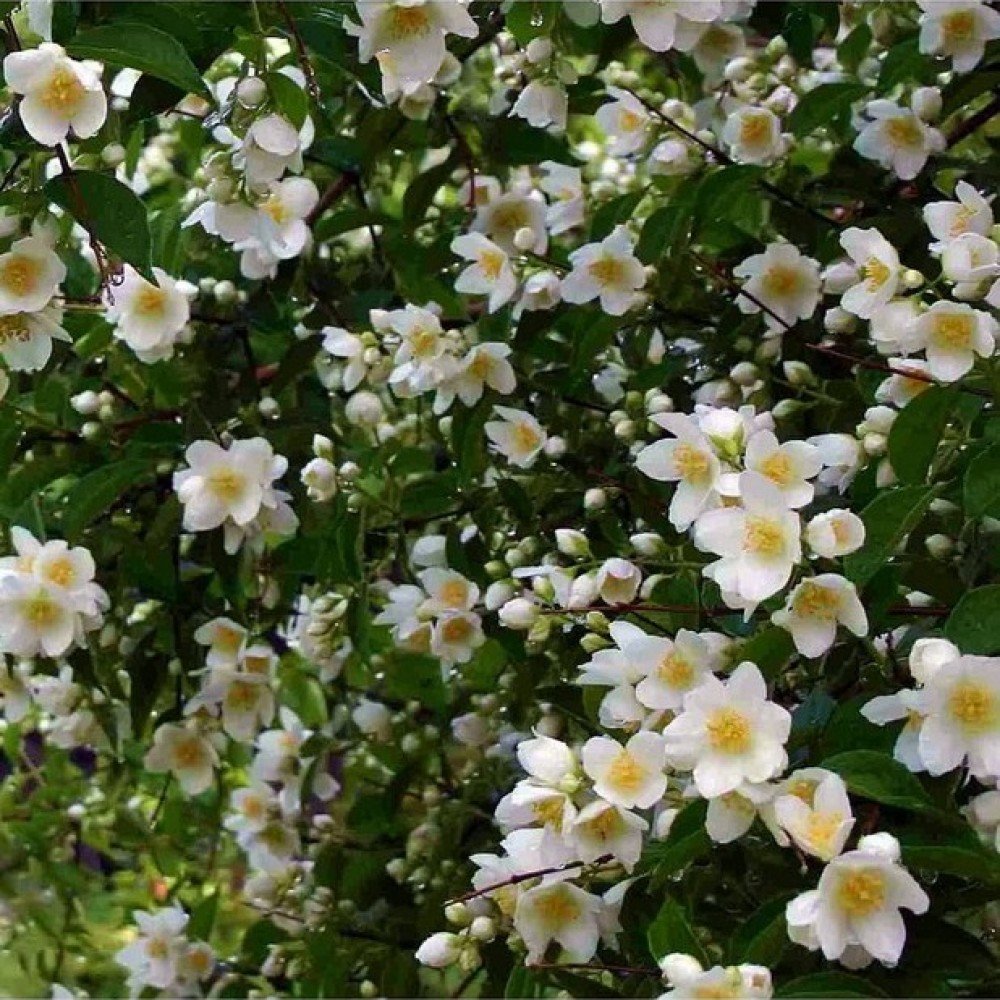

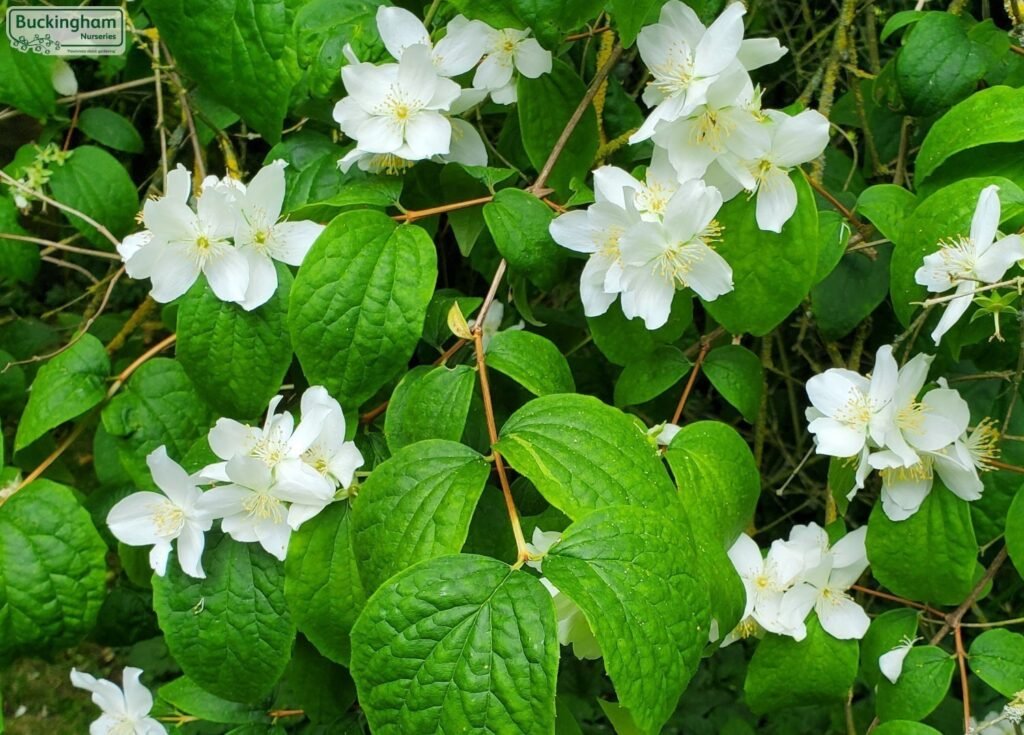
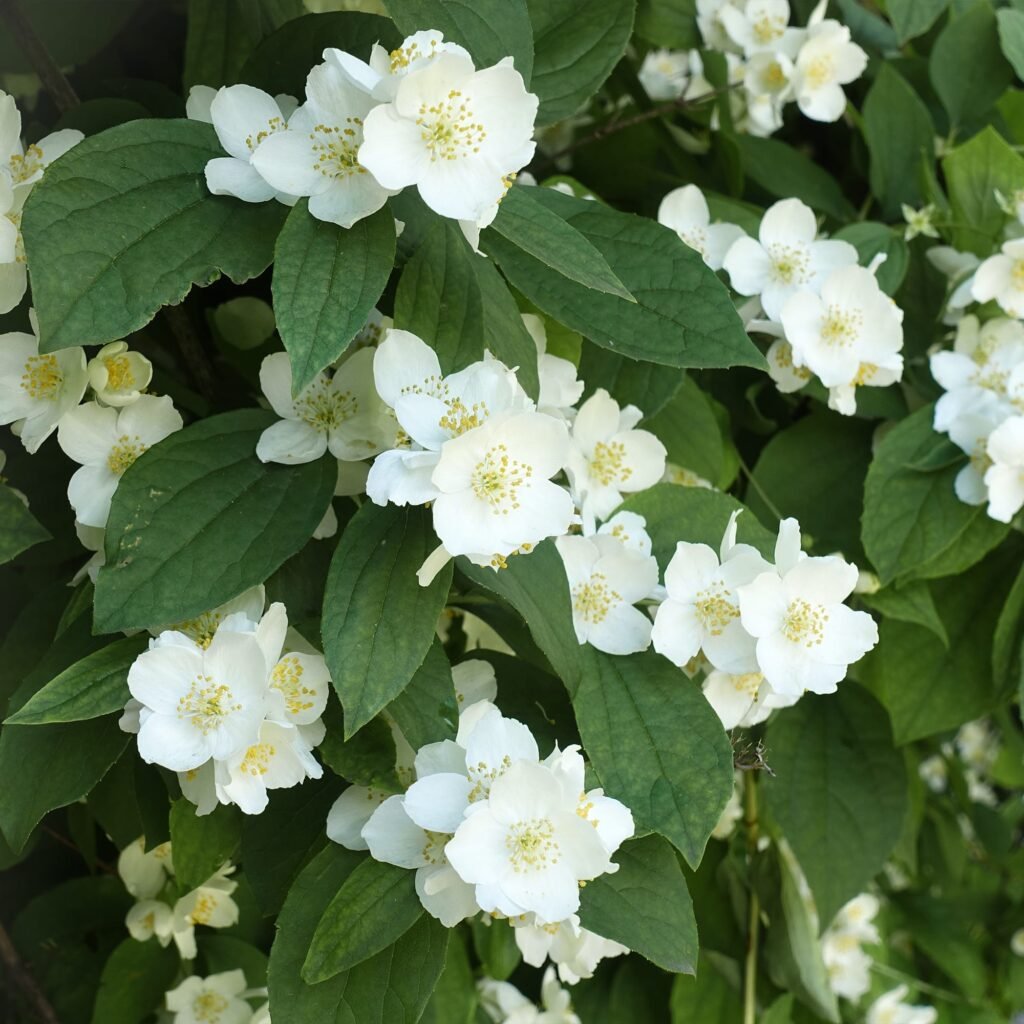
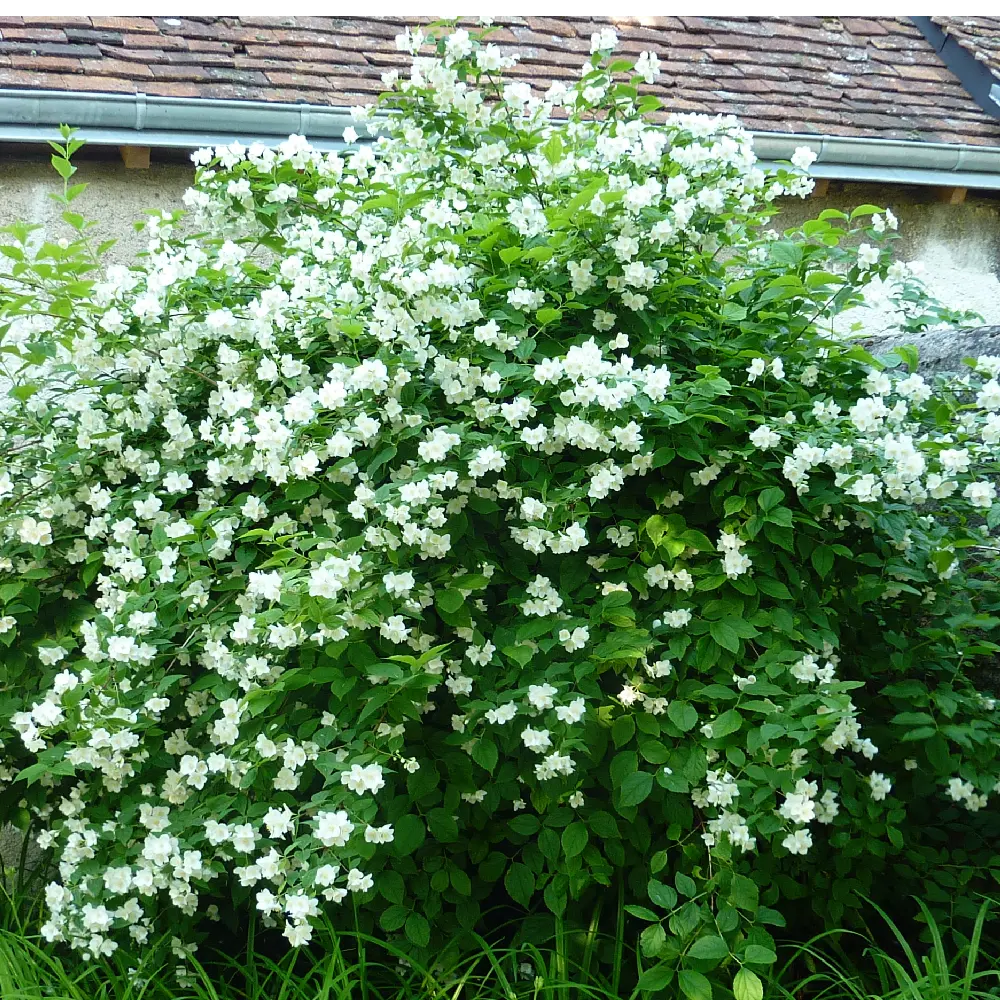

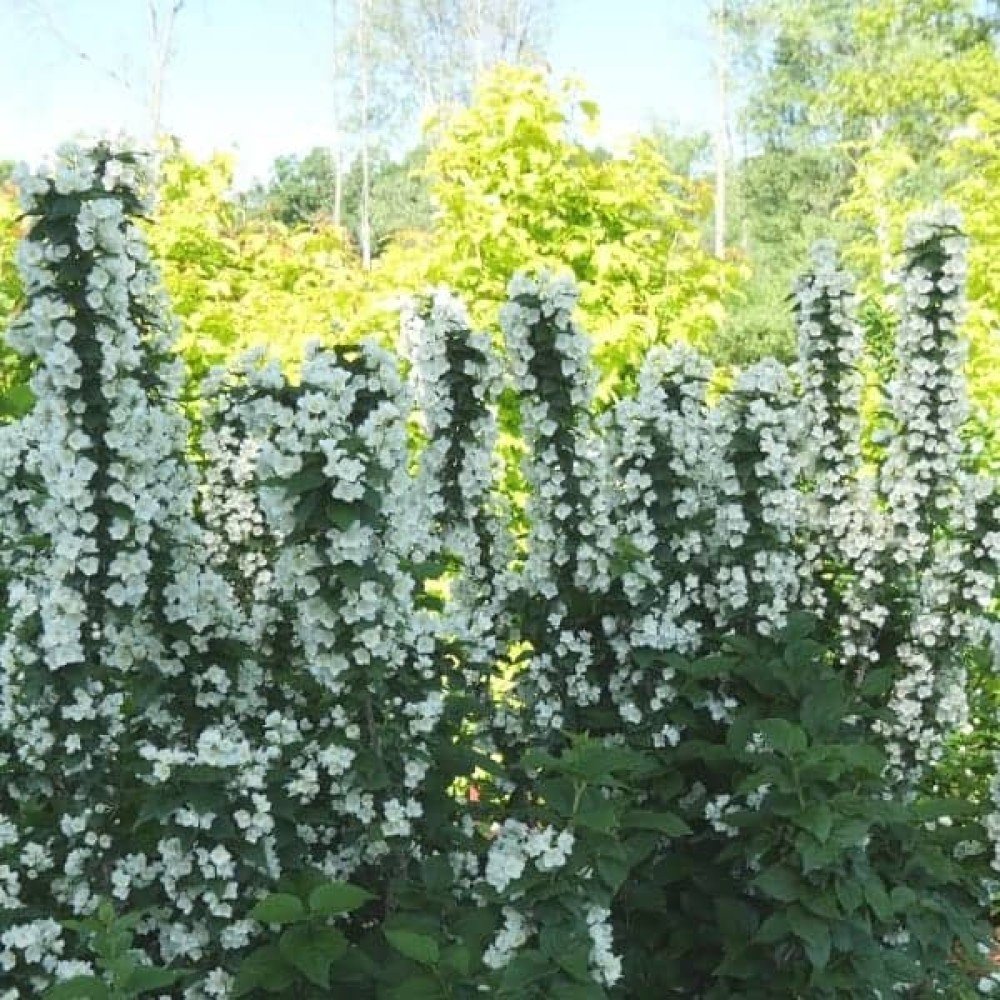
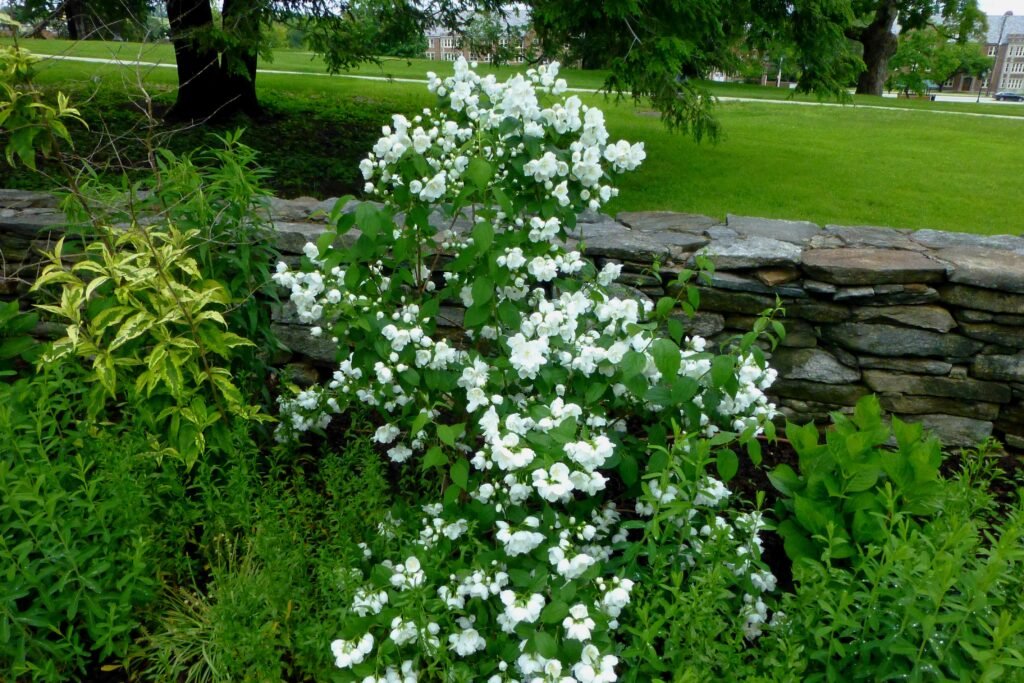
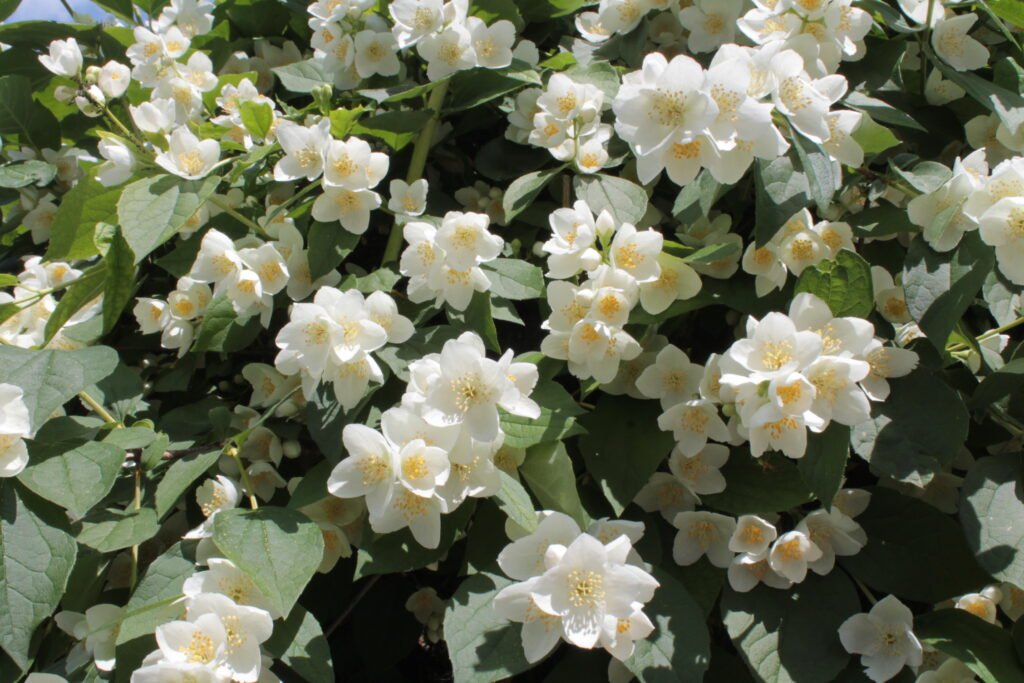
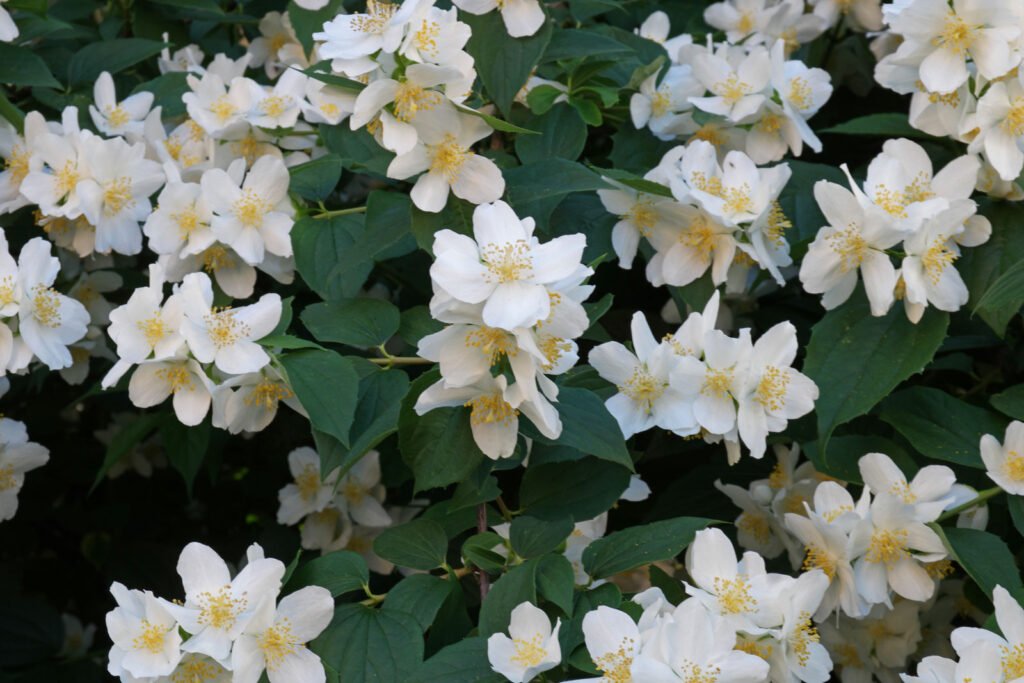
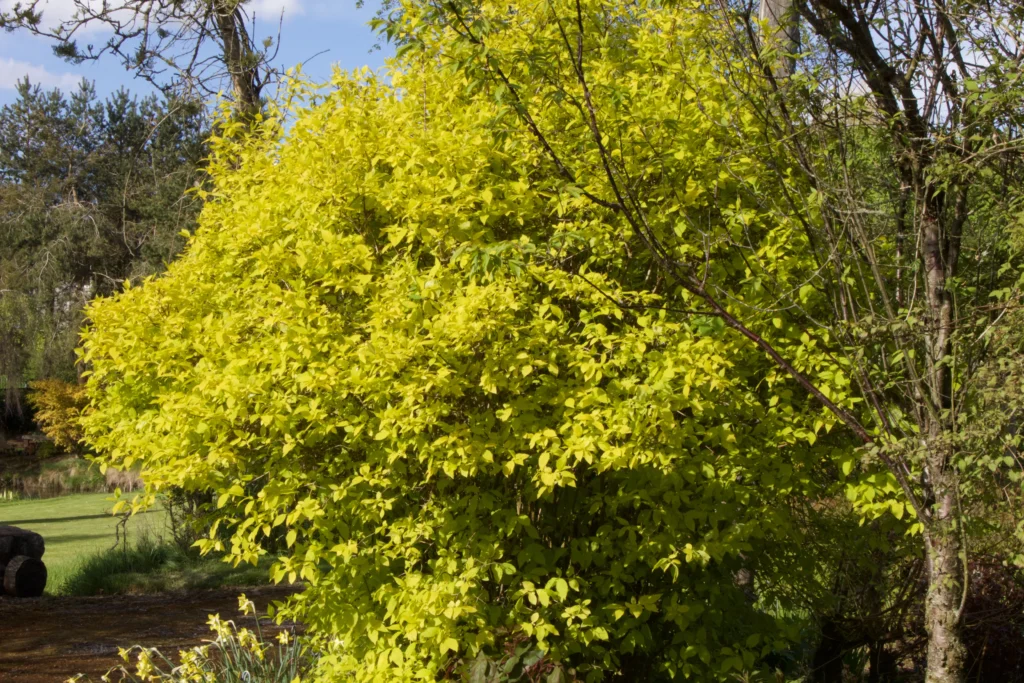
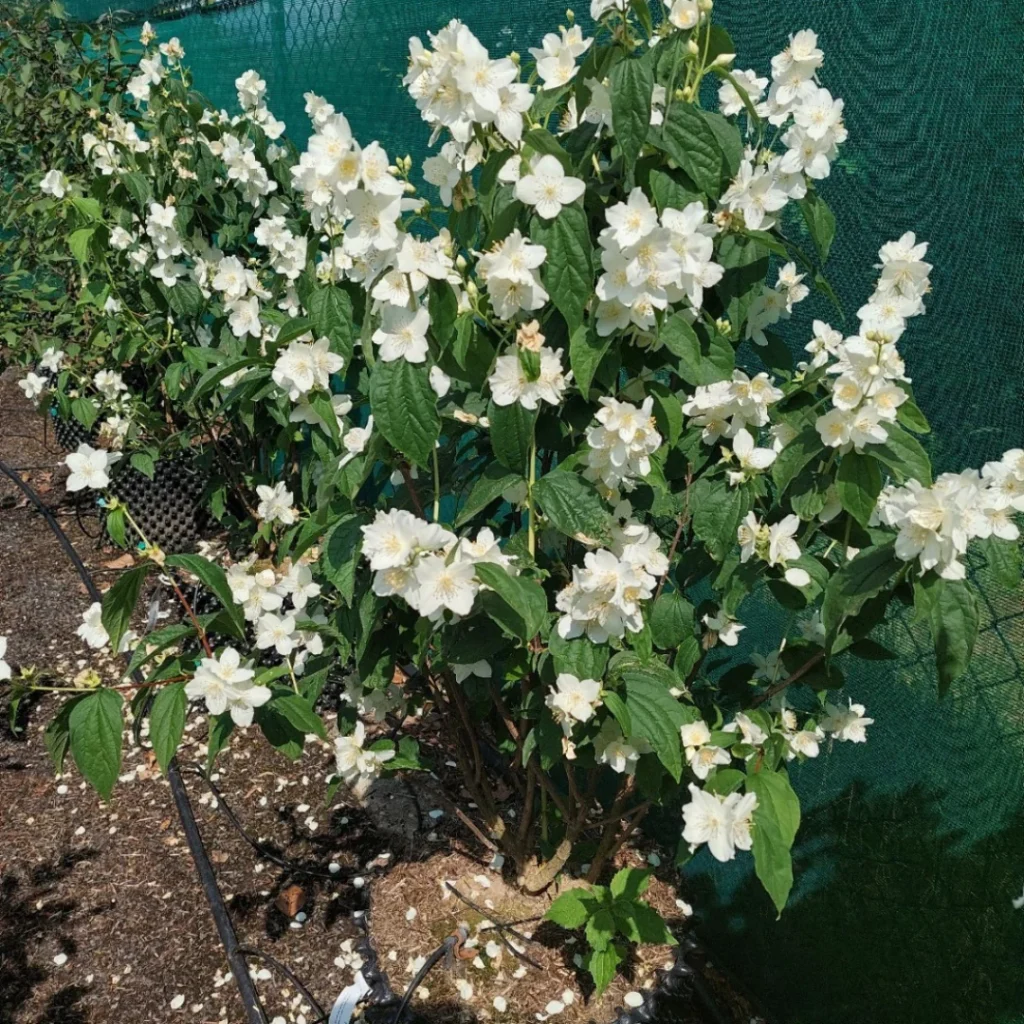


Mock Orange (Philadelphus coronarius): How to Grow, Propagate, Use, and Harvest This Fragrant Favorite
Mock Orange (Philadelphus coronarius) is one of the most beloved late-spring shrubs for gardeners seeking lush fragrance, bright white blossoms, and effortless charm. Named for its intoxicating citrus-like scent, the shrub has earned a reputation as a garden classic for centuries, and yet it remains surprisingly low-maintenance and versatile. Whether you’re exploring garden design, edible flowers, or propagation techniques, Philadelphus deserves a spot on your radar.
Below is a comprehensive guide on how to grow, propagate, select varieties, and use Mock Orange—plus tips for harvesting blooms and expanding its utility in the kitchen and home.
What Makes Mock Orange Special?
The common name “Mock Orange” arises from its orange-blossom fragrance, which is especially strong in the evenings of late spring and early summer. While it is not related botanically to citrus, its perfume evokes orange blossoms so strongly that many gardeners plant it for sensory appeal alone.
Key highlights of Philadelphus coronarius:
- Highly fragrant spring blossoms
- Hardy perennial shrub (Zones 4–8)
- Low maintenance, drought-tolerant once established
- Fast-growing and tolerant of pruning
- Attracts pollinators, including bees and butterflies
Growing Mock Orange
Ideal Climate & Zones
Mock Orange thrives in USDA Zones 4–8, tolerating both cold winters and warm summers. Heat is rarely a problem, though extreme humidity can make growth leggy if left unpruned.
Soil Requirements
Mock Orange is surprisingly adaptable, but for best flower production:
- Soil type: Loamy, well-drained
- pH range: Neutral to slightly alkaline
- Drainage: Essential—soggy roots hinder bloom
For clay-heavy sites, incorporate compost or grit during planting to improve structure.
Light Requirements
More light equals more flowers. Ideally:
- Full sun (6+ hours/day) for maximum bloom
- Partial shade tolerated, but blossoms decrease
In hotter climates, morning sun with afternoon shade prevents too-fast dehydration.
Watering & Fertilization
Watering
- Young plants: Water deeply during first season
- Established shrubs: Moderate drought tolerance
- Avoid overhead watering during bloom to prevent petal spotting
Fertilizer
Feed once in early spring with a balanced, slow-release fertilizer. Over-fertilization encourages leaves instead of flowers.
Mock Orange Varieties Worth Considering
There are dozens of species and cultivars, each with slightly different growth habits and fragrance strength. Popular choices include:
1. Philadelphus coronarius
The classic species—upright, vigorous, and intensely fragrant.
2. ‘Virginal’
Double-petaled blooms and showier flowers; great for cutting.
3. ‘Belle Etoile’
Compact shrub with ruby-centered flowers and a citrus perfume.
4. ‘Minnesota Snowflake’
Hardy hybrid ideal for cold climates with fully double blossoms.
5. Dwarf Cultivars
Perfect for small patios or container gardening.
Choosing the right variety is mainly a matter of size + scent preference.
Propagation: How to Make More Mock Orange Shrubs
Propagation is straightforward and rewarding. Two common methods:
1. Propagation from Softwood Cuttings
Best time: Late spring to early summer
Steps:
- Take 4–6 inch cuttings with 2–3 leaf nodes.
- Remove lower foliage.
- Dip in rooting hormone (optional but helpful).
- Plant in a gritty, moist propagation mix.
- Cover for humidity and place in bright indirect light.
- Rooting occurs in ~4–8 weeks.
2. Propagation from Hardwood Cuttings
Best time: Late fall to winter after leaf drop.
Hardwood cuttings root more slowly but are highly reliable and lower maintenance.
Using Mock Orange: Ornamental, Aromatic & Beyond
Mock Orange is mostly known for ornamental and fragrance uses, but it has additional practical applications worth exploring.
Ornamental Uses
- Foundation plantings
- Mixed borders
- Cottage gardens
- Scented walkways
- Hedge planting
Cut flowers last well in vases and bring perfume indoors.
Aromatic & Craft Uses
While not a commercial essential-oil plant, its blossoms are used for:
- Scented bouquets
- Potpourri blends
- Floral water infusions (non-essential-oil)
- Wedding and event florals
Food-Related & Edible Uses
While not widely cultivated as an edible plant, Mock Orange flowers are considered non-toxic and are used occasionally in culinary contexts such as:
- Flower garnishes for desserts
- Floral-infused syrups
- Flavored waters or mocktails
- Pantry perfumes (infusing sugar or honey)
Fresh blossoms should be used the day they are harvested, as they wilt quickly.
Important Note: Not all Philadelphus species have equally pleasant flavors—some are simply neutral. Always test a small amount first and confirm identification before consuming flowers.
Harvesting Mock Orange Flowers
Timing is key for peak fragrance:
- Pick blossoms in the cool of morning or evening
- Choose flowers just as they open
- Use sharp shears to reduce bruising
- Place stems immediately in cool water
For culinary or craft uses, harvest on dry days only to avoid mold and dilution of scent.
Maintenance & Pruning for Strong Blooms
Mock Orange blooms on old wood, meaning heavy pruning at the wrong time reduces the following year’s flowers.
Correct timing:
- Prune immediately after flowering, not in fall or spring.
Maintenance approach:
- Remove 1/3 of oldest stems yearly
- Thin center for airflow
- Rejuvenate completely every 3–4 years if needed
Common Pests & Diseases
Generally trouble-free, but may encounter:
- Aphids
- Scale insects
- Leaf spot
- Powdery mildew (in shade-heavy areas)
Good airflow and sunlight reduce most issues naturally.
Is Mock Orange Right for Your Garden?
Mock Orange is ideal for:
- Scent lovers
- Low-maintenance gardeners
- Cottage and pollinator gardens
- Cut-flower enthusiasts
Its only real drawbacks are:
- Brief bloom window (2–4 weeks)
- Can get leggy without pruning
Final Thoughts
Mock Orange (Philadelphus coronarius) remains a timeless spring shrub—and for good reason. From its heady perfume to its versatility in landscaping, crafting, and even light culinary use, it rewards growers with minimal demand. For gardeners looking to expand sensory appeal or experiment with traditional flowering shrubs, this plant deserves a permanent place in the landscape.


&media=https://food-foresting.com/wp-content/uploads/2026/01/2048x1365-Philadelphus-Aureus-LI3488714-480eac3.jpg)