
 paulius.mikoliunas1
Paperbark Maple (Acer griseum): Complete Growing, Propagation, Varieties, Uses & Harvest Guide
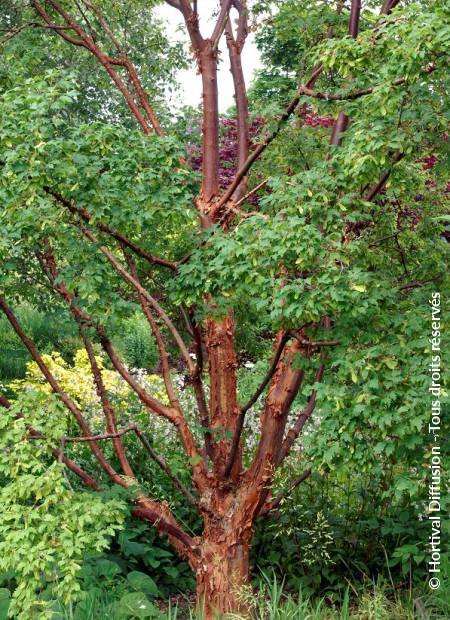
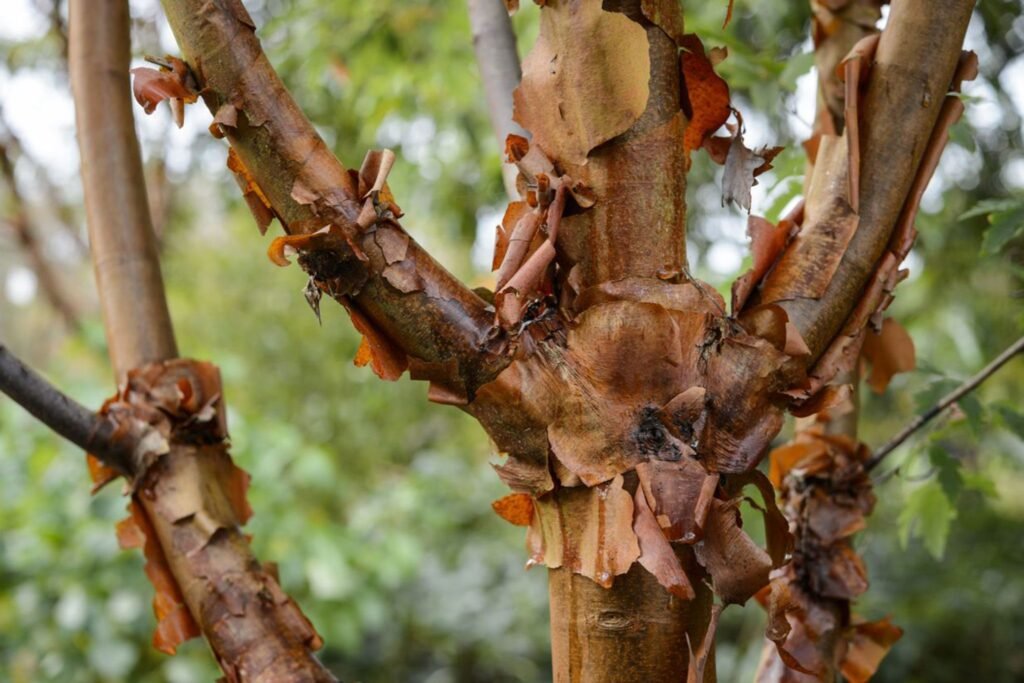
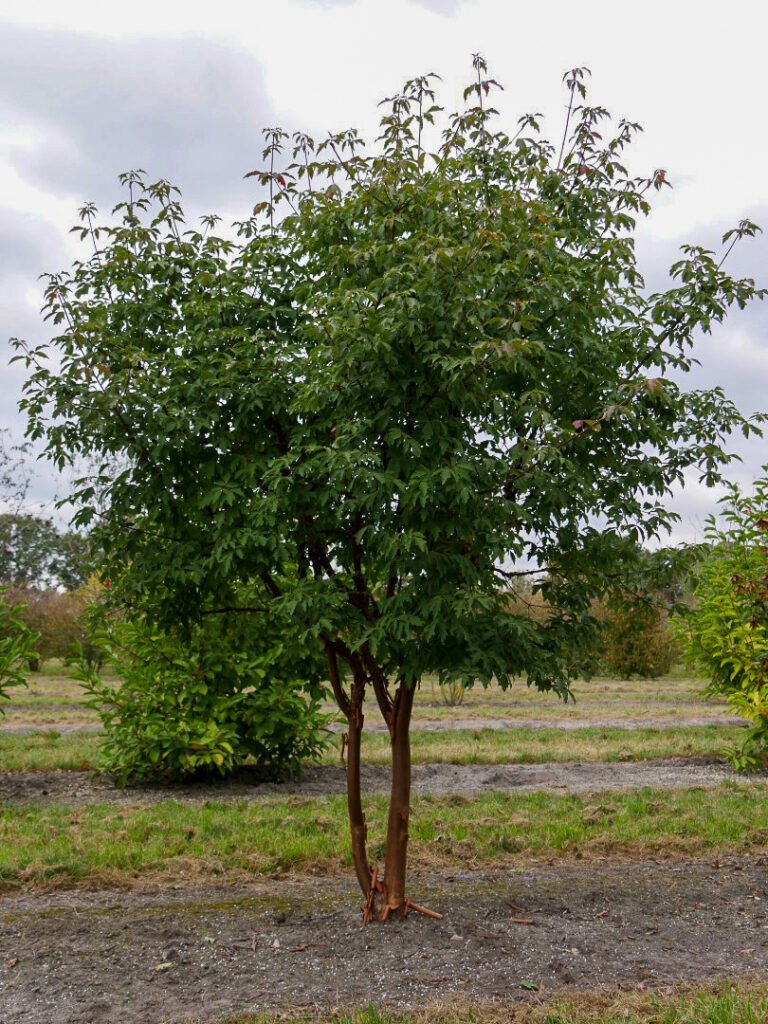
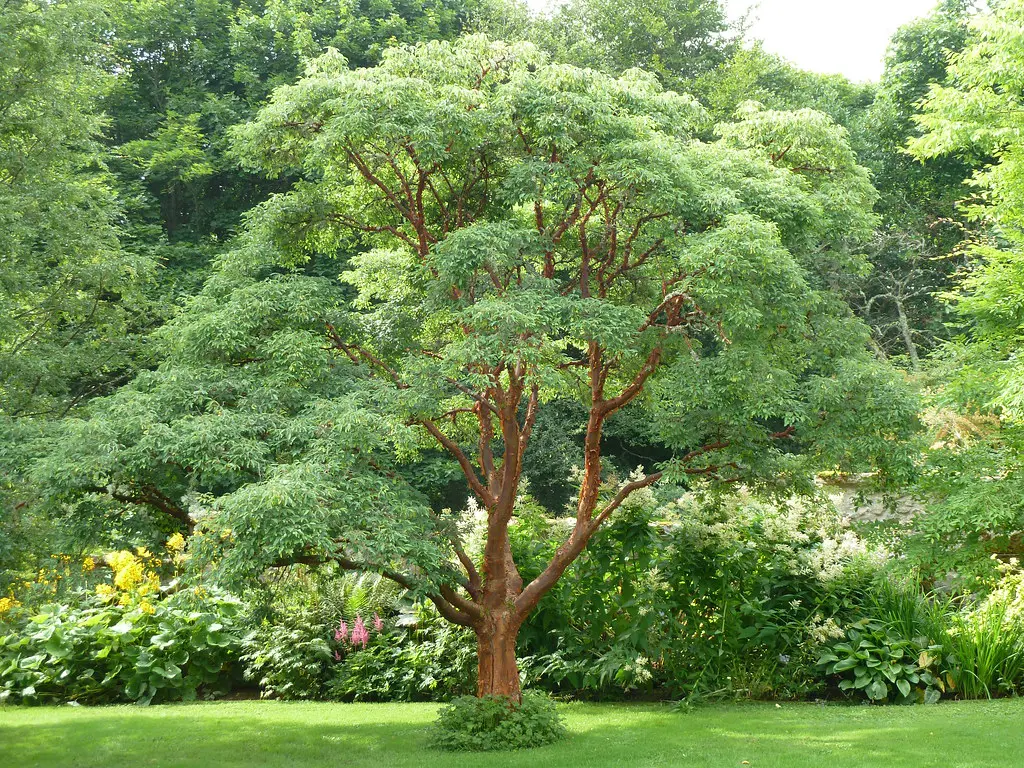
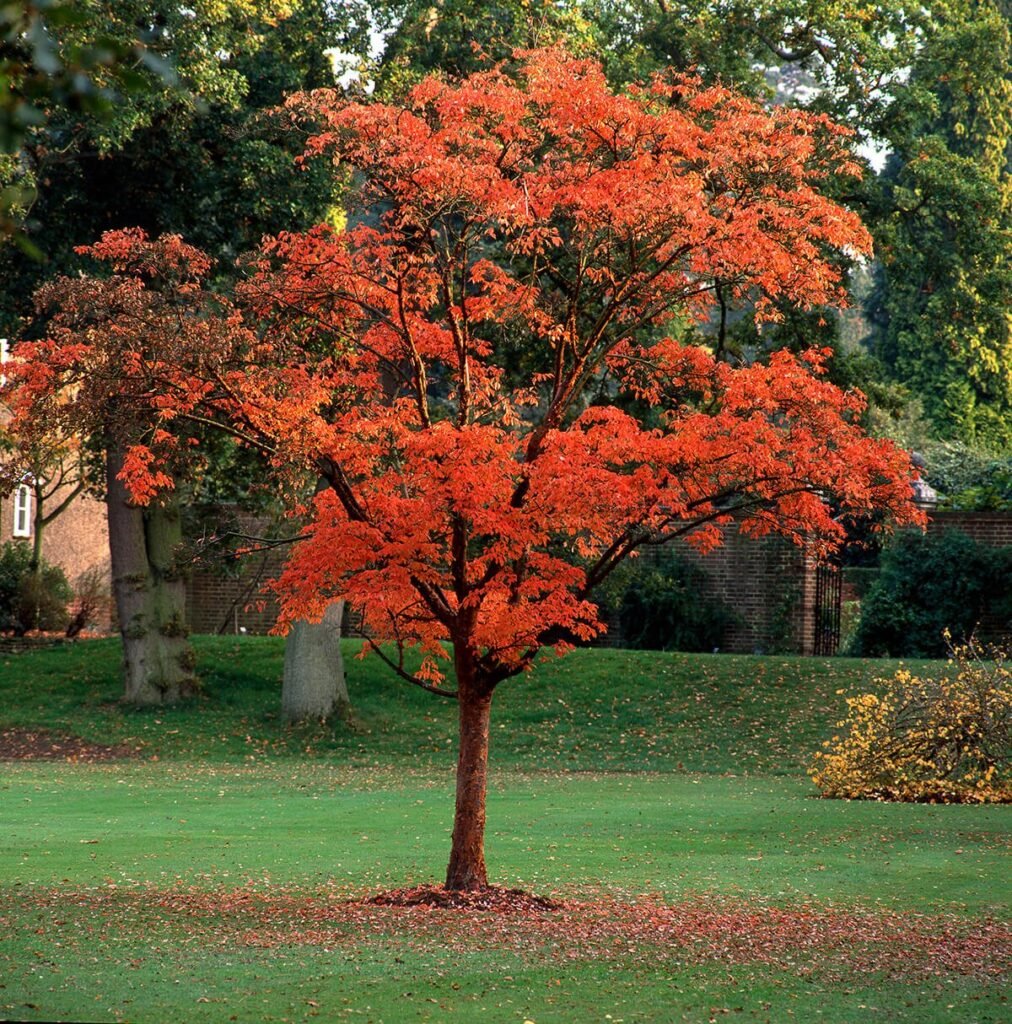
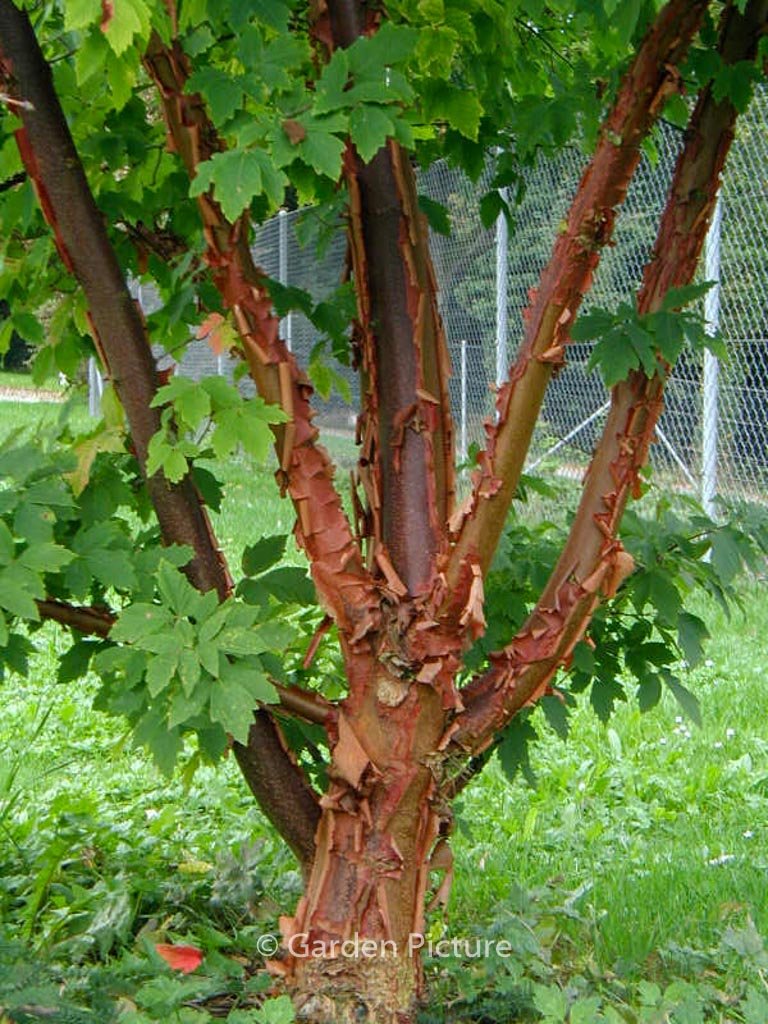
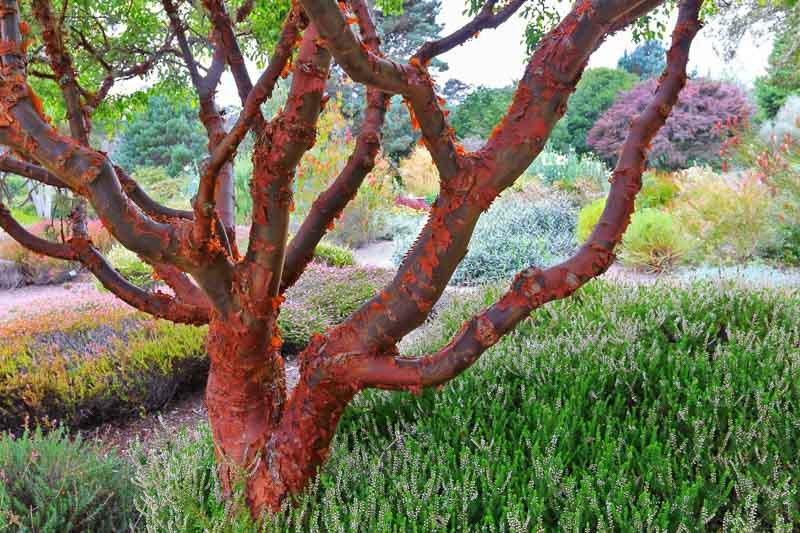
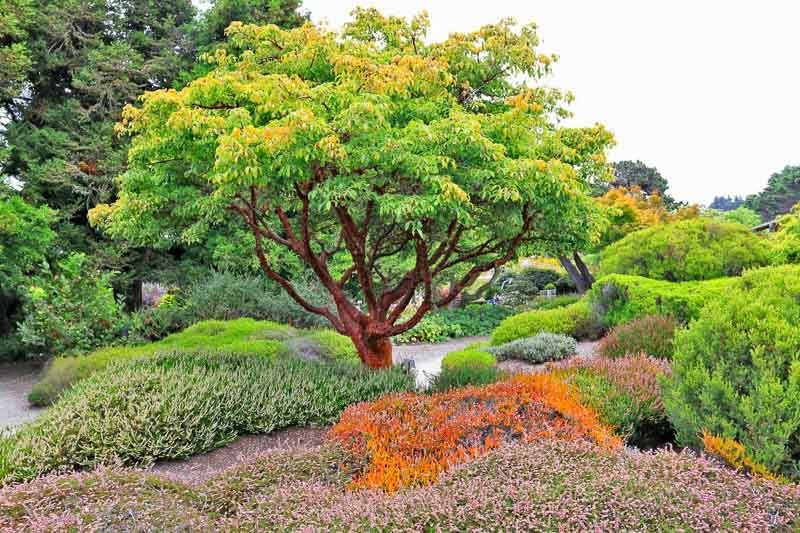
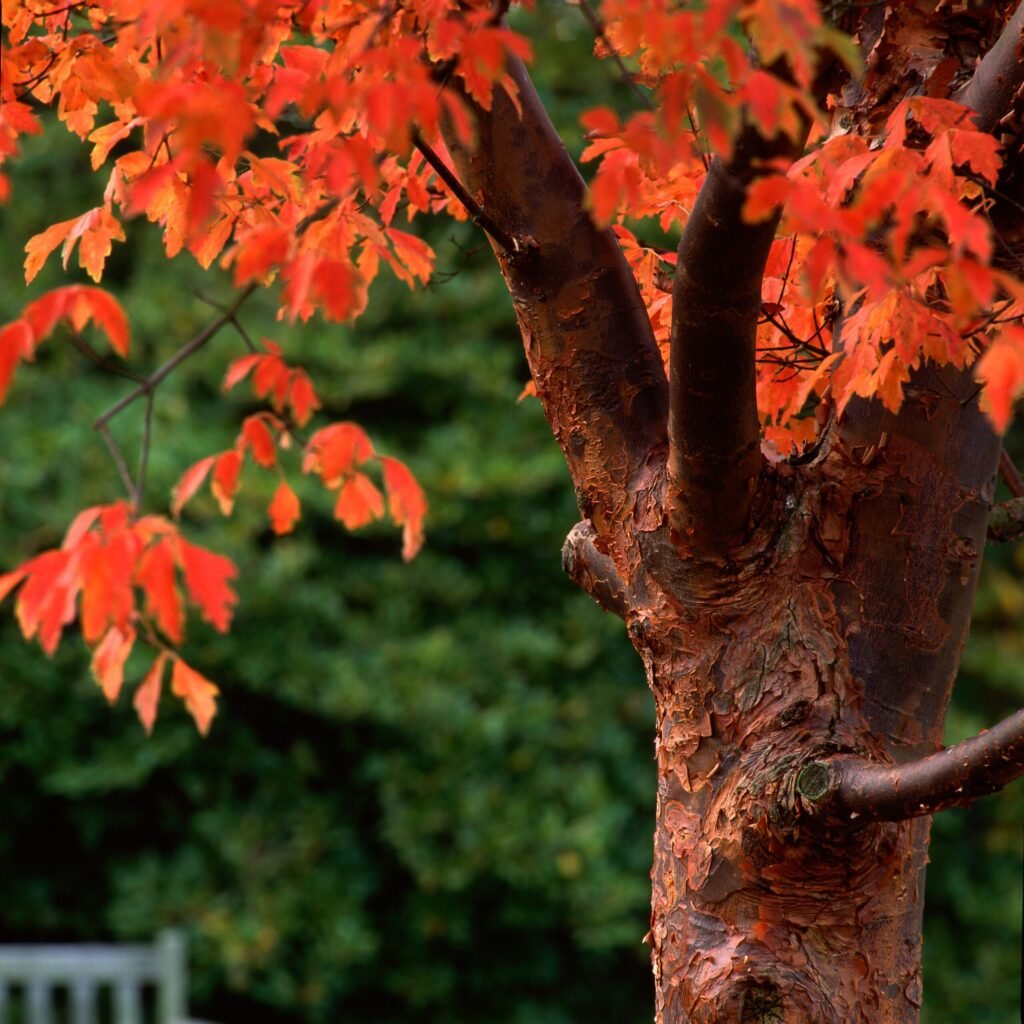
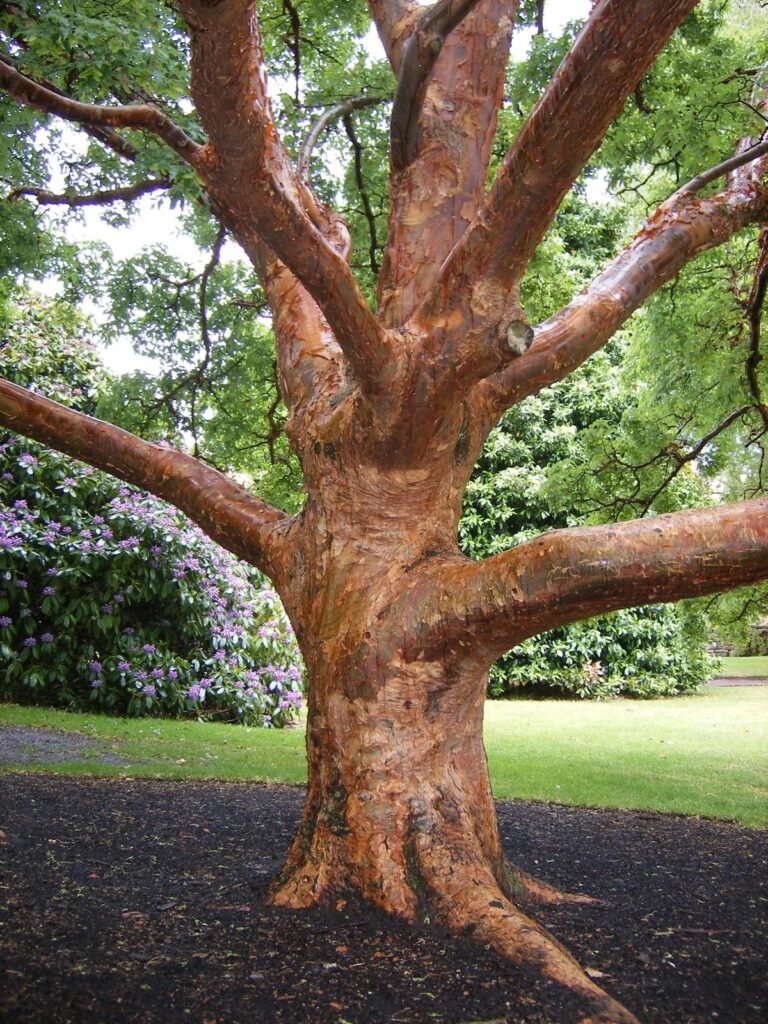
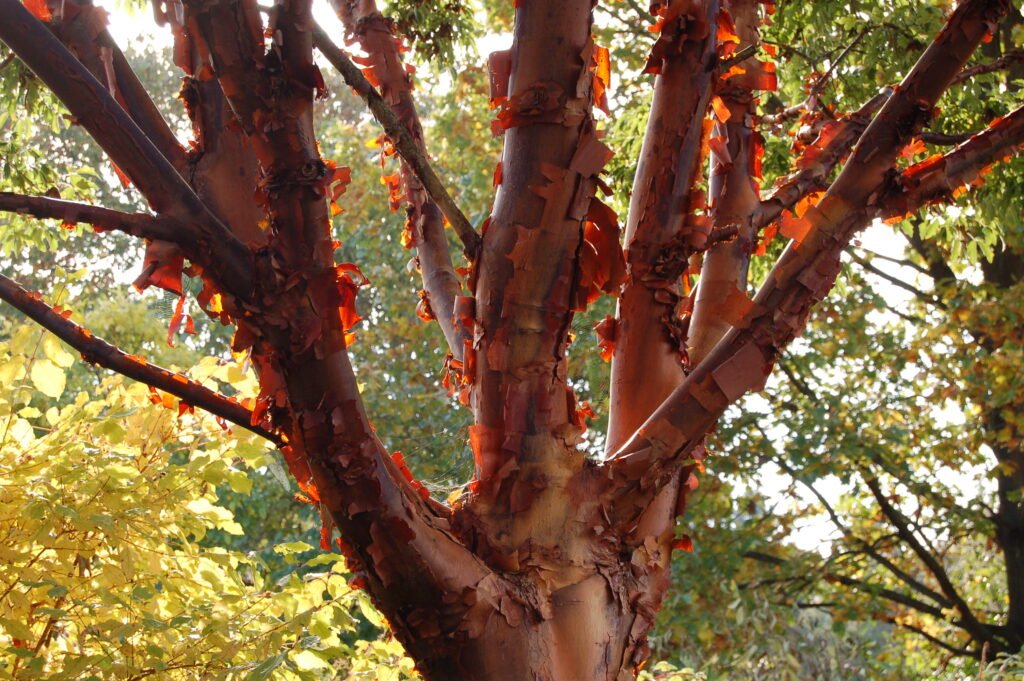
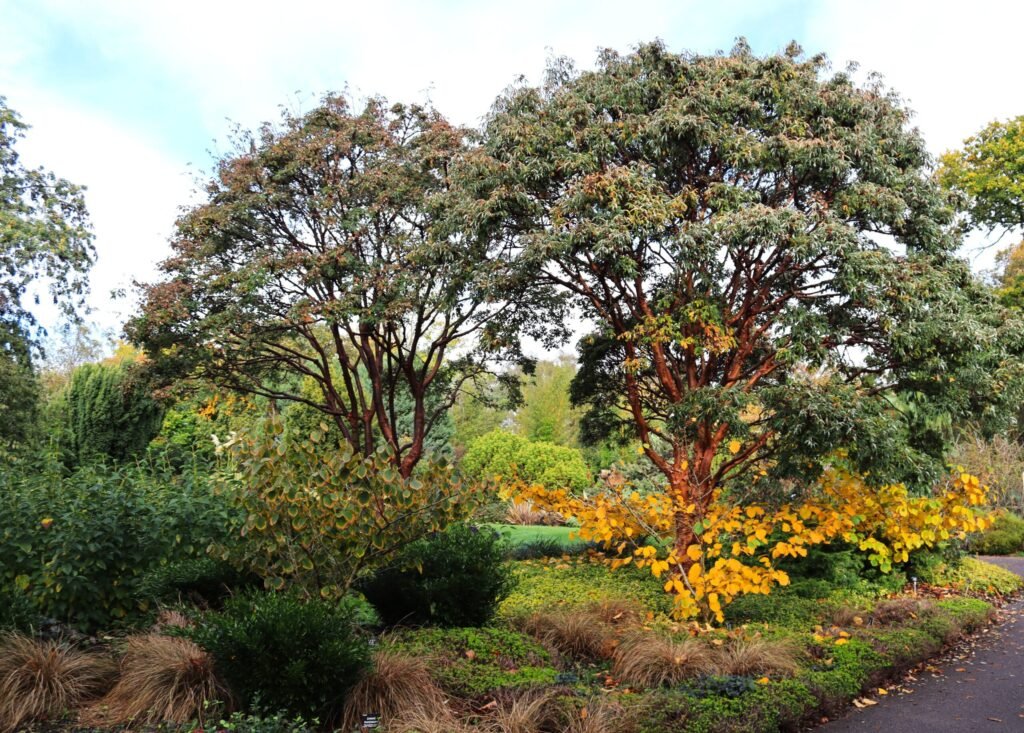
The Paperbark Maple (Acer griseum) is one of the most admired ornamental trees in temperate landscapes. Famous for its cinnamon-colored peeling bark, lush trifoliate leaves, and fiery fall color, this slow-growing maple brings four-season interest to gardens of all sizes. Although it’s not as commonly planted as other maples, its unique texture and adaptability make it a standout for home gardeners, collectors, and designers seeking something extraordinary.
This comprehensive guide will teach you how to grow, care for, propagate, and harvest Acer griseum, along with an overview of varieties, landscape uses, and even its culinary and practical applications.
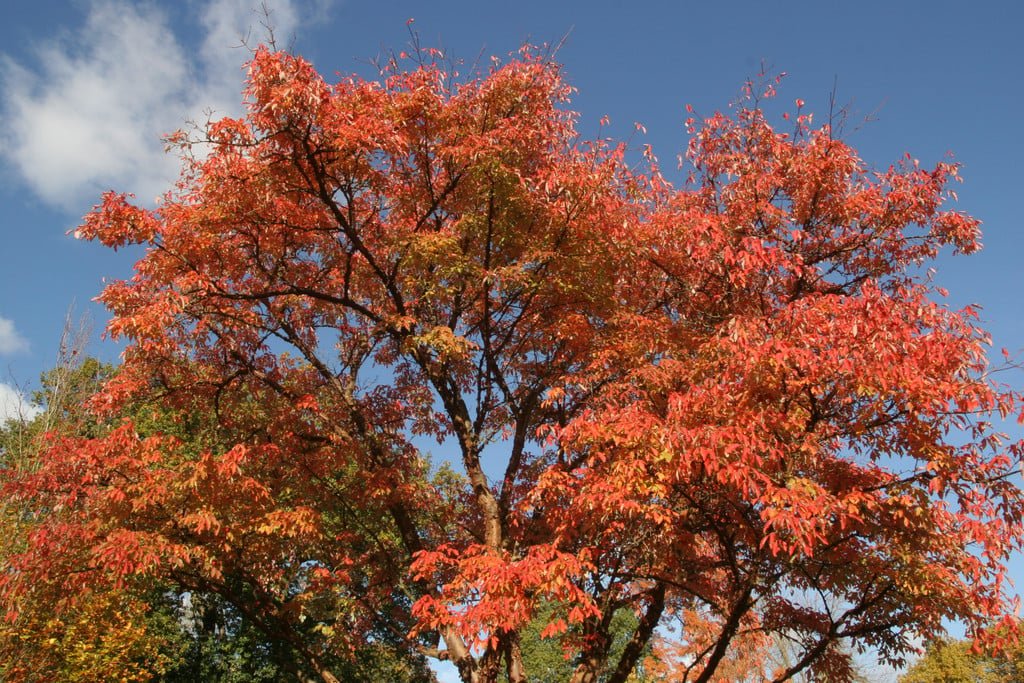
What Makes Paperbark Maple Unique?
Acer griseum is native to central China and remains a prized specimen in ornamental horticulture due to its:
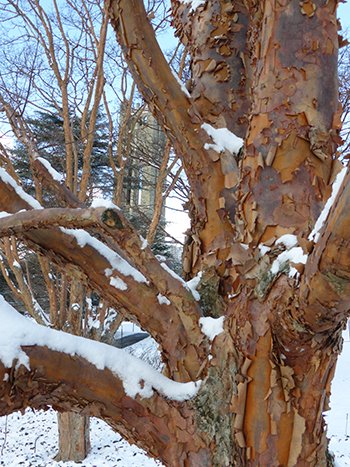
- Exfoliating bark in curling copper-to-cinnamon ribbons
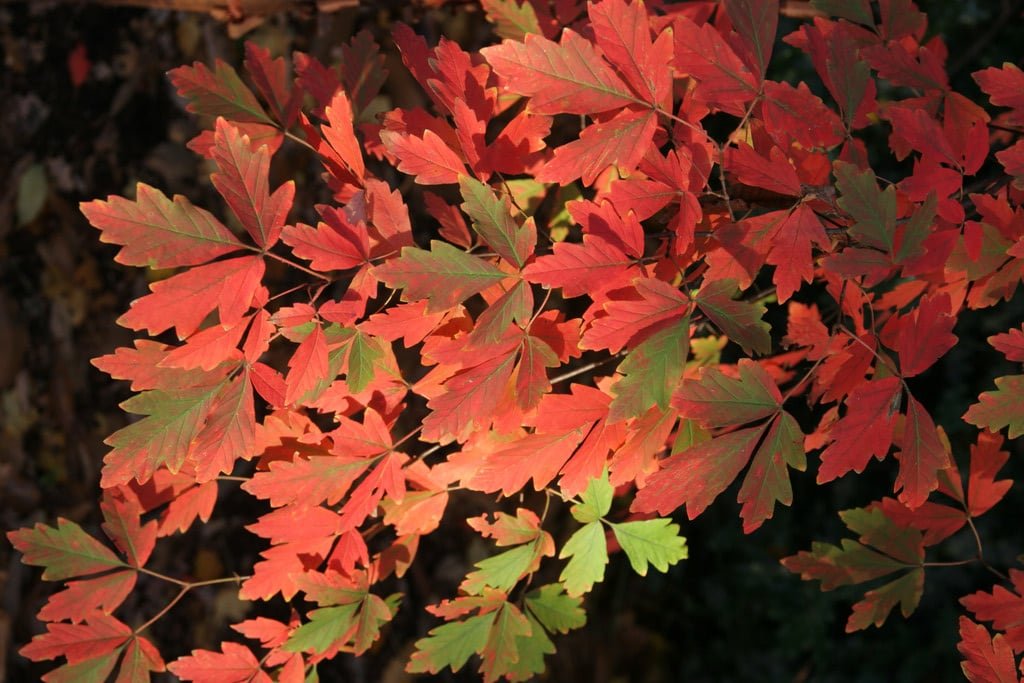
- Trifoliate foliage (three leaflets per leaf), unusual among maples
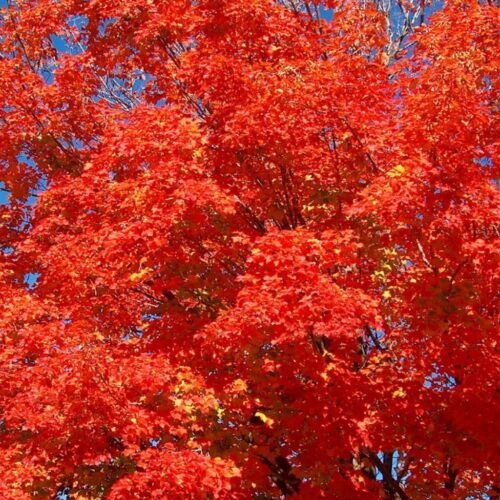
- Brilliant fall color ranging from orange to scarlet
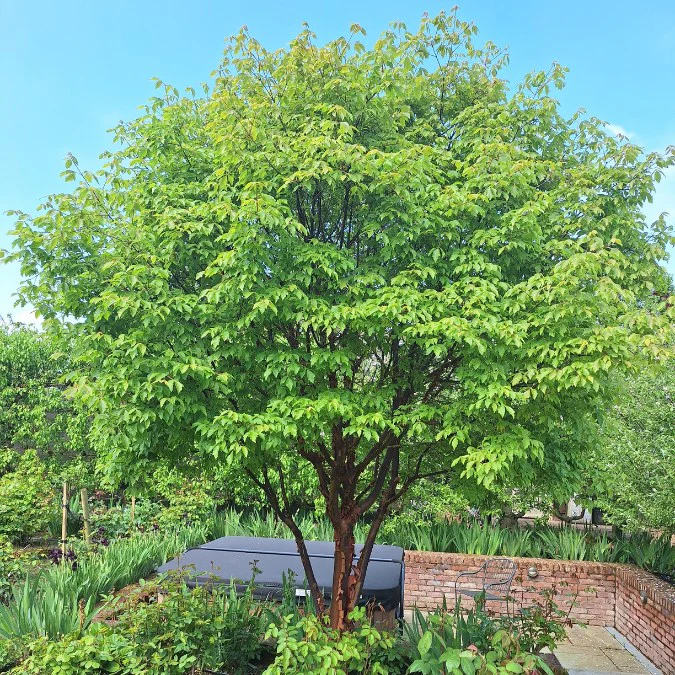
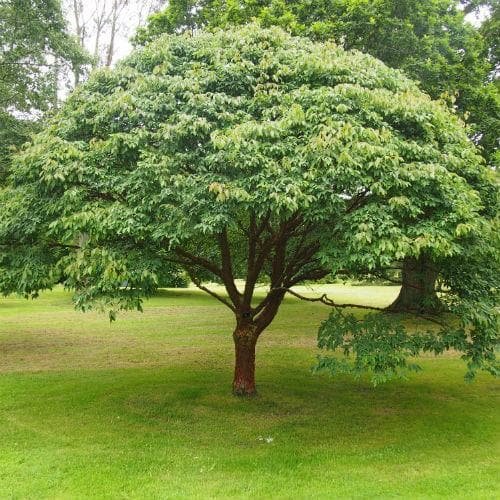
- Compact form ideal for small to medium landscapes
- High tolerance to cold, urban conditions, and partial shade
Its breathtaking bark alone makes it a four-season focal point.
How to Grow Paperbark Maple (Acer griseum)
Growing Acer griseum isn’t difficult, but understanding its preferences helps produce the healthiest, best-colored trees.
1. Soil Requirements
- Prefers moist, well-draining soil
- Thrives in slightly acidic to neutral pH (5.5–7.0)
- Avoid heavy clay or waterlogged areas
- Benefits from organic matter such as compost
Tip: Loamy, fertile soil enhances bark coloration and leaf vibrancy.
2. Light Needs
- Grows best in full sun to partial shade
- Full sun produces:
- Better fall color
- Dense branching
- Stronger bark exfoliation
- Partial shade is tolerable, especially in hot climates
3. Watering
- Young trees need regular deep watering during establishment (first 2–3 years)
- Mature trees tolerate occasional dry spells but prefer consistent moisture
- Mulching helps regulate soil moisture and temperature
4. Fertilizing
- Minimal feeding needed
- In early spring, apply:
- A balanced slow-release fertilizer OR
- Organic compost around the dripline
- Avoid overfertilizing: this species grows slowly and naturally compact.
5. Pruning
- Best done in late winter when sap flow is reduced
- Remove:
- Dead, crossing, or rubbing branches
- Low branches only if needed (maintains natural form)
Important: Don’t over-prune. Paperbark maple is naturally elegant.
6. Pests & Diseases
Acer griseum is relatively problem-free, but may occasionally face:
- Aphids
- Scale insects
- Verticillium wilt (rare)
- Leaf scorch during drought
Proper siting and watering dramatically reduce issues.
Propagation of Paperbark Maple
Propagating Acer griseum is famously challenging, which is one reason the tree is rare and relatively expensive. However, it can be propagated through the following methods:
1. Growing From Seed
This is the most common — yet difficult — method.
Challenges:
- Low seed viability
- Imperfect embryo development
- Requires double dormancy to germinate: warm → cold → warm cycles
Steps:
- Collect fresh samaras in autumn.
- Remove wings and soak seeds in water for 24 hours.
- Stratify:
- 90 days warm (70°F / 21°C)
- Followed by 90–120 days cold (35–40°F / 2–4°C)
- Plant seeds in well-draining medium.
- Germination may take 12–18 months.
Success rate: Often only 1–10%.
2. Grafting
Nurseries commonly graft Acer griseum onto compatible maple rootstocks.
- Ensures stronger establishment
- Produces more consistent traits
- Requires professional skill
3. Softwood Cuttings
Cuttings are notoriously difficult to root.
- Try in early summer
- Use rooting hormone
- Keep under mist or high humidity
Success is low but possible.
Varieties and Cultivars of Acer griseum
Paperbark maple has fewer cultivars than most maples, but several forms exist:
1. Acer griseum (Species Type)
- Standard form
- Best known for its exfoliating bark and brilliant fall color
2. Acer griseum ‘Gingerbread’
- Improved bark tone
- Slightly stronger growth
- Warmer leaf color in fall
3. Acer griseum × maximowiczianum (Hybrid: Acer × freemanii “Giraldii group”)
More experimental hybrids exist, produced for improved vigor and easier propagation, though they may have less dramatic bark.
Because Acer griseum grows slowly and seeds are often sterile or poorly developed, cultivars remain limited and rare.
Uses of Paperbark Maple
Although mainly ornamental, the tree offers several types of value.
1. Landscape Decoration
- Perfect specimen tree
- Excellent winter interest due to peeling bark
- Ideal for:
- Front yards
- Courtyards
- Japanese gardens
- Woodland edges
- Arboretums
2. Shade & Structure
- Provides light, dappled shade
- Works well over ferns and shade perennials
3. Educational & Botanical Collections
Because of its rarity and unique trifoliate leaves, it is commonly planted in botanic gardens for conservation and study.
4. Wood and Craft Uses
The wood is not commonly harvested commercially due to the tree’s ornamental value and slow growth, but in theory:
- Dense and fine-grained
- Suitable for small crafts (turning, carving)
- More often used from fallen branches rather than cut timber
Food-Related Uses and Edibility
Acer griseum is not widely used as a food source, but it does have limited edible or culinary-adjacent uses:
1. Maple Sap
Like most maples, Acer griseum sap is technically edible and can be boiled into syrup. However:
- Sap flow is low
- Trees are small
- Syrup production is inefficient
Still, hobbyists occasionally tap older trees.
2. Ornamental Use in Edible Landscapes
Though not edible itself (besides sap), it pairs beautifully with:
- Berry bushes
- Herbs
- Shade-tolerant edible plants
- Forest garden layers
It brings winter structure to edible gardens.
Harvesting Paperbark Maple
“Harvesting” typically refers to collecting seeds, bark (aesthetic only), or sap.
1. Seed Harvest
- Collect samaras in autumn when brown and dry
- Let them air-dry for a week
- Store in paper envelopes in a cool, dry place
- Begin stratification around mid-winter
2. Bark Harvest
Do NOT harvest bark from living trees.
The exfoliating bark is ornamental only and removing it harms the tree.
Fallen bark curls can be collected from the ground for:
- Crafts
- Decoration
- Floral arrangements
3. Sap Harvest
If attempting syrup production:
- Tap in late winter to early spring
- Use small spiles
- Never tap trees under 8–10 inches in diameter
Expect very modest yields.
Planting Tips to Maximize Color & Bark Appeal
- Choose a site with full sun for strongest bark contrast.
- Use dark mulch to highlight the cinnamon bark.
- Plant against evergreen backgrounds for winter showcase.
- Keep soil consistently moist the first few years.
Frequently Asked Questions (FAQ)
Is Paperbark Maple fast-growing?
No. It grows slowly (6–12 inches per year). This slow growth contributes to its durability and compact shape.
Can it tolerate cold winters?
Yes. Hardy to USDA Zone 4–8.
Is it drought-resistant?
Moderately. Young trees need steady moisture; established trees tolerate short dry periods.
Why is Acer griseum expensive?
- Difficult propagation
- Slow growth
- Low seed viability
- High demand
Final Thoughts
Paperbark Maple stands out as one of the most beautiful and unique ornamental trees available to gardeners. With its extraordinary peeling cinnamon bark, rich seasonal color, and low maintenance needs, it offers long-lasting value and year-round beauty. Whether you’re adding a single specimen to your yard or expanding a curated tree collection, Acer griseum rewards patience with exceptional elegance.


&media=https://food-foresting.com/wp-content/uploads/2025/12/Acer-griseum-19820441A-scaled.jpg)